

XPS insulation
XPS and water: what does low water absorption really mean?
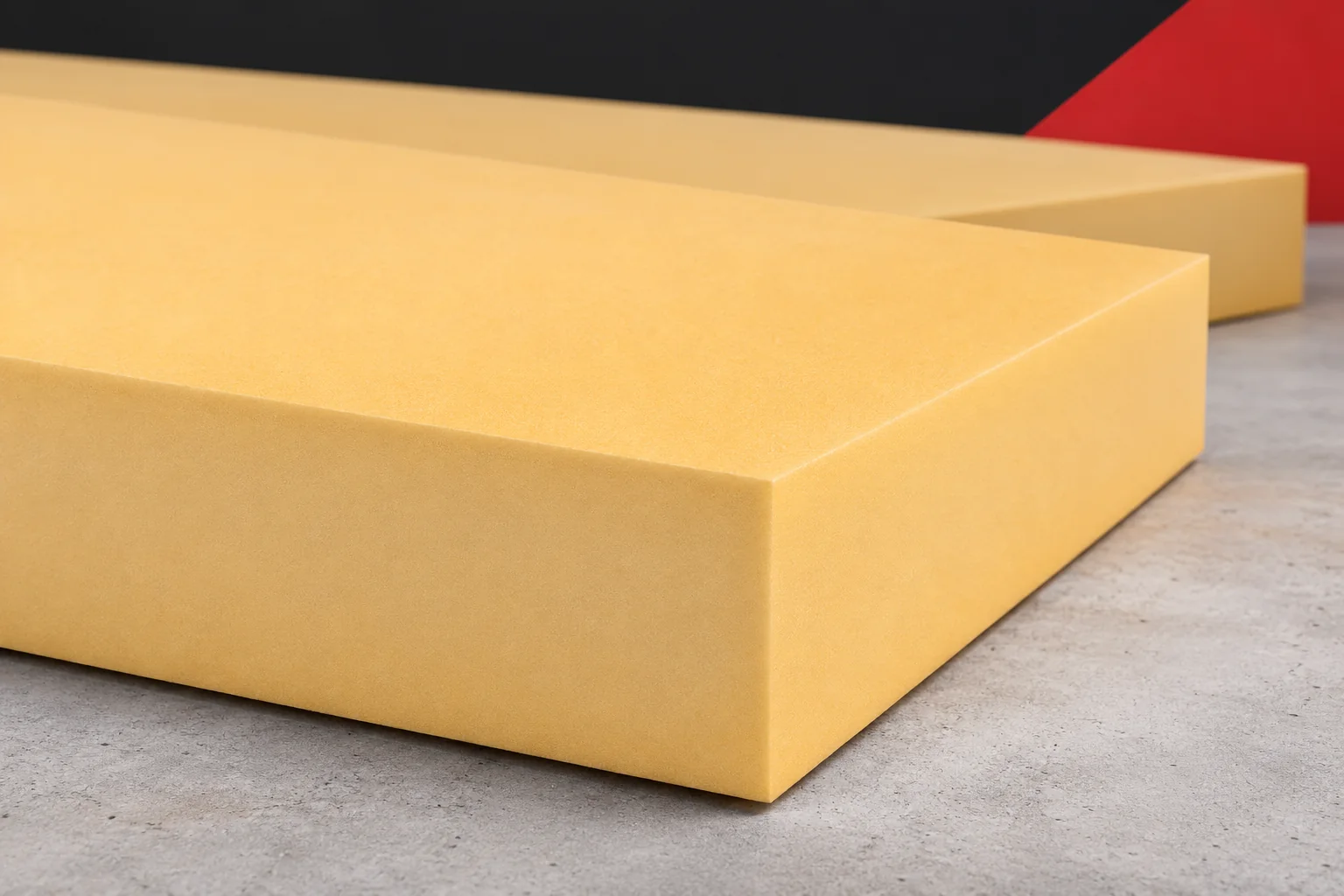
Resistance to moisture is a key reason for choosing XPS around foundations and on inverted roofs. Yet descriptions sometimes go too far by calling it completely waterproof. Extruded polystyrene has low water absorption as measured for a particular product and test method. That is a useful property, but it does not make the entire insulation layer watertight. Water affects boards, joints and adjoining materials in different ways. Extrusion produces a uniform structure with a high proportion of closed cells, limiting water penetration into the material. It does not mean that the board absorbs no moisture under every possible condition.
In this guide
Closed cells limit water penetration
Manufacturers state properties in their documentation on the basis of specific tests.
Extruded polystyrene can be used in locations with greater water exposure than many other insulation solutions. Suitability still depends on the data for the particular product. Exposure time, temperature and drainage also matter. A board selected for one construction is not necessarily suitable for every building element that remains submerged.
Immersion and diffusion are different tests
XPS declarations may include parameters for long-term immersion and for water absorption by diffusion. These are not the same measurement. One test result should not replace the other when comparing offers. Two similar-looking figures may describe different exposure conditions.
When reading a declaration, check the parameter symbol, its unit and the thickness range. Some properties may differ between thin and thick boards. Extruded polystyrene should be compared using the same methods. Entering only the term low water absorption in an enquiry does not give the contractor or designer the data needed to verify the solution.
Waterproofing is a separate function
XPS boards are laid next to one another, so their joints do not automatically form a water barrier. A rebated edge makes the direct route through a joint less straightforward, but it is not a pressure-tight seal. At a basement wall, protection against water is provided by suitable waterproofing or a structure designed to be watertight.
XPS can also protect the waterproofing against some mechanical damage. It does not replace repairs to the wall-to-foundation junction or sealing around a pipe penetration. Allow for these jobs separately in the cost estimate. Otherwise, a missing detail may only become apparent after heavy rain or a rise in groundwater.
Water pressure changes the requirements
Damp soil and groundwater pressure impose different demands on a building element. Under water pressure, the design must address watertightness, possible flow behind the boards and their fixing. An XPS adhesive application method chosen for one situation should not be carried over to the other without checking it. Follow the recommendations of the manufacturers of all layers involved.
Extruded polystyrene is lightweight, so buoyancy also needs consideration in some constructions. Measures to prevent movement must not inadvertently puncture the completed waterproofing. The adhesive must be compatible with both XPS and its substrate. An unsuitable solvent-based product can damage the insulation even where moisture itself would not be a problem.
Consider moisture and frost together
On an inverted roof or close to ground level, boards may undergo freeze–thaw cycles. Depending on the application, declared resistance to this exposure can therefore matter alongside water absorption. Do not infer it simply from a description such as rigid board. XPS tests cover defined conditions, and the results must be relevant to the intended use.
The layers above the insulation must also allow the whole construction to function properly. Standing water, a blocked outlet or an unsuitable covering can change moisture conditions. Using extruded polystyrene does not remove the need to maintain drainage. Effective thermal insulation and reliable drainage perform complementary jobs.
Check the documents, not just the product name
Styrodur is sometimes used loosely as a name for rigid insulation, but the name does not establish water absorption. When buying XPS, obtain the full property declaration. XPS manufacturers include swisspor, Austrotherm and Ravago. Their ranges contain boards with different surfaces and declared properties.
Pay attention when a property has not been declared. That does not mean its value is zero or that a requirement is automatically met. If the design calls for a particular test, the documentation must provide the relevant evidence. Keep the declaration number and delivery identification for the XPS. They help establish whether the material delivered is the one that was specified.
Plan protection during construction too
Do not leave opened packs exposed for long periods to sunlight, dirt or nearby solvents. Damaged edges make close-fitting XPS installation harder. Clean the joints and check the boards before covering them. Water standing in the installation area is a reason to assess working conditions, rather than proof that the insulation can be installed without restrictions.
The main benefit of low water absorption is the ability to retain thermal performance in a damp area that has been properly designed. It is not a reason to omit other layers. XPS, waterproofing, support and drainage should form a coordinated solution. Only then can the material’s properties be put to effective use.
7 branches. Materials closer to your project.

Free quote
Materials for your project
You may also find useful…
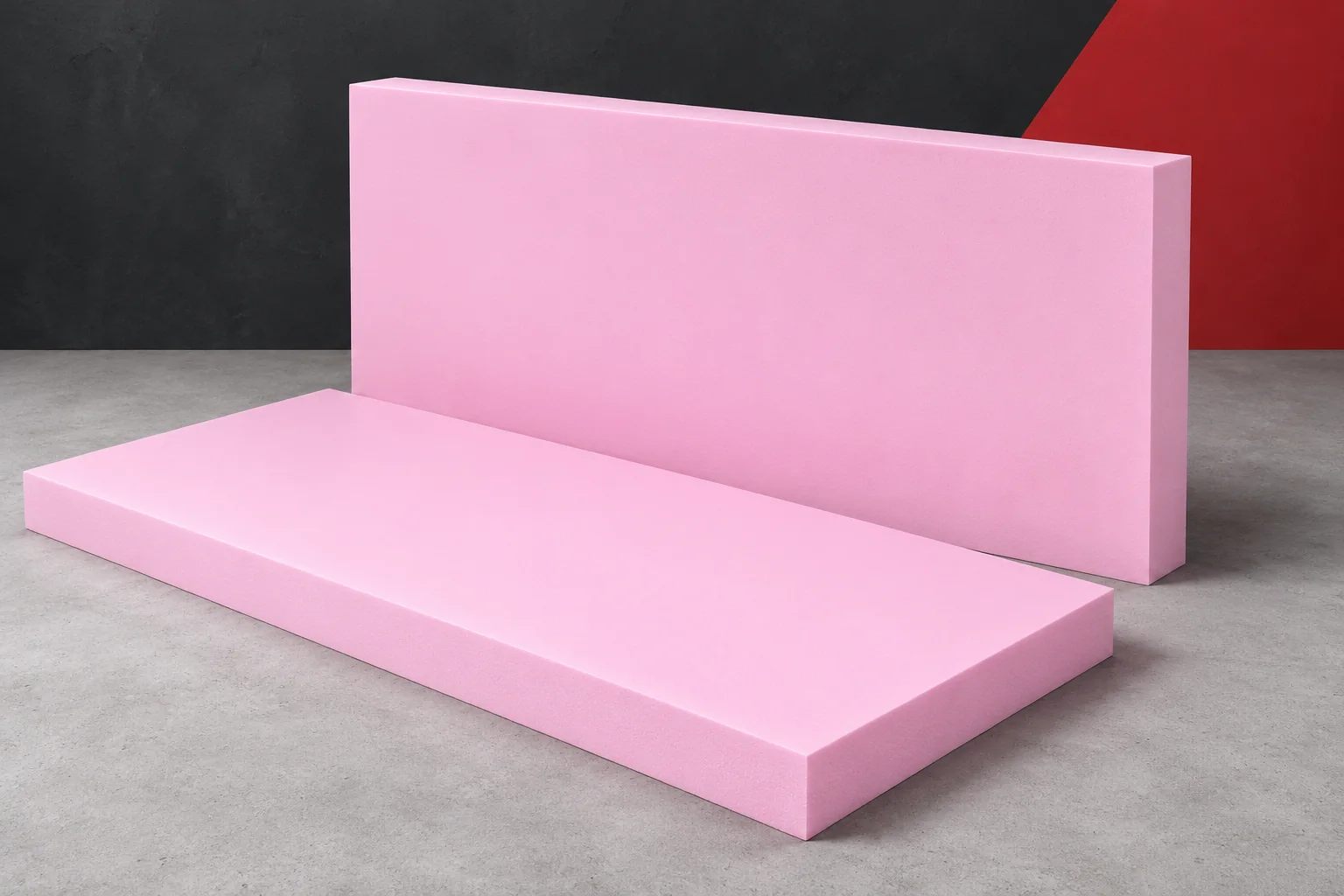
Exposing a foundation is an opportunity to improve an old house's thermal protection, but the work does not start by sticking boards…
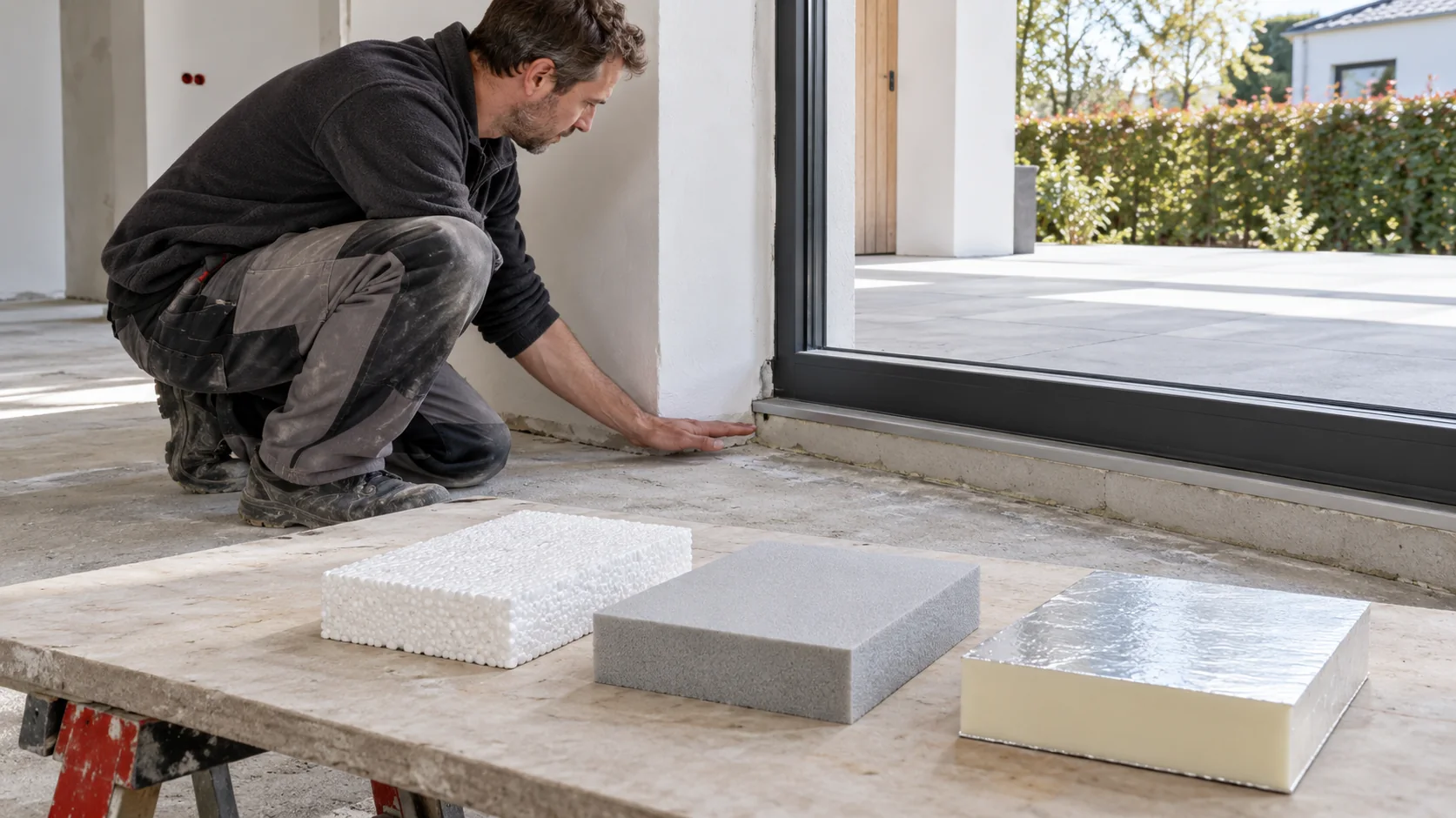
No single insulation material is best throughout a house. On a façade the render system matters, in a floor the loading, and…
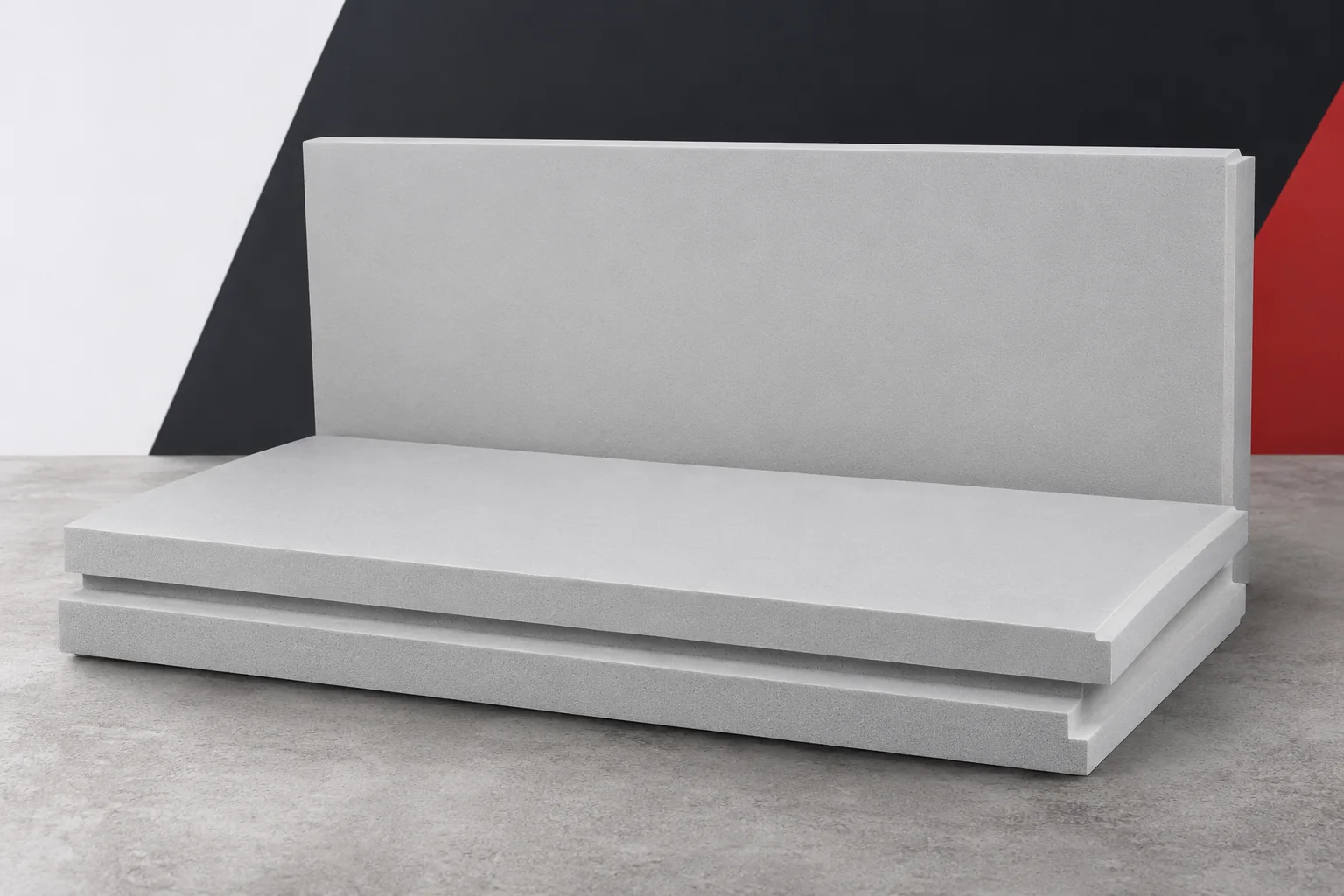
XPS is lightweight, so even a small amount of waste takes up considerable space. Renovation leaves whole boards, clean offcuts and pieces…
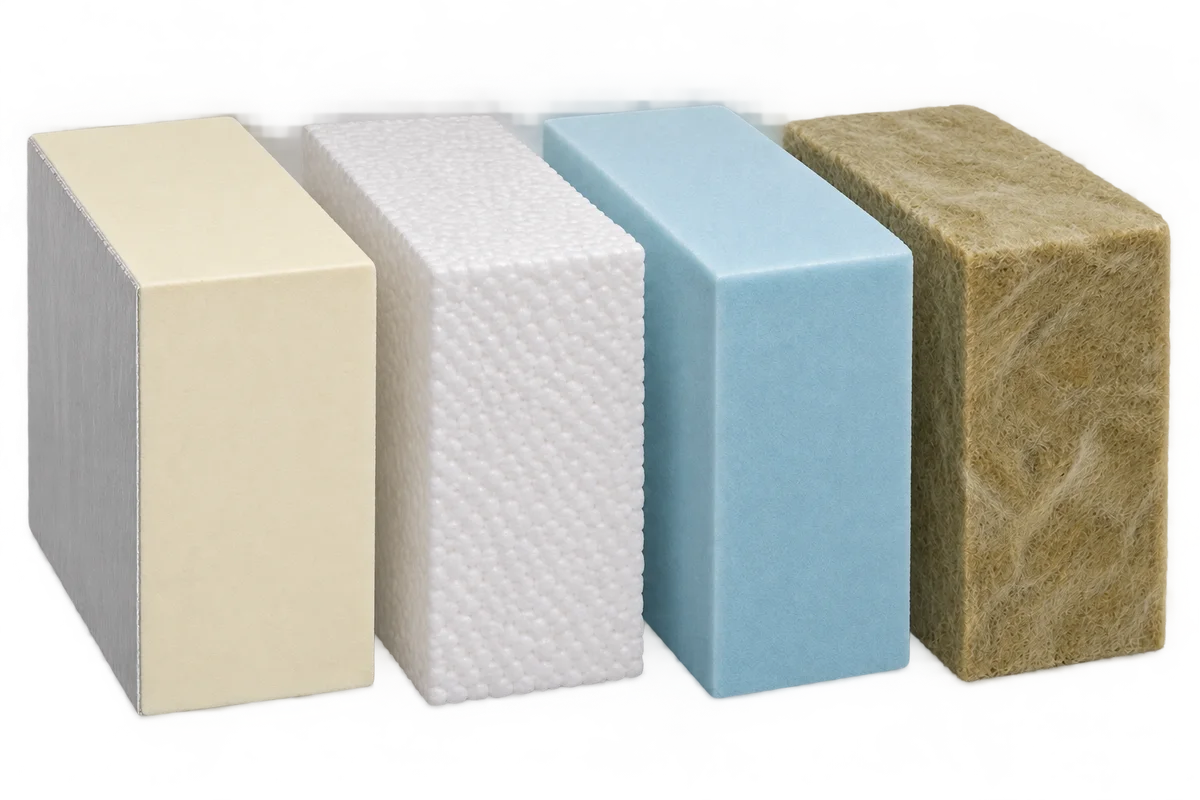
A schedule of the layers of a building envelope with PIR boards and a second insulating material makes sense only if each…
Two XPS offers may look alike while covering different thicknesses and specifications. A cheaper pack does not show which layer will reduce…
XPS is sometimes presented as simply a better form of polystyrene insulation. That comparison overlooks where it will be used. Extruded and…
Every centimetre can matter when renovating a house. Door levels, room height or the width of a passage may limit the space…
A home with a low heating demand needs insulation layers that connect properly. Board thickness alone does not determine the result. XPS…