

XPS insulation
Replacing EPS with XPS: when is it suitable, and when must the design change?
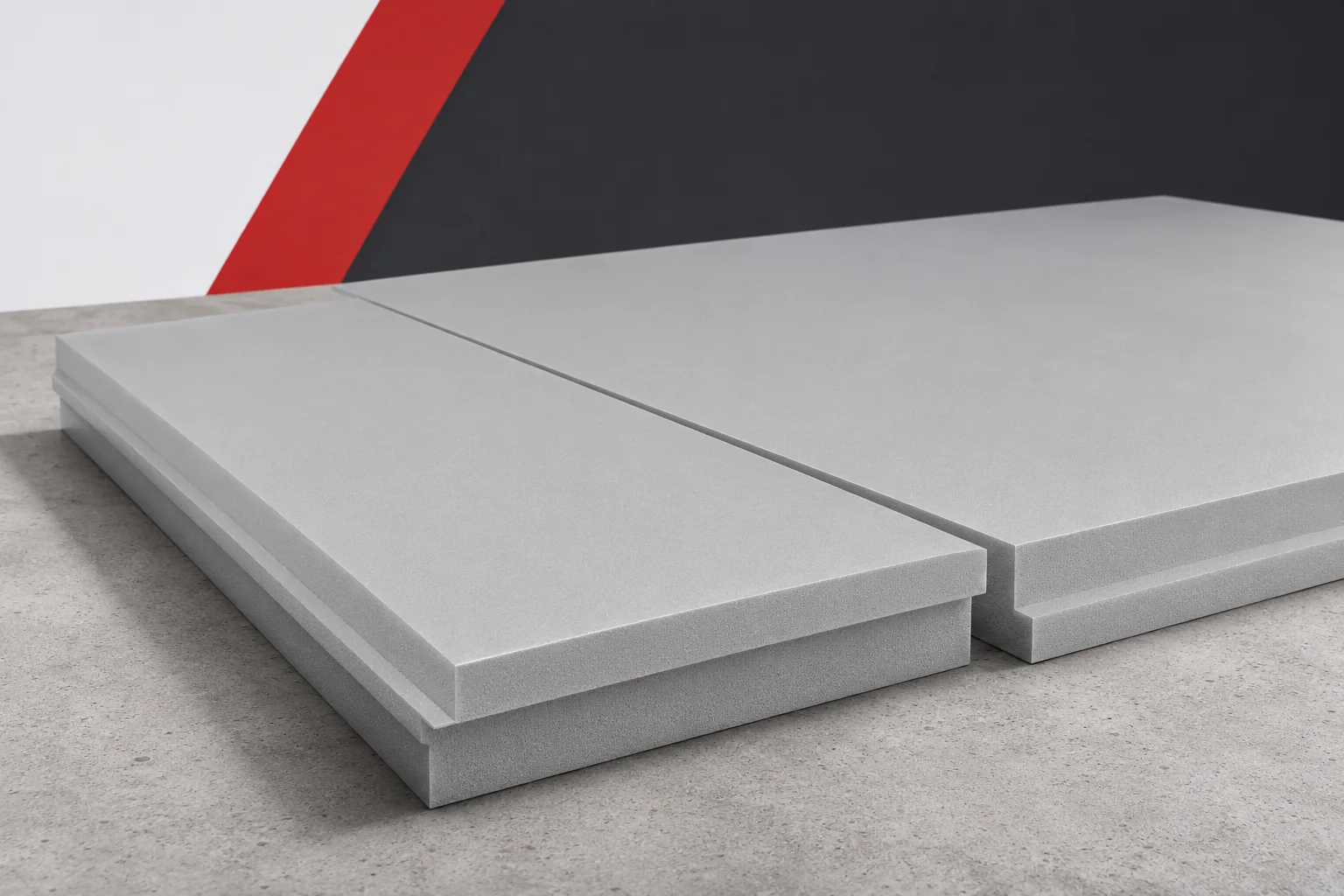
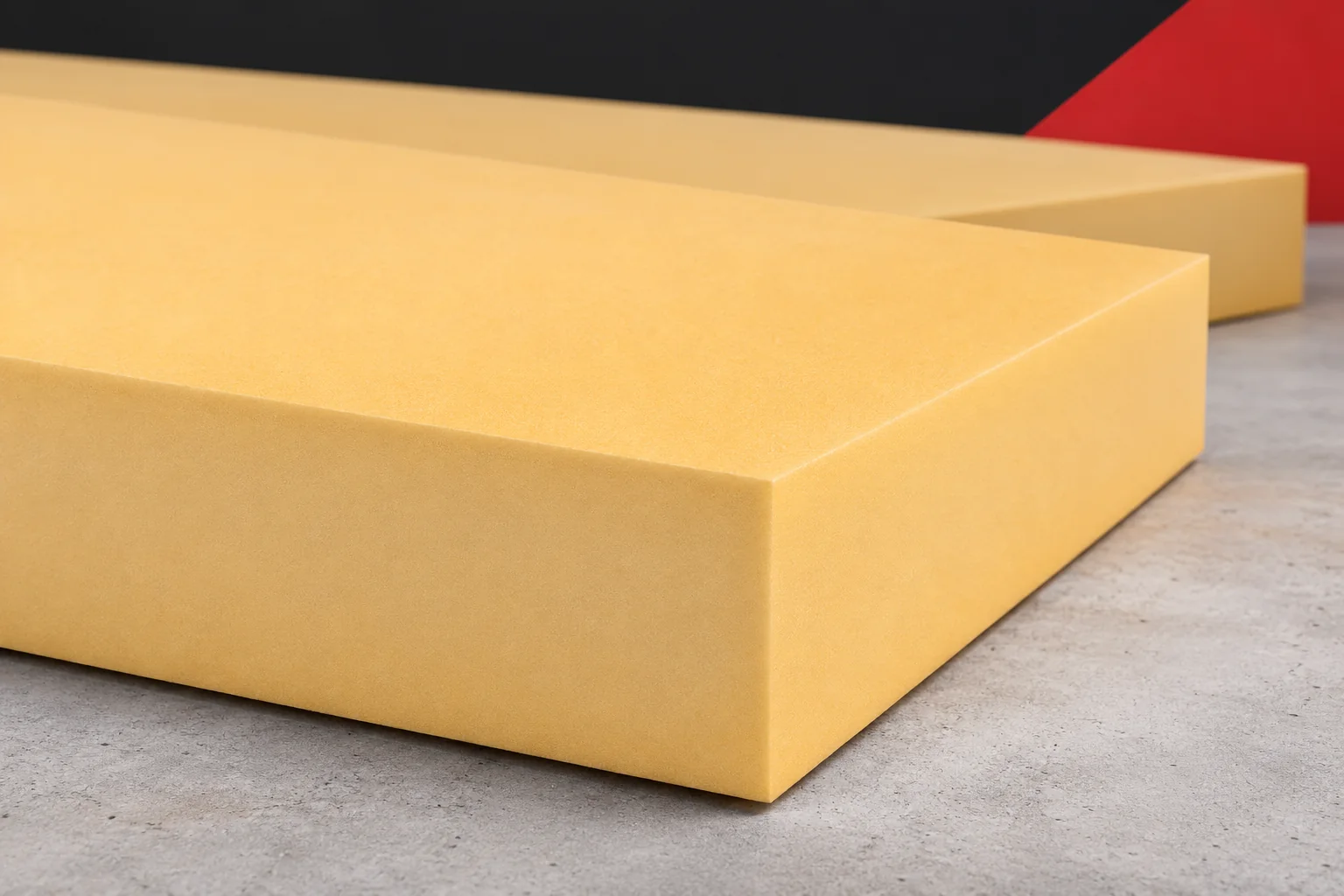
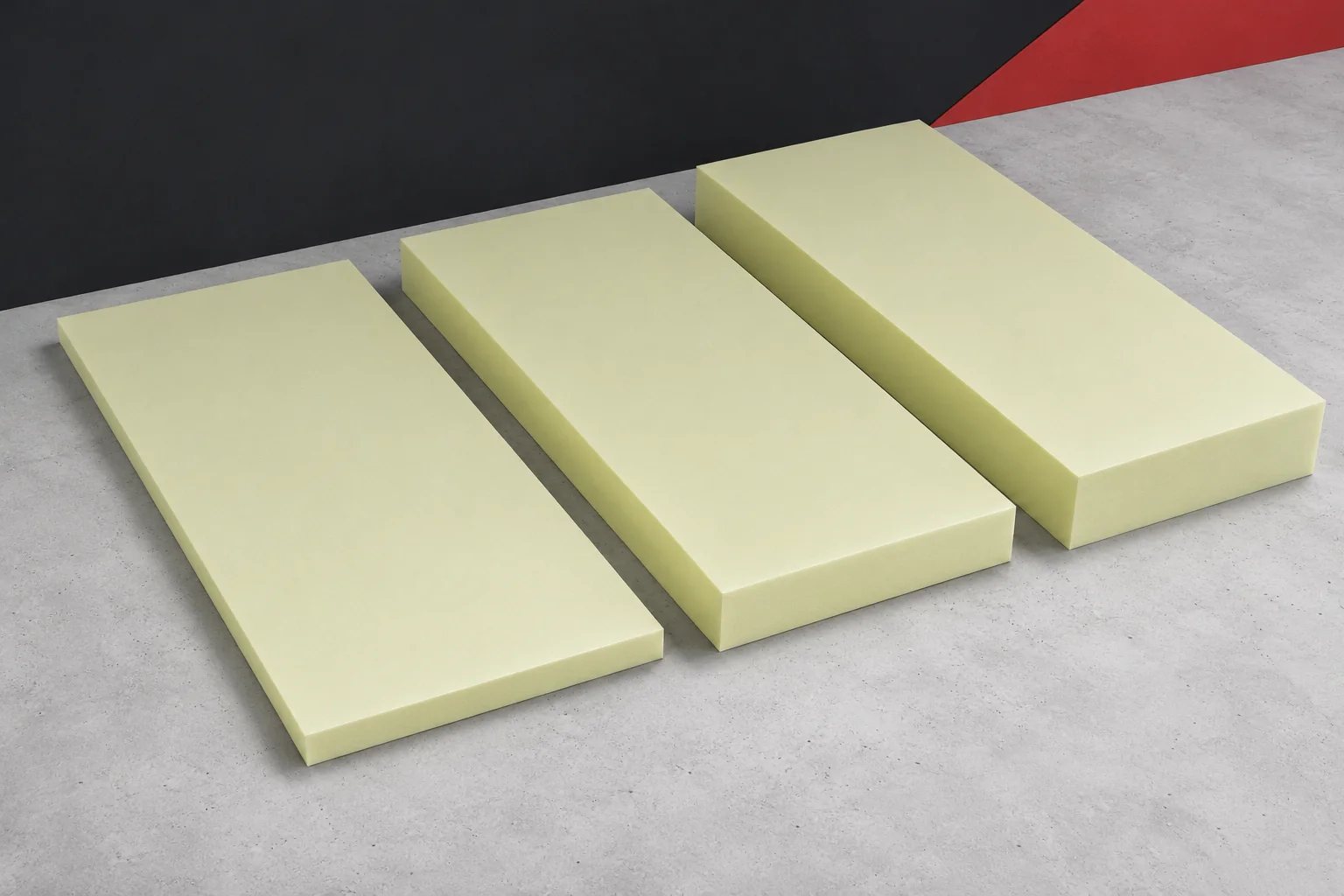
XPS is sometimes presented as simply a better form of polystyrene insulation. That comparison overlooks where it will be used. Extruded and expanded polystyrene have different structures and are available in many product grades. The choice depends on moisture, loading, finishes and the required thermal performance. A substitution can be justified, but colour or board hardness alone is not a sound basis for it. First establish what the specified insulation was intended to achieve. If the aim is greater resistance to moisture, identify the type of contact with water. If loading is the concern, establish both its magnitude and duration. XPS may meet these needs, but each requires different supporting data.
In this guide
Define the problem that switching to XPS should solve
A general statement that the material should be stronger is not enough to approve a substitution.
Extruded polystyrene can be particularly useful in the zone near the ground and in floors subjected to loads. EPS also comes in many grades. An arbitrary facade board cannot be compared with a product intended for high compressive loads. A sound analysis compares materials declared suitable for the same task.
Do not assume that XPS always has a lower thermal conductivity
XPS does not automatically have a lower thermal conductivity than every EPS product. Both materials are available on the market with different values. If the new board has a poorer lambda, retaining the same thickness will reduce the thermal resistance of the layer. This must be checked before ordering, and not only after the insulation has been laid.
Extruded polystyrene is compared using the value for a specified thickness. An initial calculation of thermal resistance is d/λ, with thickness expressed in metres. Thermal equivalence does not, however, determine the equivalence of the entire building element. An assessment of details, fixings and the other layers is also needed. A narrow window reveal may not have room for the required increase in thickness.
A harder board still needs a load assessment
XPS is often chosen for floors because of its mechanical properties. Yet the result of a short-term compression test must be distinguished from performance under sustained loading. Creep and the permissible deformation of the construction matter over many years of service. A number printed on the packaging does not by itself define a safe design load.
Changing the insulation can affect how the load-distributing layer behaves. Check the substrate, screed thickness and installed equipment as well. Extruded polystyrene cannot correct an uneven or unstable base. Voids beneath the boards leave a support problem that even a high declared compressive resistance cannot resolve.
Moist conditions require a complete construction solution
The low water absorption of XPS is a useful property around foundations. It does not justify omitting waterproofing. Groundwater conditions, fixing methods and protection during backfilling still need consideration. The intended use of the particular board must match the actual conditions on site.
Extruded polystyrene can also be used in an inverted roof, but converting to that arrangement is more than replacing one product. The position of the waterproofing and the way the layers above it function change. Suitable drainage, separation and restraint against movement are required. The complete roof needs assessment for loading and moisture conditions.
The board surface must suit the finish
A smooth XPS surface differs from the substrate for which a particular adhesive and render were specified. Do not introduce it into an arbitrary facade insulation system without approval. Products with a texture designed to improve adhesion are available, but they too must comply with the system documentation. The complete layer arrangement and installation method are what matter.
The commonly used name Styrodur does not specify the surface texture, edge profile or required adhesion. Extruded polystyrene at a plinth may need different properties from insulation beneath a floor. Acoustic requirements must also be considered. A stiff thermal insulation board does not automatically replace a material specified to reduce impact sound.
Check fire safety and material compatibility
XPS is combustible. The classification of an individual product does not describe the fire resistance of the complete building element. Any insulation change must maintain the fire safety requirements for the building and the system. Greater board hardness or lower water absorption alone cannot demonstrate compliance.
XPS manufacturers include Austrotherm, swisspor and Ravago. Their ranges contain different grades and surface finishes. Compatibility with adhesives, coatings and membranes also needs confirmation. Unsuitable solvents can damage extruded polystyrene. Some material combinations need a separating layer, which must be included in the cost assessment.
Approve the substitution before delivery
A straightforward procedure is to compare the design requirements with the proposed substitute’s documentation. Assess thermal performance, loading, moisture, geometry and installation conditions. If XPS meets these requirements, the substitution may be justified. Otherwise, the construction detail must also change, or the originally specified material should be retained.
Record the accepted XPS grade and the basis for its approval. Delivery checks can then rely on documentation rather than the installer’s memory. Choosing insulation is not about ranking one material name above another. It means matching a product to specific conditions. That approach offers more value than paying extra merely because a product is regarded as tougher.
7 branches. Materials closer to your project.

Free quote
Materials for your project
You may also find useful…
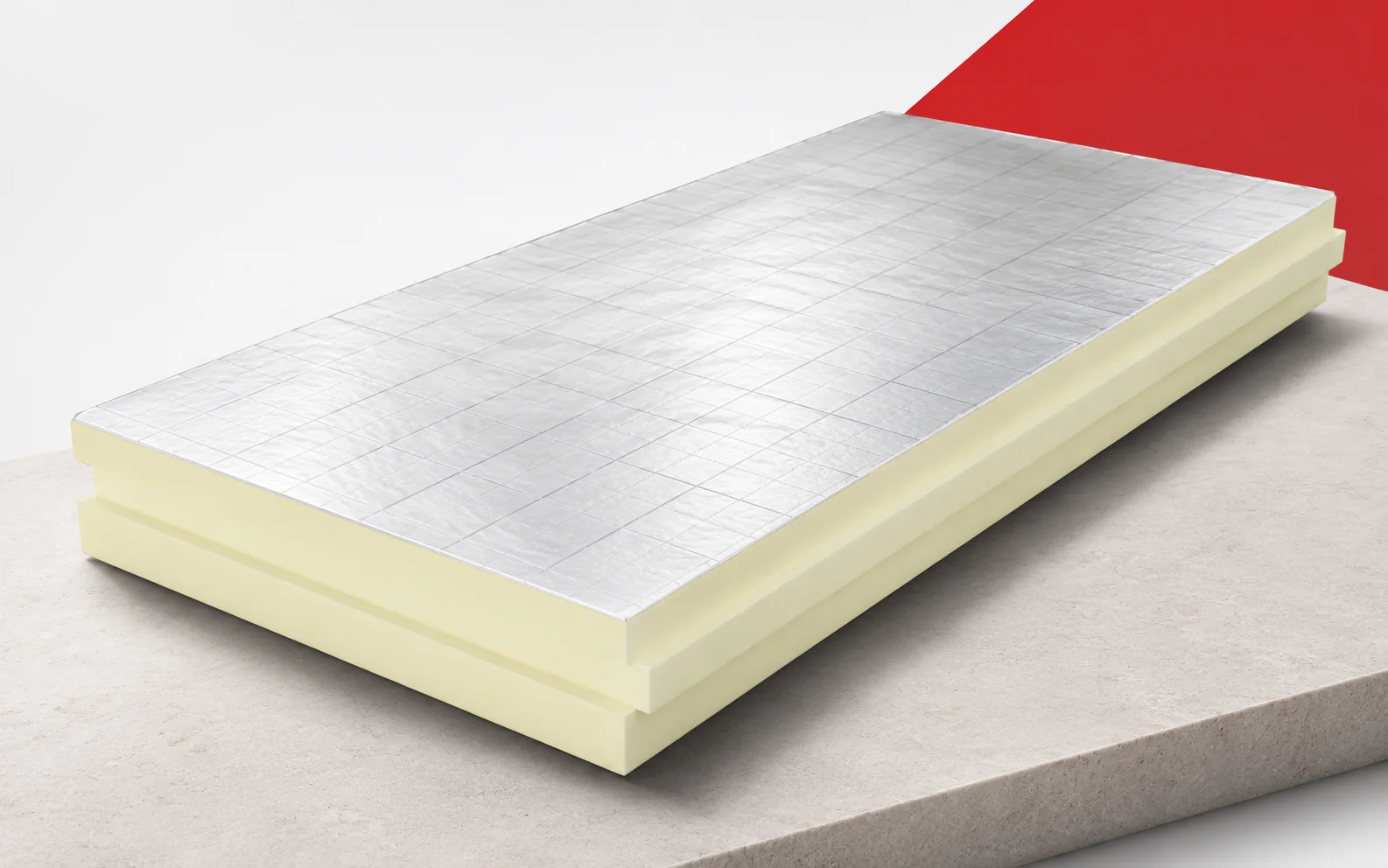
Begin a PIR versus XPS comparison with the installation location. A thin layer offering high thermal resistance can be valuable where space…
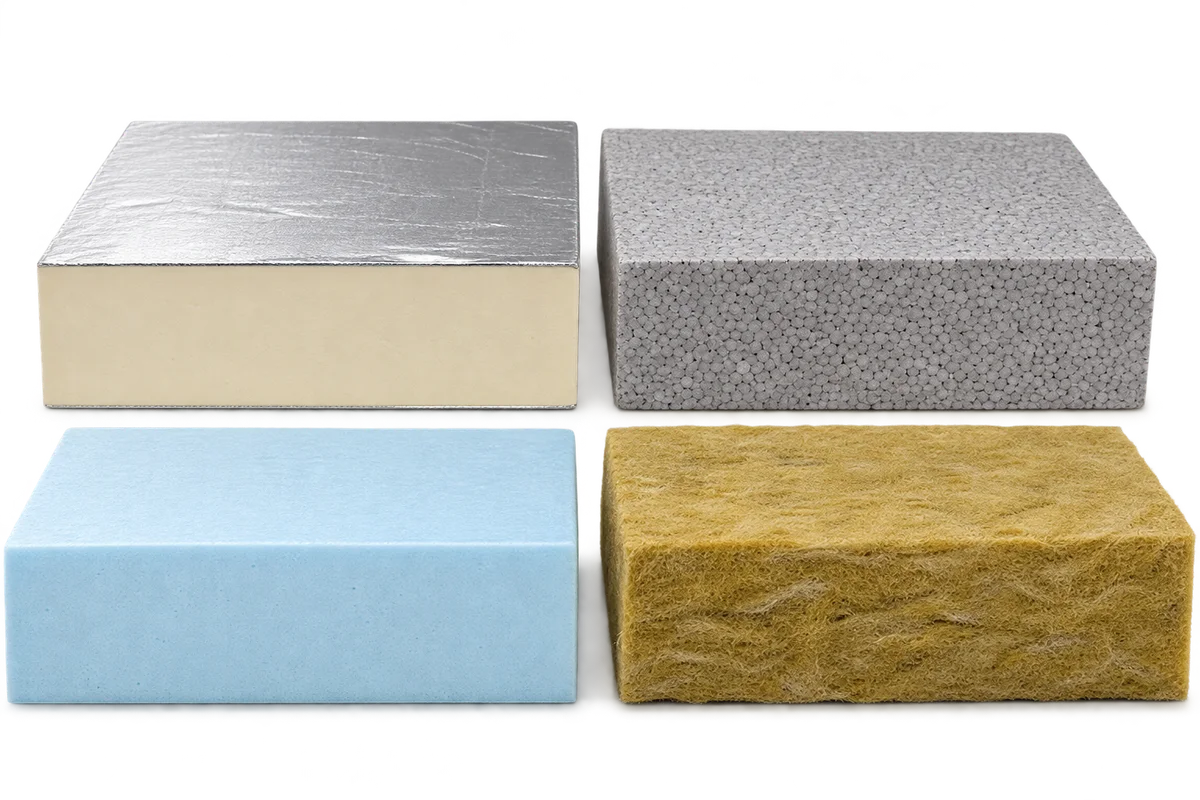
Insulation has a different job in each part of a house. PIR is useful where thickness is limited. EPS comes in grades…
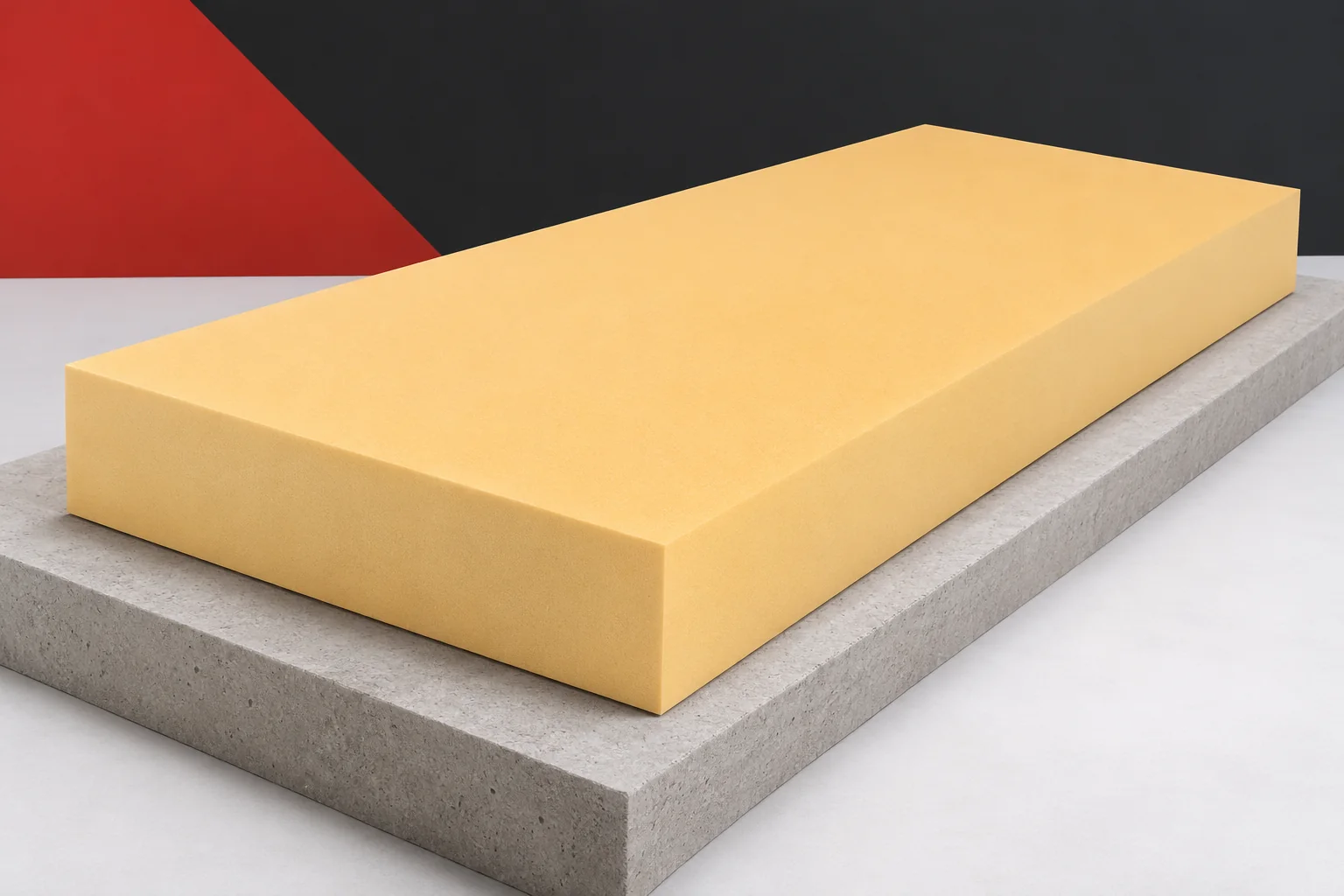
Not every basement can be renovated in one go. Budget, access to walls or the way the house is used may impose…
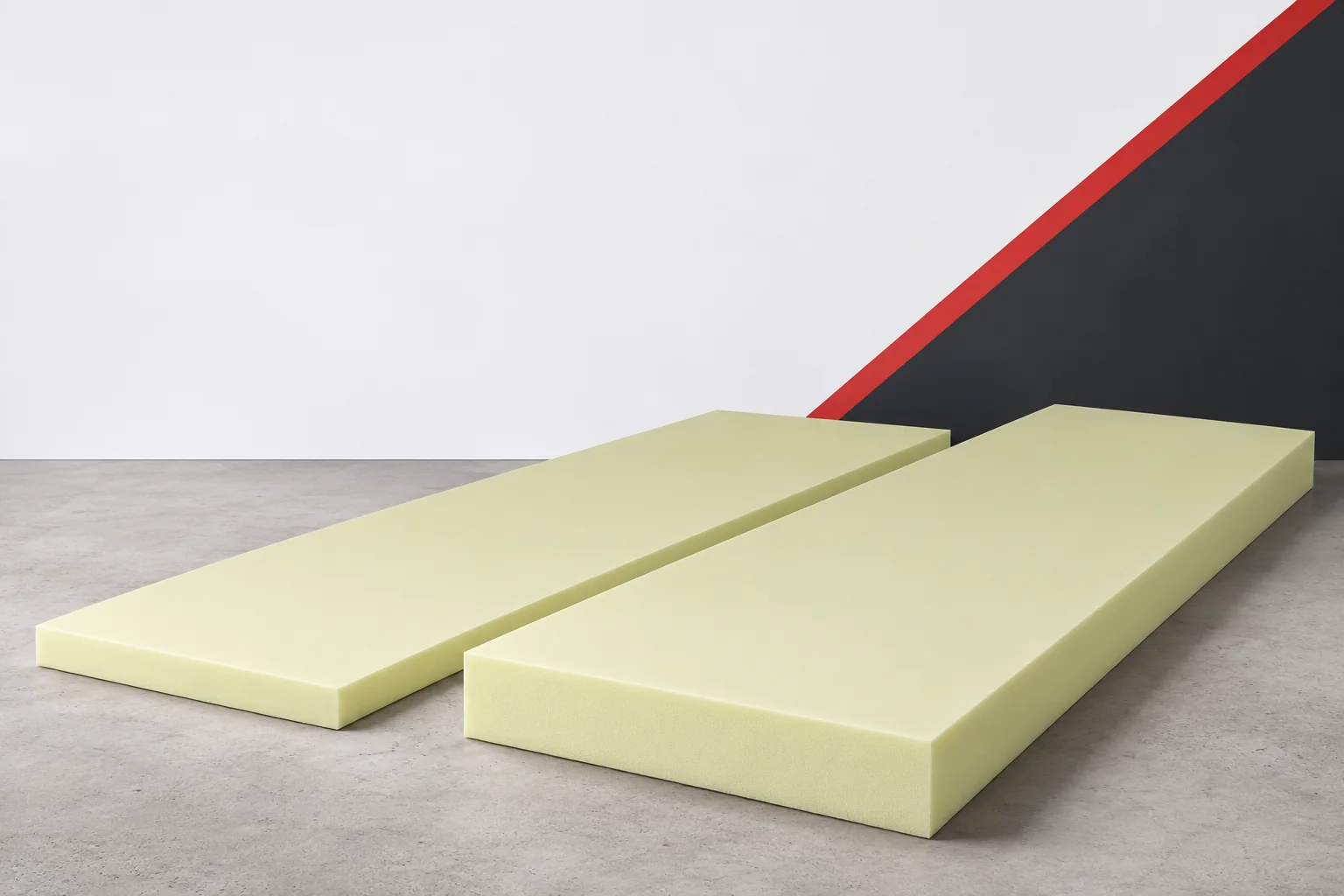
Insulation beneath a floor or buried beside a foundation needs to keep performing for many years: replacing it is difficult and costly.…
A cold strip of flooring along a wall can be uncomfortable even in a house with thick external wall insulation. The cause…
Resistance to moisture is a key reason for choosing XPS around foundations and on inverted roofs. Yet descriptions sometimes go too far…
Every centimetre can matter when renovating a house. Door levels, room height or the width of a passage may limit the space…
Indoor moisture conditions depend on the sources of water vapour, the way the house is ventilated and the surface temperatures. Water vapour…