

Sheet-metal flashings
Ordering starter profiles for roofs and façades: what to include
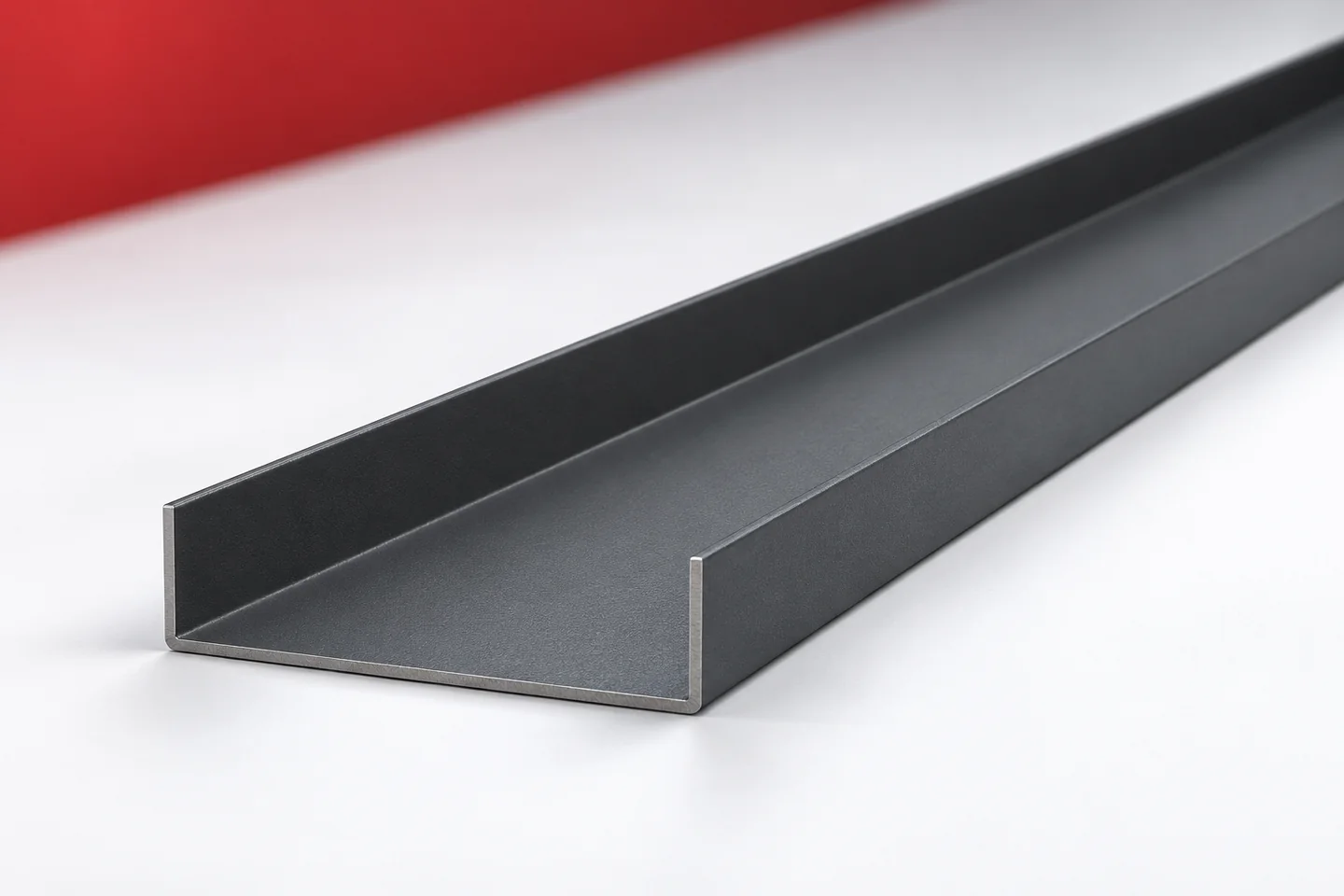
Starter profiles define where installation of a given covering or cladding begins. Some form a hook for the panel, others support the first row or protect the lower edge of the wall. The shared name does not mean a shared design. Before ordering, establish the profile’s function and check its place in the system. That way a small component will not bring work on a large area to a halt. When discussing a starter profile, state whether it is for a panel roof, tile-effect metal roofing, a façade or sandwich-panel cladding. Include the name of the covering type and a drawing of its lower edge. Components of similar width may have completely different folds. It is precisely these folds that determine correct hooking or support.
In this article
Name the task first, then the product
Do not assume that every sheet-metal strip is universal. Starter profiles are often tied to a specific geometry of the first row. A change in height, angle or the position of an opening can affect the run of the entire roof slope. The benefit of a ready-made strip lies in the repeatability of the detail, provided it has been correctly selected.
A roof strip can work together with ventilation
In some eaves solutions, perforated starter profiles are used. They combine the function of starting the covering with leaving a path for air. The holes are not decorative. Their position and total area follow from the construction of the component. Such a strip should not be arbitrarily covered with tape or a full flashing.
Gutter cover flashings lie in the same zone but perform a task related to water. In a correct detail, both elements work together. One cannot always replace the other. During the quote, ask for a cross-section of the eaves with the starter profile, membrane and covering. This allows a missing part to be identified before the order is placed.
A panel hook requires an exact cross-section
For roof panels with a folded lower edge, a starter profile can serve to hook it in. The direction of the fold and the space required for installation are then decisive. A profile bent the opposite way may look correct in the pack but will not work with the panel. The outer side must be marked on the sketch.
The dimensions of the hook are not chosen by forcefully bending a ready-made component. The recommendations of the covering must be taken into account, including how it behaves under temperature changes. Starter profiles bought separately require particularly careful verification of compatibility. Matching colours alone do not confirm technical compatibility.
At the base of the wall, water drainage also counts
In sandwich-panel cladding, the lower detail may comprise a starter strip, a plinth flashing, seals and a supporting element. Their tasks are not the same. A thin edge trim does not automatically become part of the load-bearing structure of the wall. Support and fixing must be established on the basis of the cladding documentation.
Starter profiles should match the panel thickness and the intended method of laying. The connection to the plinth and the direction of water drainage must also be checked. This matters at the lower edge of the façade, where precipitation rebounding from the ground occurs. A correct detail limits damp penetration of the protected layers and facilitates an even start to installation.


Settle the material together with the contractor
Various sheet metals are used for starter profiles depending on their function. These may be galvanised, aluzinc or coated steel sheet. In visible components, colour and texture also count. In concealed parts, material compatibility and resistance to the conditions prevailing in the given location remain equally important.
The parameters of one starter profile should not be transferred to all others. Thickness, length and perforation are part of a specific solution. If unusual sheet-metal flashings are required, the drawing should also specify the tolerances relevant to fit. A hook that is too loose or too tight will hinder the work despite a correct overall shape.
In the schedule, separate quantity from length
The supplier may price starter profiles per piece, while the contractor states metres of eaves or wall. Convert these figures according to the intended method of joining. In some systems the strips butt together, in others appropriate connectors are needed. Do not add a universal overlap to every type of profile.
Allow for corners, gaps at openings and the ends of sections. At the same time, check the complete set of ridge tiles and barge boards. Chimney flashings require their own schedule and should not disappear under a collective “accessories” item. A precise breakdown allows quotes to be compared without later surcharges for parts that were supposed to be obvious.
Obtain a sample before ordering a large batch
When the detail is unusual, a single trial section can help verify the geometry. The trial fit should take place on the actual substrate and with the correct covering. This allows access for fixing, the run of the edge and the visibility of the surface to be assessed. The result should be approved in the form of a marked drawing.
On delivery, check straightness, edges and the condition of the perforation. A damaged strip can hinder the start of subsequent rows. Starter profiles are best planned before the crew begins fixing larger components. A careful start to the work helps maintain a straight line and reduces the need for corrections later in the installation.
Questions and answers
Does a starter profile always support the wall?
No. The name may refer to a mounting or a finishing component. The load-bearing function is confirmed by the design and the system solution, not by the term “starter” alone.
Can a strip of similar shape be bought?
First, the full cross-section and the method of connection to the covering must be compared. Similarity in a photograph is not sufficient to confirm compatibility.
7 branches. Materials closer to your project.

Free quote
Materials for your project

You may also find useful…
Repetitive elements, a digital design and well-chosen insulation can shorten some of the work and reduce the number of improvised details. Sandwich…
Choose sandwich panel lengths from measurements of the exposed structure, the positions of openings and a drawing that shows where each panel…
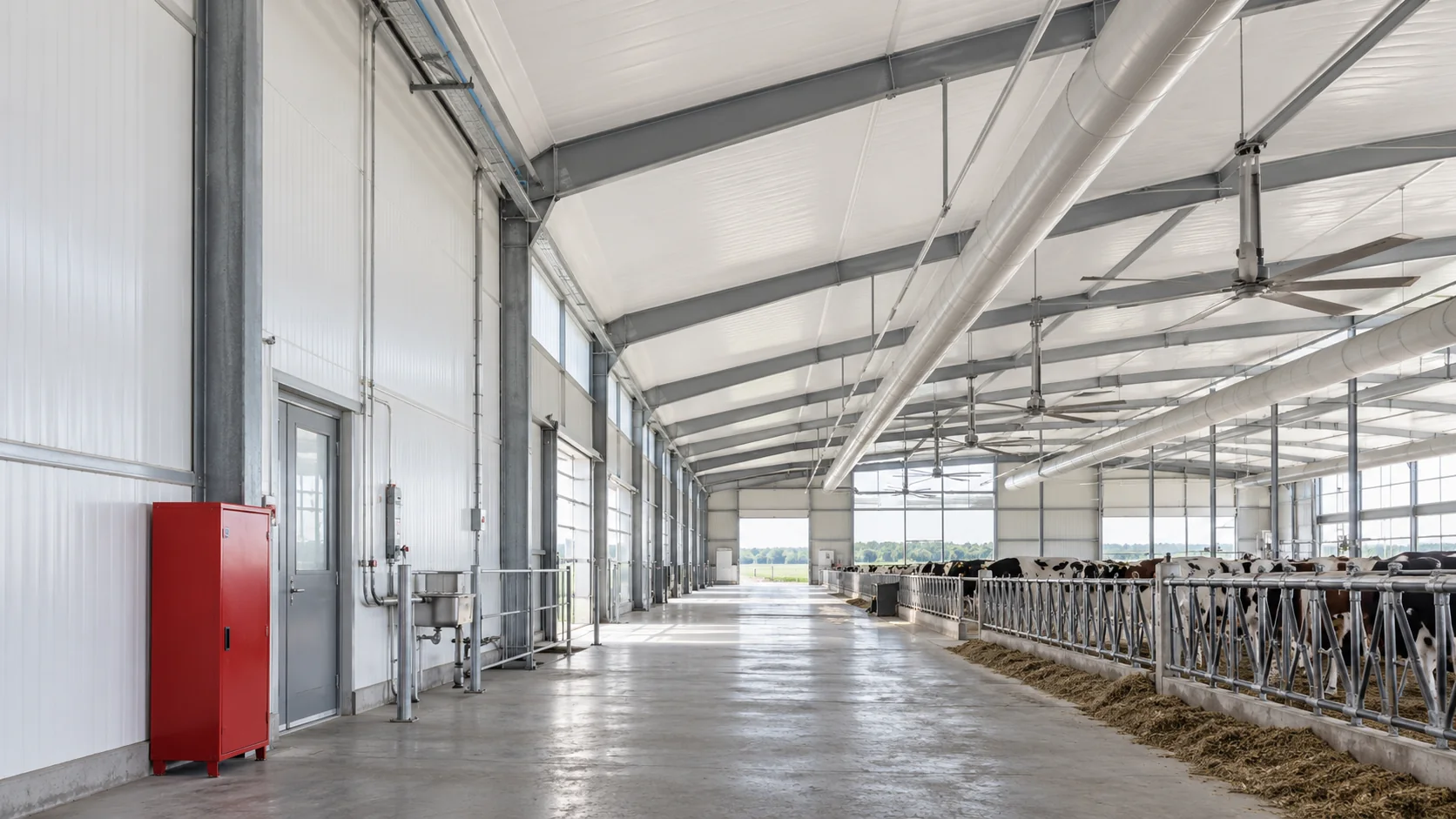
Choose roof and wall panels for a livestock building according to the housing system, animal numbers, heating, ventilation and cleaning routine. These…
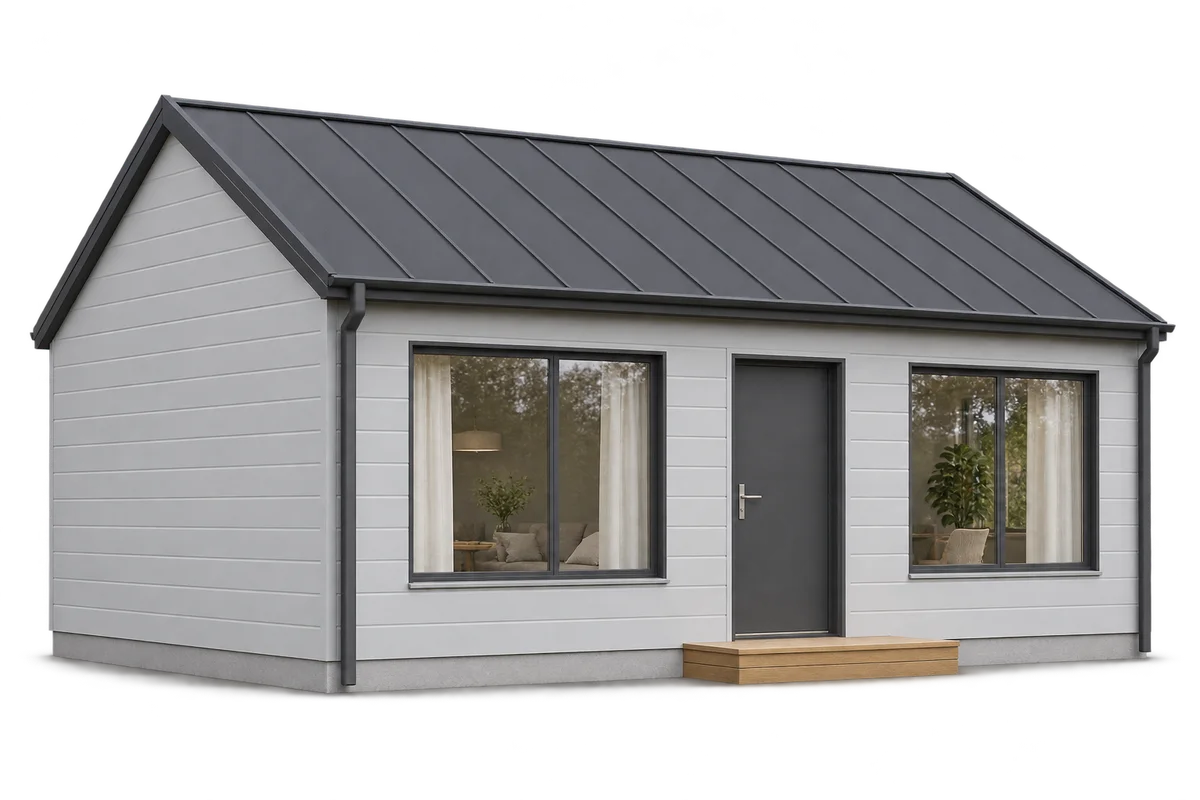
A sandwich panel bonds two facings to an insulating core. Installing it puts the insulation and the finished faces of the building…

Before solar panels are installed on an existing roof, the designer, mounting supplier and roofing contractor need a shared set of information.…
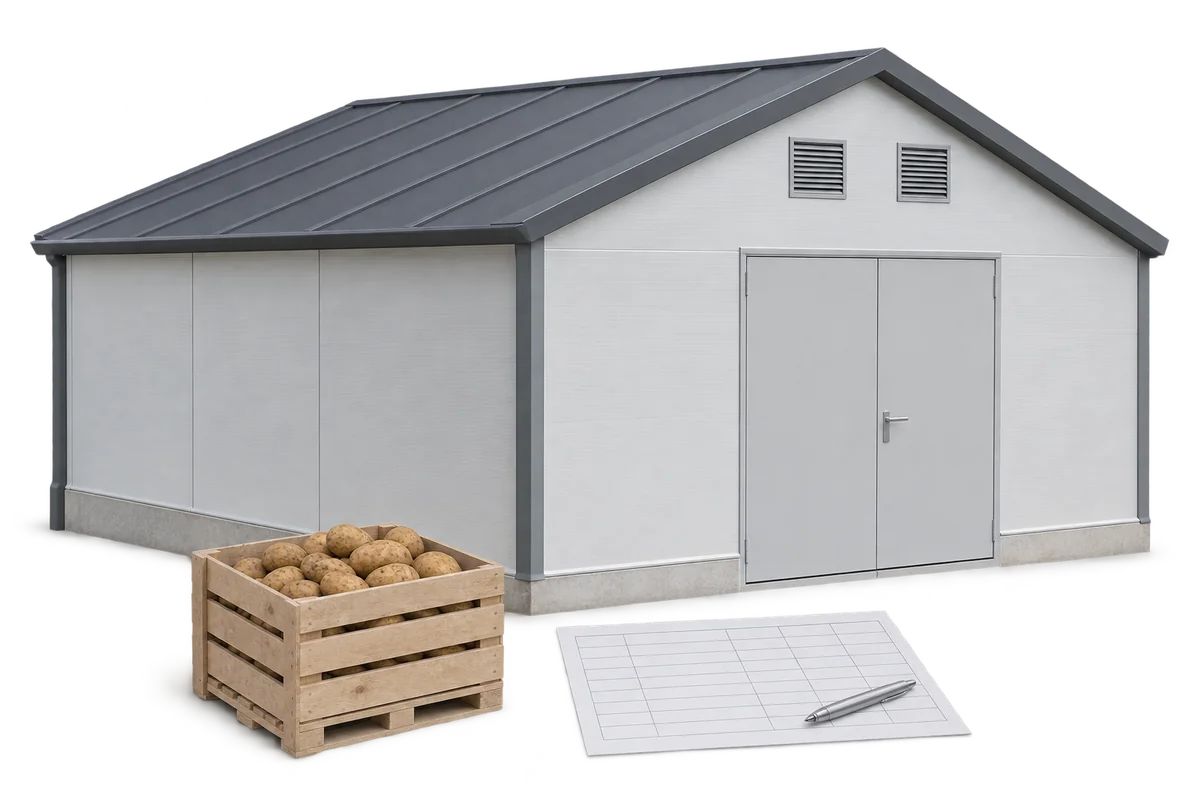
Harvest sets the deadline for work on a potato store. Allow time to assess the building, order materials, install them and test…

Choose cold room panels with the delivery schedule and loading routine in mind. A room that holds chilled stock has a different…

To estimate the cost of a sandwich panel house, establish what the quotation covers. It might cover panel delivery, an enclosed shell…