

Insulation and energy renovation
How to keep foil-faced PIR airtight when insulating from the inside
An aluminium facing on a PIR board can greatly restrict water vapour diffusion. The performance of the finished wall depends on how joints, edges and service penetrations are sealed. Design these details before bonding the first board and allow for inspection. With internal insulation, less room heat reaches the existing masonry. If warm, humid air gets behind the boards, it can reach a cold surface. Air leaking through a gap can carry more moisture than slow diffusion through a layer. Check both the vapour resistance of the materials and the airtightness of the complete joint.
In this article
Why airtightness matters on the warm side
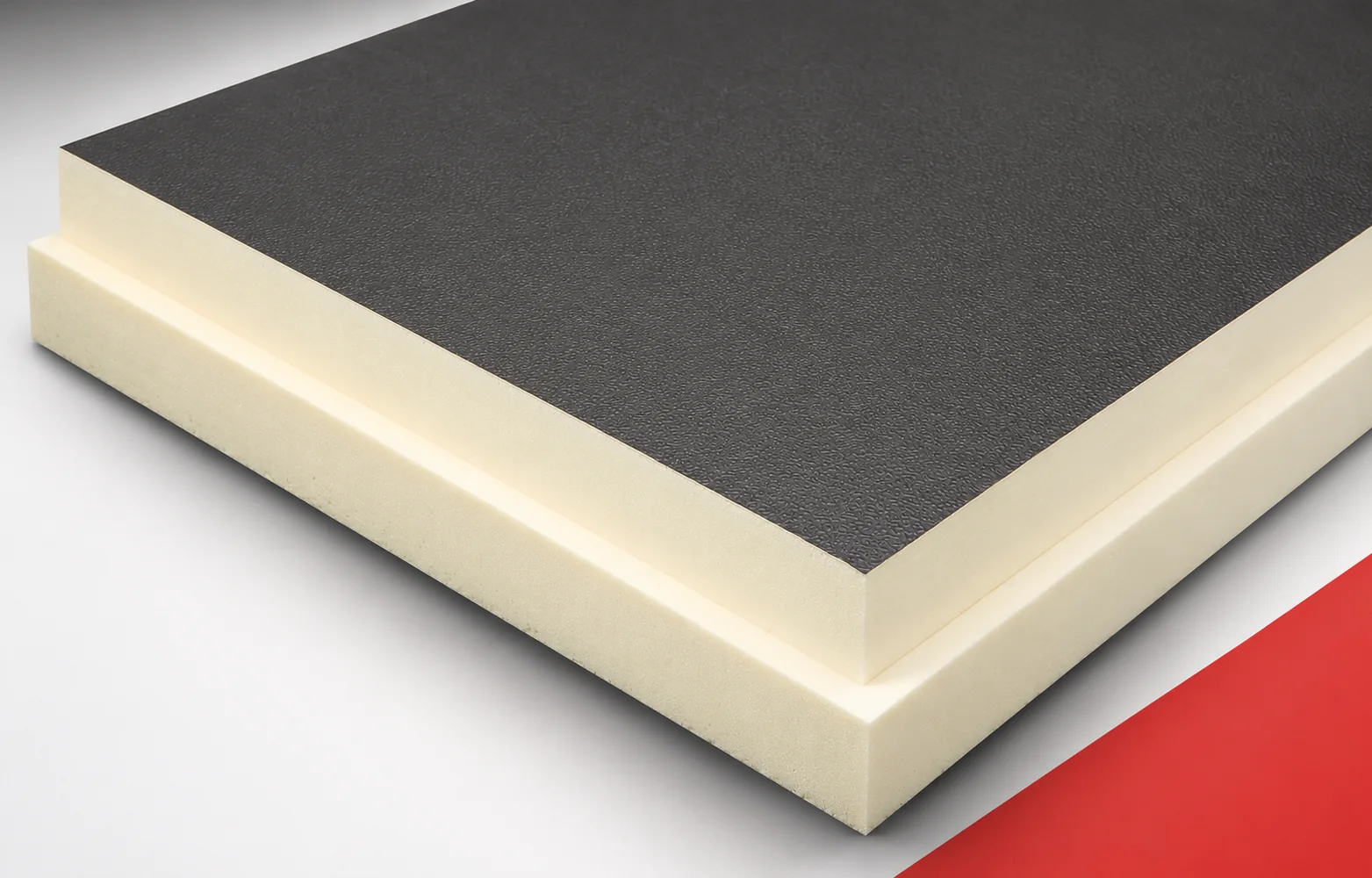
Only certain insulation boards have an aluminium laminate on both faces. Assess the heat and moisture behaviour of a wall using these boards, particularly where outward drying is limited.
Prepare the wall before covering it
Remove fittings that conceal the floor and ceiling junctions. Check substrate adhesion, flatness and evidence of leaks. Remedy moisture sources and verify the condition of the wall before covering it. Foil cannot dry masonry and may reduce its capacity to dry towards the room.
Match the fixing method to the system and substrate. A bonding pattern suitable for a different material may leave a cavity that connects leaks at floor level to the top of the wall. The design needs to control this airflow as well as holding the boards in place.
Trace the continuous air barrier
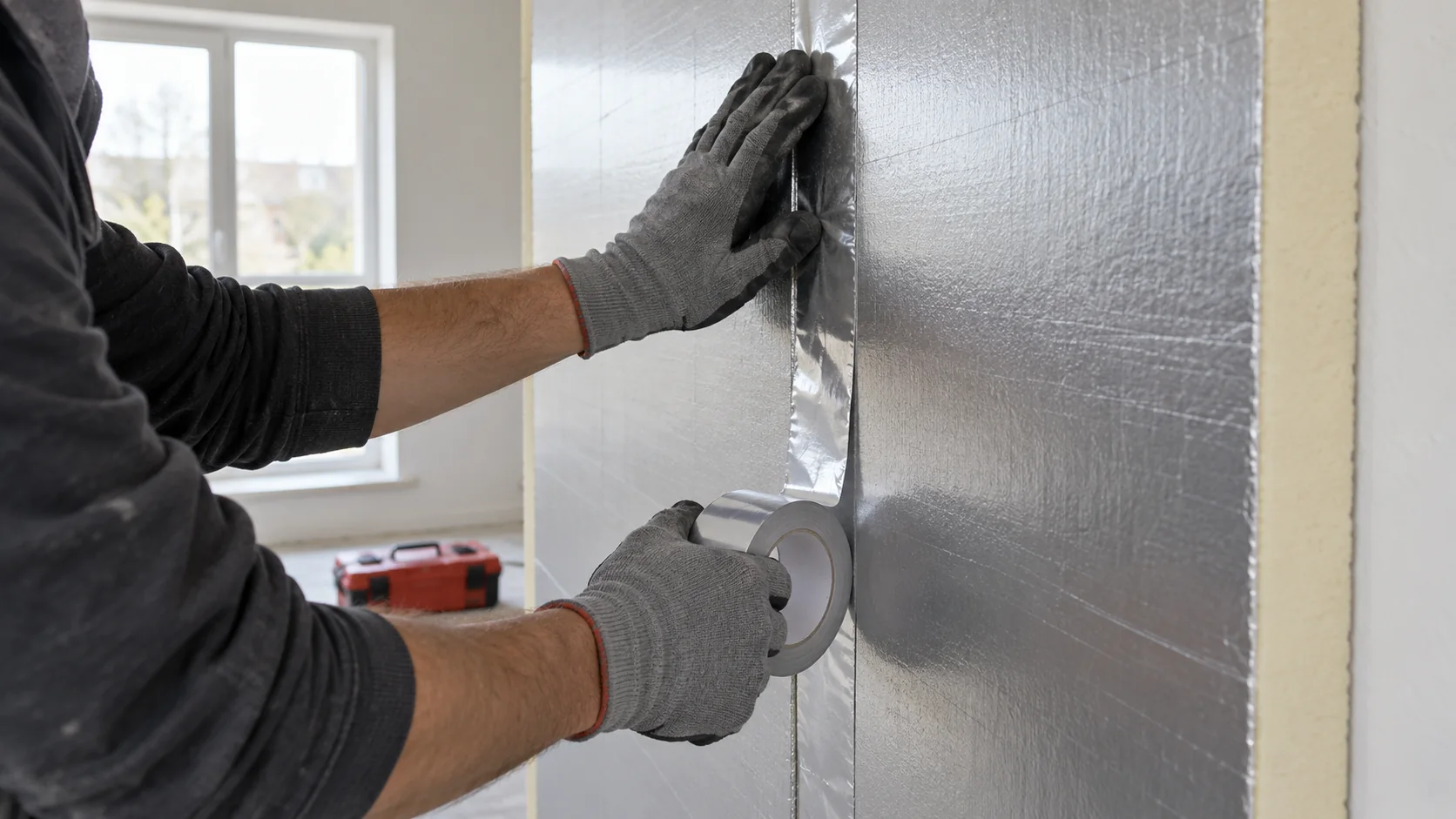
Trace the airtight layer on a section through the room, including reveals and adjoining walls, floors and ceilings. Use system-compatible connections to plaster, concrete and window frames. Tape needs a firm, clean bonding surface. Dust or flaking paint can weaken even a neatly applied strip.
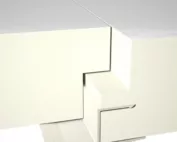
An overlap or rebated edge does not in itself provide a seal. Follow the specified joint details for plasterboard-faced composite boards too. The foil may be inaccessible from the face, so resolve the joint design before ordering.
Keep services in an accessible zone
Sockets, cables and brackets create numerous small penetrations. A service void on the room side can reduce their number. Include its depth in the overall build-up to retain clearance for skirting boards and window reveals.
Seal unavoidable penetrations with components compatible with the system. Anchor heavy cupboards and radiators in a suitable substrate. Plan fixing positions early, as drilling through the finished wall can damage the concealed air barrier.
Before covering the layer, mark future fixings for curtain rails, shelves and screens. Planning these positions reduces the risk of puncturing the facing when the room is furnished. Show any necessary reinforcement on the drawings.

Check corners and the floor junction
Detail how the insulation terminates at corners. Assess surface temperatures on the adjoining wall and ceiling. A poorly insulated narrow strip beside a window can remain cold even with a favourable result in the centre of the wall. Select the thickness and extent of return insulation for each junction.
At floor level, check moisture and allow for skirting fixings. Form a lasting seal independently of the decorative skirting board. In an older building, a small area of plaster may need removing to expose a sound surface for bonding.
Inspect before fitting the final lining
Inspect while all joints are visible. Check tapes, overlaps, terminations and repaired damage. Photograph corners and service penetrations. If specified, an airtightness test can locate air leaks before painting and fitting out the room.
After the retrofit, maintain ventilation and monitor humidity during the heating season. A warmer wall surface improves comfort, but cooking and bathing still introduce moisture. Heating savings also depend on the heating system, occupants and the rest of the envelope.
Questions and answers
Does a foil-faced board always need a separate vapour barrier?
The wall design determines the vapour control layer and sealing details. The material name alone is insufficient. Adding a membrane without assessment can change the wall’s drying behaviour.
Can any tape seal a small puncture in the foil?
Use a repair compatible with the system and the laminate. Adhesion, durability and surface preparation matter. Ordinary packaging tape gives no assurance of a lasting airtight repair.
7 branches. Materials closer to your project.

Free quote
Materials for your project

You may also find useful…
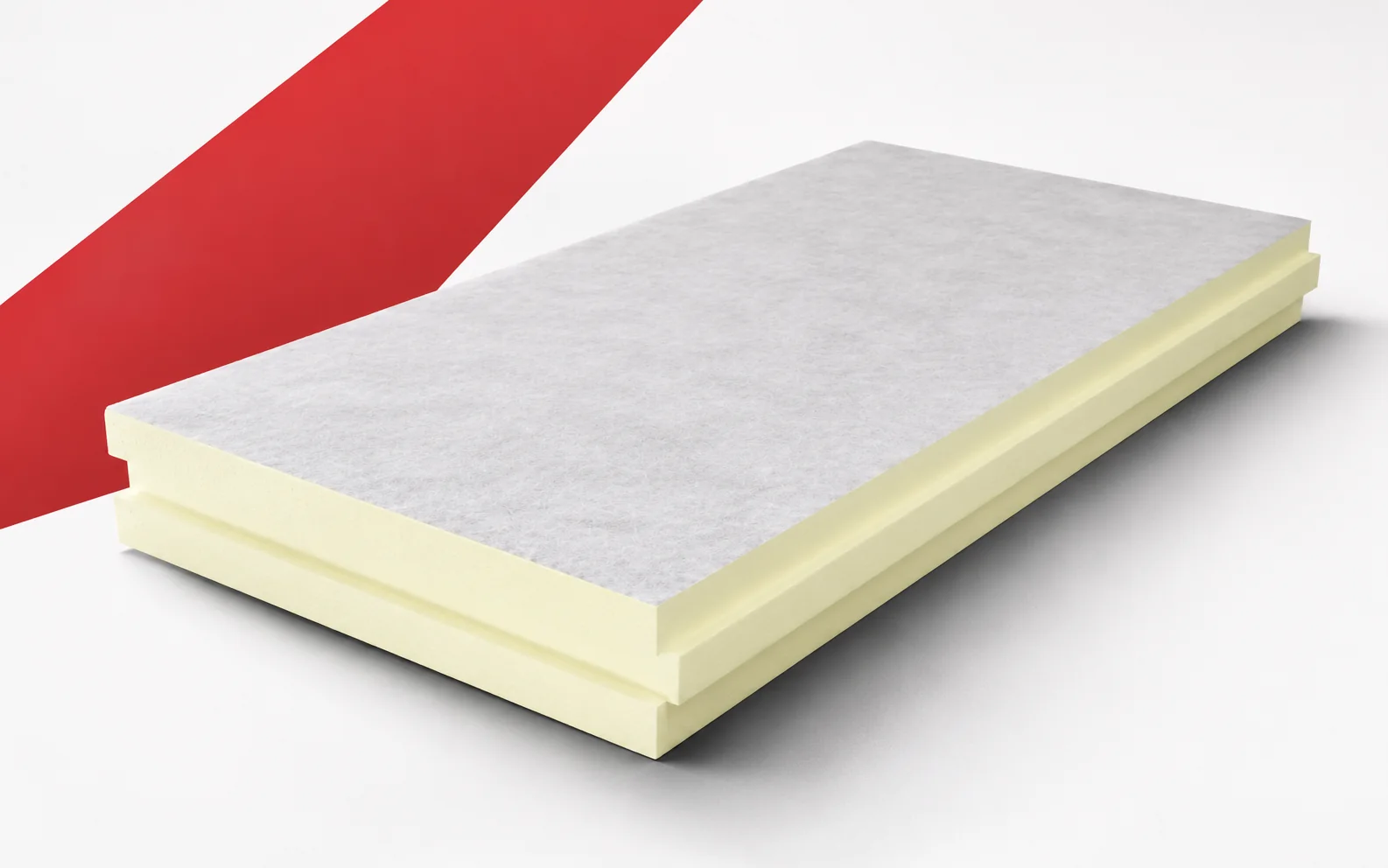
On a façade, the insulation thickness affects the reveals, sills and the position of details. termPIR ETX allows PIR insulation to be…
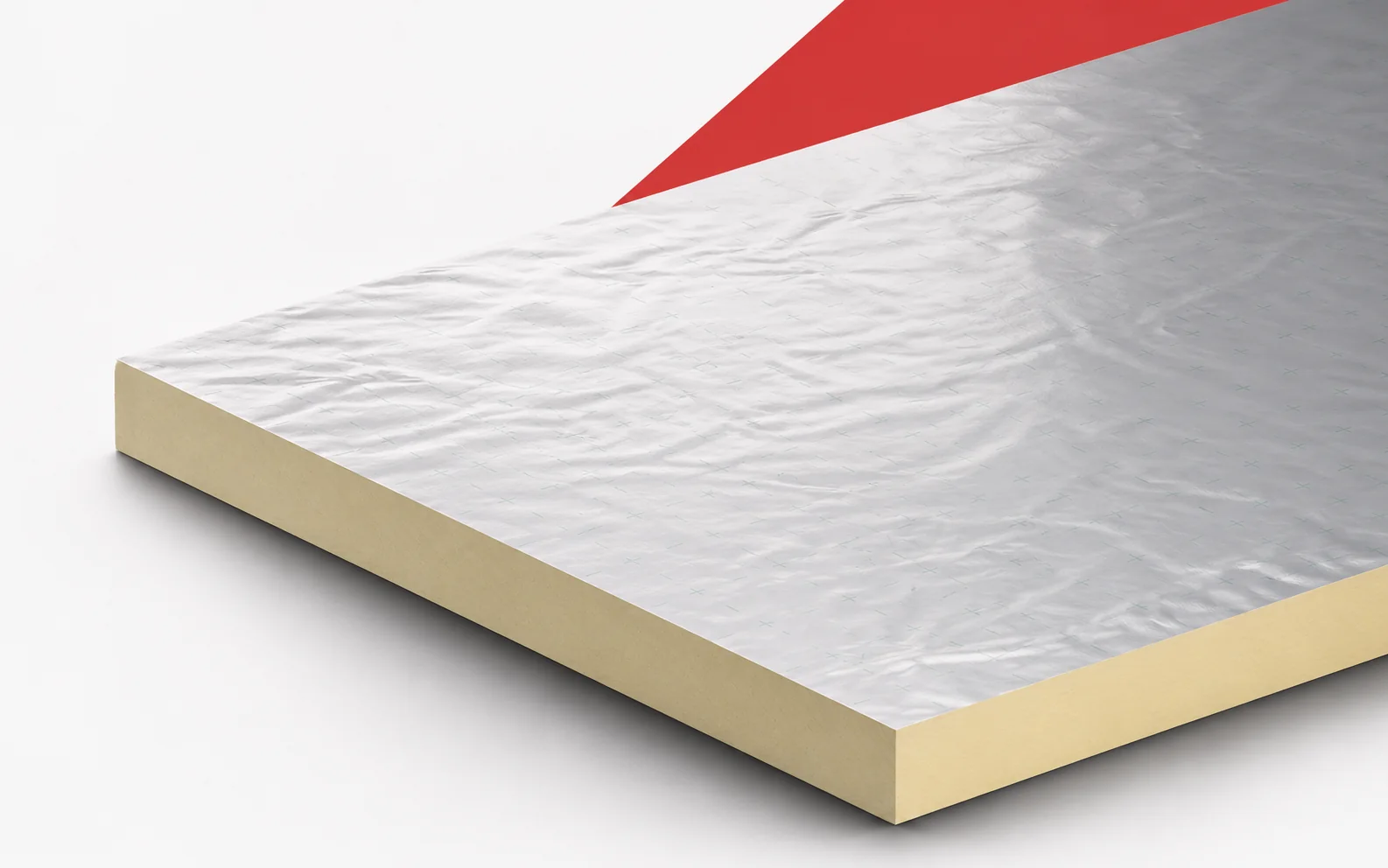
Therma TF70 helps when floor insulation has to be considered within a limited available height. The benefit of the lambda value must,…
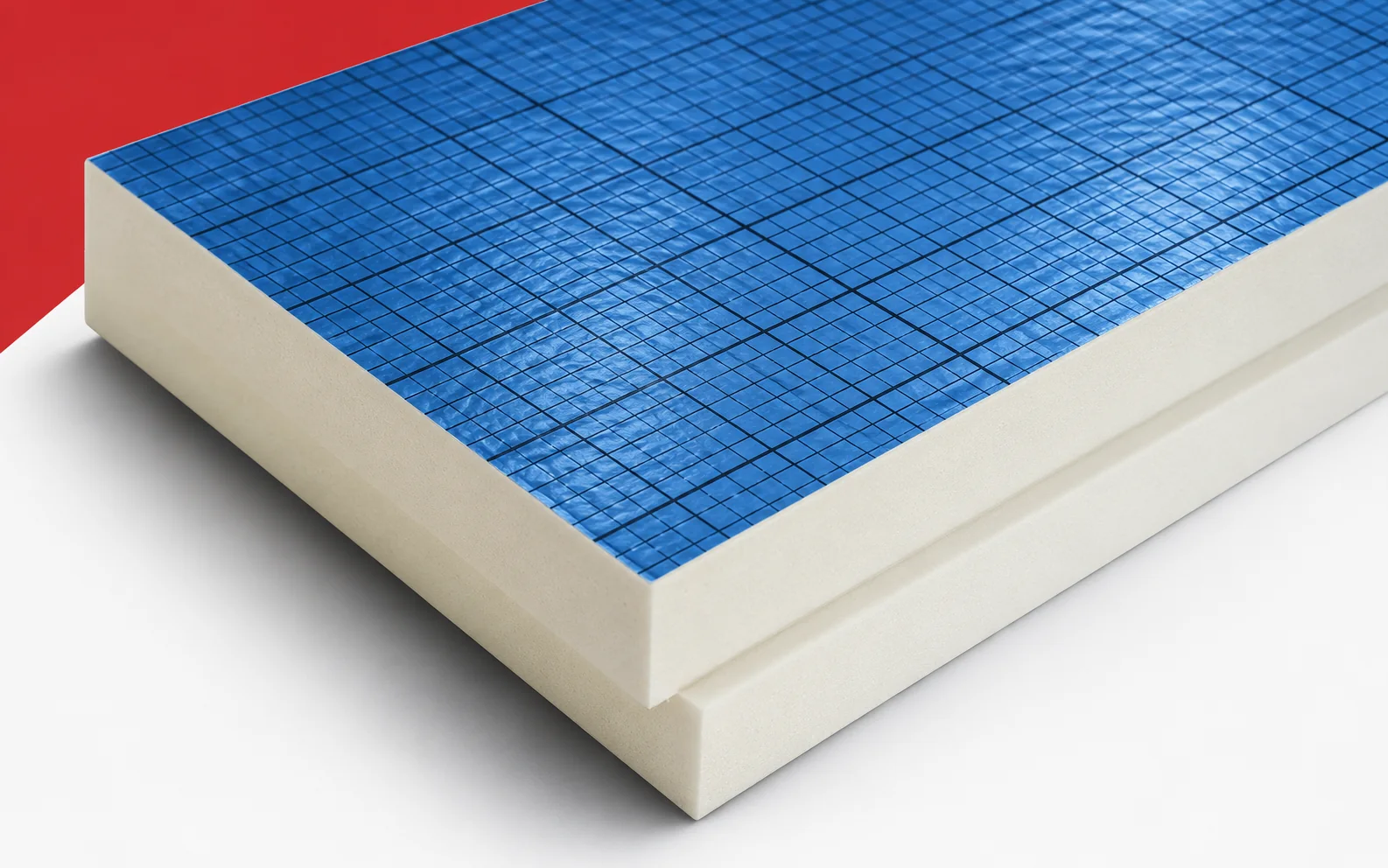
Suppose the roof design leaves little space below the parapet flashing. The client is considering thicker insulation but does not want to…
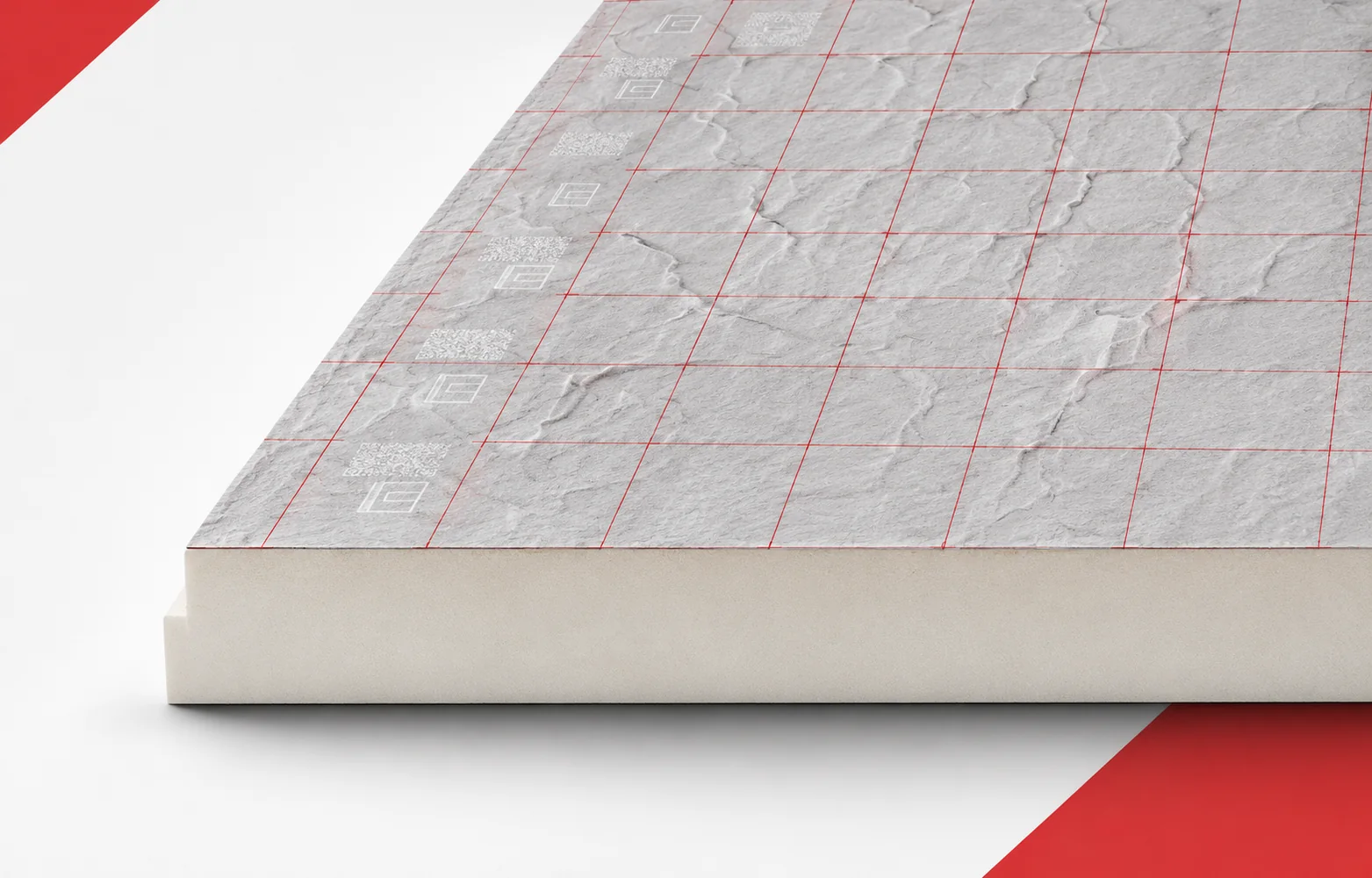
On a flat roof, thermal resistance matters, but so does the height available at parapets and outlets. Thermano Deck allows a relatively…
An installation on an insulated roof needs durable support. The client is concerned about interrupting the thermal layer and proposes leaving the…
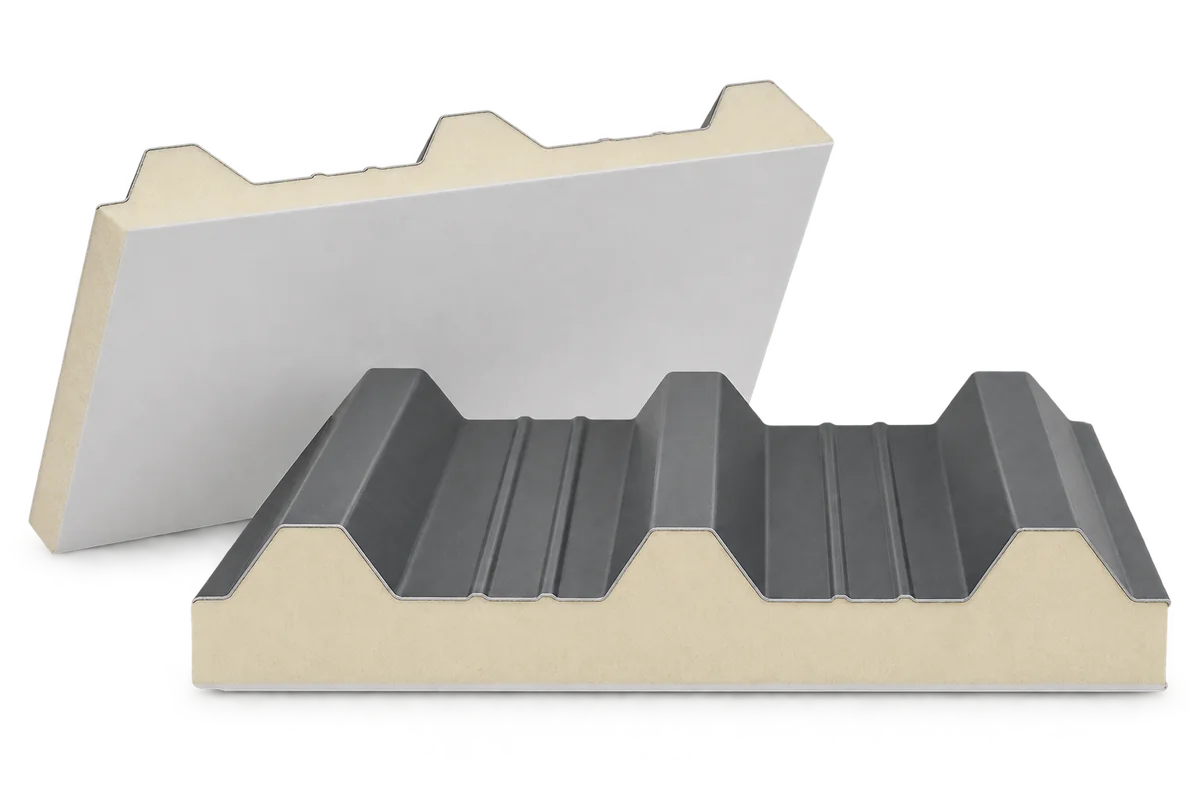
Selecting PIR roof panels for livestock buildings, workshops or food stores starts with conditions on both sides of the roof. Core insulation…
For MG, a change of thickness from 100 to 120 mm is being considered. This also means moving into a different lambda…
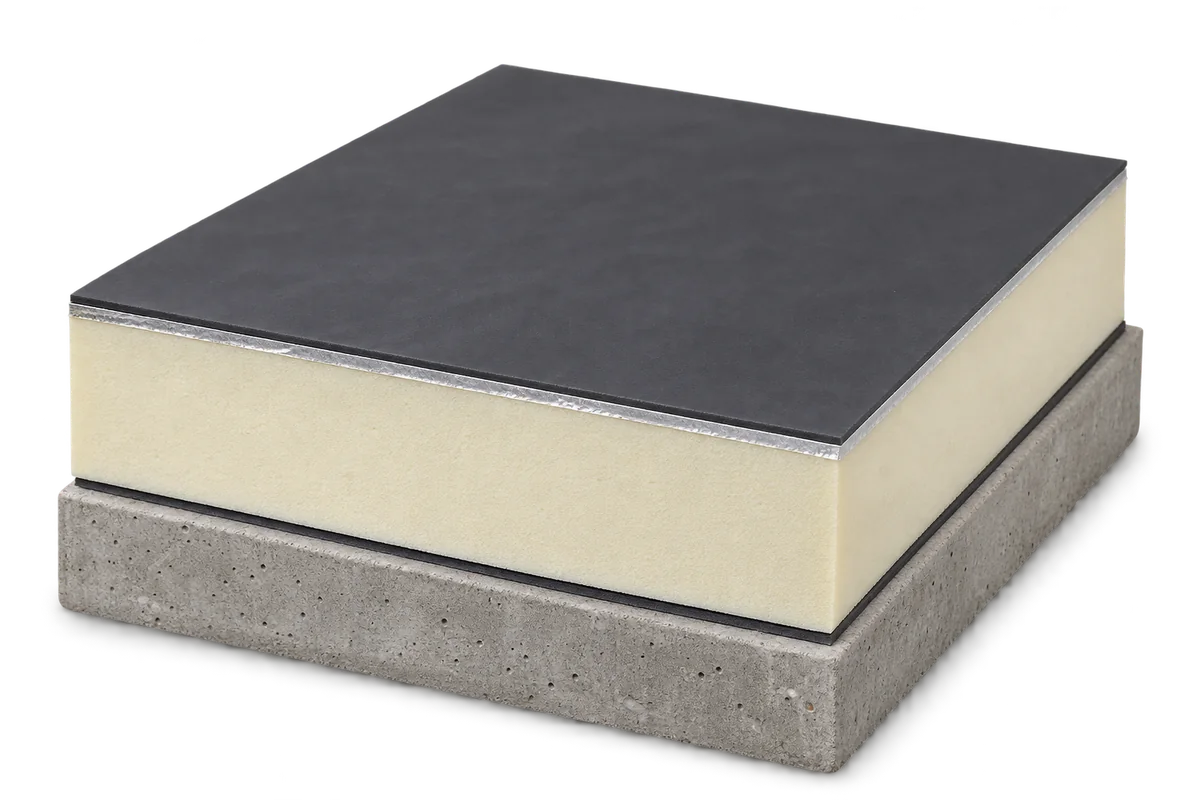
A flat-roof section should explain layer order, functions and connections at edges and openings. A list saying “concrete, PIR, membrane” is not…