

Fibre cement roof coverings
How to plan maintenance for a fibre cement roof and avoid unnecessary repairs
Roof maintenance should not begin with a breakdown. Fibre cement sheets need checks on the joints, the drainage and the places where the covering meets other components. The scope of work depends on the system and on the surrounding conditions. Asbestos-free fibre cement can perform its function for a long time if minor problems are noticed early. It is therefore worth planning inspections and service access already at the handover of the works. After installation is complete, keep photographs of the roof slope and details. Images of the eaves, ridge, penetrations and junctions at walls will be useful. Record the type of sheets and accessories, as well as the date of completion. Fibre cement sheets may change in appearance over time under the influence of the environment.
In this article
Treat the handover as a reference point
Photographs help to assess whether a visible mark is new or was present from the start. At handover it is also worth clarifying how later access will be arranged. If servicing requires special equipment, the owner should know about it. Documentation does not replace a visual inspection, but it makes interpreting one considerably easier. The protocol should also indicate the comments left for correction and confirmation that they have been carried out. This means the first inspection does not begin with reconstructing verbal agreements.
Match the inspection interval to the conditions
The system instructions should set out the basic principles of inspection. In addition to regular checks, a visual inspection may be needed after strong wind, a branch strike or work carried out on the roof. Asbestos-free fibre cement beneath trees requires different attention from a roof slope in open terrain. This does not mean climbing onto the roof every day. Many changes can first be noticed from the ground or from a safe place inside. Watch for displacement, new damp patches and unusual noises. If damage is suspected, establish the proper method of checking rather than attempting to walk on the sheets.
Free-flowing drainage limits problems
Leaves and small branches in the gutters can cause water to overflow onto the façade and dampen the eaves. A blockage at a roof penetration changes the local run-off. Fibre cement sheets will not remove the effects of blocked drainage. The check should cover gutters, outlets and the zones where dirt accumulates. At the same time, it should be verified whether additional equipment is impeding the flow. A cable laid in the trough of the corrugation can trap leaves and water. Removing the obstruction is often more effective than adding sealant where a secondary trace of moisture has appeared.
Assess the fastenings without automatically tightening them
A visible change in a joint requires the cause to be identified. Excessive pressure can be as harmful as too little. During an inspection, not all screws should be tightened to one arbitrary tool setting. Fibre cement sheets must retain the movement provided for at the hole, and the seal must remain in the correct condition and position. Corrosion of metal components and cracks around fastenings should also be checked. If several defects occur in a similar place, the cause may be the support or the installation method. Replacing a screw alone may then not solve the problem of the whole row.
Separate cleaning from repair
Surface soiling, a damaged coating and a cracked sheet are different cases. Each requires different treatment. Asbestos-free fibre cement should be cleaned by a method permitted for the product, without assuming that a stronger preparation will be better. Not every natural change of shade needs to be removed. What matters most is that the details function and that drainage works. Fibre cement sheets should not be treated like a hardened floor when washing. Access and fall protection must be appropriate for work on a fragile covering. If the surface requires renovation, establish what is permitted before buying paint or a product for removing deposits.
Record defects in a simple register
The date, location, photograph and a short description are enough. Also note the weather in which the leak appeared and whether installation work had been carried out earlier. Fibre cement sheets may be watertight in ordinary rain and reveal a problem only with wind-driven precipitation. Such information helps the contractor to narrow down the area to be checked. It is worth distinguishing condensation from water penetrating through a joint. Extensive moisture from below need not have the same cause as a localised damp patch. The register also makes it possible to notice a recurring defect and to abandon another temporary measure that brings only brief improvement.
Prepare the repair before it becomes urgent
Keep the profile data, the instructions and information about the fastenings. This will make it easier to buy a compatible component and to define the scope of works. A stock of sheets makes sense only if it can be stored correctly. For a large roof slope it is worth knowing a team with experience of the given type of covering. Fibre cement sheets should not wait for an improvised repair during the first gale. The maintenance plan also includes protecting the equipment beneath the roof and cordoning off the work zone. This means that replacing a single sheet need not turn into a chaotic shutdown of the whole building.
At handover, establish the scope of inspections, the method of access and where the documents are to be kept. Regular maintenance is meant to detect the causes of problems, not merely to remove their visible effects.
7 branches. Materials closer to your project.

Free quote
Materials for your project
You may also find useful…
A good order starts with the layout of the sheets on the roof slope. Fibre-cement slates are available in various formats, but…
Fibre cement, steel and plastic can all be produced in a similar corrugated profile. That does not make them interchangeable, however. Fibre…
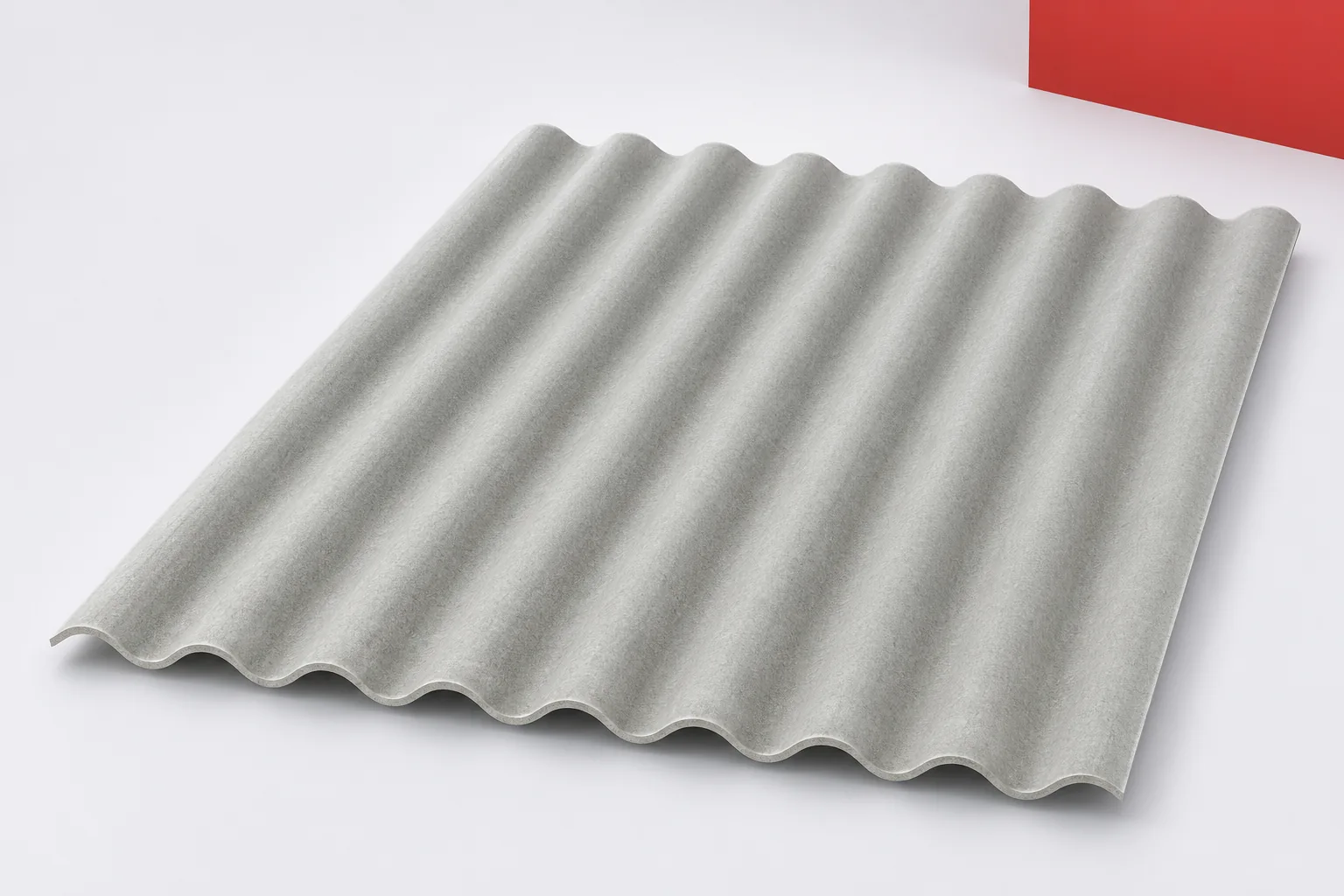
A roof over firewood should limit rain penetration and allow free air exchange around the stack. A tight roof surface alone does…
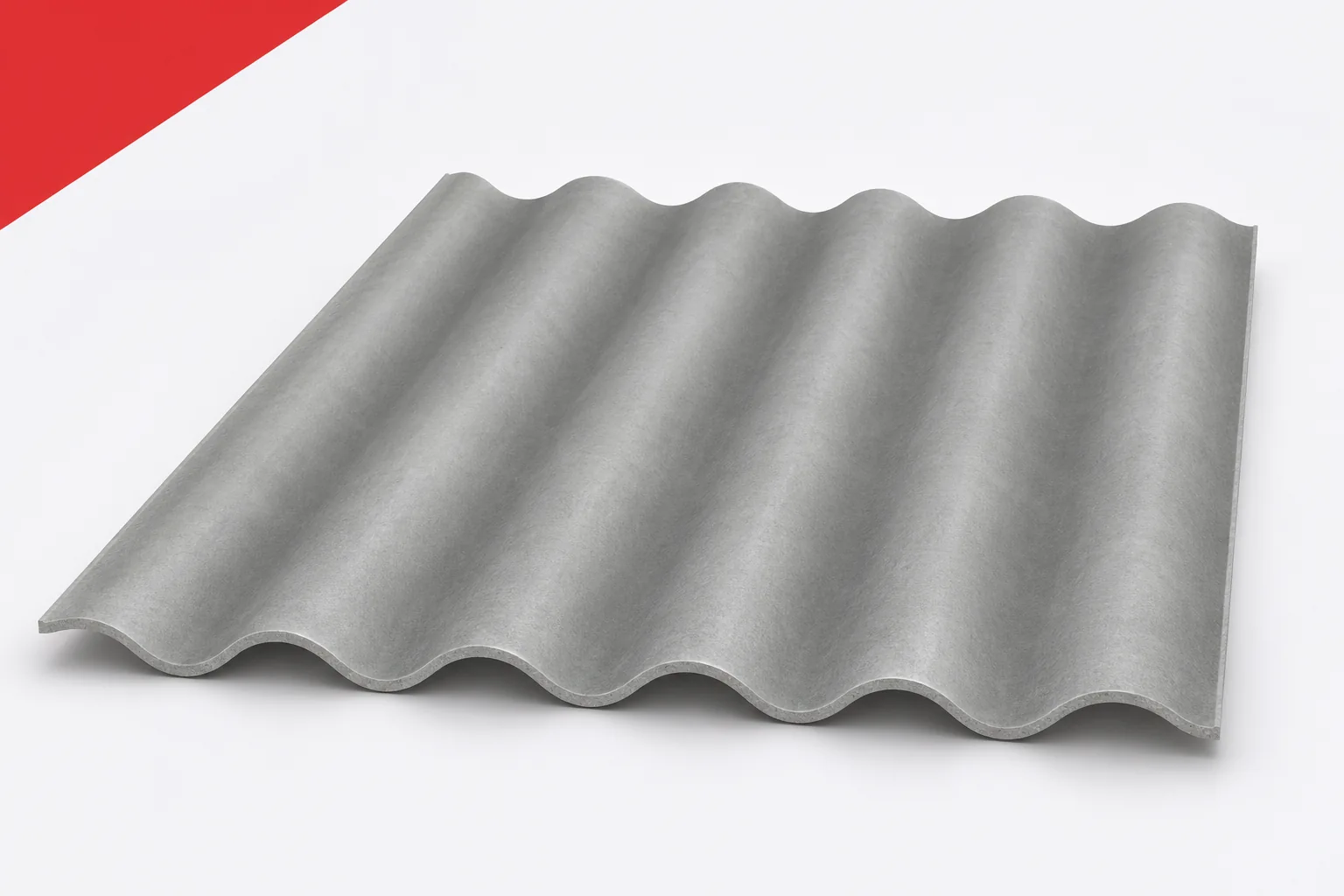
When a carport is demolished or a farm building is converted, the question arises of giving the roofing a second life. Fibre…
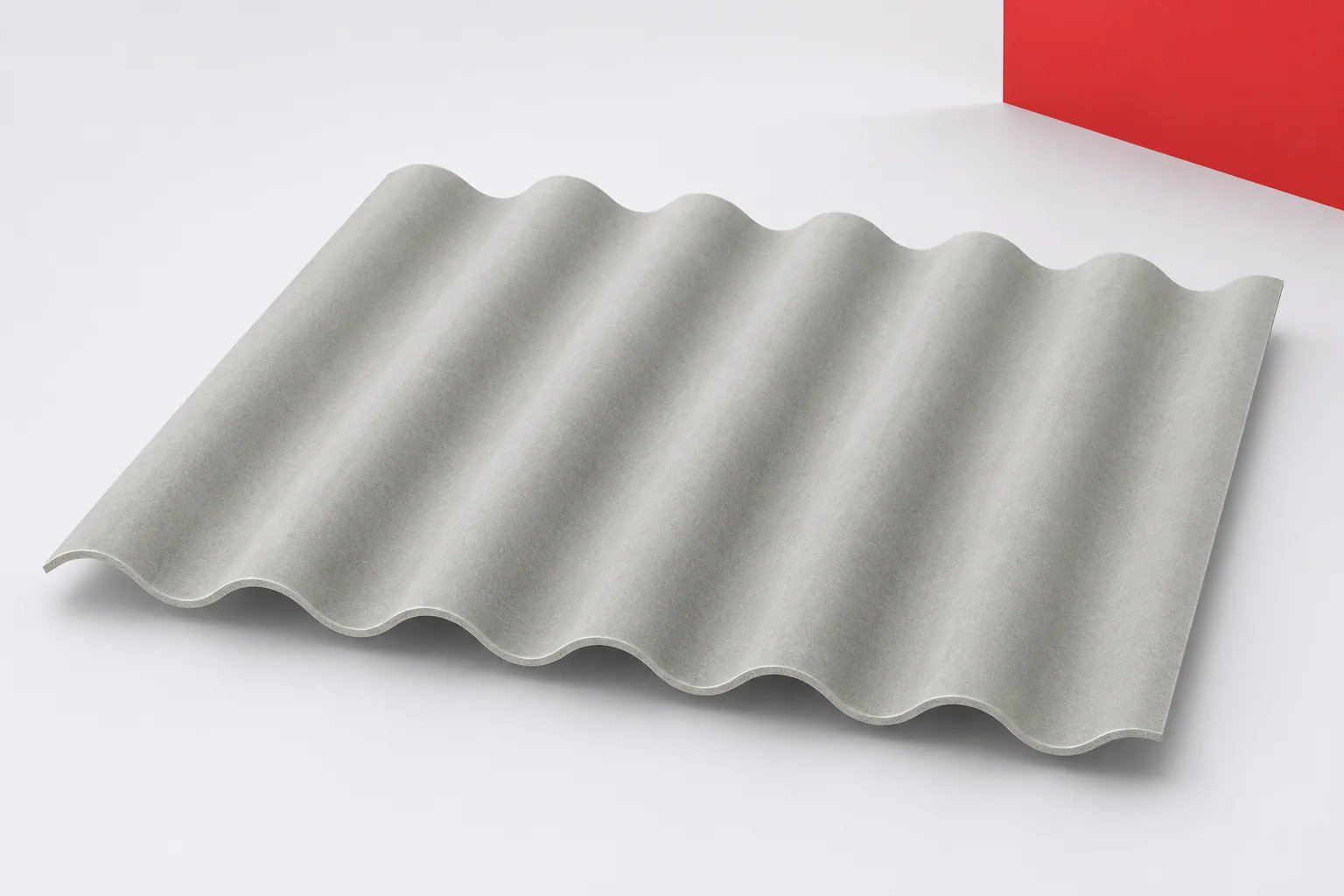
The roof colour shapes the appearance of the whole building, but choosing a coating does not end with the shade. Fibre-cement boards…
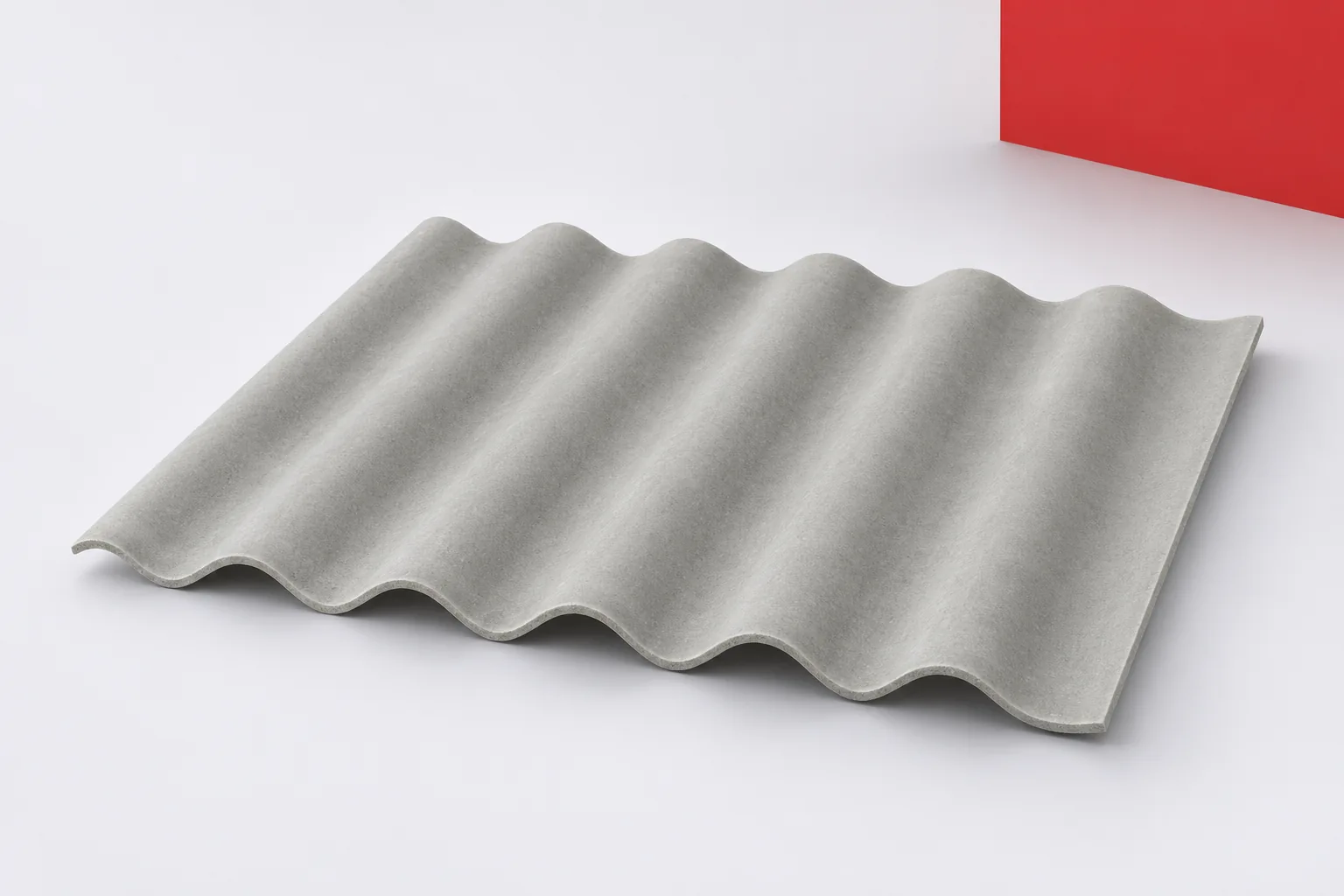
The NT marking appears in the documentation and labelling of modern fibre-cement products. It helps identify asbestos-free technology, but it must be…
An environmental declaration helps you understand a product's impact, but it requires careful reading. It is not a school grade, nor a…
A durable material can help to limit expenditure, but it does not guarantee a cheap roof. Fibre-cement sheets have to be bought,…