

Fibre-cement roof coverings
How to read an environmental product declaration for a roofing sheet
An environmental declaration helps you understand a product’s impact, but it requires careful reading. It is not a school grade, nor a mark showing that a given material always beats the competition. Fibre-cement boards may be described in such a document as a single product or as a group of variants. It is worth assessing asbestos-free fibre cement on the basis of data that match the order. First you check the scope of the declaration, and only then its figures. On the first pages, look for the declaration owner, the document identifier, the date of issue and the period of validity. Then check the description of the products and of the plants covered by the assessment. Fibre-cement boards from another factory, made by another technology or outside the stated group need not have the same result.
In this article
Start with the name and the dates
A document found online may relate to an earlier edition. It is worth keeping the copy used for the comparison and noting the date it was checked. This is not about collecting papers for the sake of tidiness. Without this information, a later update of the data may change the result, and the reader will not know why. Also check whether the file provided contains all the annexes. The conditions for conversion are sometimes described outside the main table, and omitting them changes the meaning of the result.
The unit determines the meaning of the number
The indicator may refer to a kilogram, a square metre or another defined quantity of the product. In the case of boards, thickness can also matter. Two values must not be compared without converting them to a common basis. Asbestos-free fibre cement is laid with laps, so the area of material purchased need not equal the roof area. The conversion should take actual consumption into account. If the declaration contains a coefficient for a different thickness, its conditions must be checked. You should not assume a proportion yourself when the document does not provide for it or when the products being compared differ in composition.
System boundaries tell you what was counted
The stage designations organise the path from raw materials through production and installation to the end of use. Some documents show selected stages, others a broader cycle. Fibre-cement boards assessed only up to the factory gate cannot be set without reservation against a result that also covers transport and waste management. Pay attention to items not included or not relevant. An empty field does not always mean zero impact. In an honest comparison you must either compare a common scope or clearly describe the difference. Adding missing stages on the basis of intuition creates a result that nobody has verified.
Scenarios are not a description of every construction project
The transport distance, the installation method and the quantity of waste may be adopted as a representative scenario. Your project may differ from it. Fibre-cement boards delivered from a nearby warehouse will not necessarily travel the route recorded in the declaration. This does not mean the document is wrong. It means it describes fixed calculation conditions. In a more detailed analysis of a building, they must be adapted in a way consistent with the method. In an ordinary purchasing guide it is enough to show the limitation and not to present the value as an exact measurement of the emissions of a specific order.
The assumed service life is not a guarantee
An expected service life may appear in the analyses. Its role is to establish the framework for comparison, especially when repairs or replacements are considered. Asbestos-free fibre cement does not thereby receive an automatic guarantee for that period. The commercial terms are a separate document, and the actual durability depends on the workmanship and the environment. Check where the given period comes from and whether the limitations are described. Be especially cautious with a comparison in which one roof has been assigned a very favourable scenario without maintenance. Equal rules of assessment are more important than an attractive final result.
A single indicator does not describe everything
The impact on the climate is important, but declarations may also present other impact categories and resource use. You should not choose only the number that best supports a thesis established in advance. Fibre-cement boards must still be assessed for technical suitability. A material with a favourable environmental result but unsuitable for a given roof area will not become a good solution. Repairs, leaks and premature replacement can change the real balance. Environmental analysis should therefore accompany the design, not replace the checking of structure, moisture and details.
Write a short note for the comparison
When comparing two options, add a description of the roof’s function, the unit, the scope of stages and the data sources. Indicate where assumptions were applied and which elements remain outside the analysis. Fibre-cement boards can then be more easily compared with other coverings without hiding the differences. If the documents are not methodologically consistent, it is better to abandon a precise ranking than to give a misleading result. The declaration is meant to help in the decision, not to serve as decoration for an offer. A clear commentary is often more useful to the client than an elaborate table of numbers without an explanation of what they actually mean.
When reading an EPD, check in turn the product, the unit, the stages and the scenarios. Only after this check should you compare values and relate them to the complete roof that is to be built.
7 branches. Materials closer to your project.

Free quote
Materials for your project
You may also find useful…
A roof over firewood should limit rain penetration and allow free air exchange around the stack. A tight roof surface alone does…
Roof maintenance should not begin with a breakdown. Fibre cement sheets need checks on the joints, the drainage and the places where…
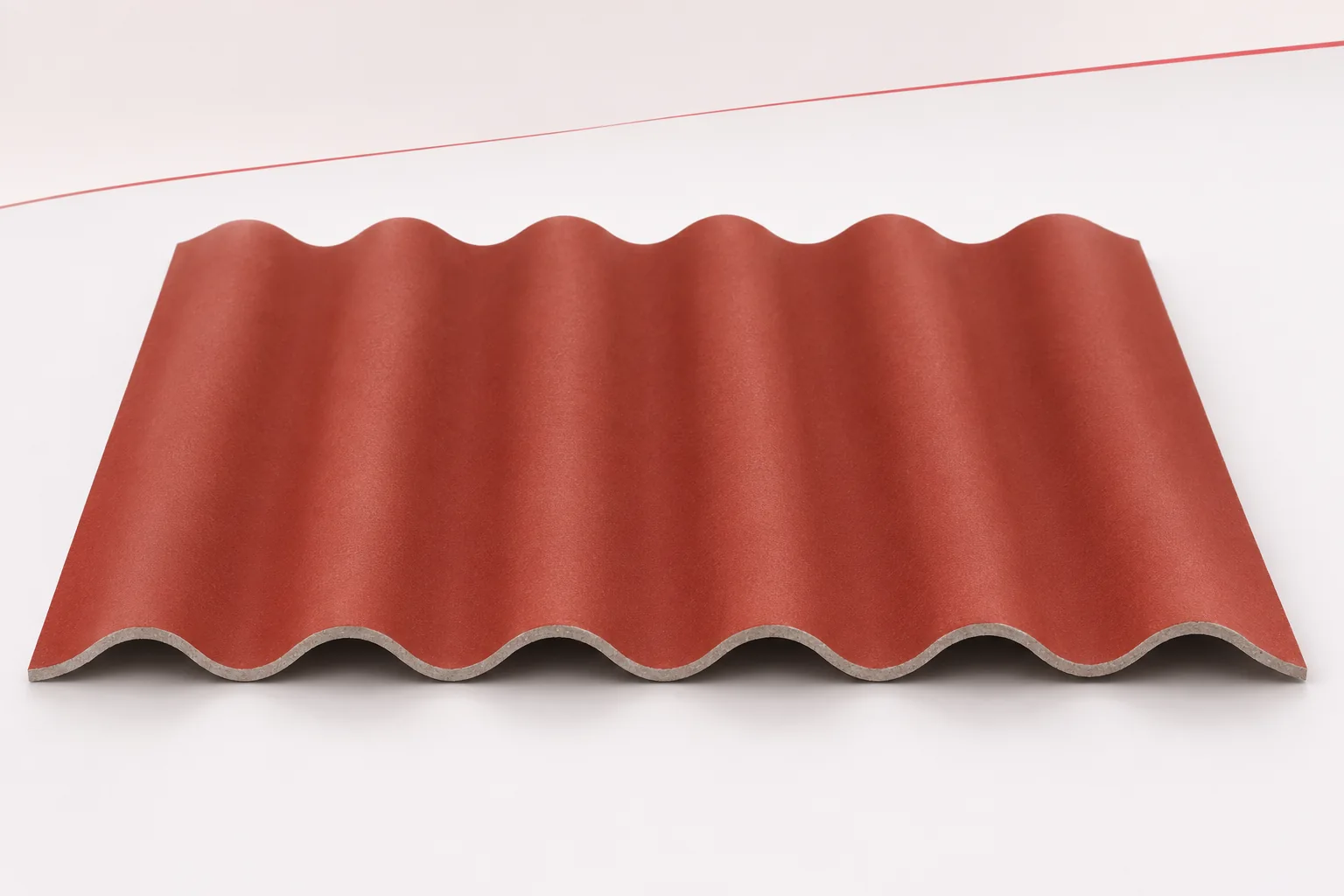
A good order starts with the layout of the sheets on the roof slope. Fibre-cement slates are available in various formats, but…
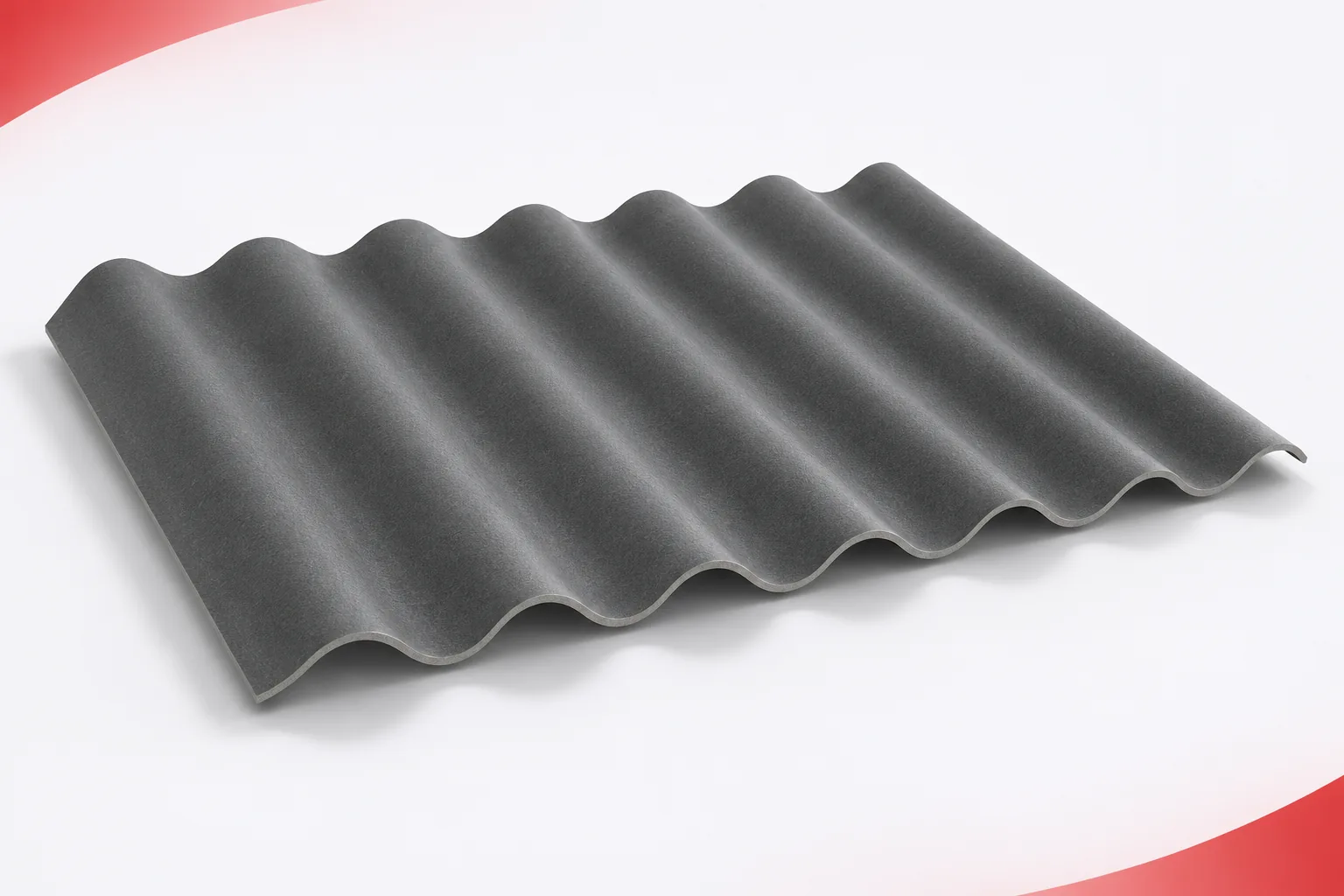
Asbestos-free fibre cement is often chosen with a view to a durable roof and fewer frequent renovations. That is a sensible direction,…
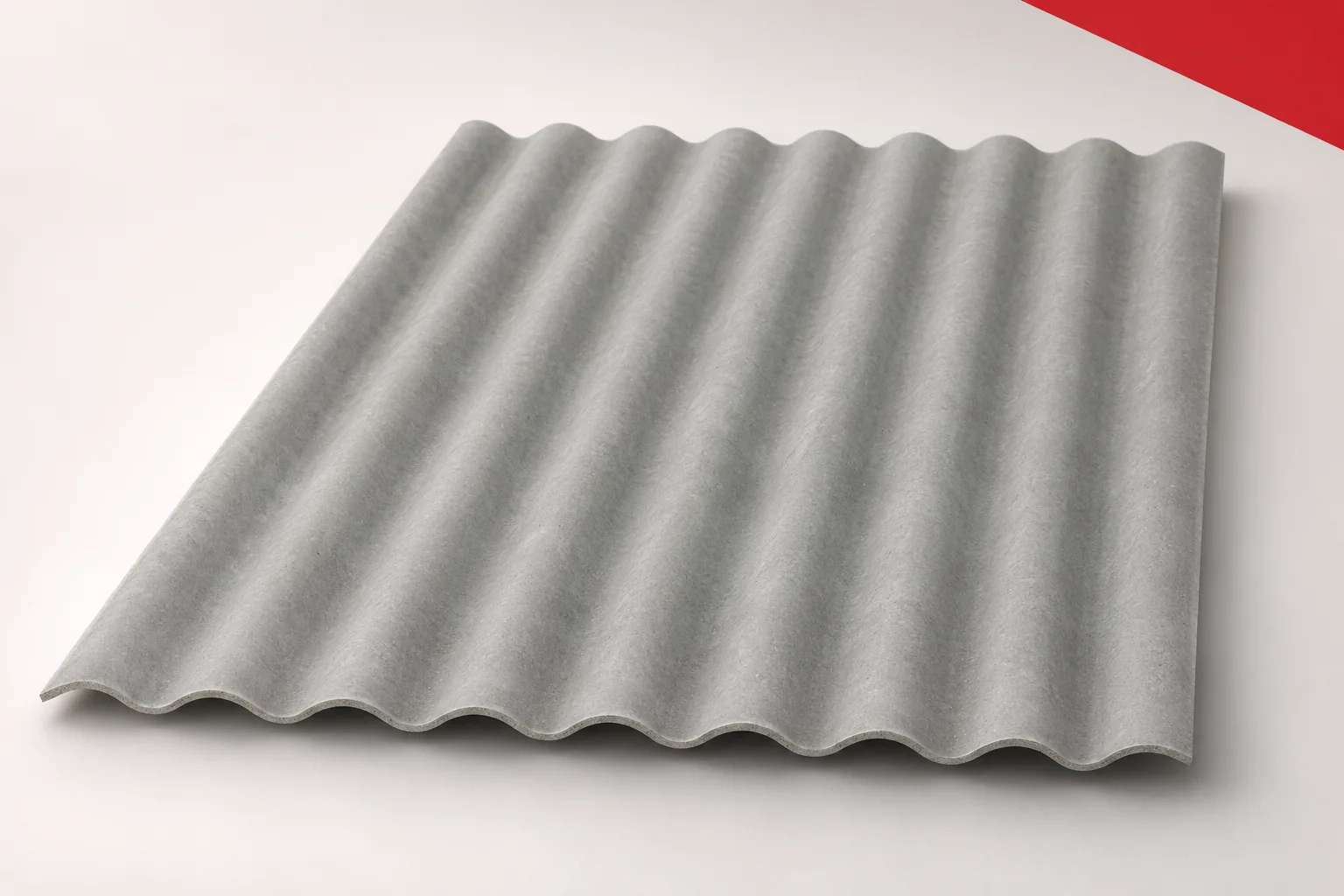
Fibre-cement slates should be assessed over the entire service life of the roof. What matters is its weathertightness, the possibility of repair…
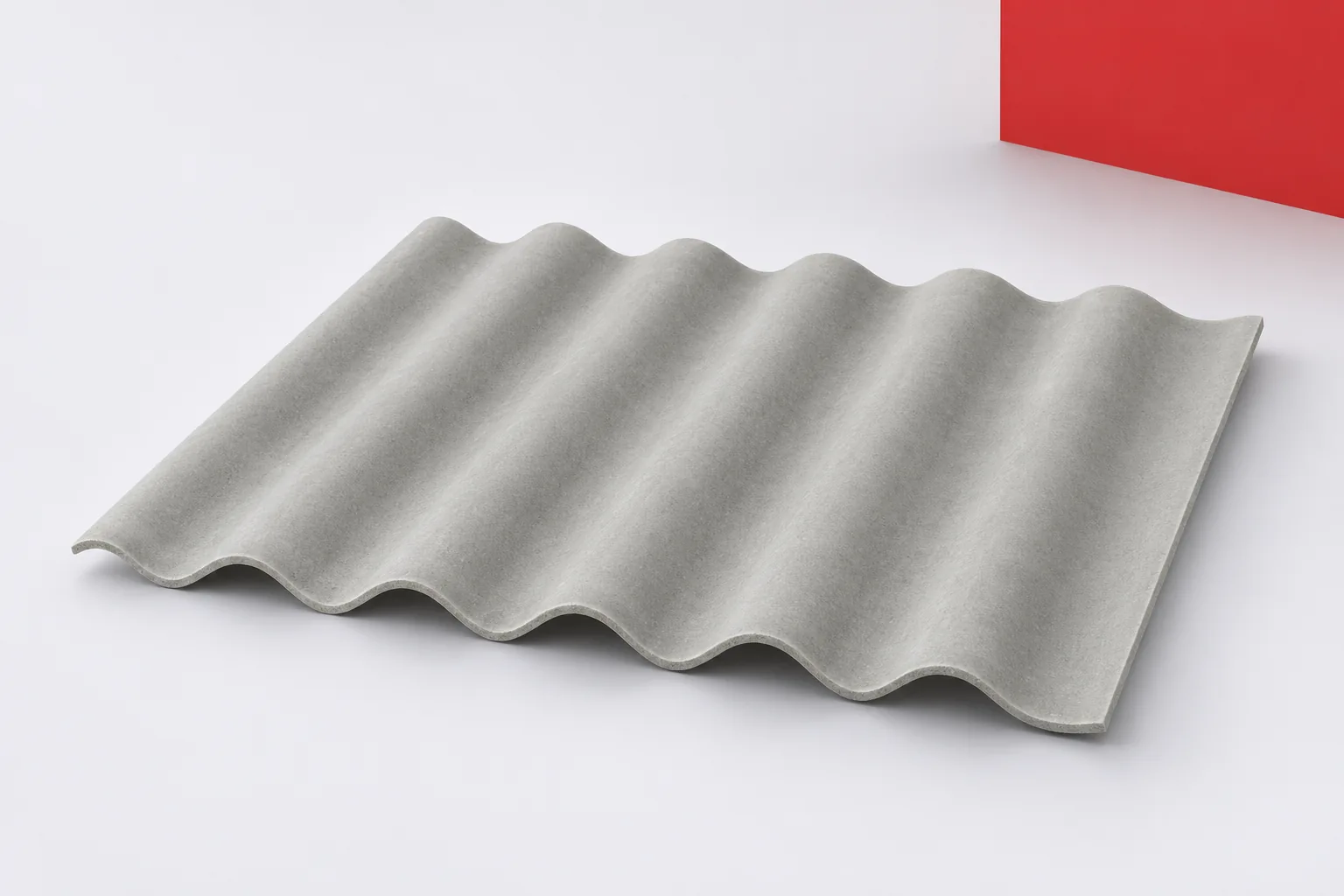
The NT marking appears in the documentation and labelling of modern fibre-cement products. It helps identify asbestos-free technology, but it must be…
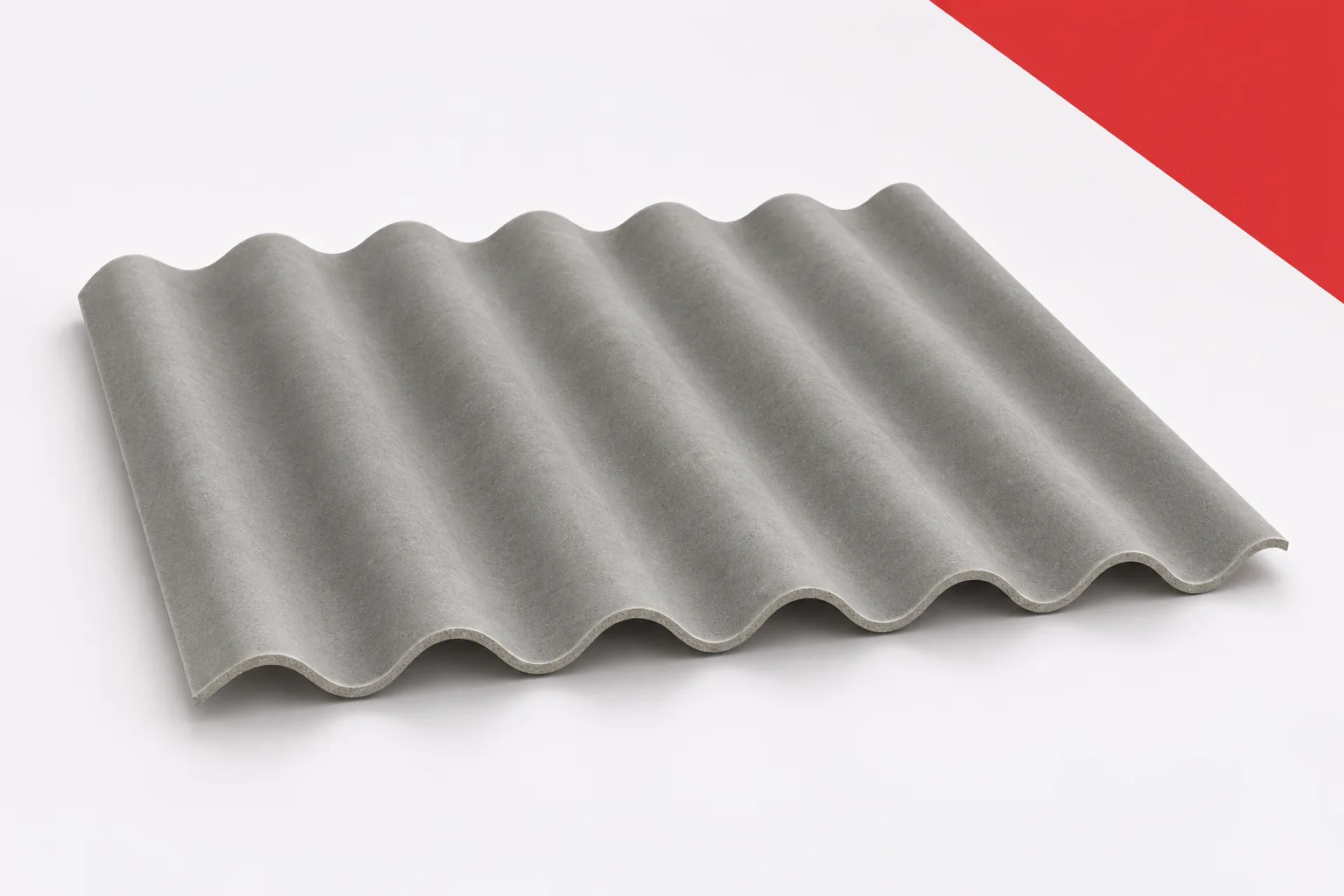
A small garden shelter does not need a complicated form, but it does need a properly designed roof. Fibre-cement sheets can give…
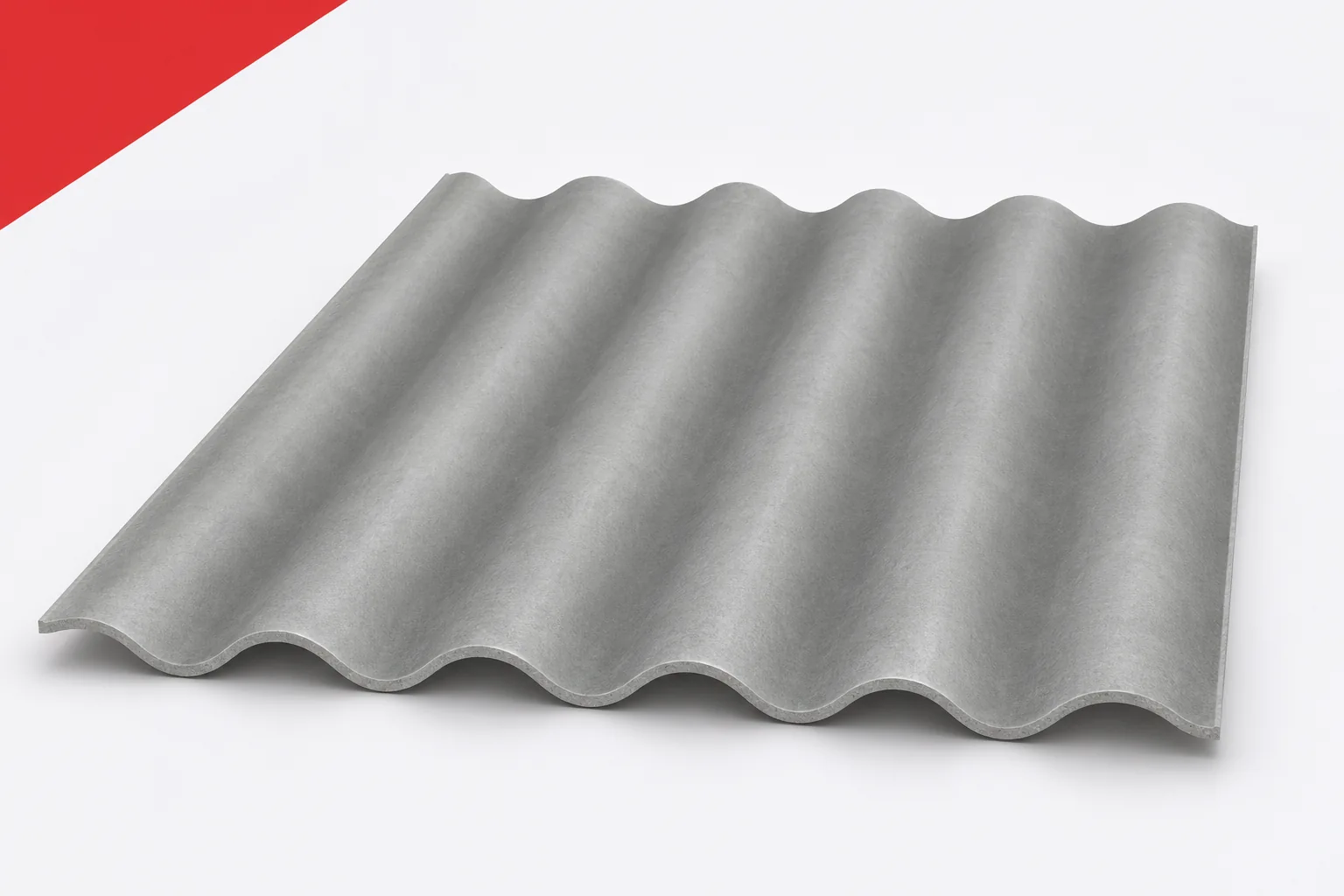
When a carport is demolished or a farm building is converted, the question arises of giving the roofing a second life. Fibre…