

Fibre-cement roof coverings
What does the NT marking on a fibre cement sheet mean?
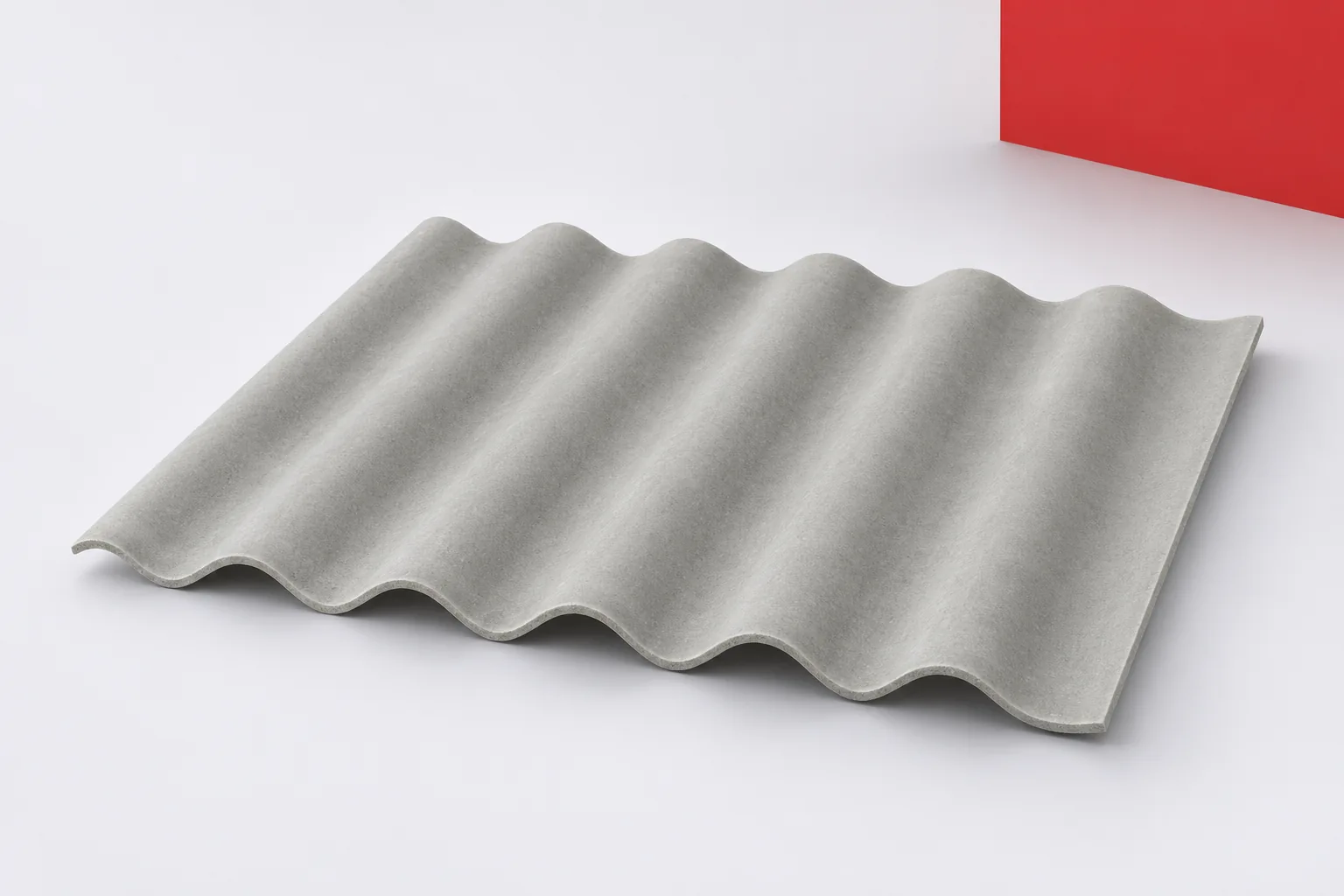
The NT marking appears in the documentation and labelling of modern fibre-cement products. It helps identify asbestos-free technology, but it must be read in the context of the specific product. Fibre-cement sheets also carry other markings relating to profile, properties and origin. Asbestos-free eternit is therefore not a complete technical name. Before buying or renovating, it is worth establishing what the mark actually confirms and what cannot be inferred from it. In verified sheet documentation, the NT marking identifies asbestos-free products. It does not in itself specify length, number of corrugations or method of installation. Fibre-cement sheets marked in this way may come in various formats and variants.
In this article
NT concerns the material technology
What matters is linking the mark to a clear identification of the product. If you are looking at an old sheet, a single fragment of lettering or an indistinct trace does not give certainty about the whole history of the covering. Invoices, labels, declarations and supplier information are helpful. The documents should relate to the material actually being assessed, not merely to a similar product.
Do not determine composition by appearance
A grey colour, corrugated cross-section and mineral texture occur in various coverings. They do not determine whether an old roof contains asbestos. The term asbestos-free eternit used in an advertisement also requires verification. Fibre-cement sheets of unknown origin should not be broken or drilled in order to identify them yourself. When documentation is incomplete, the proper route is to clarify the composition with a suitably qualified specialist. It must also be remembered that a roof may have been repaired with various materials. Confirming one sheet does not automatically have to identify all elements across the entire roof slope. Illegible marking does not settle the matter either way. The absence of a visible symbol should not be treated as independent confirmation of composition.
Asbestos-free does not mean dust-free
A modern composite can produce mineral dust during mechanical working. Its generation and exposure should be limited in accordance with the safety data sheet and the product instructions. Fibre-cement sheets require suitable tools, organisation of the workplace and protective equipment selected for the work. The NT mark alone is not permission for arbitrary sanding or cutting. Nor should the working rules for a new material be applied to an old covering of undetermined composition. These are two separate matters. In a buying guide it is better to distinguish them clearly than to use the slogan of complete harmlessness of every sheet.
The mechanical class describes other properties
Alongside the technology marking there may be symbols for the product class and a reference to the standard. These concern specific characteristics tested according to accepted rules. They are not simple information about how much snow any roof will withstand. Asbestos-free eternit works on supports and with fixings whose arrangement follows from the design and the instructions. Even a correctly classified sheet can be damaged by incorrect spacing or pressure. It is therefore worth asking for the full declaration of properties. The abbreviation on the label is useful, but only the document explains which product and scope it concerns.
The profile must be identified separately
Pitch and wave height, overall width and cover width define the geometry. These data are needed when buying accessories and planning replacement. Fibre-cement sheets with the same NT marking may not fit together at the lap. Differences in the finish of the side edge also matter. A replacement should not be chosen on the basis of the number of corrugations visible in a photograph alone. When renovating, it is worth comparing technical drawings and the permitted method of connection. If there is no compatible solution, a wider scope of replacement should be considered rather than forcing the elements to fit.
A new delivery should be traceable
When buying, keep the labels, batch marking and documents linked to the offer. Check the conformity of format, surface and quantity. Fibre-cement sheets should be described in such a way that it can later be established what went onto the roof. This helps with complaints, ordering missing parts and assessing damage. Photographing the marking at acceptance takes little time. It is particularly useful when packaging is removed before the end of the works. Not all documents need to be kept on site, but the owner should receive an orderly set together with the covering’s operating instructions.
The marking does not replace an assessment of the old roof
Confirmation of asbestos-free composition answers an important question, but does not settle the further suitability of the sheet. Cracks, holes, corners and the condition of the connections must still be assessed. Asbestos-free eternit may require replacement for mechanical or installation reasons. An old covering should not be regarded as serviceable merely because NT has been identified. Fibre-cement sheets from salvage also need a separate assessment before being installed again. The correct order of decisions is simple: first identification, then technical condition, then suitability for the new application. Each stage answers a different question.
With the NT marking, also check the technical name of the product, the profile and the delivery document. If the composition of the old covering remains uncertain, clarify it without damaging the sheets.
7 branches. Materials closer to your project.

Free quote
Materials for your project
You may also find useful…
A durable material can help to limit expenditure, but it does not guarantee a cheap roof. Fibre-cement sheets have to be bought,…
Roof maintenance should not begin with a breakdown. Fibre cement sheets need checks on the joints, the drainage and the places where…
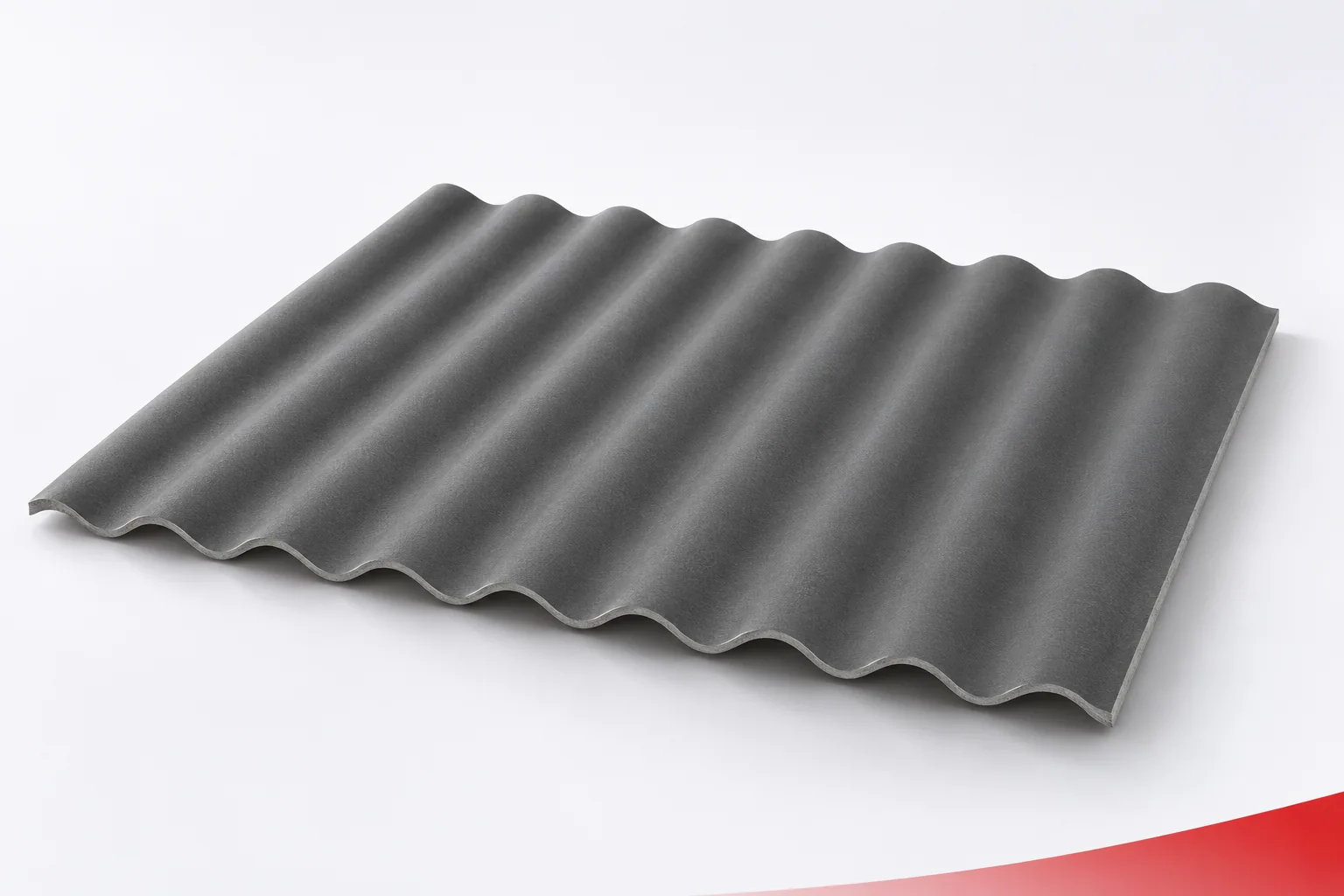
The long service life of a roof covering also depends on places that are barely visible from the ground. The ridge detail,…
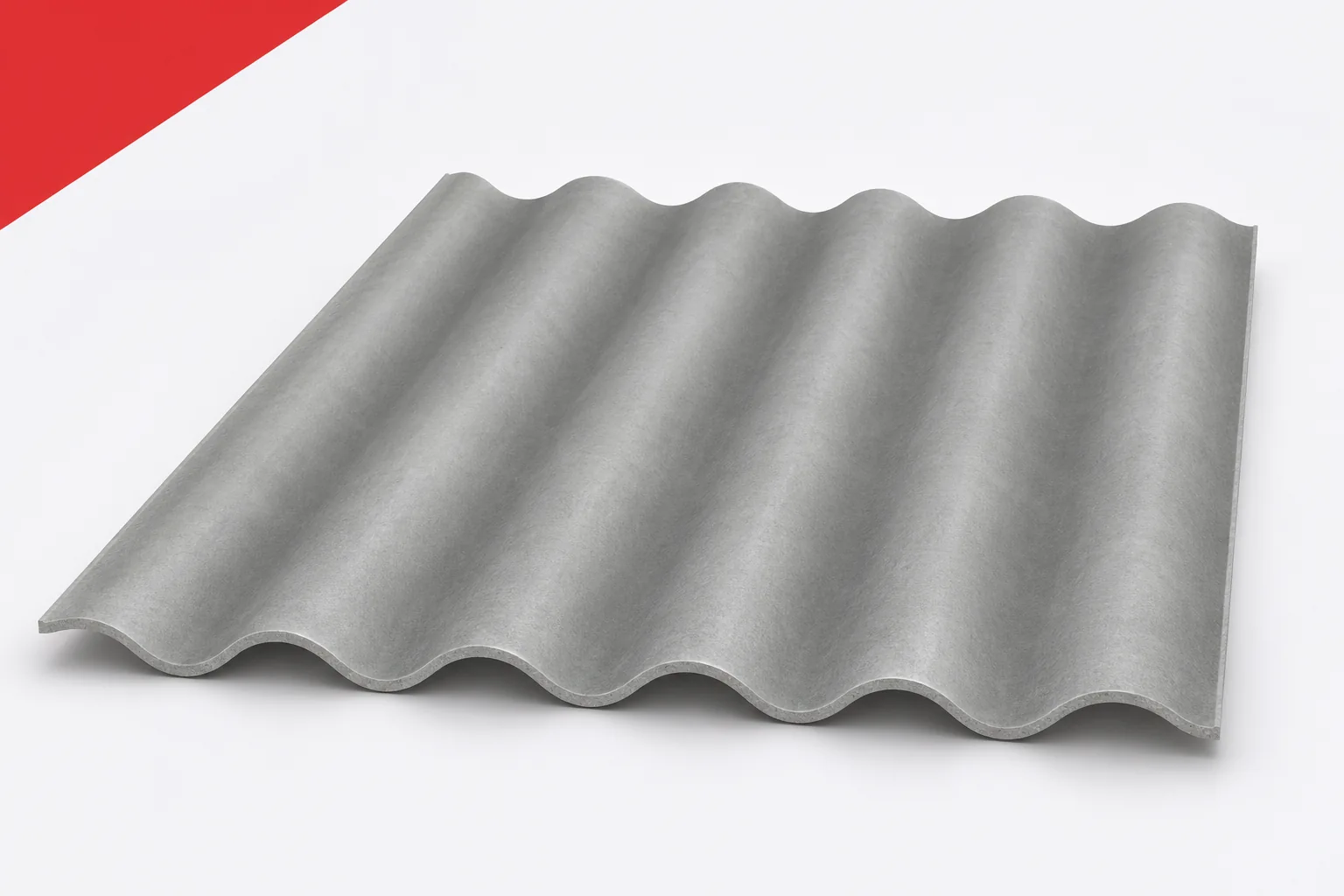
When a carport is demolished or a farm building is converted, the question arises of giving the roofing a second life. Fibre…
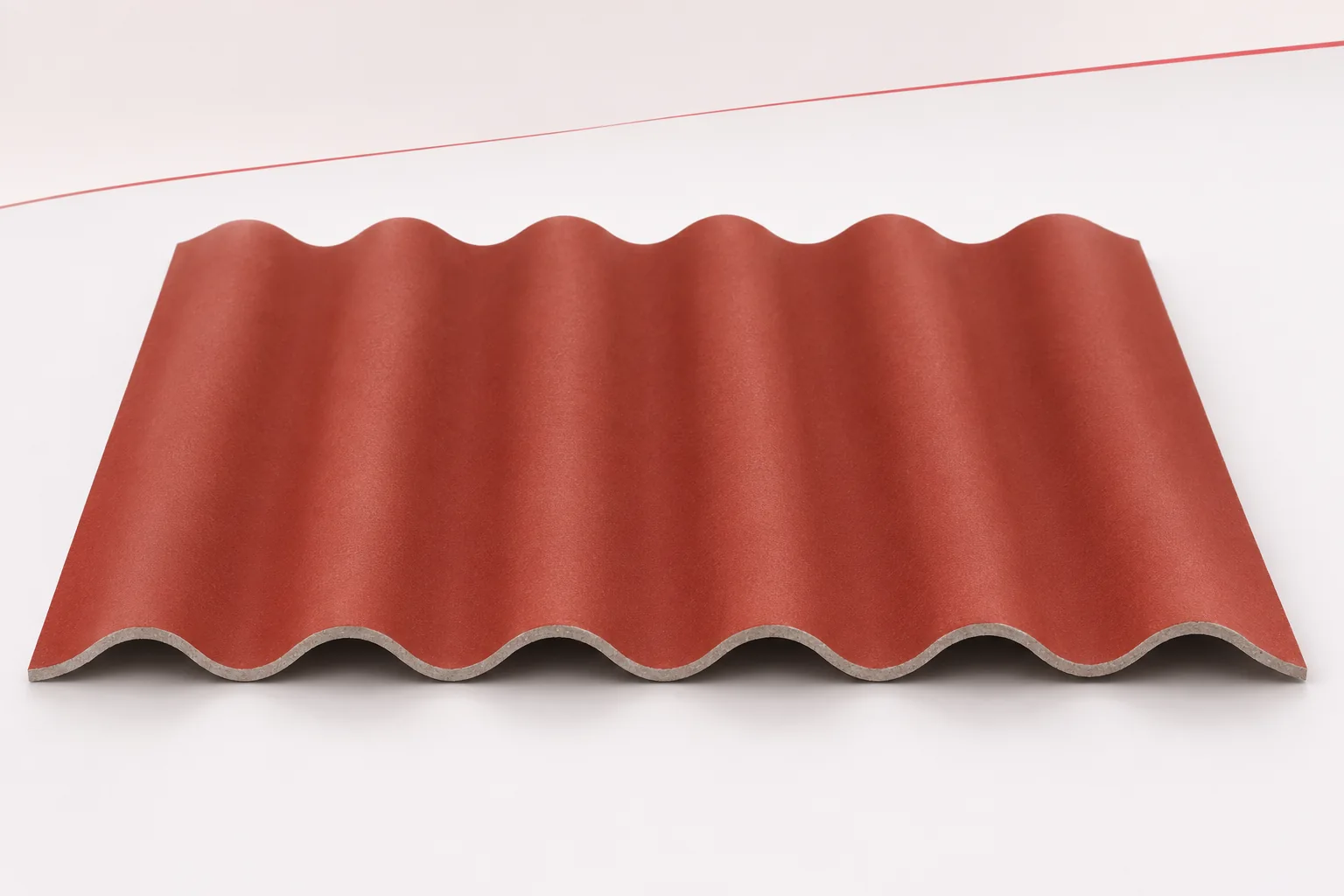
A good order starts with the layout of the sheets on the roof slope. Fibre-cement slates are available in various formats, but…
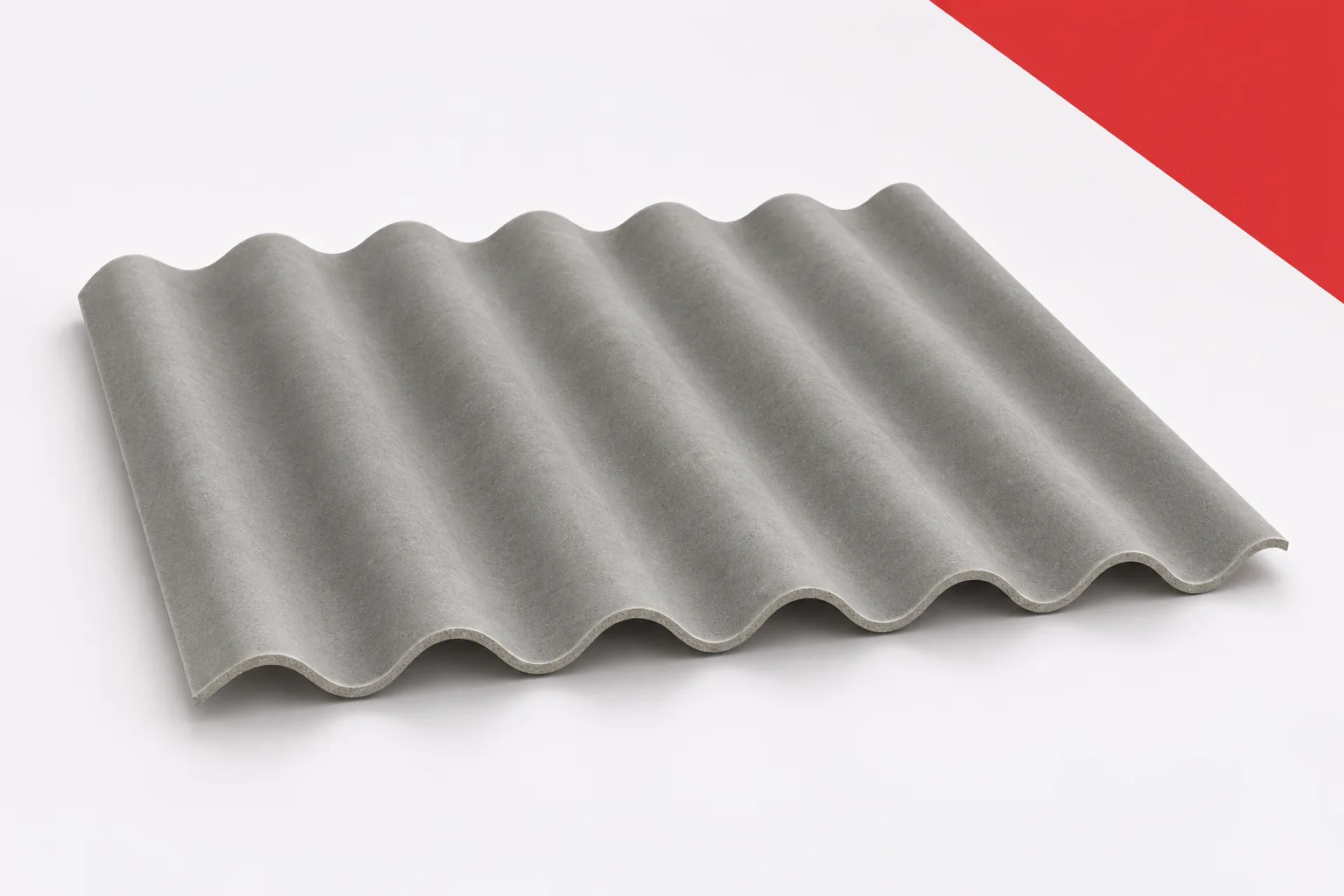
A small garden shelter does not need a complicated form, but it does need a properly designed roof. Fibre-cement sheets can give…
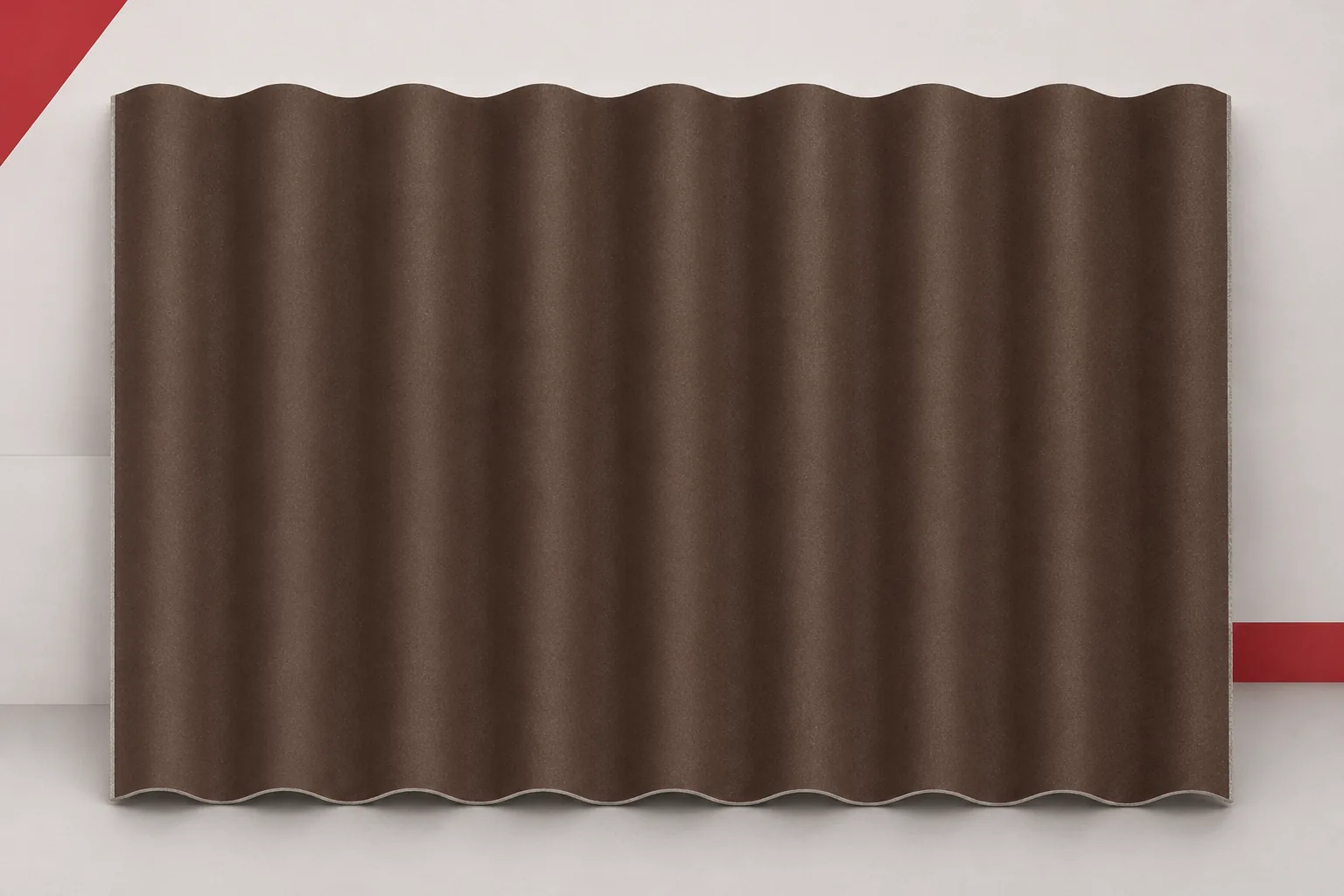
The grey corrugated sheet has a distinct wave pattern and a calm, mineral appearance. It does not have to imitate a roof…
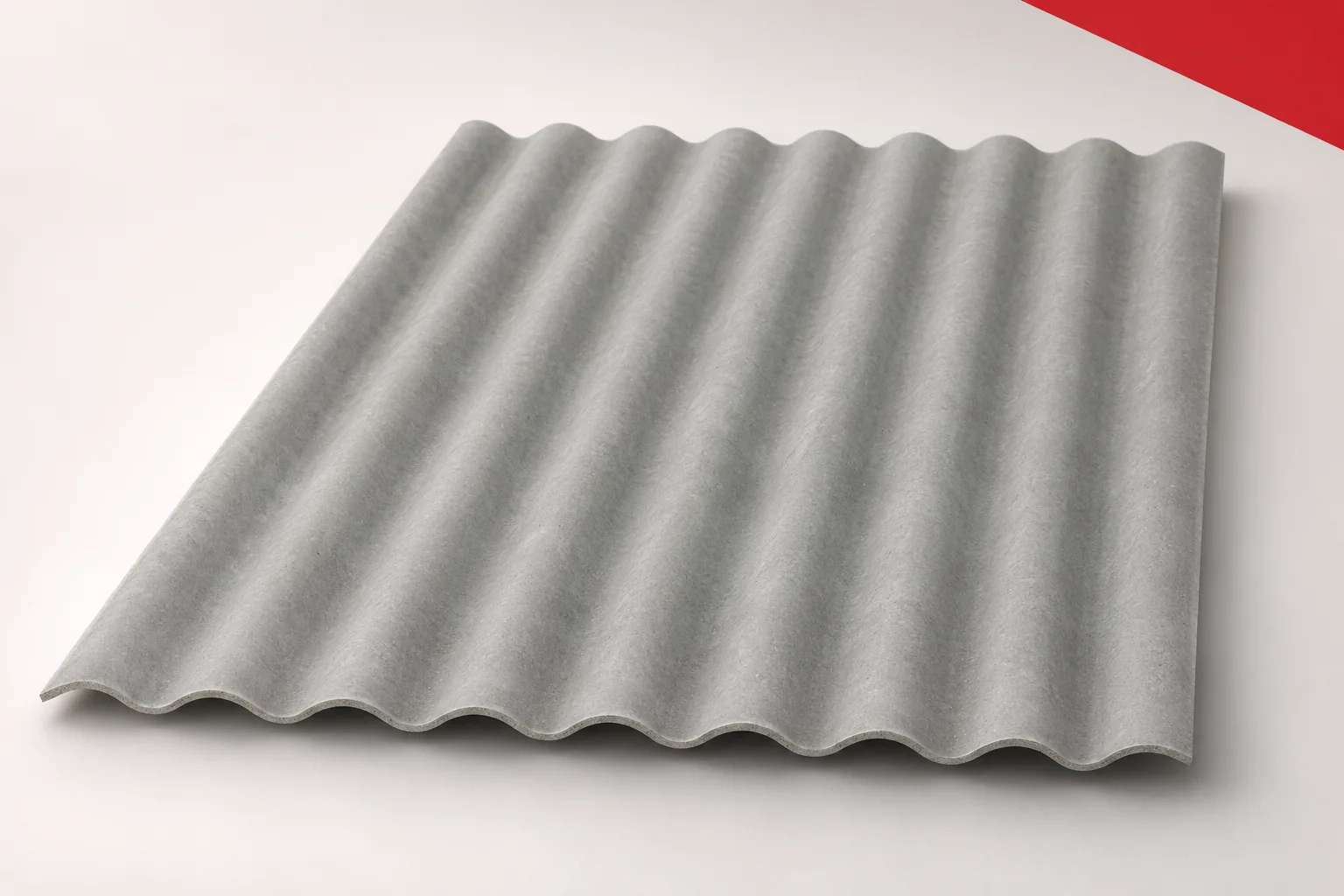
Fibre-cement slates should be assessed over the entire service life of the roof. What matters is its weathertightness, the possibility of repair…