

Sheet metal and roofing
Roof leak or condensation? How to trace water beneath metal sheeting
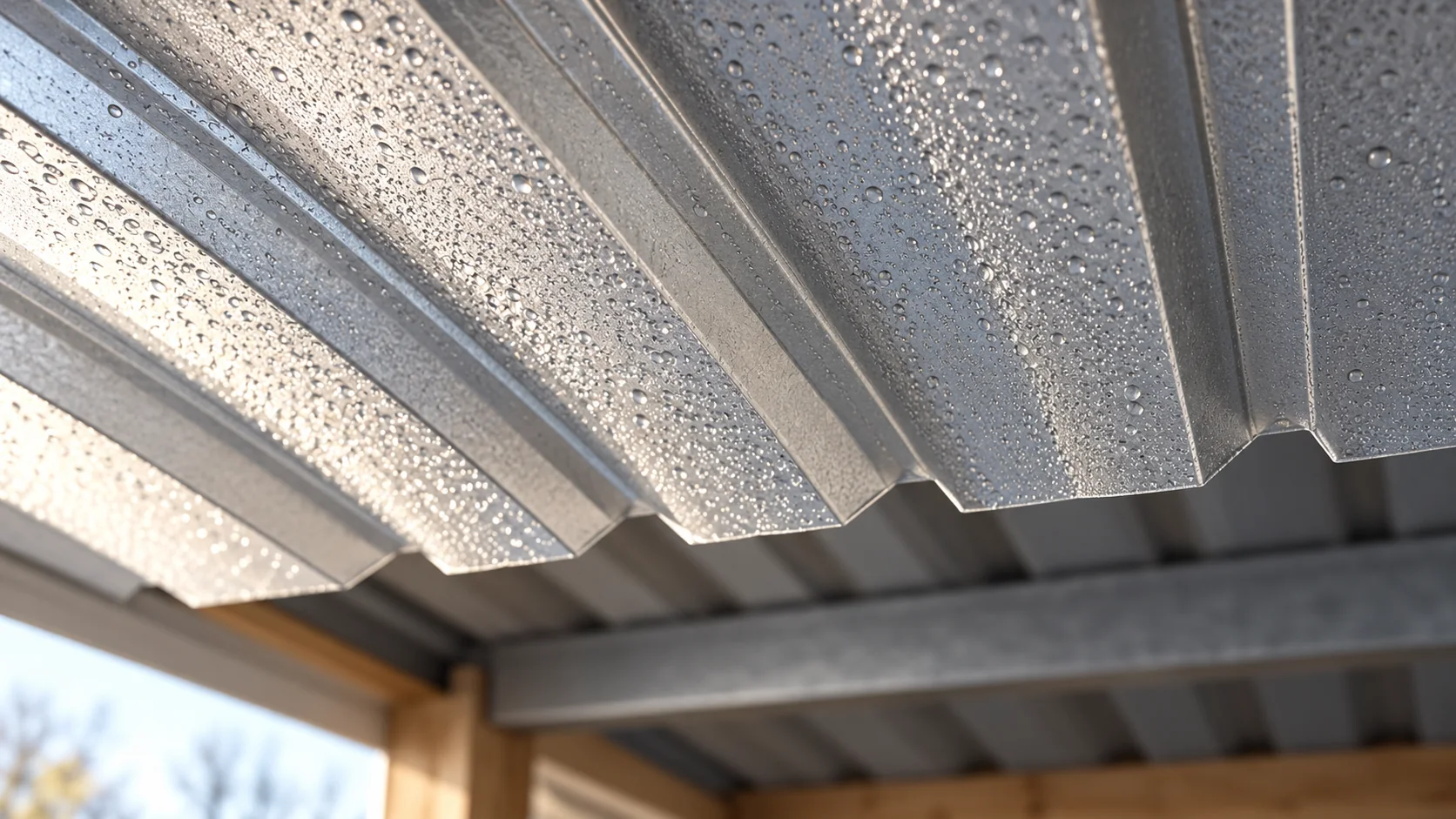
A damp patch under a metal roof can come from rain entering at a joint or from moisture condensing on cold sheeting. Each cause calls for a different repair. Before sealing anything, record when the patch appears, how far it spreads, the indoor temperature and the weather. Did it follow wind-driven rain, melting snow or a cold, dry night? In a building used intermittently, note when the heating came on or work generated steam. Photographs taken after successive events help show whether the wet area shifts or grows.
In this guide
When exactly does moisture appear?
A leak may occur only when rain comes from a particular direction. Condensation is more likely when the surface cools and the air is humid. These are clues rather than a diagnosis, and both processes can occur together. A record of several events gives the inspector more to work with than a single photograph of a ceiling that has already dried.
Why can a damp patch be far from the point of entry?
Water can run along the underside of the sheet, a flashing or a structural member before dripping onto the ceiling. Trace possible routes upslope from the patch. Dirt trails, staining on supports and differences in moisture between adjacent layers may indicate where the water travelled.
Mark the patch relative to the chimney, valley, roof window and sheet joints. Avoid cutting a large exploratory hole in a finished ceiling. Use the observations to decide whether an opening is necessary, arrange safe access and expose only the area that needs inspection.
Which roof details should you inspect for a leak?
Inspect sheet laps, fasteners, service penetrations and flashings. A sealing washer may be crushed, damaged or incorrectly seated. At a wall abutment, look for breaks in the flashing. At a valley, make sure debris has not obstructed drainage.
Tightening every screw without inspection can crush the washers or distort the sheet. Drilling another hole does not necessarily improve the fixing. Before repairing a joint, assess the fastener, the condition of the material it grips and the seal. The size of the visible drip tells you little about the work required.
What should you check if you suspect condensation?
Water vapour condenses when a surface is colder than the dew point of the air touching it. Both air temperature and humidity therefore matter. A wet vehicle introduces moisture into a garage, while work processes may supply moisture in a workshop or industrial hall. A watertight roof can still be wet underneath.
Check ventilation and the continuity of the air barrier. A leak on the warm side can carry moist air to a cold part of the roof. Adding insulation does not seal that air path. Blocking ventilation openings can in turn prevent drying. Assess the whole build-up and its junctions.

What can anti-condensation fleece and sealant actually do?
Fleece on the underside of the sheet holds a limited amount of water and must have a chance to dry. A constant supply of moisture from the room can saturate it. It cannot replace a weathertight covering or waterproofing. Wet fleece alone does not establish where the water came from.
A sealant belongs in a specified joint and must be compatible with the coating. Smearing it over a broad area can hide the defect, collect dirt and complicate the next repair. Take particular care to keep drainage paths open. The joint geometry should shed water, with sealant used where the detail calls for it.
How can you tell whether a repair worked?
Record what was repaired, the date and a photograph. Keep the specifications for any replacement fixings or flashings. Inspect the same point and the surrounding area after further rain. Wet insulation or timber takes time to dry and may need separate assessment and drying measures.
Have the contractor carry out any water test under controlled conditions. A strong jet aimed up a lap can drive water where rain would not reach. Do not climb onto a wet roof for a quick check. If water is present near electrical equipment, make the area safe before continuing the investigation.
Questions and answers
Does a dry roof in summer rule out moisture problems?
No. Cold nights, heating and higher indoor humidity can bring the problem to light for the first time in autumn or winter. Compare the conditions under which moisture appears.
Does staining after high winds indicate a faulty lap?
A lap is one possibility. Flashings and penetrations can admit water under similar conditions. Wind direction helps narrow down the inspection area. Confirm the diagnosis by tracing the route the water took.
7 branches. Materials closer to your project.

Free quote
Materials for your project


You may also find useful…
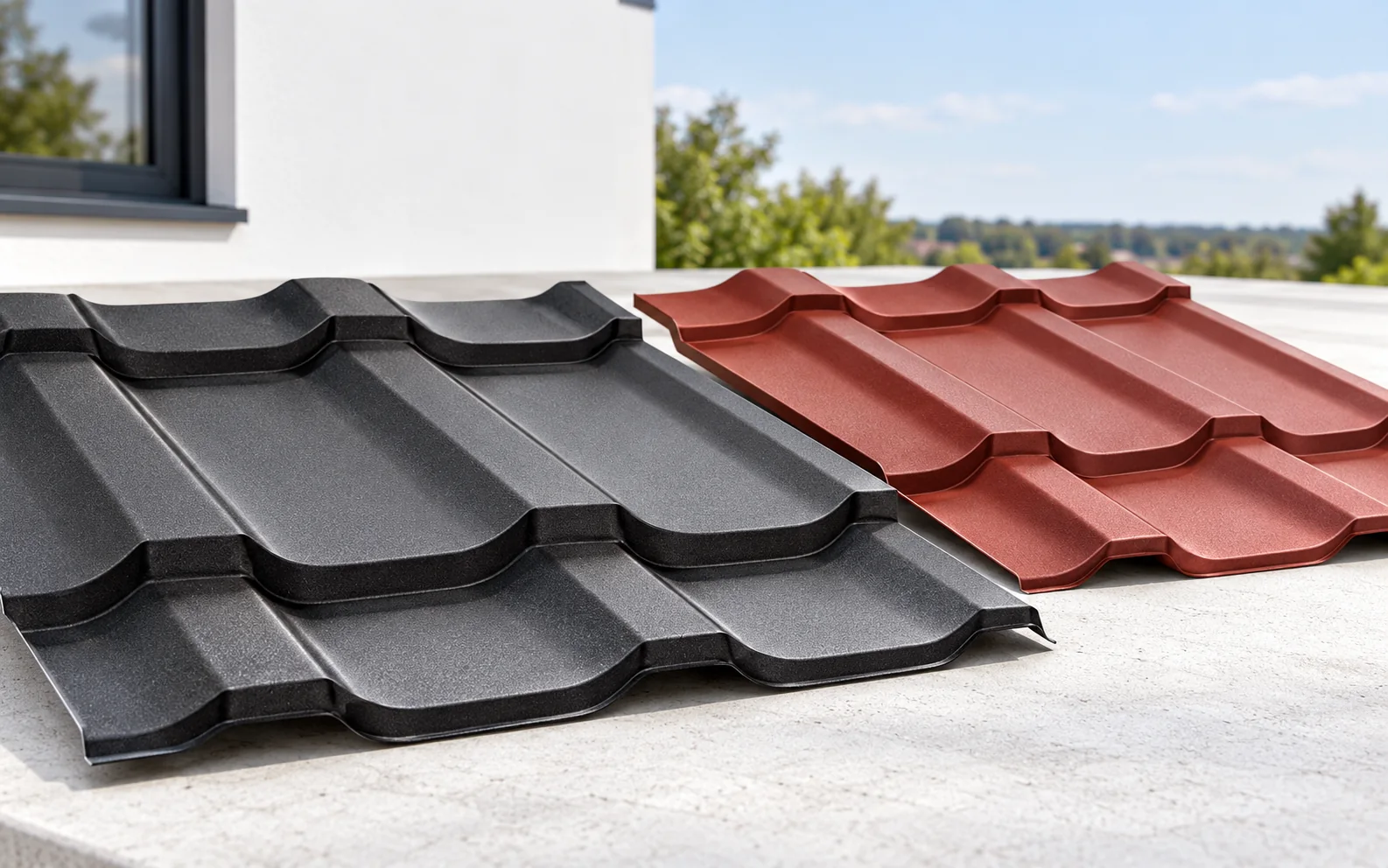
For a simple pitched roof, compare tile-profile steel sheets cut to the length of the slope with shorter modular sheets. On roofs…
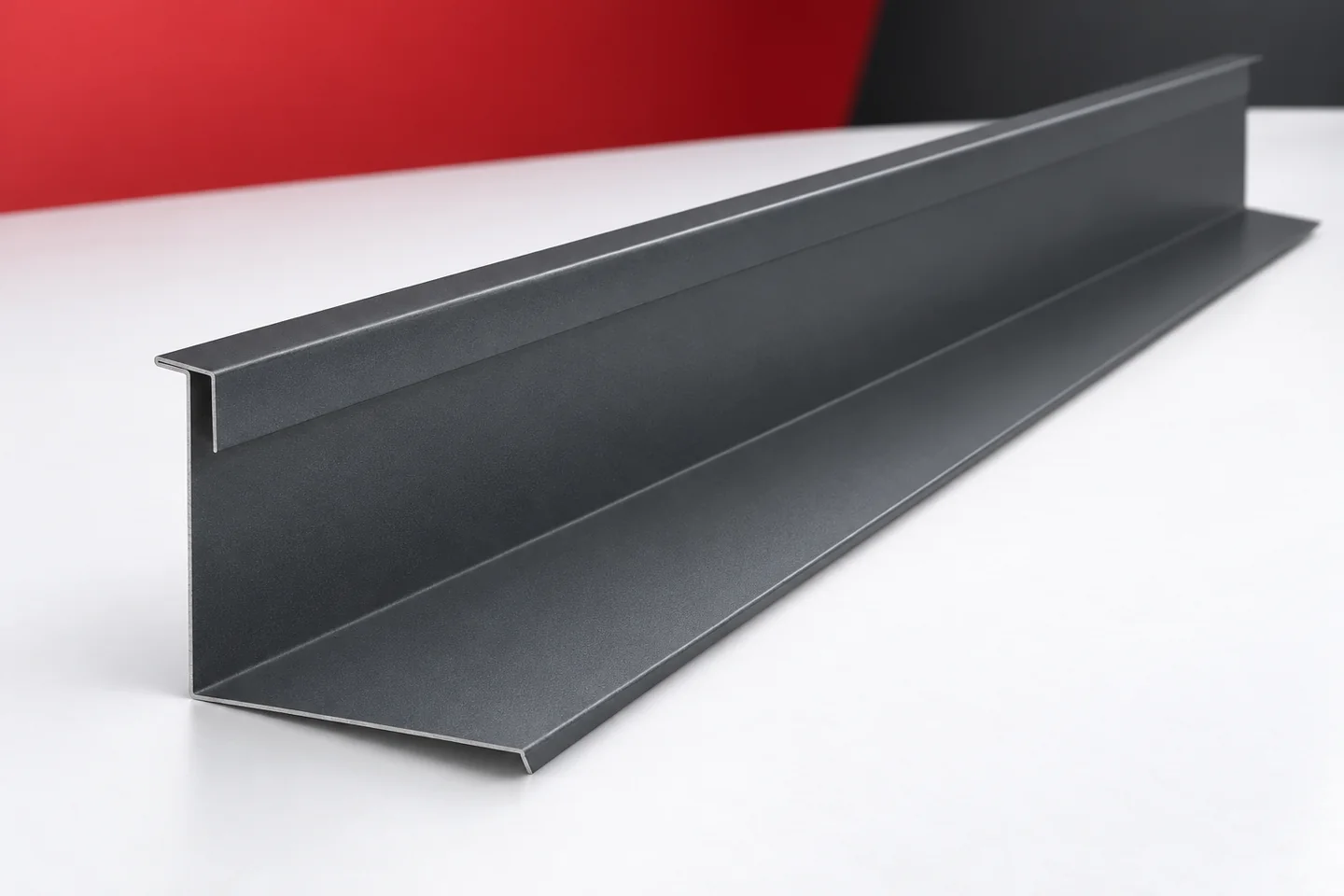
Chimney flashings are ordered for a specific roof penetration. The dimensions of the chimney, the pitch of the roof slope, the profile…
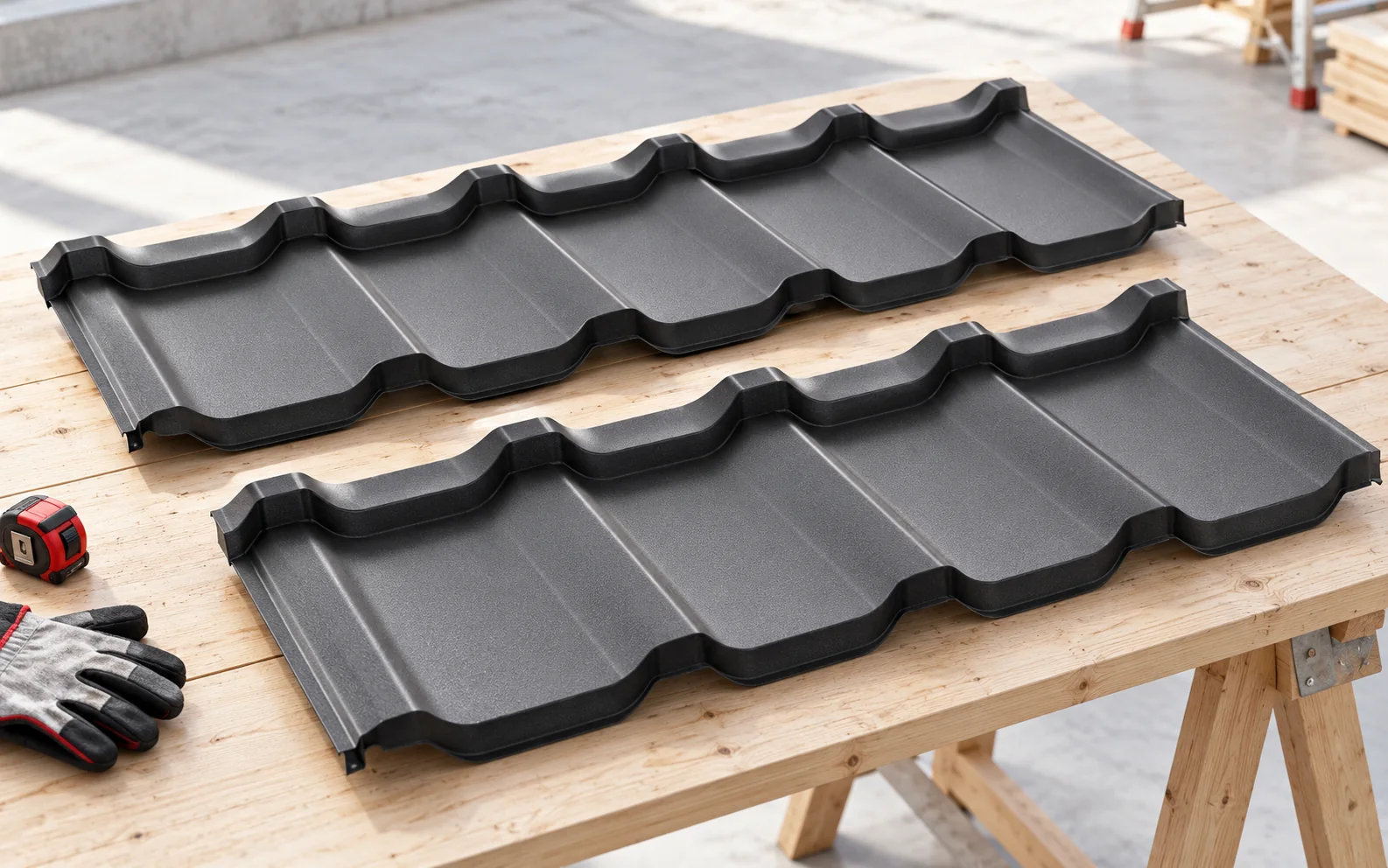
Installation of modular metal roof tiles begins with a level substructure, the correct layer sequence and a properly formed eaves zone. Only…
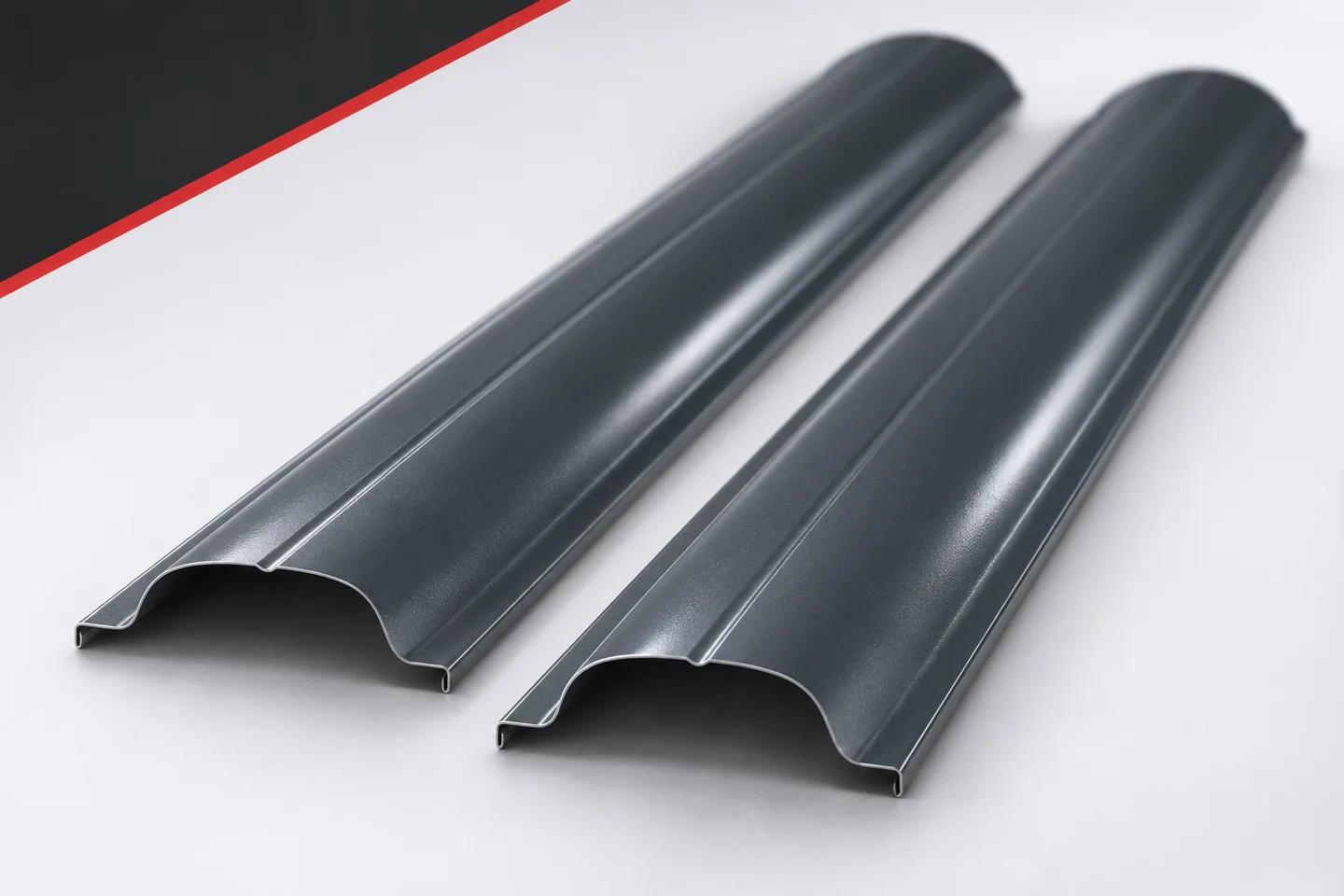
Colour is the last visible part of a picket's protection. Beneath it lies a layer system that helps protect the steel. That…
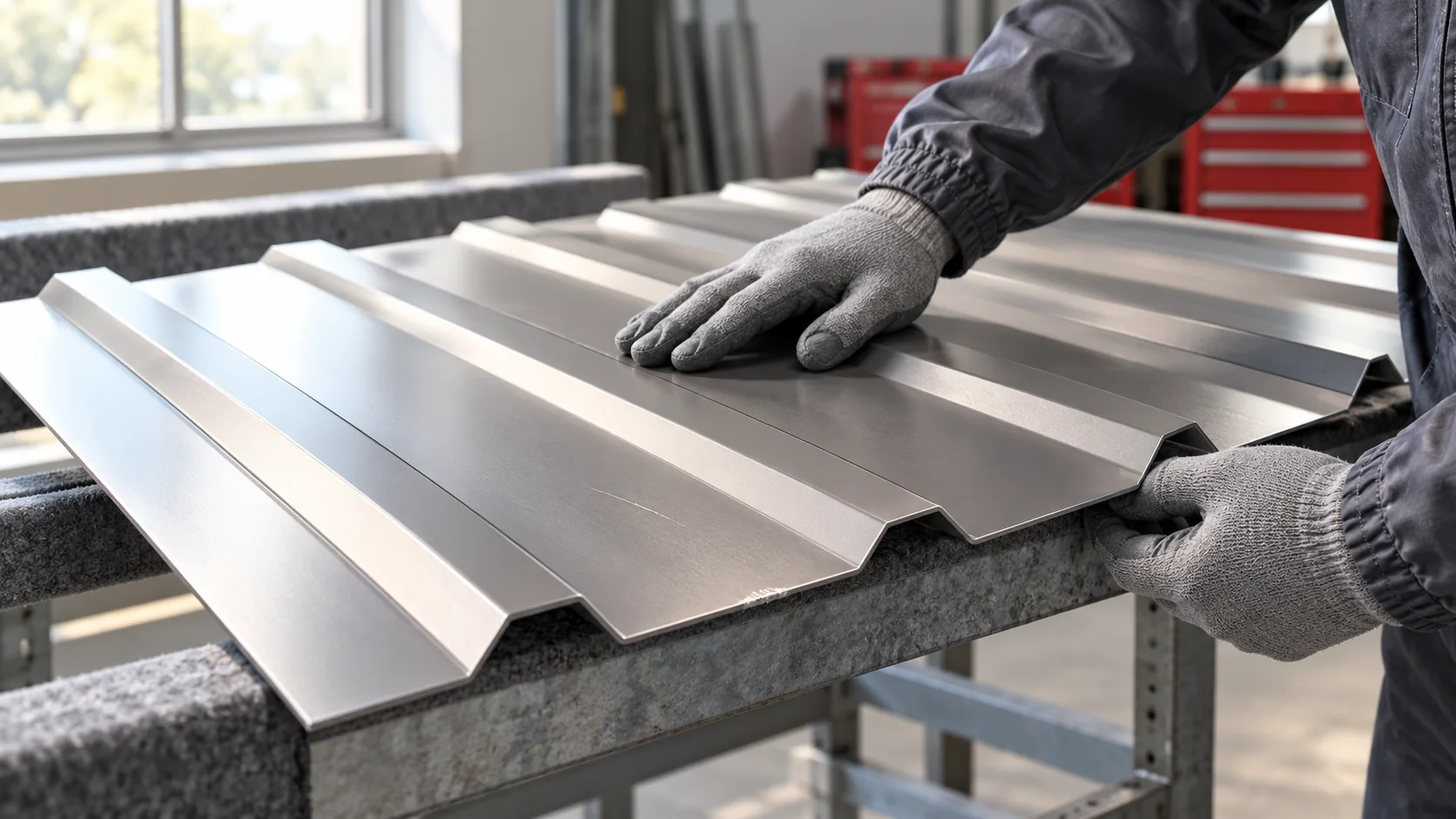
Second-quality trapezoidal steel sheets can be discounted for very different reasons. Before comparing prices, find out why the particular sheets were downgraded.…
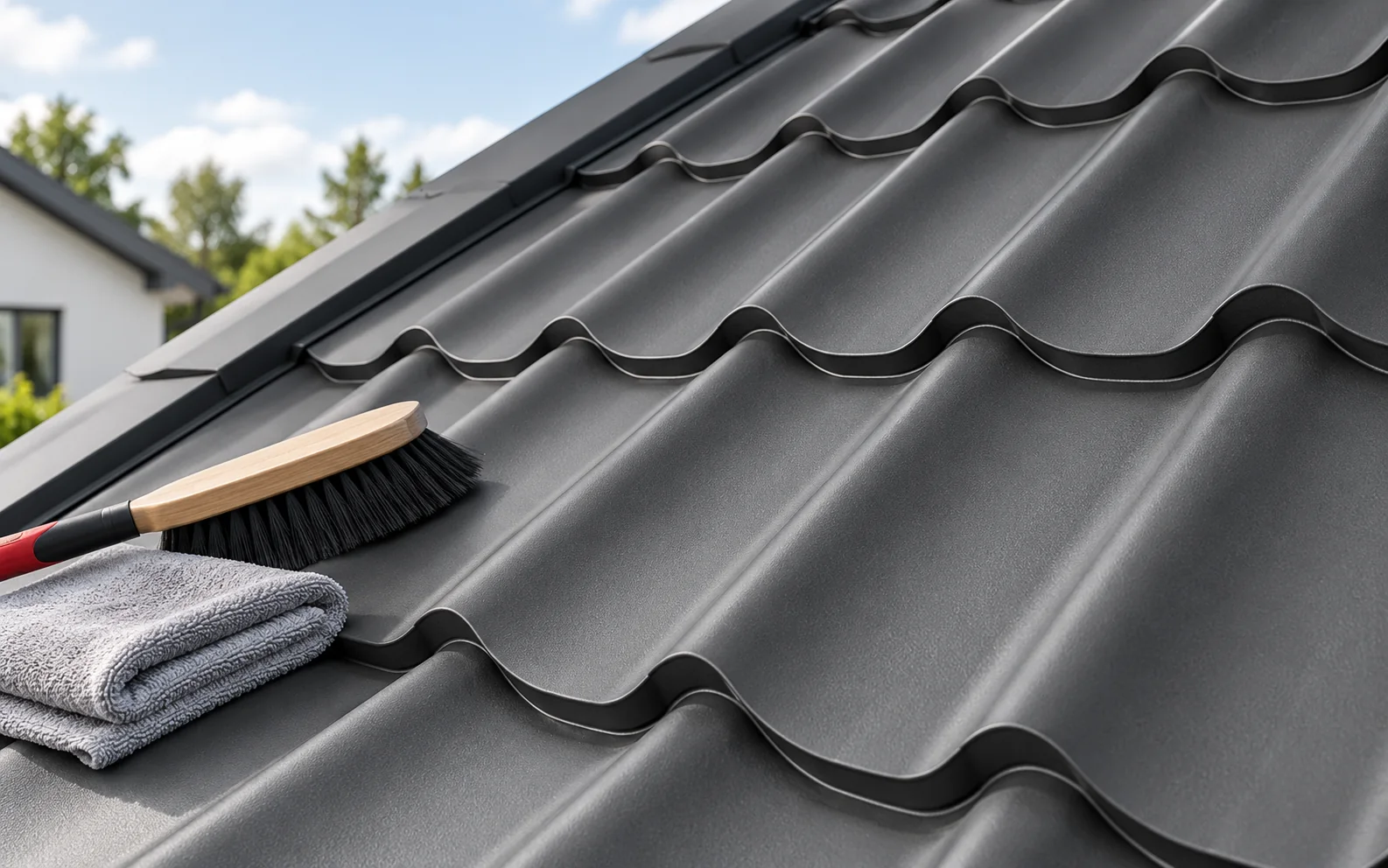
Roof maintenance involves removing dirt, checking joints and repairing minor damage. It does not mean painting the entire roof slope every year.…
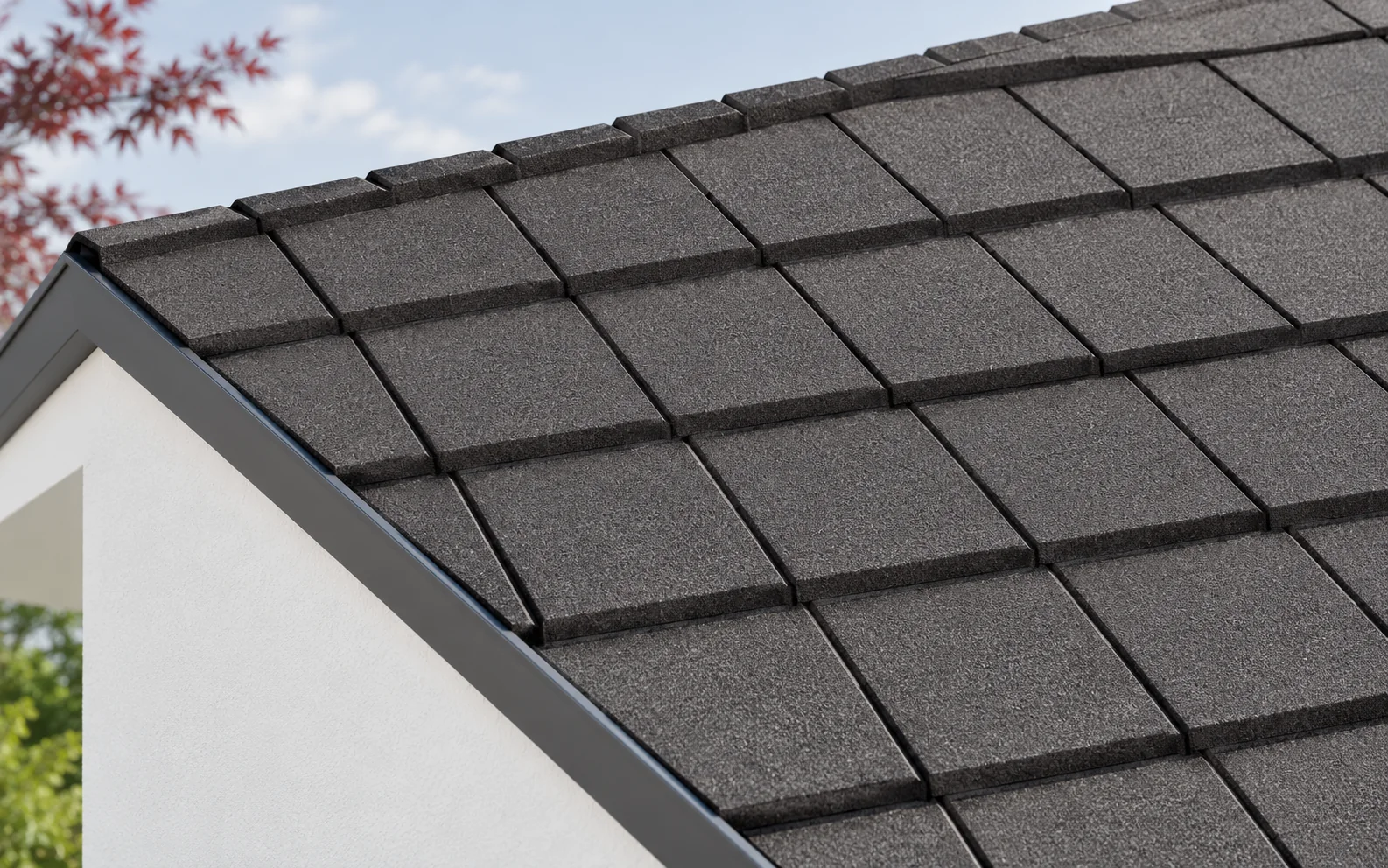
Tile-effect metal roofing with granules is installed according to the rules of the specific system, which may differ from the installation of…
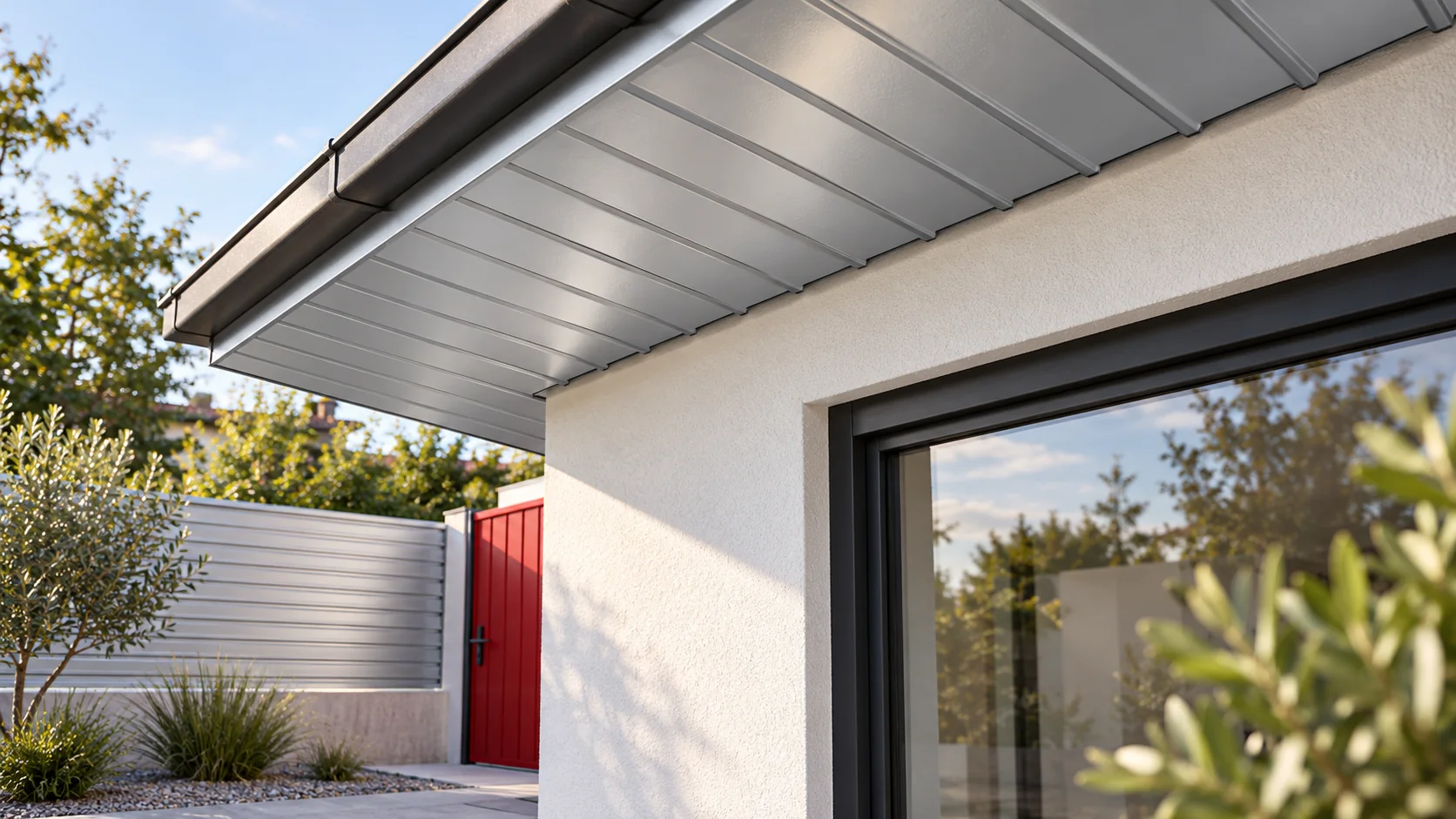
T7 is a shallow trapezoidal profile with closely spaced ribs that can suit a soffit, gate infill or lightweight wall lining. Its…