

Sheet metal and roofing
How to repair chimney flashing and prevent recurring leaks
Before repairing chimney flashing, trace the water and inspect the chimney itself. Another layer of sealant will do little if the flashing sheds water the wrong way or prevents the roof covering from moving. The detail must keep rain out, tie into the chimney finish and remain accessible for inspection. A stain beside the chimney can originate above the lower apron. Look for cracks in mortar joints, damage to the cap or chimney finish, and water entering farther up the slope. Inspect the whole area before deciding which piece to replace.

In this guide
Is water actually getting through the flashing?
Record when water appears. Rain driven from one direction suggests a different water path from prolonged snowmelt. Photograph the old flashings before dismantling them. The pictures show which pieces overlap and where sediment collected, giving the person detailing the replacement evidence to work from.
Which route should water take around a chimney?
The back gutter on the upslope side intercepts runoff and directs it to the sides. The side flashings carry it downslope, and the apron on the eaves side discharges it onto the covering. This sequence explains what each component does. Dimensions depend on chimney geometry, roof pitch and the chosen sheet profile.
A wide chimney or a complex roof layout may need an additional feature to divert runoff behind the chimney. Avoid creating a flat pocket where water and leaves can collect. Examine the corners and the transition from the back gutter to the side flashings particularly closely.
Why does the connection need to allow movement?
Sheet metal expands and contracts with temperature. The chimney and roof frame may also move differently. A rigid casing around both can crack over time. Each part of a properly designed joint has a distinct job. The attachment to the chimney and the connection to the covering must accommodate the movement expected there.
The sealing material needs adequate adhesion and movement capacity. Check compatibility with the coated steel before using silicone or another sealant. Check the flashing metals against each other as well. Incompatible metals or compounds can cause corrosion or loss of adhesion even if the first water test is successful.
What has to match the profiled steel sheeting?
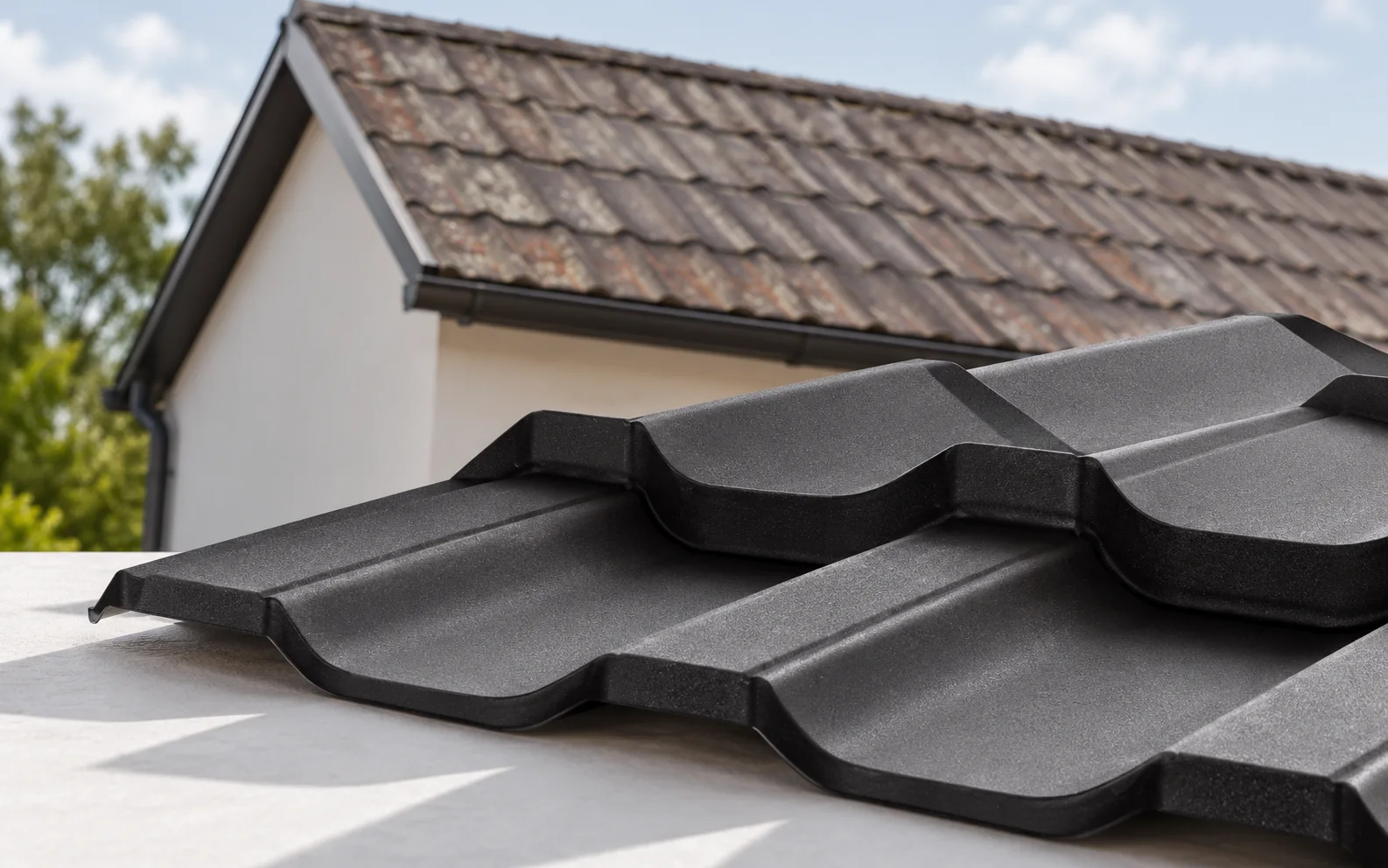
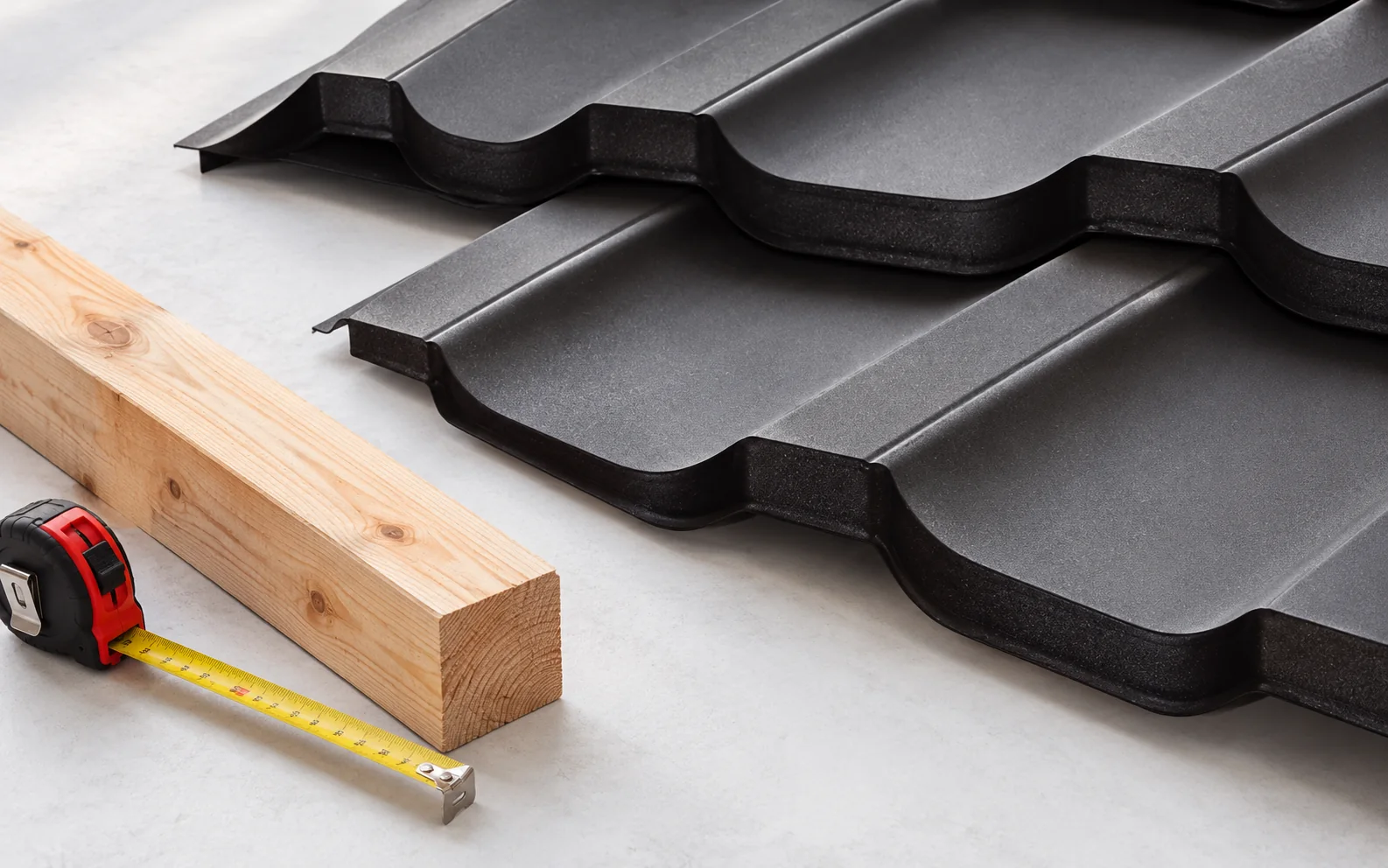
The apron crosses the crowns and troughs of the roofing sheet. Match the actual cross-section, including rib spacing and width. Matching nominal height alone is insufficient. A component that fits one profile can leave gaps on another. The same applies to profiled closure strips.
Do not fill the entire space with foam without a detail designed for that purpose. Foam can obstruct drainage or hide the area from inspection. The detail should also specify fastener holes and their positions. The flashing must shed water clear of unprotected joints and prevent it from backing up at sheet laps.

When is a local repair enough?
Local damage to an otherwise sound detail may be suitable for a small repair. A flashing pierced by numerous holes, corroded or covered with successive layers of sealant is a different case. Rebuilding the joint may be more effective than patching each new symptom. Expose enough of the underlying material to judge its condition.
Provide temporary rain protection while the roof is open. Choose a weather window long enough to complete or secure the work. Repairs must preserve the fire protection required around the flue. Establish suitable materials and clearances independently of how the old enclosure happened to be built.
Checking the completed work and planning inspections
Ask to see the upslope flashing, corners and connection to the chimney wall. Photograph concealed sections before they are covered. Check that swarf, protective film and offcuts have been removed. A loose piece of metal left behind the chimney can rust and obstruct runoff.
Provide safe access for future inspections. Check the flashing after exceptionally strong winds and during routine roof inspections. Remove debris using methods suitable for the coating. If a stain returns, compare it with earlier records before assuming the same joint has failed again.
Questions and answers
Can repair tape stay in place permanently?
That depends on the tape’s intended use and the joint design. A temporary patch does not automatically provide permanent flashing. Once the area is protected, identify the cause and decide on the lasting repair.
Can the old flashing remain when the roof covering is replaced?
Only after checking its condition and fit against the new profile. Different rib heights or spacing may require the flashing to be reshaped or replaced. An absence of visible corrosion alone does not establish suitability.
7 branches. Materials closer to your project.

Free quote
Materials for your project



You may also find useful…
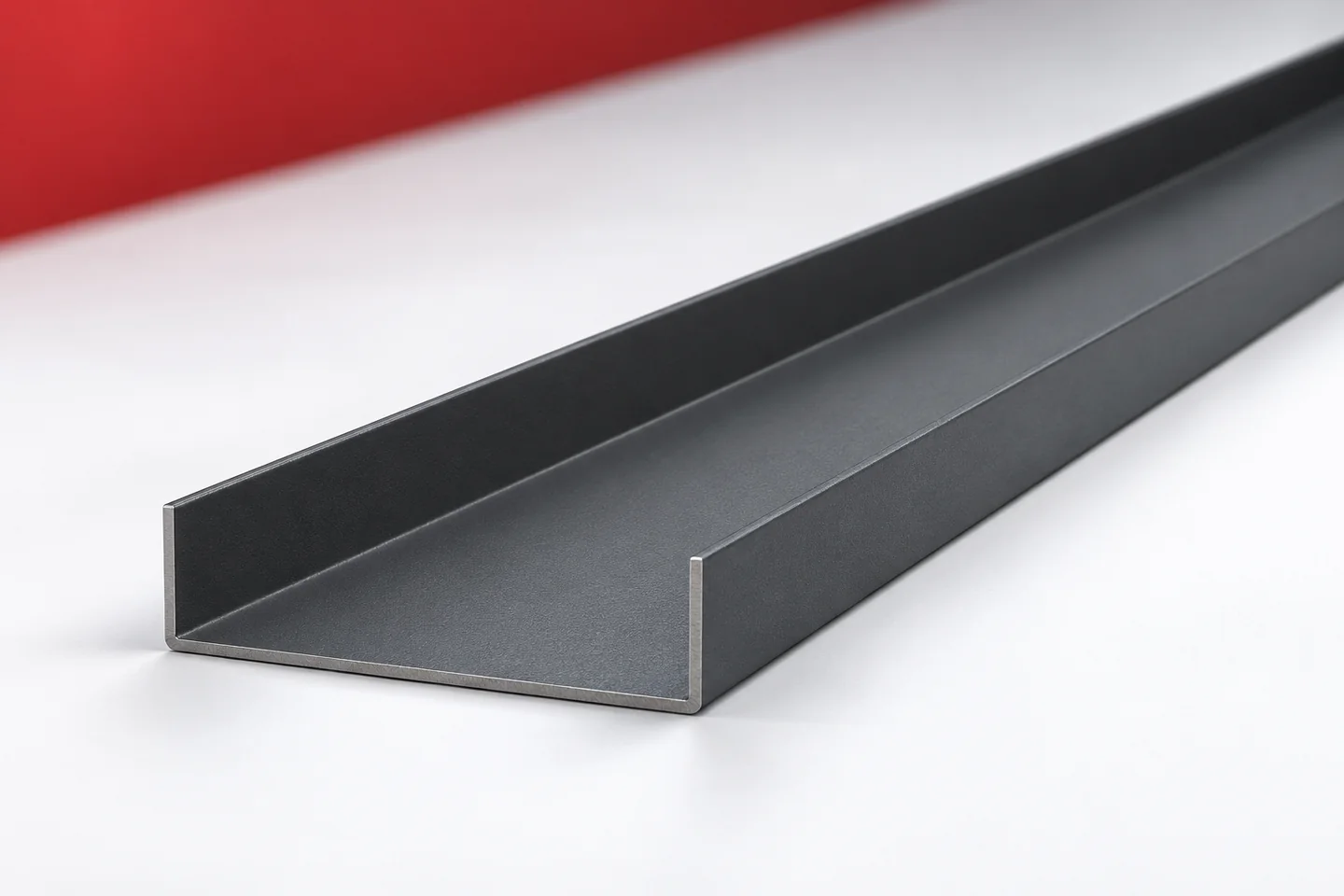
Starter profiles define where installation of a given covering or cladding begins. Some form a hook for the panel, others support the…

A heat pump needs electricity, and a photovoltaic roof can supply part of it. This is a good combination if both solutions…
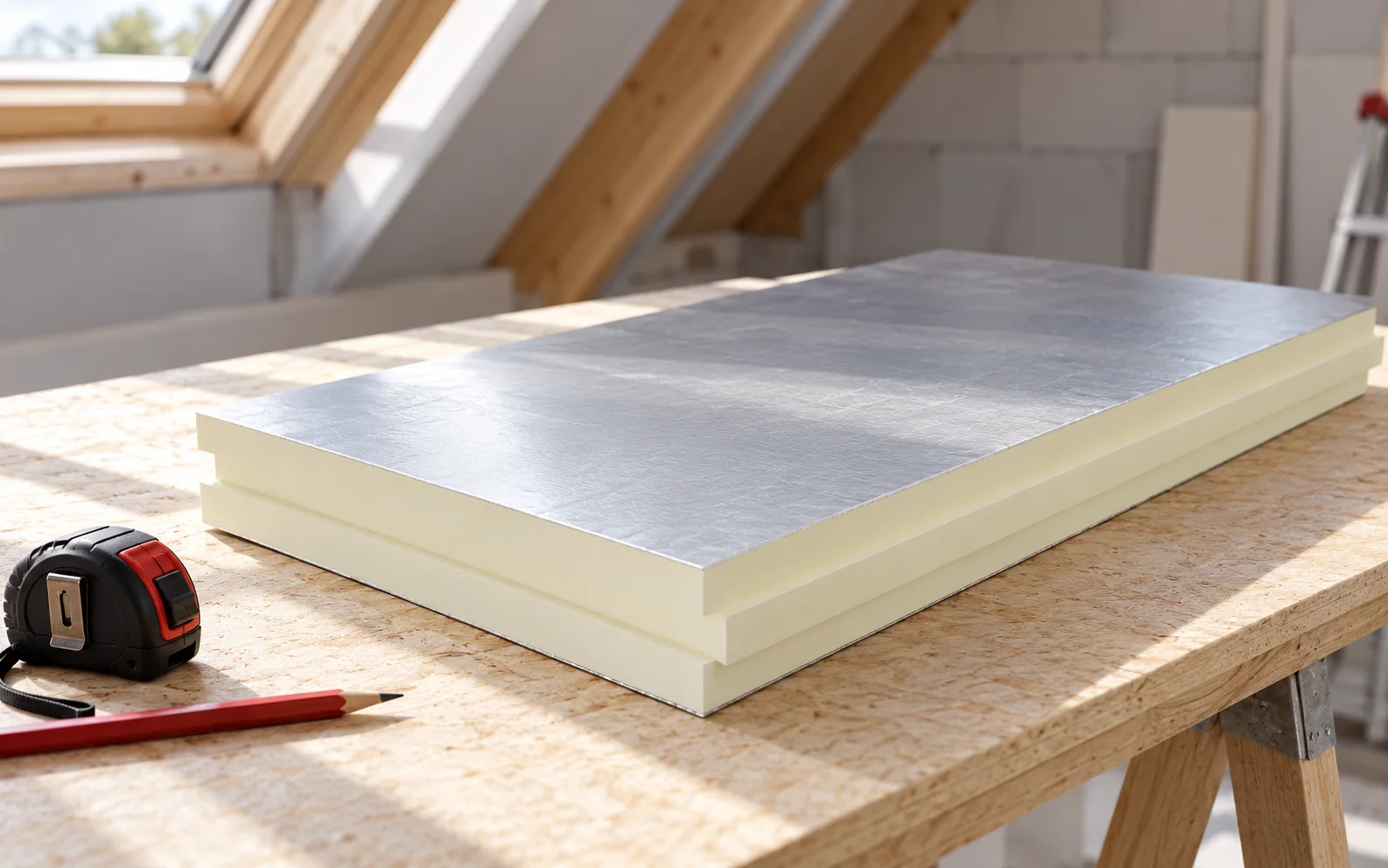
The answer to the question of insulating a loft before installing the lining comes down to the correct sequence of work and…
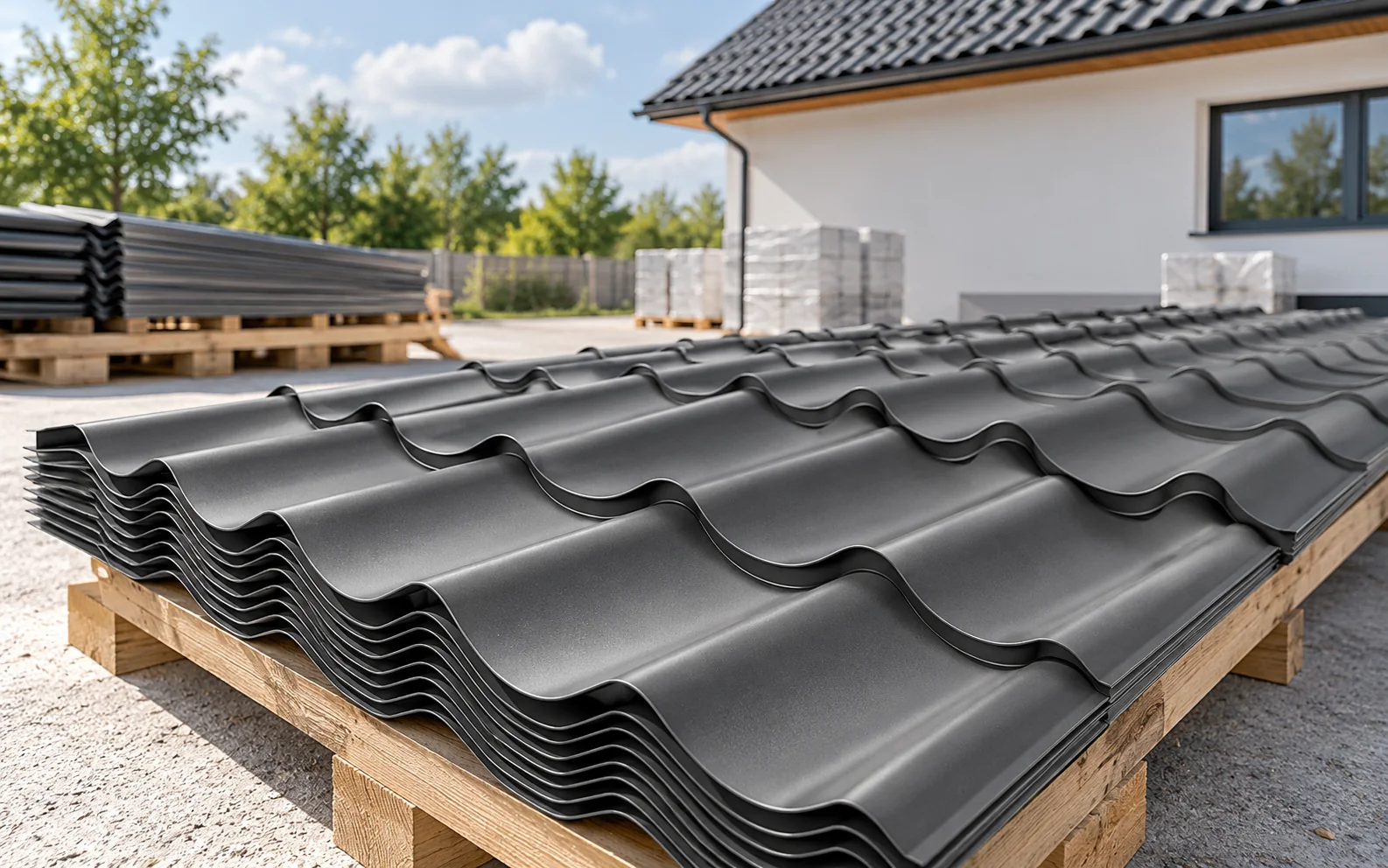
When replacing an asbestos cement roof in Poland, obtain separate estimates for safe removal and for making the roof weathertight again with…
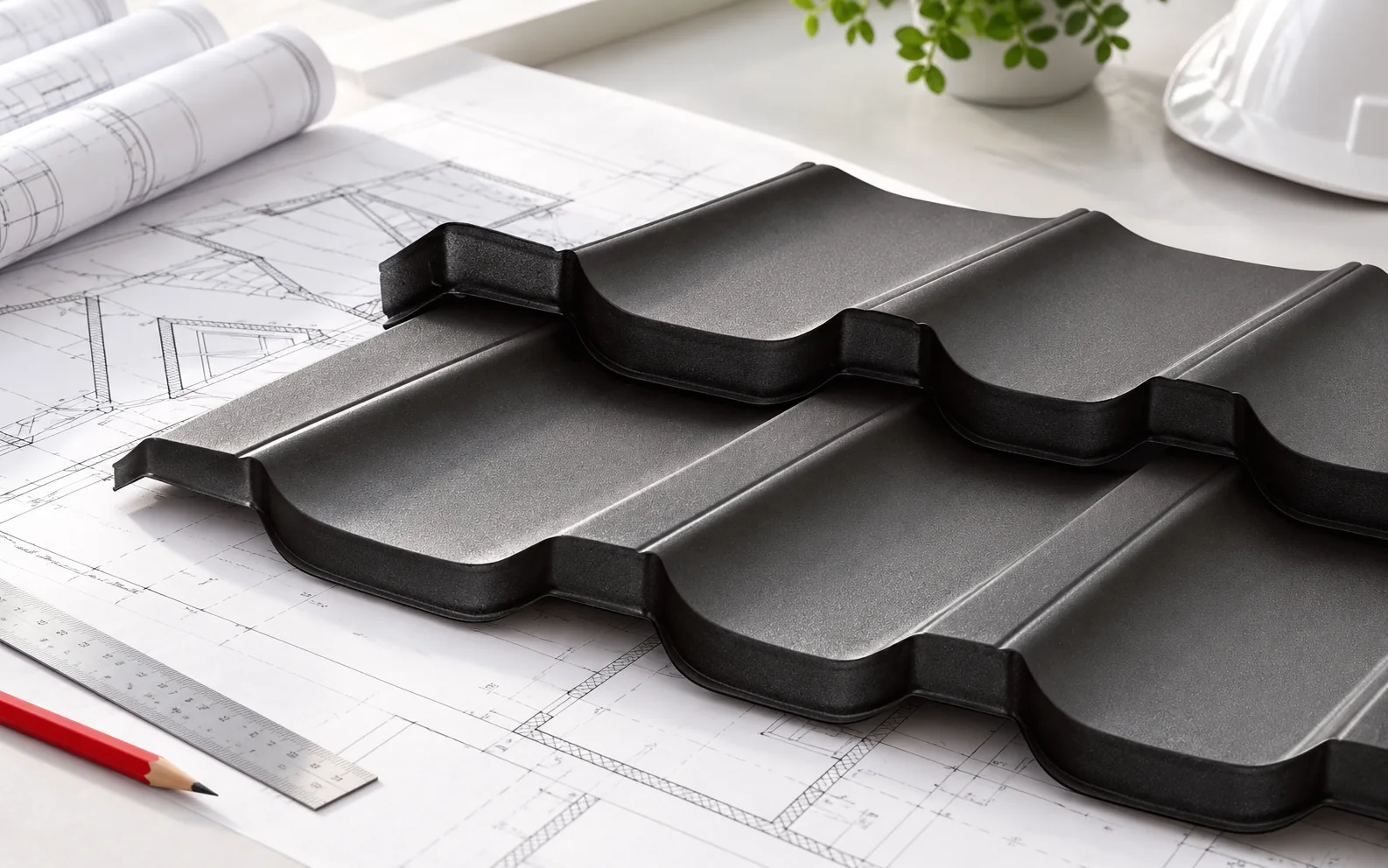
Preparing an investment covers the plot, the design, the correct procedure and the documents needed to start work. The scope depends on…

For a roof renovation, order cut-to-length sheets from measurements taken on the repaired structure. Mark the eaves and ridge, measure both sides…
The decision depends on the extent of the damage, the condition of the structure and the cause of the problem. A single…
To size rafters, first establish where each one is supported and how much roof area it carries. The structural designer needs the…