

Profiles and steel structures
Sigma sections: when do the extra folds help?
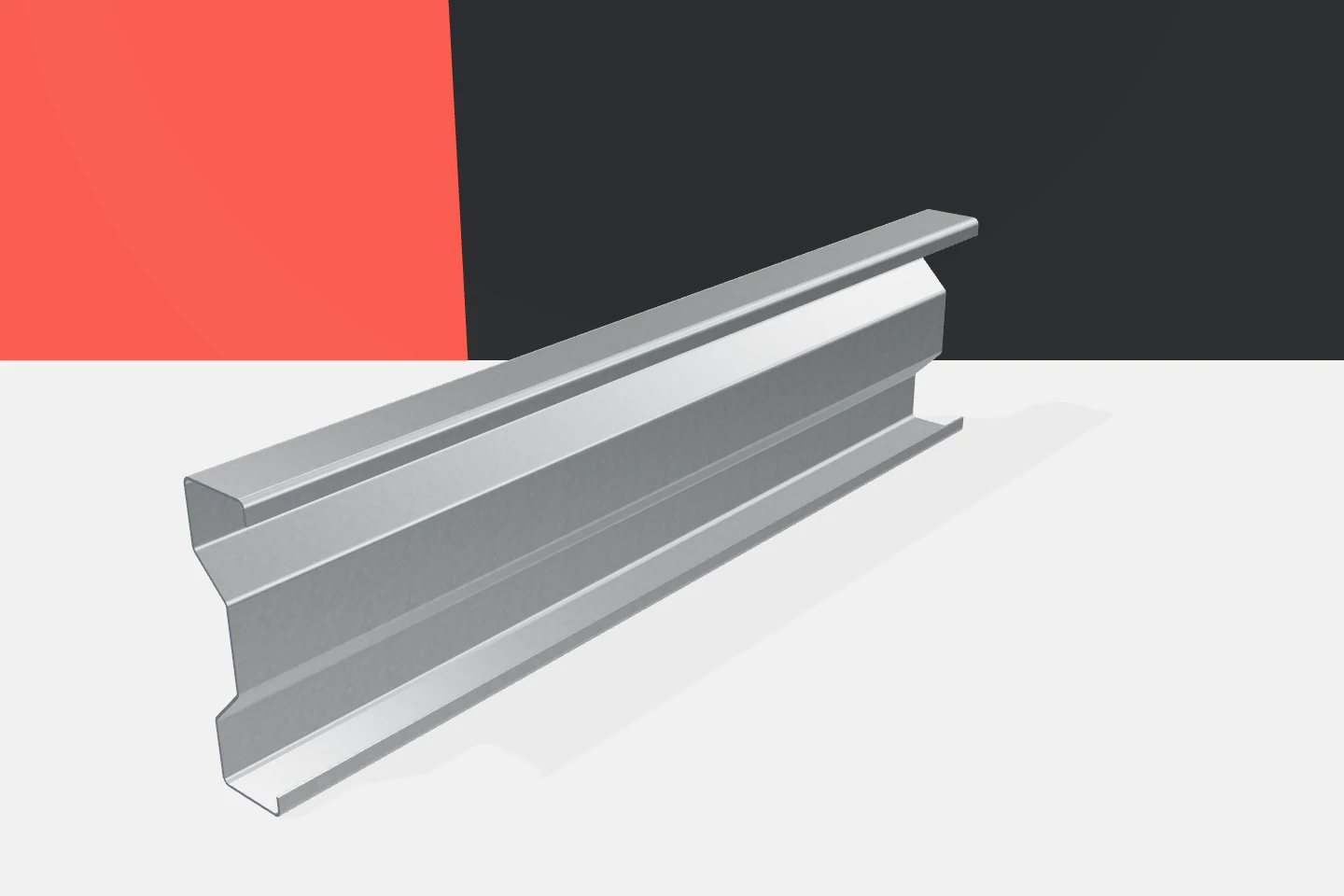
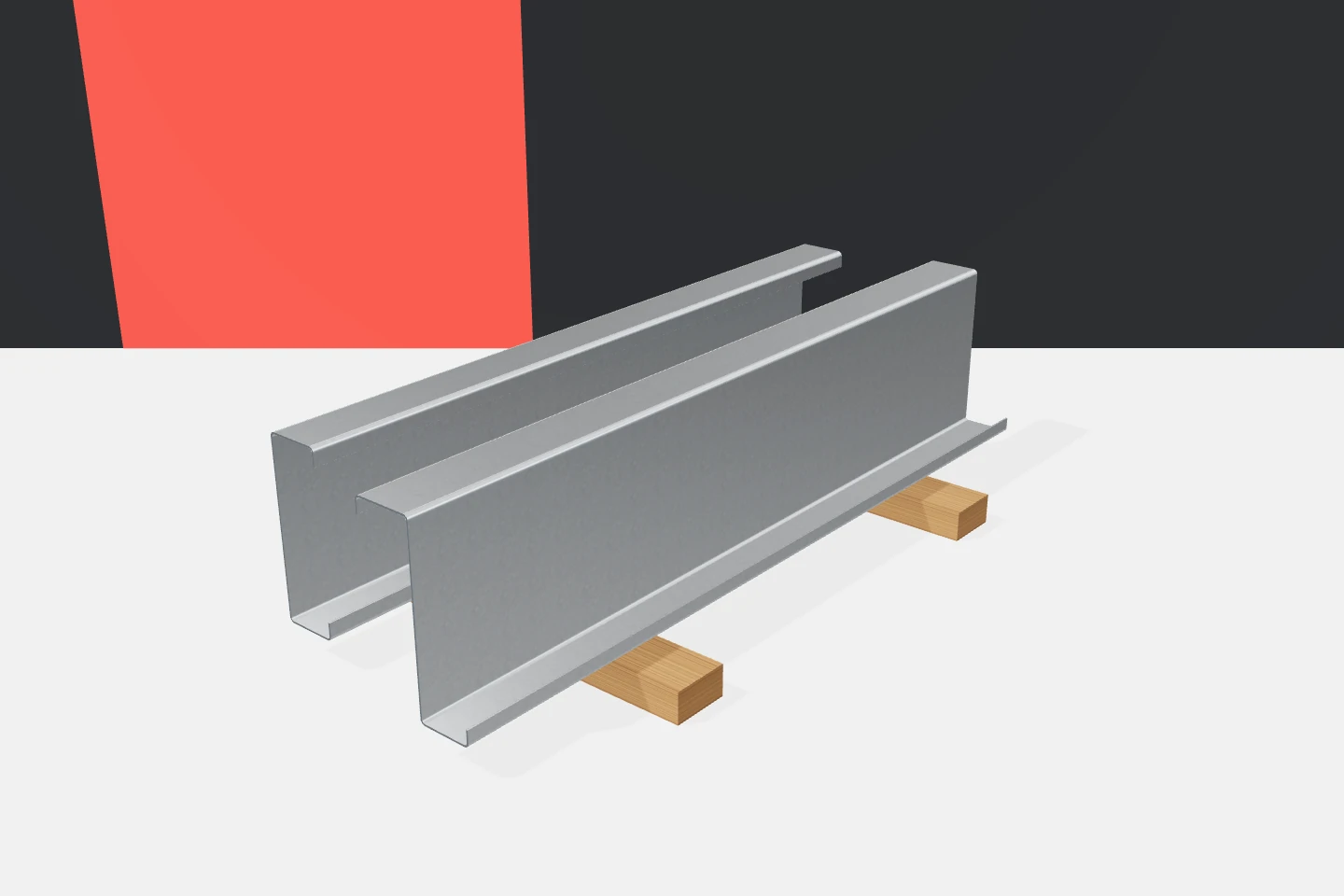
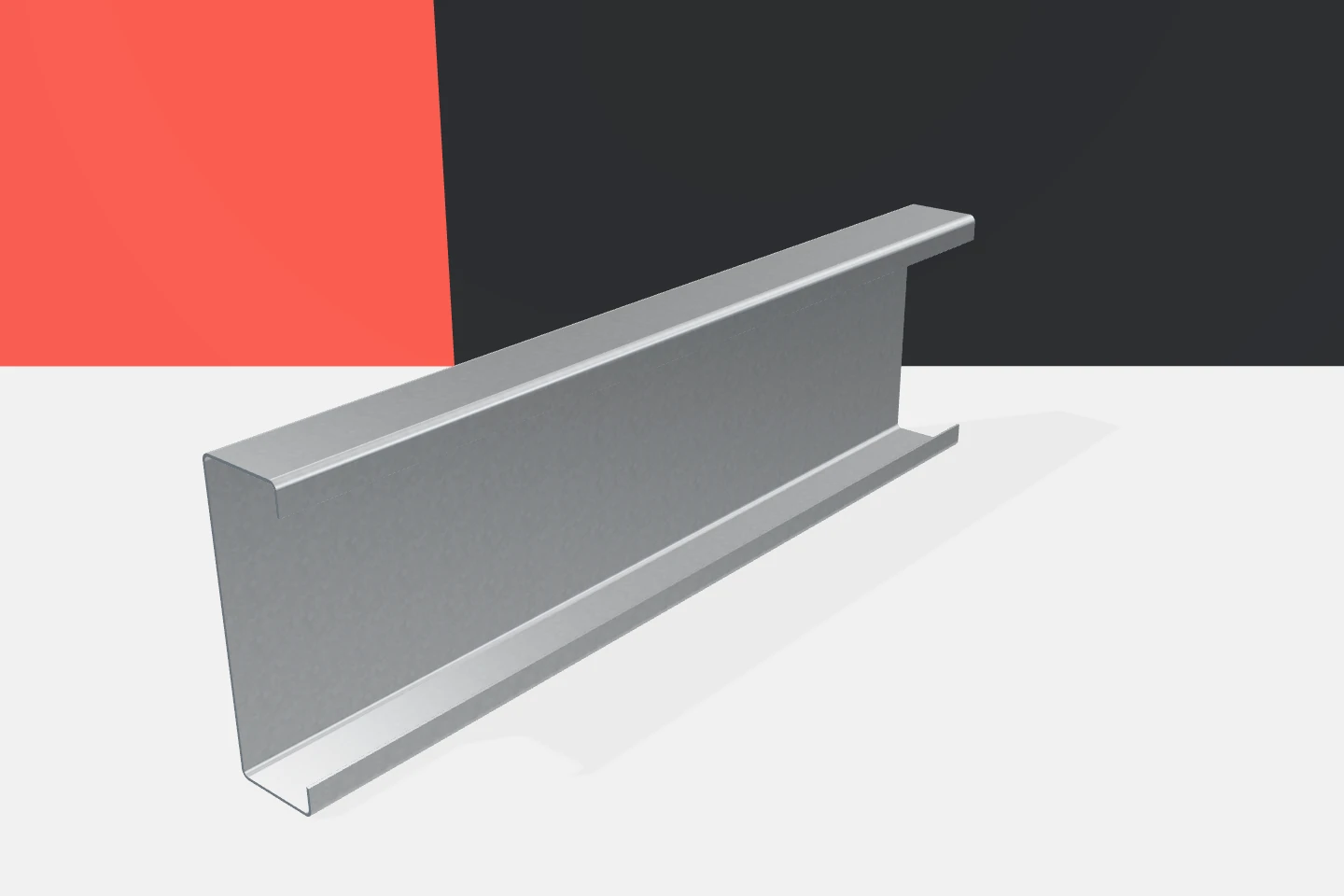
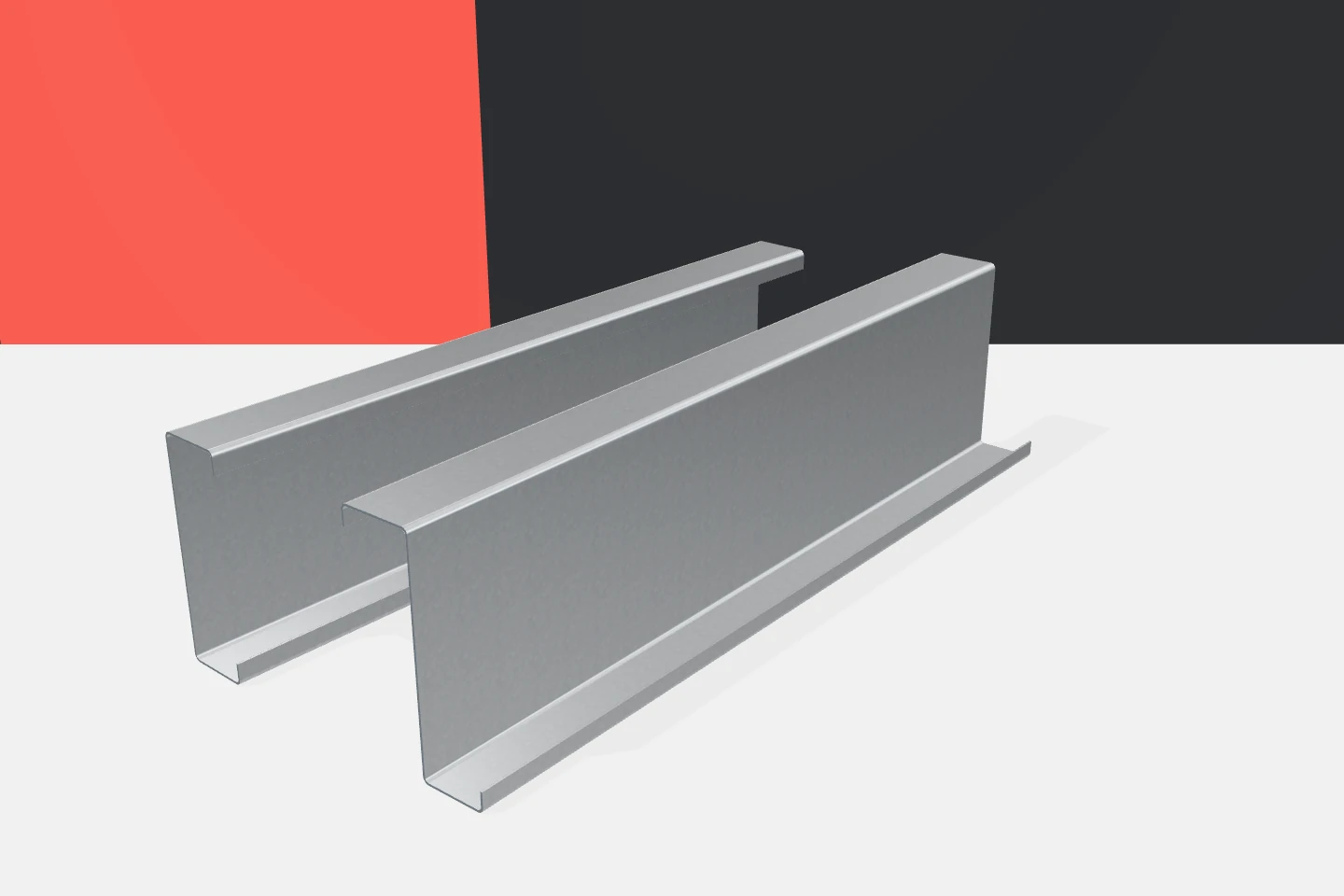
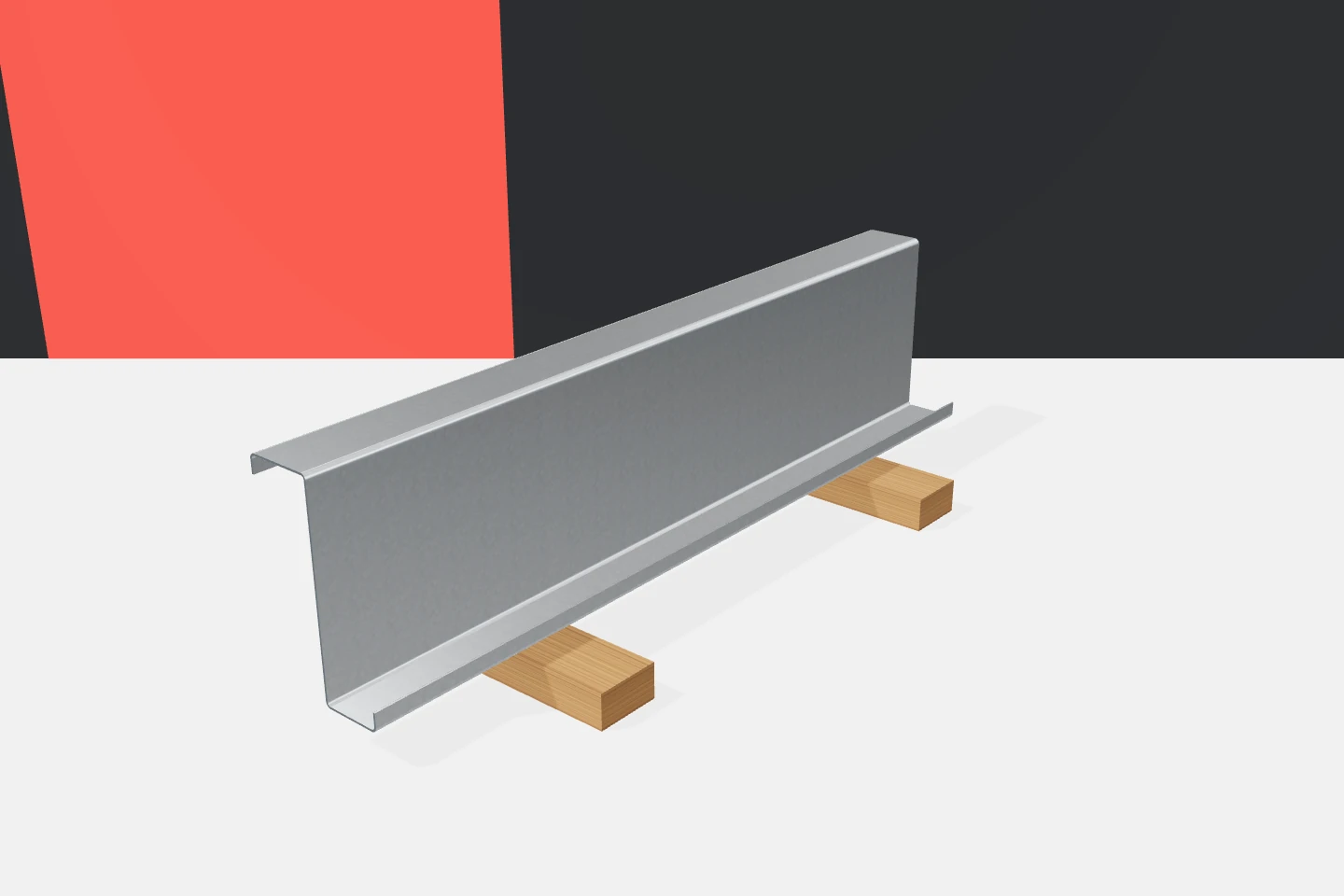
The sigma profile is notable for its stiffened web. This shape serves a specific structural purpose, but it does not guarantee greater load-bearing capacity under all conditions. Cold-formed sigma profiles must be compared with other beams on the basis of complete data. Only then can it be assessed whether their use will reduce weight, simplify connections or improve the use of space in the planned structure. In a typical channel, the middle part of the cross-section is flat. In a sigma, the web has additional folds that divide it into shorter segments. The flanges remain on one side of the cross-section, and their ends may have stiffening lips. Individual families, however, need not have identical proportions. The name describes a type of shape, not one universal drawing.
In this article
What distinguishes a sigma from a C profile
It is worth looking at the cross-section, not just a photo of a long element. The stiffenings are often barely visible in perspective. When ordering, dimensions from the documentation for the specific product must be given. Information about the sigma height alone does not allow the flange widths, the depth of the stiffening or the length of the lips to be reproduced.
An example sigma with a height of 200 mm made from 2 mm sheet has flanges 55 mm wide and lips 15 mm long. In the same geometric set, the bend radius is 3.5 mm. Such data make it possible to check the overall dimensions and the space for fixings straight away. The name sigma 200 alone conveys only part of this information.
Why the web stiffening matters
A thin, wide wall under load can lose stability locally. The folds affect how it is divided and how it behaves. This is one of the reasons for using more elaborate cold-formed cross-sections. The designer, however, takes into account not only a single wall but also the interaction of the whole profile and the possible displacements of its parts.
The difference therefore cannot be reduced to the statement that sigma is always stronger. Depending on the direction of bending and the support conditions, a different cross-section may be advantageous. Torsion and deflections are also assessed. The right choice follows from the specific loads, not from the number of visible bends.
A comparison makes sense with shared assumptions
If one channel is taller, another thicker, and the sigma is made from a different steel, the result of a simple price comparison says little. First the task of the beam must be established. Then the variants that fulfil that task must be checked. Only then can their weight, cost and method of installation be compared in one table.
In offers for cold-formed profiles, pay attention to the full designation, the cross-section drawing and the core thickness. The steel grade is also important. A similar appearance does not guarantee identical properties. When the supplier proposes a substitution, the designer’s confirmation is needed that the new element fits both in terms of calculation and with the planned connections.
The flange must suit the fixing of the cladding
The beam interacts with the sheet, board or other element through a specific bearing surface. The flange width affects the space for fixings and the possibility of making the connection in accordance with the documentation. With sigma, one should not focus solely on the web. Both flanges and their edges are equally important for practical application.
Before purchase, it is worth comparing the profile drawing with the cladding detail. The position of the screws, tool access and distance from the bends are checked. A narrow installation zone can make work difficult even when the beam itself meets the requirements. The selection of galvanised profiles should therefore also take account of the installer and the sequence of joining the elements.


Holes must not be random
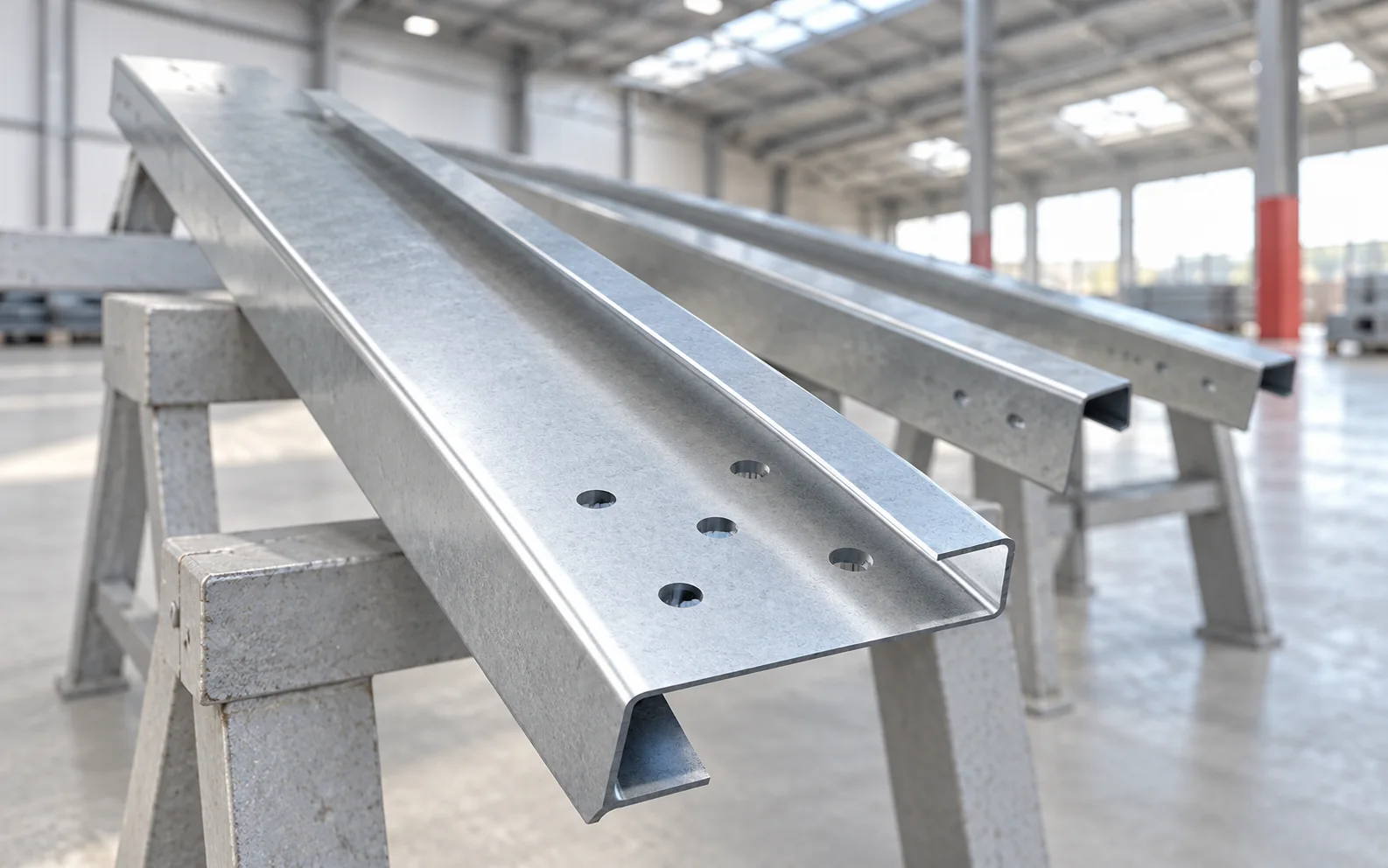
Sigma is sometimes supplied with factory-prepared holes. In the stiffened web, it must be precisely indicated on which part of it they are to be located. The drawing should include a dimensional datum and the orientation of the profile. A small offset can mean that the hole falls on a bend or does not match the connecting element.
Additional holes require assessment in the context of the cross-section and the connection. It should not be assumed that a cut-out will be neutral simply because it occupies a small area. This applies in particular to support zones and points of concentrated load transfer. Well-prepared holes reduce working time but do not relieve anyone of the need to check the documentation.
A light beam needs suitable working conditions
Sigma profiles can perform structural functions in structures with various layouts. The scope of their application follows from the design. It must be established whether the element will be laterally supported, how it will be restrained against rotation and how the load will reach the supports. The assessment of a beam taken from a catalogue does not automatically cover these conditions.
The construction stage must be considered in the same way. Before the cladding is closed, the profile may behave differently from in the finished structure. Temporary restraints and bracing are not decorative extras. Their role should be clearly described. Galvanised profiles retain the advantages of a light material when the whole system has been prepared for the anticipated loads.
When sigma is a sensible choice
It is worth considering sigma when its geometry gives a favourable result for a specific task and does not complicate the connections. Sometimes the saving comes from lower weight, sometimes from matching the height or the repeatability of elements. It must, however, be calculated together with the costs of accessories, holes and installation. A kilogram of steel alone does not describe a complete solution.
Z-sections are convenient in certain lap arrangements, channels in many frames, and omegas in grids and battens. Sigma profiles complement this family. There is no need to replace all the other cross-sections with them. The best result comes from assigning to each type of cold-formed profile the task in which its geometry genuinely brings a benefit.
7 branches. Materials closer to your project.

Free quote
Materials for your project
You may also find useful…
In a hall wall, most unplanned work tends to arise at the details. A rail misses the fixing of the panel, a…
Rafter sizes are determined by structural calculations, in which span, spacing, type of support, timber class and loads govern the cross-section; the…
The omega profile can simplify the construction of a frame for a covering or cladding. However, it has its own geometry and…
The price per metre is a convenient reference point, but it does not describe the whole order. Cold-formed profiles of the same…
A well-chosen profile should provide the required load-bearing capacity and stiffness with sensible use of material. The aim is not to find…
Roof purlins transfer loads from the covering and decking to the main structure, so their selection depends on the span, the support…
Lightweight construction does not come about by randomly reducing the sheet thickness. Saving begins with the right cross-section and a sensible arrangement…
Smooth installation starts before the first beam is lifted. The structural layout, the marking of elements and the required connections must be…