

Profiles and steel structures
Where do cold-formed Z, C, sigma and omega sections save steel?
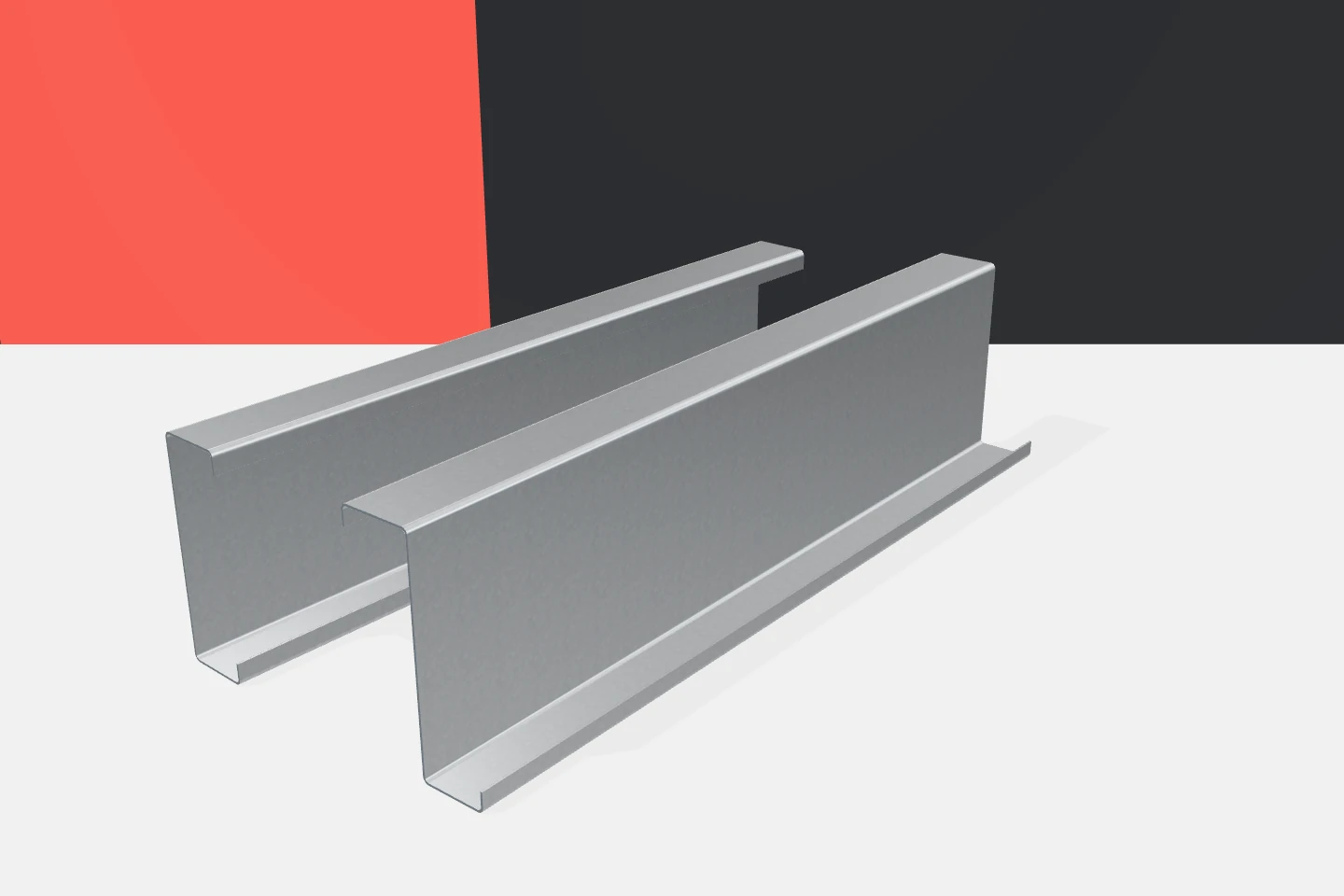
Lightweight construction does not come about by randomly reducing the sheet thickness. Saving begins with the right cross-section and a sensible arrangement of supports. Cold-formed profiles allow steel to be placed where it is needed to carry loads. Zed purlins, channels, sigma and omega profiles each perform different tasks. It is worth distinguishing between them before comparing material prices. A cold-formed profile is produced by shaping strip or sheet steel without heating it to the temperature used in hot rolling. The bends form the web, flanges and any edge stiffeners. This gives thin material a three-dimensional cross-section. A flat strip of sheet and a beam formed from it do not behave in the same way under load.
In this article
Shape works together with material
It does not follow that every cold-formed profile will replace a heavy section. Span, method of fixing and stability determine the outcome. Wide, thin walls can lose stability locally. The designer allows for this in the calculations. Economical use of steel means meeting the requirements of the whole element, not choosing the lowest weight from the catalogue.
In the catalogue example, a channel 150 mm high made from 2 mm sheet weighs 4.63 kg per metre. The 200 mm high variant of the same thickness weighs 5.42 kg per metre. The difference is 0.79 kg for every metre of beam. This shows why it is worth comparing whole geometry variants before increasing the thickness of all components.
Zed purlins make use of the roof layout
Z profiles have flanges on opposite sides of the web. In a suitably developed system, their geometry allows laps to be formed over supports. This creates a continuous arrangement whose behaviour differs from a series of separate beams. In the lap zone there are two profiles, but the length and connection of this zone follow from the documentation.
Zed purlins are often used as purlins beneath roof coverings. Their spacing must be agreed with the load-bearing capacity of the covering. A large gap between purlins means fewer beams, but may require stronger sheet or a sandwich panel. The cost of the zed purlins alone therefore does not yet show which roof will be cheaper.
Channels organise the substructure
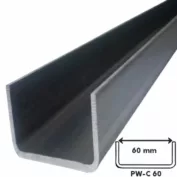
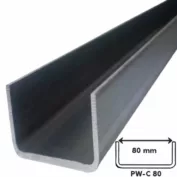
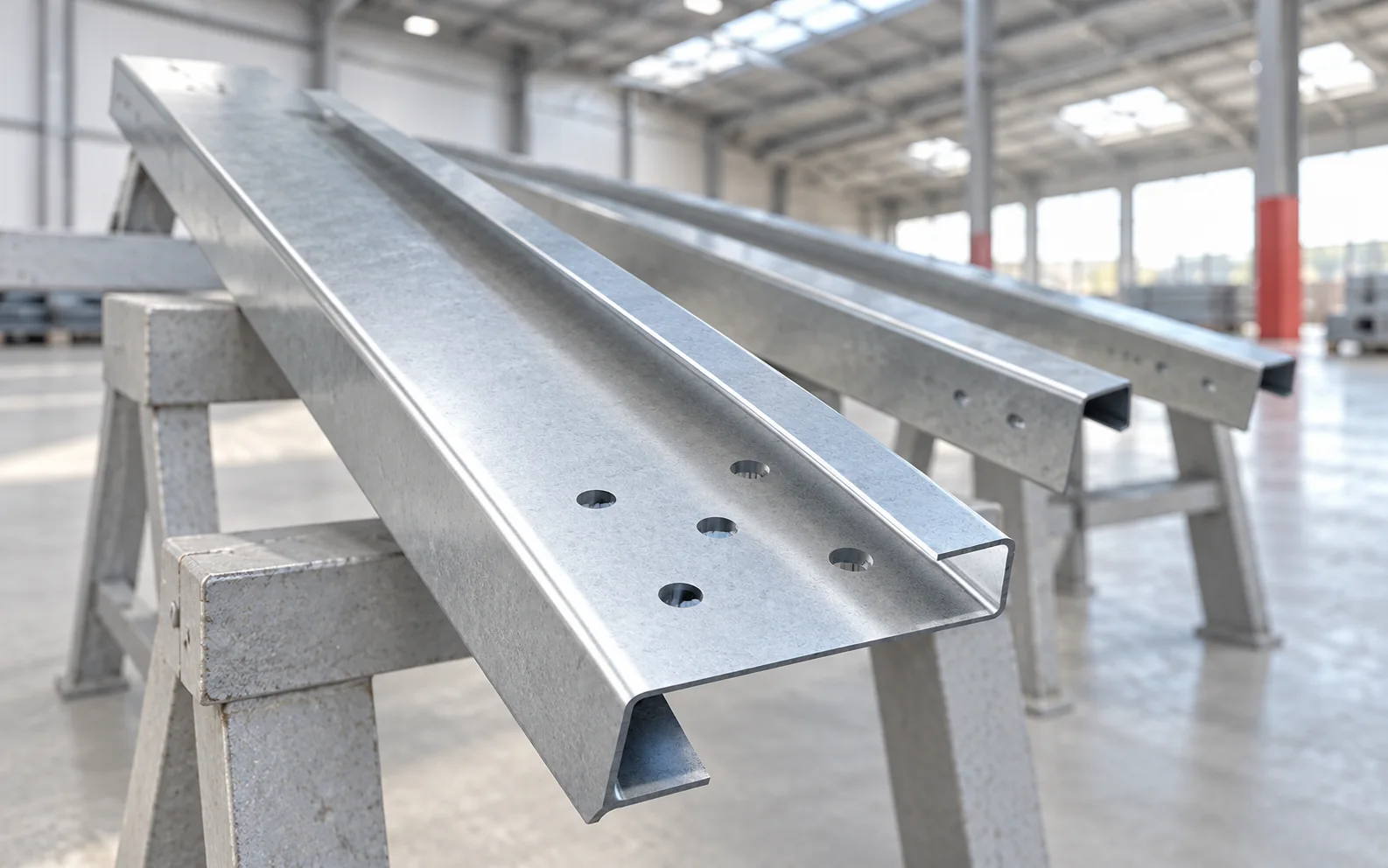
In a C profile, both flanges lie on the same side of the web. Structural versions often have folded flange edges. Such a channel can act as a wall rail, a framing element or a beam. The open cross-section gives access to connections, but requires thoughtful orientation and support. It is not immaterial where a force is transferred into it.
Galvanised C profiles fit well into a repetitive hall wall layout. Lengths and holes can be coordinated with the column spacing and the run of the cladding. Less drilling on site means less manual work. The benefit will only appear, however, if the workshop drawing matches the actual geometry of the structure.
Sigma is not just another name for a channel
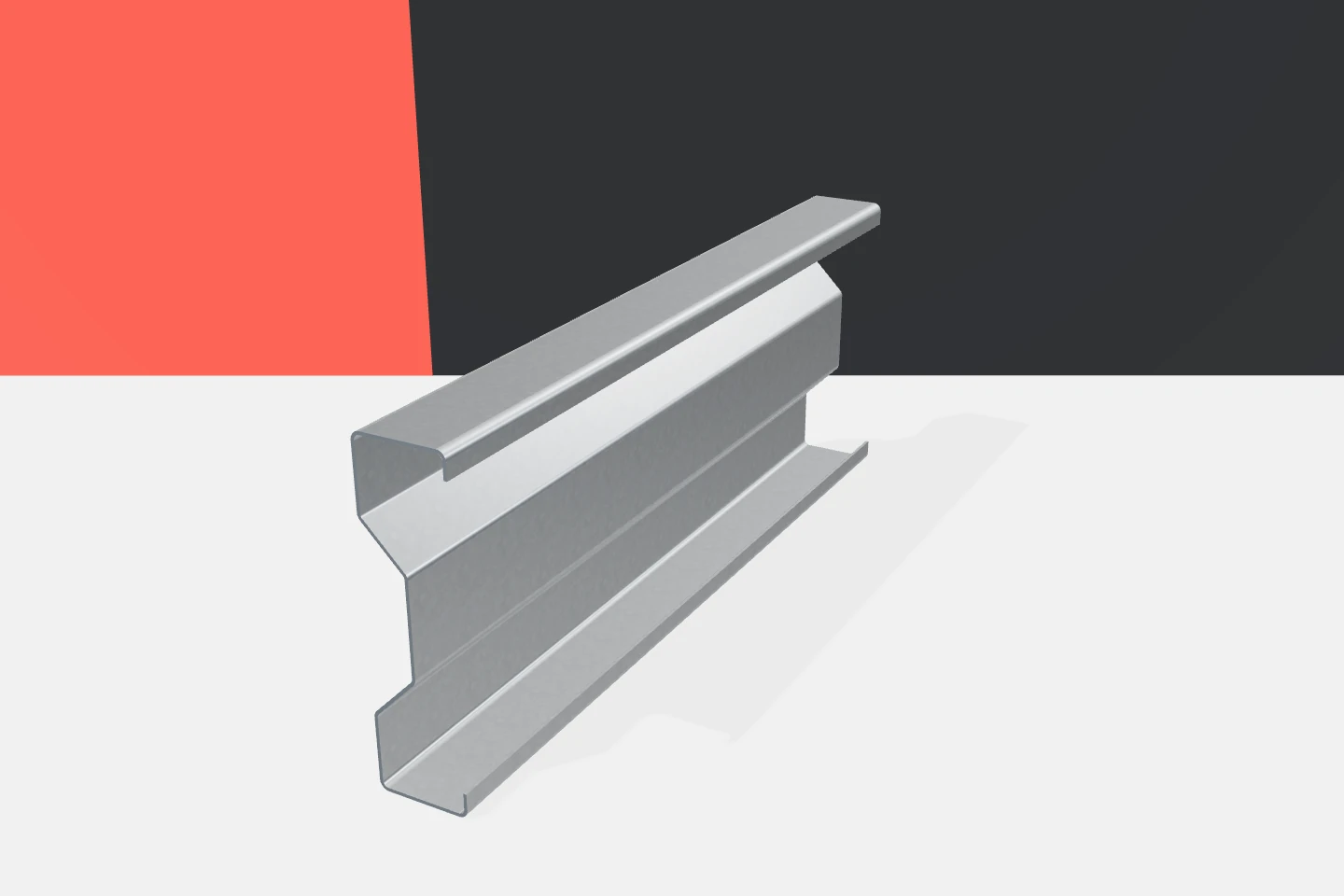
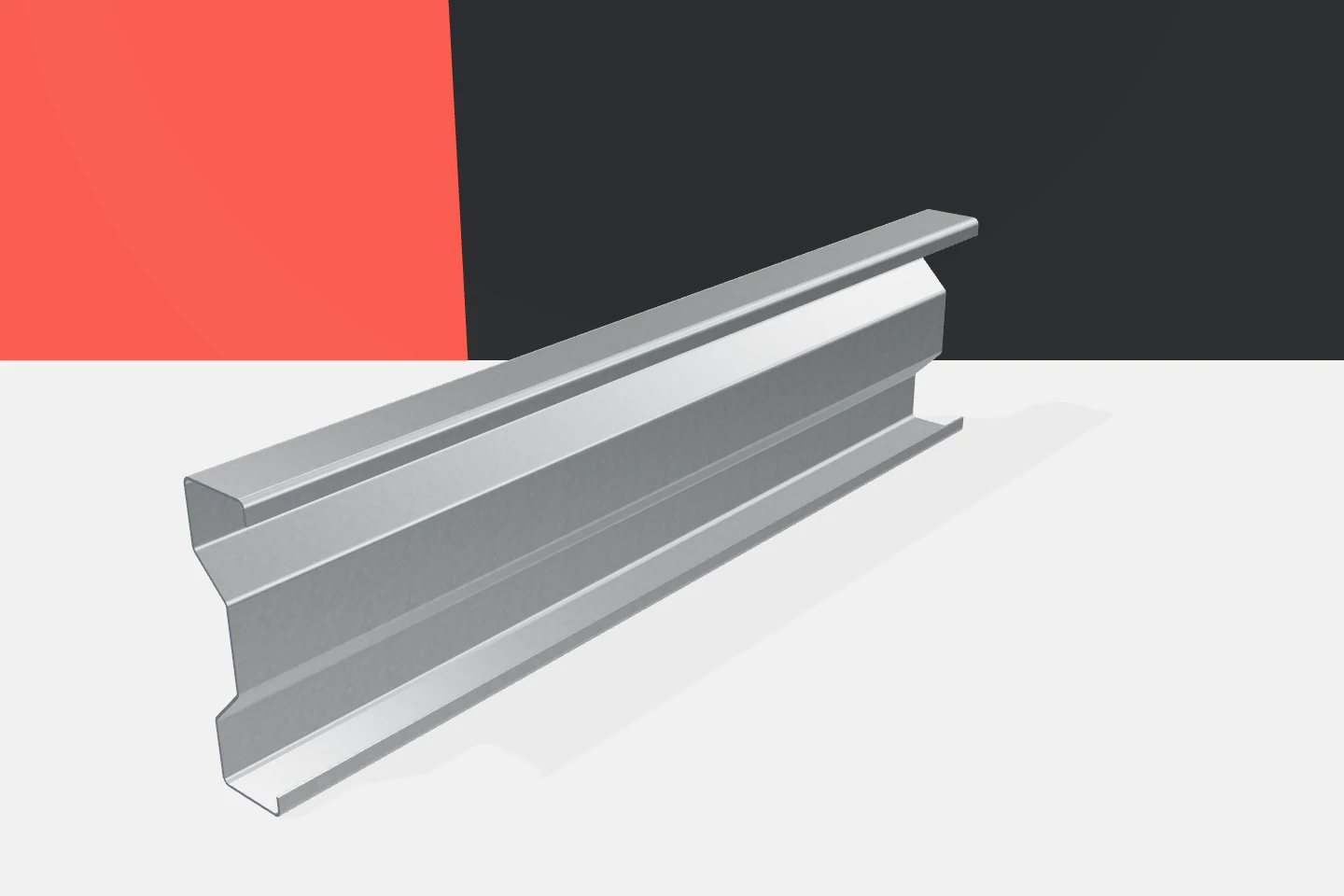
Sigma profiles are distinguished by a profiled web. The additional bends change the geometry of the walls and their behaviour. In many versions there are also lips on the flange edges. However, sigma should not be credited with a constant advantage over every channel. The comparison must relate to a specific height, thickness, steel grade and method of support.
In practice, two beams of similar weight may have different parameters in different directions. A sigma profile is worth considering where its shape suits the load-bearing arrangement and the connections. Changing the cross-section solely because it looks more elaborate is not a method of optimisation. Calculations and a check of the installation are needed.

Omega profiles create a convenient grid surface
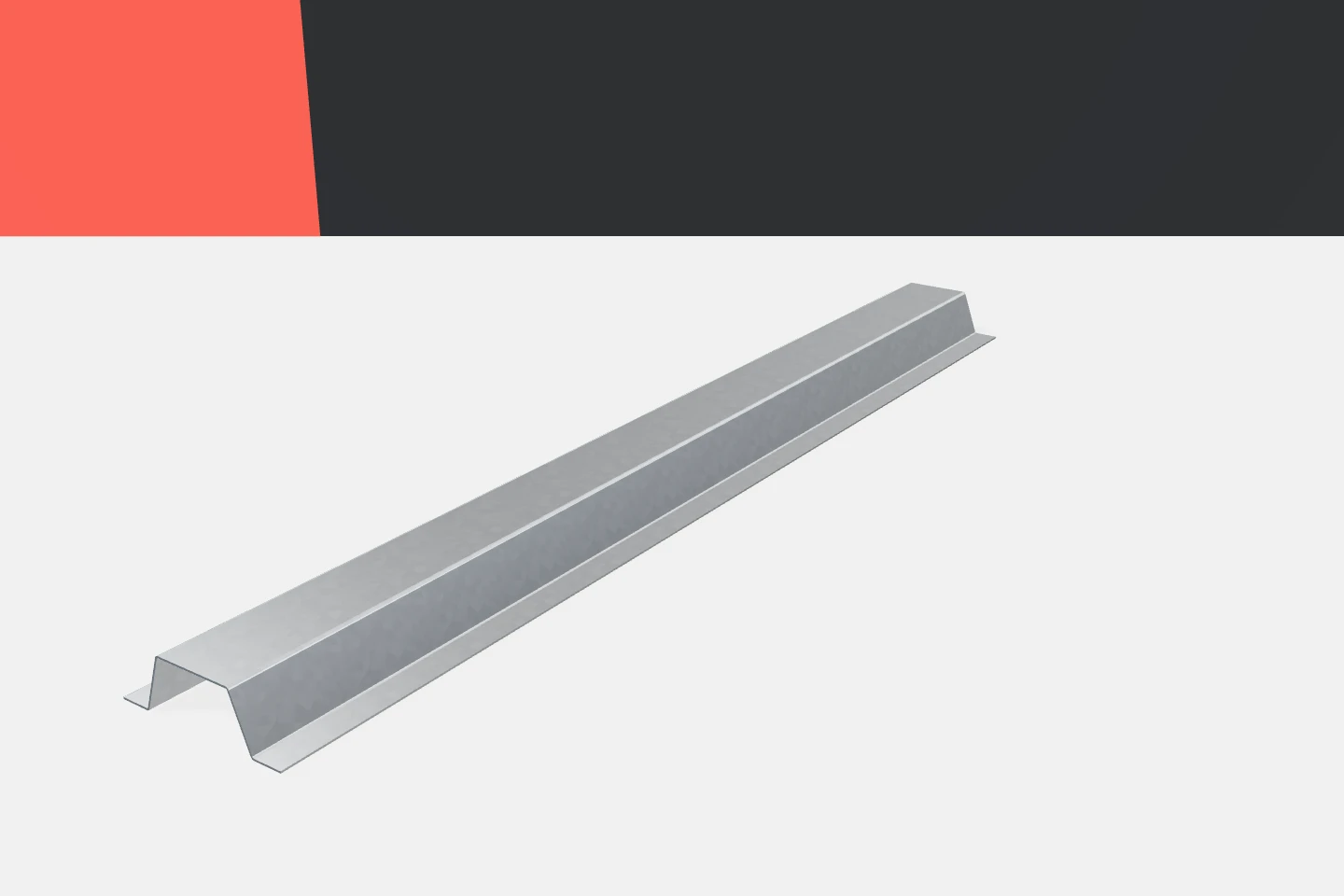
The omega profile resembles a hat with two feet. The central part is offset from the surface to which the element is fixed. Such an arrangement is sometimes used in steel battens and grids beneath coverings or linings. Individual omega profiles differ in height, crown width, thickness and the finish of the feet.
A low omega for a substructure does not become a purlin merely because it is also made of steel. Its spacing and fixings must be matched to the intended task. Cold-formed profiles cover a broad family of products. Combining them in one project makes sense when each performs a clearly defined function and transfers loads to the next element.
Zinc protects steel, but does not replace design
Galvanised profiles receive a metallic protective layer. Coatings containing zinc, aluminium and magnesium are also found in offers. The designations of different coating systems are not interchangeable. A silver appearance alone says nothing about their composition or their suitability for a particular environment. Conditions inside a dry warehouse and in a damp building may differ.
Protection must be maintained during transport, storage and processing. A wet, tightly closed bundle creates different conditions from the ventilated surface of a single profile. Durability therefore does not depend solely on the choice of coating. Details that drain water away and the ability to inspect areas exposed to moisture are also important.
Savings prove themselves across the whole schedule
When comparing variants, the weight of the profiles, the number of supports, the fasteners, the bracing, transport and labour should be set out together. Sometimes a more expensive metre of beam allows a connection to be simplified. In another arrangement, a larger frame spacing will be more favourable, but only after the cost of the roof and walls has been taken into account. There is no single configuration that is best for every hall.
For a quotation, it is worth supplying a list of elements with lengths, cross-sections and hole patterns. Accessories should be itemised separately. Cold-formed profiles prepared in this way reduce accidental cutting and mistakes. A rational choice of zed purlins, channels, sigma and omega profiles brings savings when material, documentation and the sequence of installation form a coherent plan.
7 branches. Materials closer to your project.

Free quote
Materials for your project
You may also find useful…
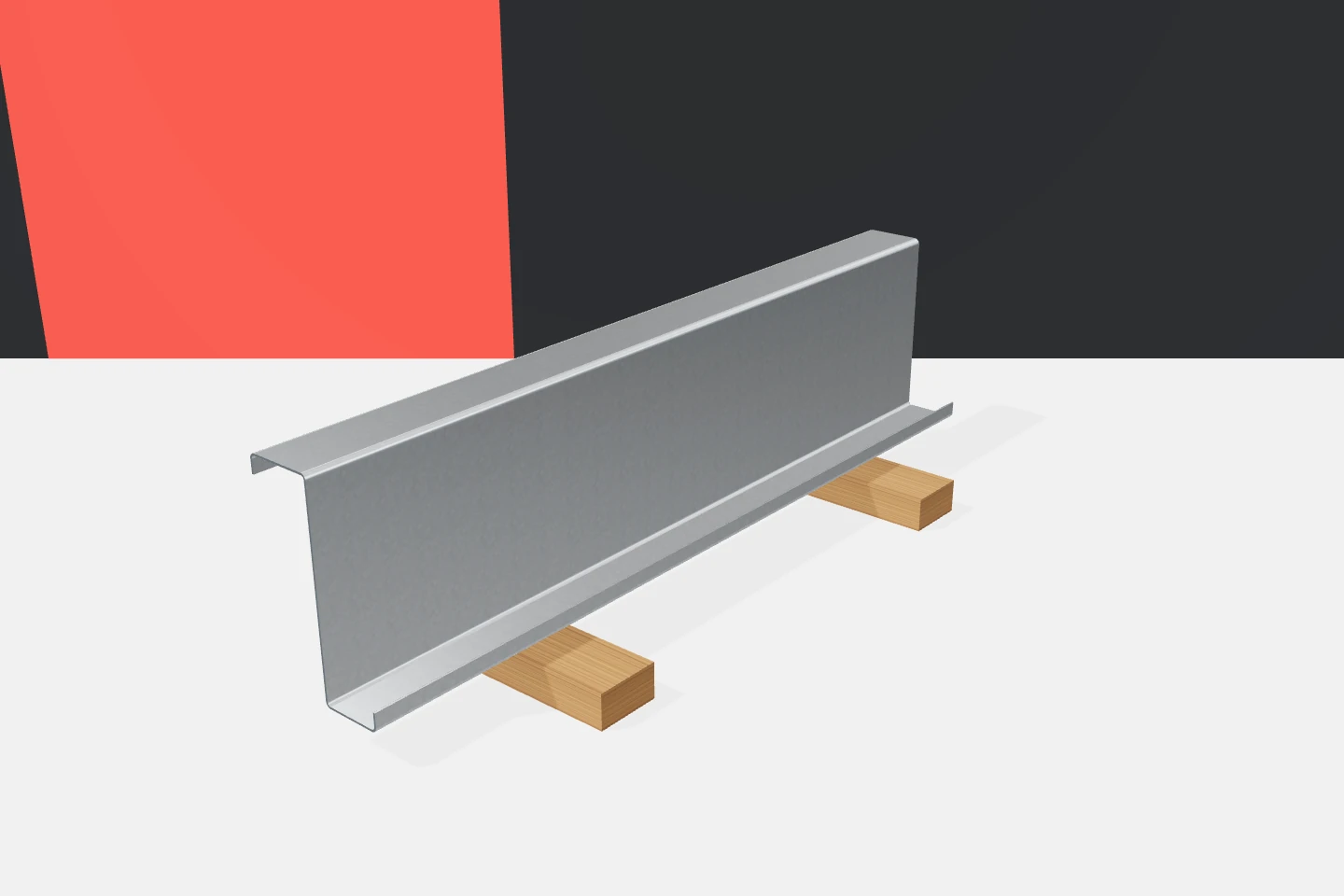
Smooth installation starts before the first beam is lifted. The structural layout, the marking of elements and the required connections must be…
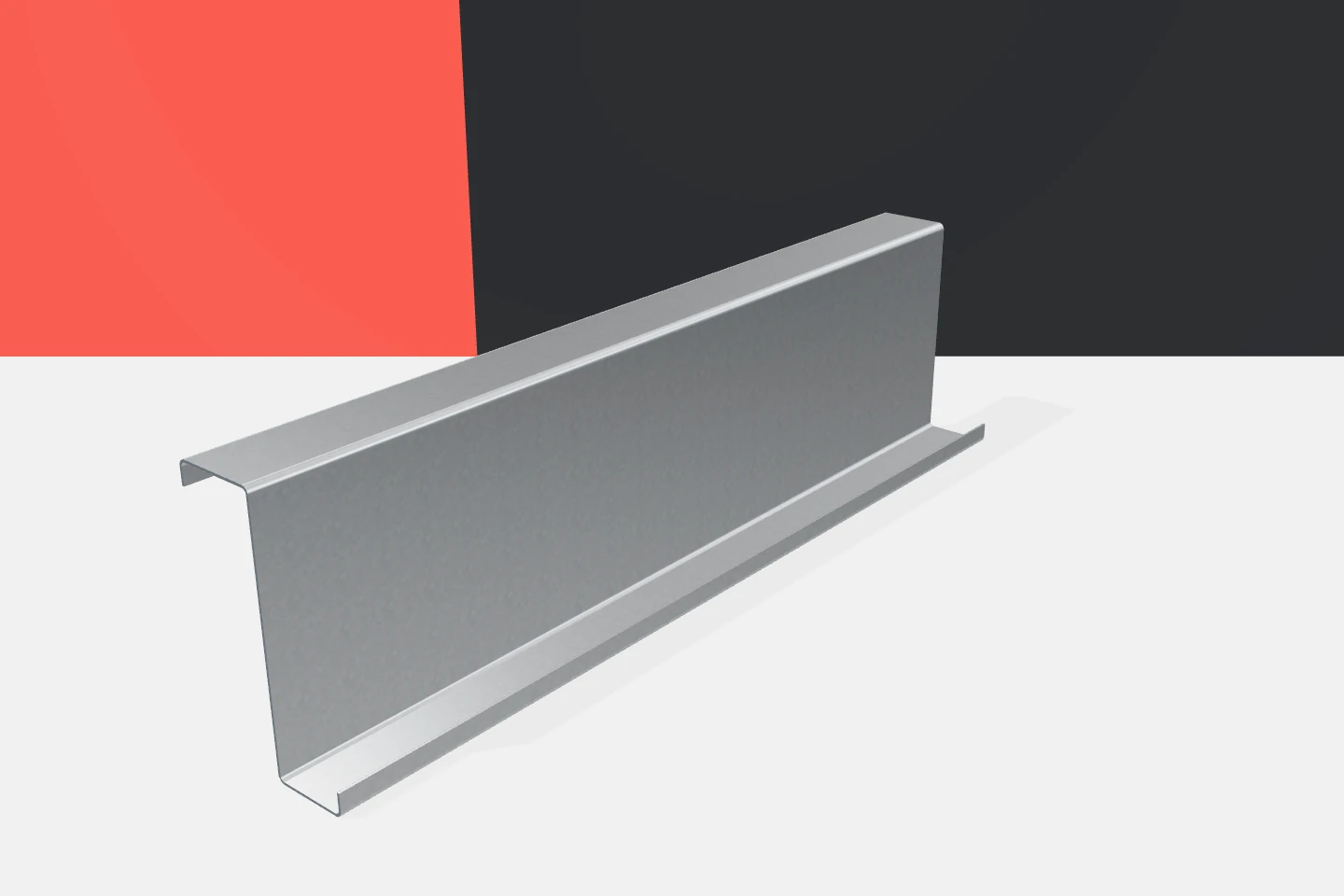
A Z-purlin is part of a system that transfers loads from the roof covering to the portal frames. It may look inconspicuous…
The same product family can be used for a warehouse roof, a façade sub-structure and a small frame. Cold-formed profiles have a…
The sigma profile is notable for its stiffened web. This shape serves a specific structural purpose, but it does not guarantee greater…
Roof purlins transfer loads from the covering and decking to the main structure, so their selection depends on the span, the support…
To size rafters, first establish where each one is supported and how much roof area it carries. The structural designer needs the…
The omega profile can simplify the construction of a frame for a covering or cladding. However, it has its own geometry and…
Rafter sizes are determined by structural calculations, in which span, spacing, type of support, timber class and loads govern the cross-section; the…