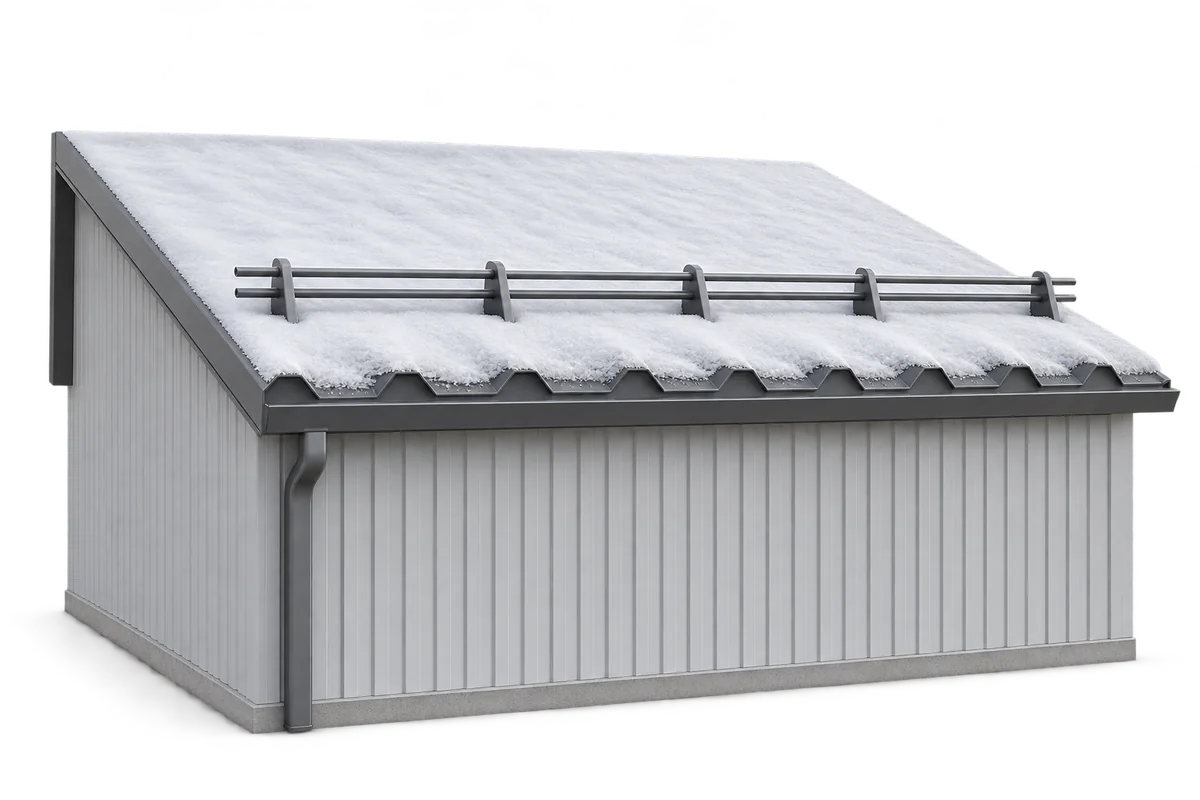
Snow on the roof: how to prepare for winter loads

Snow depth alone does not tell you when a roof needs clearing. What matters is the weight and distribution of the snow and the load the particular roof can carry. Before anyone goes onto it, have the building assessed and plan the work. Unplanned access can put both people and the structure at risk. When building a roof, plan its drainage, maintenance access, safety equipment and inspection points. Fresh dry snow, wet snow and ice have different densities, so layers of the same depth can weigh very different amounts. Wind can also cause snow to drift. One measurement at an accessible point may miss a heavy accumulation against a parapet, at a change in roof level or next to a taller building.
By |2026-11-09T01:54:25+01:002026-11-09|Uncategorized|Comments Off on Snow on the roof: how to prepare for winter loads

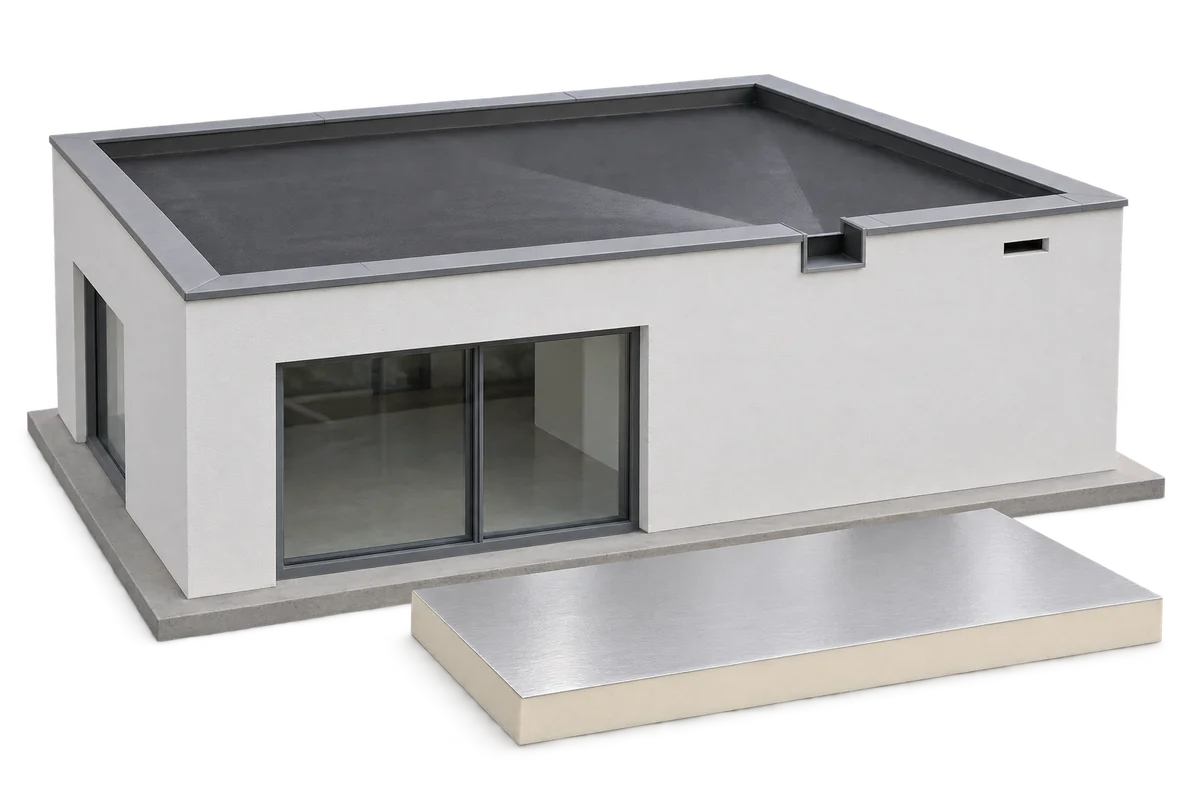
Flat roof drainage: how to plan it with or without a parapet

A flat roof needs falls that guide rainwater to outlets and a clear route for the water once it leaves the roof. A parapet changes the edge detail, but the roof still needs falls and accessible outlets that can be checked for blockages. Drainage can run inside or outside the building, and systems can use gravity or siphonic action. Their capacity must be calculated. Plan what happens if an outlet blocks or rainfall exceeds the design rate. First establish which part of the roof drains to each outlet. Put the outlet at the actual low point: supports, deflection and local steps can change the flow path shown on a drawing.

By |2026-11-09T01:01:10+01:002026-11-09|Uncategorized|Comments Off on Flat roof drainage: how to plan it with or without a parapet
Go to Top