About PiVi

This author has not yet filled in any details.
So far PiVi has created 622 blog entries.

How are solar panels fixed to a metal or sandwich panel roof?

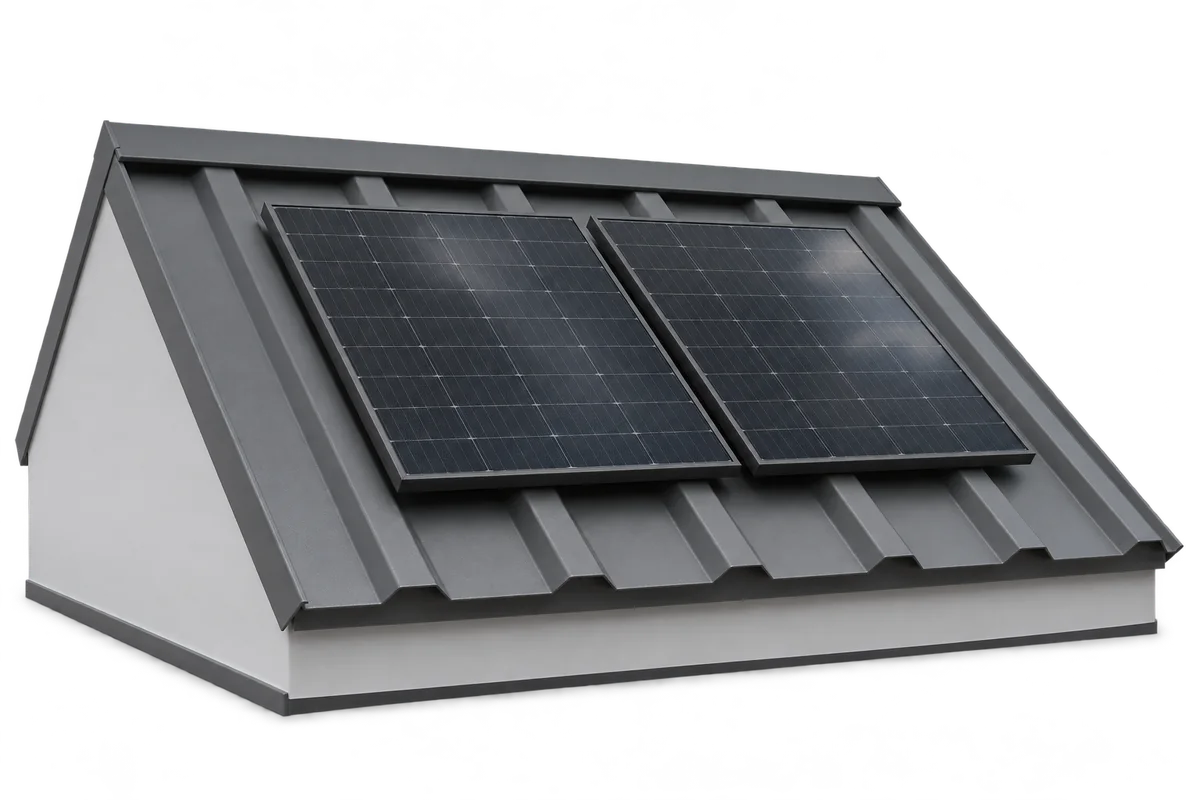
The fixings for a photovoltaic array must suit the specific roof and the loads it will carry. Metal tile roofing, trapezoidal sheets and sandwich panels each require different details. Trace the load path from the modules to the building structure. Watertightness and protection of the coating matter just as much as load capacity. You cannot choose a suitable mounting kit by looking at the covering alone. Identify the roof type, condition, thickness, support spacing and substrate. Include structural drawings and details of past alterations. On older roofs, also check the existing fixings and look for corrosion. Room for modules does not necessarily mean the roof has spare load capacity.

By |2026-11-09T03:16:50+01:002026-11-09|Uncategorized|Comments Off on How are solar panels fixed to a metal or sandwich panel roof?

How to clean gutters and reduce blockages

Clear gutters carry rainwater from the roof to the intended outlet. Leaves, twigs and silt can slow the flow even in a correctly sized system. When cleaning, check the downpipes, joints and drainage at ground level too. Guards can help in some settings, but they do not remove the need for inspections. Set the inspection interval to suit the surroundings. Water spilling over the edge can indicate a blockage, an incorrect fall or an undersized gutter; leaves are only one possible cause. Staining on the façade, wet eaves and puddles against the wall are reasons to trace the whole drainage route. Watching from the ground during rain can reveal where water leaves the system.

By |2026-11-09T03:16:43+01:002026-11-09|Uncategorized|Comments Off on How to clean gutters and reduce blockages

Thinner internal insulation: how to keep more space without sacrificing comfort

Every centimetre counts when insulating from the inside, particularly in a hallway or under a sloping roof. PIR boards can reduce the insulation thickness needed, and boards bonded to plasterboard make finishing easier. The space you save depends on the dimensions of the room and the complete lining. There is no single percentage that applies to every interior. Check the thermal and moisture requirements first, then calculate the difference. For a homogeneous layer, thermal resistance is its thickness divided by its thermal conductivity. The lower the conductivity, the thinner the layer can be for the same resistance. This is the main advantage of many PIR boards where space is tight.

By |2026-11-09T03:00:38+01:002026-11-09|Uncategorized|Comments Off on Thinner internal insulation: how to keep more space without sacrificing comfort

When is PIR insulated plasterboard a good choice for a loft?

Insulating a loft from the inside can make it more comfortable without taking the roof covering off. PIR bonded to plasterboard provides insulation and a surface ready for finishing in one board. This is useful where headroom under a pitched roof is tight. First, though, check the roof itself. Air leakage, moisture, the condition of the timber and the way the boards are fixed matter just as much as insulation thickness. Before work starts, find out what lies between the room and the roof covering: identify the insulation, membrane and sheathing, and trace the ventilation paths. Check for leaks and damp timber. A new lining can hide the signs without fixing the cause.

By |2026-11-09T03:00:31+01:002026-11-09|Uncategorized|Comments Off on When is PIR insulated plasterboard a good choice for a loft?

Insulating and lining a wall in one step: when to choose PIR insulated plasterboard

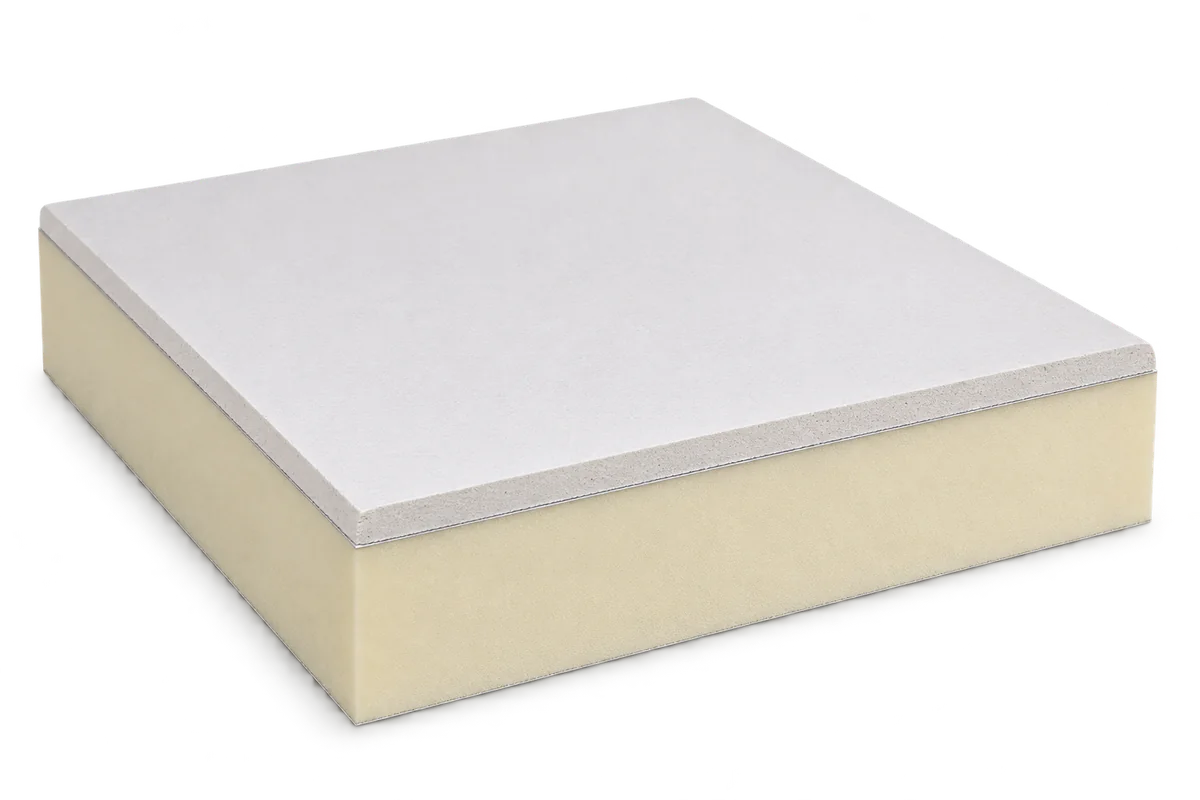
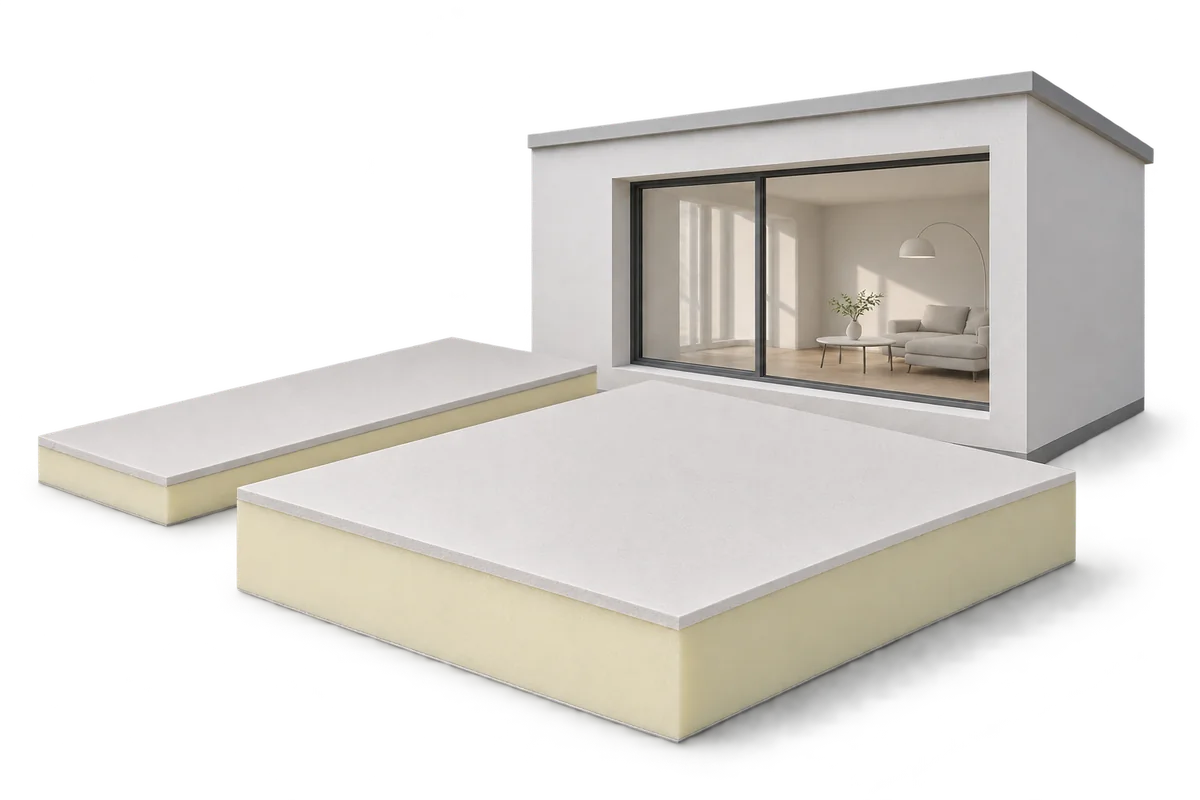
PIR insulated plasterboard combines thermal insulation with a surface ready for interior finishing. It can simplify refurbishment where space is tight and installation time matters. Before fitting it, assess the wall's condition, specify suitable fixings and design airtight junctions. An external wall insulated from the inside needs particular attention. The PIR core provides insulation and the factory-bonded plasterboard faces the room. Facings and an adhesive layer may lie between the two. A damp or cold wall needs a diagnosis before it is lined. This product also differs from the sandwich panels with two steel faces used to enclose industrial buildings.

By |2026-11-09T02:30:34+01:002026-11-09|Uncategorized|Comments Off on Insulating and lining a wall in one step: when to choose PIR insulated plasterboard

How to insulate and finish a historic building while preserving its character

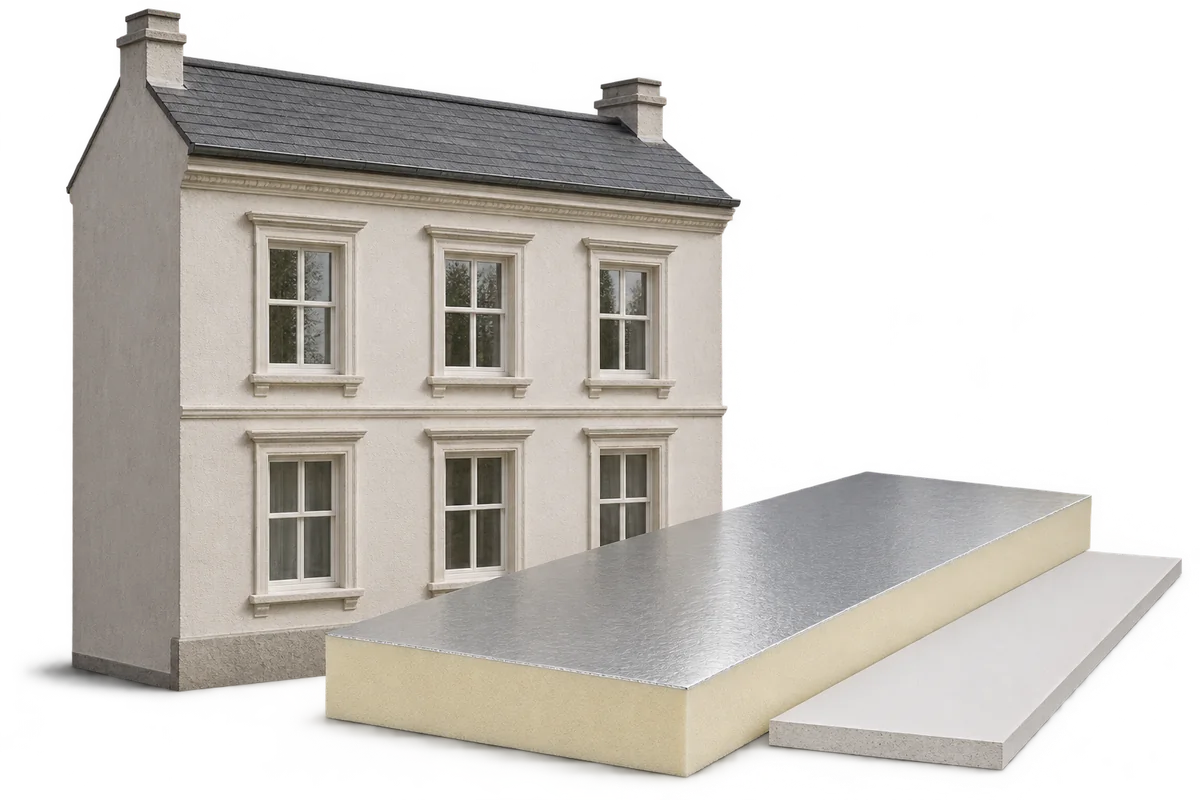
Before choosing insulation or finishes for a historic building, establish which features give it its character, what condition it is in and what protection applies. Internal insulation may be an option where the façade must be preserved. It requires a careful assessment of moisture and junction details. A PIR board alone will not remedy cold or damp masonry. In Poland, check whether the property is entered in the monument register, included in a heritage inventory or covered by another form of protection. These designations can have different implications. Its location in a protected area and local planning provisions may also matter. Protection can extend well beyond the street façade.

By |2026-11-09T02:30:23+01:002026-11-09|Uncategorized|Comments Off on How to insulate and finish a historic building while preserving its character

Designing a modern metal roof with clean lines and practical details

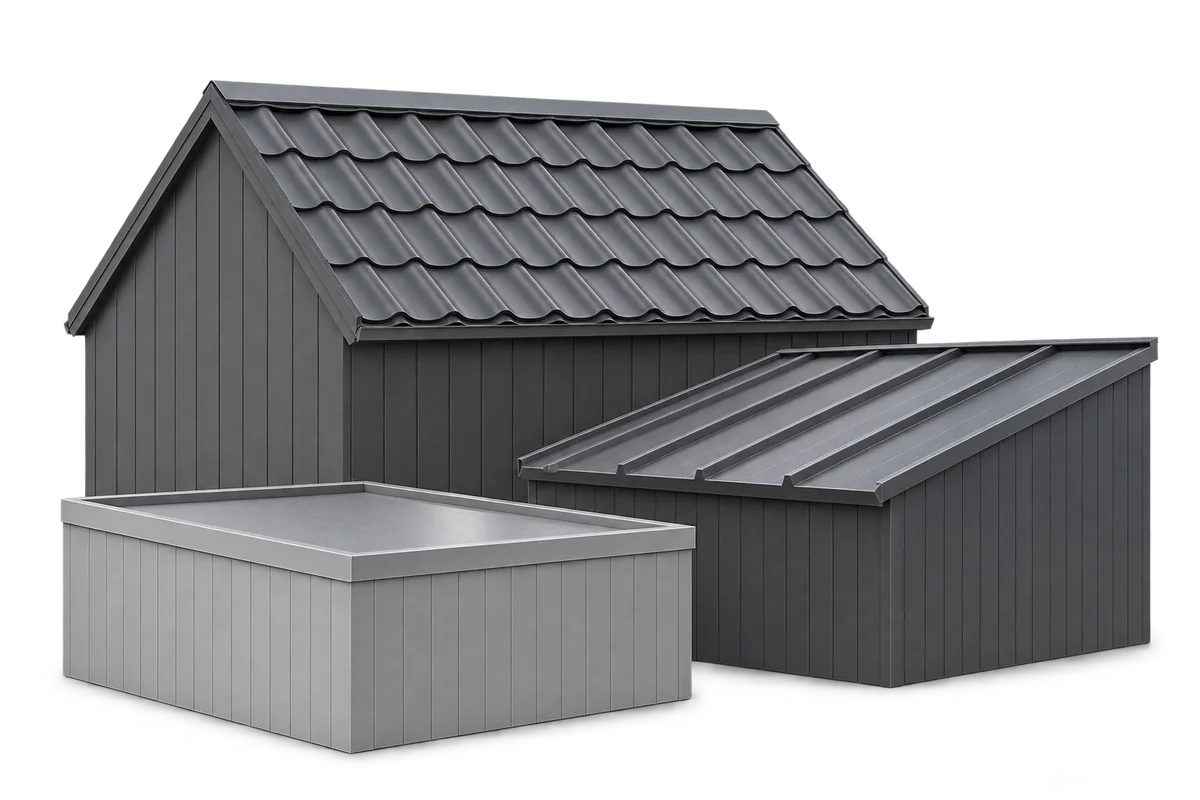
The proportions of a roof, the rhythm of its joints and the finish at its edges shape its appearance. Modular metal roof tiles, sheets cut to length and trapezoidal steel profiles each offer different ways to achieve a clean design. Choose a covering that suits the building and its technical requirements before settling on a colour. Eaves without an overhang, concealed gutters and shallow profiles work best when drainage, ventilation and maintenance access are resolved in the drawings. Fewer valleys, dormers and changes of slope usually mean fewer bespoke flashings and simplify sheet layout and insulation continuity. Cost and thermal performance also depend on the wall junctions, insulation and workmanship.

By |2026-11-09T02:09:06+01:002026-11-09|Uncategorized|Comments Off on Designing a modern metal roof with clean lines and practical details

How to clean a roof safely and protect its coating

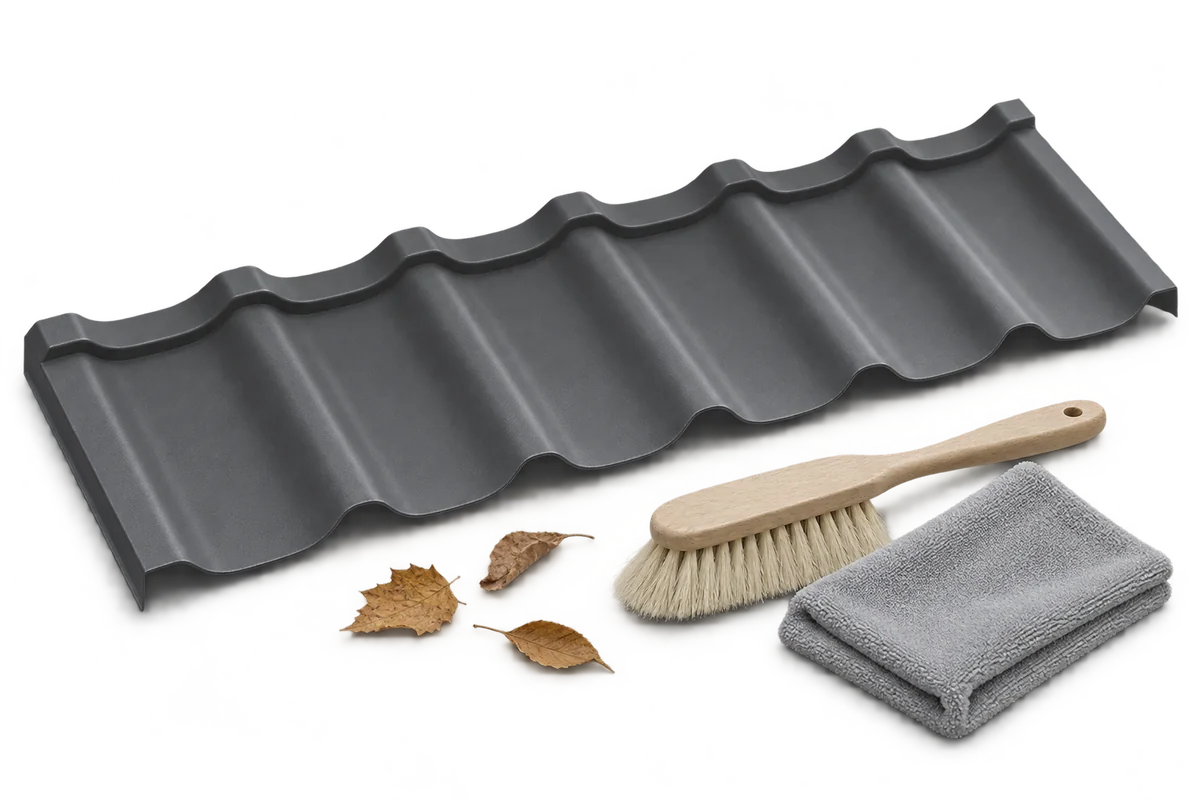
Before cleaning a roof, identify the covering, assess its condition and work out how the team can reach it safely. Only then choose tools and a cleaner. A concentrated water jet, a stiff brush or an unsuitable chemical can damage coated steel. Check the manufacturer's instructions for the particular finish and inspect the covering once it is dry. Record the type and age of the roof and have the installation documents and warranty conditions to hand. Leaves and organic growth need different treatment from soot or construction residue. Look closely at stains before trying to remove them. They may be signs of corrosion, damage to the finish or water escaping through a failed joint.

By |2026-11-09T02:08:56+01:002026-11-09|Uncategorized|Comments Off on How to clean a roof safely and protect its coating

Snow on the roof: how to prepare for winter loads

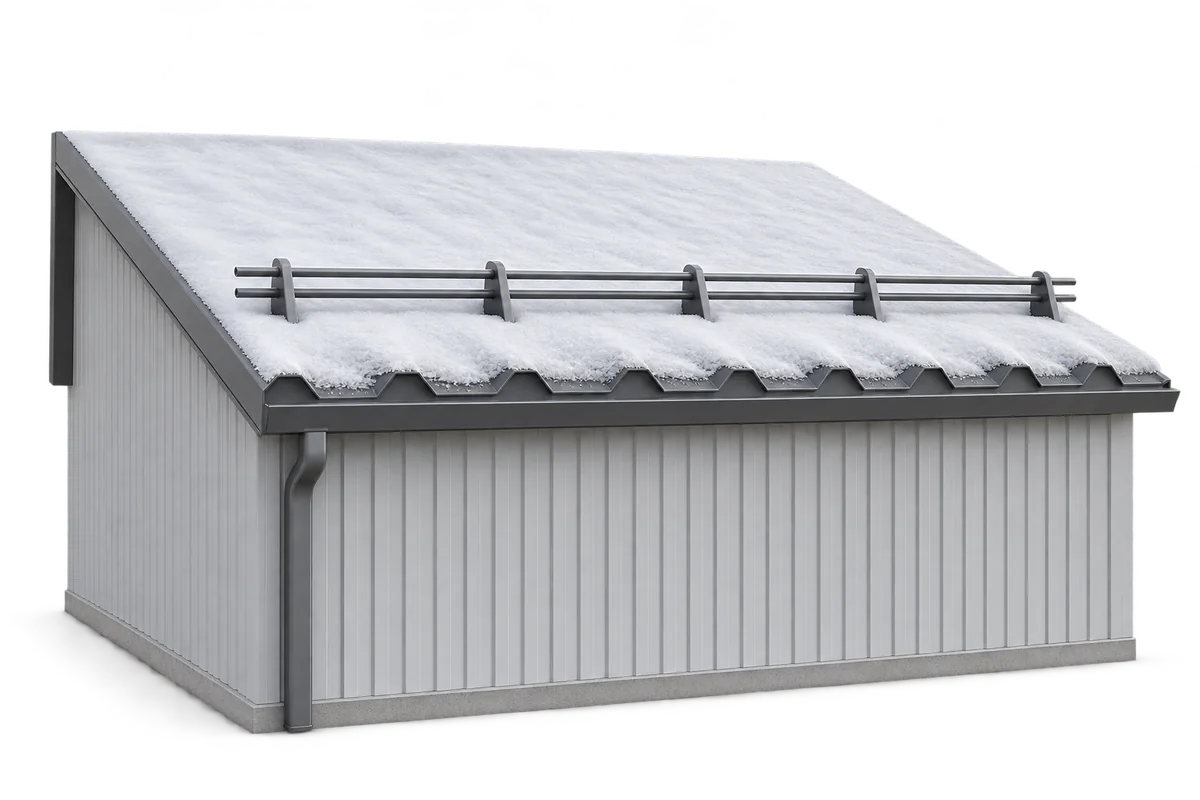
Snow depth alone does not tell you when a roof needs clearing. What matters is the weight and distribution of the snow and the load the particular roof can carry. Before anyone goes onto it, have the building assessed and plan the work. Unplanned access can put both people and the structure at risk. When building a roof, plan its drainage, maintenance access, safety equipment and inspection points. Fresh dry snow, wet snow and ice have different densities, so layers of the same depth can weigh very different amounts. Wind can also cause snow to drift. One measurement at an accessible point may miss a heavy accumulation against a parapet, at a change in roof level or next to a taller building.

By |2026-11-09T01:54:25+01:002026-11-09|Uncategorized|Comments Off on Snow on the roof: how to prepare for winter loads

Designing a swimming pool roof to limit condensation and corrosion

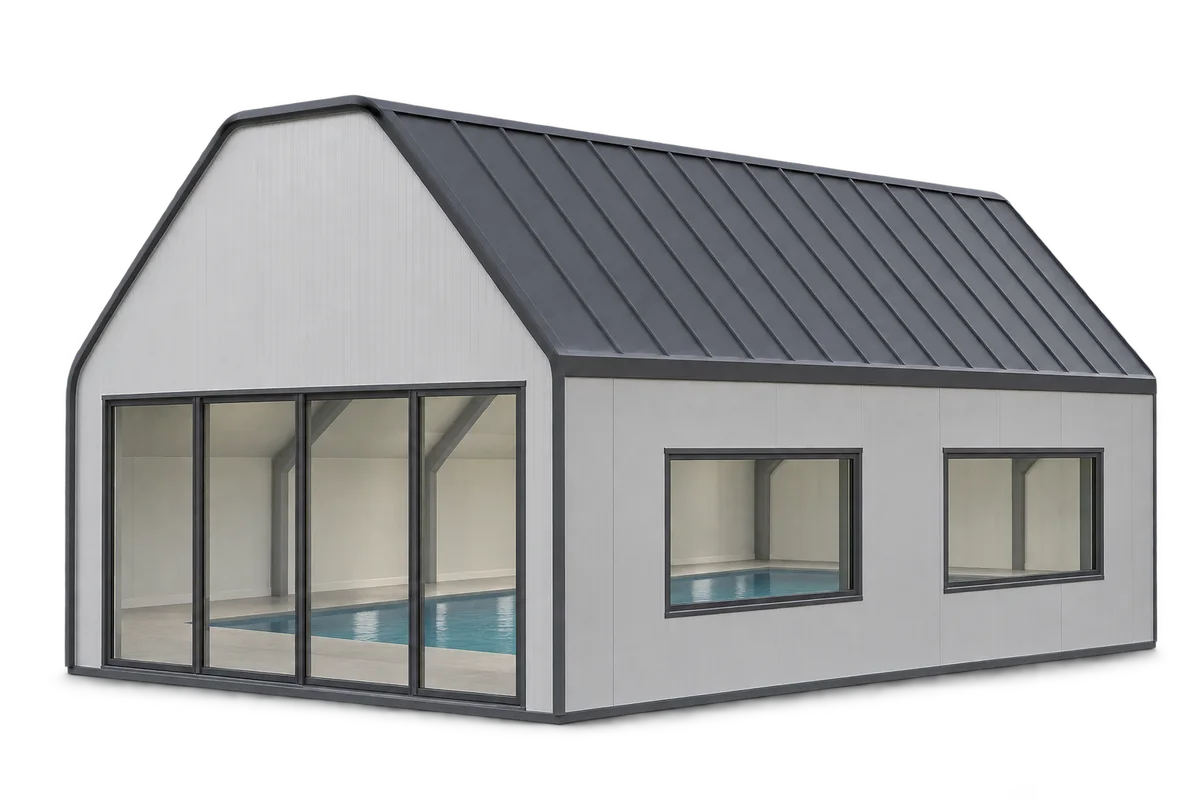
A roof over a heated pool has to withstand warm, humid air and the chemicals used to treat the water. Specify the facings, fixings and seals for those conditions. PIR insulation can reduce heat loss, but the roof also needs corrosion protection and the building needs ventilation. Assess the whole assembly, from the internal lining to the drainage, before deciding on a core thickness. A seasonal cover for an outdoor pool and a heated indoor pool are different design tasks. For an indoor pool, establish the air temperature, humidity and pattern of use. The exposed water surface, number of swimmers and periods when the pool is closed all affect the load on the building services and conditions at the roof.

By |2026-11-09T01:54:17+01:002026-11-09|Uncategorized|Comments Off on Designing a swimming pool roof to limit condensation and corrosion
Go to Top