

Roof coverings
When to choose tile-effect roof sheets cut to length
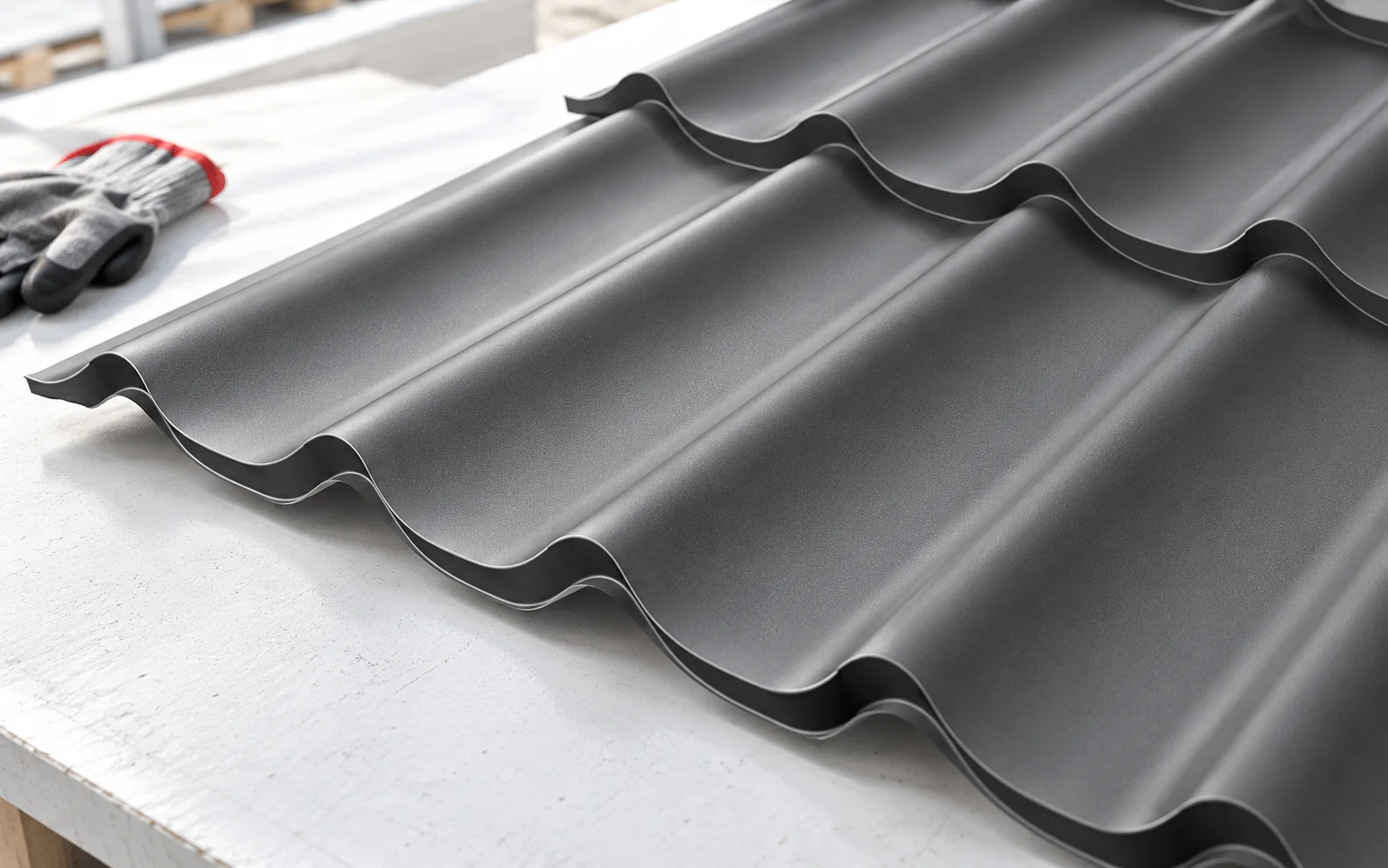
Tile-effect metal roofing cut to size allows sheet lengths to be matched to a specific roof slope. On a simple roof it can reduce the number of transverse joints and make covering more efficient. However, the benefit depends on accurate measurement, the cutting plan and logistics. A long sheet is not automatically the best choice for every roof shape. The material is profiled to a defined pattern, and sheets are ordered in lengths permitted for that product. This does not mean free choice of every dimension and geometry. The cover width, module length and termination rules derive from the profile. Production capabilities must be checked before preparing the order. In practice, the schedule may include several lengths for different parts of the roof.
In this article
What does cutting to size mean?
The material is profiled to a defined pattern, and sheets are ordered in lengths permitted for that product. This does not mean free choice of every dimension and geometry. The cover width, module length and termination rules derive from the profile. Production capabilities must be checked before preparing the order.
In practice, the schedule may include several lengths for different parts of the roof. A single sheet should not always span the entire distance from eaves to ridge. Transport, installation and system conditions may impose limits. The format should be matched to the actual building, not solely to the theoretical length of the roof slope.
On which roof are the benefits clearest?
A regular roof slope without many obstacles makes it easier to plan long strips. The number of joints along the length can be reduced and the rhythm of the embossments organised. Installation can be efficient if the team has prepared the material handling. This is a benefit arising from specific geometry, not a general advantage of every long sheet.
With numerous dormers, valleys and short sections, the cutting plan becomes more difficult. Offcuts may arise that cannot be used elsewhere. In such a case, it is worth comparing modules. Both variants should be calculated for the same roof slope and the same material standard.
Why is measurement so important?
The order should be based on verified geometry, preferably after the structure has been prepared for covering. Actual lengths, diagonals and terminations at the eaves and ridge must be taken into account. A design drawing does not always reflect all execution differences. Measurement allows these to be detected before sheet production.
An element that is too short may require an unplanned joint, while one that is too long requires additional cutting. Not every correction is possible without affecting the geometry of the embossments. Determine who is responsible for the schedule and its approval. It is worth keeping the cutting plan with sheet markings so that installation proceeds according to plan.
How should transport and handling of sheets be prepared?
A long sheet is susceptible to damage during improper lifting. It needs adequate support and space for manoeuvring. Before ordering, check access, unloading and the distance from the storage area to the building. Difficult access may change an apparently favourable decision about maximum element length.
Installation also requires suitable weather conditions. A large sheet area can be difficult to control in wind. A safe method of handling must be planned together with fall protection. Saving on joints does not justify risky carrying or bending the material in a random way.

How to compare cost with modular covering?
The schedule should include the purchased and effectively used area. Check whether the price refers to the total metre or the cover metre. Add transport, equipment, flashings and labour to the material. Only such a total shows whether matching lengths brings a benefit on a specific roof.
Do not assume a single percentage saving in advance. The shape of the roof slope and the possibility of reusing offcuts have an influence. In some projects long sheets simplify the work, in others they increase logistical difficulty. The comparison should also include the risk of damage during delivery and the way installation is organised.
What besides format determines a good choice?
Check the minimum pitch of the specific model and the required batten layout. Data for a similar modular tile-effect metal roofing may not be identical. Core thickness, coating and warranty conditions are important. Sheet length alone does not improve the surface resistance or the quality of the steel material.
Choose the colour together with flashings, gutters and façade. Large sheets create a continuous surface on which differences in batch or finish may be visible. The material must be protected from rubbing and swarf. Cutting and any touch-up should follow the recommendations without damaging the factory protection.
How to think about service after construction is complete?
Fewer transverse joints may simplify part of the roof surface, but flashings and fastenings remain. These require regular inspection. At the chimney, window or installation, proper details must be ensured. A long sheet does not replace correct water drainage at special locations.
In the event of damage, replacing a large element may require a greater scope of work than repairing a small section. The possibilities are assessed for a specific arrangement. Keep the cutting plan and full material marking. They help with reordering and planning service without guessing the length and profile of existing sheets.
Tip before ordering
Before approving the lengths, ask the contractor to describe the route of the sheet from the vehicle to the roof slope. If there is no space for safe carrying and support, it is worth considering a different division before production begins.
What is worth remembering?
Tile-effect metal roofing cut to size offers good possibilities on regular roof slopes when measurement and logistics are well developed. The benefit must be confirmed by a complete cost estimate. The best format is one that suits the roof geometry, installation conditions and subsequent maintenance.
7 branches. Materials closer to your project.

Free quote
Materials for your project

You may also find useful…
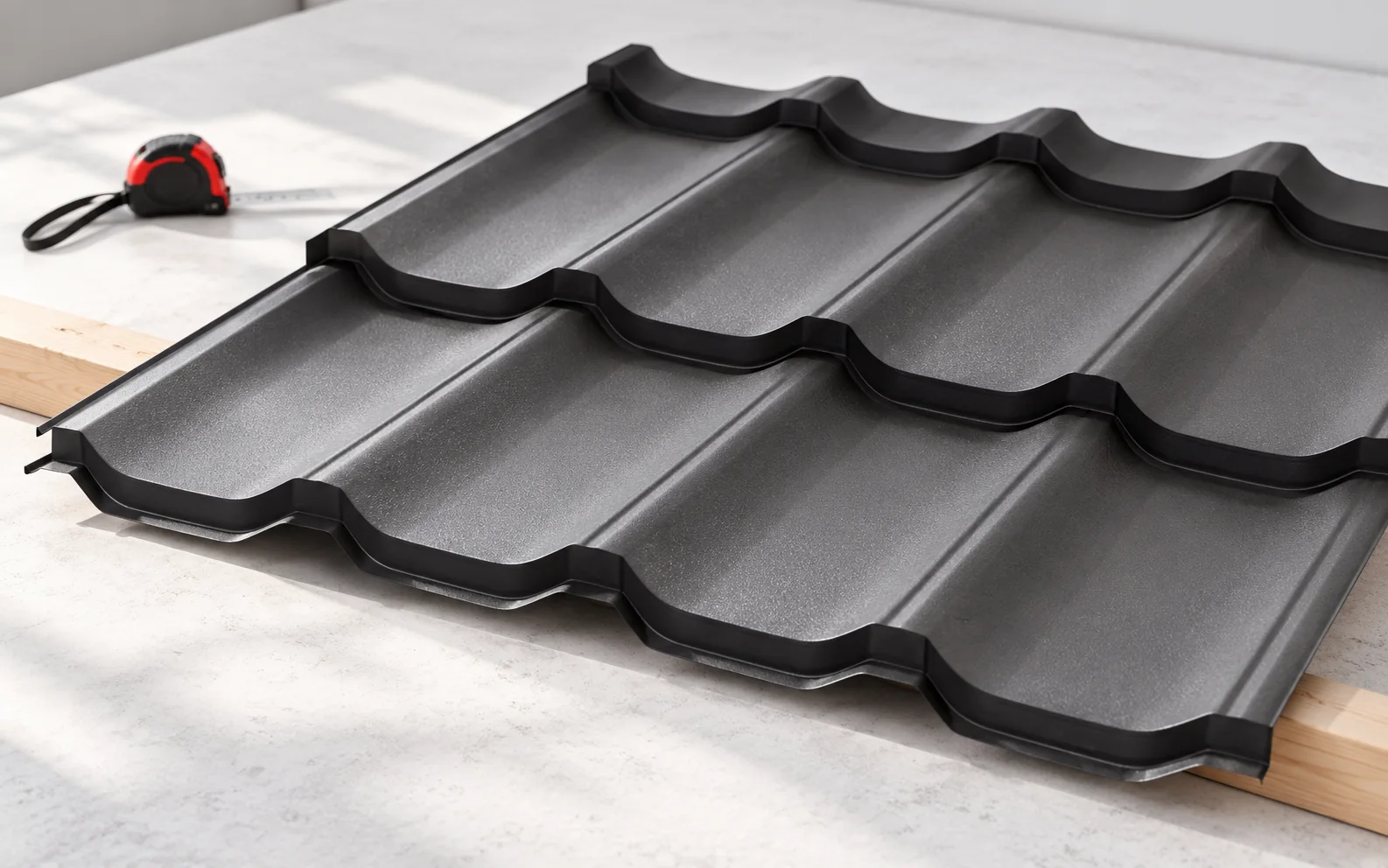
A single-module and a two-module panel are best compared on the plan of the same roof, entering for each variant the number…
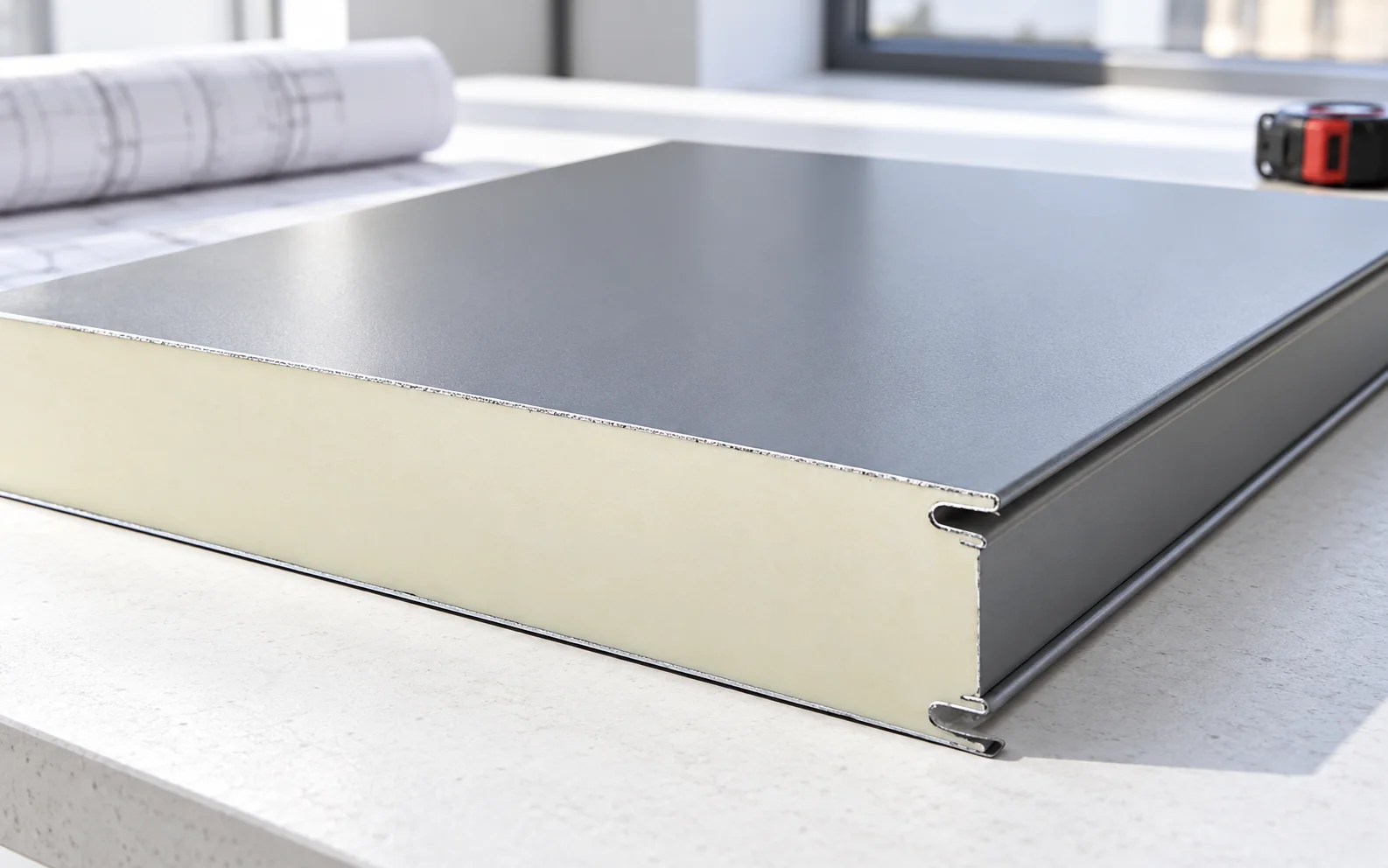
Sheet metal makes it possible to create calm, repetitive divisions on the roof and walls. A lightweight cladding, however, serves a different…
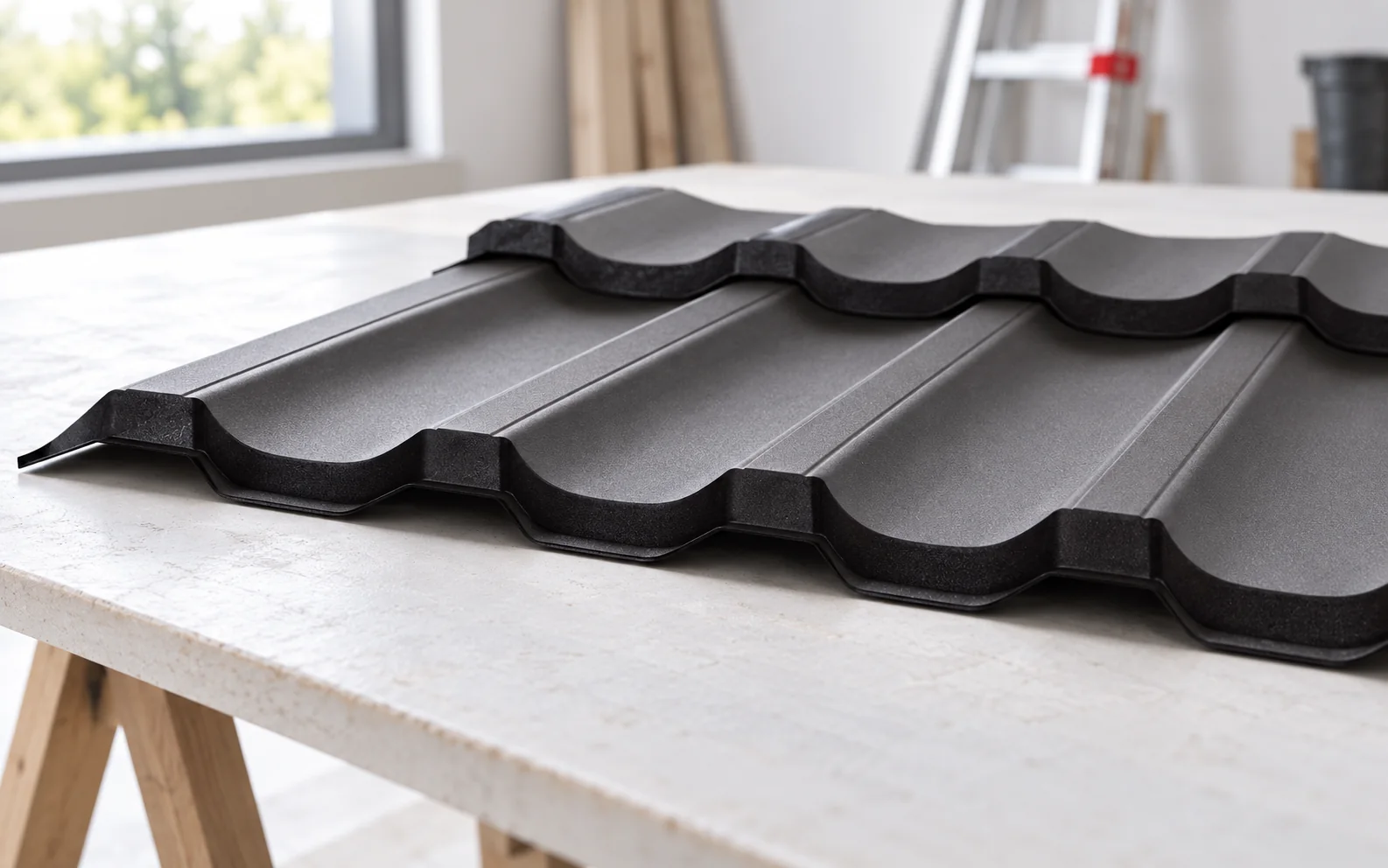
Modular tile-effect metal roofing makes transporting and handling the panels easier, but it does not relieve you of the need to prepare…
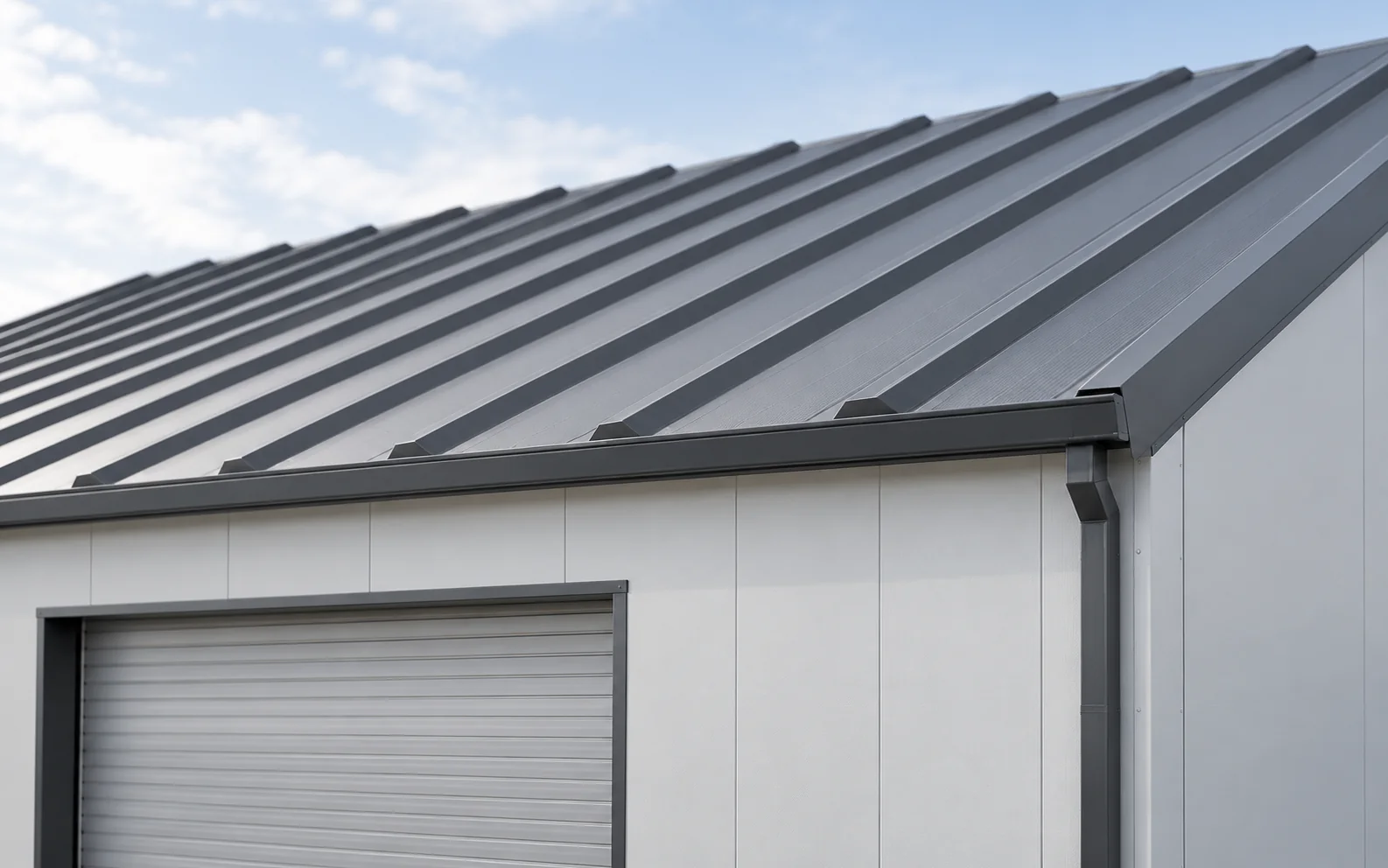
Energy efficiency depends on the insulation of the entire building envelope, its airtightness and how the building is used. Sheet metal mainly…
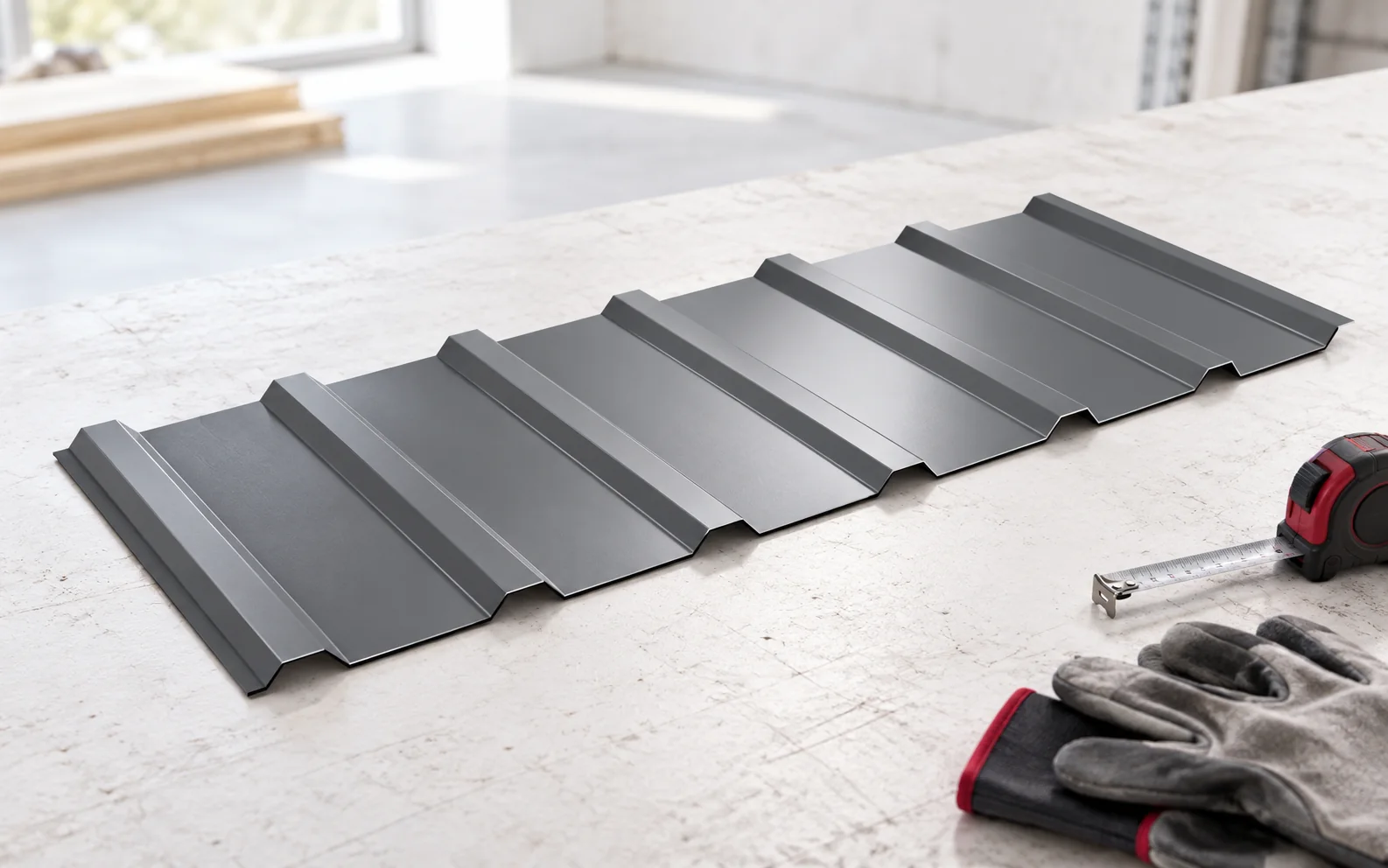
Correct installation of trapezoidal steel sheet on a roof depends on the material matching the design, on preparation of the supports and…
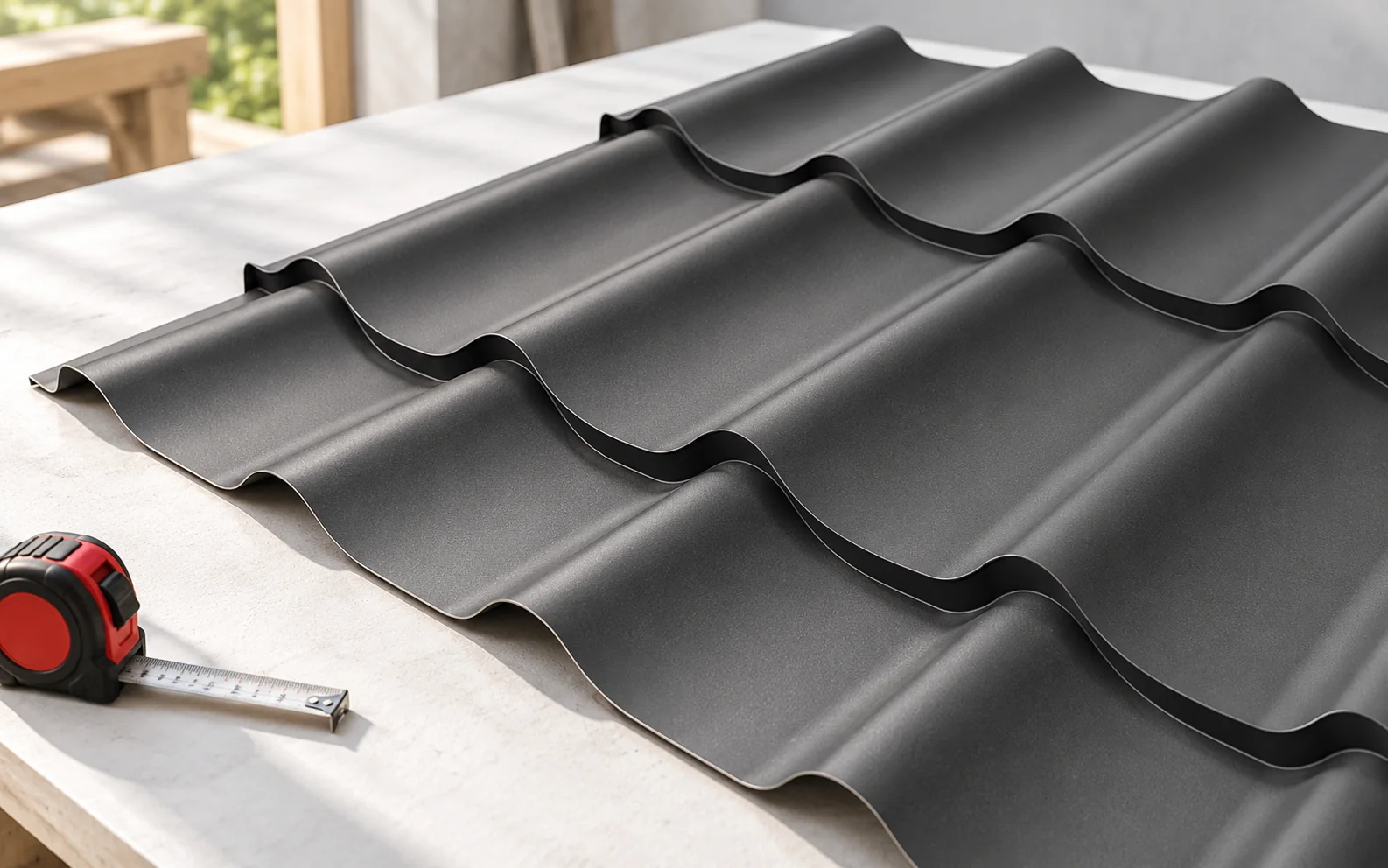
Before choosing tile-effect metal roofing, check four areas: compatibility with the roof, material and coating, sheet format, and completeness of the system.…
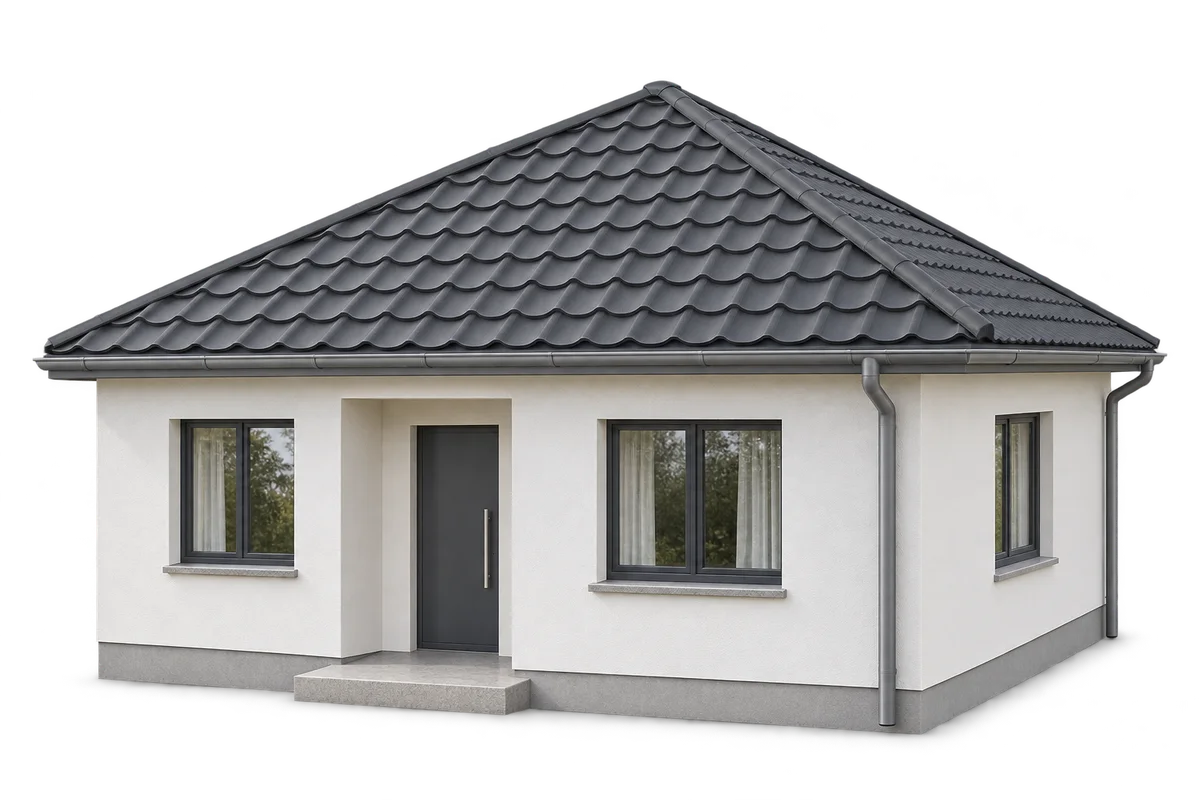
A cost estimate for a hipped roof should list the areas of the roof slopes, the lengths of the edges, the flashings…
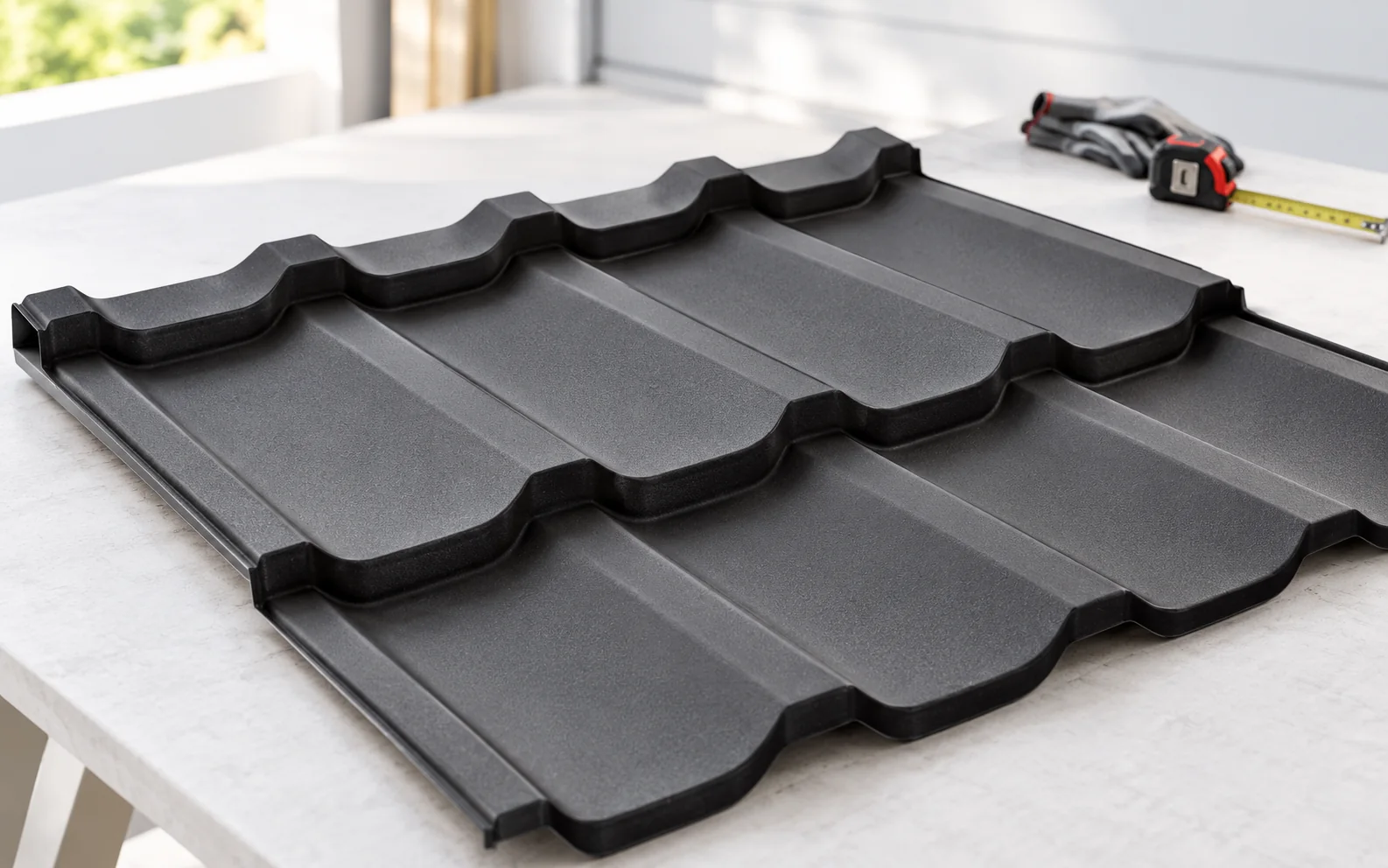
Modular tile-effect metal roofing combines a tile profile with a smaller, repeatable panel format. It can make transport and the organisation of…