

Insulation and energy renovation
Why is a north-facing wall damp even when the room is heated?
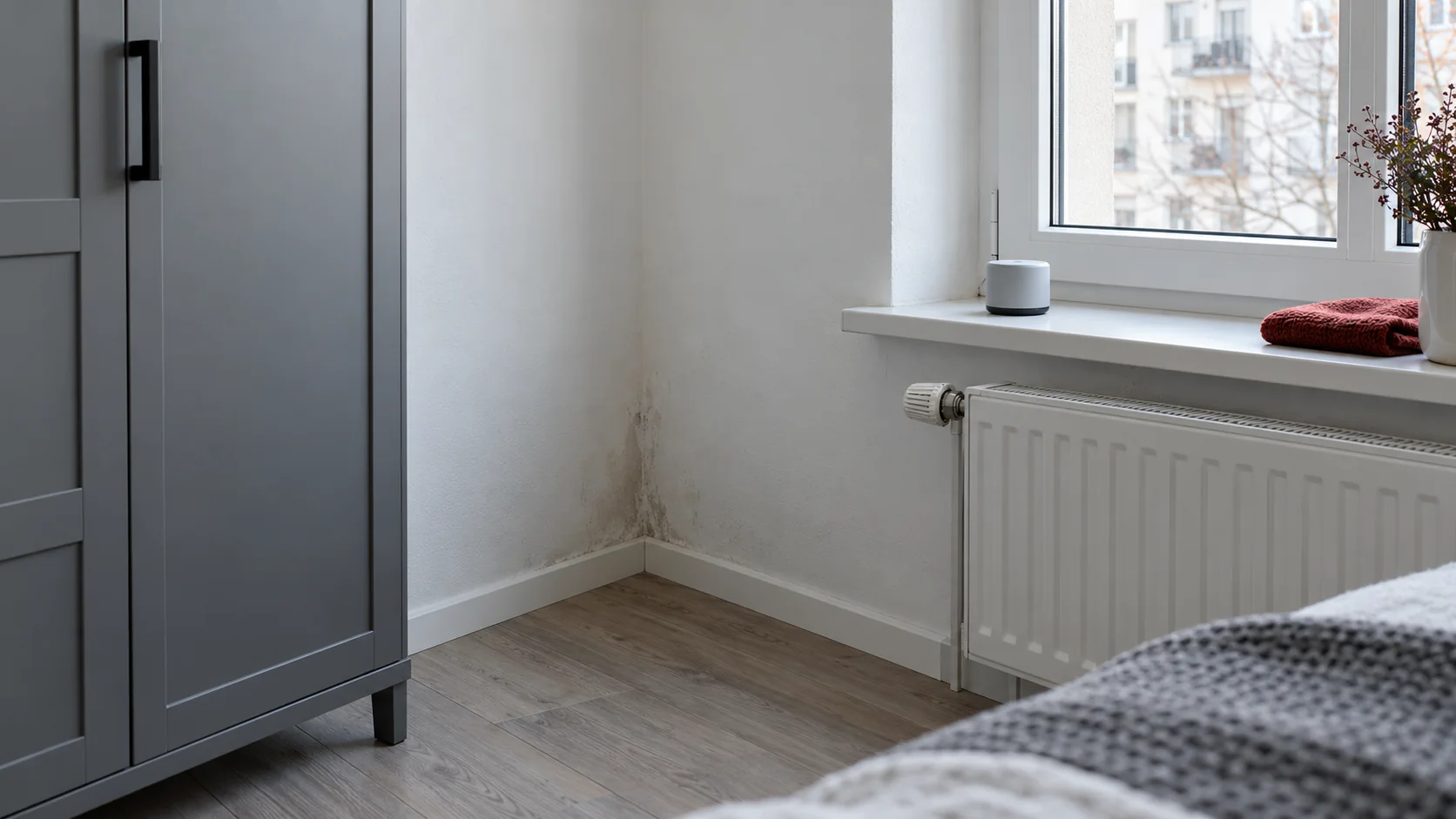
Dark growth in a corner can be caused by a cold surface, high indoor humidity or water entering from outside. Several causes can coincide on a north-facing wall. Establish when the marks appear before covering the wall with a new lining. Inspect it after rain and again in cold, dry weather. If a patch worsens after rainfall, check the façade, sill, gutter and roof junction. Damp at floor level may have a different source from staining near the ceiling. Record the position, size and timing of changes. Photographs taken over several weeks make a better record than recollection alone.
In this article
Distinguish water ingress from airborne moisture
Touching the plaster cannot establish where the water came from. Measuring moisture in building materials also requires a suitable method and interpretation. Investigate possible leaking pipework or ground moisture first if either is suspected.
Look beyond room air temperature
The air can be at 21°C while the wall behind a tall cupboard is considerably colder. Restricted air circulation reduces heat transfer to the surface. North-facing walls receive little direct sun and may dry more slowly after wetting. Orientation is only one possible factor.
A thermal bridge at a ring beam, a poorly insulated reveal or air leakage can lower local temperatures. Thermal imaging under suitable conditions can locate these differences. Interpret the images alongside an inspection and records of room use, as a cold area alone does not establish damp.
Track humidity over time
Monitor temperature and humidity over several days, especially after bathing, cooking and overnight occupancy. Record indoor clothes drying and check both supply and extract ventilation. Keep grilles clear. Replacement windows may have reduced the air supply even if household routines stayed the same.
Condensation starts when a surface reaches the dew point. High humidity at the surface can encourage mould before droplets form. Assess the corner temperature together with indoor humidity even if no water is visible.
Take readings in comparable positions and record when windows were opened. A reading immediately after airing describes different conditions from one taken after a full night. Regular notes distinguish short-lived changes from persistent problems.

Investigate wet masonry before covering it
Internal insulation can warm the new room-side surface while reducing heat reaching the masonry. A layer with high vapour resistance also restricts drying towards the room. Aluminium-faced PIR is therefore unsuitable as a one-size-fits-all remedy for damp walls.
Remove the water source and assess the materials before insulating. Examine heat and moisture behaviour across the construction, including rain exposure. Some buildings call for a different insulation method or an external repair. Select the intervention on the basis of the diagnosis.
Improve the junction causing the cold spot
For damp beside a window, check the frame-to-masonry joint and insulation at lintel and reveals. If marks recur below the ceiling, examine the ring beam and insulation continuity. Insulating only the broad wall face can leave the critical spot cold or shift the cold strip to the end of the new layer.
Detail junctions with the floor, ceiling and intersecting walls. For internal insulation, control the flow of humid air behind the boards. Check the hidden seals before closing up, since an even decorative finish gives no evidence of their airtightness.
Check the repair in comparable weather
After fixing the cause, allow time for drying and restore the surface as required. A dry wall in July cannot establish whether a winter fault has been resolved. During the next cold spell, check the same points, furniture positions and ventilation. Recurrent staining calls for further investigation.
Log the weather, indoor readings and heating pattern. This helps distinguish the effect of repairing a leaking gutter from that of more frequent airing. The record also helps the designer plan further energy improvements.
Questions and answers
Could moving a cupboard away from the wall be enough?
It can improve surface conditions if restricted air circulation was responsible. It cannot repair a leak or a major thermal bridge. Observe the same spot during cold weather.
Can a dehumidifier replace a wall repair?
It can reduce indoor humidity or assist drying. Identify and remedy water ingress and check ventilation and surface temperatures before choosing insulation.
7 branches. Materials closer to your project.

Free quote
Materials for your project


You may also find useful…
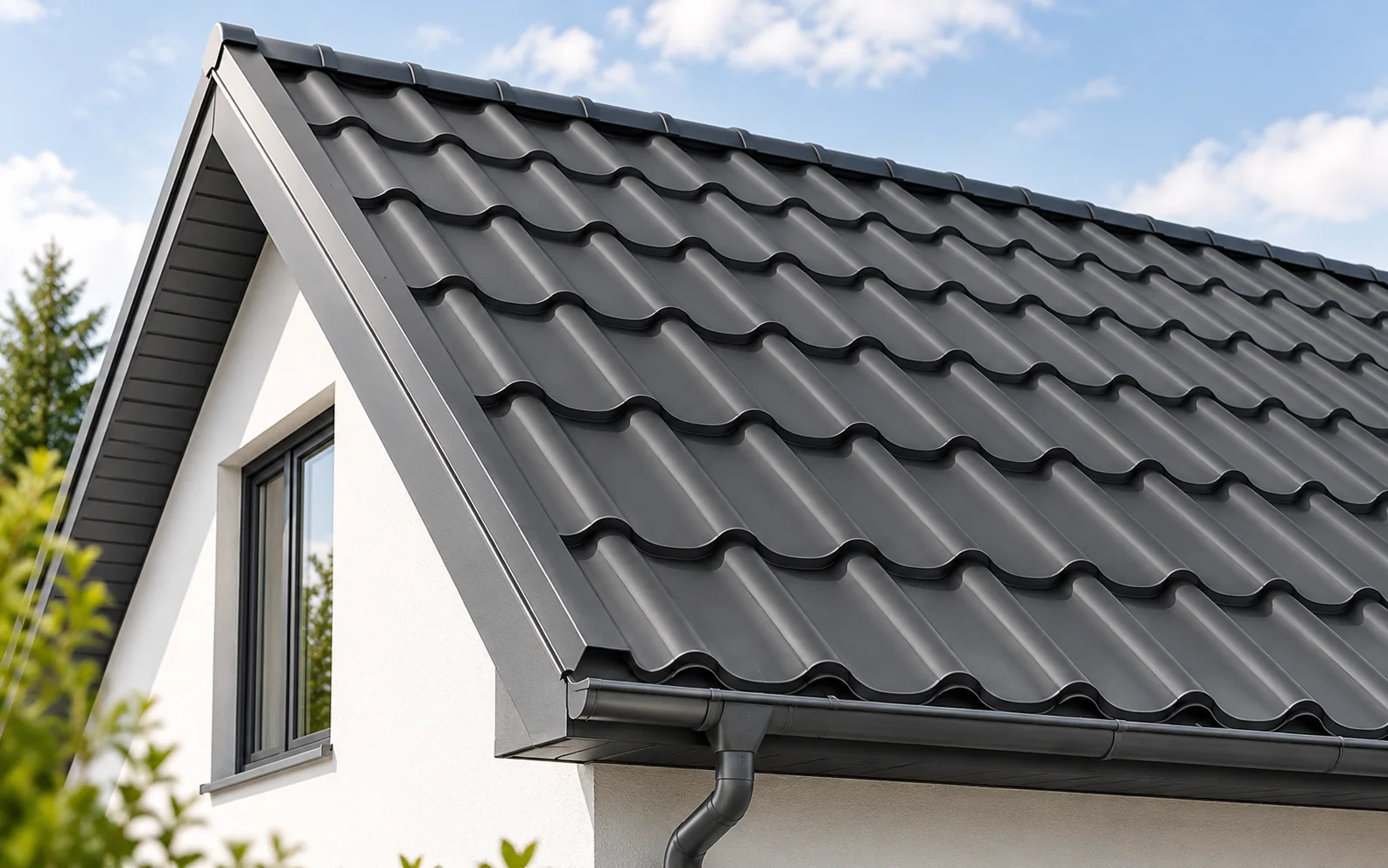
To budget for a roof in 2026, mark on the drawings where the quotation starts and ends. Installing a covering on an…
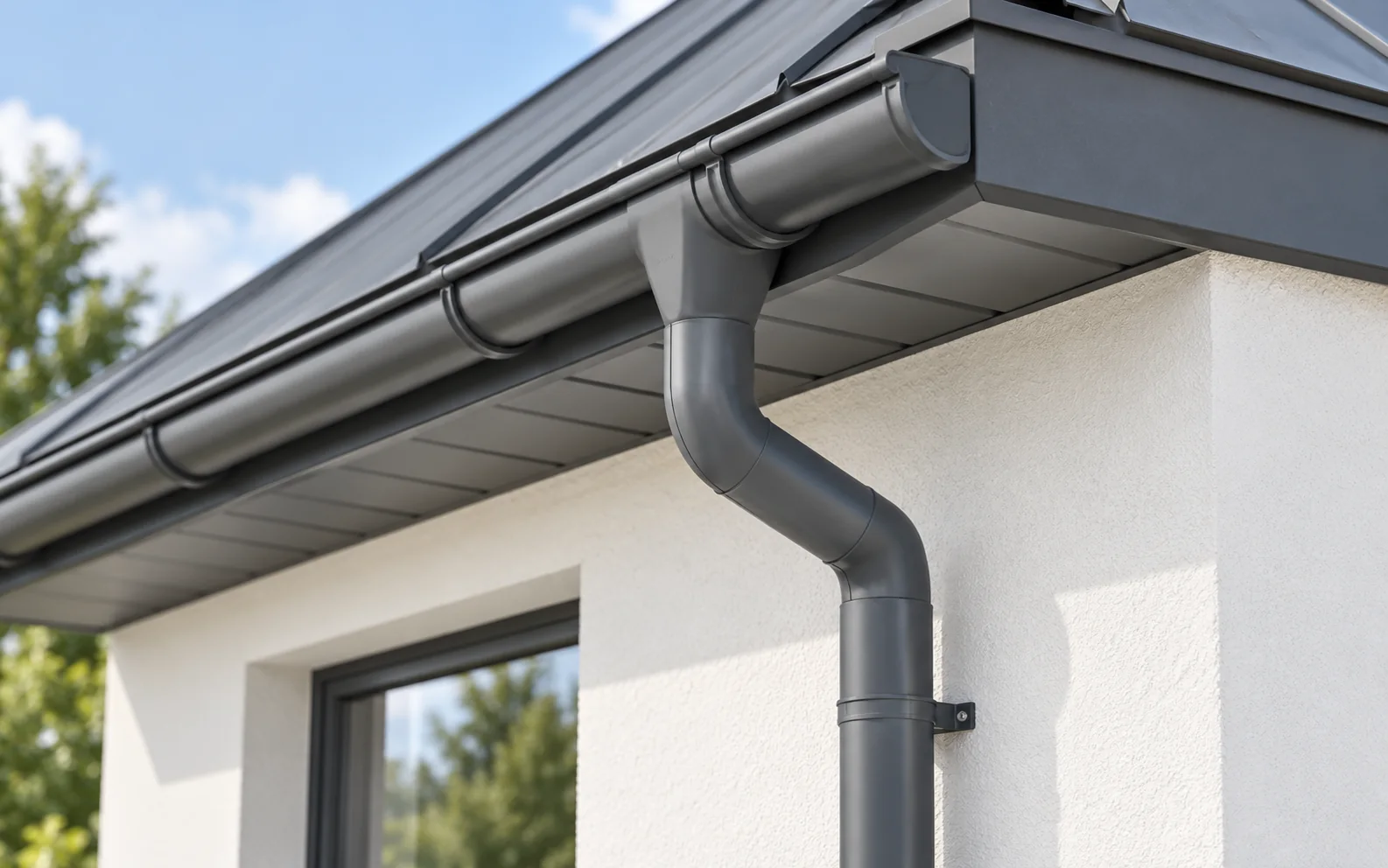
Gutters are selected primarily on the basis of the volume of water coming off the roof and the options for draining it…
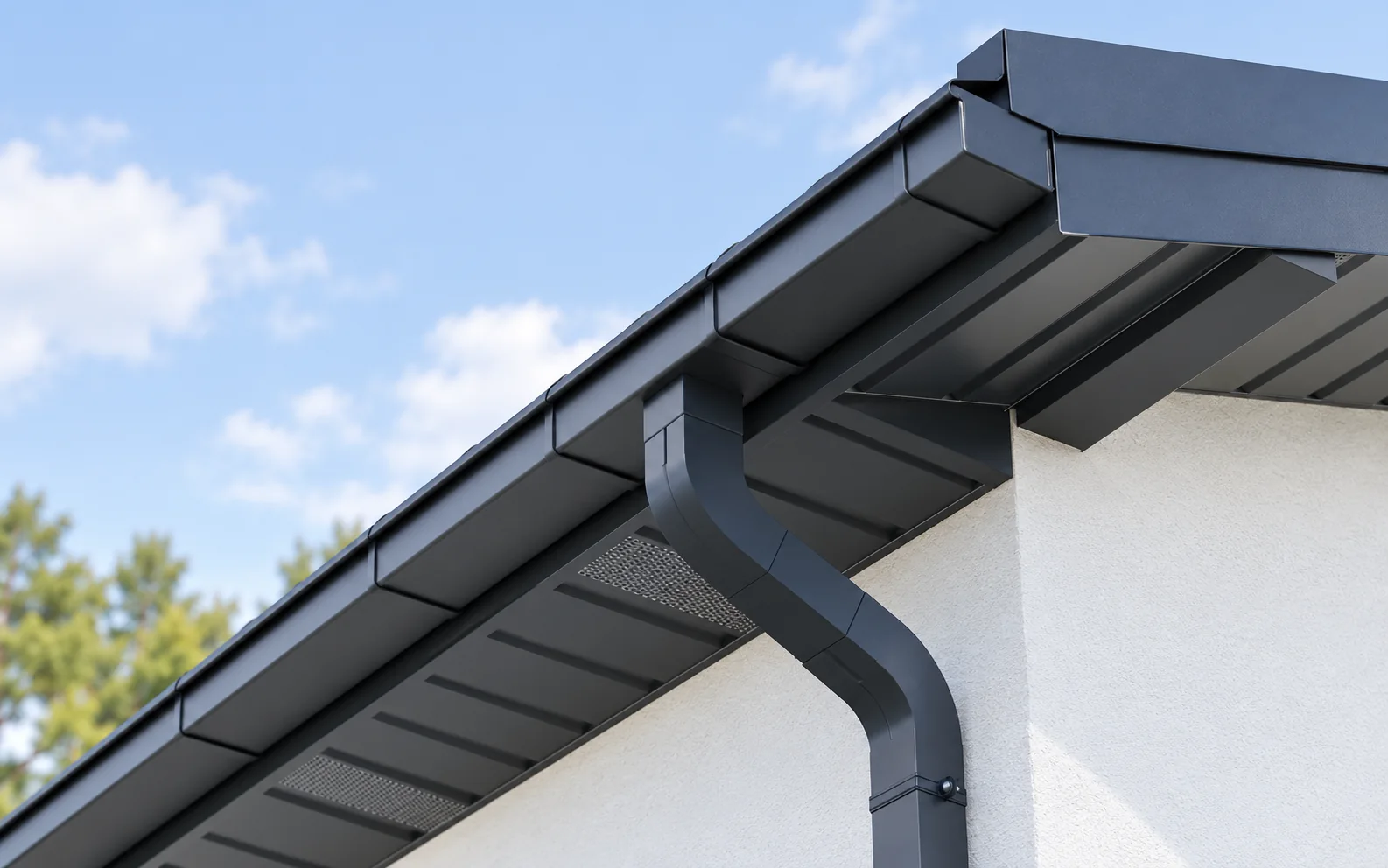
Square gutters give the eaves a clear, straight line and can suit metal roofing well. Their shape does not, however, guarantee greater…
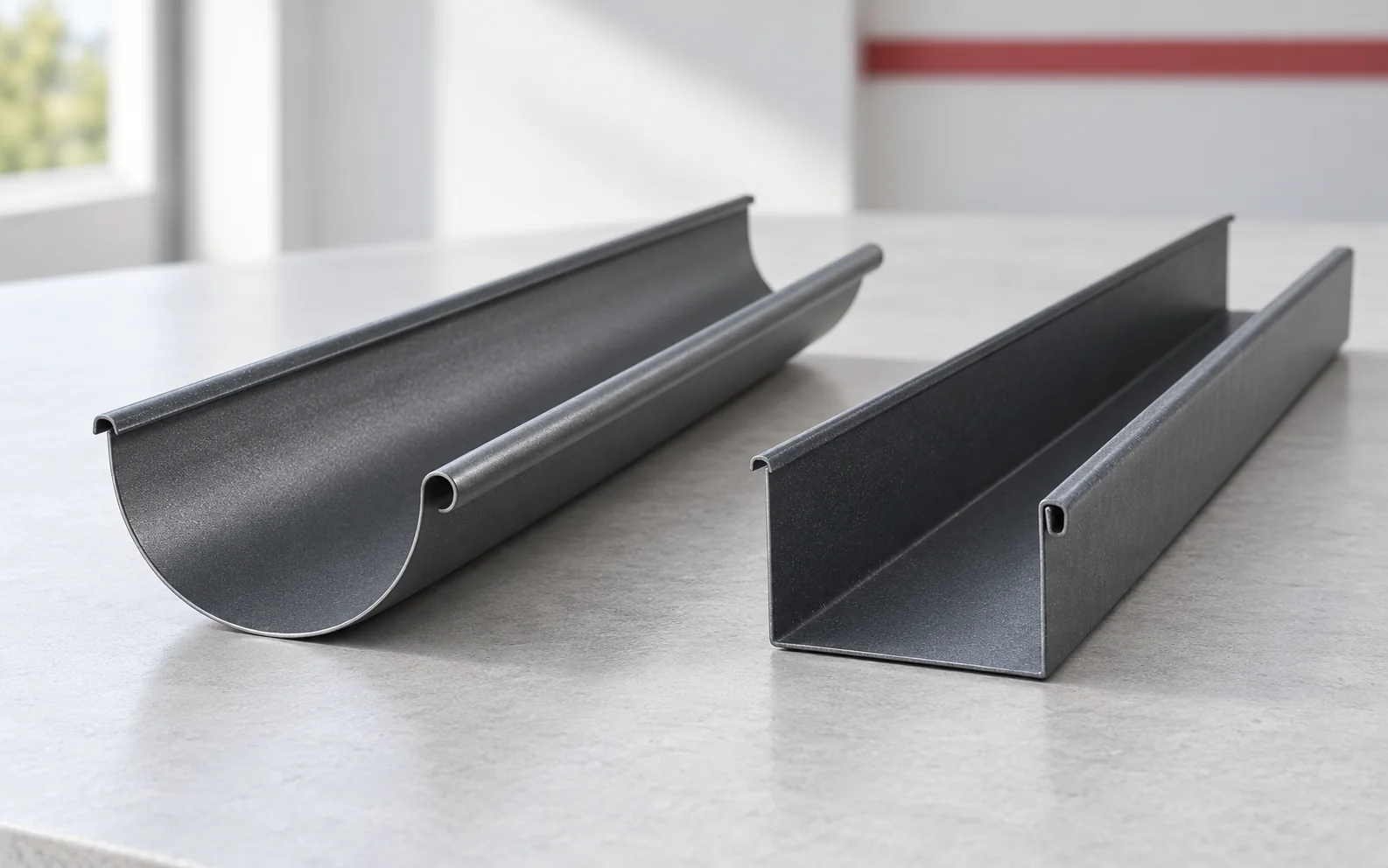
Square or half-round gutters? The choice of shape is not just a matter of the eaves' appearance, but above all of efficient…
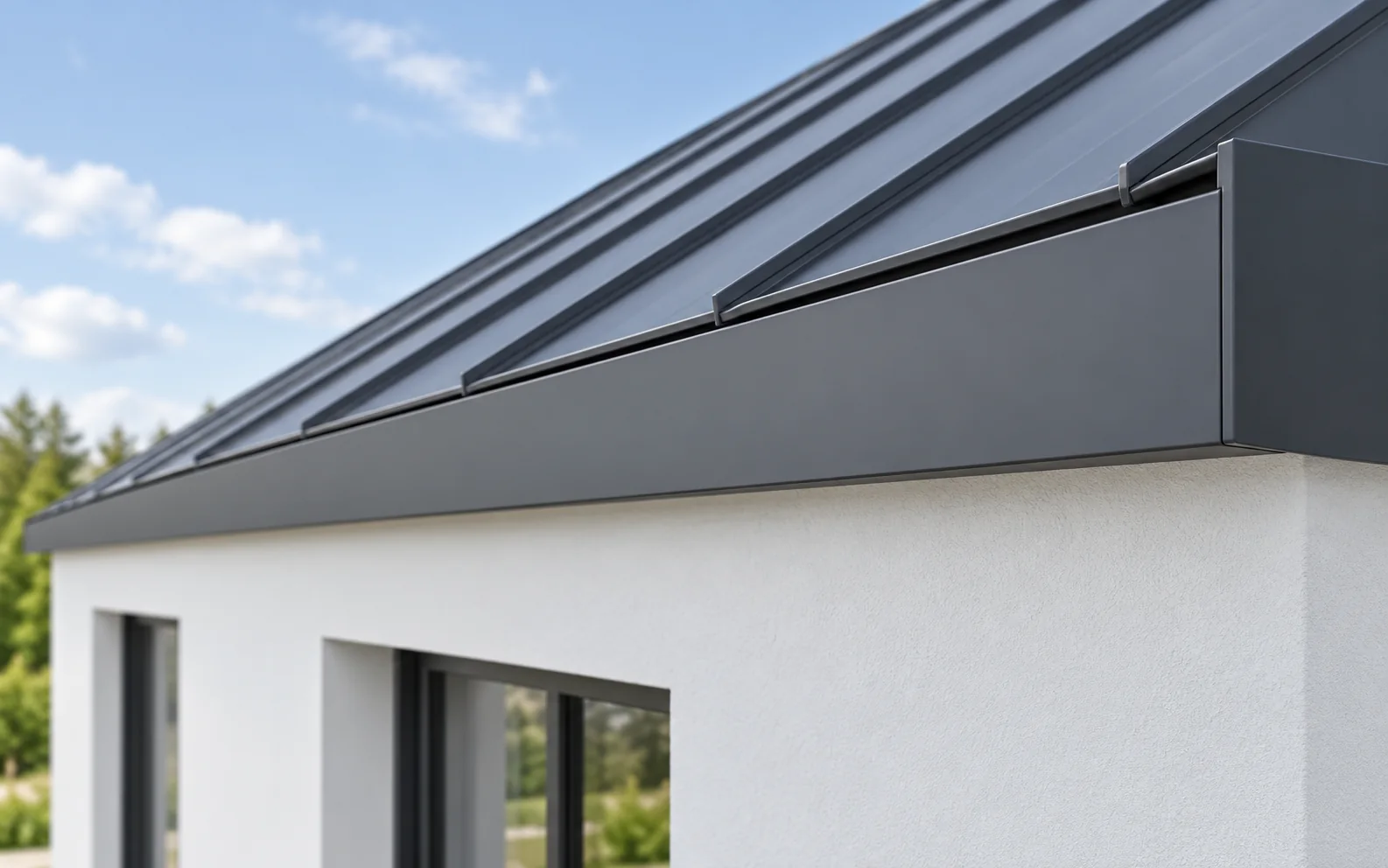
Concealed gutters can be combined with a metal roof if the entire eaves have been designed for such drainage. The right flashings…
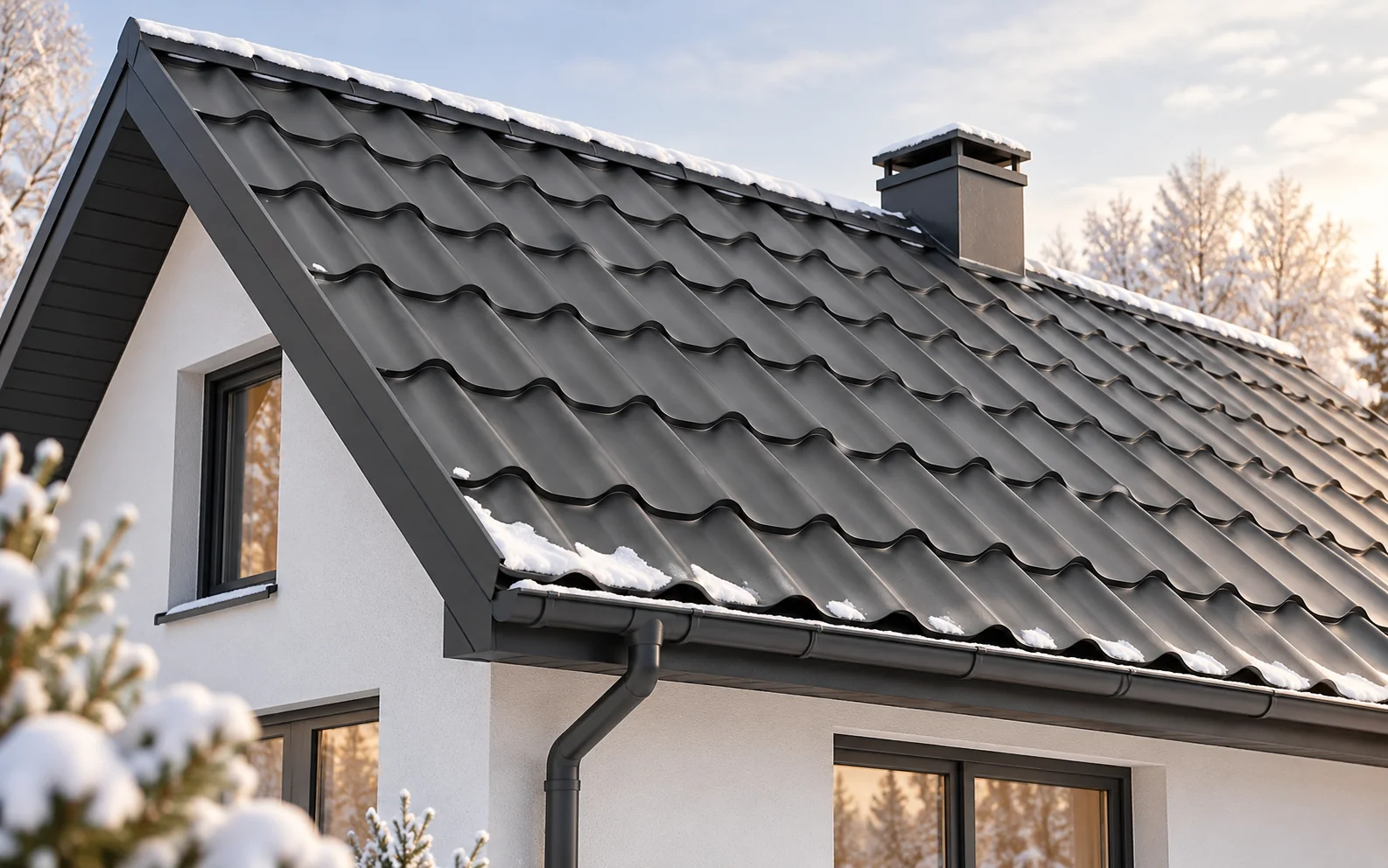
Preparing a roof for winter covers three areas: drainage, the safety of components and moisture control beneath the covering. The response to…
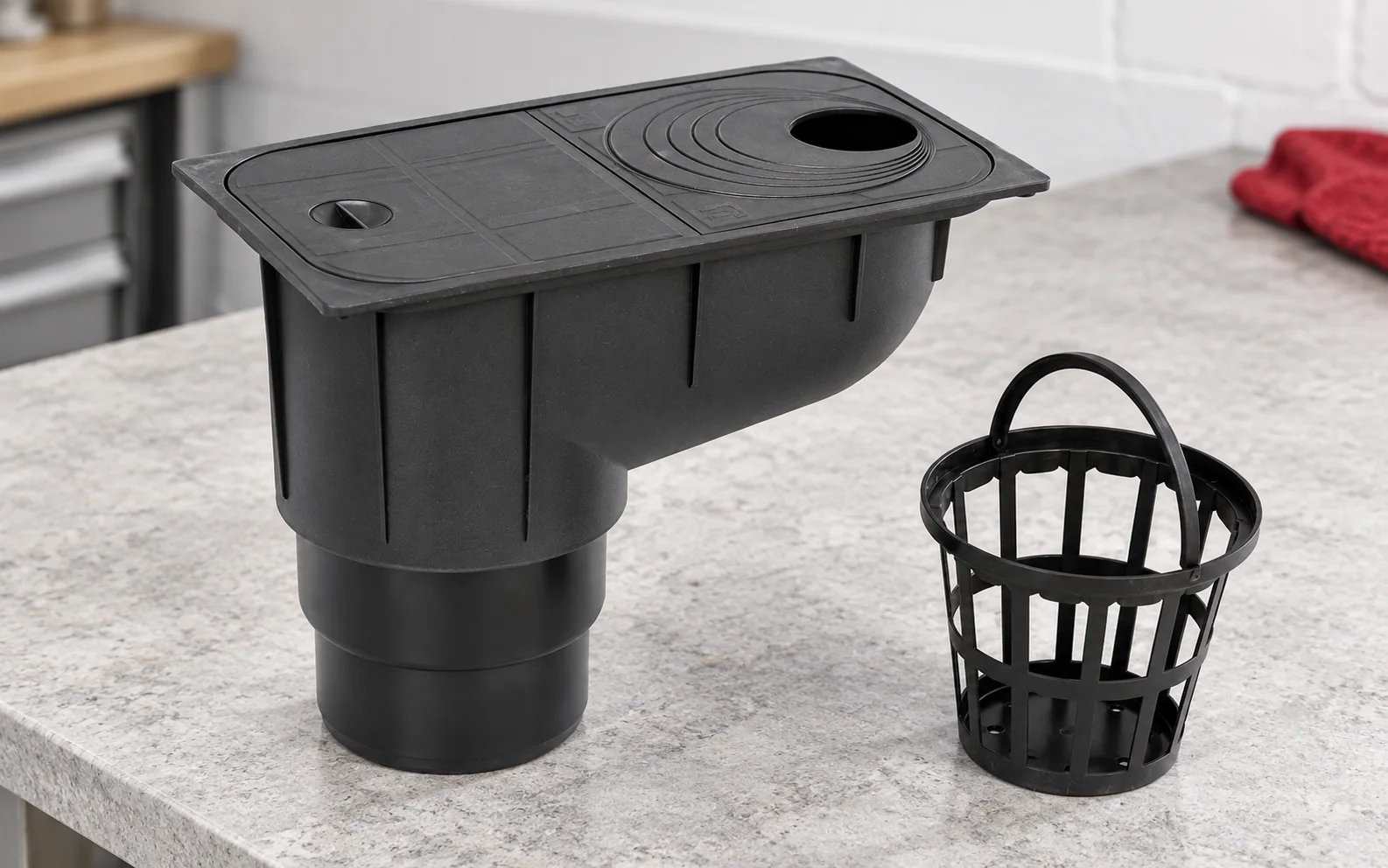
A rainwater gully (downpipe leaf catcher) is usually installed at the lower end of the downpipe so that its basket captures leaves…
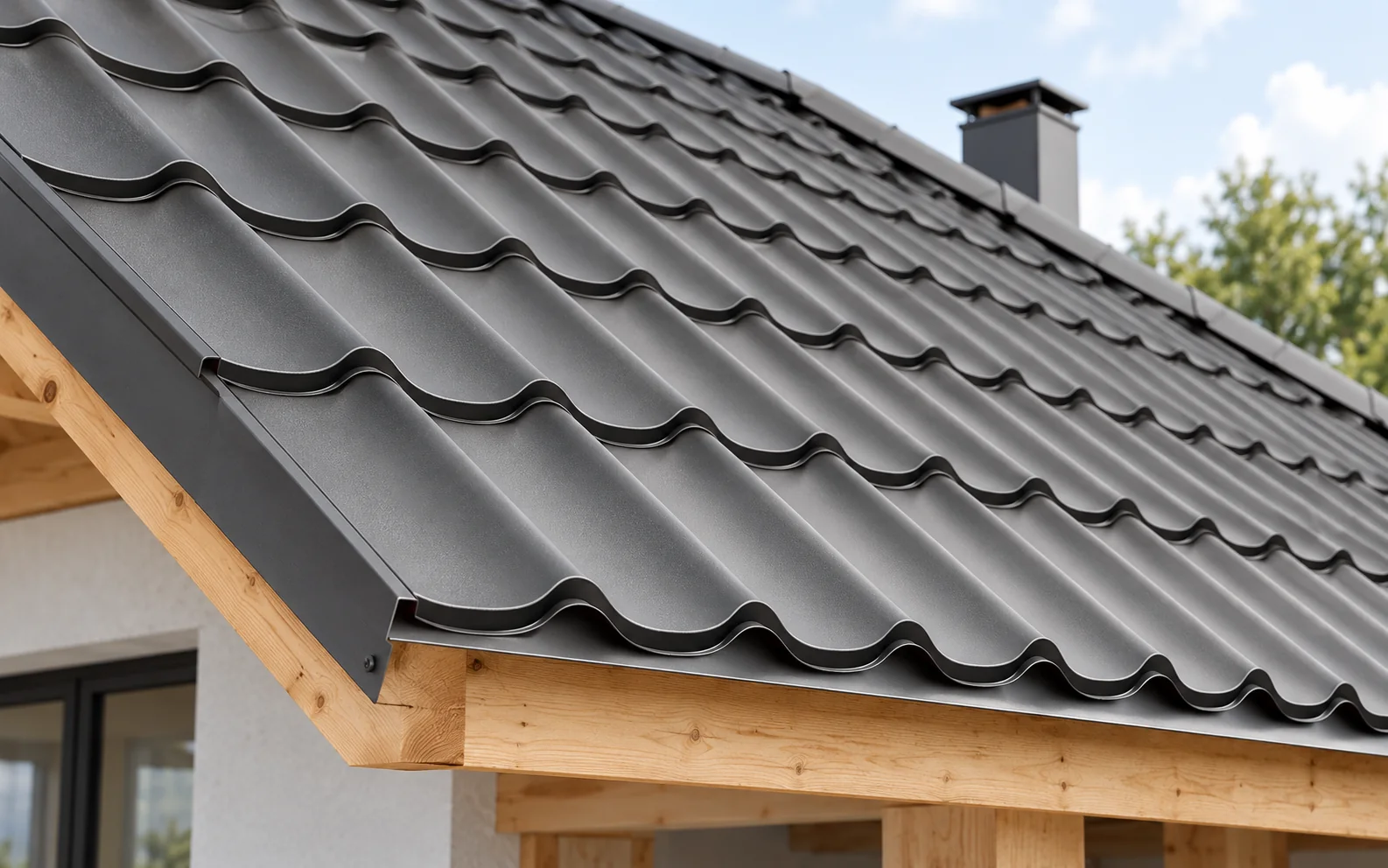
Replacing a roof from measurement to handover requires decisions on material, construction and details before dismantling begins. A survey of the finished…