

Purchasing and delivery
How to order a complete industrial building envelope without missing components
When choosing a supplier for an industrial building envelope, ask them to show how their quotation covers a corner, an opening and a roof junction. The panels, flashings and fixings must fit both one another and the supporting structure. A large stock range alone tells you little about that. Find out who draws up the component list, answers technical questions and confirms delivery dates. Agree which decisions belong to the supplier, designer and installer. In particular, establish who checks panel suitability, who designs the junction details and who orders the accessories shown on those drawings.

In this guide
Agree who is responsible for each part of the order
Even a well-stocked merchant needs detailed drawings to prepare an accurate specification. Ask for an itemised list that reflects the technical decisions already agreed and flags outstanding information. If the load capacity is still unknown, resolve it before reserving the panels. Otherwise everyone may assume someone else has checked it.
Build the order around the junction details
Break the envelope down into walls, roof and individual details such as the plinth, ridge, corners, doors and service penetrations. List the components for each. Specify flashings by shape and length, seals by the joints they follow, and fixings according to the design. An order that simply says “accessories included” leaves too much open.
Choose one bay on the drawing and check whether the delivery includes everything needed to finish it from edge to edge. Clarify any gaps. Internal trims, pieces around window and door frames, and the detail at the last cut panel are easy to overlook. Any one of them can hold up the crew.
Check that the components fit together
Panels with the same core and thickness may have different joints, cover widths, face profiles or facing thicknesses. This matters particularly when repairing an older façade or combining stock from several batches. Products on the same merchant’s shelves can belong to different systems.
Ask the supplier to identify any proposed substitute and state who must confirm its suitability. Compare coated samples if colour matters. Where fire performance is specified, check the documentation for the particular wall or roof assembly. A classification applies only within its documented scope, including the specified panels and accessories.
Coordinate deliveries with the build sequence
On a tight site it may help to deliver complete sets bay by bay. Elsewhere a single delivery can reduce haulage. Compare the available space, build programme and storage conditions. Check how long the merchant will hold reserved stock for the project.
Each delivery should cover a defined piece of work. A stack of roof panels without the specified seals leaves the installers waiting, however many square metres have arrived. Agree how and when the supplier will notify you of a date change so you can reschedule equipment and labour.

Allow for missing parts and extra services
Suppose a small batch of missing flashings means paying about €162 for a second delivery and €208 for another day of equipment hire. The extra €370 excluding VAT could exceed the original panel discount. These illustrative figures show how to value a complete delivery when comparing quotations.
Ask how to amend an order, agree a replacement component or report a discrepancy on delivery. A clear procedure matters if something goes wrong. Include unloading and any split deliveries in the estimate and check what the quoted panel price actually covers.
Keep a record of what was supplied
Keep the actual batch references, product documents and details of agreed substitutions or deviations. For repairs or an extension, these records are more dependable than trying to find an old listing. Labelled photos and a simple elevation drawing show which panel went where.
Compare suppliers on how precisely they document the order, how well their components match and how reliably they can deliver a complete set. With a clear scope and written delivery terms, you can compare a large distribution centre with a local merchant without relying on unverified size rankings.
Questions and answers
Does everything have to come from one supplier?
Several suppliers can work if responsibility for compatibility is clear. Include the extra deliveries in the calculation and check whether a different source introduces a different joint system.
What should the order confirmation include?
List product references, quantities, lengths, coatings, accessories and prices with their units. Include delivery and unloading terms and identify each agreed substitute explicitly.
7 branches. Materials closer to your project.

Free quote
Materials for your project





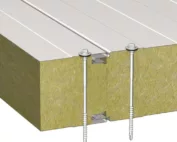

You may also find useful…
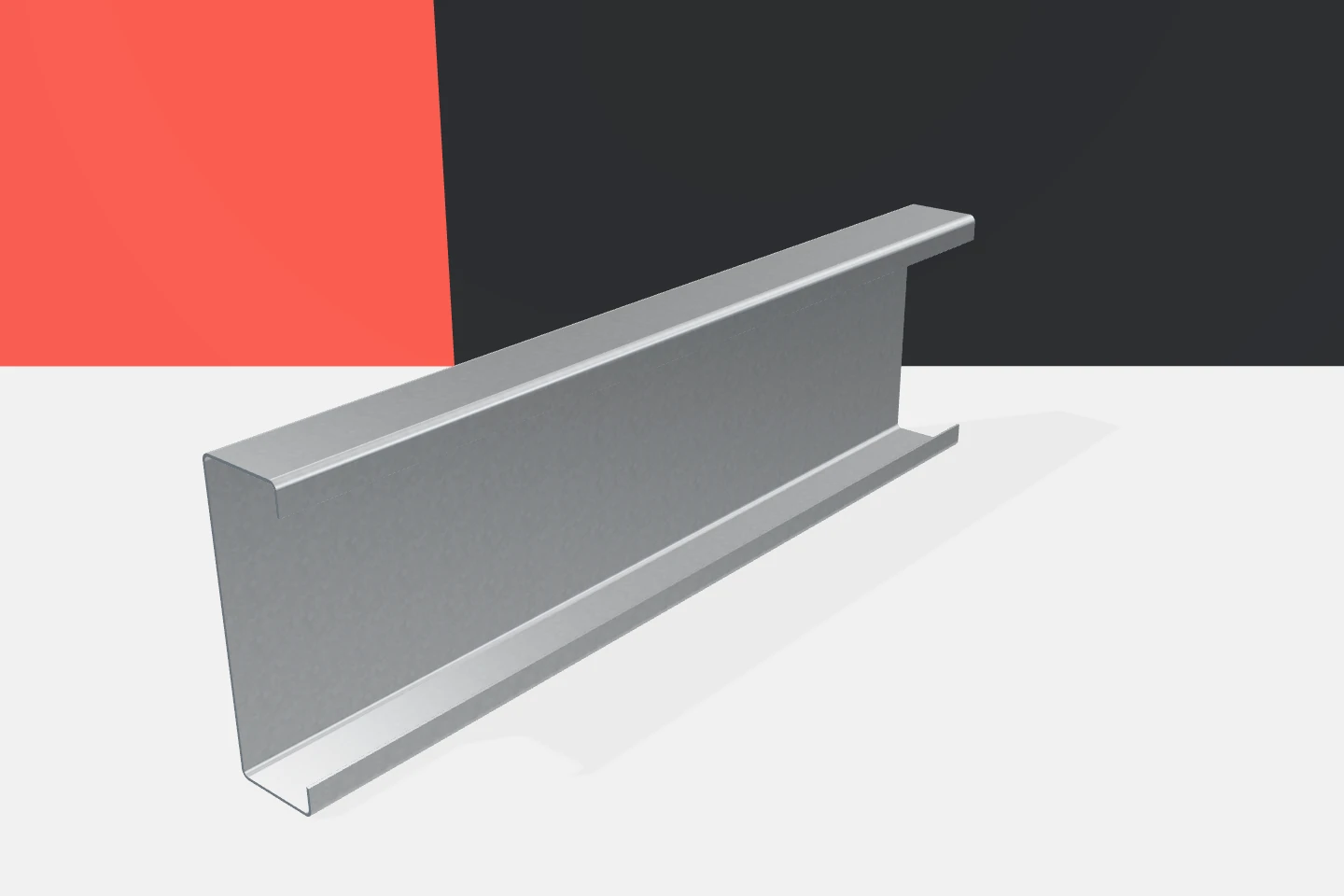
A well-chosen profile should provide the required load-bearing capacity and stiffness with sensible use of material. The aim is not to find…

Start with the spaces on either side of the wall or roof. A heated production area, a cooler warehouse and staff rooms…
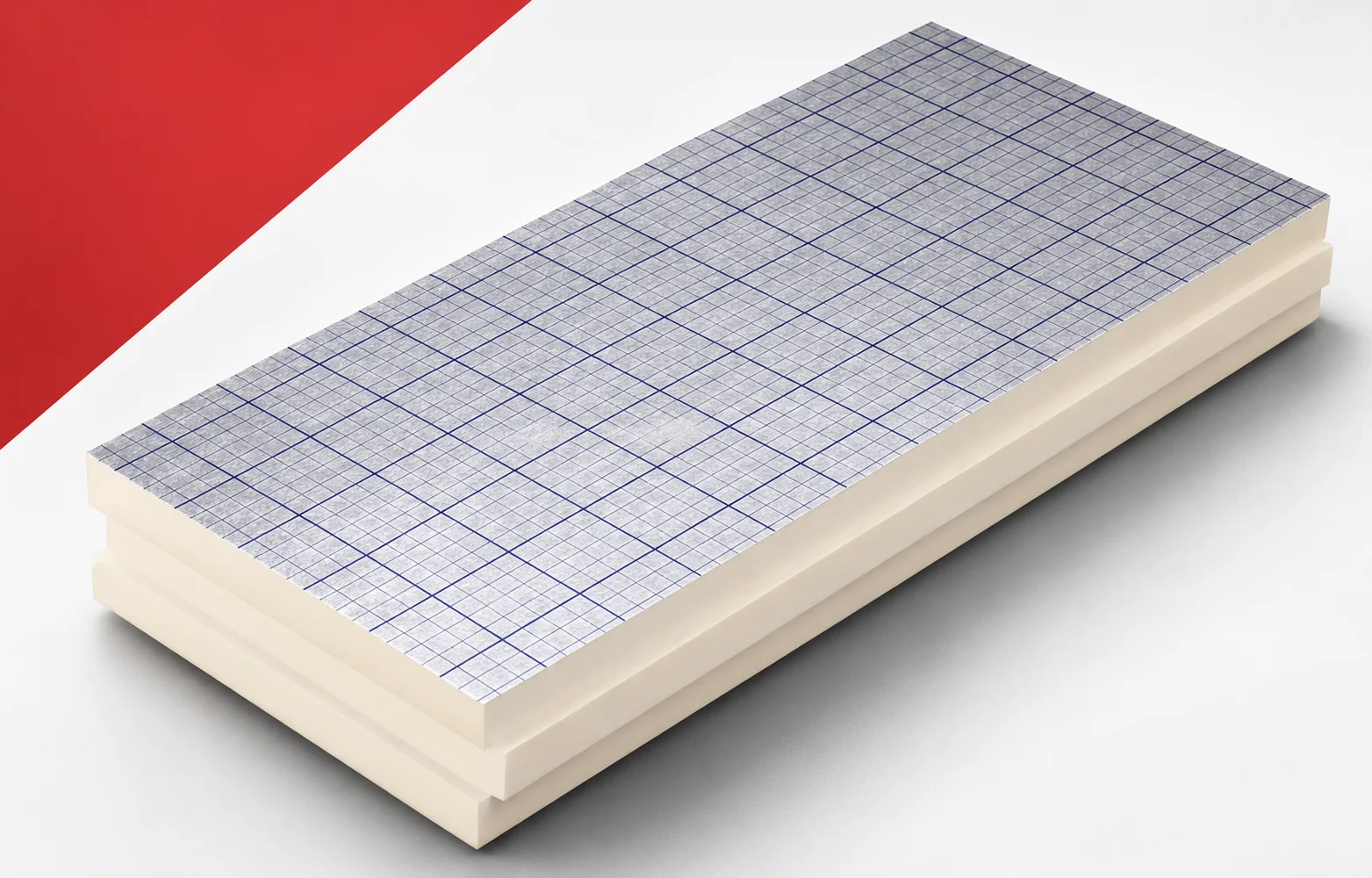
swissporPIR Alu can help achieve the required thermal resistance within a limited construction thickness. The benefit is particularly evident where every centimetre…
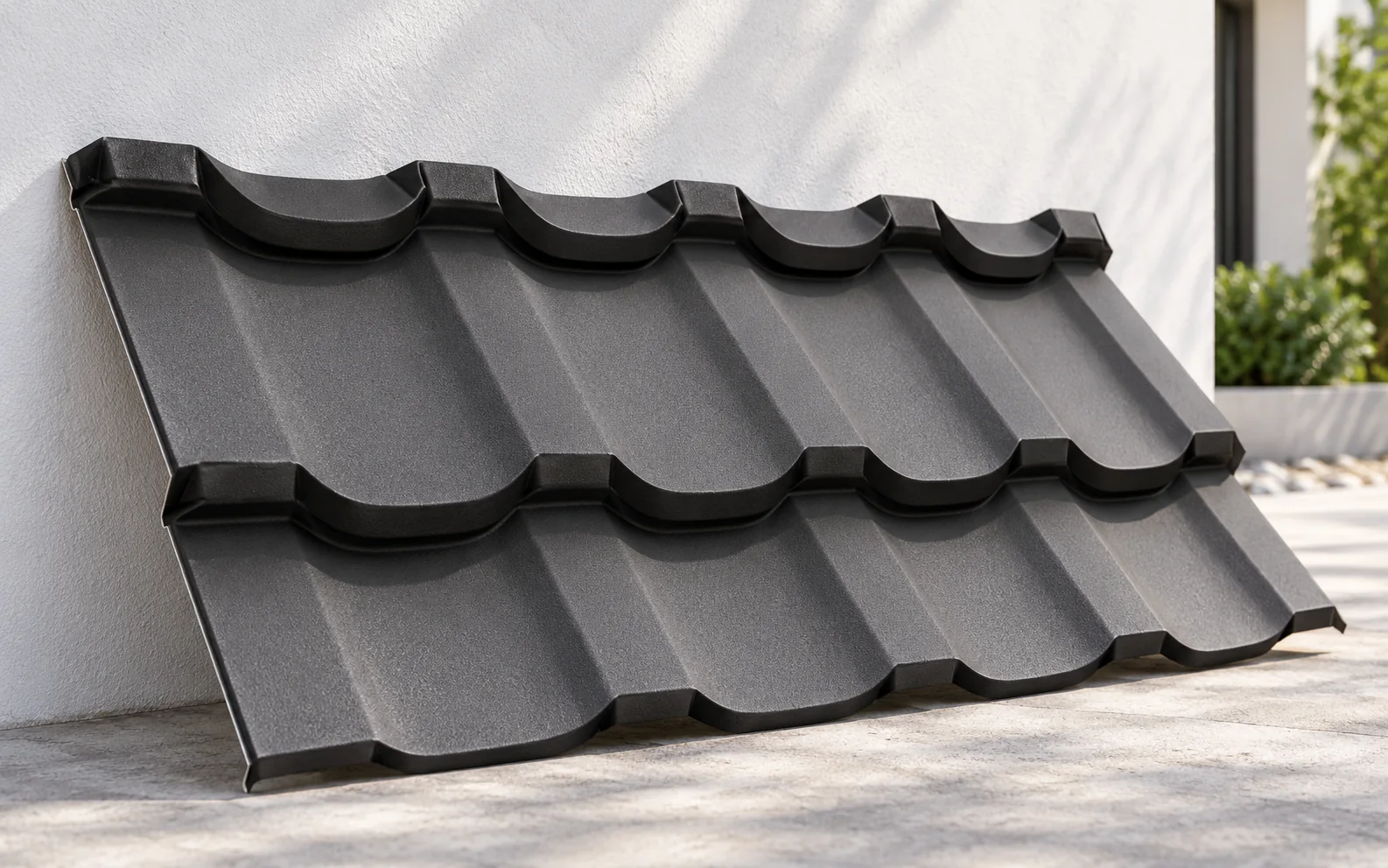
Concrete tiles and tile-effect steel place different loads on the same roof and call for different delivery arrangements. Compare their weight per…

Cut-to-length tile-effect sheets and short modules divide a roof into different-sized pieces. A later dormer, roof window or repair may require lifting…

To estimate a completion date, ask each trade what needs to be ready before it can start. The roofing supplier needs reliable…

Therma TR27 shows why a single lambda value cannot be attributed to all PIR boards. Choosing the thickness must go hand in…
Fitting roof sheets, clearing gutters and replacing flashing all require safe access and protection against falls. Even a short job can put…