

Sheet metal and finishes
Is second-quality trapezoidal steel sheeting suitable for permanent cladding?
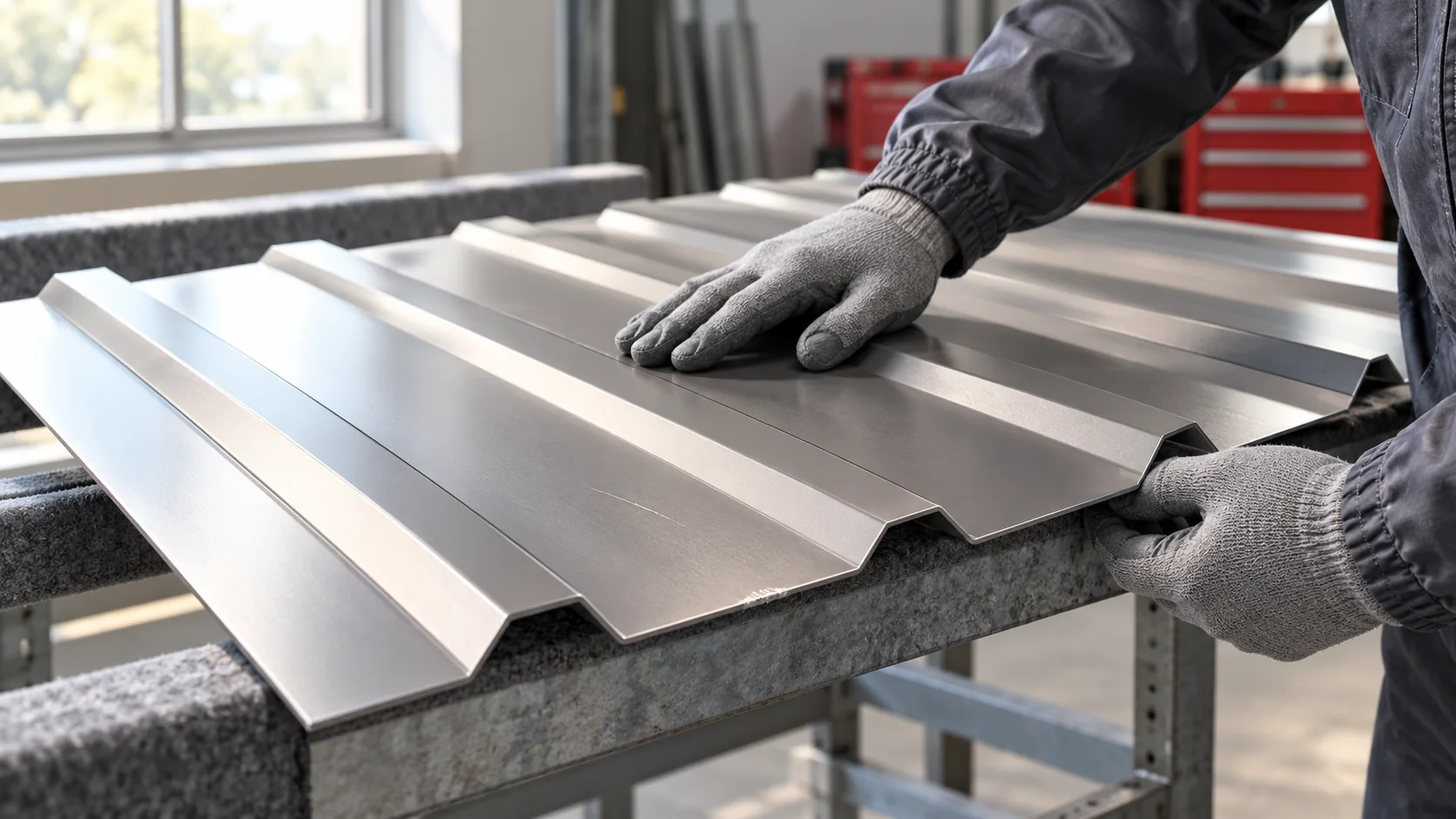
Second-quality trapezoidal steel sheets can be discounted for very different reasons. Before comparing prices, find out why the particular sheets were downgraded. A non-standard length or a slight shade difference has different implications from a crushed rib, a damaged lap or corrosion. Ask for the profile designation, steel thickness, protective finish and available product documents. Inspect the actual batch and match its condition to the proposed roof or wall. Whether the sheets can provide lasting service depends on the coating, the profile geometry and the exposure they will face. The grade alone tells you little about any of these.
In this article
Identify the sheets offered as outlet stock
Roofing and wall versions of a profile may have a different orientation and details that affect drainage. A profile height designation cannot establish interchangeability. Check the effective cover width as well. The specification should give you enough information to assess how each sheet fits the supports and adjoining components.
Inspect the coating and cut edges
Inspect both faces and the ends of the sheets. A shallow scratch may need different treatment from exposed steel or an area affected by corrosion. The rust visible on the surface may not show the full extent of the damage. Signs that a pack has stayed wet for a long time warrant closer inspection, even if a sheet can be wiped clean for a photograph.
Select the repair method for the coating and type of damage. A local touch-up may differ in appearance and cannot be assumed to restore the full factory protection system. Repainting a large area takes appropriate preparation and compatible materials. If the cost is unknown, obtain an estimate before assessing the saving.
Check the ribs, laps and fixing positions
A crushed rib, a bent lap edge or distortion where a fixing is needed can prevent correct installation. Straightening may leave marks or damage the coating. Before installing a sheet, establish whether its shape still meets the design requirements. Drawing it into shape with screws cannot establish that.
On a roof, check that laps can close correctly and that water has an unobstructed drainage path. For a façade, assess wind loading and the supports as well as appearance. Support spacing must suit the profile, steel thickness and design loads. The same design checks apply to discounted stock.
Decide which defects are acceptable for the intended use
A slight colour difference may be acceptable on a screen around plant if all functional requirements are met. The same variation may be unacceptable on a prominent elevation. Allocate sheets of different shades before installation. Grouping a shade within one continuous area often looks more consistent than mixing sheets at random.
A roof on an outbuilding still carries loads and protects the interior. Its use does not make damaged laps or missing specifications acceptable. If the sheets’ condition is uncertain, have them assessed before buying. Leaving the decision to the installation crew risks paying for pieces that have no suitable place in the building.

Calculate the effective cost after sorting and cutting
Suppose 100 m² of sheets cost €648.06, or about €6.48/m². If defects and sheet lengths limit the usable area to 80 m², the material costs €8.10 per installed square metre. Allow another €92.58 for agreed repairs and the figure rises to €9.26/m². These are illustrative amounts excluding VAT. Unit prices are rounded.
Add transport, cutting, flashings and labour. Sheets ordered to the right lengths may reduce some of those costs despite a higher unit price. Credit offcuts only if you have a realistic use for them. A spare sheet with the wrong profile or a colour mismatch may be of little use in a future repair.
Plan maintenance and future replacement
Keep the profile identification, colour and coating details after installation, together with a plan showing repaired areas. Remove swarf and cutting debris using methods appropriate to the finish. Water collecting at a dirty edge or a poorly formed junction can damage even a well-chosen sheet.
Pay particular attention to previously damaged areas during later inspections. For local replacement, match profile geometry and cover width as well as colour. If the batch cannot be reordered, consider storing a small reserve under suitable conditions. Knowing the limitations of the sheets and planning their upkeep will help you decide whether the saving is worthwhile.
Frequently asked questions
Does a scratched metal roof need to be completely repainted?
The extent of the repair depends on the damage and the instructions for that coating. A single mark does not justify painting a large area with an unverified product.
Can second-quality roof sheets be used for a façade instead?
Only if the sheet and its condition meet the façade requirements. Check load capacity, supports, protective finish and profile geometry for the new use.
7 branches. Materials closer to your project.

Free quote
Materials for your project

You may also find useful…
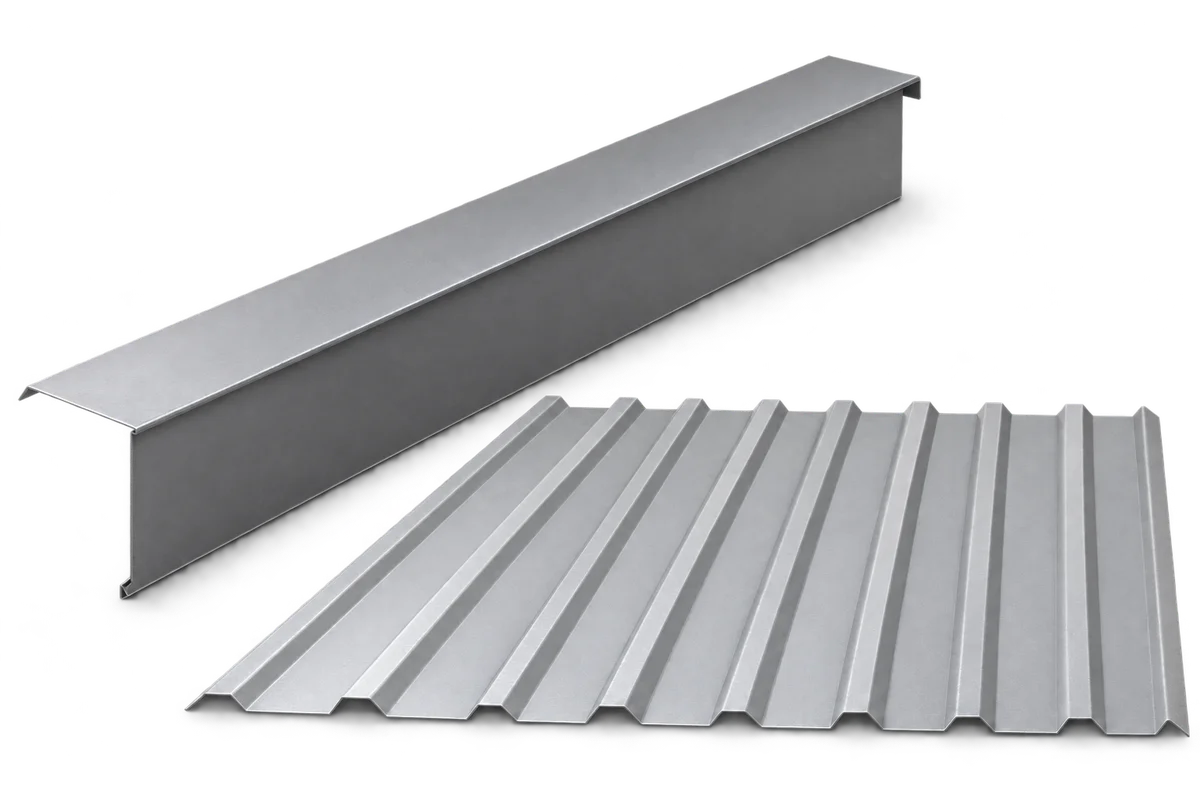
Verge flashing protects the gable edge of a roof and helps limit wind-driven precipitation getting under the covering. However, it must work…
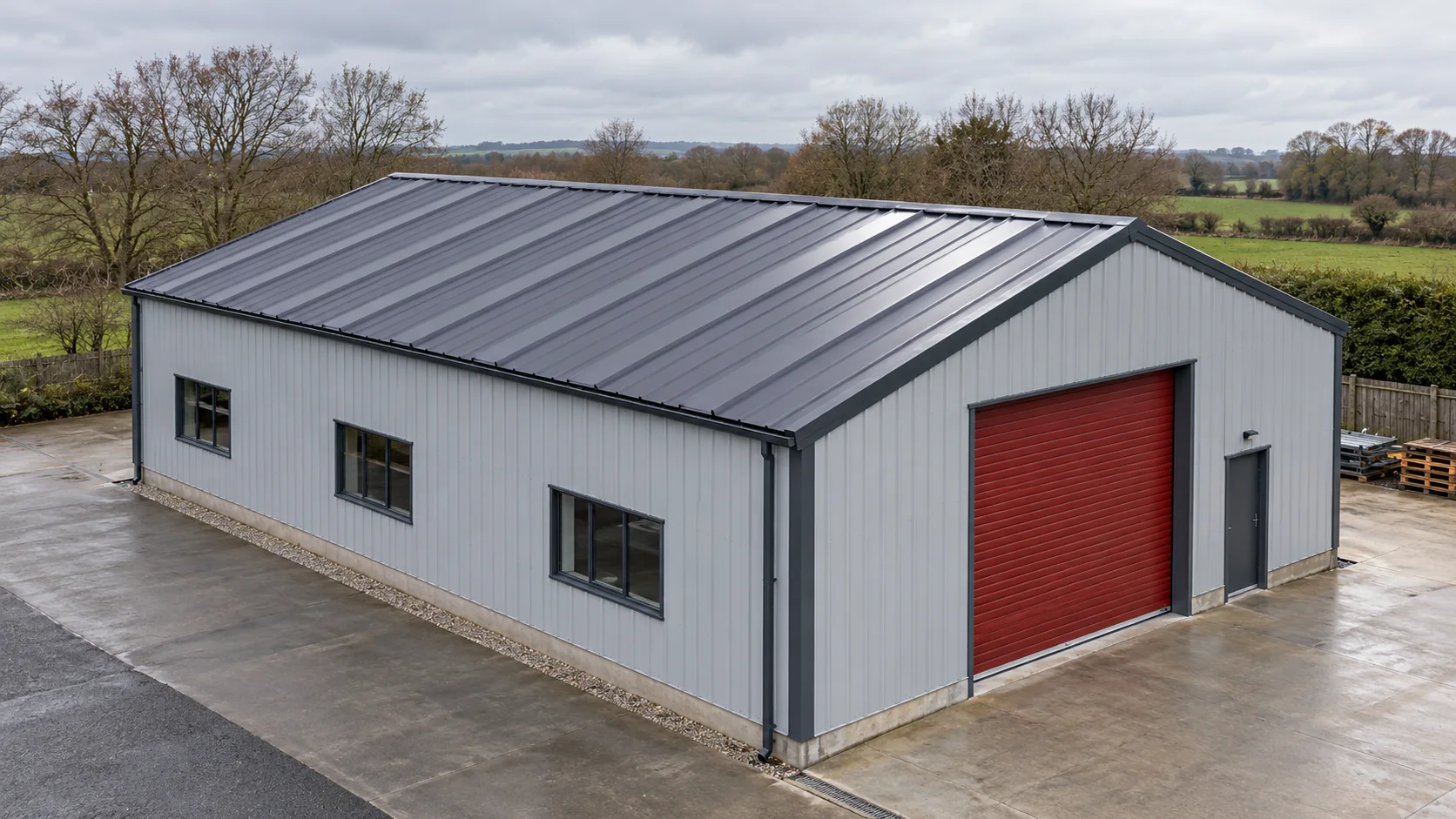
A roof with 200 m² of sloping surface can require more than 200 m² of trapezoidal steel sheet. The quantity depends on…
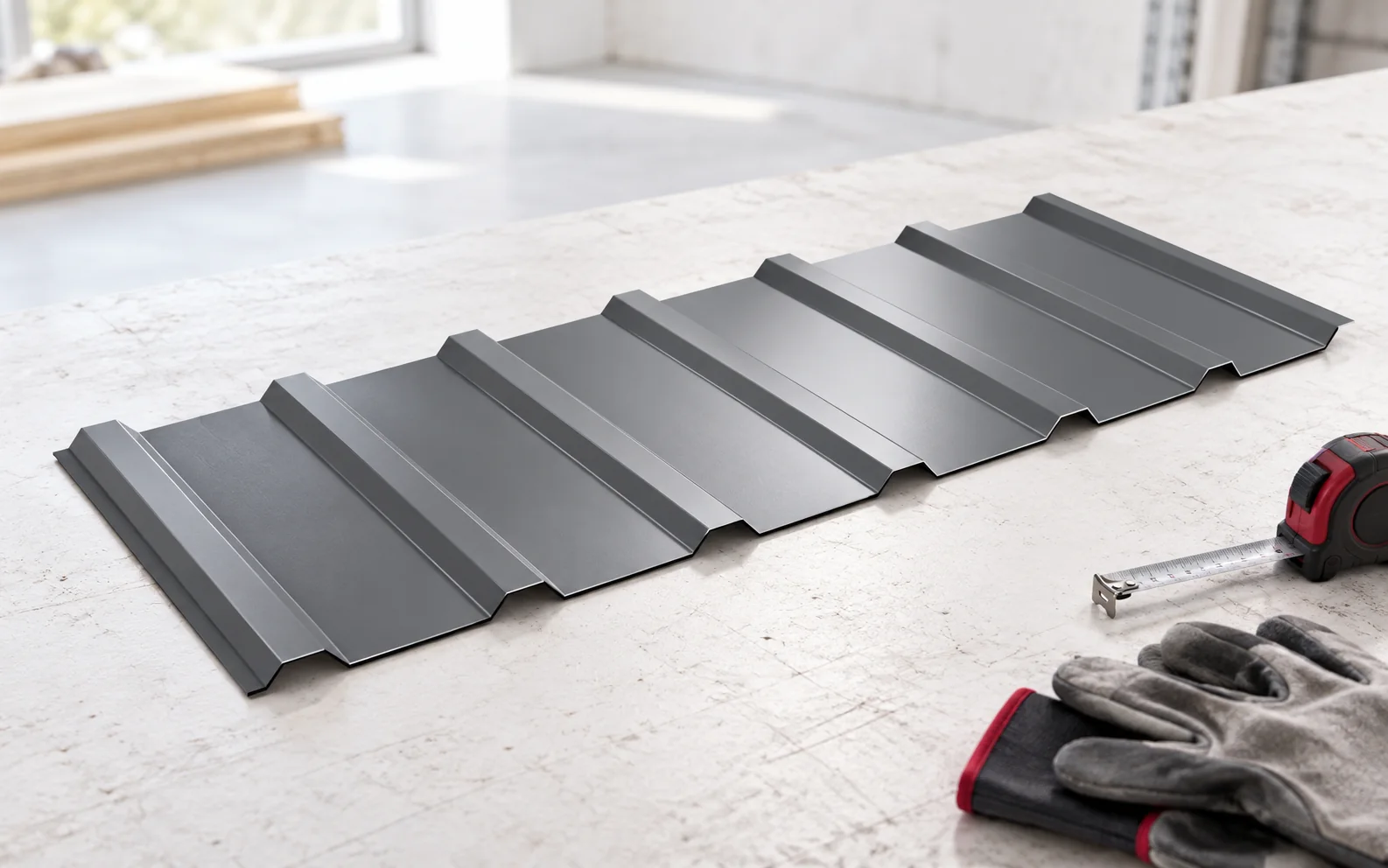
Correct installation of trapezoidal steel sheet on a roof depends on the material matching the design, on preparation of the supports and…
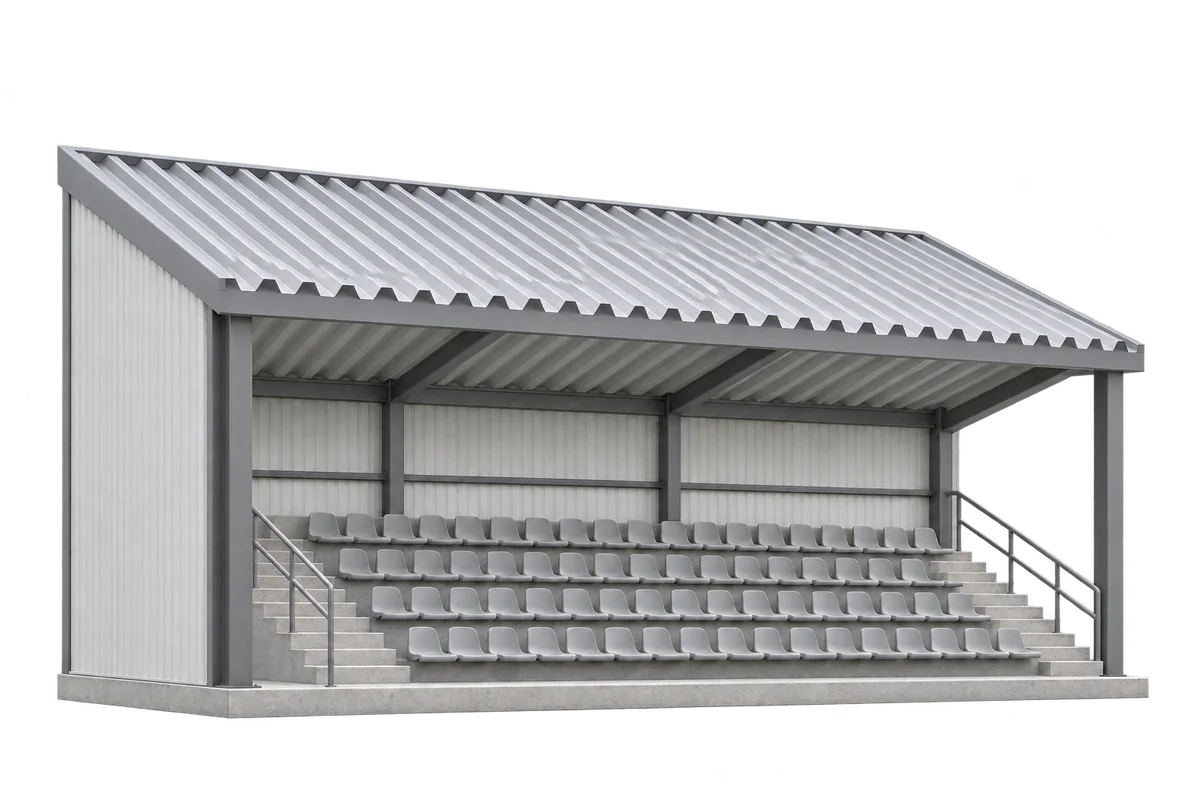
A grandstand roof shelters spectators from rain, and its underside often remains clearly visible. Trapezoidal steel sheets can perform various functions in…
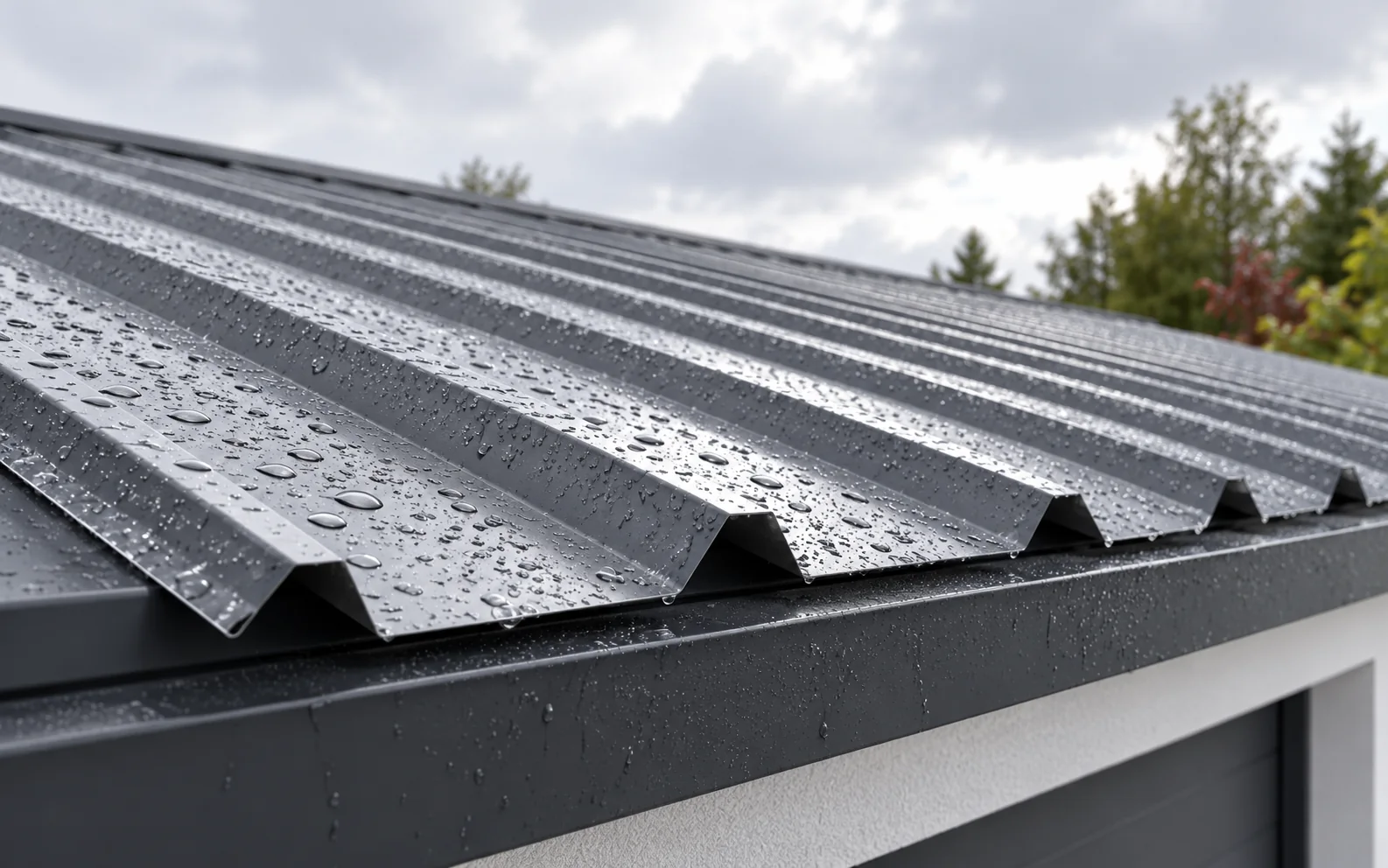
To assess a trapezoidal steel roof, look at the condition of the coating, cut edges, fixings and flashings. Faded colour may be…
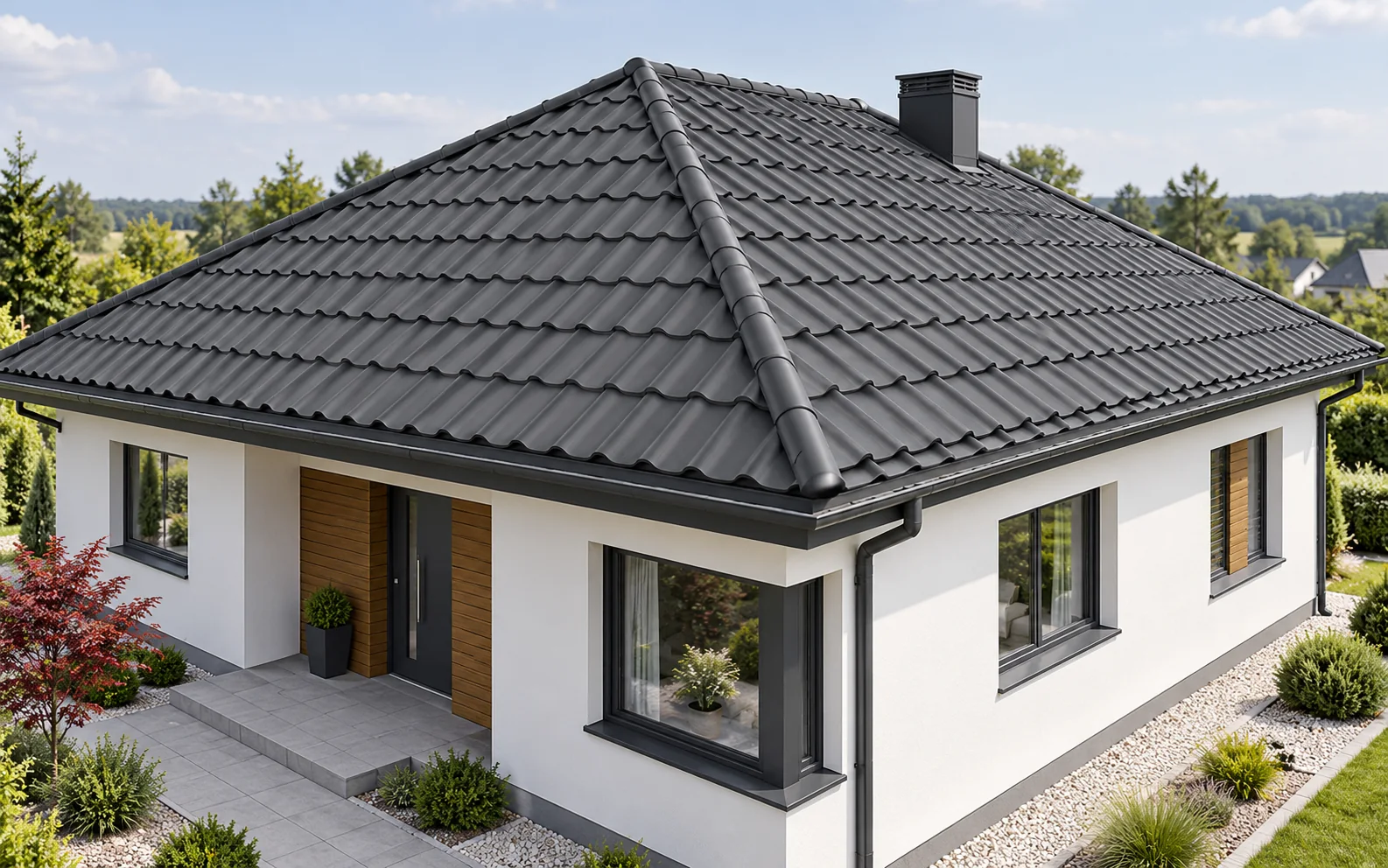
A hipped roof has four slopes. Over a rectangular plan, two are usually trapezoidal and two triangular. This form gives a coherent…
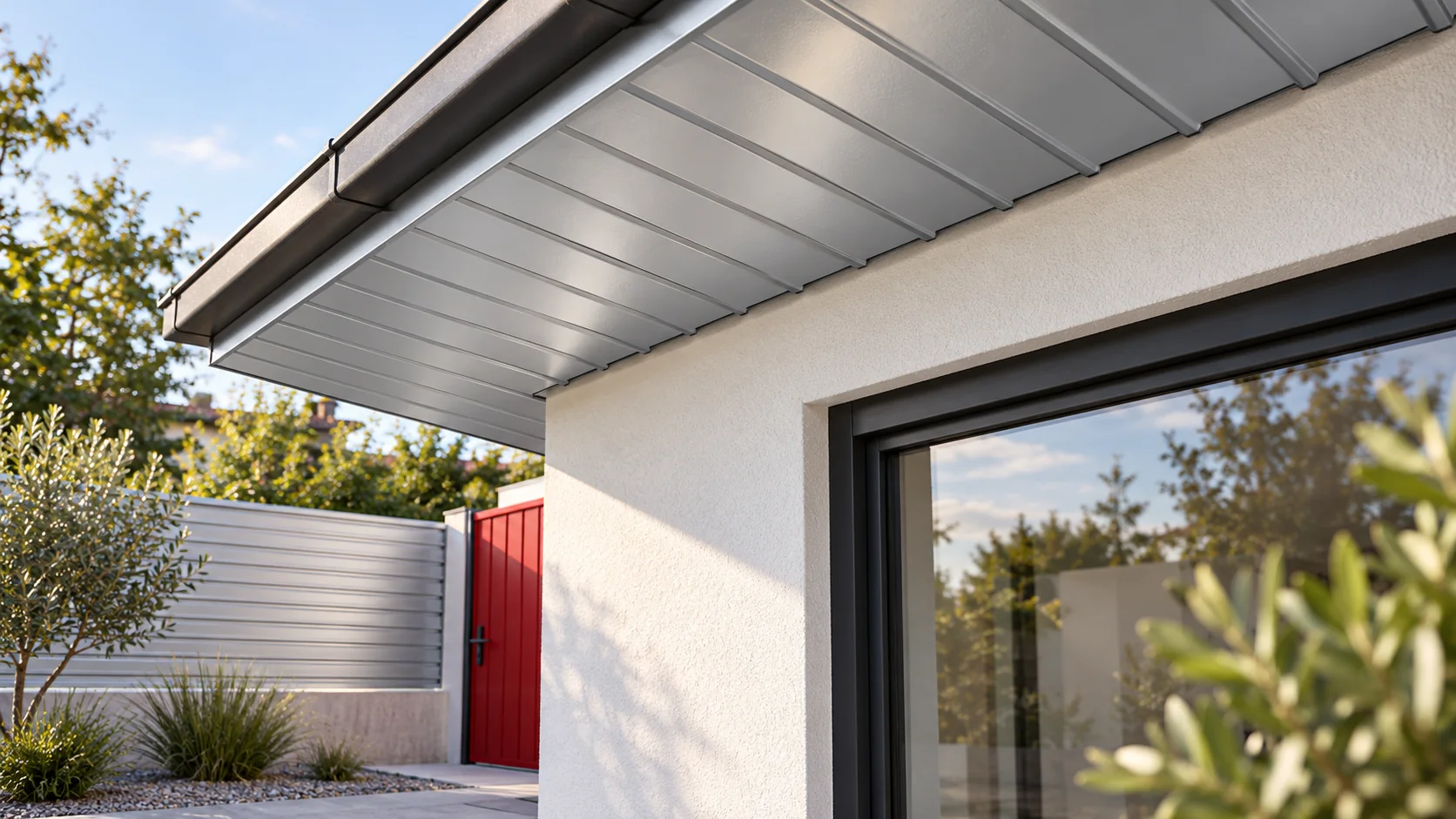
T7 is a shallow trapezoidal profile with closely spaced ribs that can suit a soffit, gate infill or lightweight wall lining. Its…
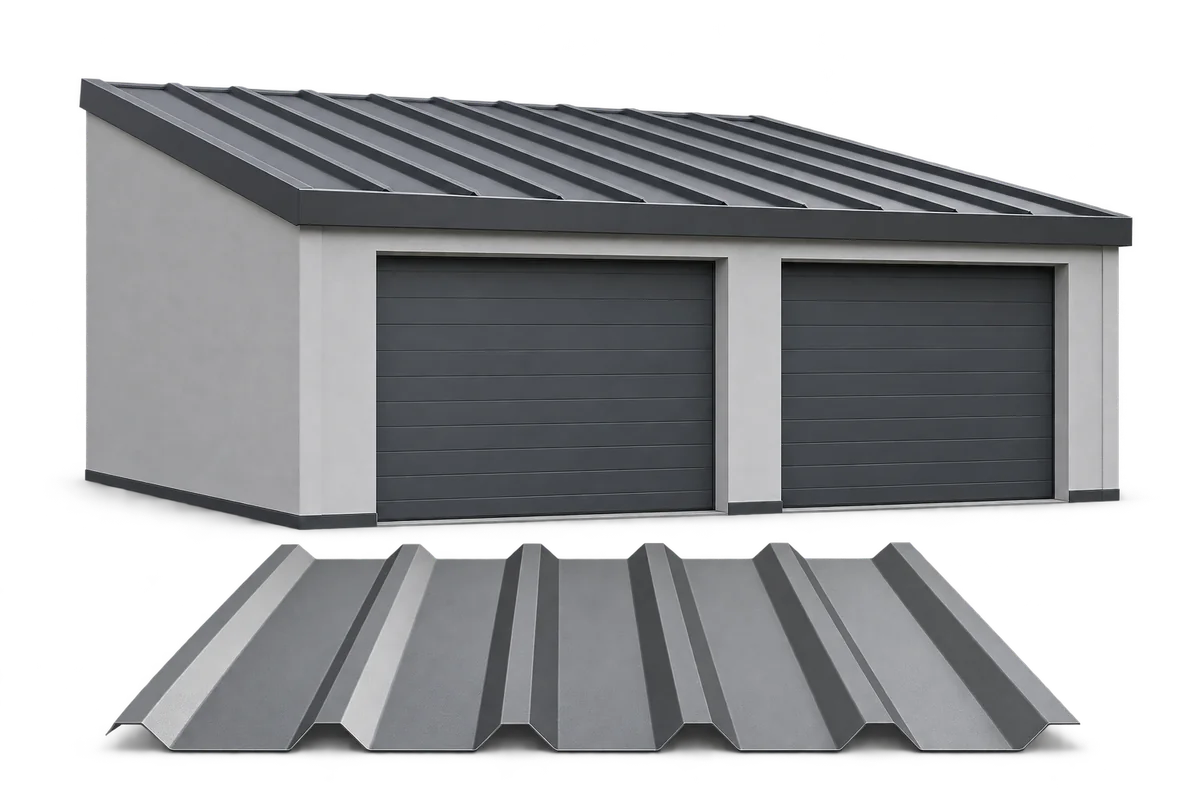
A garage clad with trapezoidal steel sheets benefits from an interior layout before openings and service routes are fixed. A car, shelving…