

Roof coverings
What determines the service life of a trapezoidal steel roof?
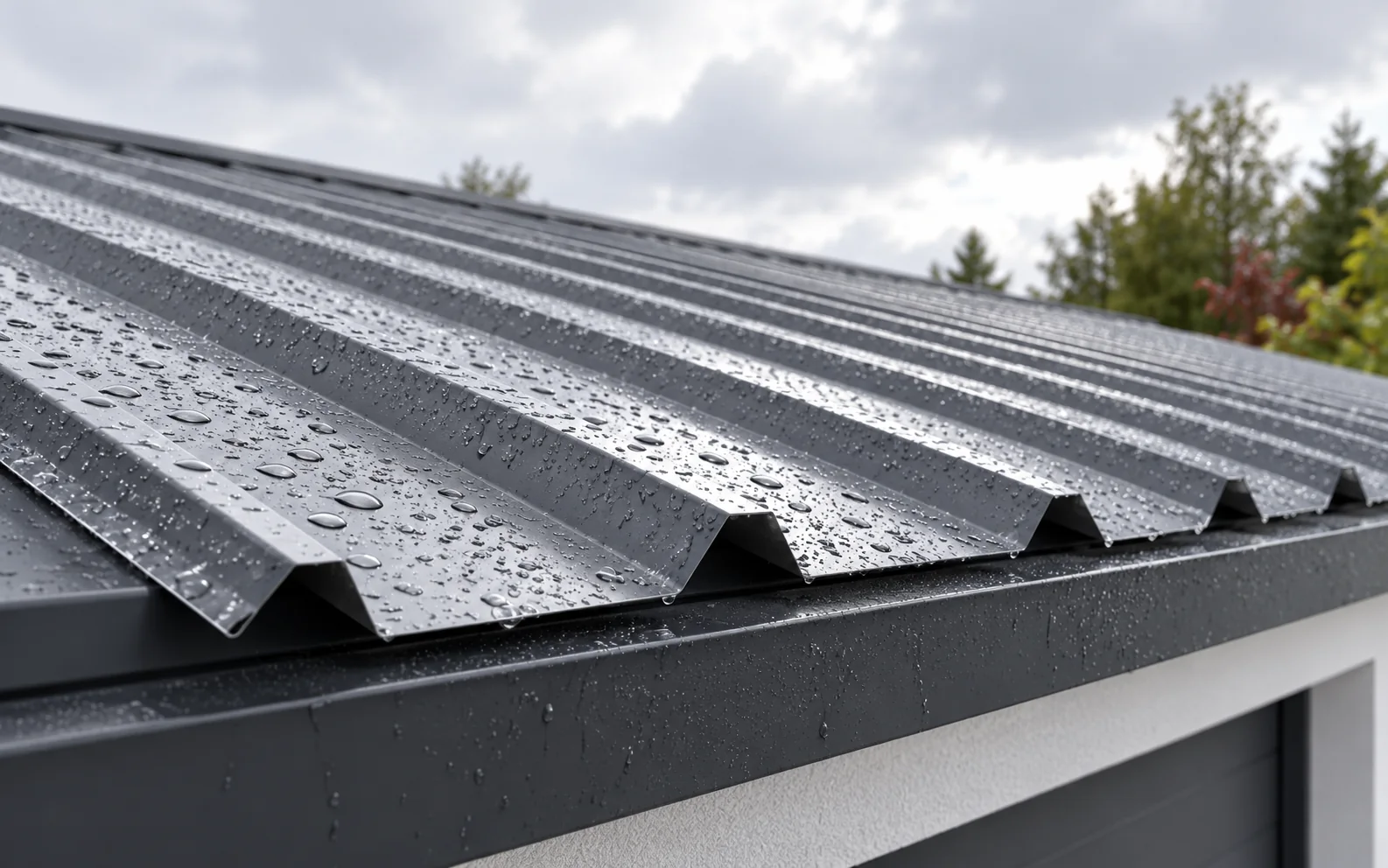
To assess a trapezoidal steel roof, look at the condition of the coating, cut edges, fixings and flashings. Faded colour may be purely cosmetic, while a small leak around a chimney can let water beneath a sheet that still looks sound. Pay particular attention to cut edges and places where leaves, deposits or moisture collect. Compare what you find with the maintenance instructions and warranty cover for the particular sheet. This helps you decide whether the roof needs cleaning, a local repair at a joint or a closer assessment by a roofer.
In this guide
Why does a lifespan in years tell only part of the story?
A roof can stay watertight after its colour changes. Equally, sheets that look sound can leak at a poorly flashed chimney. Appearance, resistance to perforation and the watertightness of the finished roof are separate aspects of service life. Assessing them individually makes it easier to decide what action is needed.
A long warranty applies to the conditions and defects listed in the document. Gutters, screws and flashings still need inspection during the warranty period. Sheets may also remain fit for service long after the warranty expires. Base decisions about repairs on their condition.
What protects the steel against corrosion?
The steel core gives the sheet its mechanical properties. The metallic coating and organic layers protect it from exposure. Check the complete coating system as well as the colour. For a T18 or T35 profile, the product documentation gives the type and specification of the protective layers.
A thicker paint layer does not give the same advantage in every environment. Its composition, resistance to corrosion and UV light, and the service conditions all matter. Compare products intended for the site in question. A colour sample alone cannot tell you how a coating will perform there.
How does the location affect the roof?
Salt, industrial dust and persistent damp can speed up surface deterioration. In livestock buildings, the indoor atmosphere can also attack the sheet. A coating suitable for the outside of the roof may give insufficient protection on the underside in a corrosive environment.
Look closely at areas sheltered from rain washing. Dirt can collect along walls, under trees and in roof valleys. A layer of leaves holds water and slows drying. Allow for these spots in the inspection schedule, even where the rest of the roof is clear and exposed.
Which mistakes shorten the life of roof sheets?
Damage can begin before installation. Moisture trapped in a stack of sheets can impair the coatings. Sliding sheets across one another scratches them. A long sheet with inadequate support during handling can distort and make it harder to fit the laps correctly.
Use cutting tools that avoid overheating the edges. Remove metal swarf, which can rust on the sheet and damage the surface. Check the compression of the sealing washers at the fixings too. Crushed or loose washers compromise the intended performance of the joint.

How can you distinguish ageing from failure?
Uniform loss of gloss has different implications from flaking paint and visibly corroding steel. One scratch may need only a local repair. Widespread corrosion at laps or on the underside calls for a closer investigation. The view from the driveway can miss important damage.
An inspection should cover flashings, outlets, fixings and surfaces beneath accumulated debris. A water stain in the loft need not mean a hole in the sheet. It can also come from condensation, a leaking service penetration or a damaged underlay.
Will a different covering always last longer?
When considering clay tiles, concrete tiles or insulated roof panels, compare the entire assembly. These materials age differently and call for different repairs. Extra weight alone gives no guarantee of a longer service life and can change the requirements for the supporting structure.
An insulated panel combines metal facings and an insulating core, so it serves different needs from a single trapezoidal sheet. Consider how the building is heated, how joints are sealed and how the covering can be maintained. Warranty durations alone leave these differences out of the comparison.
How should you plan long-term maintenance?
Set a regular inspection date and arrange an extra check after high winds, hail or work on the roof. Remove leaves and dirt by a method approved for the coating. Avoid unapproved solvents and abrasive scrubbing. Small defects are easier to repair when found early.
Keep photographs from successive inspections. They can show whether a mark is growing or appeared after work on the roof. Keep the coating and colour specifications with the photographs so you can match touch-up paint, flashings or a replacement sheet for a local repair.
Before you order
Photograph the same valleys, ridge, chimney and outlets from a safe position each season. A folder of comparable views gives a clearer record of change than trying to recall how the roof looked a year ago.
What to remember
Choosing a sheet suited to the surroundings and acting quickly on damage can extend a trapezoidal roof’s service life. Check the coating, the watertightness of the details and whether damp areas can dry. These observations help establish when repairs are due.
7 branches. Materials closer to your project.

Free quote
Materials for your project

You may also find useful…
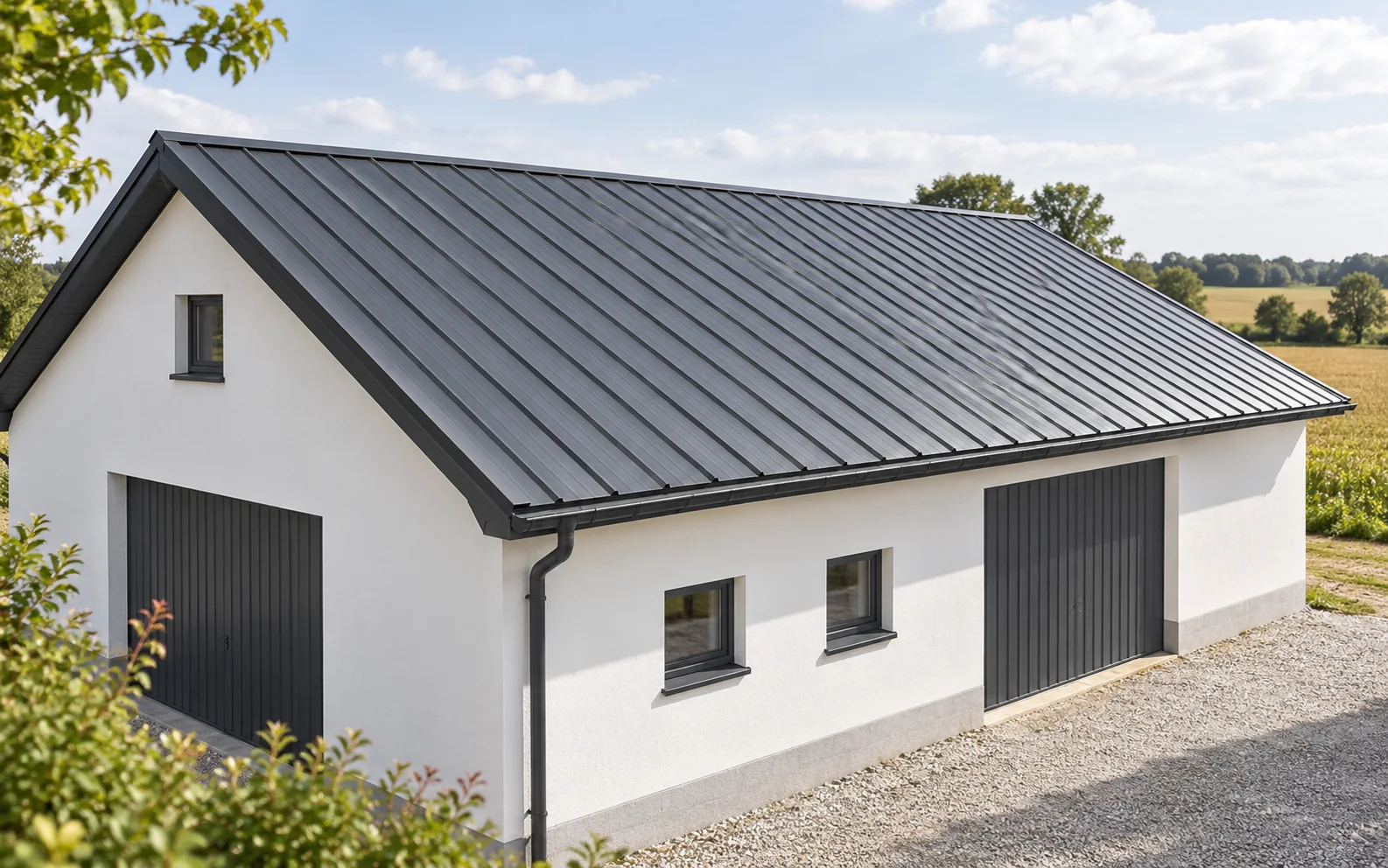
Trapezoidal steel sheet can look good on a traditional house if its profile, colour and details match the building's proportions. Not every…
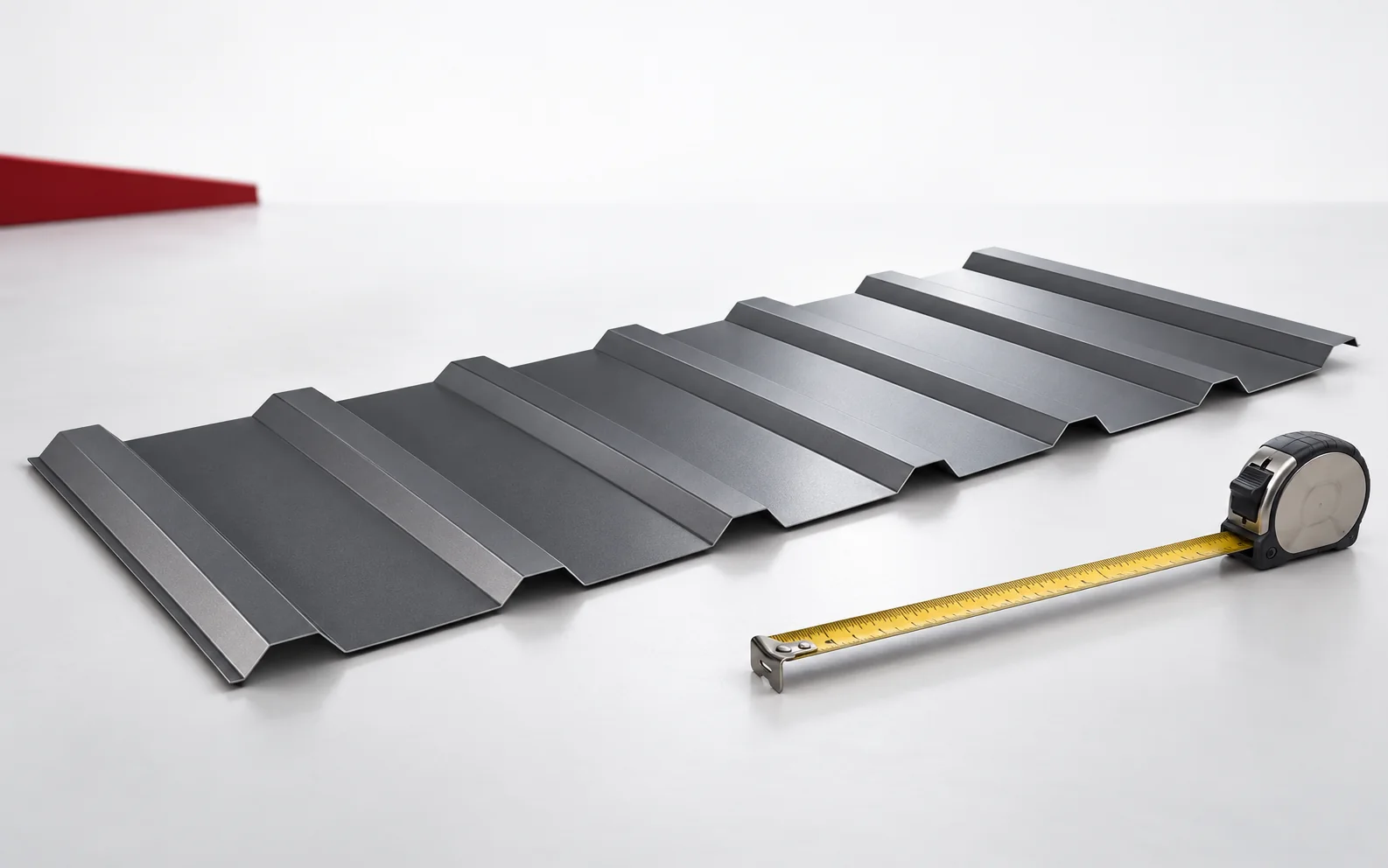
To calculate the weight of a T18 or T35 order, check the unit stated for the exact profile and steel thickness. If…
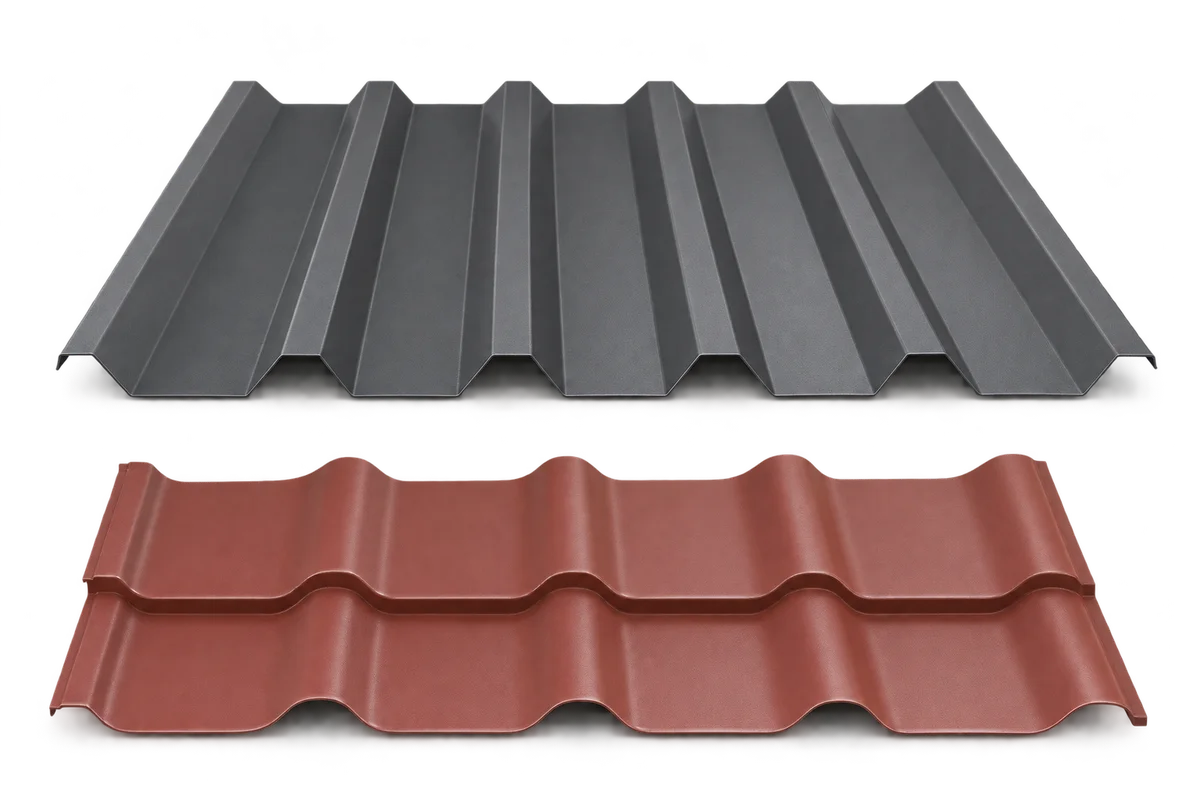
Trapezoidal steel sheets and tile-profile sheets are both lightweight roof coverings, but they differ in shape, support requirements and appearance. Start with…
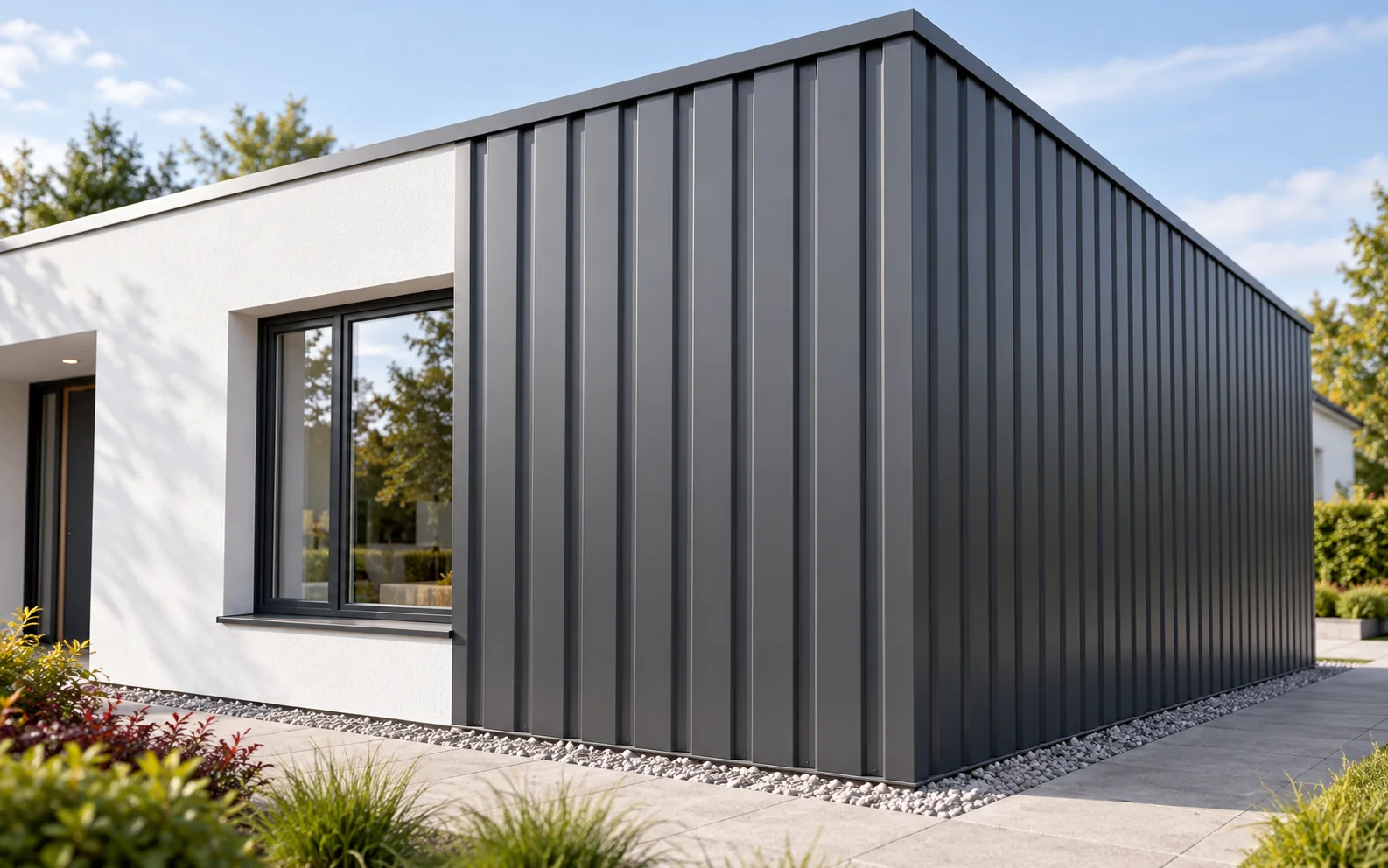
Trapezoidal steel cladding for a façade must suit the substructure, the wind load and the way water is drained. T18 gives a…
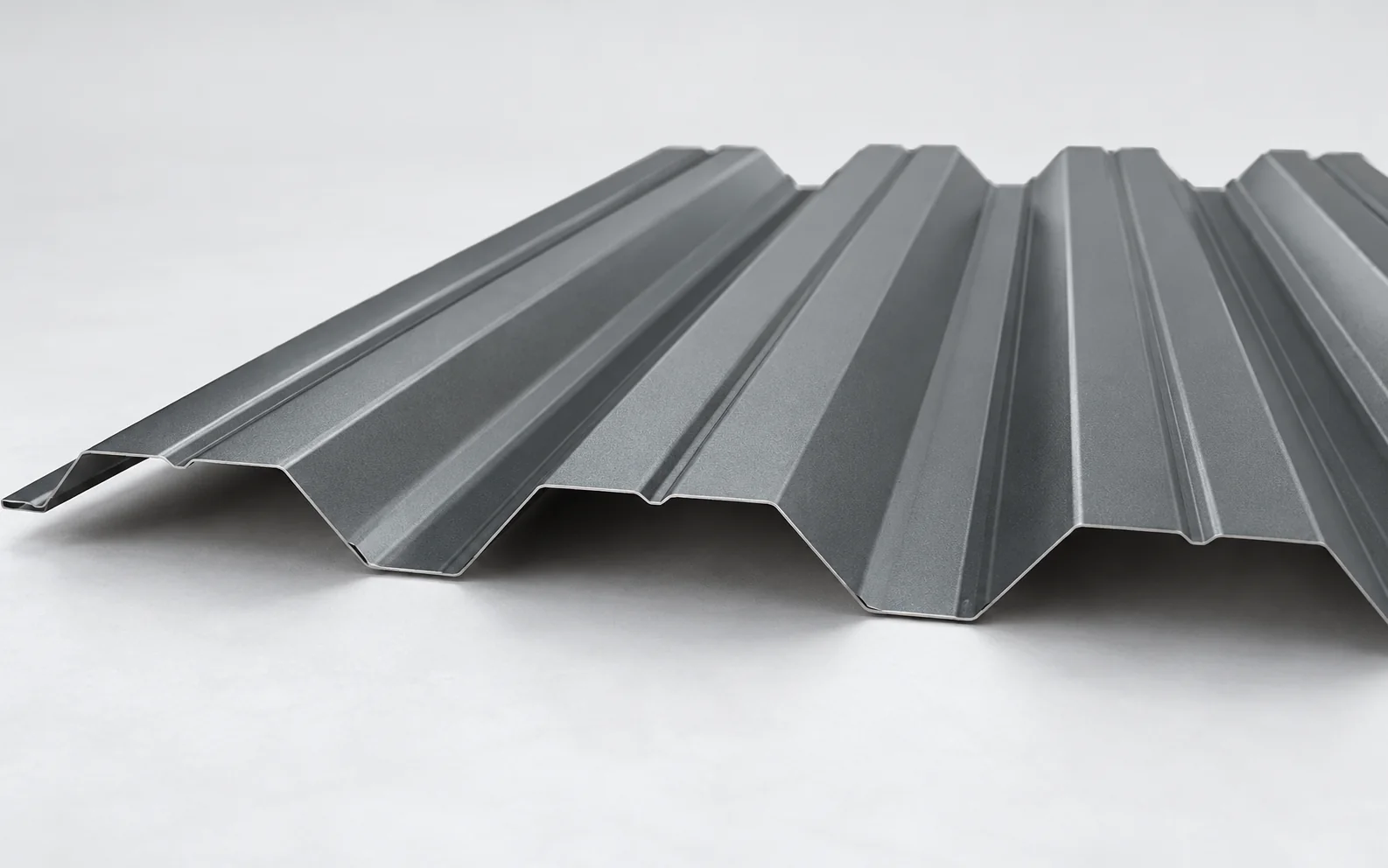
A cladding sheet closes a roof or façade and transfers its loads to the supports. A structural sheet is selected for a…
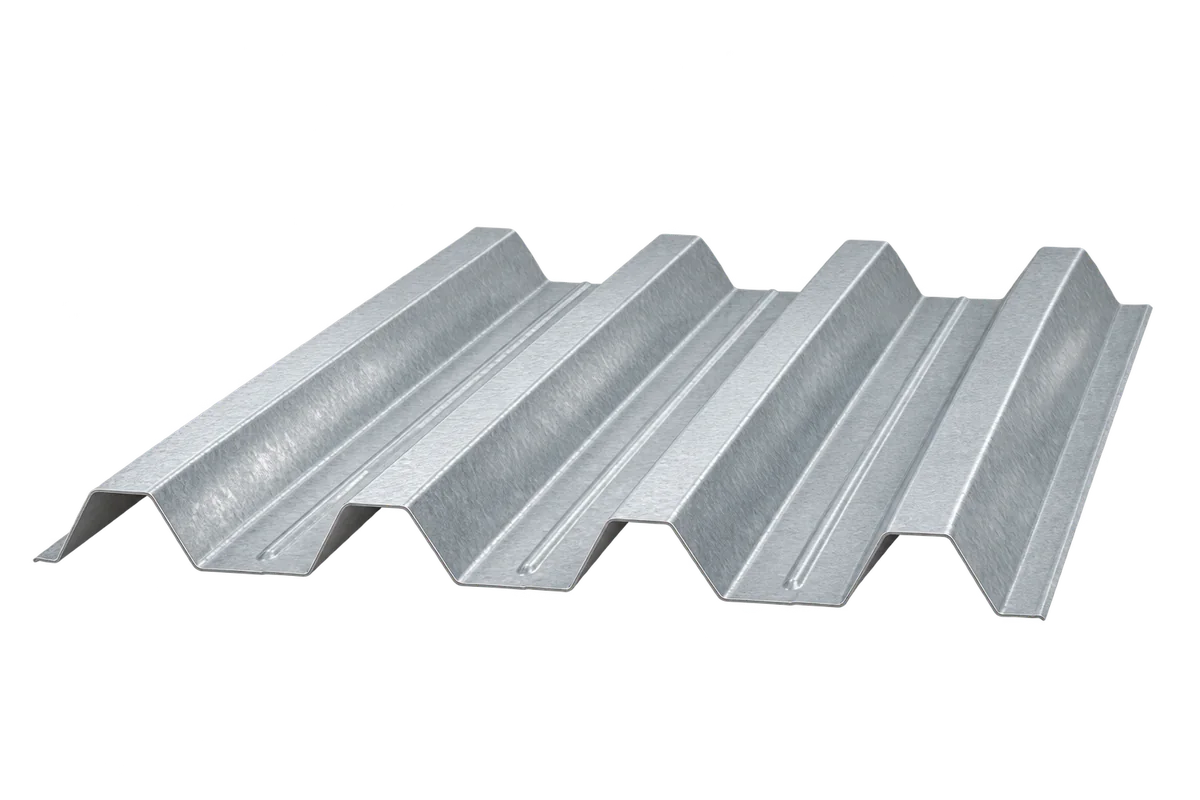
Selecting structural trapezoidal steel decking requires a description of the complete roof and its supports. Profile depth, sheet thickness and purlin spacing…
Before solar panels are installed on an existing roof, the designer, mounting supplier and roofing contractor need a shared set of information.…
The metal soffit is a finishing element that conceals the underside of the eaves and gives the roof a neat appearance. Its…