

Renovation and maintenance
How to repair a leak in a metal roof and when sealant is not enough?
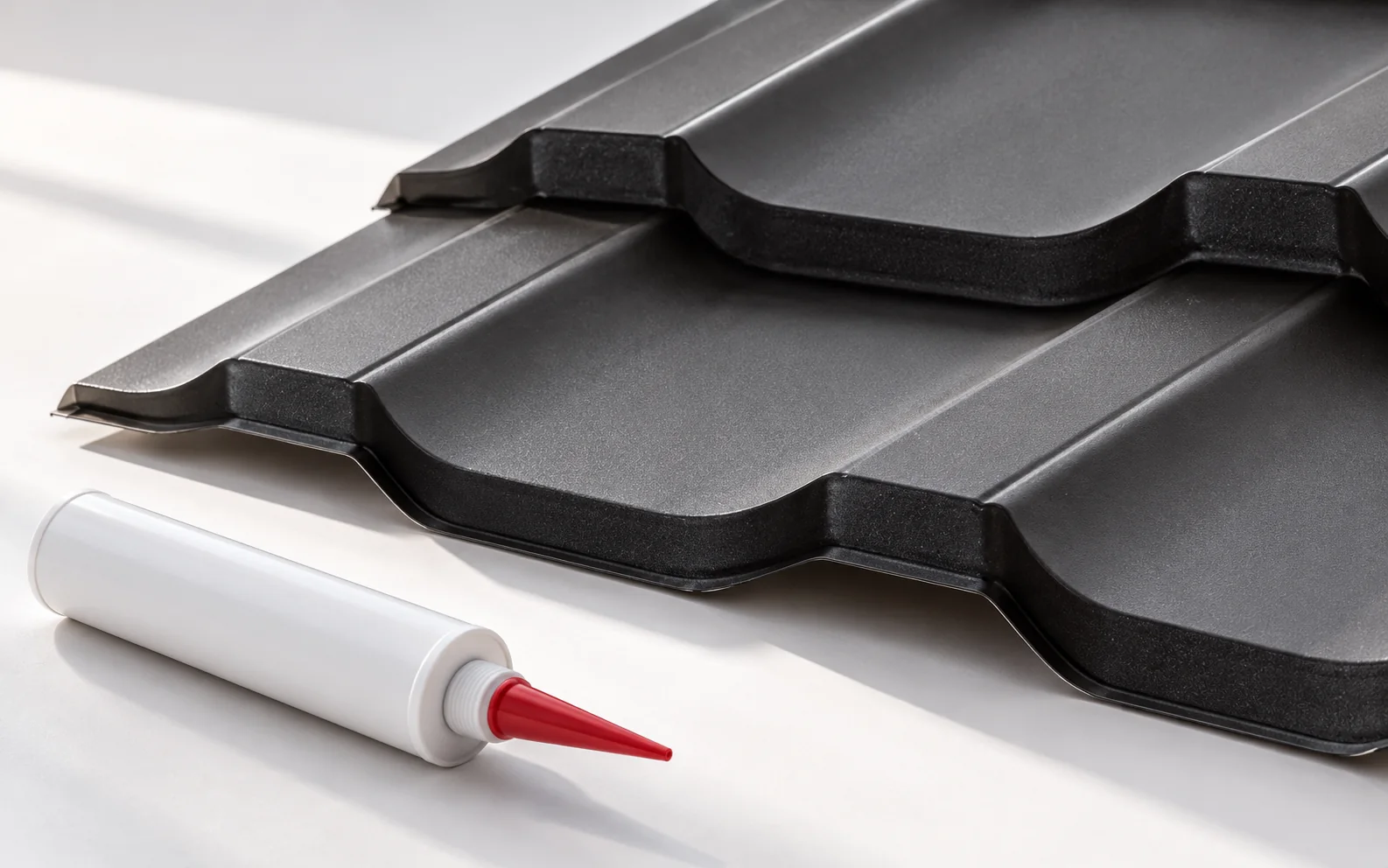
A leak in a metal roof requires determining the location and cause of the leak before reaching for a repair product. Tape, roofing compound and a new seal serve different purposes and are not interchangeable. A delaminated lap, faulty flashing or a corroded sheet may require a new joint or replacement. First, it must be ruled out that the water comes from outside the covering — from a damaged component, an incorrect joint arrangement or condensation under the metal sheet. A thick layer of compound in a random spot makes diagnosis more difficult and can create a barrier that traps water. It is also worth establishing when the problem occurs: a leak after rain on one side points to a different place to check than drops in winter across the whole roof slope.
In this article
Why not start by buying a tube?
A stain can arise from a damaged component, an incorrect joint arrangement or condensation under the metal sheet. Each of these cases requires a different response. Covering a random spot with a thick layer of compound can make diagnosis more difficult. Sometimes it also creates a barrier that traps water.
It is worth establishing when the problem occurs. A leak after rain on one side suggests a different place to check than drops occurring in winter across the whole roof slope. Water can migrate under the covering. Therefore, the position of the stain on the ceiling should not be equated with the place requiring sealing.
When is sealing tape useful?
Tapes are used in specific joints or as part of a repair permitted by the manufacturer. They must match the substrate, temperature and exposure conditions. A material working under a lap is not automatically intended for many years of exposure to the sun. Check the specific data sheet.
Surface preparation and pressure are important. Dust, moisture or a loose coating can weaken adhesion. The width of the tape should allow bonding to sound substrate. Sticking it to rust or peeling paint does not create a durable base, even when the adhesive itself seems strong.
How to choose roofing compound?
On the packaging, look for information on compatibility with metal and the existing coating, UV resistance and permitted application conditions. The ability to accommodate joint movement also matters. A product for a stationary gap does not have to perform between elements that expand thermally.
Not every silicone is suitable for coated metal sheet. Accidental chemistry can damage the material or bond poorly to it. The substrate is prepared according to the instructions of the compound and the covering. It should not be assumed that any compound can be applied to a wet, cold surface during an emergency.
What to do about a leaking screw?
First, the cause is checked. The seal may be aged, compressed or improperly pressed. The hole may have enlarged, and the support may not provide secure fixing. Simply tightening the existing screw is not always appropriate. It may additionally damage the washer or the sheet.
The repair requires matching the fastener and the sealing method to the actual condition of the joint. This should be assessed by a contractor familiar with the system. Covering all screw heads with compound without identifying the problem does not eliminate incorrect fixing. It does, however, make later inspection and possible replacement more difficult.

When must new flashing be made?
Flashing at a chimney or wall must lead water away from the contact point. If it has the wrong shape or an incorrect arrangement of laps, sealant alone will not ensure proper drainage. The same applies at a roof valley, where water gets under the sheets. The geometry of the detail is the first line of protection.
The repair may require dismantling part of the covering and making the joint anew. The underlay should be checked in the process. Leaving a damaged membrane under new flashing can perpetuate the problem. The visible element and the layers beneath it should form one functioning system.
When to replace a sheet or panel?
Extensive corrosion, major deformation or recurring leaks may justify replacement. A thin repair patch will not restore the missing rigidity of worn material. The condition of the edges, seams and fixings must be assessed. The scope of work depends on whether the damage is local.
In modular metal sheet, access to a panel may require detaching adjacent elements. With a long sheet, the work will cover a larger area. The new material should correspond to the actual geometry of the old covering. The label T18 or a similar colour alone does not guarantee compatibility of profile and laps.
How to secure the repair for the future?
After removing the cause, the wet insulation and substrate must be assessed. The layers do not always dry out by themselves after the hole is sealed. The contractor should define the method of inspection and document the materials used. It is also worth keeping photographs of the prepared substrate before applying the compound.
An inspection of the repaired area is best scheduled after conditions in which the leak previously occurred. A check from a safe position will allow assessment of whether moisture is returning. If the problem recurs, a new diagnosis is needed. Adding further layers without determining the cause usually complicates the renovation.
Tip before ordering
Before using a repair product, record the name of the coating type and photograph the damage. Check in the product data sheet the compatibility with the substrate, the application temperature and the exposure conditions. The colour of the tube does not describe these properties.
What is worth remembering?
Sealant makes sense as part of a properly selected repair. It will not replace correct flashing, fixing or a sound sheet. Effectiveness depends on identifying the cause and preparing the substrate, and then on monitoring the drying of the roof layers.
7 branches. Materials closer to your project.

Free quote
Materials for your project




You may also find useful…
In an integrated photovoltaic roof, a single system performs both the covering and the energy-generation function. This can avoid some of the…
Lightweight coverings include, among others, tile-effect metal roofing and trapezoidal steel sheet. The roof membrane alone may also have a low weight,…
Roof defects often arise before the last sheet is laid. An uneven substrate, a damaged coating, incorrect fixings, interrupted ventilation and faulty…
Choose garage roof panel thickness according to how warm the space needs to be in winter and how it will be ventilated.…
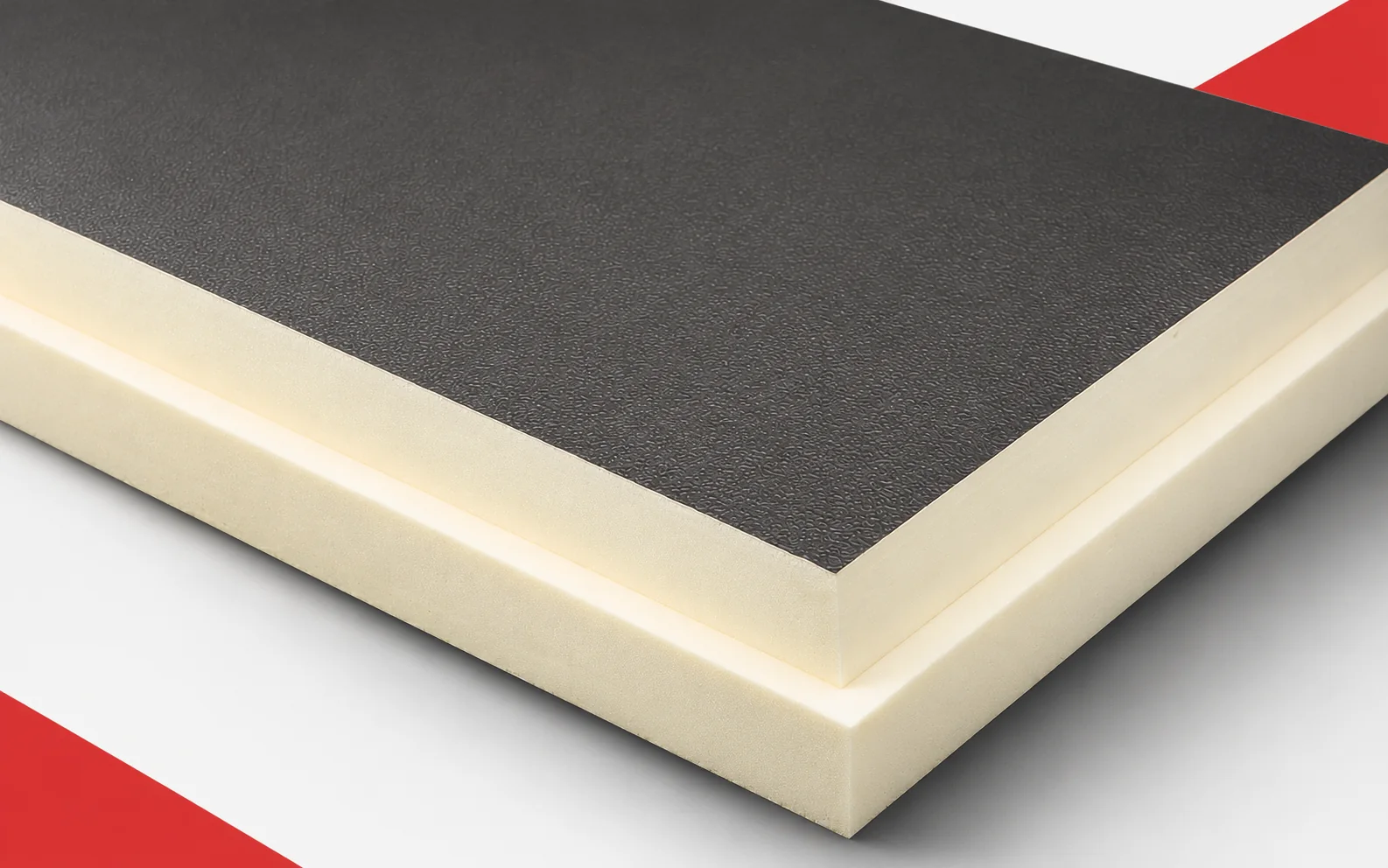
On a rectangular roof area, the large FA format makes it easier to plan a regular layout. The thermal effect, however, depends…
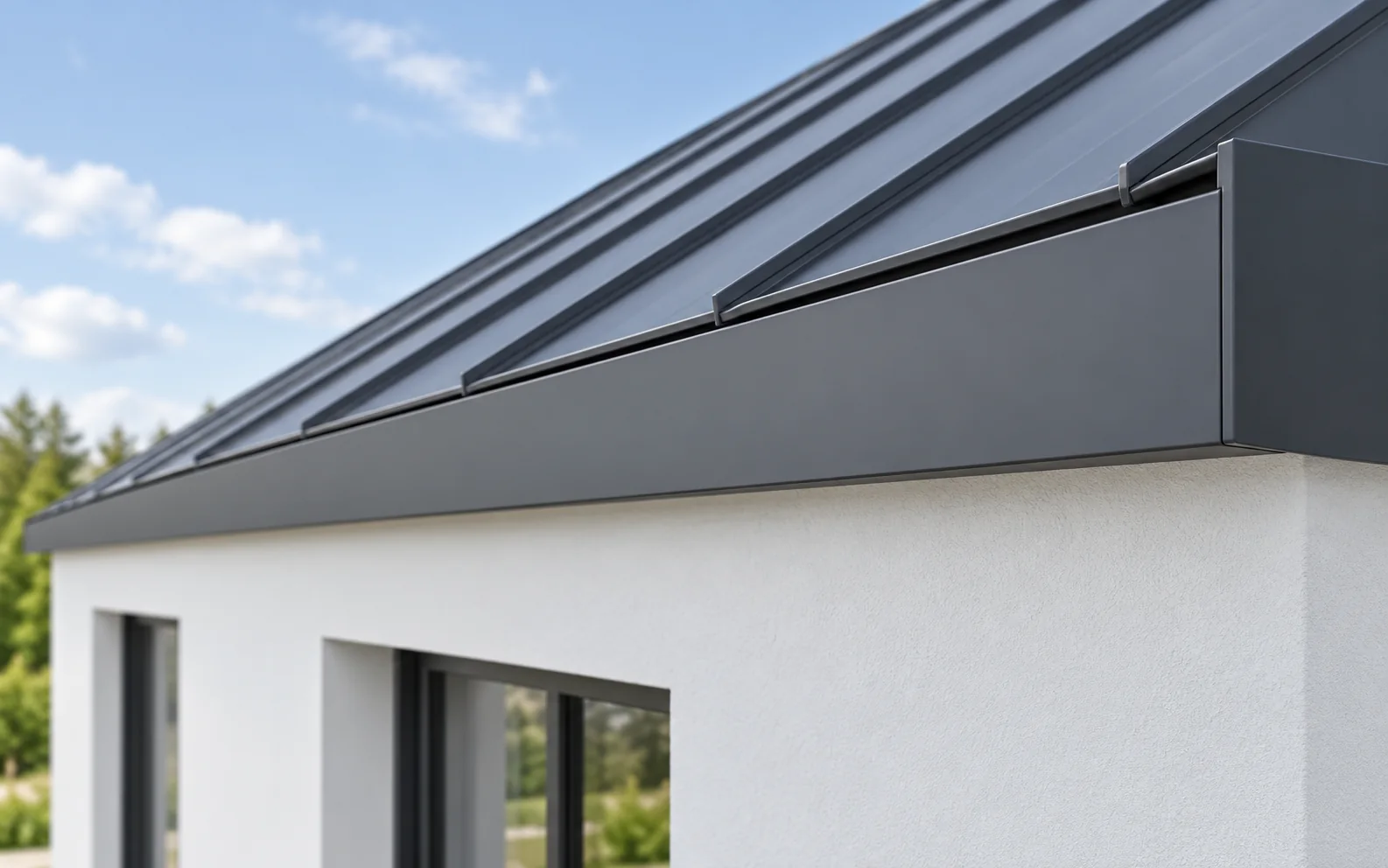
Concealed gutters can be combined with a metal roof if the entire eaves have been designed for such drainage. The right flashings…
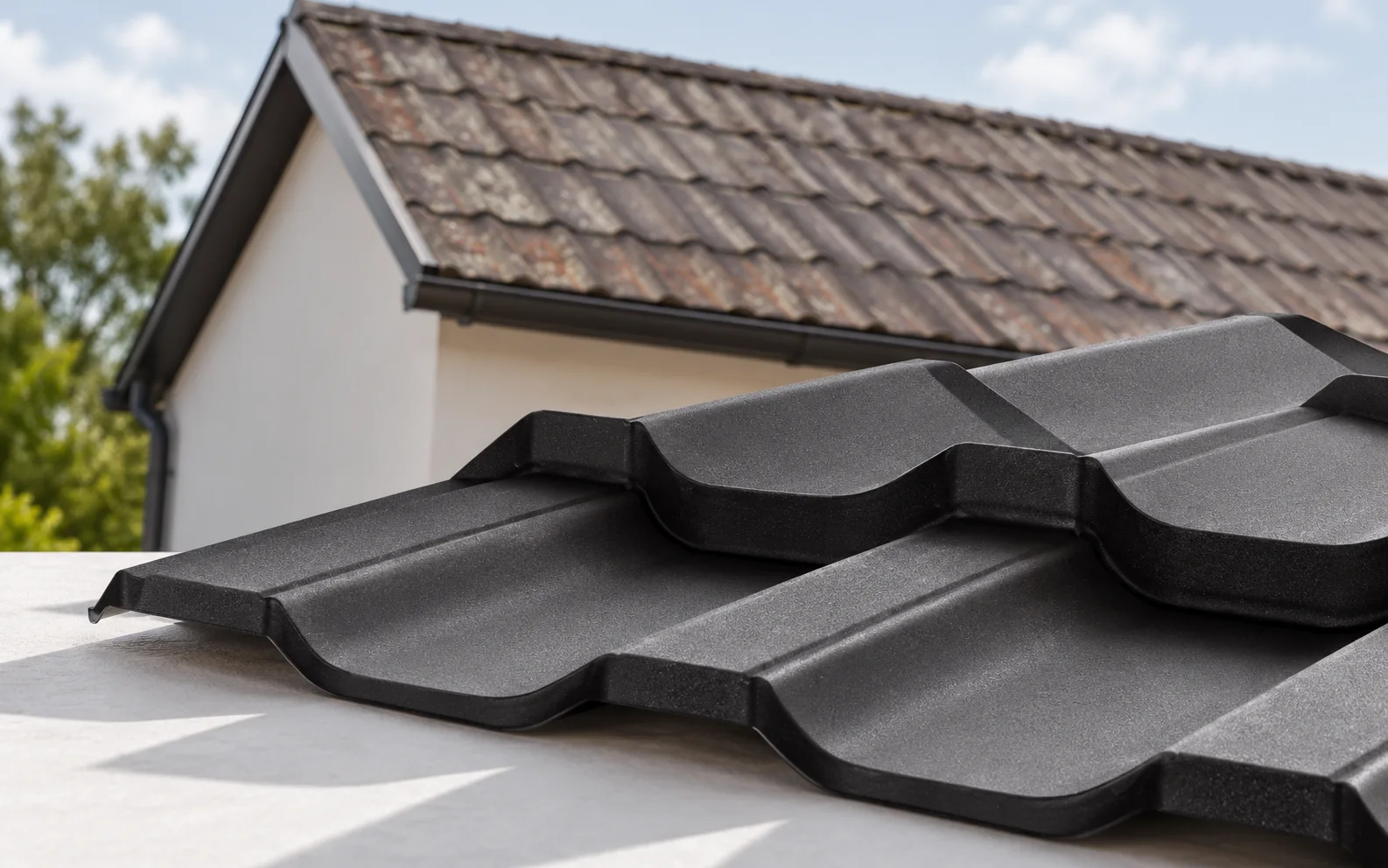
The decision depends on the extent of the damage, the condition of the structure and the cause of the problem. A single…
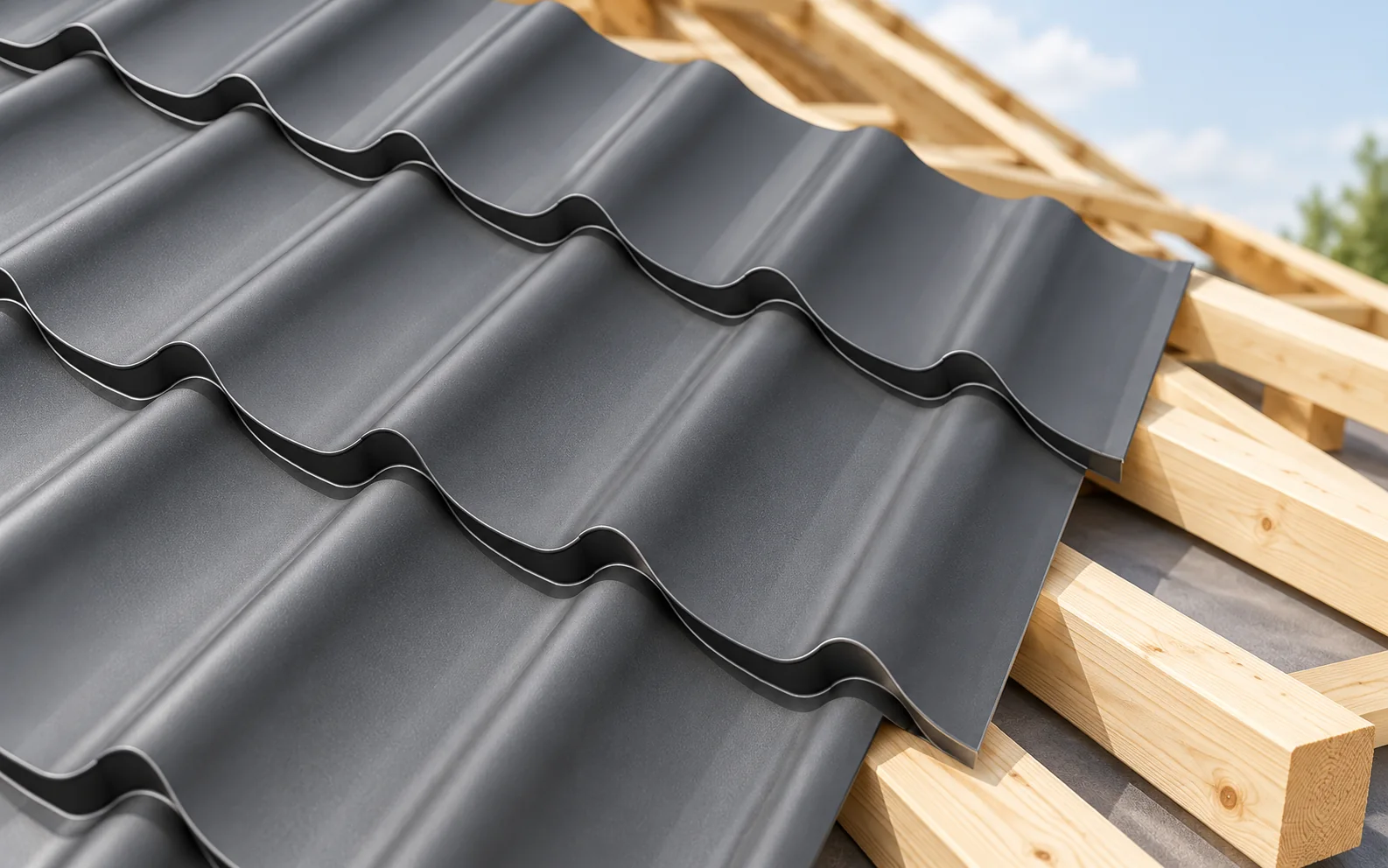
To compare quotations for a timber roof structure, give each carpenter the same drawings, timber species, strength class and installation scope. Check…