

Roof and energy
Does an integrated solar roof save materials?
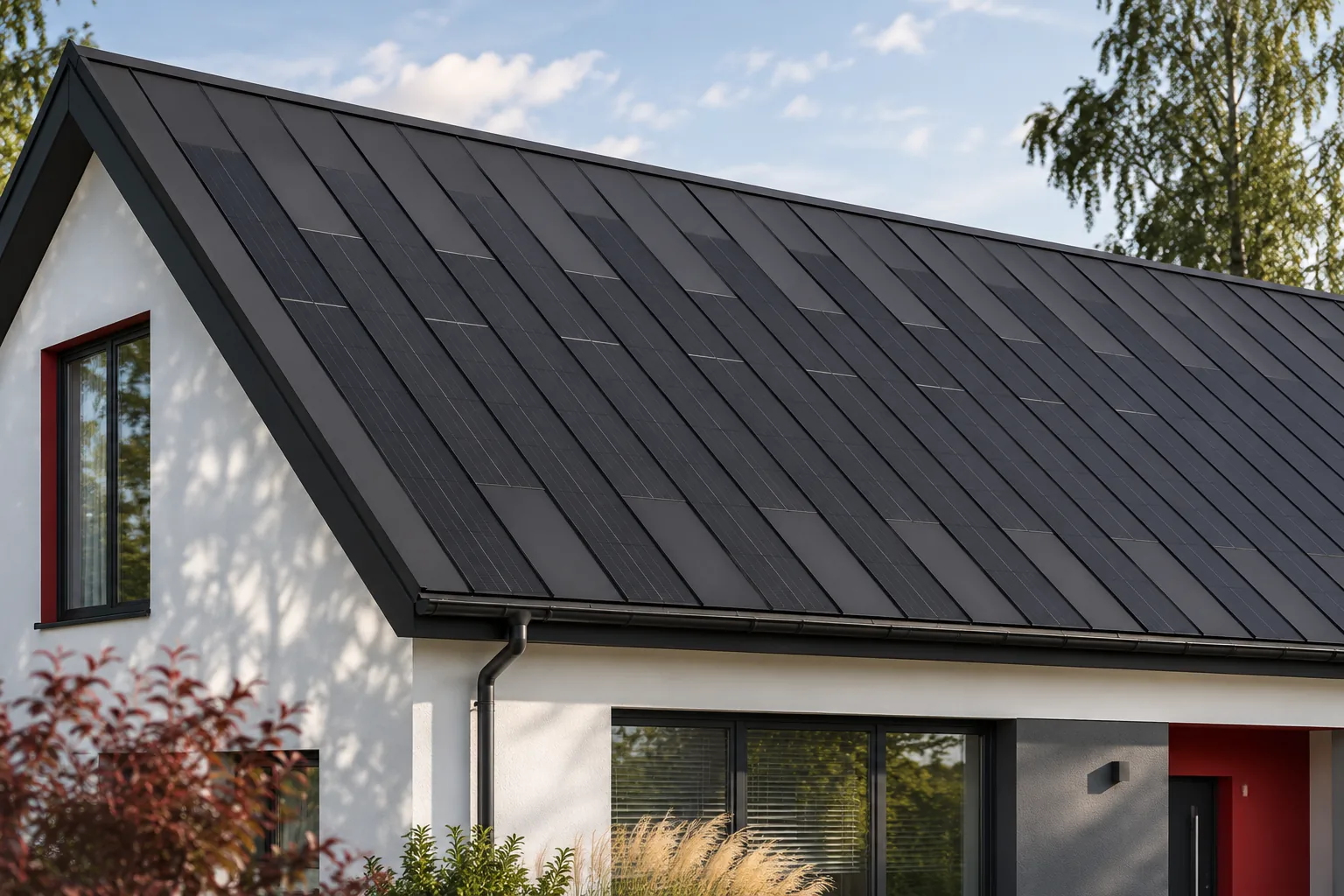
In an integrated photovoltaic roof, a single system performs both the covering and the energy-generation function. This can avoid some of the materials needed for a separate roof plus panels mounted above it. However, it does not mean that every BIPV roof is automatically lighter or has a smaller environmental footprint. The complete assembly, durability, repairability and the extent of the covering being replaced must be checked. Only such a comparison is meaningful. In a traditional arrangement, the finished covering protects the building and a separate PV installation sits above it. Fixing structure and roof connections are added. An integrated steel panel can combine some of these functions. The active section is then part of the covering system rather than equipment placed on a second complete roof.
In this article
Which components stop being duplicated?
Material savings depend on the details of the solution. A roof panel with factory-integrated photovoltaics works differently from modules set into special boards that replace roof tiles. Both arrangements can be integrated into the roof slope. However, they should not be attributed the same number of layers or the same mass.
Which layers are still needed?
The building must retain a structure capable of carrying the loads. A roof over a heated interior needs thermal insulation and an appropriate moisture solution. A membrane, decking and ventilation space may be required beneath the covering. Their scope is determined by the design and the system instructions, not by the mere fact that cells are used.
Material reduction should therefore not mean deleting necessary protections. An over-simplified roof may later require costly repair. In the environmental balance, premature replacement of layers also matters. Sensible saving consists in avoiding unnecessary duplication of functions while maintaining full building requirements.
Why are a new roof and a sound old covering different situations?
For a new build, a single material arrangement can be chosen from the outset. The same applies to renovation when the covering has reached the end of its service life. In that case the argument for combining functions is strong. You are comparing two possible ways of carrying out a necessary investment, rather than removing material that was only recently installed on the roof.
If the existing covering is in good condition, its premature removal creates additional cost and waste. This effect cannot be ignored simply because the new solution looks more coherent. In such a situation it is worth comparing modernisation while retaining the roof with a replacement variant. Each should cover the period of further use of the materials.
Does lower mass mean a lower environmental burden?
Mass helps to assess transport and structural load, but it does not describe the entire impact of a product. Different materials require different amounts of energy for production. The origin of raw materials, durability and subsequent processing also matter. A kilogram of steel, glass or plastic is not an equal unit of environmental burden.
For a comparison, data are needed for complete systems with a similar function and service life. If an environmental declaration is available, check exactly what it covers. A document for a single component does not automatically describe the roof together with its electronics. Without comparable data, it is better to speak of a reduction in selected materials than of a fixed reduction in emissions.
How does repairability affect the outcome?
The roof should allow a damaged component to be replaced without unnecessarily dismantling a large part of the roof slope. It is worth checking access to the connections and how watertightness is restored. The compatibility of later spare parts is also important. A durable product has greater utility value if it can be kept in operation.
Separate service lives apply to the covering, the modules and the electrical equipment. An inverter may require attention at a different time from the sheet metal or glass. The design should take this difference into account. The entire system should not be presented as a single product that must either be thrown away in full after the warranty expires or never serviced beforehand.
What questions should be put to the supplier?
Ask for a list of the components needed to complete the roof. Ask what conventional covering the active section replaces and which components remain beneath it. Then check the mass of the complete assembly and the method of repair. This makes it possible to distinguish genuine integration of functions from a mere change in the appearance of the installation.
It is also worth finding out how the components are to be handled at the end of their use. Do not assume that every bonded part can be easily separated on site. The best material argument is a specific design that reduces unnecessary components and retains its function for a long time. An environmental slogan should follow from these characteristics, not replace them.
Examples of companies and brands in roof-integrated photovoltaics are Ennogie, Wienerberger Wevolt, SolRoof, SunRoof, ML System, Tesla, Electrotile, MDM NT (MyRoof), Dyaqua and BIPVco.
7 branches. Materials closer to your project.

- SEROCK — Dzierżenin 34 E
- BŁONIE — ul. Sochaczewska 138A
- RADOM — ul. Grobickiego 8
- ŁÓDŹ — Natolin 8
- OLSZTYN — Barczewo, ul. Prosta 9
- WROCŁAW — ul. Jerzmanowska 10C
- GORZÓW WLKP. — ul. Zielona 33/34
Free quote
Materials for your project
You may also find useful…
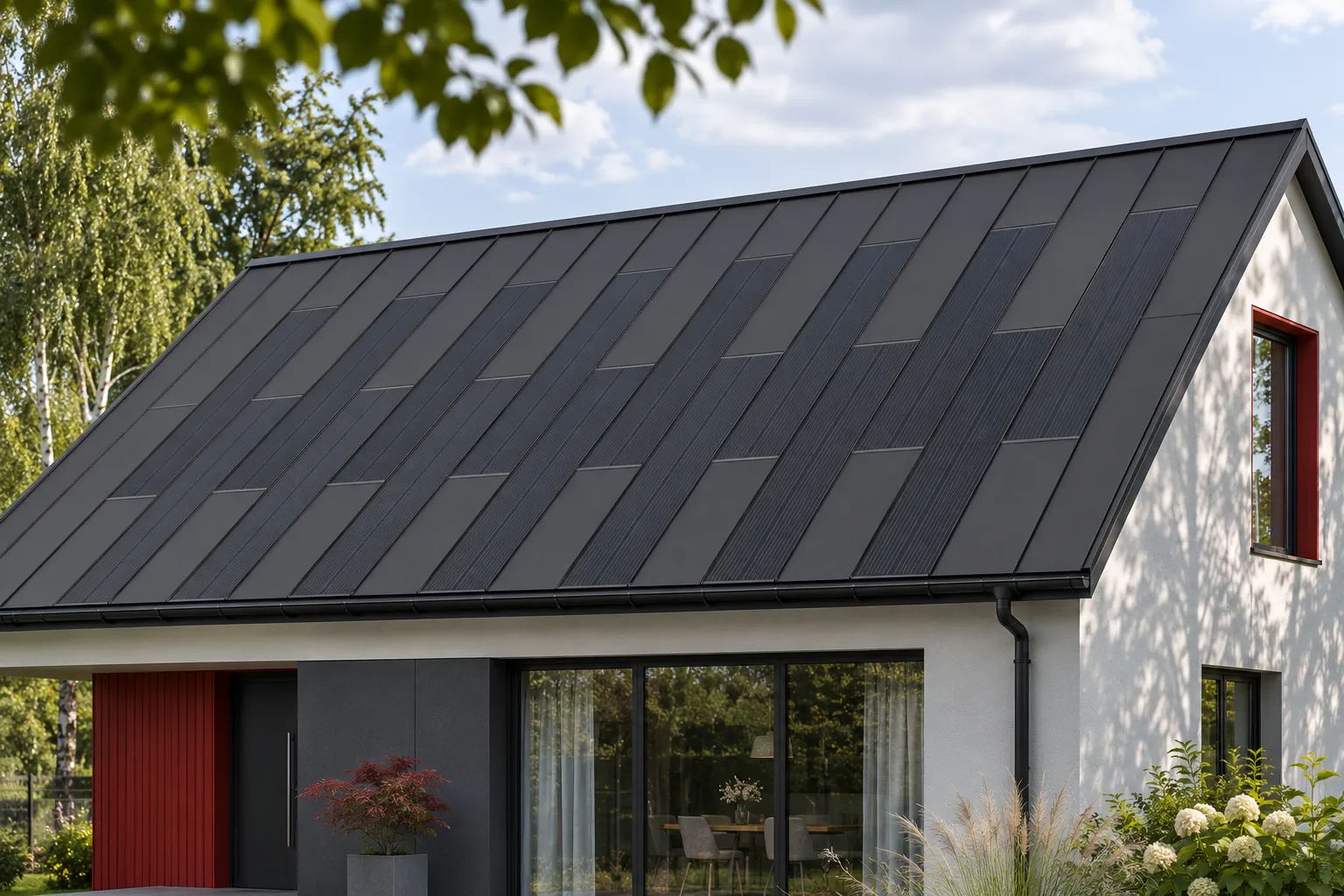
Not every section of an integrated roof has to contain cells. The active part produces energy, while passive elements complete the covering.…
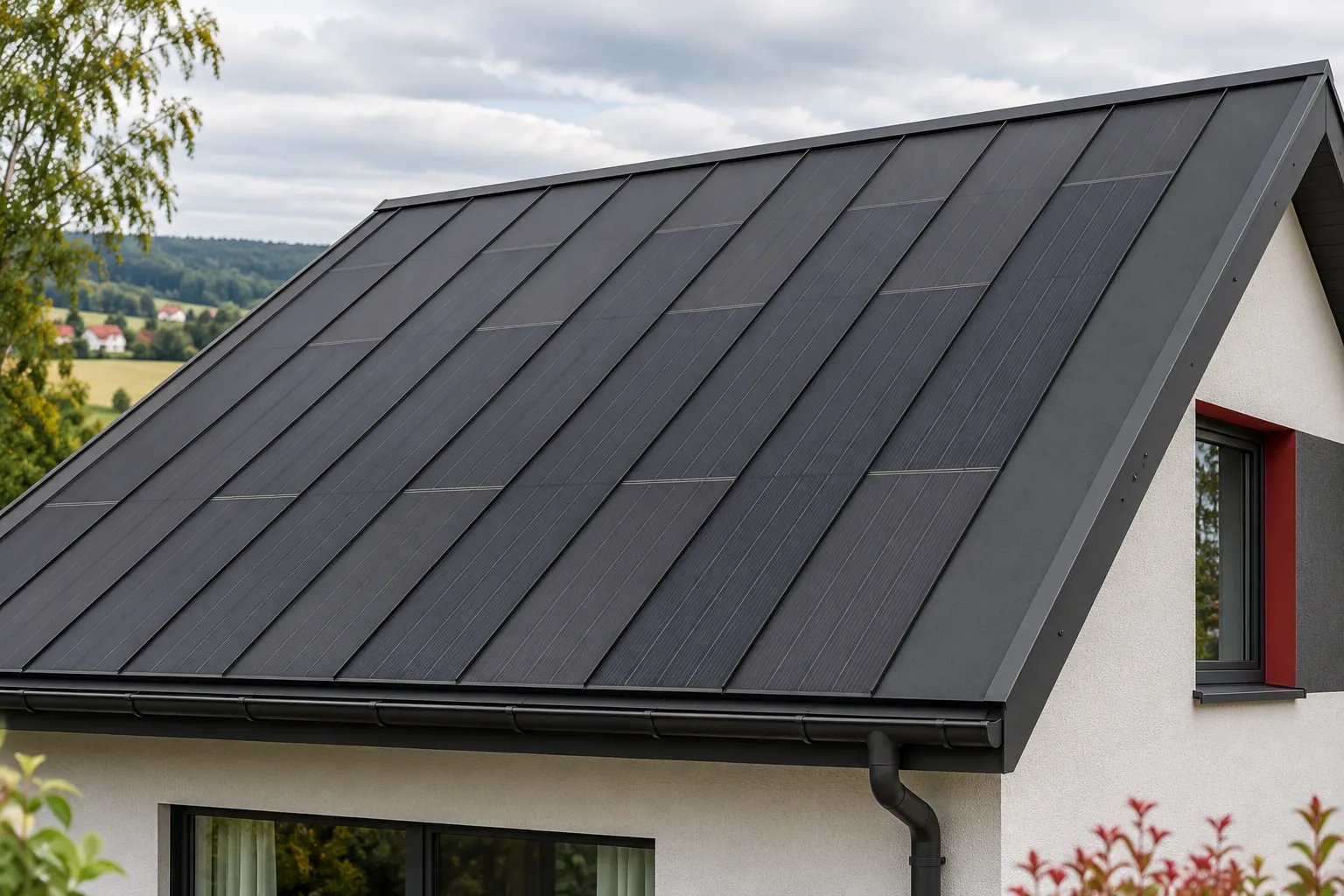
Solar power generation is only one part of a roof's environmental assessment. Material production, transport, installation, repairs and end of life also…
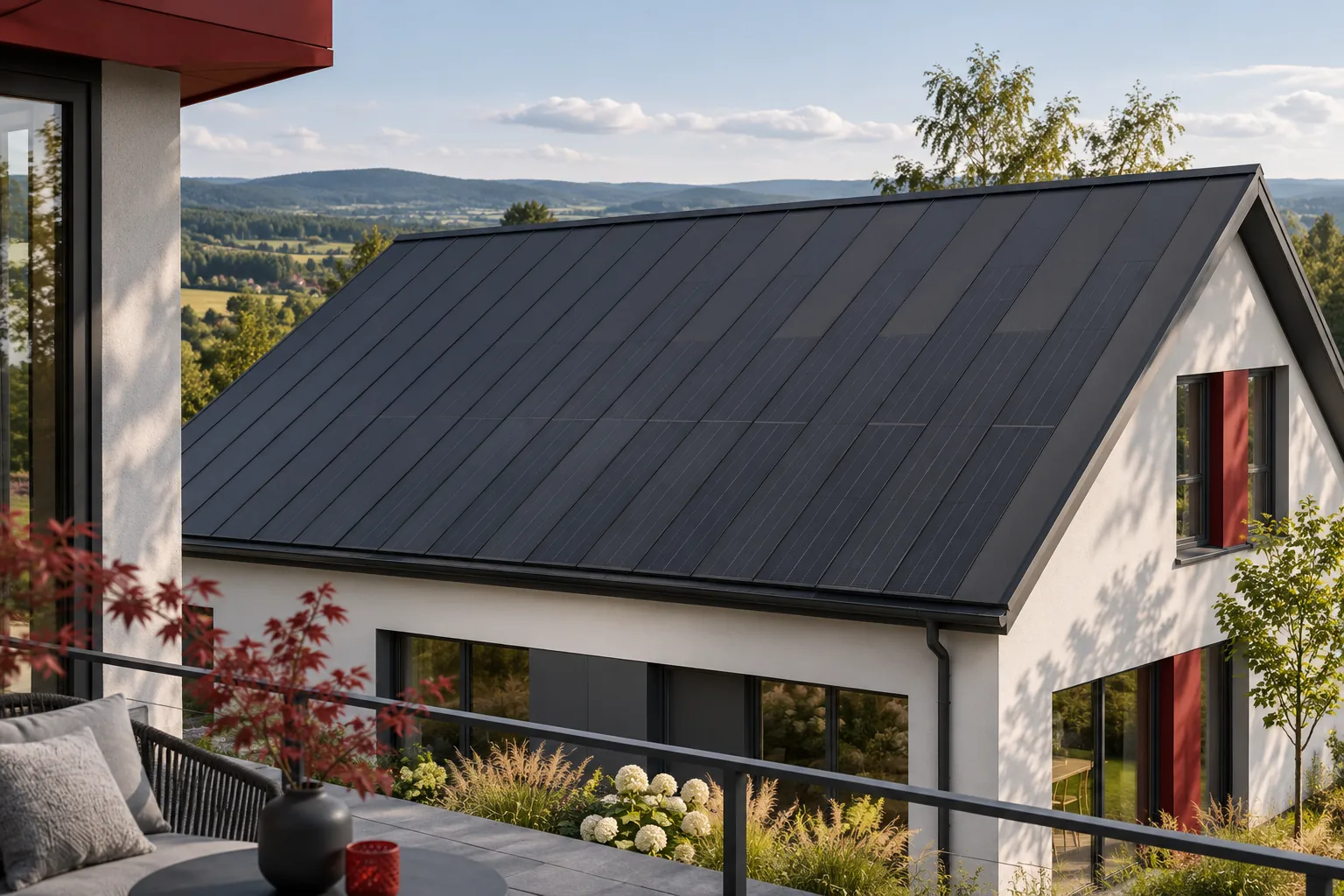
An integrated photovoltaic roof can be a strong selling point for a house, but it does not guarantee a predetermined increase in…
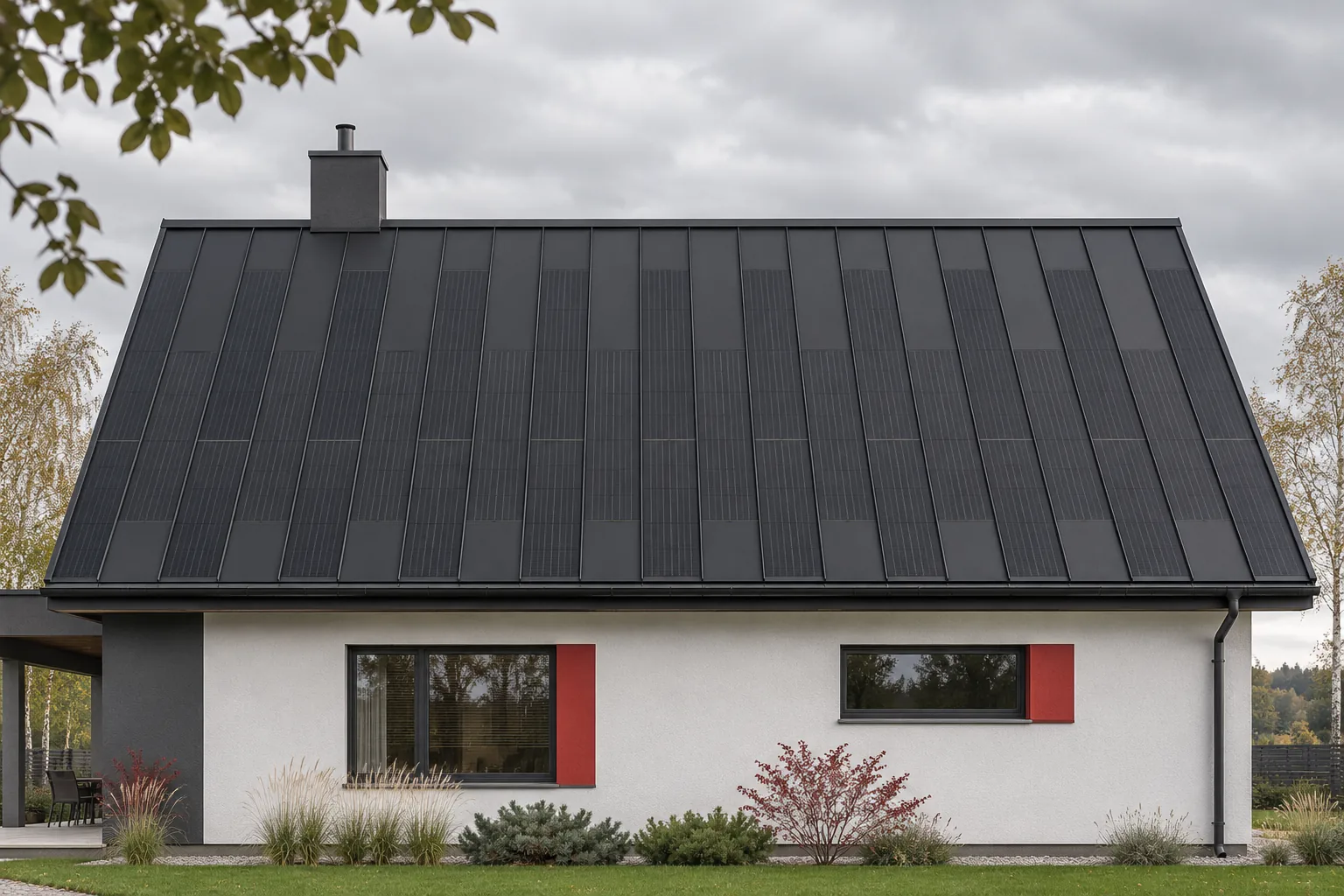
A steel roof with integrated photovoltaics can be an interesting alternative to heavier coverings combined with a separate installation. Its mass must…
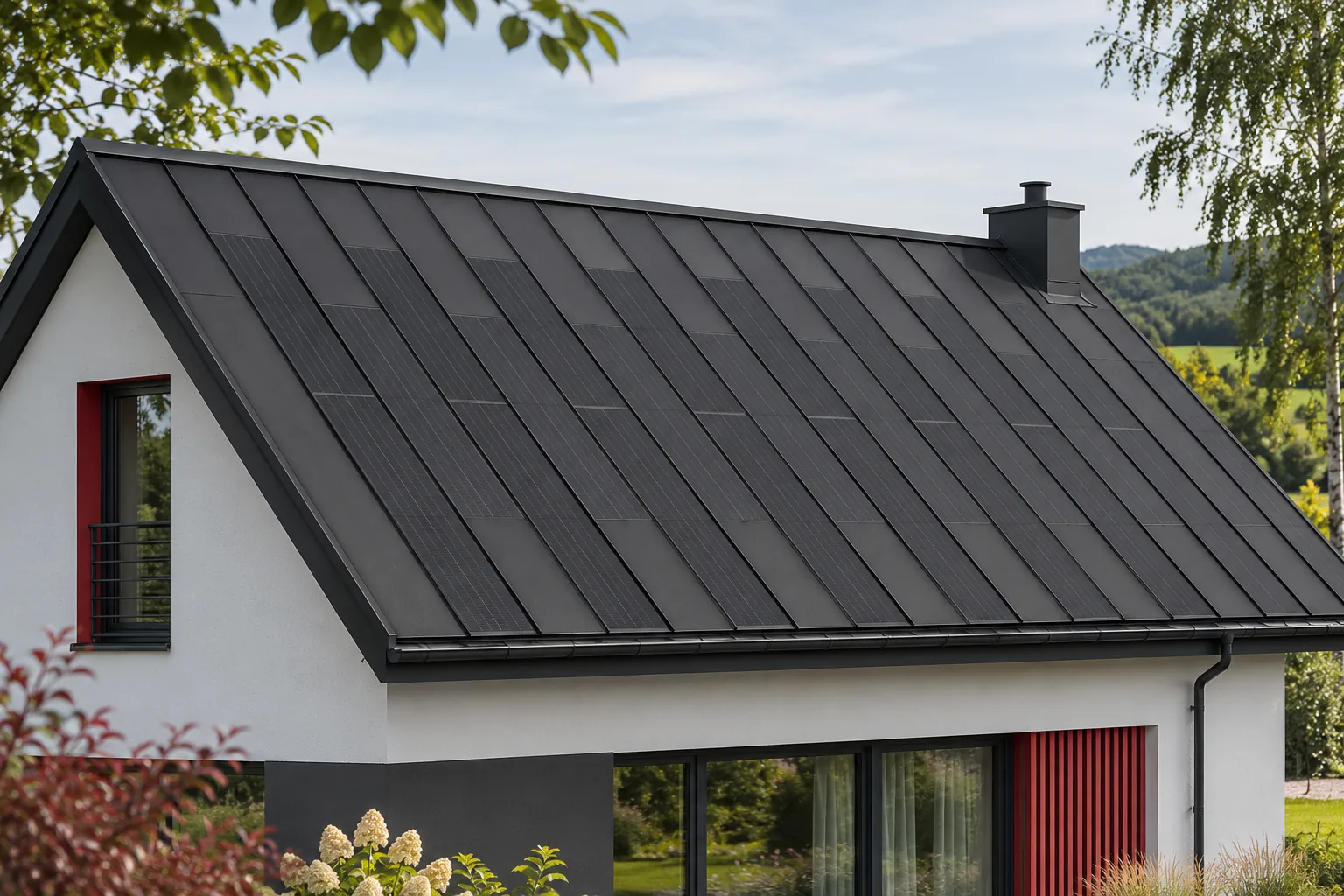
Shade on a roof is not a fixed patch. It moves with the sun and changes in length over the course of…
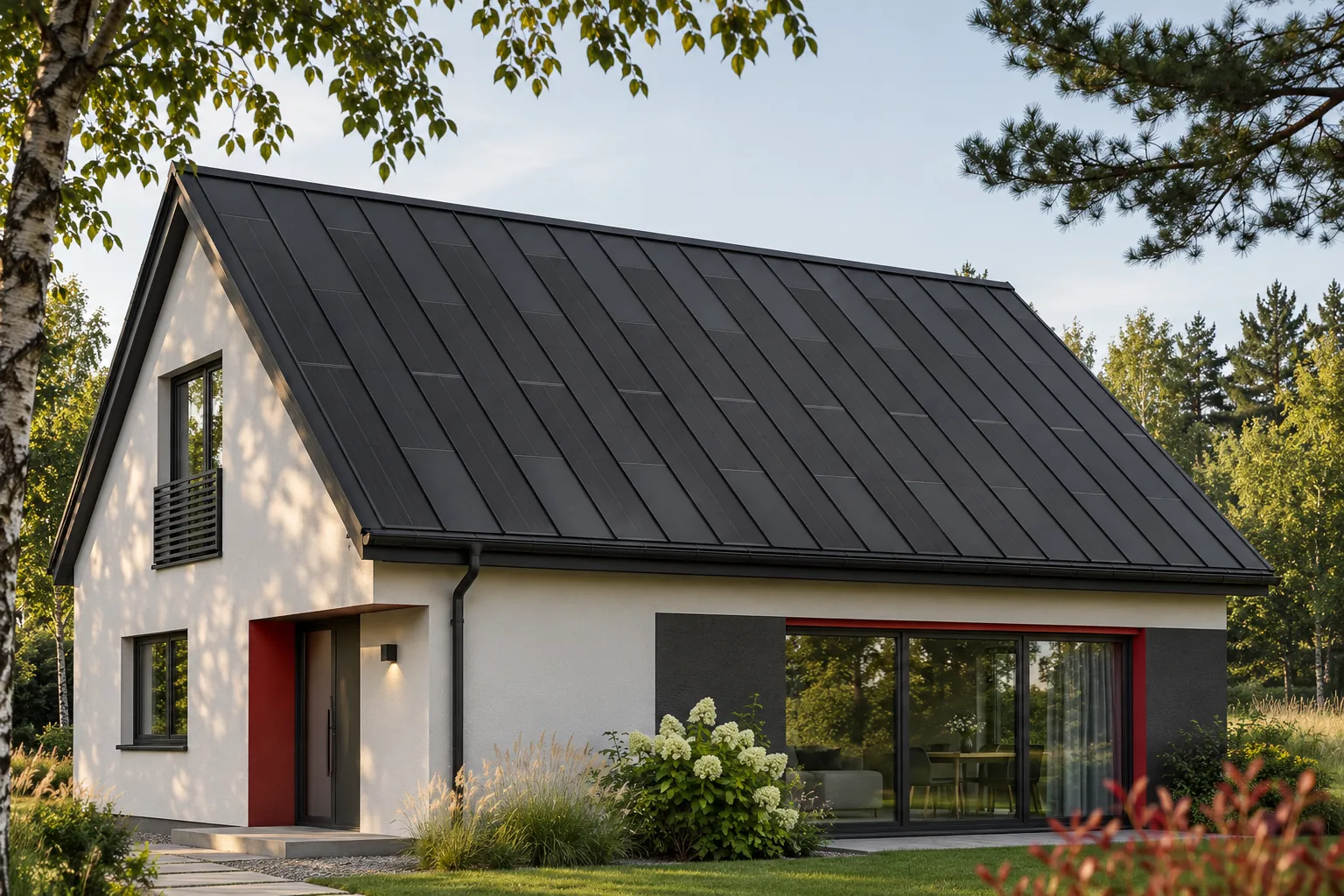
A roof is chosen for the long term, while a home's energy needs can change faster. A car may be added, a…
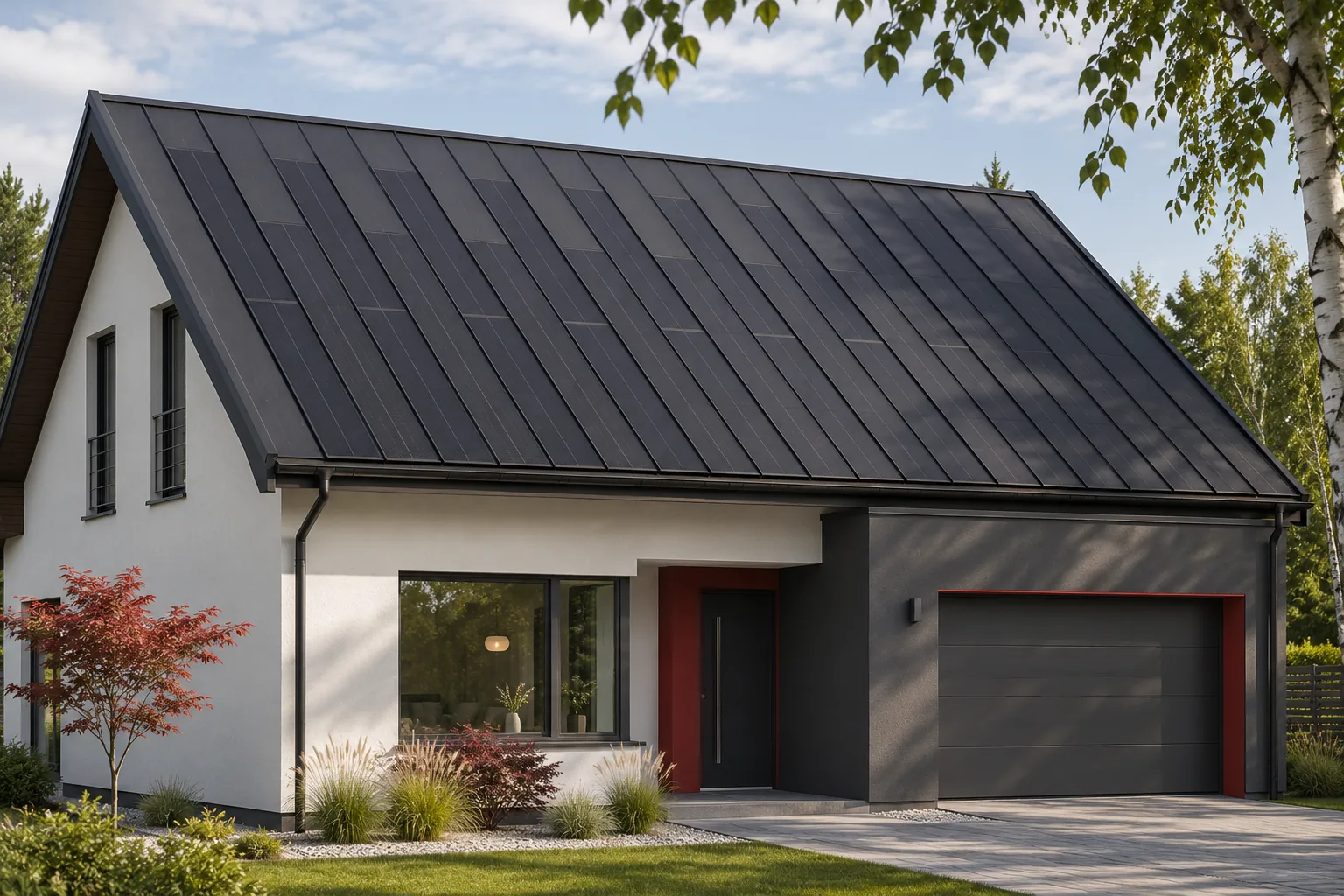
An electric car can use the energy generated by an integrated photovoltaic roof. Much, however, depends on when it is parked at…
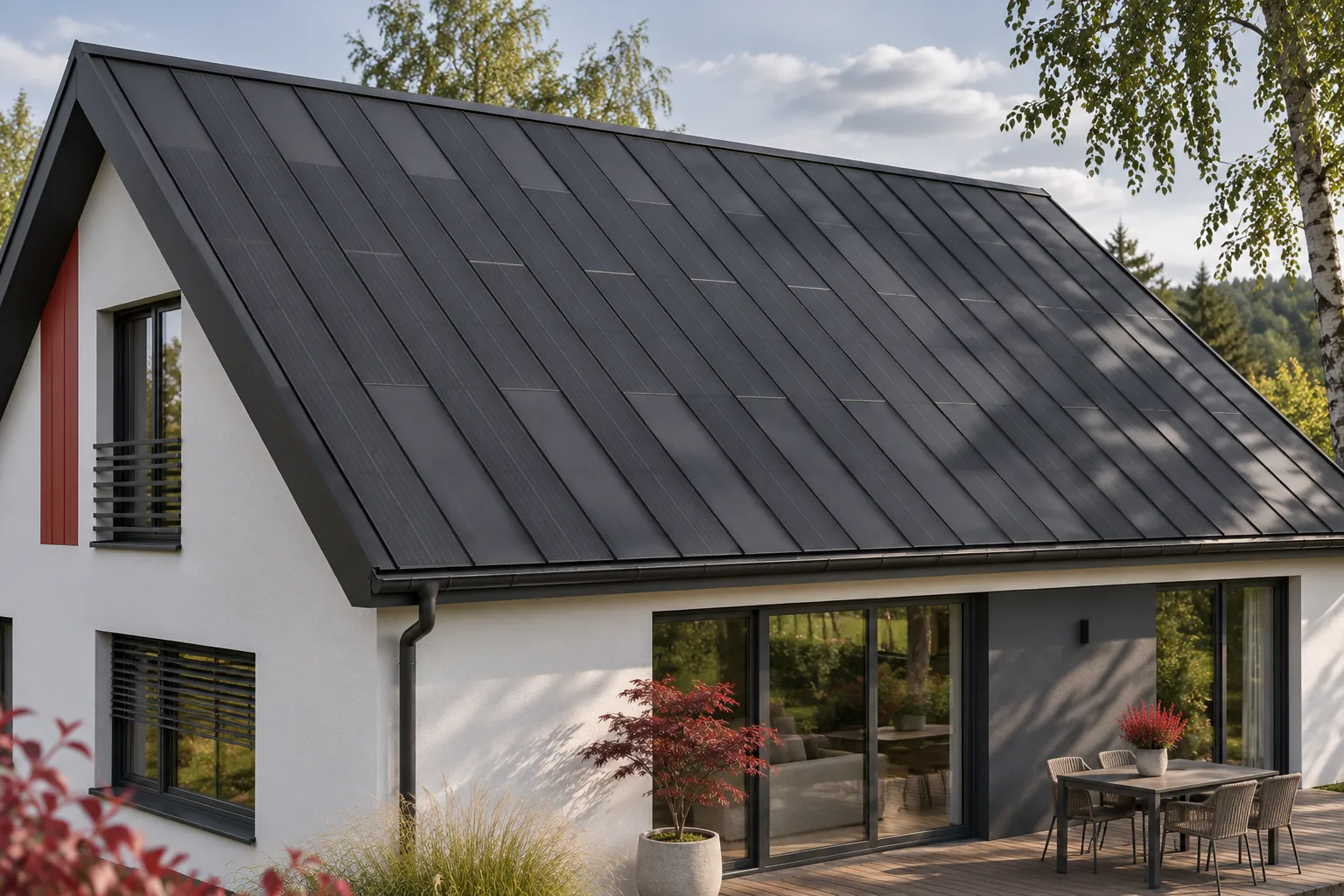
The price of one square metre of a solar roof does not answer the question of profitability. That figure may include both…