

Renovation and maintenance
Removing excess snow from a roof: how to plan the work safely
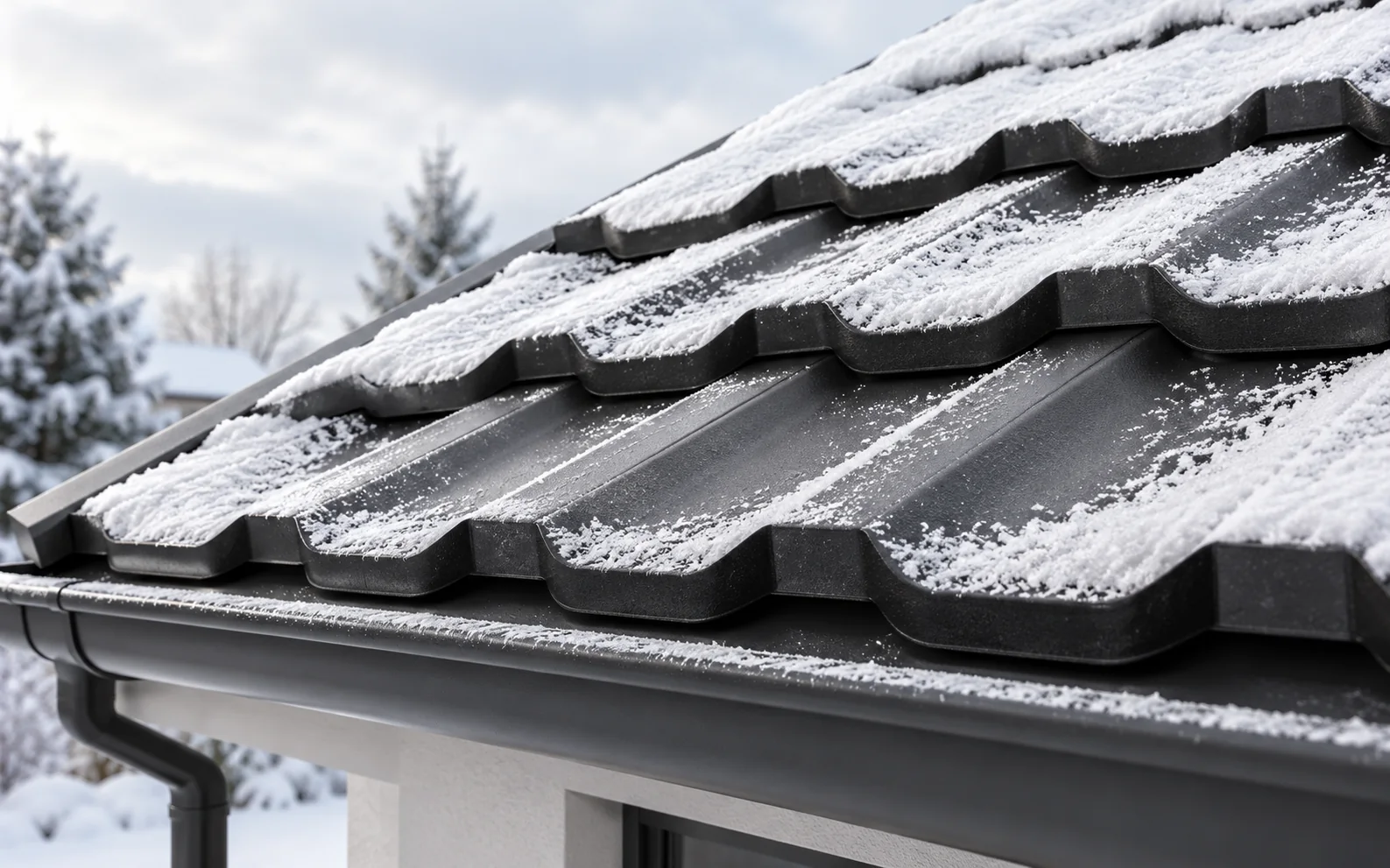
Whether snow needs to be cleared depends on the roof load, not on a single universal snow depth. A wet layer and drifts can weigh considerably more than fresh powder. The work requires a plan, protection for people and protection of the roof covering. On a metal roof, particular care is needed for the coating, flashings and elements hidden under the snow. The risk depends on the load-bearing capacity of the structure, the quantity and condition of the snow and how it is distributed. Drifts at a parapet, a higher building wing or an obstruction can load a small section of roof more heavily than a uniform layer. Thaw and rain further change the situation. A limit should not be transferred from a neighbouring building. Another roof has different supports, spans and load reserve.
In this article
When does snow become a problem?
The risk depends on the load-bearing capacity of the structure, the quantity and condition of the snow and how it is distributed. Drifts at a parapet, a higher building wing or an obstruction can load a small section of roof more heavily than a uniform layer. Thaw and rain further change the situation.
A limit should not be transferred from a neighbouring building. Another roof has different supports, spans and load reserve. For a hall, a winter maintenance plan with a defined monitoring method is a good solution. The owner should know who assesses the condition and who decides on the work.
Why is measuring centimetres not enough?
The same depth of cover can mean a different weight. Fresh snow, compacted snow and a layer with ice do not load the structure equally. Therefore a random measurement at the eaves does not guarantee that the middle of the roof slope or a drift at the wall is safe.
The method for assessing the load is established for the specific building. The documentation must contain data on the structure and the permissible operating conditions. Worrying deformations, cracking noises or sudden problems with opening doors require urgent assessment. Where there are signs of danger, people must be kept away from the hazardous zone.
Who should carry out snow removal?
Work at height should be entrusted to a prepared team with suitable equipment and safeguards. Safe access, fall protection and organisation of the area around the building are important. A place for depositing or throwing down snow must be planned and kept clear of traffic.
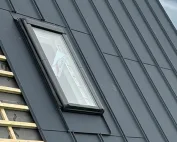
It must not be assumed that snow provides grip. Ice may lie beneath it. Skylights, openings and elements with low load-bearing capacity are often covered. For this reason the team should know the roof layout before starting work, rather than discovering it only with a shovel.
How to protect metal sheeting when removing snow?
Tools and the method of working are selected to suit the covering. Sharp steel edges can scratch the coating, damage screw washers or pry up the overlap. Ice must not be chipped on the metal sheeting nor frozen lumps torn off by force. Such actions easily end in leakage.
The aim is to reduce the load safely. Exact scraping off of every remnant need not be necessary and may cause damage. The extent of removal and the protective layer of snow left in place are defined by the work plan. No random de-icing chemicals or open flame are used.

Can one side be cleared first?
The method of relieving the load must take account of the structure’s behaviour. Sudden removal of snow from only one area can create an unfavourable load pattern. A high heap should also not be created on a section of roof that was not designed for it.
The sequence and division into sections are determined by the person responsible for work safety, taking into account the structural engineer’s recommendations. This applies both to roofs with trapezoidal steel sheet and to those with insulated roof panels. A low dead weight of the covering does not mean unlimited reserve for additional snow.
What to do about ice at the gutter and overhangs?
Overhangs above a pavement or entrance require the area to be secured and removed by a team working by a safe method. Standing under icicles and knocking them down with a long tool exposes people to impact. Ice can also tear off a gutter or part of a flashing.
After cleaning, the drainage must be checked for free flow. Water from melting snow must have an outlet. If the problem recurs frequently, heat losses and the roof ventilation system should also be assessed. Uneven melting may be connected with leaky insulation, although not every icicle is proof of this.
What to check after the work is finished?
It is worth inspecting the coating, the ridge, the flashings, the fixings of snow guards and the free flow of drains. With insulated panels, the joint zones are also assessed. Damage must be recorded and repaired by a method consistent with the covering documentation. It should not disappear under the first random layer of paint.
The snow removal report should state the date, the extent of the surfaces cleaned and any defects noticed. This makes it easier to assess subsequent snowfall. Snow guards reduce the sliding of snow, but do not exempt from monitoring the structural load.
A tip before ordering
Before winter, keep a roof plan in an accessible place, marked with skylights, service penetrations and maintenance routes. Under snow these elements may be completely invisible.
What is worth remembering?
Safe snow removal begins with an assessment of the building and the organisation of the work. The correct sequence of load relief, protection of people and tools suited to the covering are needed. The hazard is removed from the roof, and afterwards it is checked whether the work itself has caused damage.
7 branches. Materials closer to your project.

Free quote
Materials for your project
You may also find useful…
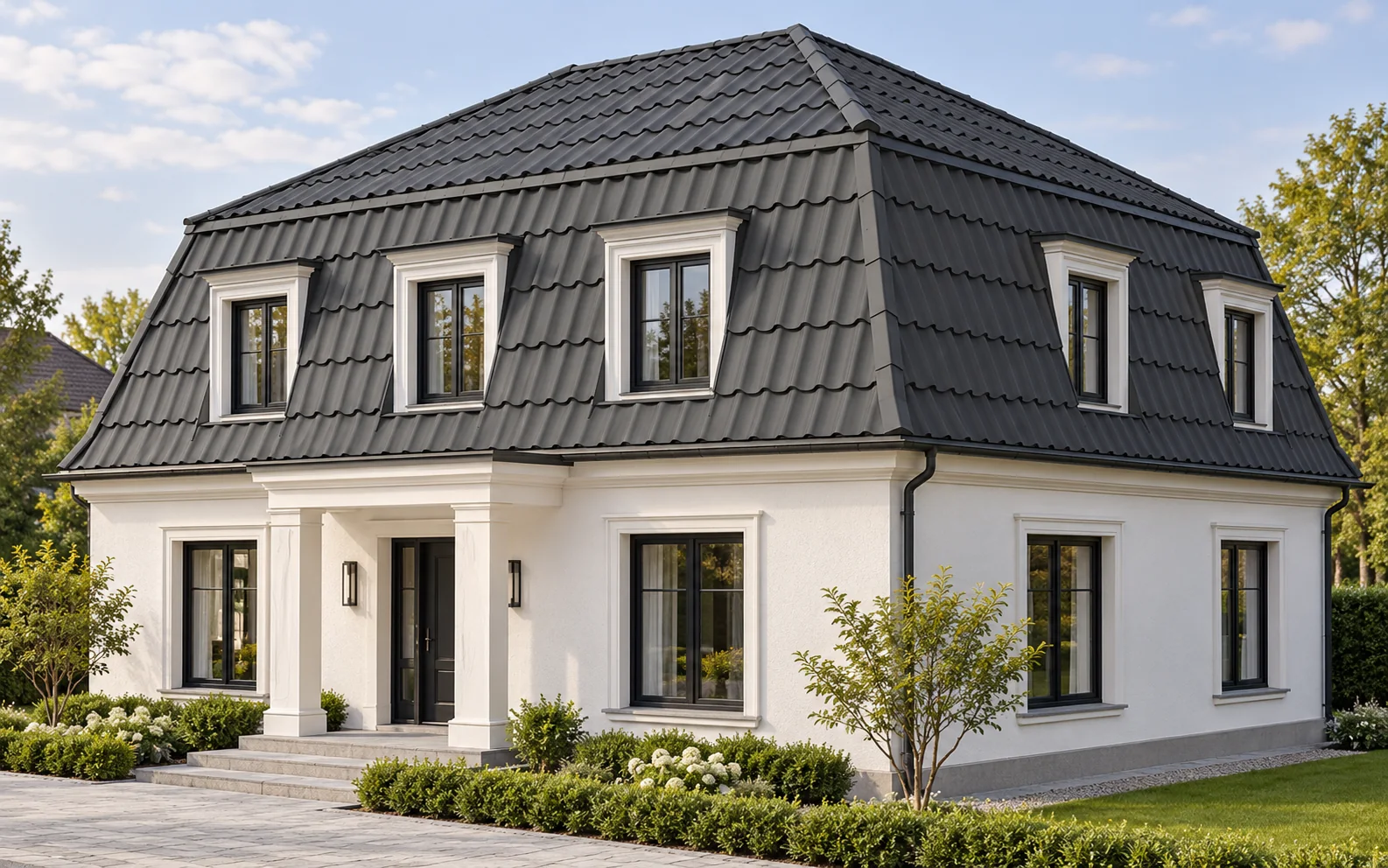
A mansard roof has a slope that is broken into a lower and an upper section with different pitches. The covering must…
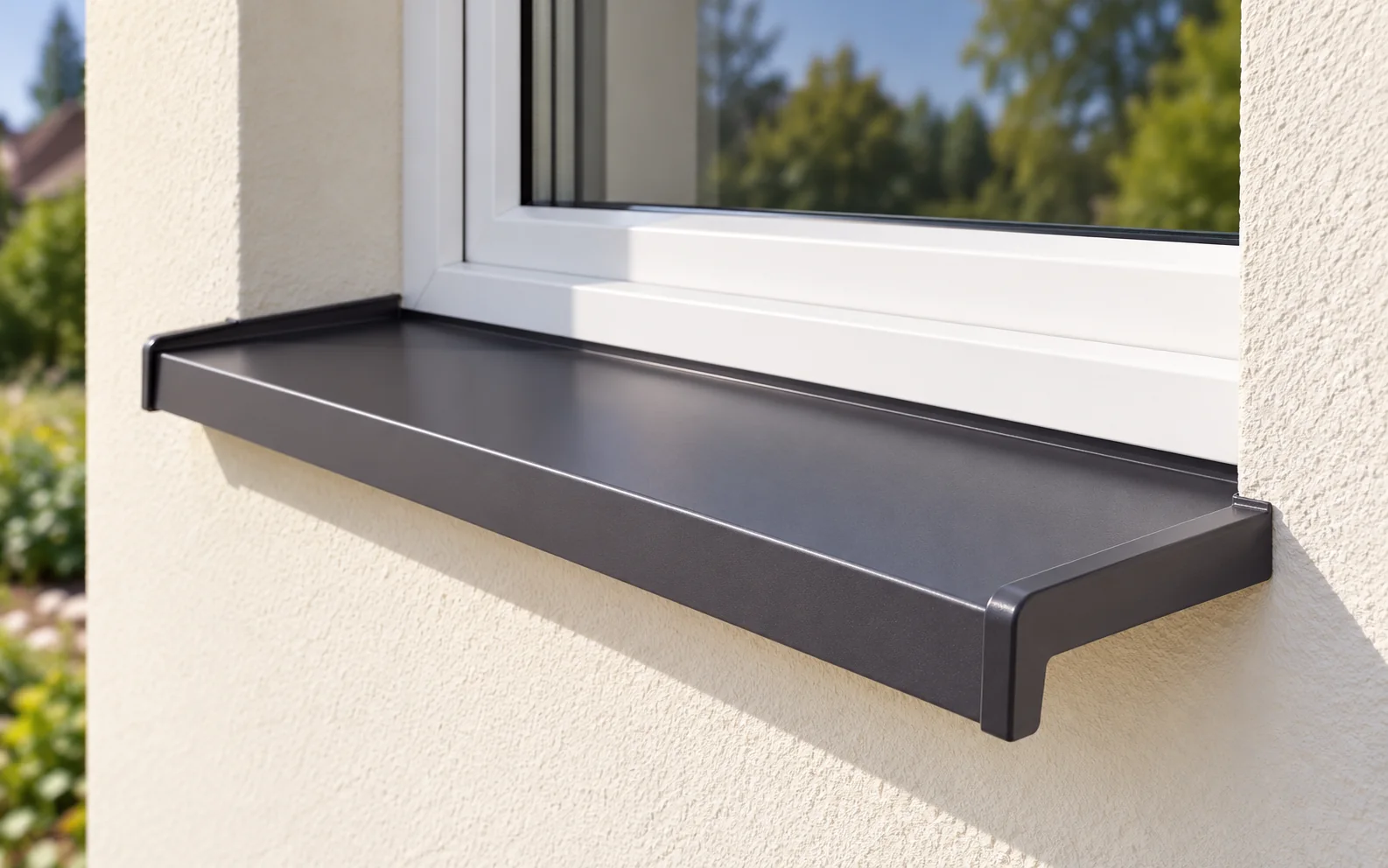
A steel external window sill can be lightweight, easy to adjust in size and colour-matched to a metal roof. Its most important…
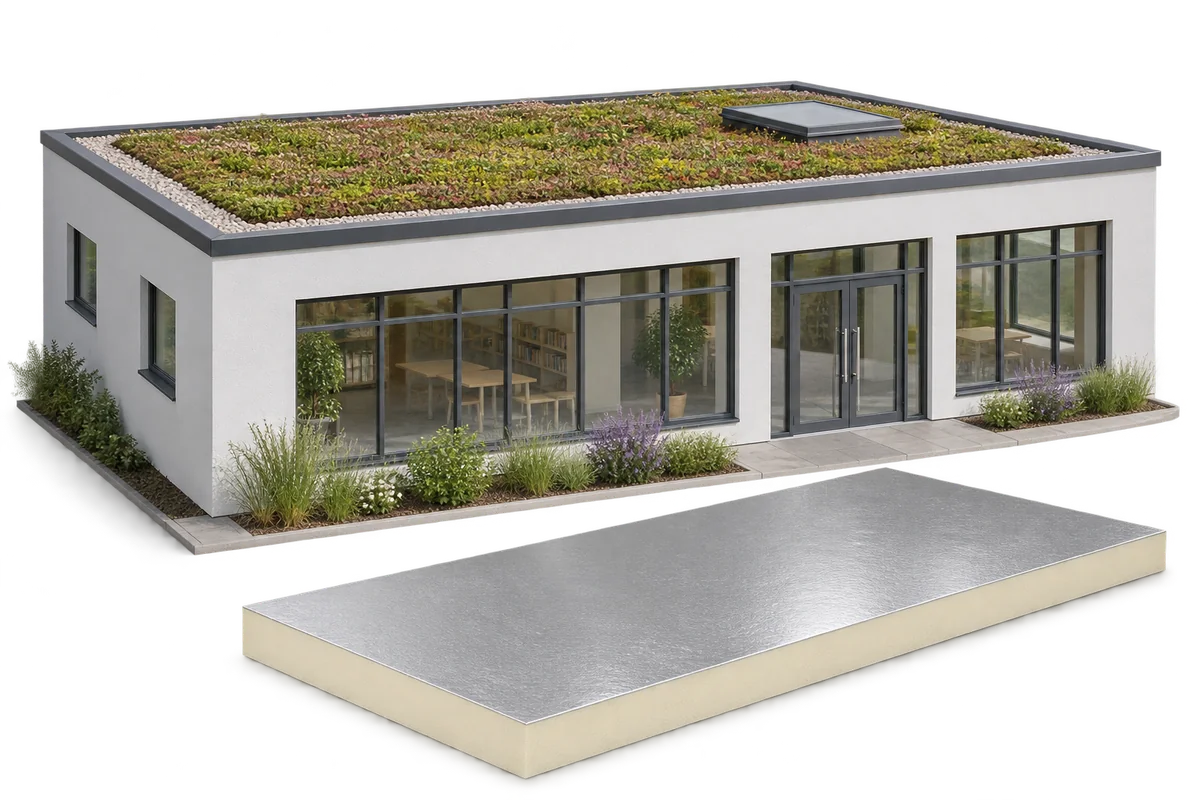
After the thermal insulation upgrading of a nursery school's green roof, the property manager should receive a description of the installed system,…
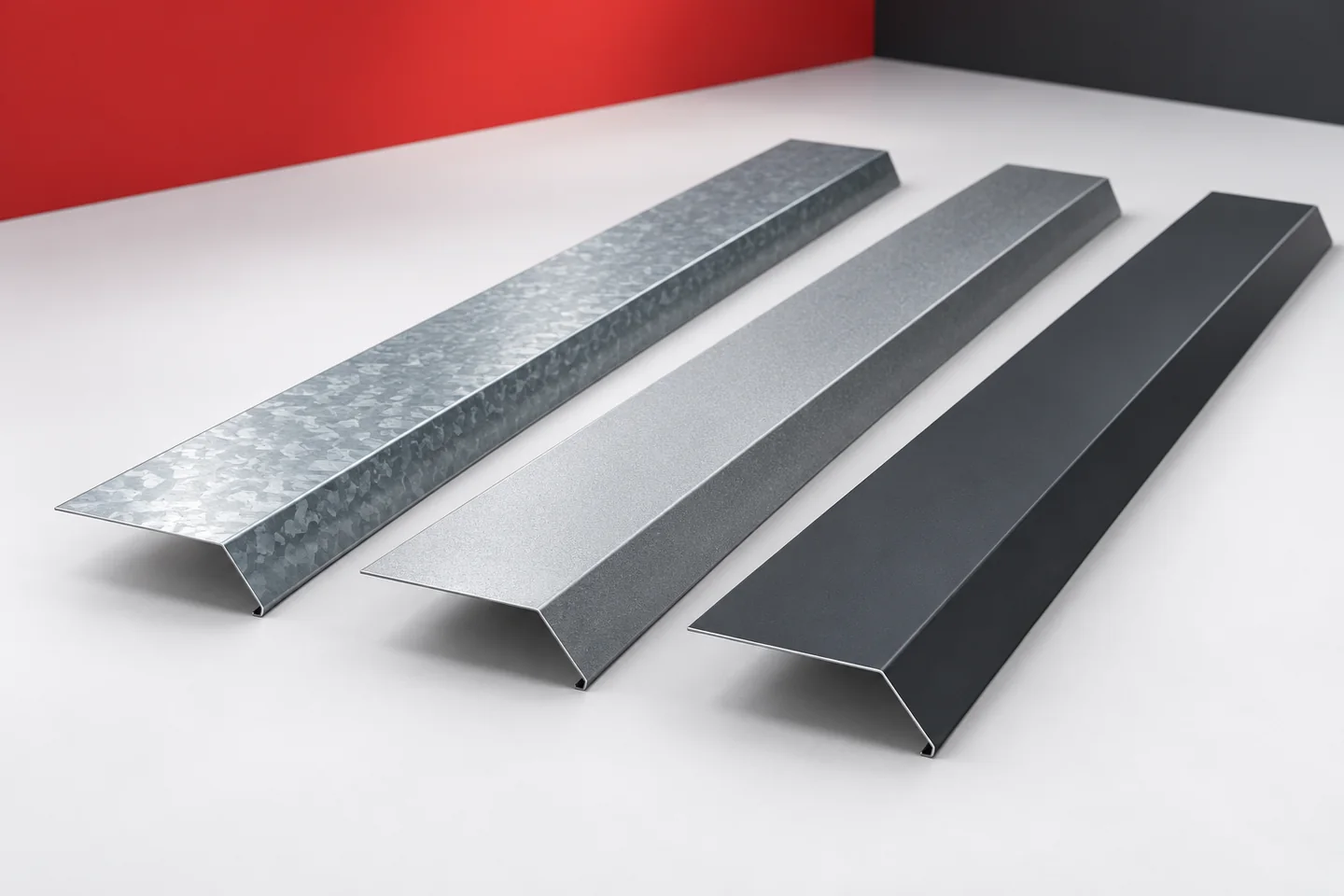
Three similarly worded material descriptions can mean different protective layers. Galvanised, Aluzinc and coated steel sheets are used for flashings, but they…
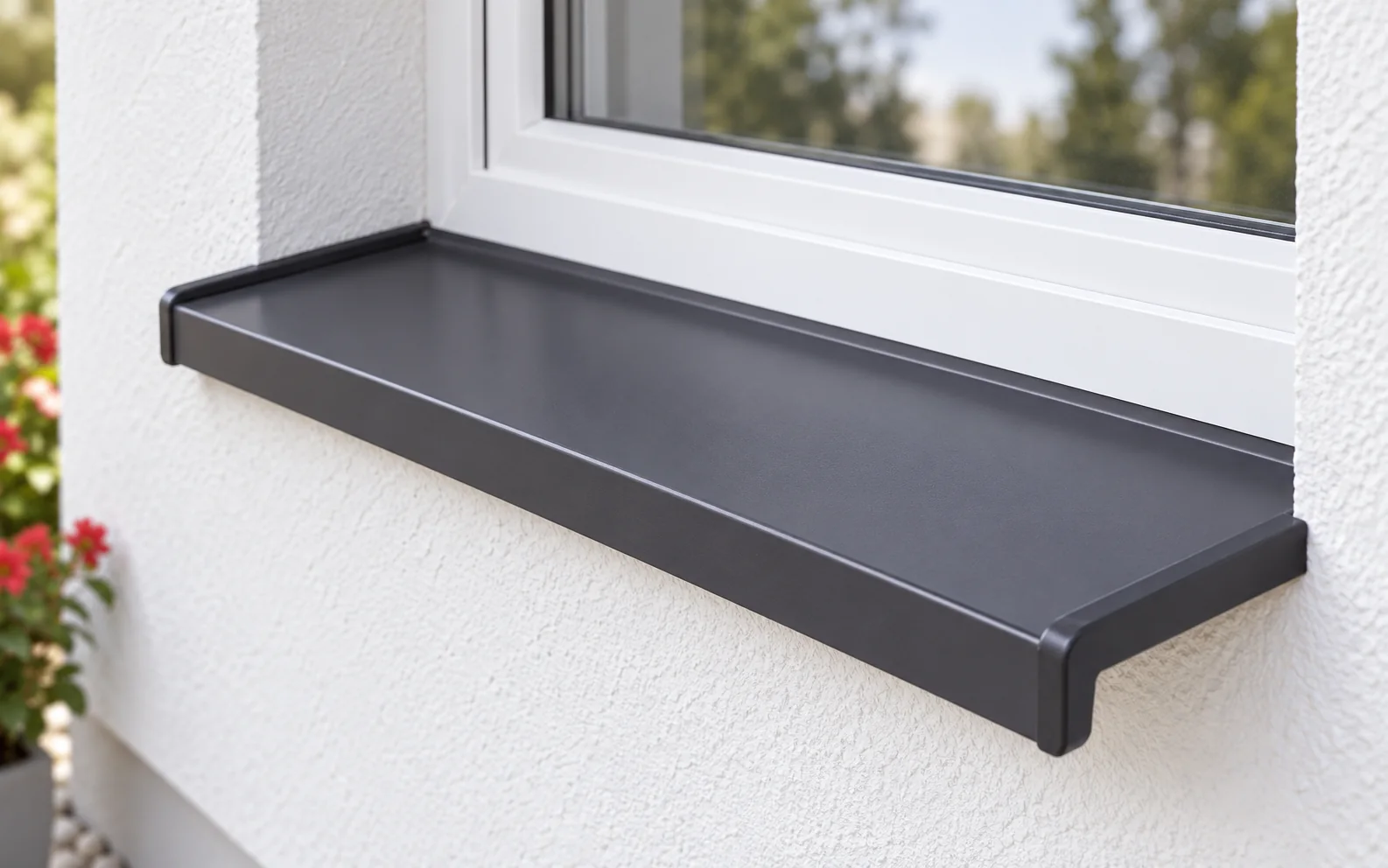
An external window sill is a detail that takes over the water running down the glass and must discharge it beyond the…
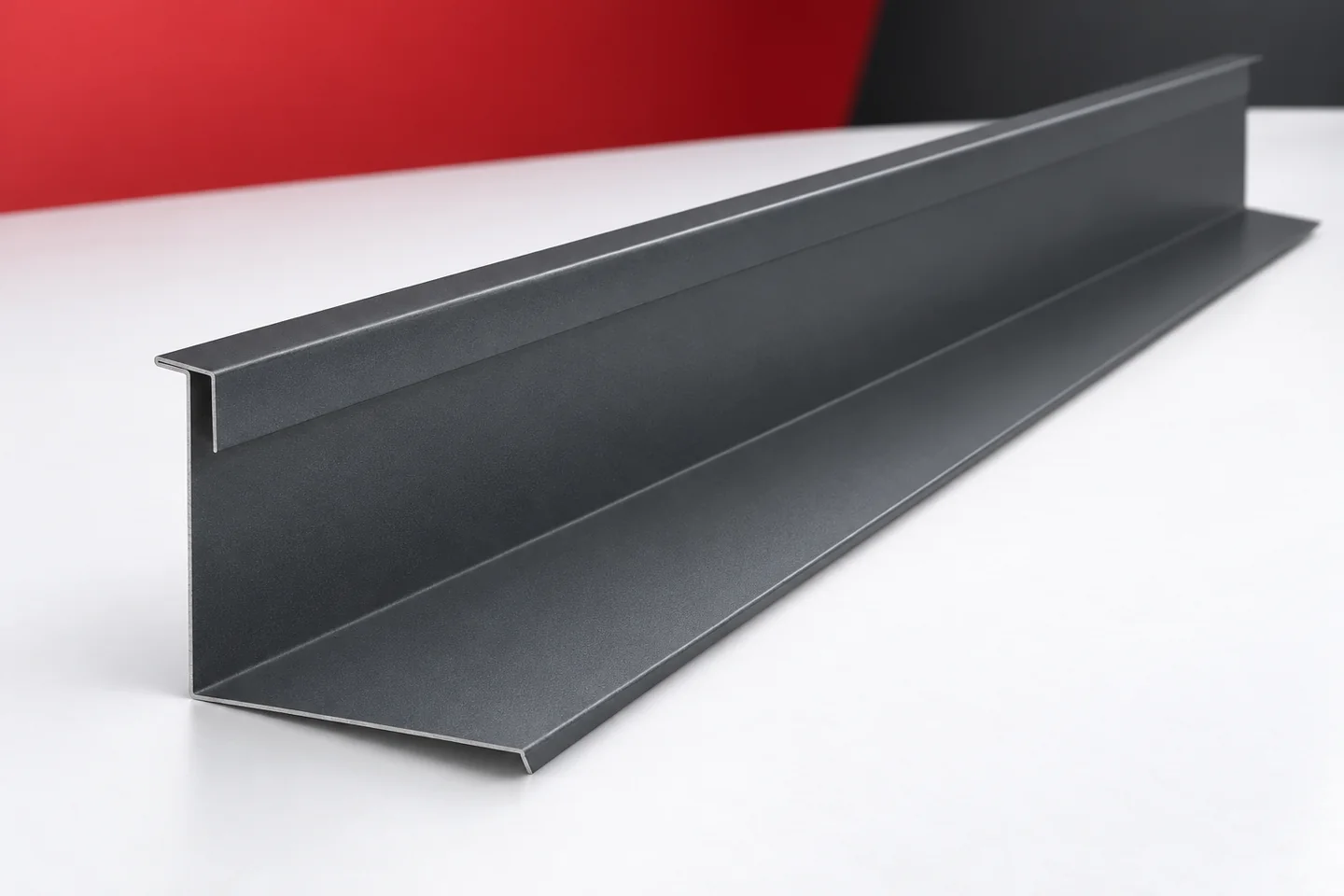
Chimney flashings are ordered for a specific roof penetration. The dimensions of the chimney, the pitch of the roof slope, the profile…
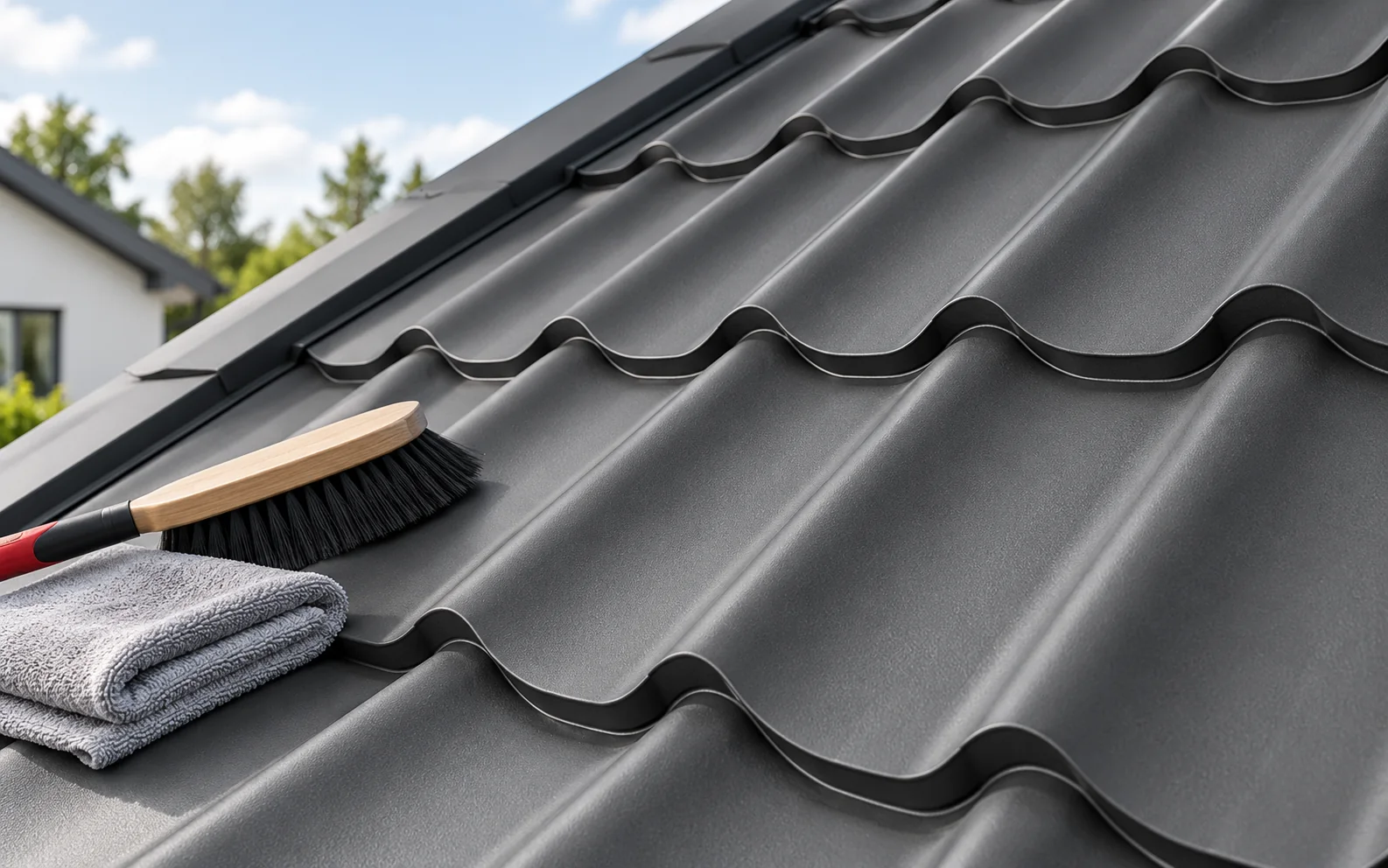
Roof maintenance involves removing dirt, checking joints and repairing minor damage. It does not mean painting the entire roof slope every year.…
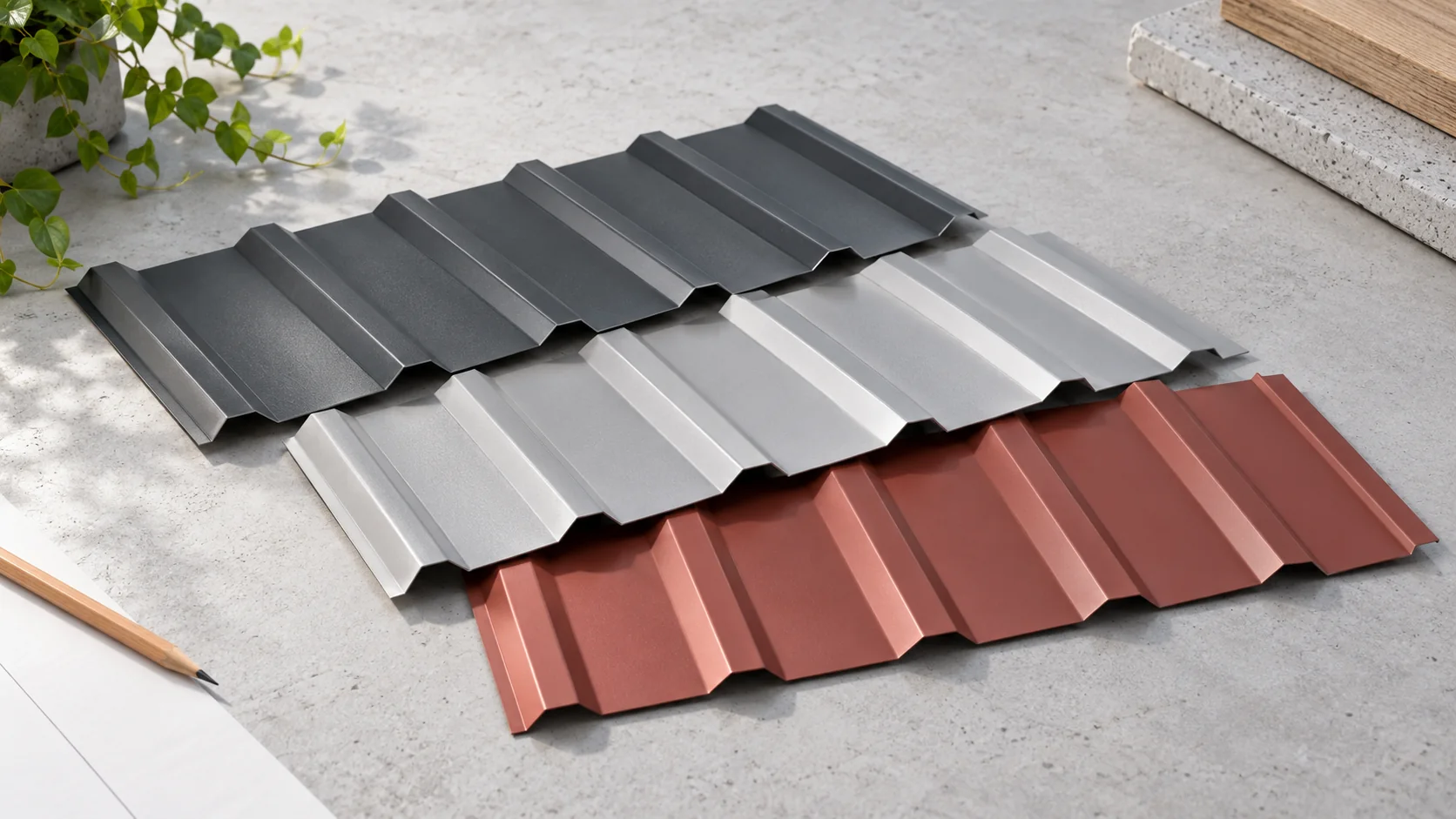
The colour of trapezoidal steel sheet changes how the whole building looks. When choosing it, consider how much sun the roof gets,…