

Renovation and maintenance
What to check on a metal roof after winter
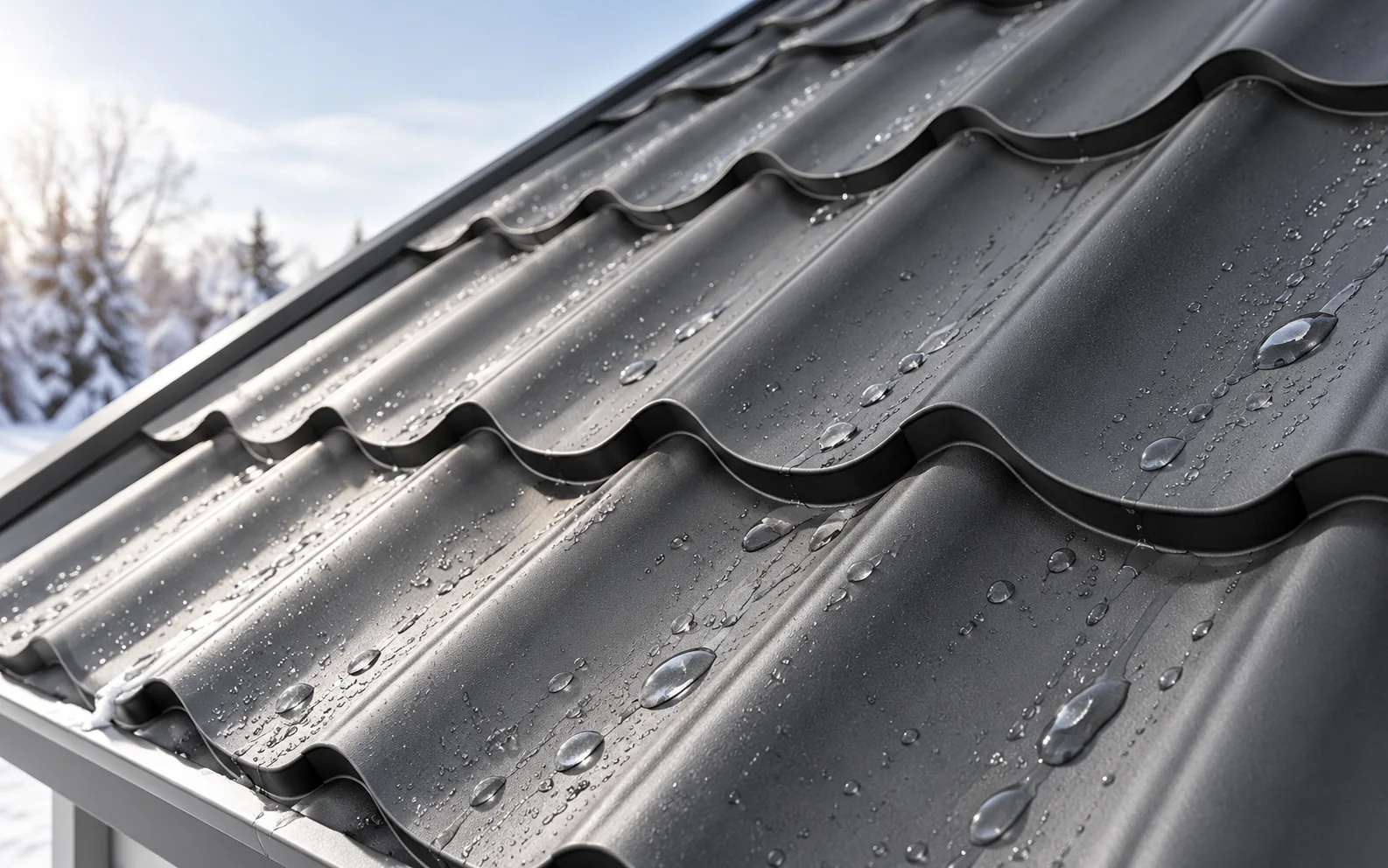
After winter, the drainage, flashings, fixings and the places where snow lay for a long time must be inspected. It is also worth taking a look in the attic. Stains and damp insulation can reveal a problem that is invisible from outside. The inspection should ideally end with a list of defects and photographs so that the repairs have a clearly defined scope. First inspect the house from ground level. Check the eaves line, ridge and gutters. Look for lifted flashings, displaced components and traces of staining on the façade. Photographs taken from several fixed positions will make it easier to compare the condition of the roof in subsequent years. The close-up inspection should be carried out by a roofer with safe access to the roof slope. Even dry metal can be slippery, and not every part of it is suitable for bearing a foot.
In this article
Where should the post-winter inspection begin?
First inspect the house from ground level. Check the eaves line, ridge and gutters. Look for lifted flashings, displaced components and traces of staining on the façade. Photographs taken from several fixed positions will make it easier to compare the condition of the roof in subsequent years.
The close-up inspection should be carried out by a roofer with safe access to the roof slope. Even dry metal can be slippery, and not every part of it is suitable for bearing a foot. After a gale or if deformation is noticed, do not wait for the annual service appointment.
Are the gutters and outlets still taking water away?
In winter, leaves, needles and sediment collect in the gutters. Ice can deform the brackets or cause the joints to leak. Removing the visible debris alone does not confirm that the drainage is clear. The flow through the rainwater gully, downpipe and the rest of the drainage system must also be checked.
Traces of overflow on the façade help to locate the problem. The cause may be a blockage, but also an incorrect gutter fall or damage to the gutter. On low-pitch roofs, the outlets and emergency overflows must be inspected. They must not be obscured by accumulated dirt.
Where should damage to the coating be looked for?
The most attention is required at the roof valleys, around chimneys, the lower edges of the sheets and the areas around accessories. Moisture persists for longer in these places. Scratches may also appear after unskilful snow removal or work on installations mounted on the roof.
A rusty spot does not always mean corrosion of the entire sheet. Sometimes it is a left-behind metal filing that is rusting. After cleaning, the substrate can be assessed and the repair selected. Dirt and damp surfaces must not simply be painted over. A small patch requires a compatible material and must be limited to the damaged area.
What should be assessed at the screws and laps?
The roofer checks whether the fasteners remain seated and whether their seals are undamaged. A trace of rust, a gap or a deformed washer requires the cause to be identified. Tightening all screws as a precaution can crush the seals and worsen tightness.
With modular tile-effect metal roofing, the connections between successive panels are important. On T18 and T35, the side and transverse laps, where present, are also checked. An open joint should not automatically be flooded with sealant. First it must be established whether a fixing has failed.

Why must the chimney and ridge be inspected?
Flashings move under the influence of temperature and wind. In winter, snow can additionally dam up water. At the chimney, the joints, the drainage of water over the obstacle and the condition of components fixed to the masonry are assessed. The appearance of the visible edge alone does not show the entire connection.
At the ridge and eaves, the free flow of ventilation is also checked. A blocked inlet restricts the drying of the space beneath the metal. It should not be sealed with foam simply because air movement can be heard during a gale. Ventilation and resistance to precipitation are resolved together.
What can an attic inspection reveal?
After the thaw, look for stains on the timber, damp patches on the insulation and corrosion of the fasteners. Pay attention to the areas around service penetrations and the junction between the roof and the wall. Note when the moisture appears: after rain, during a thaw or also on a dry, frosty day.
This distinction is important. The water may come from a leak in the covering or from vapour condensation. In the second case, improving the airtightness of the inner layer and the ventilation may be necessary. Replacing the sheet alone will not repair an incorrect roof layer build-up.
How should the inspection results be organised?
Divide the findings by urgency. A loose flashing above the entrance, an active leak and damaged snow guards require prompt action. Washing off sediment and small patches can be scheduled in suitable weather. Every repair should have a before-and-after photograph.
It is worth also recording in the report the condition of the railings, steps and installation fixings. For sandwich roof panels, checking the tightness of the joints and the end flashings is added. Visible moisture in the core requires a broader assessment than merely renewing the outer metal skin.
A tip before ordering
Make a simple roof map and mark the detected defects on it. A close-up photograph without information about which roof slope it comes from often makes it harder to order a repair later. Add the inspection date and the planned repair date.
What is worth remembering?
The spring inspection is intended to detect small damage before stains appear in the house. It is most effective when inspection of the roof slope, a drainage flow test and an attic check are combined. The scope of work should follow the identified cause, not the age of the roof alone.
7 branches. Materials closer to your project.

Free quote
Materials for your project

You may also find useful…
Before altering a PIR panel roof, identify the exact product and the assembly in which it was tested. Check three separate properties:…
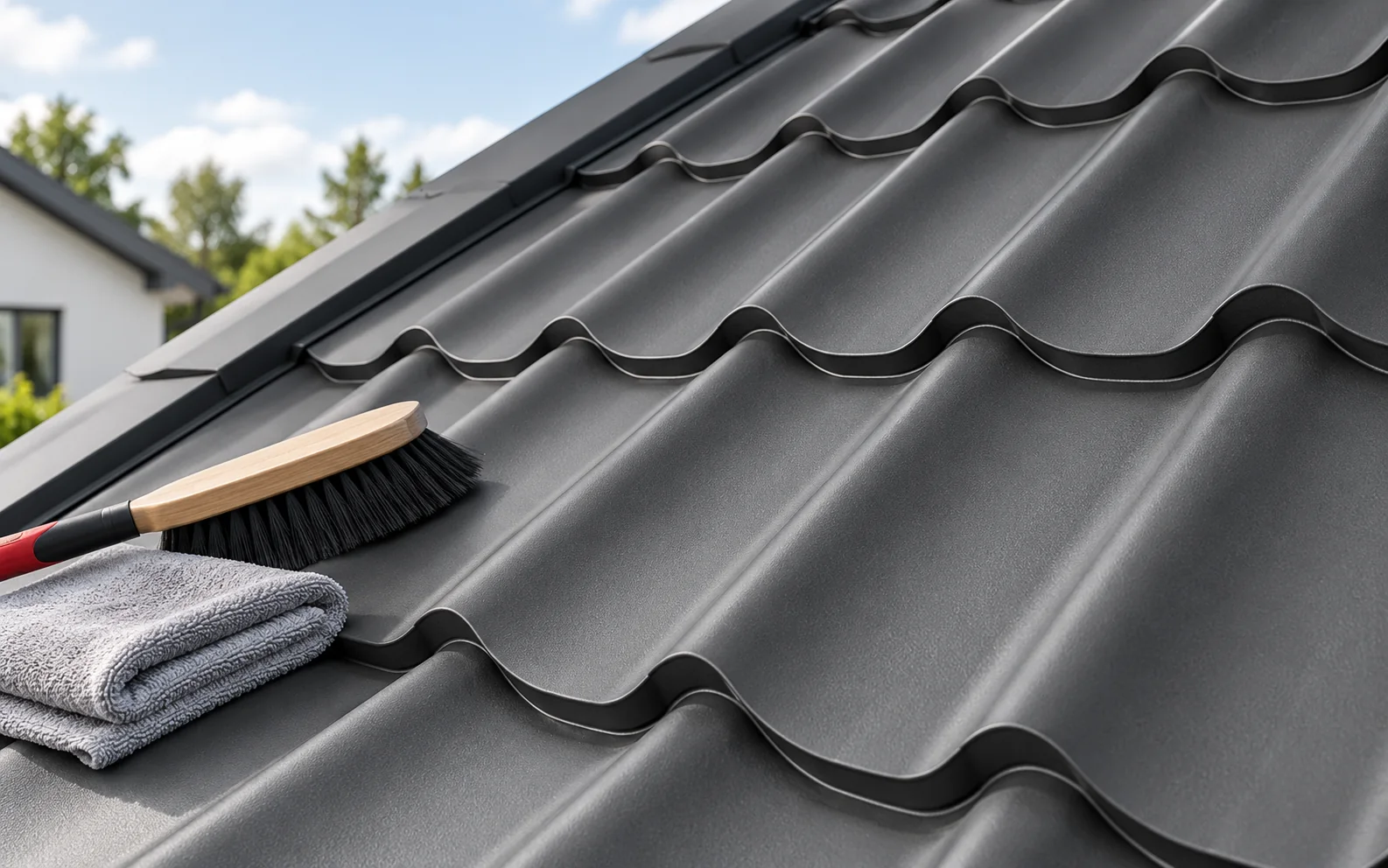
Roof maintenance involves removing dirt, checking joints and repairing minor damage. It does not mean painting the entire roof slope every year.…
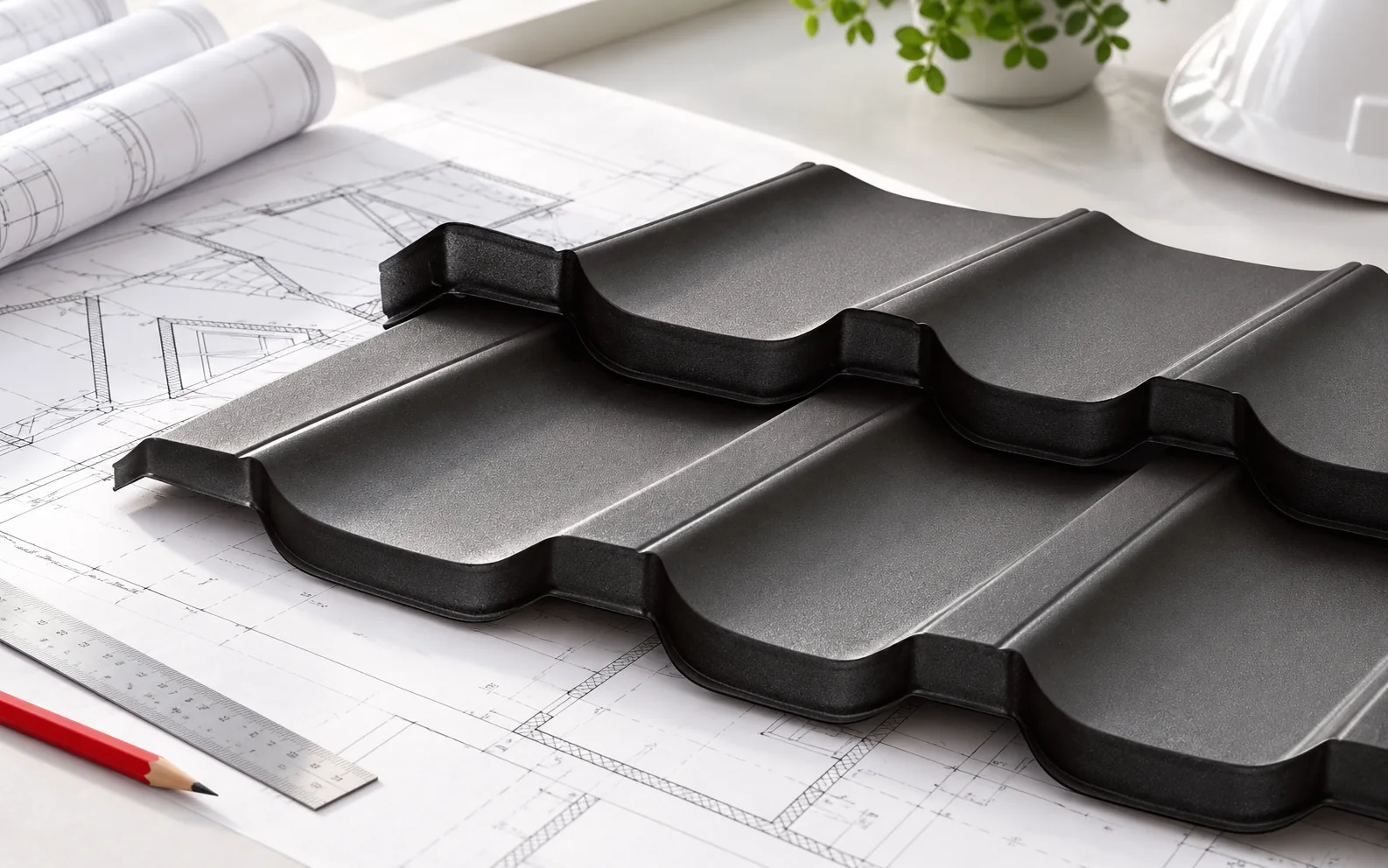
Preparing an investment covers the plot, the design, the correct procedure and the documents needed to start work. The scope depends on…
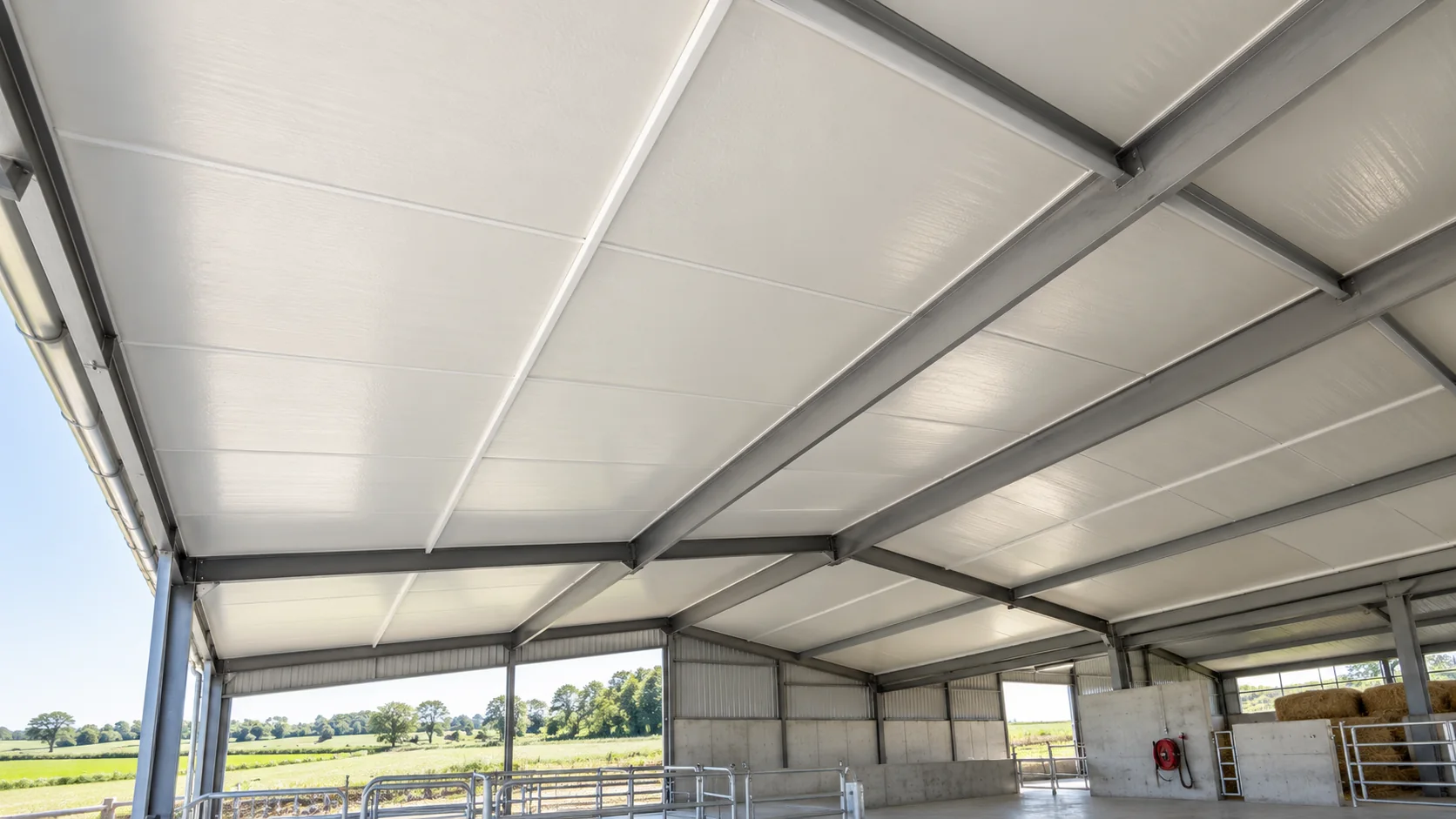
In a roof sandwich panel, “fibreglass” can refer to an inner facing made from glass-reinforced plastic (GRP). A panel of this type…
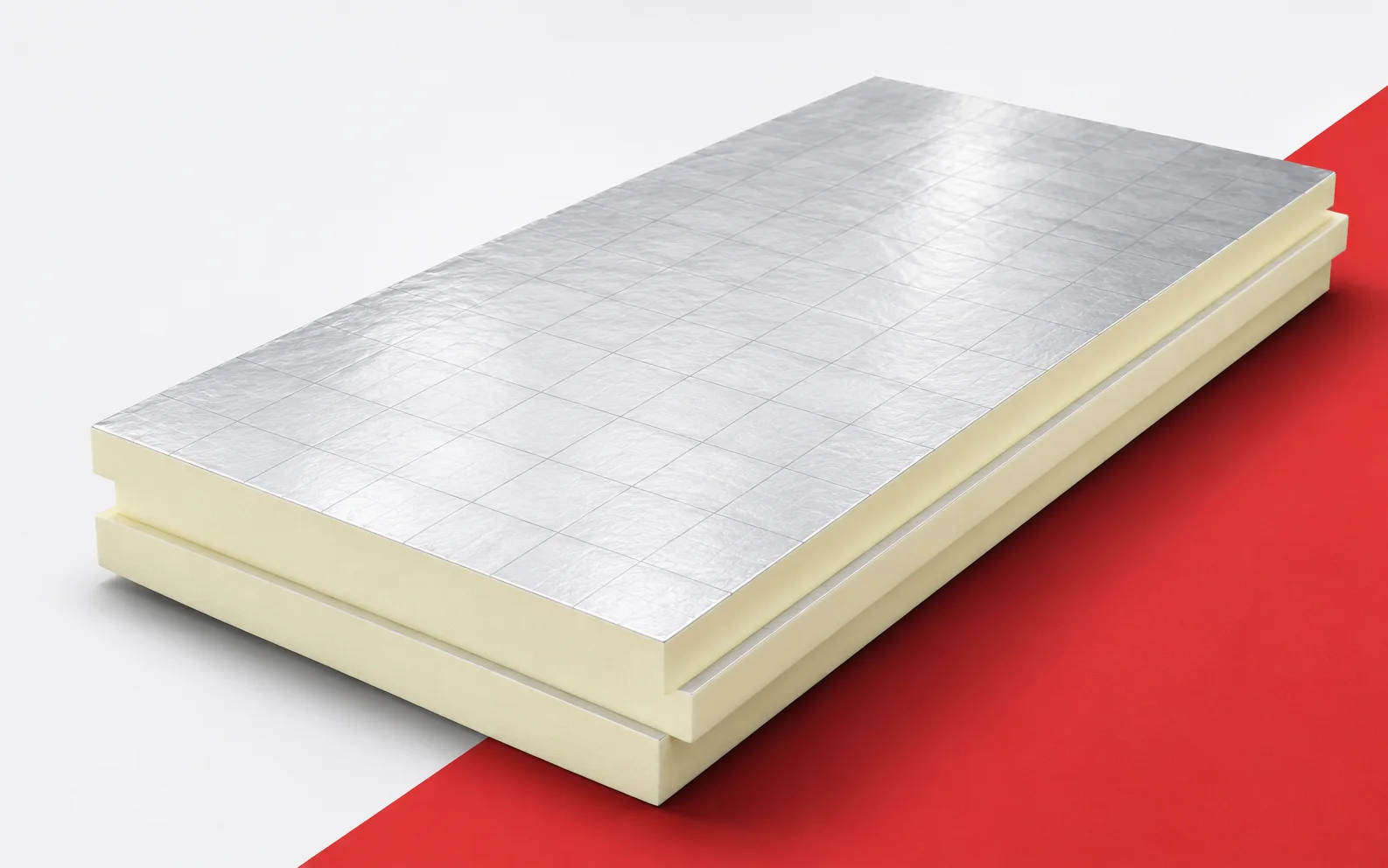
Insulation above the rafters allows the timber structure to be covered with a continuous layer. This is a useful characteristic of PIR…
To compare quotations for a timber roof structure, give each carpenter the same drawings, timber species, strength class and installation scope. Check…
The answer to the question of insulating a loft before installing the lining comes down to the correct sequence of work and…
The answer to the question of a loft that is warm in winter and comfortable in summer begins with deciding where the…