

Renovation and maintenance
How to prepare a roof for snow, frost and winter moisture
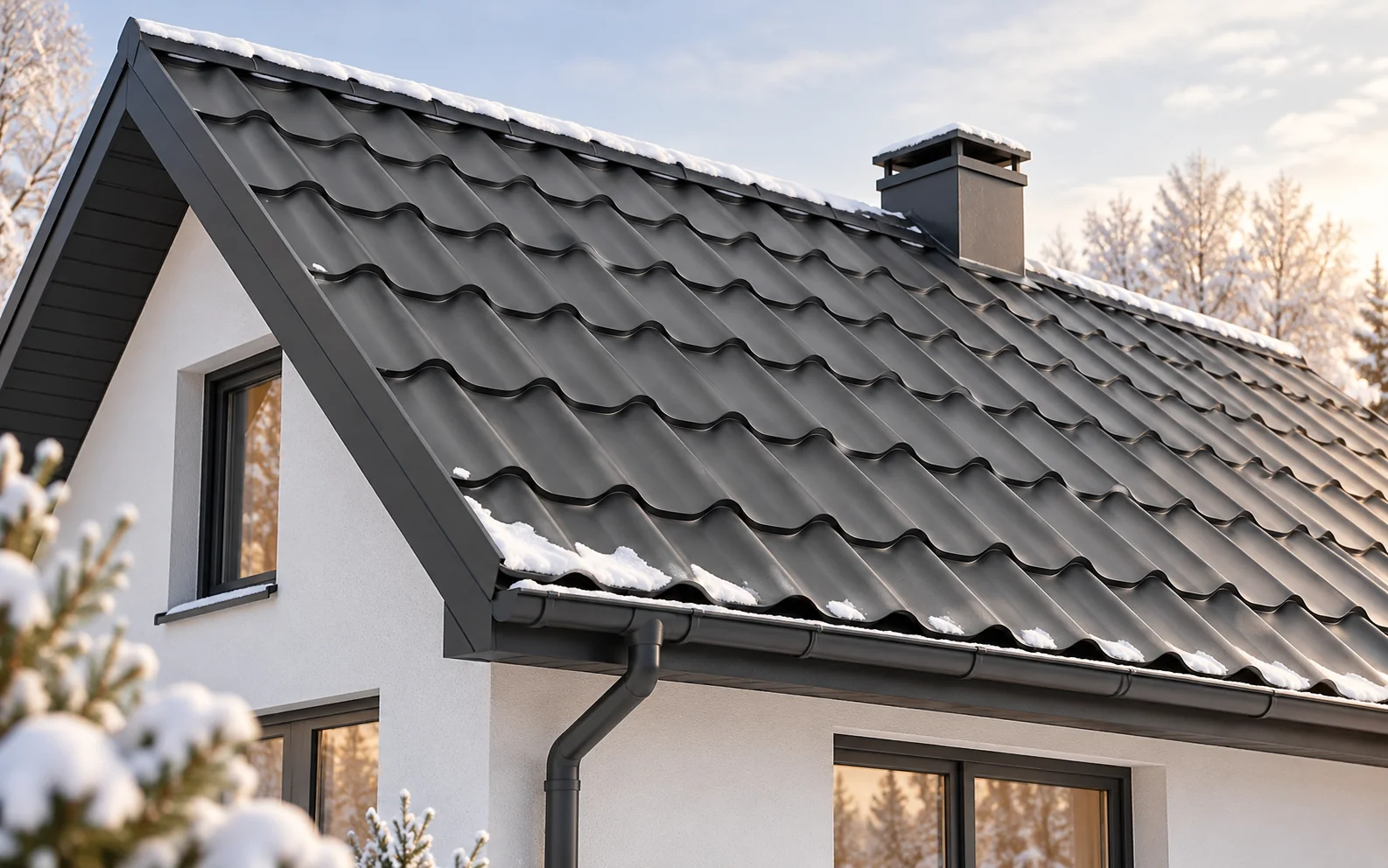
Preparing a roof for winter covers three areas: drainage, the safety of components and moisture control beneath the covering. The response to heavy snowfall must also be planned for. A coat of paint or an extra sealant alone will not make up for clear gutters, sound connections and correctly laid insulation. Snow loads the structure and can trap water at flashings. Repeated thaws and drops in temperature change conditions on the surface. Wind can drive snow into places that ordinary rain reaches less often. Before the season, therefore, the details must be checked, not just the general appearance of the roof slope. In winter, airtightness on the heated interior side also becomes more important.
In this article
What does winter change in the way a roof performs?
Snow loads the structure and can trap water at flashings. Successive thaws and temperature drops change conditions on the surface. Wind can drive snow into places that ordinary rain reaches less often. Before the season, therefore, the details must be checked, not just the general appearance of the roof slope.
In winter, the importance of airtightness from the heated interior also increases. Moist air penetrating cold layers can cause condensation. The symptom can resemble a leak. Preparing a roof must therefore cover both the exterior and the accessible areas in the attic.
How can drainage be ensured during a thaw?
Remove debris from gutters and valleys, then check that downpipes are clear. On a flat roof, inspect drains and emergency overflows. A blockage can cause water to back up even when the surface of the covering itself is undamaged. The point where water is discharged away from the building is also important.
Do not assume that a frozen gutter will be easy to clean later. Striking ice can damage brackets and joints. If a drainage heating system is needed, it is selected as a planned installation. It will not replace the correct cross-section or proper fall of the gutter.
Which connections need to be checked in advance?
The inspection should cover the chimney, roof windows, service penetrations, the ridge and the edges of the roof slope. Repairs are carried out using materials compatible with the covering. A random compound applied to a wet detail may detach under more demanding conditions. Sometimes the flashing itself needs to be improved, not merely its edges sealed.
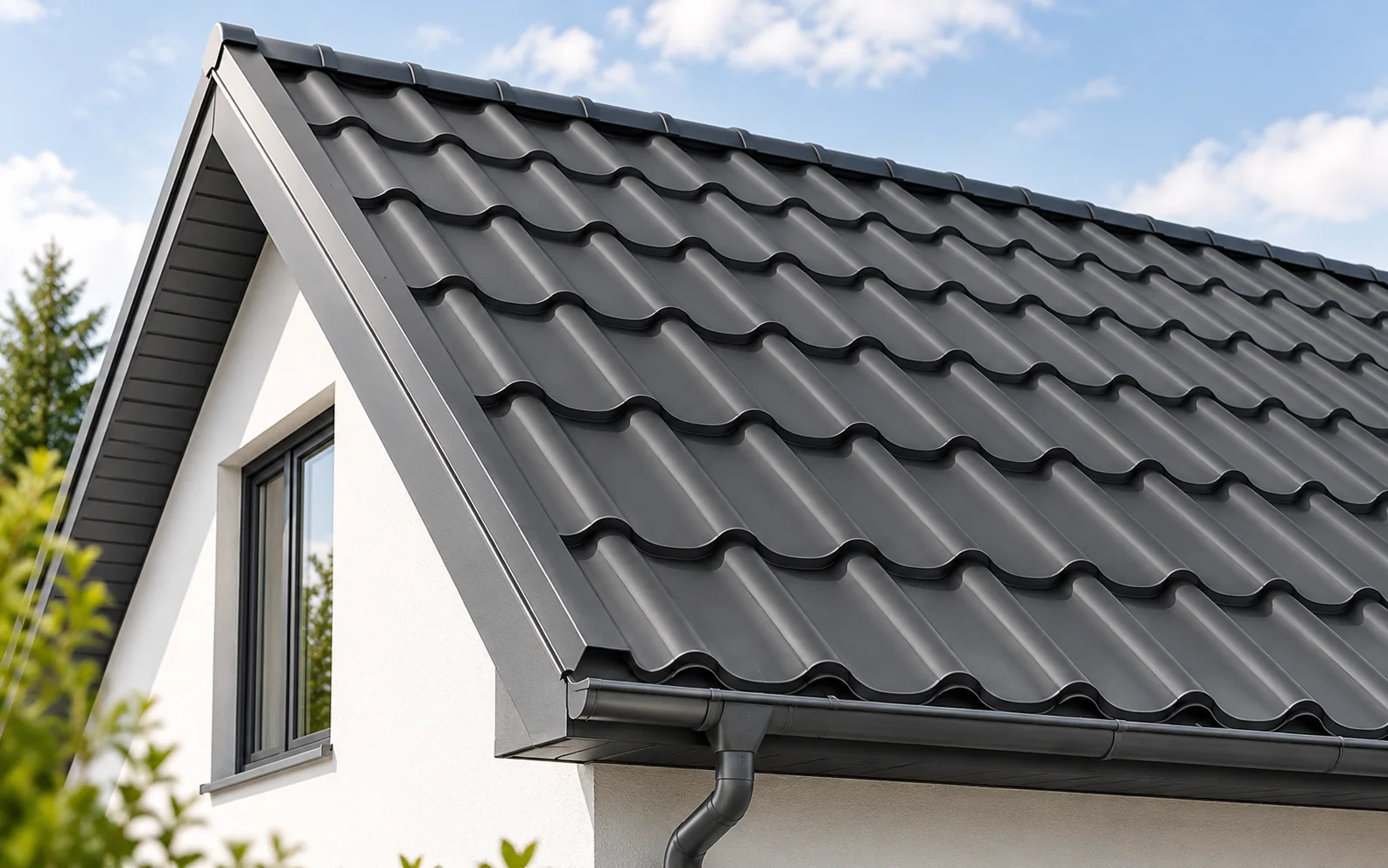
In modular tile-effect metal roofing, the panel connections are checked. With long sheets, attention is paid to laps and the potential for thermal movement. In sandwich panels, the tightness of the joints and the sealing of the core at the ends are important. Each system has its own details, which should not be combined arbitrarily.
How should a roof be prepared for snow accumulation?
Assess the condition of the safeguards above entrances, walkways and other areas in use. The brackets and their substrate must carry the anticipated load. Barriers are not selected merely to match the colour of the sheet. Their number and arrangement are determined for the geometry and conditions of the particular roof.
On a larger building there should be a plan for monitoring the snow cover. It defines responsibility, the method of assessment and the organisation of any snow clearing. There is no single snow depth that is safe for all structures. A wet layer and a local drift can be particularly loading.

Will improving insulation help in winter?
Continuous insulation limits heat loss through the roof. PIR boards are useful where a high thermal resistance is needed at a smaller thickness. This does not dispense with careful detailing of the connections at the wall plate, chimney and window. An airtight gap can impair the performance even of a well-chosen layer.
The moisture drainage arrangement specified in the design must also be preserved. Ventilation inlets beneath the covering must not be blocked for the sake of temporarily warming the attic. The insulating material should remain dry. A wet layer should not be enclosed by boarding without establishing the cause of the moisture.
How can safe access for servicing be planned?
Check the access route to chimneys, equipment and drains. Steps and walkways require their fixings to be checked. An anchor point must be intended for that purpose; an ordinary flashing or a small railing does not automatically perform this function. Before the snow arrives, it is easier to inspect the condition of all components.
It is worth marking skylights and areas where walking is not permitted on the plan. In winter they may be hidden beneath a white layer. The person commissioning the service should pass this information on to the team. Good preparation reduces the need to improvise in bad weather.
How should one respond during the season?
After strong wind, inspect the building from a safe place and look out for loose components. During thaws, check that water drains away and that no new damp patches appear. Dangerous overhangs require the area to be cordoned off and removed by a specialist. Do not stand beneath them while assessing them.
If you notice clear deformation or other signs of structural risk, urgent intervention and protection of people are needed. A routine autumn inspection does not guarantee a trouble-free winter. It does, however, allow defects that would increase the risk during precipitation to be removed in advance.
A tip before ordering
Prepare a single winter service sheet: contractor details, the location of drains, the skylight plan and the places of earlier repairs. Keep it together with the roof documentation so that it is available even during a sudden failure.
What is worth remembering?
A roof prepared for winter has efficient drainage, correct connections and an established inspection regime. Insulation and airtightness from the interior help to limit moisture problems. It is best to carry out the necessary repairs in advance, when the weather allows the proper technology to be used.
7 branches. Materials closer to your project.

Free quote
Materials for your project





You may also find useful…
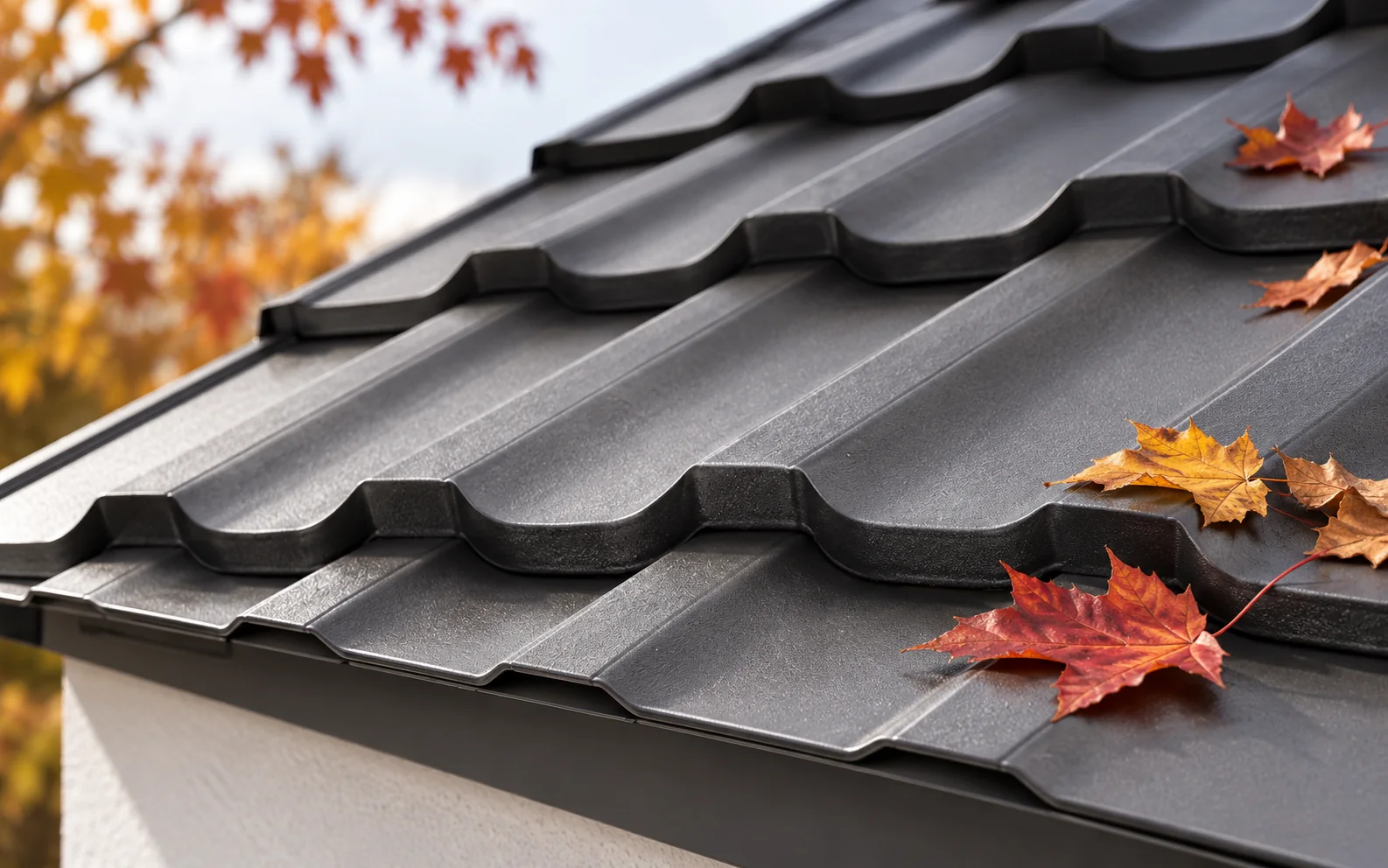
An autumn inspection should prepare the roof for prolonged moisture, wind and snow. First, check the drainage of water, loose components and…
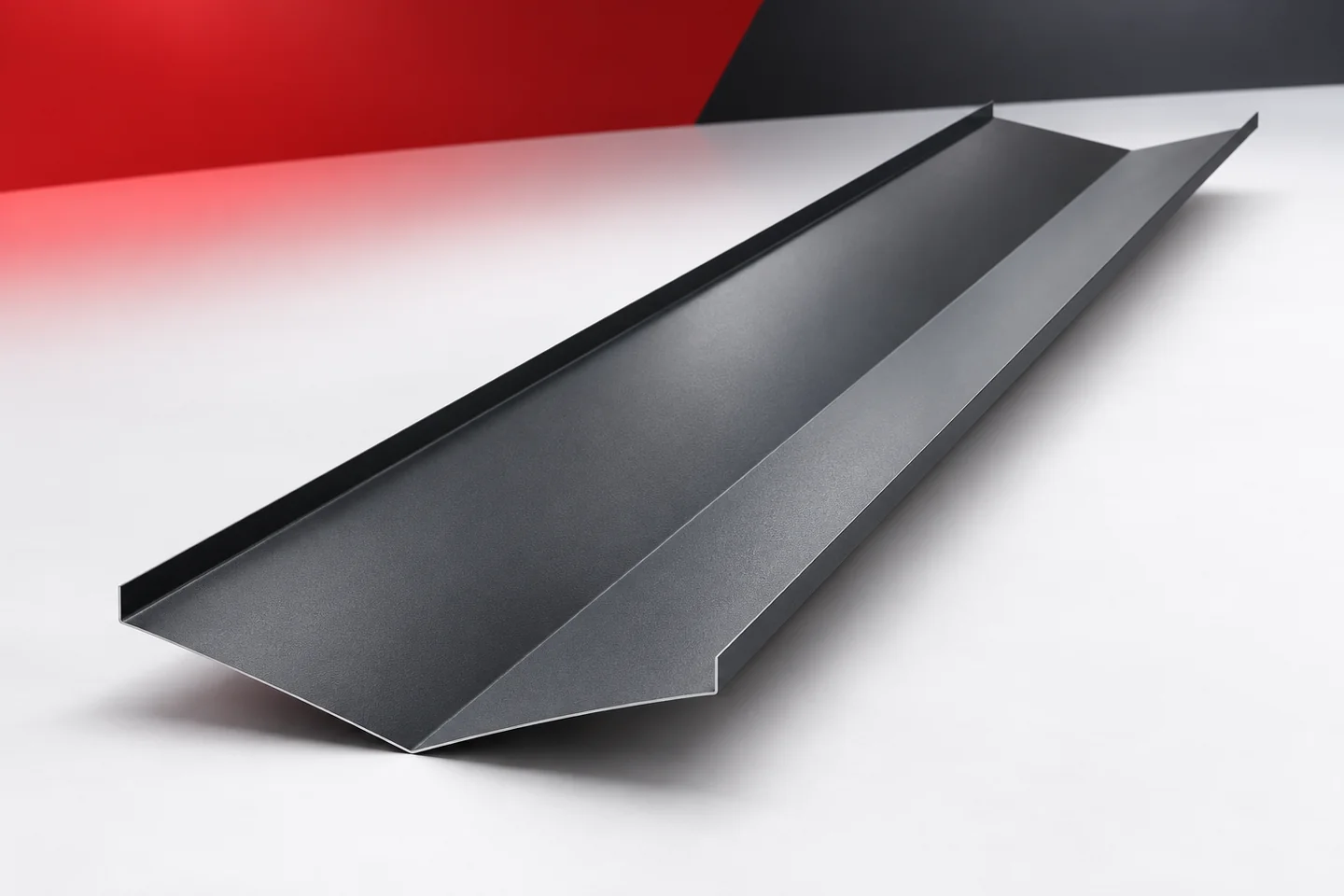
The roof valley collects water from the converging roof slopes. Its flashing must match the roof geometry and ensure an unobstructed drainage…
To budget for a roof in 2026, mark on the drawings where the quotation starts and ends. Installing a covering on an…
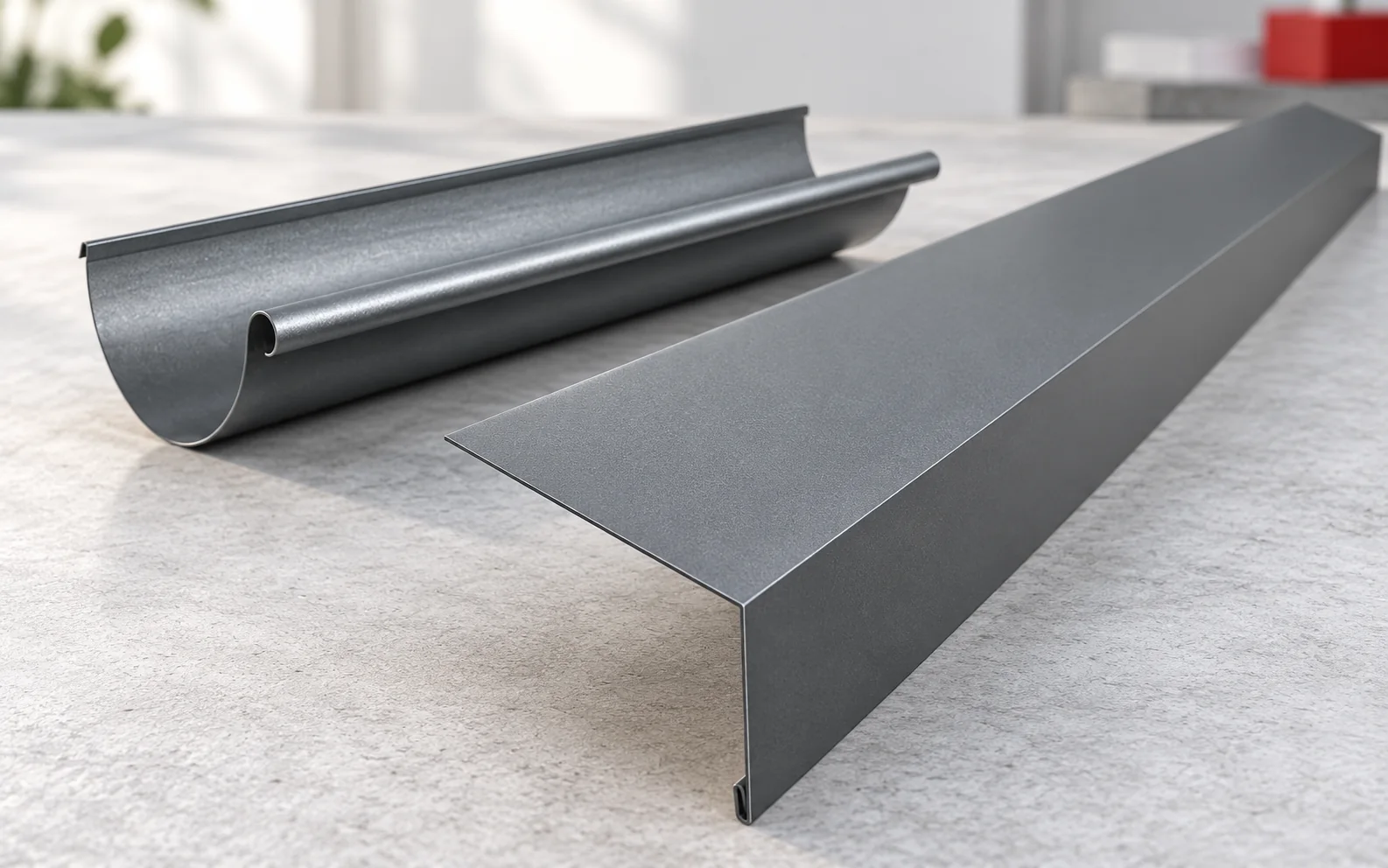
The gutter apron collects water in the eaves zone and shields the vulnerable end of the roof slope, so its shape must…
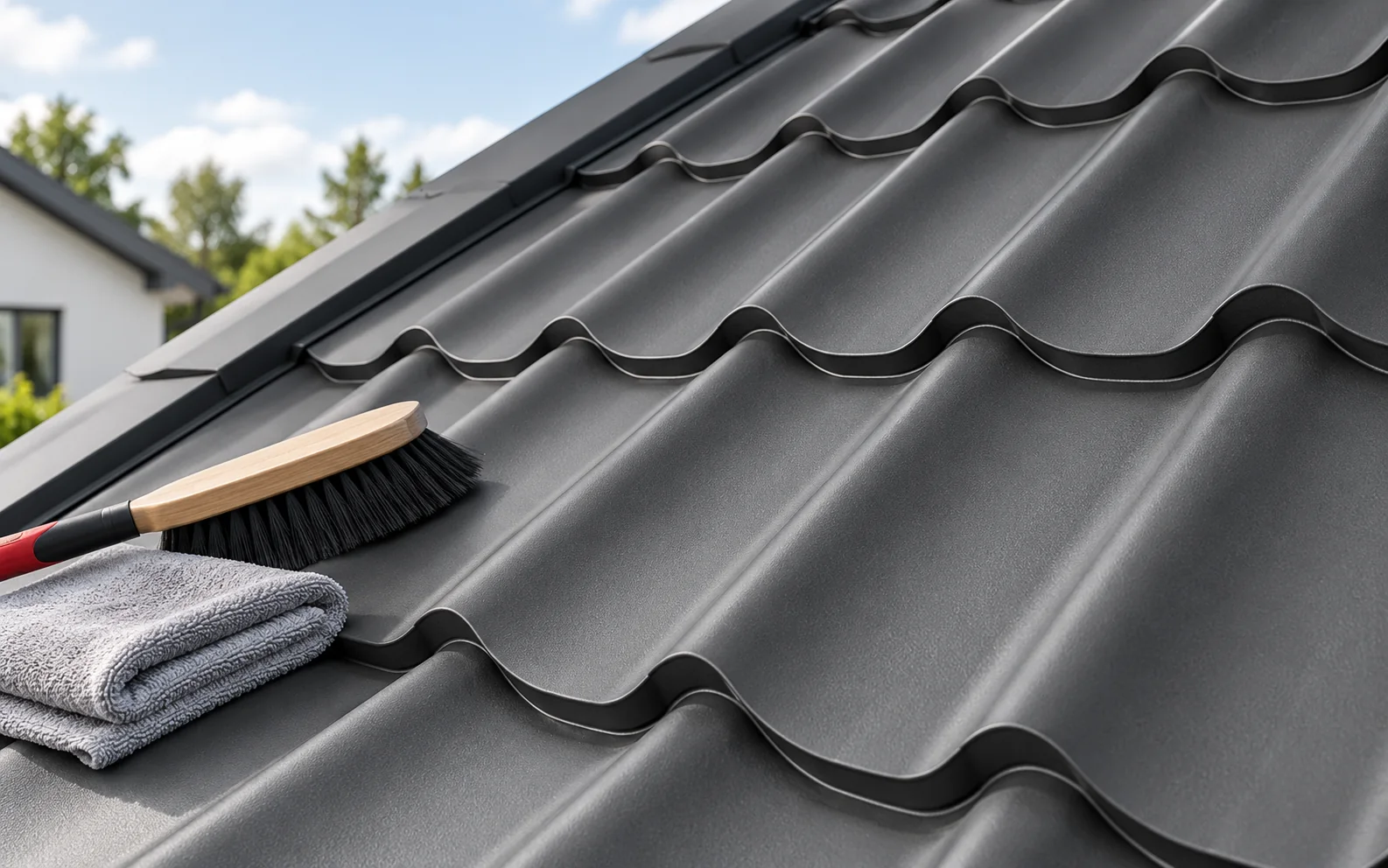
Roof maintenance involves removing dirt, checking joints and repairing minor damage. It does not mean painting the entire roof slope every year.…
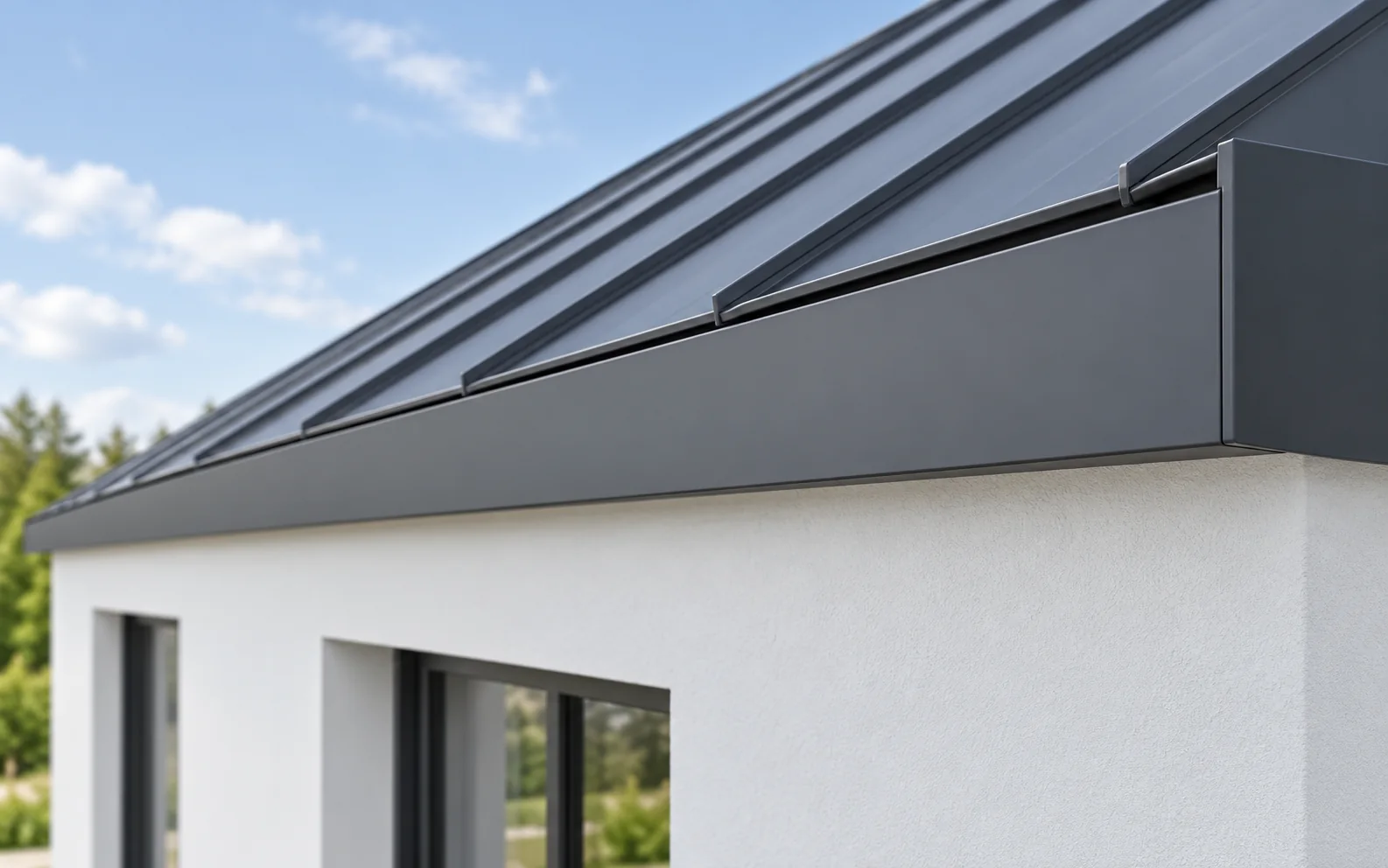
Concealed gutters can be combined with a metal roof if the entire eaves have been designed for such drainage. The right flashings…
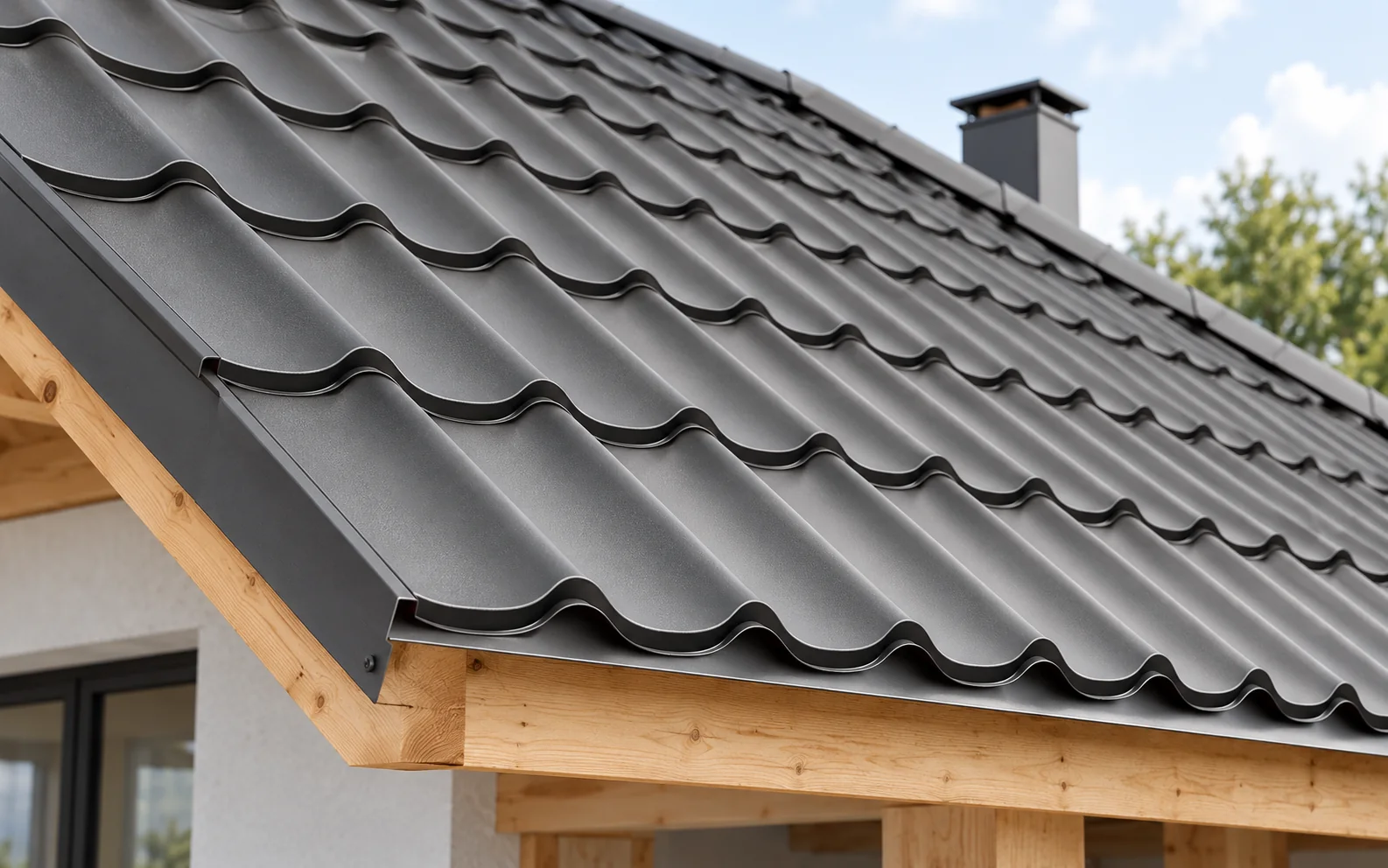
Replacing a roof from measurement to handover requires decisions on material, construction and details before dismantling begins. A survey of the finished…

A concealed gutter system reduces the visibility of the drainage, but it must still collect water efficiently and remain serviceable. It is…