

Insulation and sandwich panels
Choosing a metal roof build-up that limits heat loss
Energy efficiency depends on the insulation of the entire building envelope, its airtightness and how the building is used. Sheet metal mainly performs a protective or structural function. In sandwich panels, the core accounts for a large part of the thermal performance, but the joints also matter. Selection should be based on calculations and the actual conditions inside. The temperature and humidity in a warehouse, workshop and house can be completely different. The heating period and the presence of processes that release steam are also significant. These conditions must be described before choosing a roof. Otherwise, even good material parameters may not match the task. In a building used intermittently, the rate of heating up and losses through doors can also be important.
In this article
What conditions need to be defined at the outset?
The temperature and humidity in a warehouse, workshop and house can be completely different. The heating period and the presence of processes that release steam are also significant. These conditions must be described before choosing a roof. Otherwise, even good material parameters may not match the task.
In a building used intermittently, the rate of heating up and losses through doors can also be important. It should not be assumed that replacing the covering alone will resolve the entire balance. The roof is part of an envelope that interacts with the walls, openings and ventilation. These elements should be assessed together.
How do lambda, R and U differ?
Lambda describes heat conduction through a material. The resistance R also depends on its thickness. The U-value relates to heat transfer through a defined building component or element according to the adopted method. A lower lambda of the insulation is not in itself the U-value of the whole roof.
For sandwich panels, the parameters declared for the specific variant are used. The core thickness, profile and calculation conditions must be checked. Values should not be transferred between a wall panel and a roof panel. The names PIR and mineral wool alone do not determine the finished thermal performance of an element.
How does PIR help to reduce insulation thickness?
For the same required R-value, a material with a lower lambda needs a smaller thickness. For the example values 0.022 and 0.038 W/(m·K), a 100 mm layer of the first material has the same resistance as approximately 173 mm of the second. This compares the layers alone, without thermal bridges and the other parts of the roof.
The benefit can be significant where height, reveals or renovation are restricted. It does not mean a complete advantage in every property. Mineral wool may better meet fire and acoustic requirements, XPS damp conditions, and EPS economic assumptions. Selection requires comparing specific products and assemblies.
What do roof and wall sandwich panels offer?
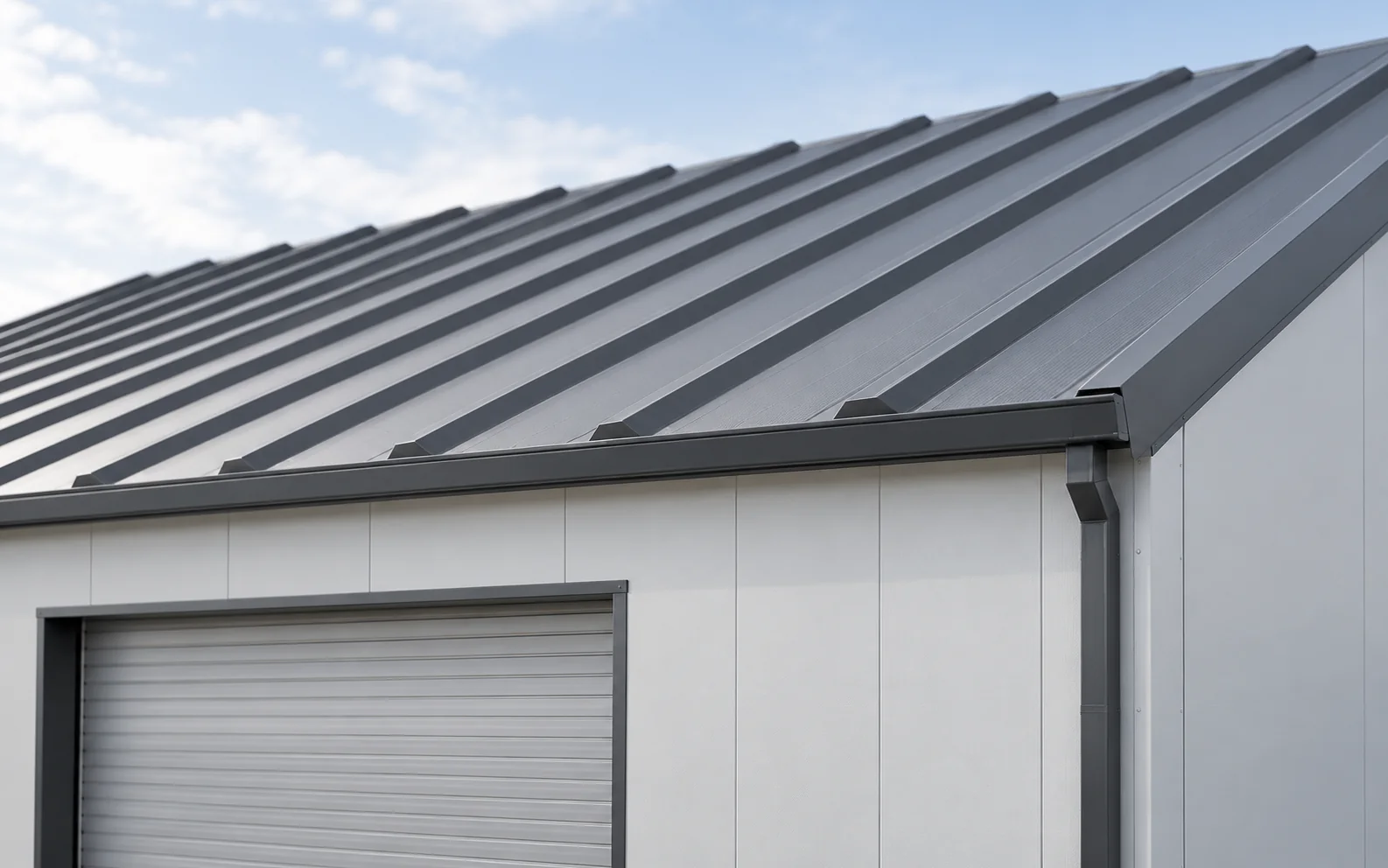
They allow an envelope to be created from repeatable elements containing insulation and facings. With a well-prepared structure, they facilitate rapid closing of the building. Selection should cover both the roof and the walls. A weak detail between them can limit the effect of a good value in the panel field.
In one documented PIR roof system, a thickness of 100 mm corresponds to Uc 0.21 W/(m²·K), and 160 mm to a value of 0.14. This is an example of a specific panel, not a rule for the whole category. At purchase, the current data sheet for the chosen variant and the requirements for the specific building must be checked.

Where do losses occur despite good insulation?
The sensitive points are panel joints, flashings, connections to the base and service penetrations. Air leakage can transfer heat and moisture. It will not always be visible as an open gap. Sealing must therefore be carried out in the designated zones and in the correct sequence.
In a traditional roof, the sealing layer must be connected to the wall insulation and the windows. One should not rely on randomly filling all accessible places with foam. The materials should form durable, compatible connections. Inspection before the layers are closed in makes it easier to detect deficiencies.
Are a light colour or ventilation enough in summer?
Colour affects the heating of the outer surface, but does not describe the whole comfort situation. Insulation, windows, shading and gains from people and equipment also matter. A high temperature in a hall may result from a production process and not solely from radiation on the roof.
The ventilated space beneath the sheet metal has a function defined in the layer design. It does not replace proper ventilation of the rooms. In sandwich panels the arrangement differs from a roof on battens. Solutions should not be transferred between them without a thermal and moisture assessment.
How should the scope of modernisation be chosen?
First establish where energy is actually escaping and where the moisture comes from. Inspections, documentation and appropriately interpreted measurements are helpful. Then compare variants for insulation, sealing and detail repairs. Replacing only the colour or profile of the sheet metal may not bring the expected effect.
Savings should be estimated for the temperatures, operating hours and energy costs of the specific building. There is no honest fixed percentage value for every roof. A good modernisation plan also identifies fire requirements, load-bearing capacity and the sequence of works. Then improving the thermal performance does not create a new problem in another part of the building.
A tip before ordering
When enquiring about a panel, state the interior temperature, the heating method and the expected humidity. A thickness of 100 or 160 mm alone does not explain to the supplier which building component and function the material is needed for.
What is worth remembering?
An energy-efficient metal roof requires well-selected insulation and airtight details. PIR and sandwich panels can help to achieve the required parameters, but their effect depends on the whole building. Compare calculations and documentation, not a promise of savings attributed to the covering alone.
7 branches. Materials closer to your project.

Free quote
Materials for your project

You may also find useful…
Replacing a roof covering is a job in which safety depends on the preparations made before the crew even sets foot on…
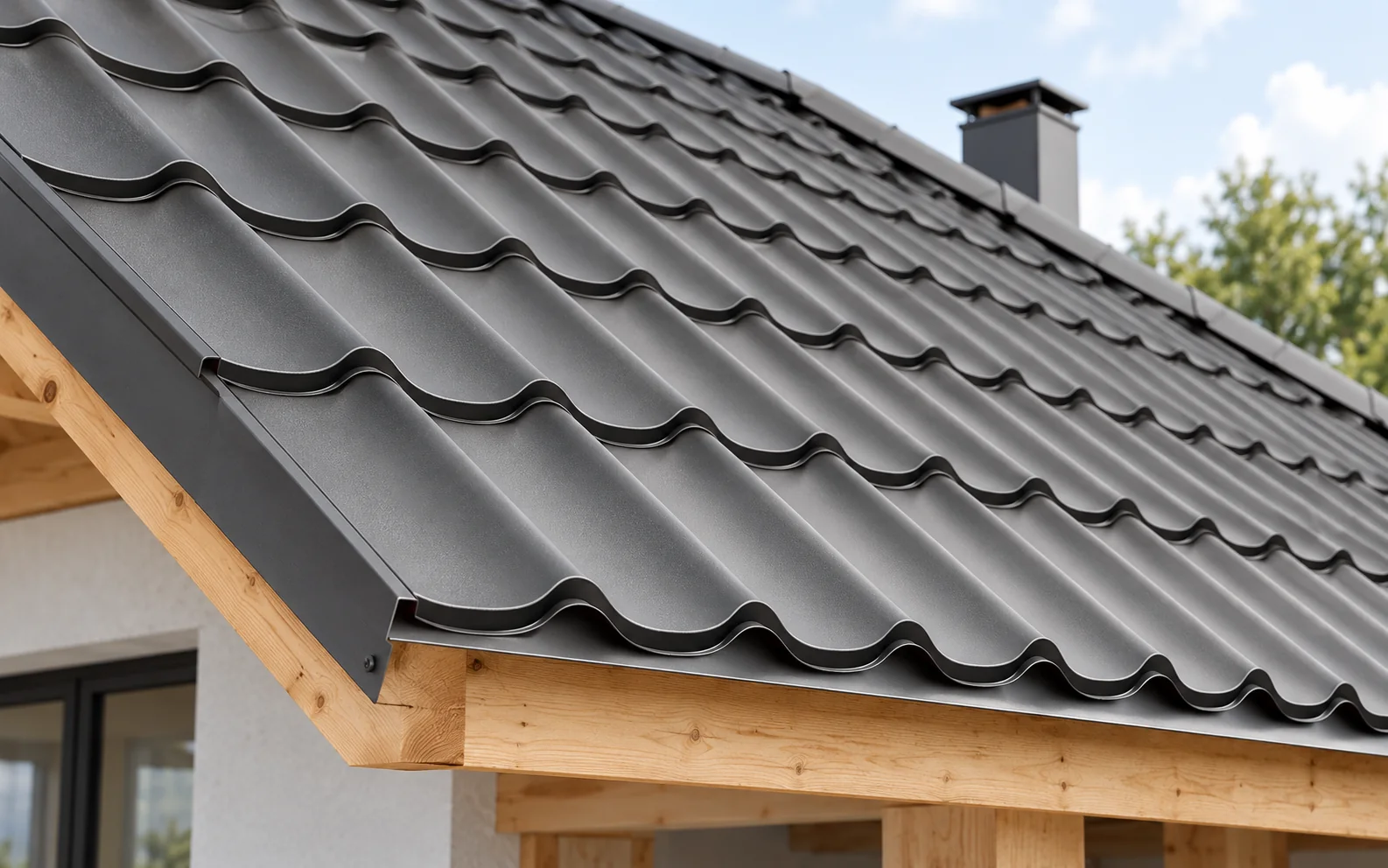
Replacing a roof from measurement to handover requires decisions on material, construction and details before dismantling begins. A survey of the finished…
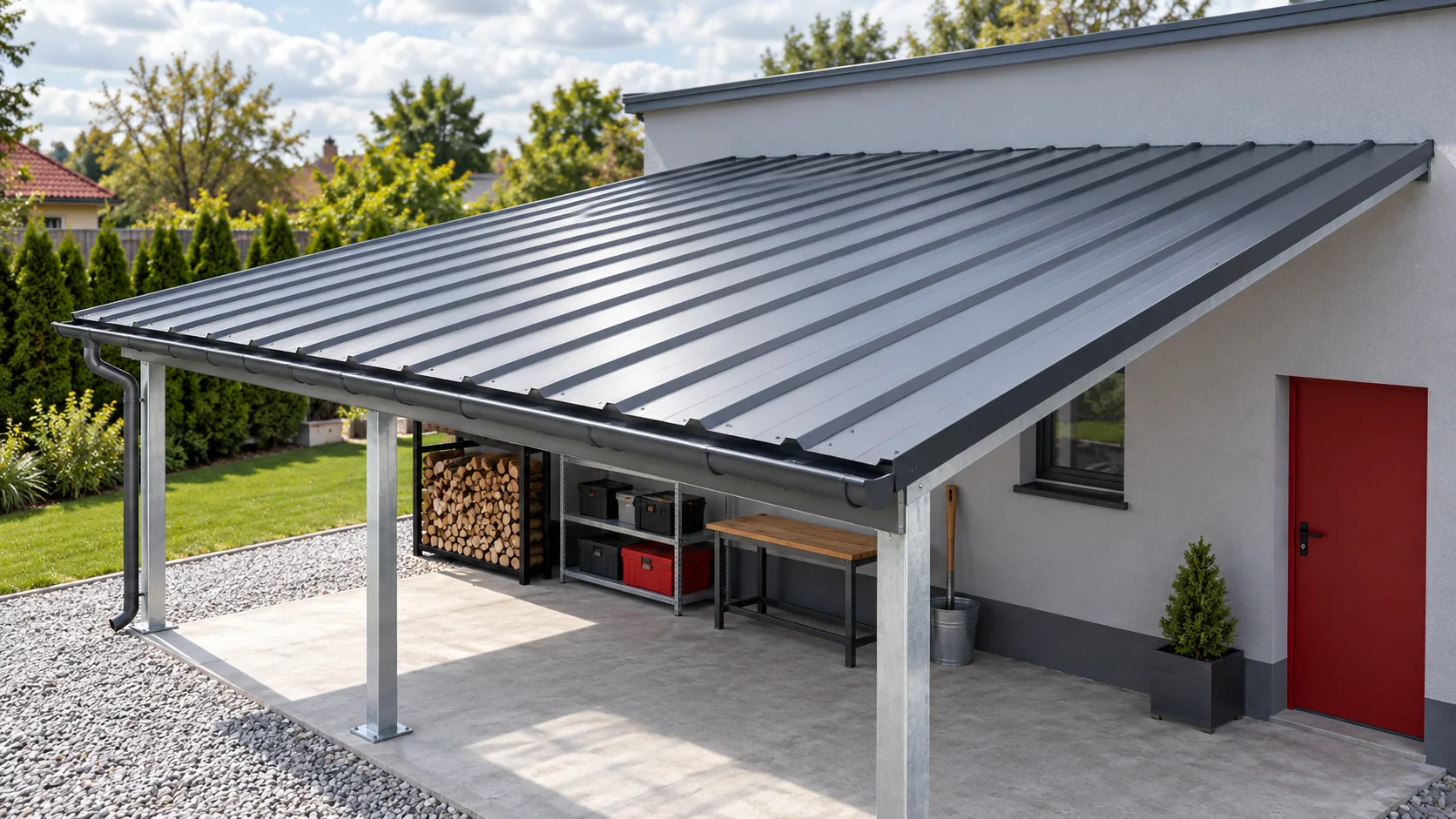
T14 profiled steel sheet can be an option for a small replacement roof or lightweight cladding. Before choosing a sheet thickness or…
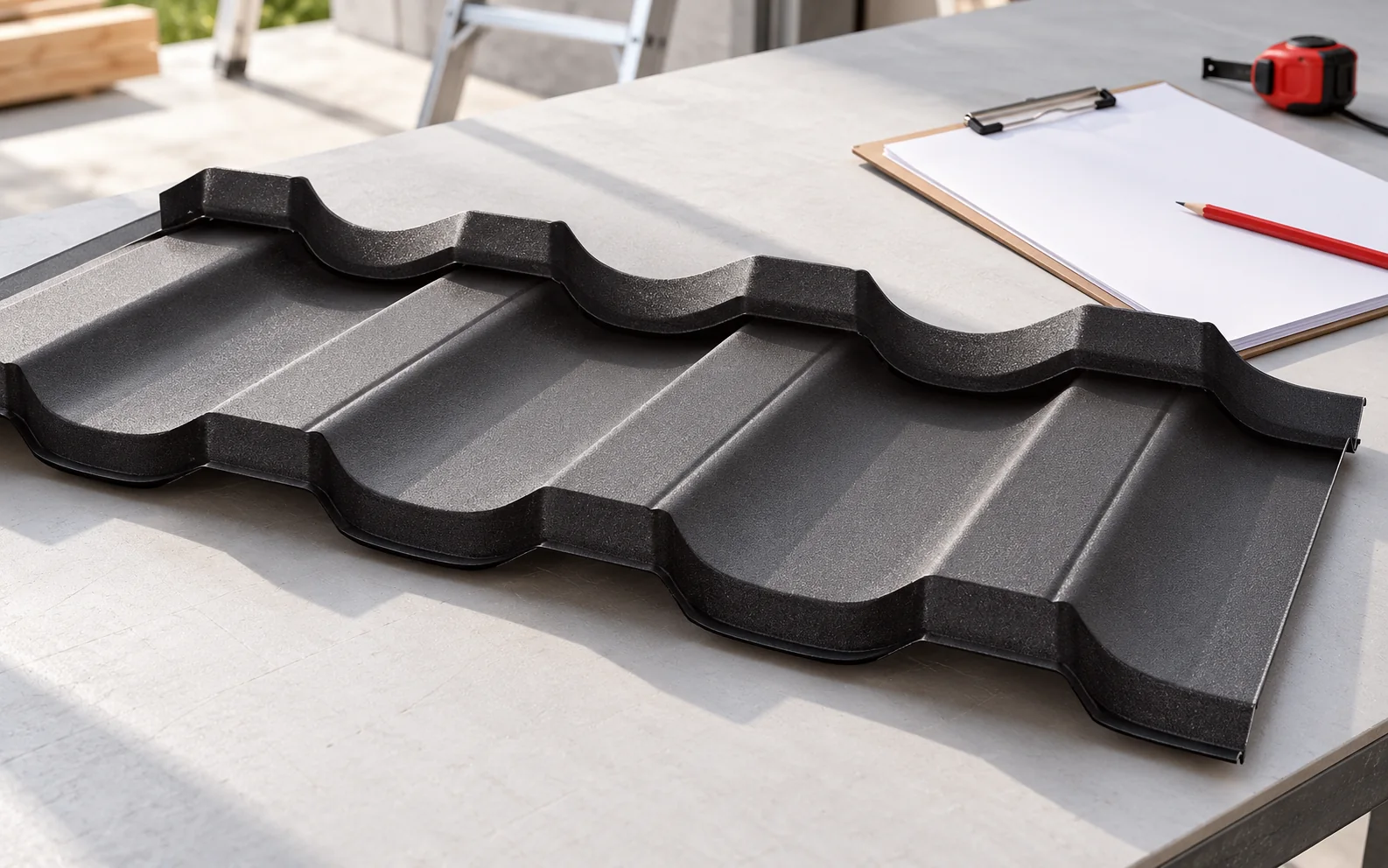
Start by drawing the layout of the sheets on each roof slope. On a simple garage roof, sheets cut to length can…
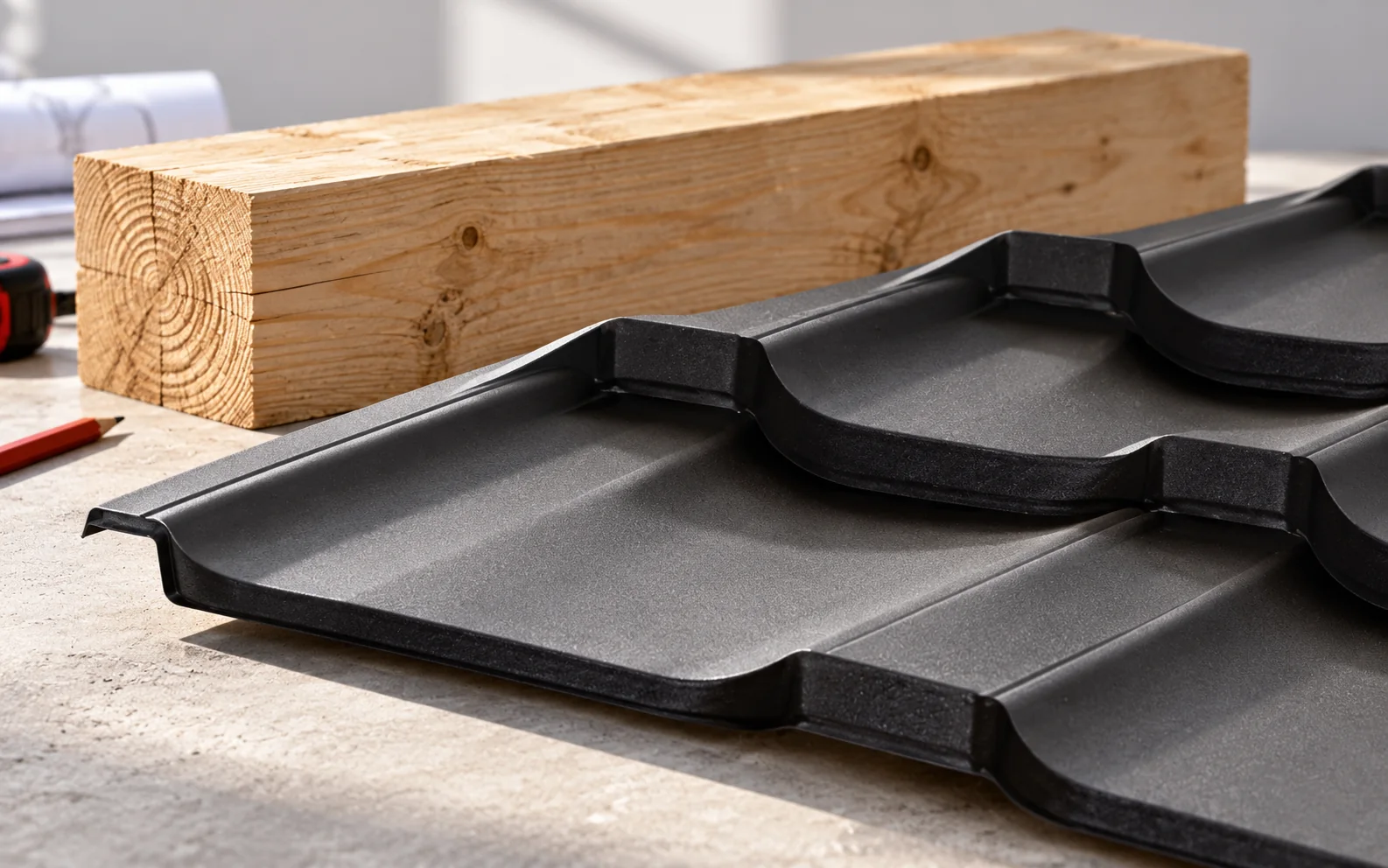
On an eaves section, look for the wall plate where the timber roof structure bears on the external wall. Three functions meet…
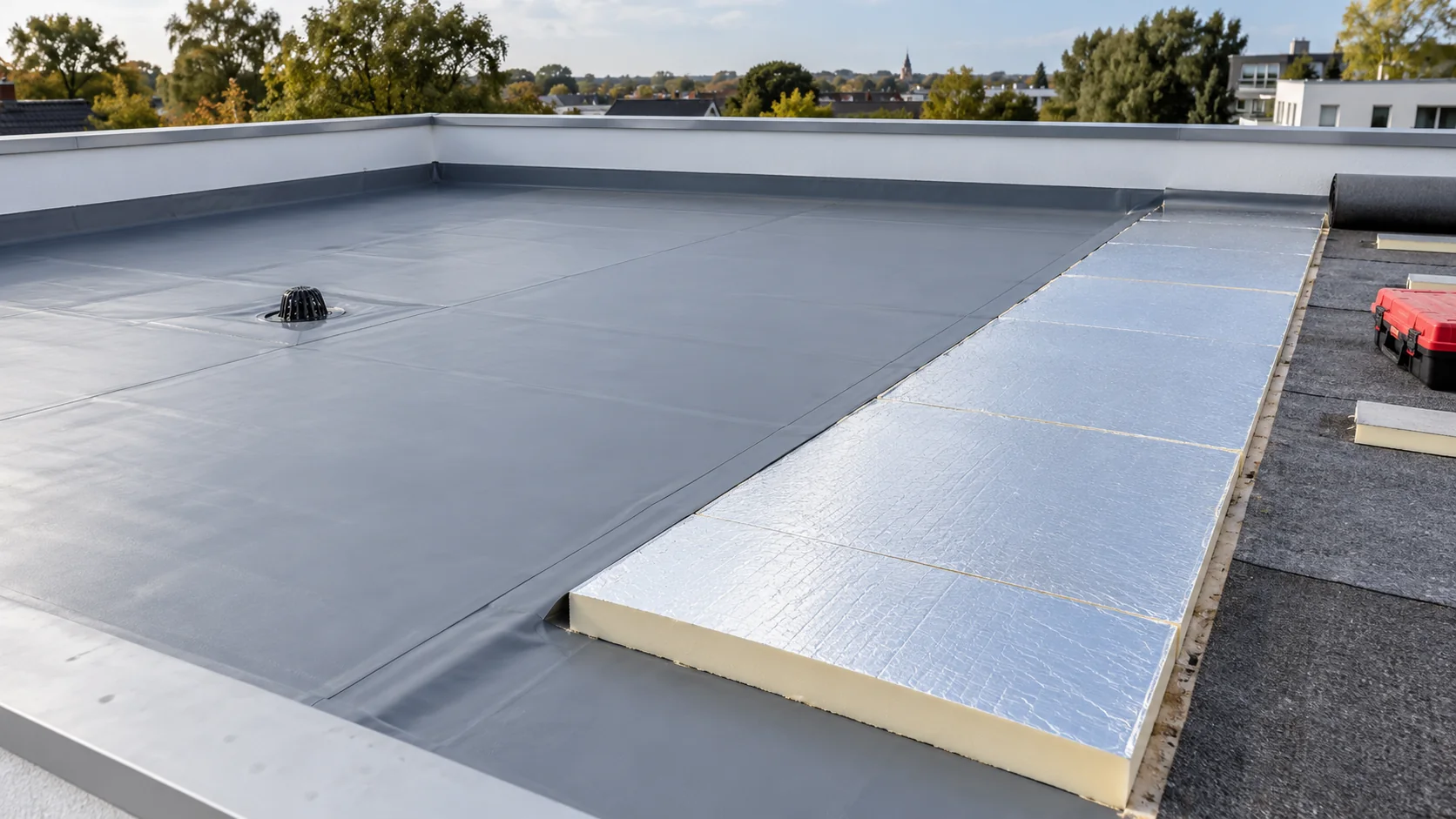
Flat-roof insulation selection starts with the position of the waterproofing. In a conventional warm roof it protects the insulation from above; in…
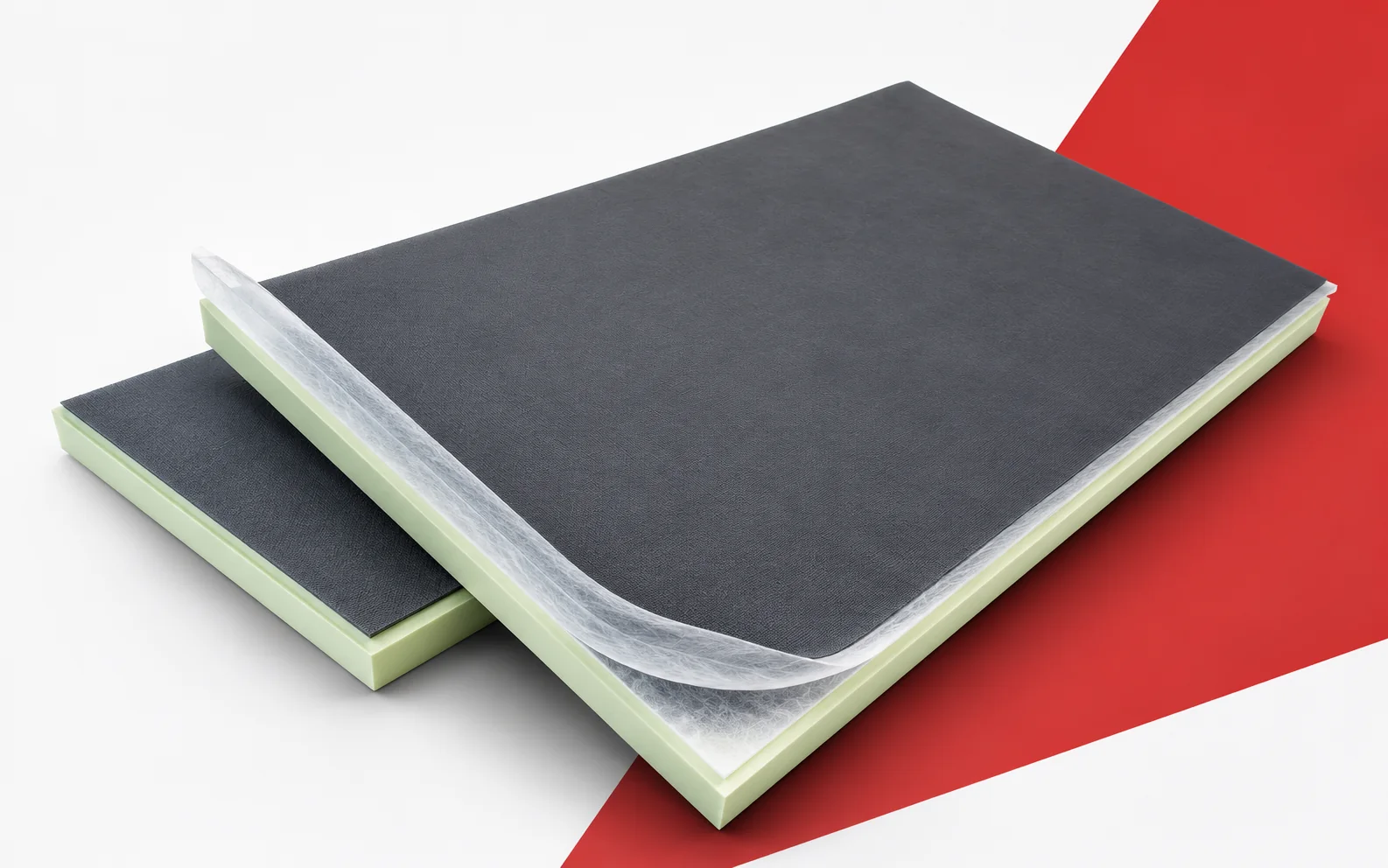
Utherm Sarking LE Plus allows part of the insulation function to be moved above the rafters while preserving attic space. This benefit…
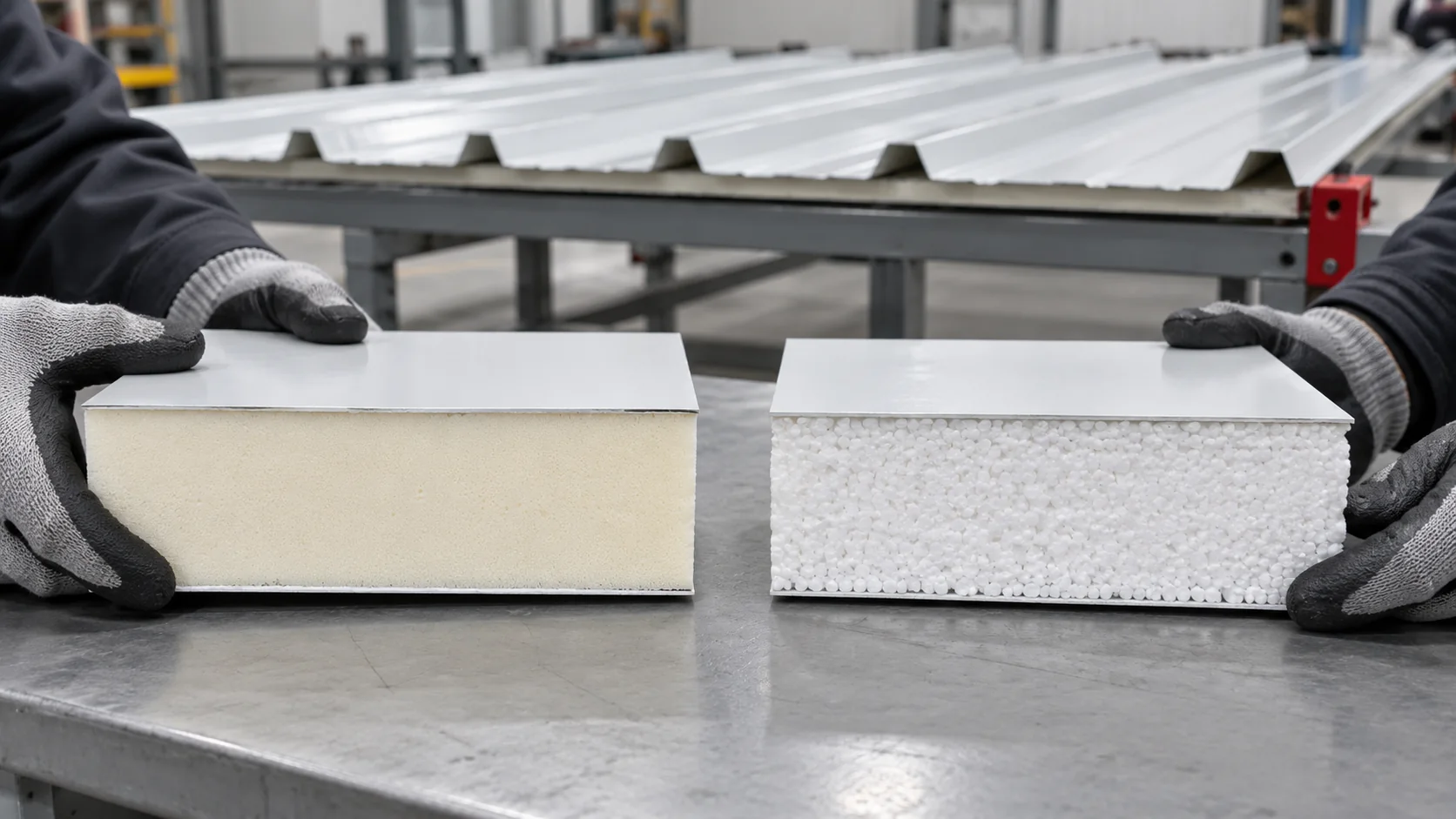
When replacing a roof, compare complete roof panels with two facings and a profile designed for roofing. The PIR or EPS core…