

PIR insulation
PIR boards in an energy-efficient building: what thin insulation can achieve
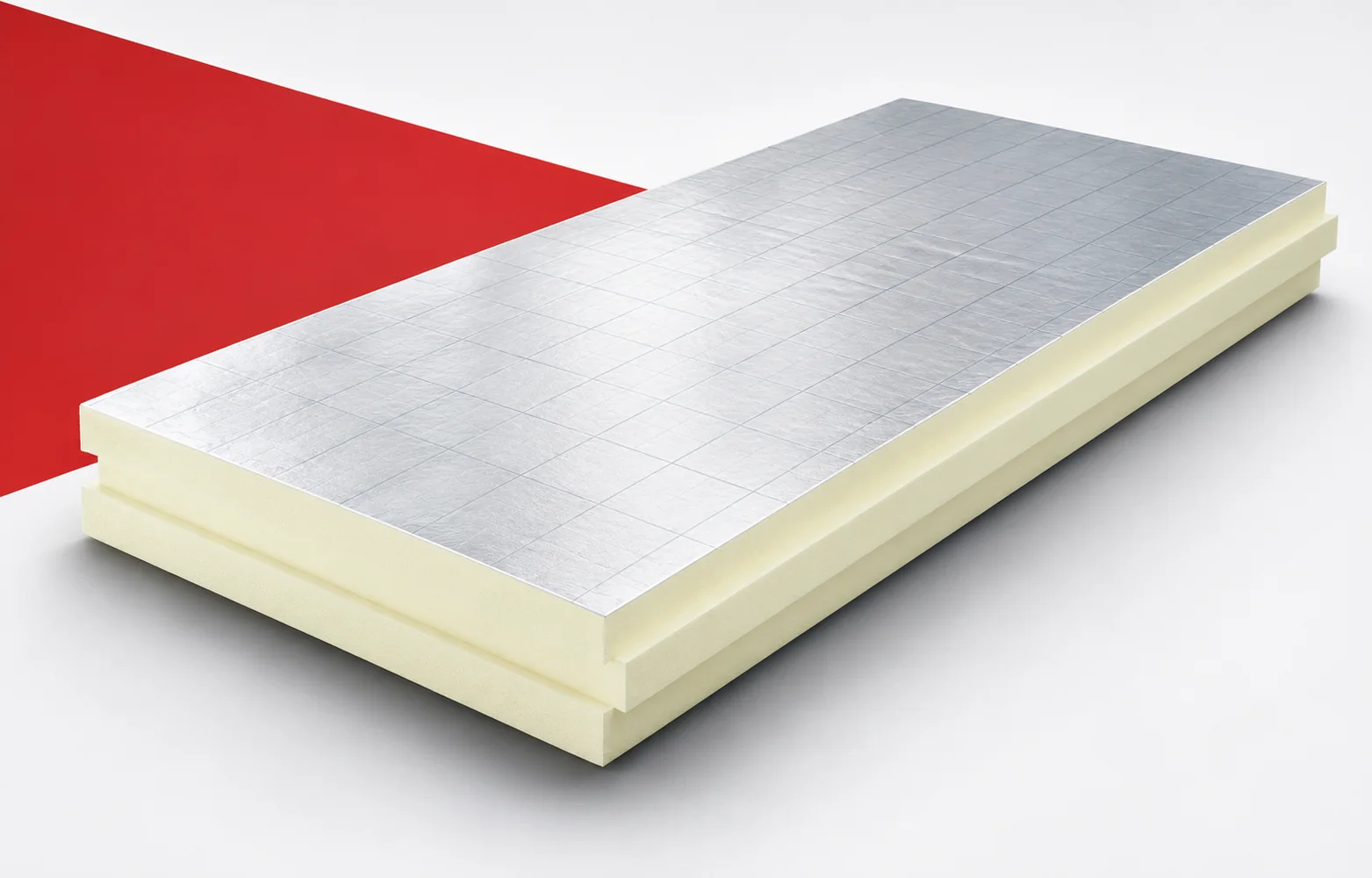
Less space for insulation does not have to mean giving up good thermal resistance. PIR boards help to solve this problem if they suit the chosen building element. When assessing savings, it is worth moving from the characteristics of the core to the details of the building. Only then is it clear what we are really paying for. PIR means rigid polyisocyanurate foam. It belongs to the polyurethane family, but it is not just any foam sold under the abbreviation PUR. In thermal insulation boards the core is produced in the factory. It is given a specific thickness and works with a facing chosen for the particular product. At the start of any comparison, separate the material from the way it is used. Factory-made polyurethane foam has specific parameters, but the client also buys the facing, the format and the edge preparation.
In this article
The PIR core and what the name means
Each of these elements can affect the consumption of accessories. A sensible assessment therefore does not end with the name of the core. It should show whether the finished board suits the task and whether its advantages can be used without rebuilding neighbouring parts of the house.
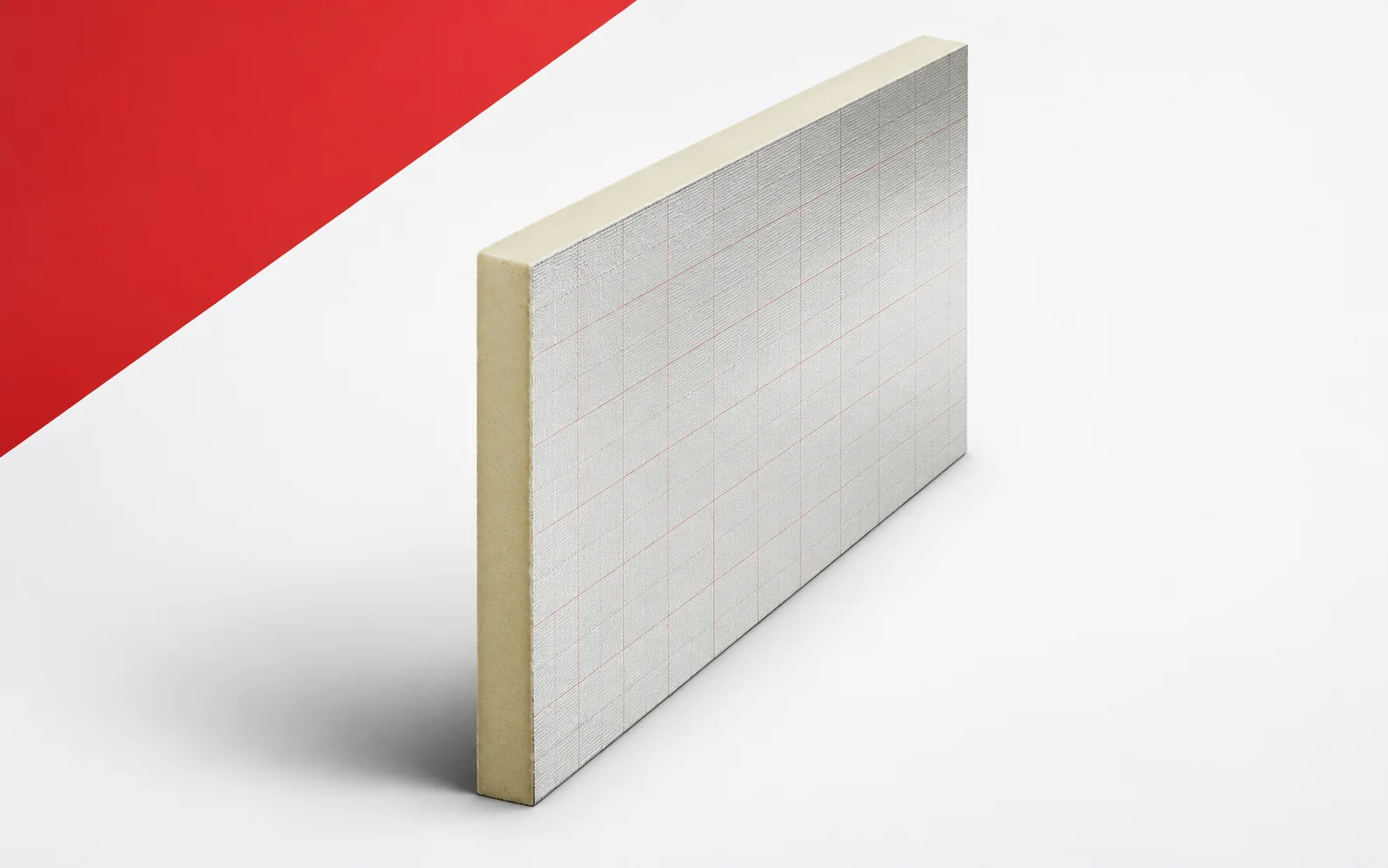
The facing changes how the product is used
A silver surface does not automatically give the right to omit a vapour barrier or waterproofing. The continuity of the whole system and the way joints are sealed must be checked. The effect of reflecting radiation also requires suitable conditions, including an air gap. It is not simply added to the resistance of the board.
Consider insulation next to an existing window. The smooth surface of the board may look neat, but after installation it will be covered by another layer. What matters more is its correct connection to the finish. A silver facing should not be chosen merely because it is associated with reflecting heat. It is necessary to establish which layers will be in contact with it. Their compatibility has a direct effect on the durability of the detail.
Why a smaller thickness may be sufficient
The thickness and the thermal conductivity coefficient lambda are two factors that determine the insulation performance of a homogeneous layer. At unchanged thickness, a lower lambda translates into a higher thermal resistance. Many boards with a suitable facing have a declared value of 0.022 W/(m·K), although not every PIR variant can boast this value.
The advantage of thin insulation is best examined where the saved space has a concrete value. It may be a matter of preserving the width of a passage or the height at a threshold. Not every reduction in thickness, however, saves money. If it requires additional workmanship, this must be included in the comparison. PIR boards should therefore be assessed together with the costs of adapting their surroundings, not by the price of a single centimetre of material.
The application follows from the specific product
PIR boards are used in flat and pitched roofs, floors and walls, yet each product has its own intended application. The fact that a board is designed for a dry floor does not make it suitable for permanent contact with water. Likewise, a standard aluminium laminate does not mean approval for any façade.
In one building there may be several completely different working conditions for insulation. A dry floor, a wall and a section exposed to water do not form a single purchasing task. Using the same product everywhere makes ordering easier, but may be technically wrong. A better specification assigns a board to each building element separately. Then the thermal benefit does not obscure the requirements on which the safety of the whole solution depends.
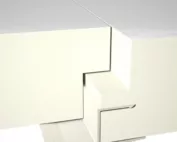
The edge helps, but does not replace care
The joint between boards does not automatically become watertight and airtight. Some systems require tapes or other sealing materials. With multiple layers, continuous gaps can be limited by offsetting them appropriately. The method of execution should correspond to the system instructions.
Add cutting to the savings calculation. A large format may cover a simple surface well, but with numerous breaks it may leave offcuts that are hard to use. It is worth drawing a few rows of boards in advance. Such a simple plan shows the cutting points and repeated widths. It also helps to assess whether the chosen edge will be useful on most joints. Waste should not be a fixed percentage adopted without looking at the project.
Parameters worth checking alongside lambda
Depending on the application, you need to check compressive behaviour, reaction to fire and moisture-related properties. The number next to the CS symbol is not a ready-made permissible service load. Similarly, the reaction-to-fire class of the board alone does not describe the fire resistance of a complete floor or roof.
The heating bill is not a simple reading from an insulation data sheet. It also depends on the area of the building elements and on how the house is used. The declared parameter should therefore be treated as input data for assessing the building. If someone promises a specific reduction in costs without such data, there is no basis for the calculation. A good offer explains the assumptions and the scope of the works. It also allows the improvement of the layer to be separated from the expected financial effect.
How to assess the benefit in a building
An example is the conversion of a loft in which the required thermal resistance must be reconciled with the height of the detail at the window. It is worth comparing the thickness of the whole solution, not just the core. A board with low lambda may make the task easier if it also suits the chosen roof system.
Before deciding, prepare two sections of the same location. The first may show the initial variant. In the second, the polyurethane insulation has a smaller thickness. Mark the finish, the fixing and the connections in both. Also compare the delivery area after allowing for cutting. Polyurethane boards then have a clear task, and polyurethane insulation becomes part of a considered solution. The saving of space can be assessed on the drawing; the saving of energy still requires calculation of the whole building element.
7 branches. Materials closer to your project.

Free quote
Materials for your project
You may also find useful…
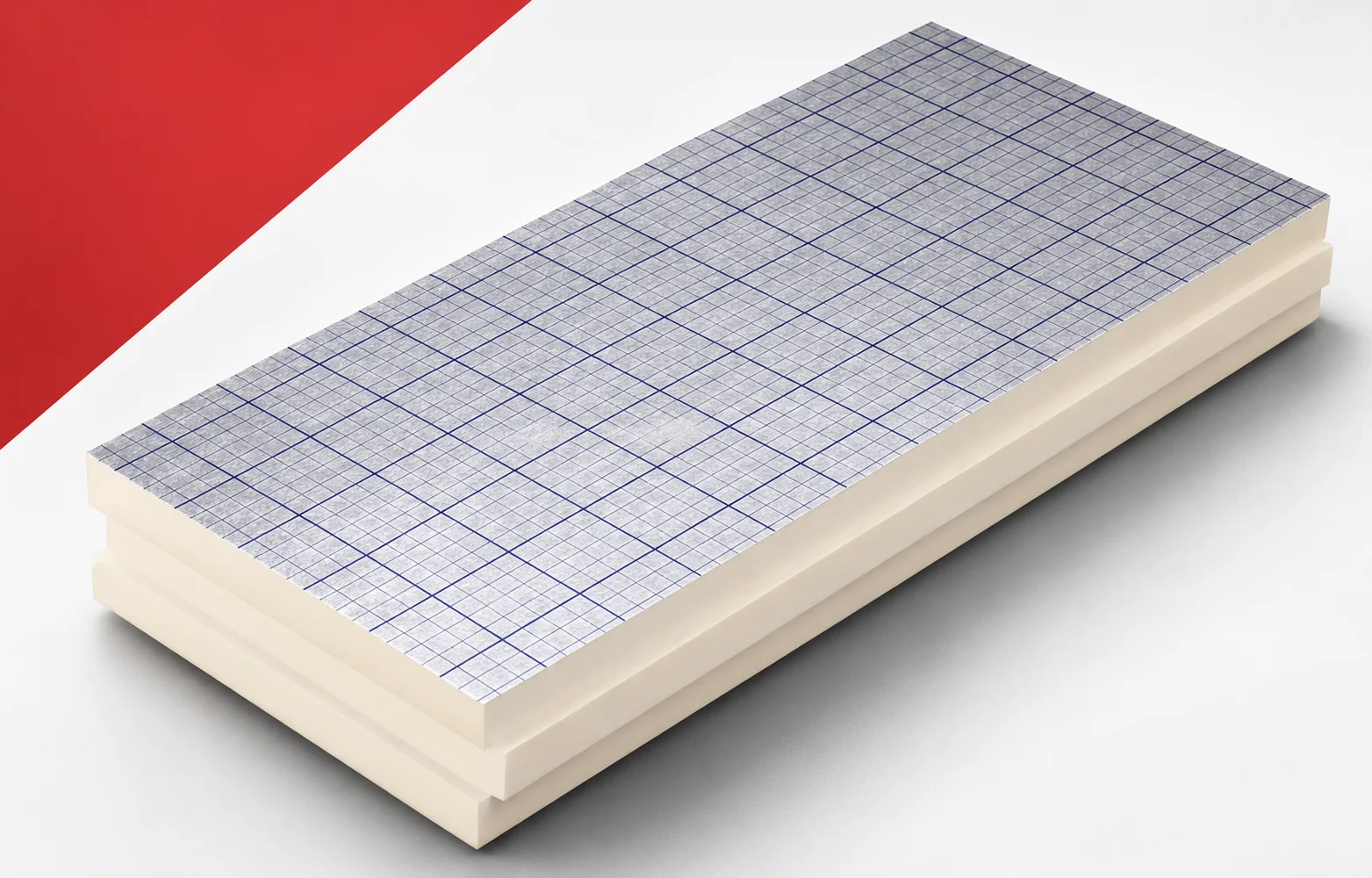
swissporPIR Alu can help achieve the required thermal resistance within a limited construction thickness. The benefit is particularly evident where every centimetre…
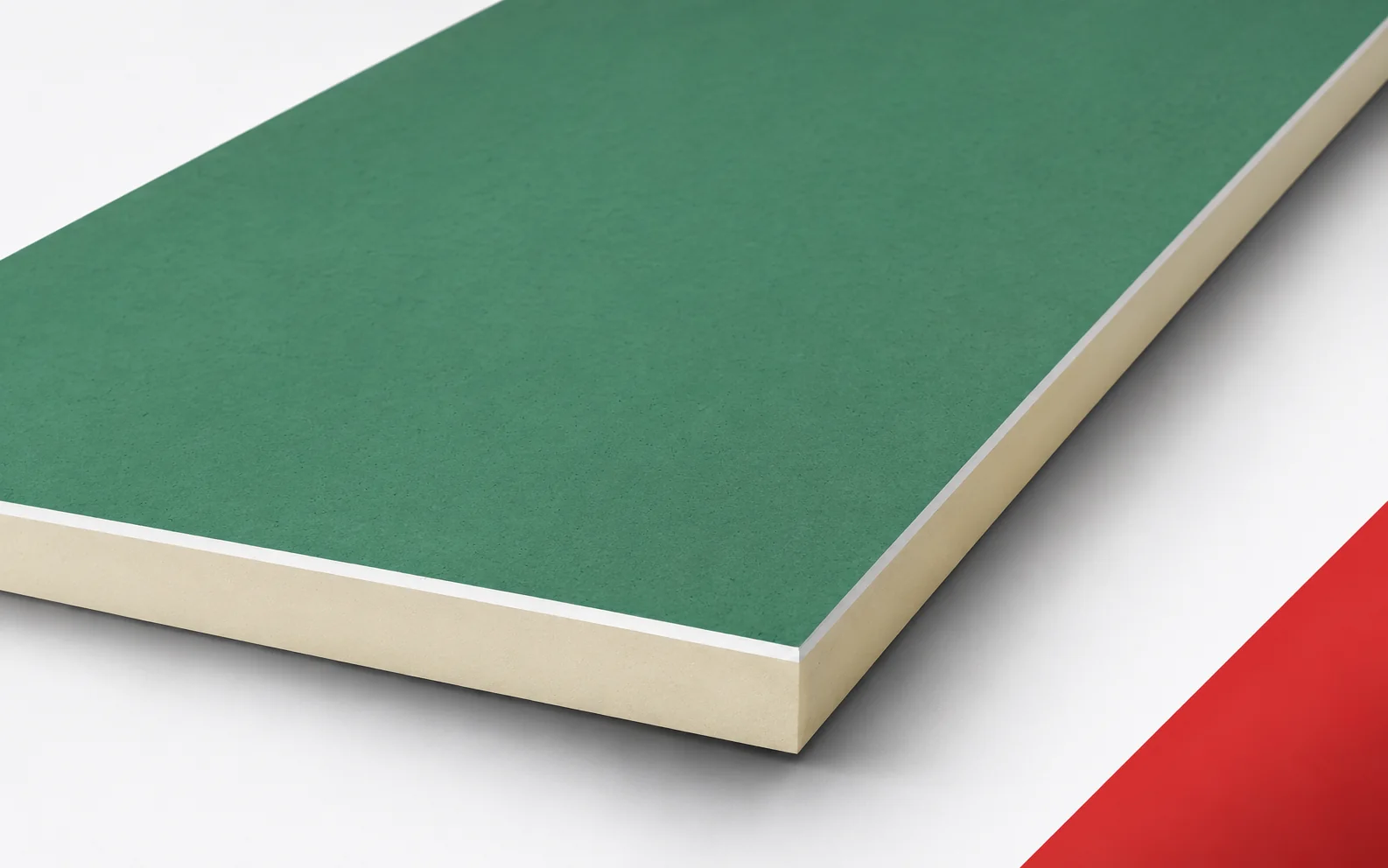
When insulating from the inside, every centimetre of room surface counts. Thermano GK combines PIR insulation with a plasterboard facing. The space…
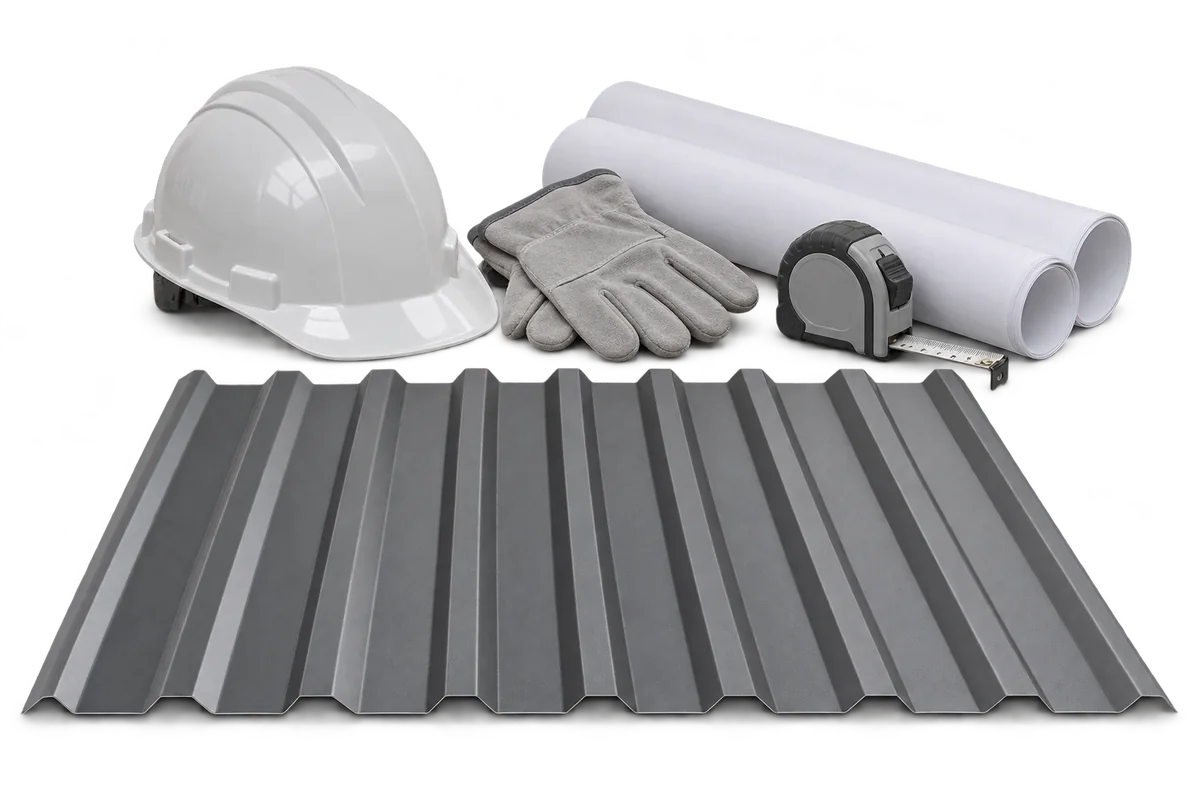
Choosing a building crew starts with comparable quotations. The same total may cover labour alone or include scaffolding, unloading and weather protection.…
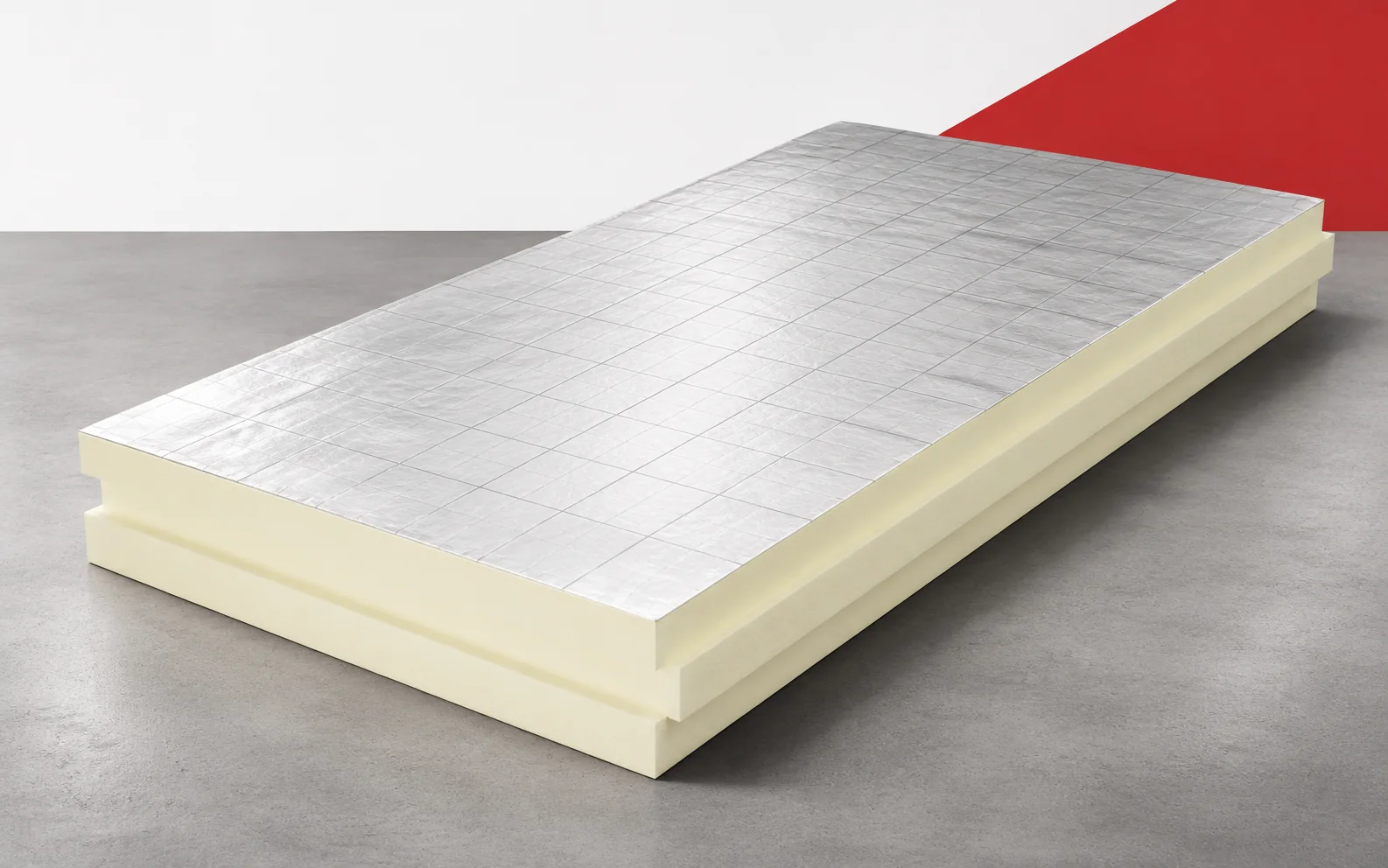
A low floor at doors or stairs makes it difficult to add thick insulation. PIR boards allow a build-up with high thermal…
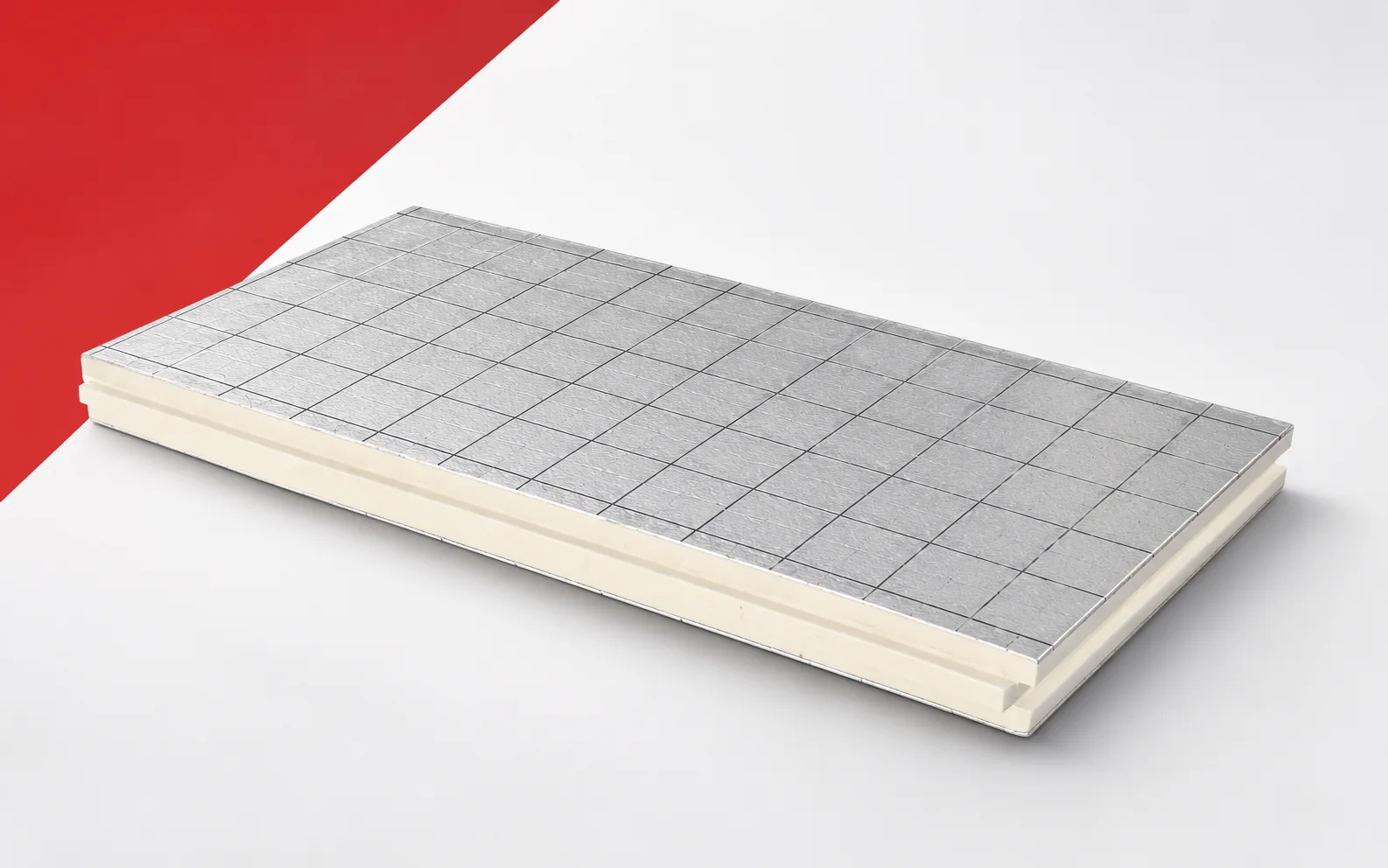
IDELCO α-therm WALL is intended for the thermal portion of a cavity wall. Its low lambda helps to limit its thickness, but…
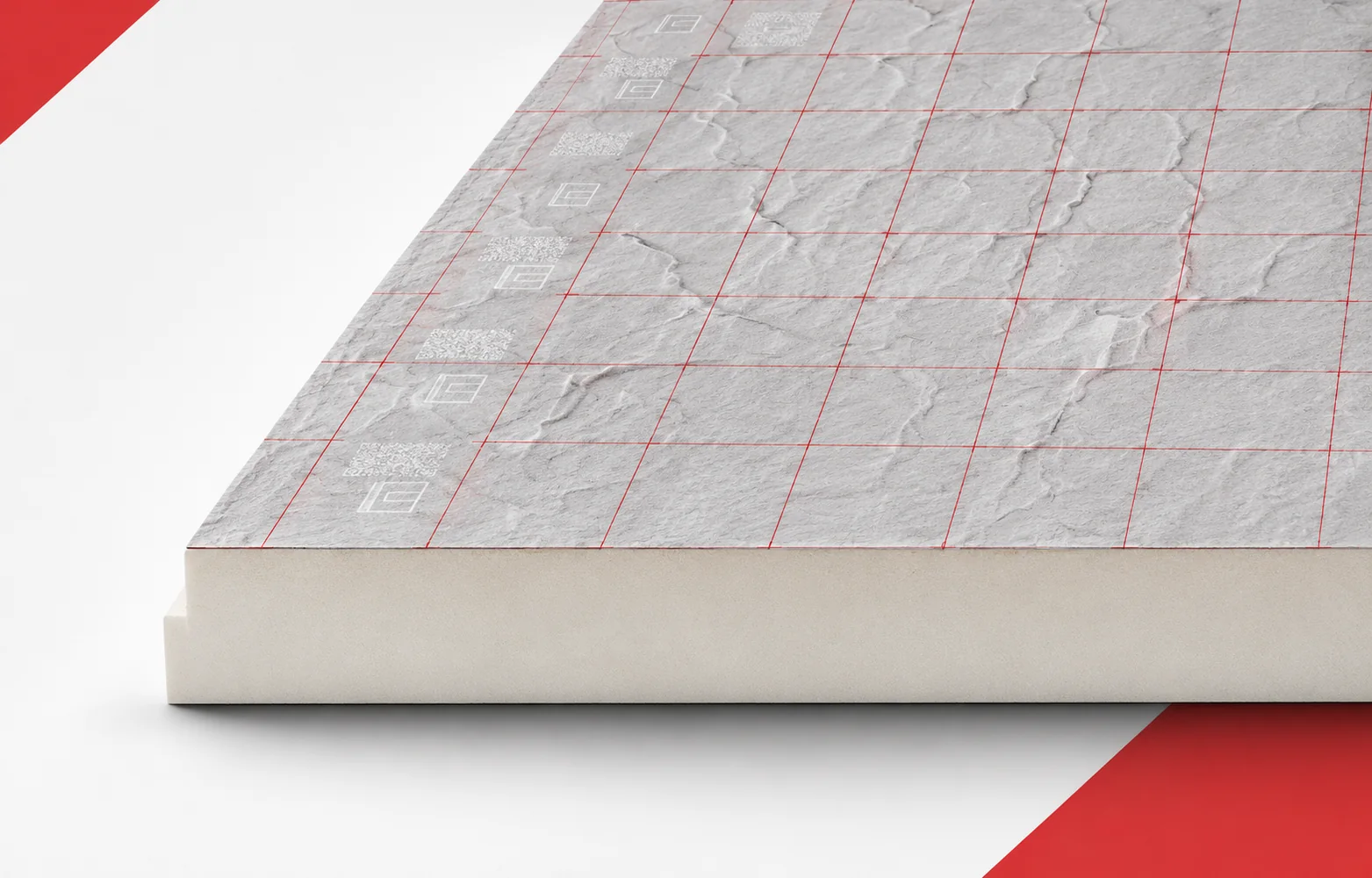
On a flat roof, thermal resistance matters, but so does the height available at parapets and outlets. Thermano Deck allows a relatively…
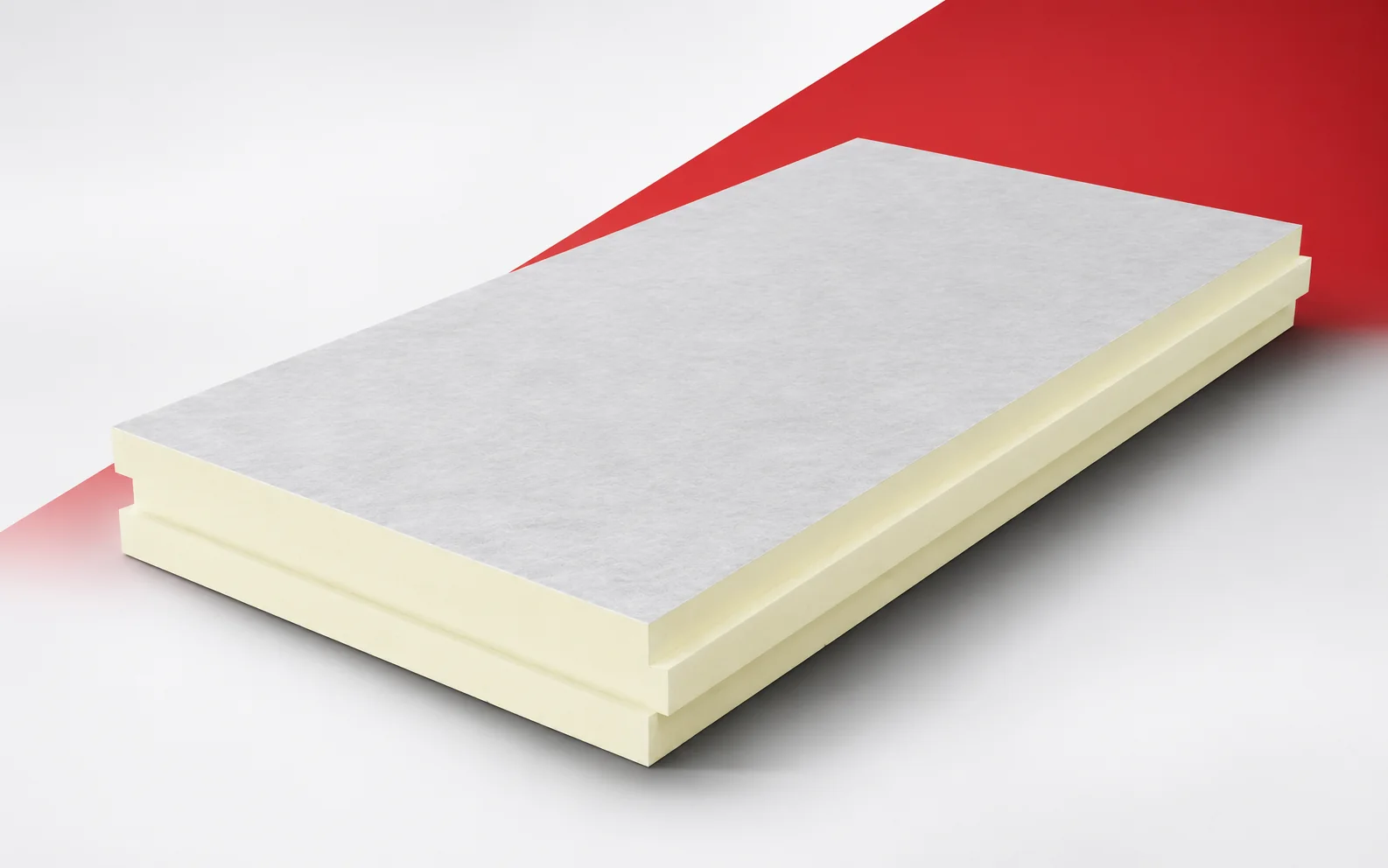
In an efficient roof, the insulation must work together with the layers that protect it. termPIR WS uses a glass fleece facing.…
For a building element with IKO ALU, two thicknesses of the same board are analysed. It is worth checking straight away whether…