

PIR insulation
How thick should PIR insulation be? Thermal conductivity and resistance explained
Lambda helps compare materials, but it does not explain the whole energy balance of a house. When describing PIR boards, it is worth considering conductivity, the resistance of the layer and the U-value of the building element separately. Each of these figures answers a different question. Separating them makes it possible to assess what an extra centimetre of insulation really delivers. The lambda value is given in W/(m·K). A lower value means less heat conduction under comparable conditions. It is a property of the material determined under established test and declaration conditions. It does not express the room temperature or the annual heating costs of a particular house. When assessing savings, start from the value assigned to the chosen variant. A number copied from the series heading may not cover every thickness.
In this article
What the lambda of a specific product says
There are also variants with other facings. Polyurethane boards should therefore be compared on the basis of the documents for a specific delivery. Belonging to the PIR family does not by itself guarantee an identical lambda. In an energy comparison the difference should remain visible, even when both products look similar.
Thermal resistance of the selected layer
The calculation assumes a continuous and homogeneous layer. It does not cover the additional heat flow path through a structural element penetrating the insulation. Nor does it describe gaps created by an installation error. The result should therefore be treated as a starting point for checking the complete building element.
The resistance calculation shows the benefit of a layer of a given thickness. It does not yet say what proportion of the house’s annual losses flows through it. A good result on a small area may matter less than repairing a large air leak. It is therefore worth establishing the area of the building element being upgraded and the other loss paths. Only then does the figure expressed in m²K/W become a useful component in assessing the whole building.
How to read the U-value of the whole building element
For a simple homogeneous system, U is obtained as the reciprocal of the sum of the thermal resistances of the layers and the heat transfer resistances. The project may nevertheless require additional considerations and corrections. The U-value of the roof should not be calculated solely as the reciprocal of the slab’s R and then presented as a complete assessment.
When comparing variants, keep the same assumptions for the other layers. Change only the element whose benefit you want to check. If you are also improving airtightness and windows, do not attribute the whole effect to the PIR boards alone. This simple order prevents savings from being overstated. It also makes it possible to explain why two houses with the same insulation thickness can have completely different bills.
Thickness and space constraints
Let us consider only a calculation example with lambdas of 0.022 and 0.035 W/(m·K). Ten centimetres of the first material provide a resistance similar to that of approximately 15.9 cm of the second material. This is a comparison of layers with equal R. It is not a universal conversion factor for every PIR, every wool or XPS board.
Another centimetre increases the resistance of the insulation, but the effect on the U-value depends on the total sum of resistances. A constant fall in U should not be expected with every equal increase in thickness. It is worth calculating several available variants and comparing them with the cost of the details. Sometimes removing a weak junction will matter more than choosing the thickest board. Polyurethane insulation should be assessed in a real section, taking account of the perimeter and fixings.
Limits of conclusions from calculations
When comparing costs, keep the same area and the same price unit. Take account of the real cutting layout and the accessories required by the system. The price of the board alone will not show the difference in the length of fixings or flashings. Only the complete scope makes it possible to assess whether a thinner material offers an economic benefit.
The thermal conductivity stated in the documents is not a guarantee of a single room temperature during a heatwave. A house also gains energy through glazing and from use. Insulation limits the flow but does not by itself remove excess heat. If summer comfort is the aim, include shading and the possibility of night ventilation in the assessment. Polyurethane foam has a defined role in this system, not the task of replacing all other measures.
From parameters to correct execution
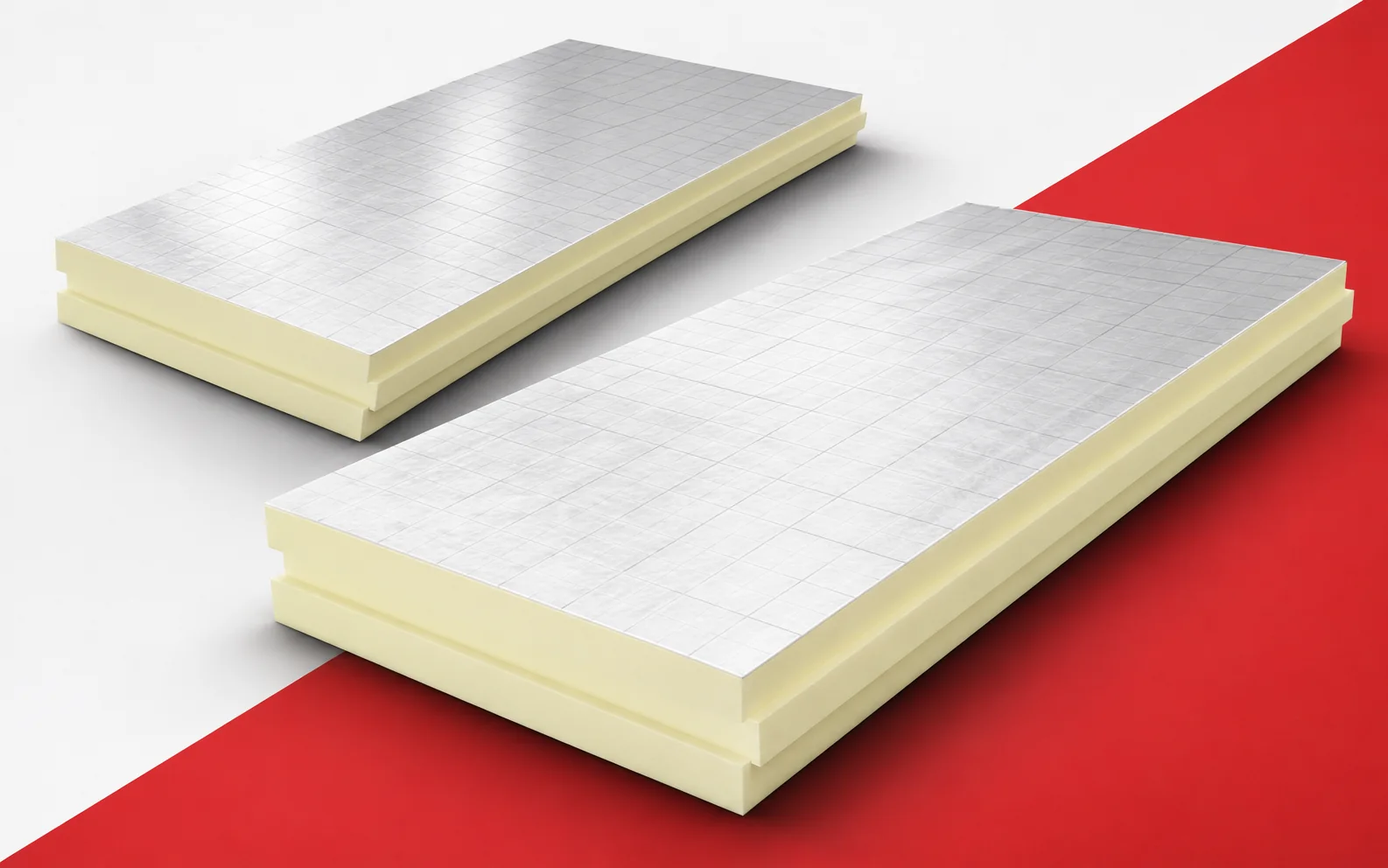
A continuous layer of PIR outside the structure can reduce repeating thermal bridges, yet this does not mean that thermal bridges disappear completely. Edges, fixing points and connections remain, and their influence must be considered in the project. The profiled edge of the board facilitates installation but does not replace this assessment.
The record of the decision should show the values adopted, the thicknesses and the space constraints. If the supplier changes, the calculation can then be checked again. A note about material equivalence without data is not enough. Polyurethane insulation makes it possible to achieve high resistance in a small thickness, but its economic sense depends on the project. A clear table of variants helps to assess both the thermal benefit and the additional expenditure needed to complete the whole.
How to assess the benefit in a building
Assume initially a target R = 5 m²K/W. The calculation shows 110 mm for a lambda of 0.022. If the selected product line has a different thickness gradation, the nearest suitable variant must be checked. Do not round down without reassessing the required result.
Before buying, it is worth establishing what problem the new insulation is meant to solve. It may be insufficient resistance of the whole building element or a lack of space in a particular detail. These are not identical tasks. The calculation should indicate the thickness that matches the need, and the cost estimate should cover its correct execution. Only then does a low lambda have practical significance. It becomes a verifiable component of the choice, instead of a slogan intended by itself to justify any price or promised bill.
7 branches. Materials closer to your project.

Free quote
Materials for your project


You may also find useful…
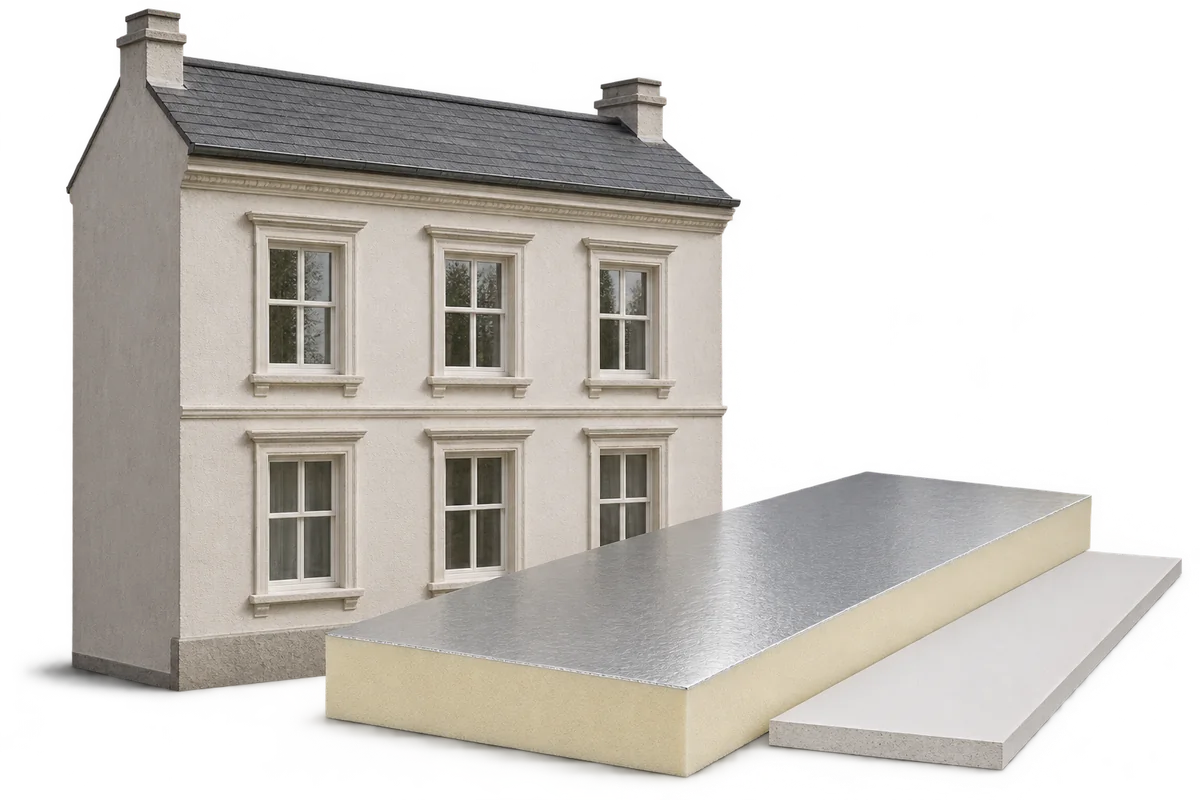
Improving a historic building's energy performance means balancing comfort with the protection of its materials, details and construction. The starting point is…
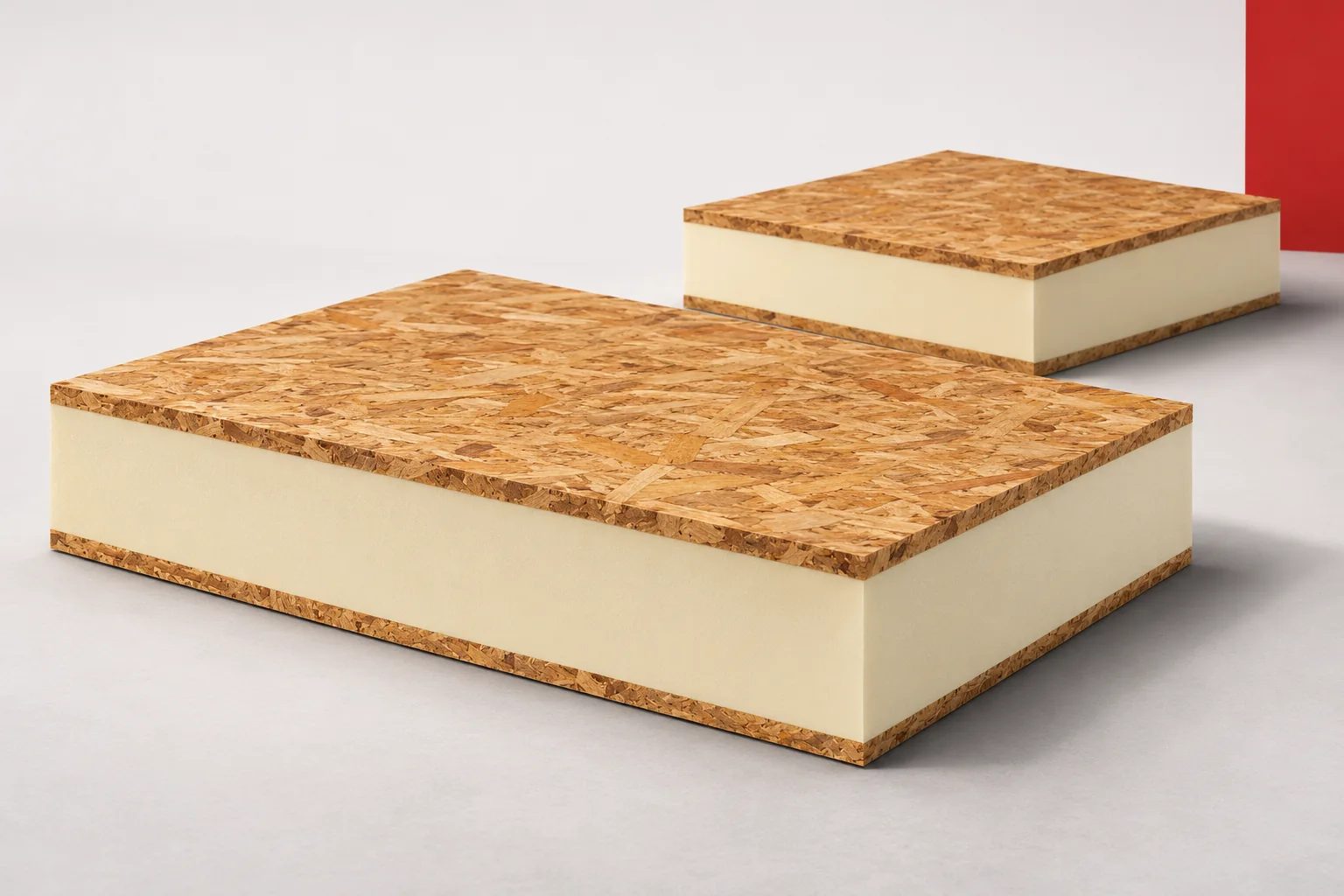
SIP panels allow several tasks to be combined in a single prefabricated component. A rigid insulating core sits between two facings. Such…
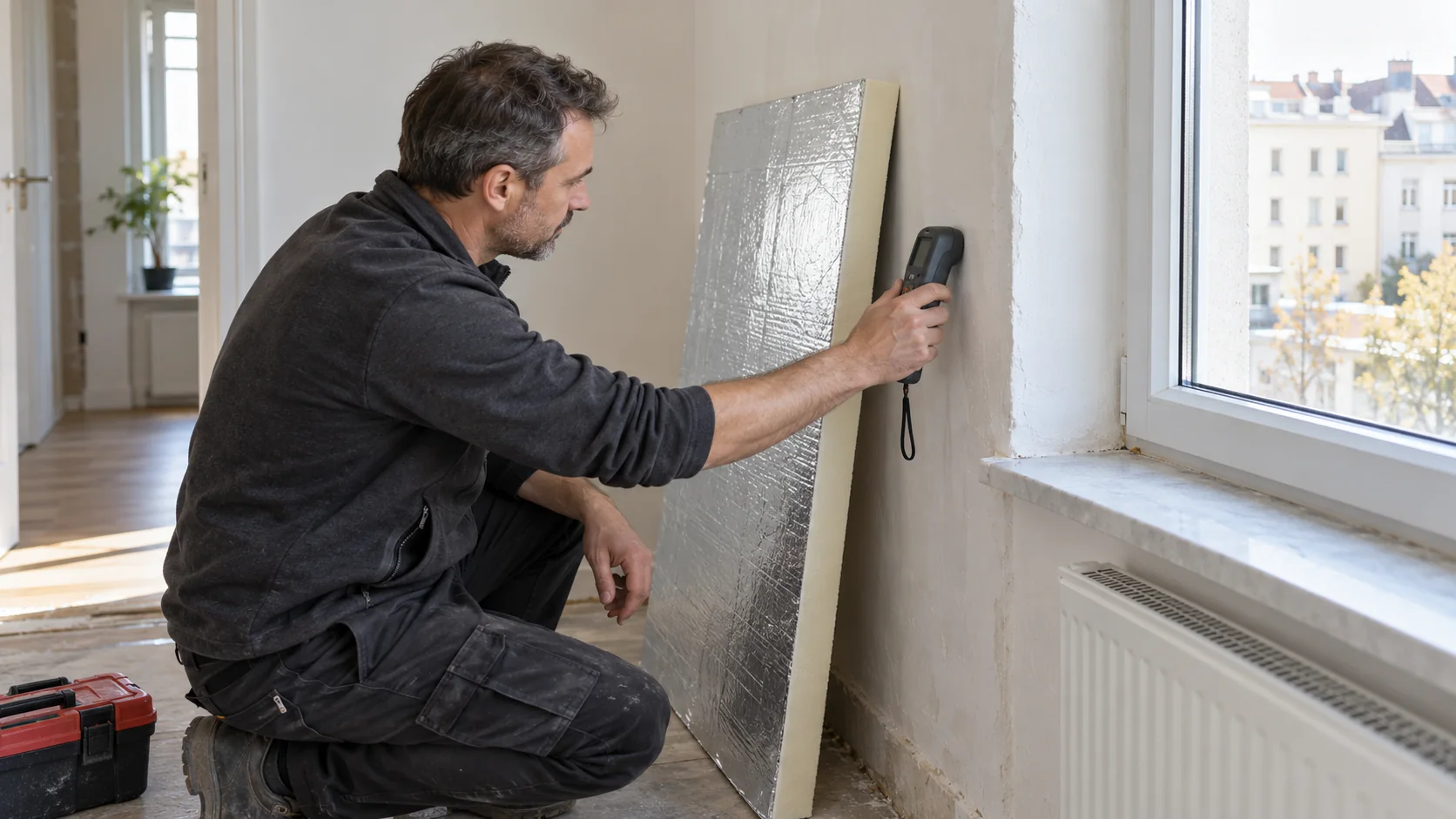
A hygrothermal calculation is only as reliable as the building survey behind it. For a renovation, record the condition of the masonry,…
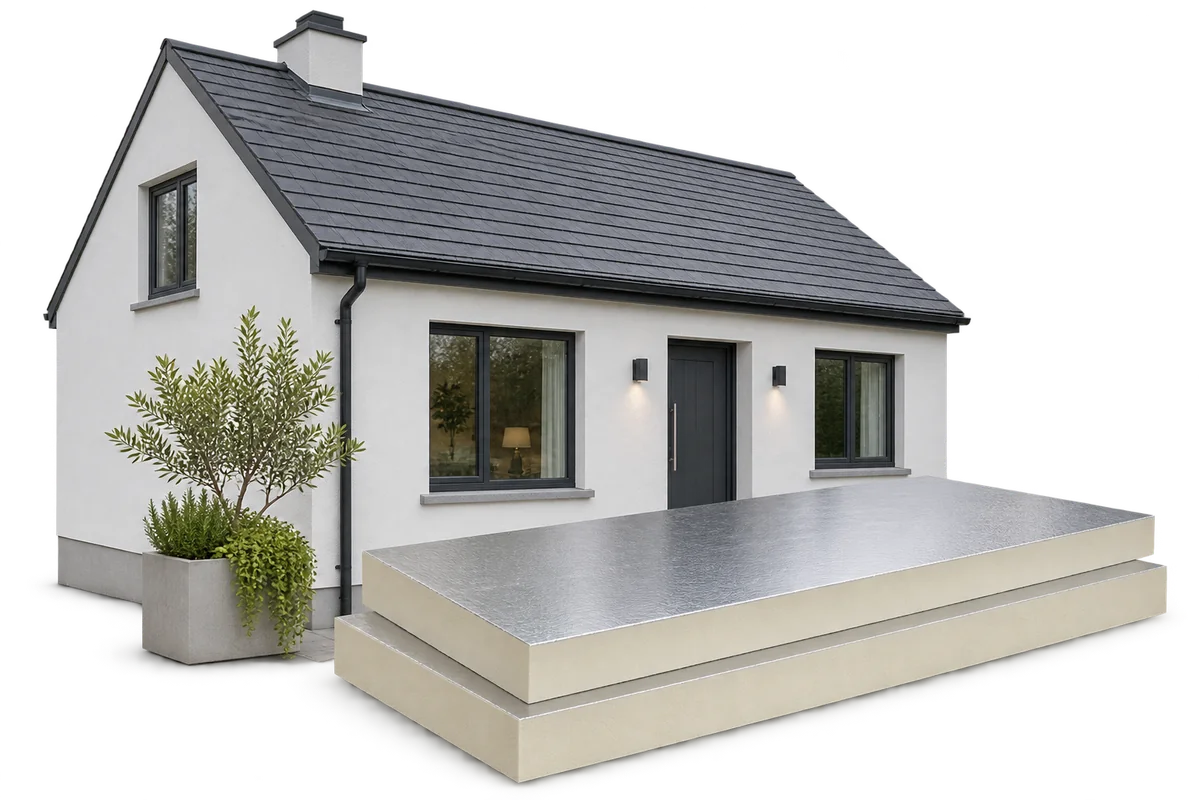
It is worth planning PIR board offcuts on a drawing of the existing roof, wall or floor before placing the order. This…
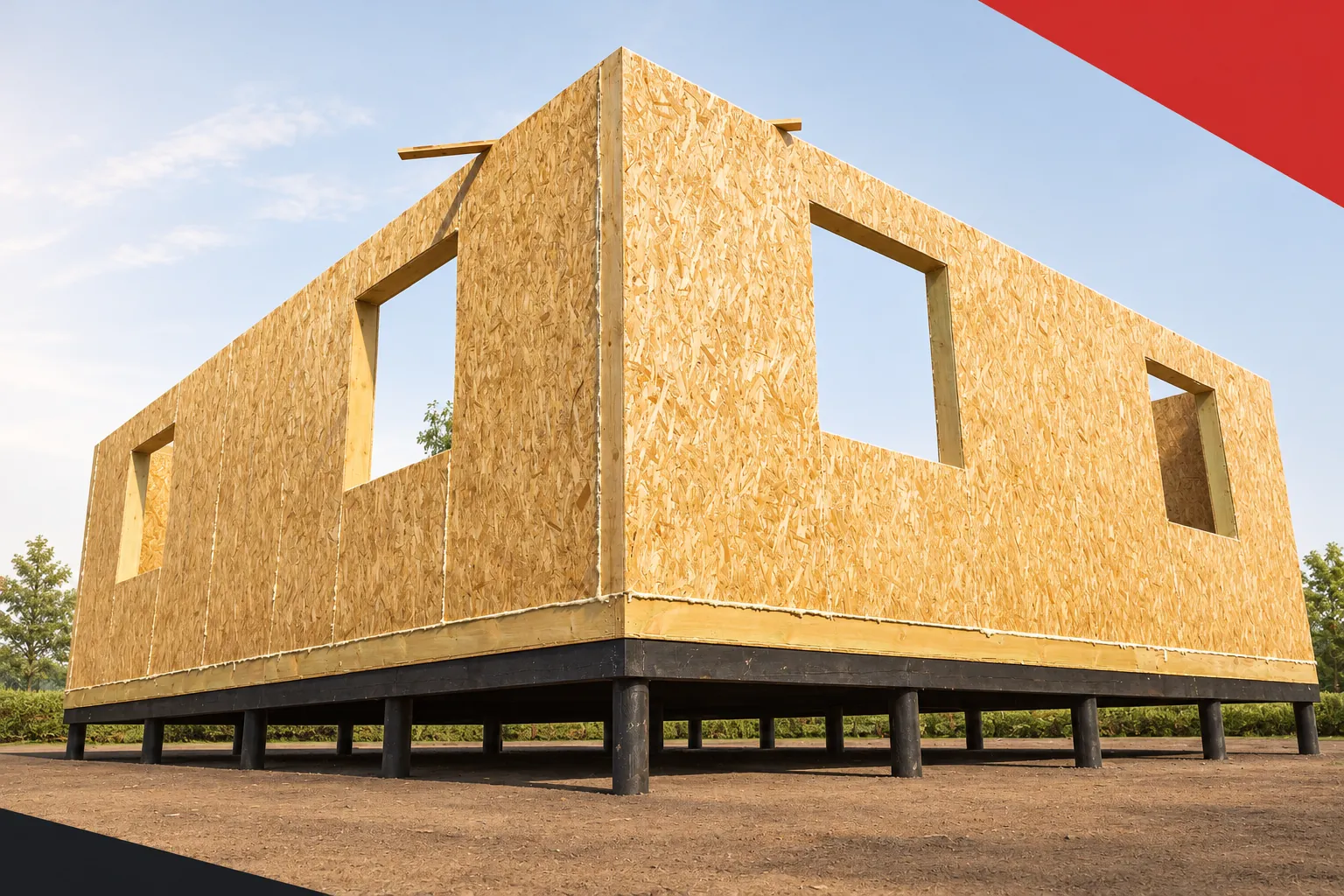
Good insulation helps maintain comfort both in freezing cold and in heat. SIP panels with a polyurethane core limit the flow of…
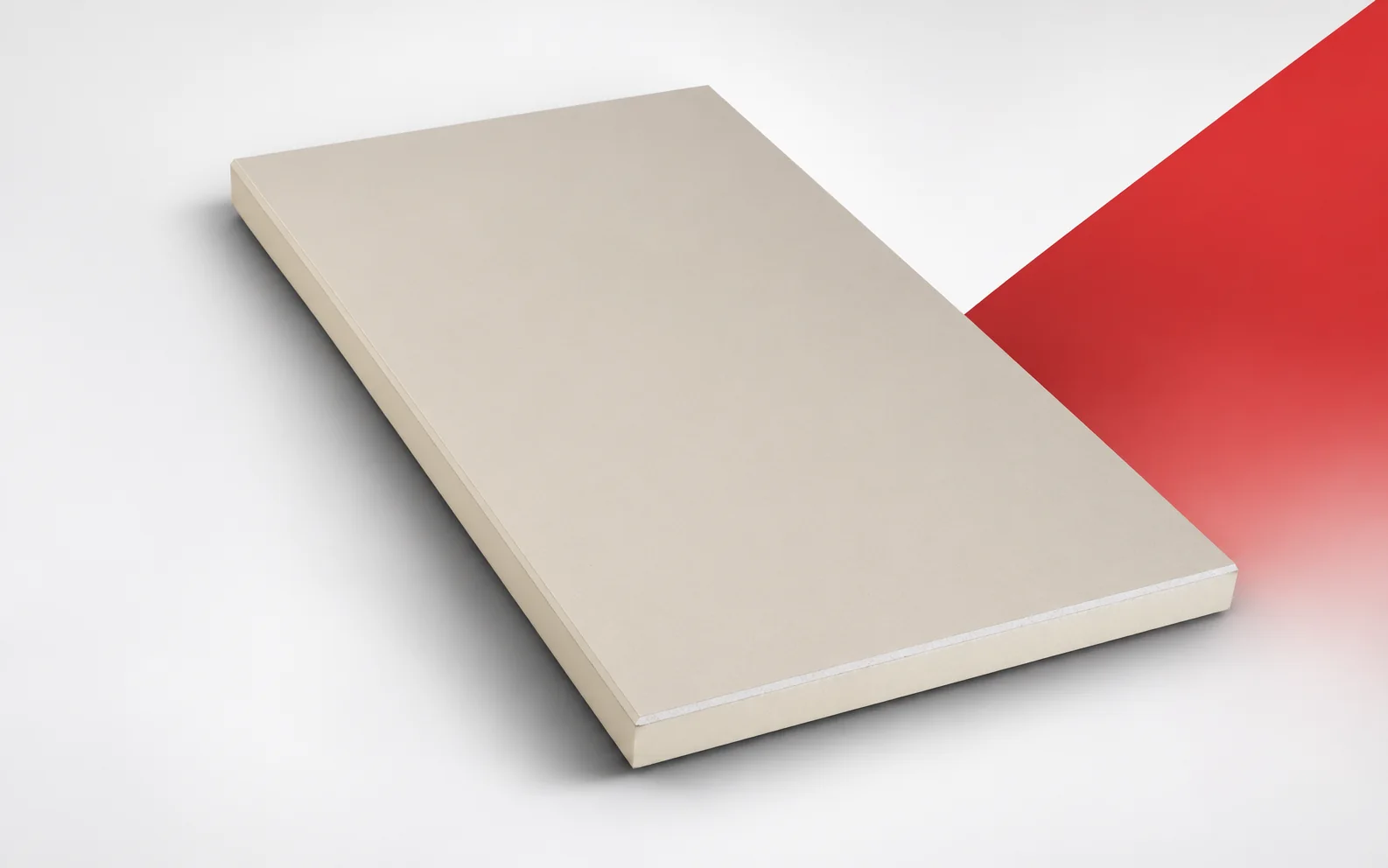
Internal insulation takes up part of the space, so it is worth comparing complete wall build-ups. Eurothane G combines PIR and a…
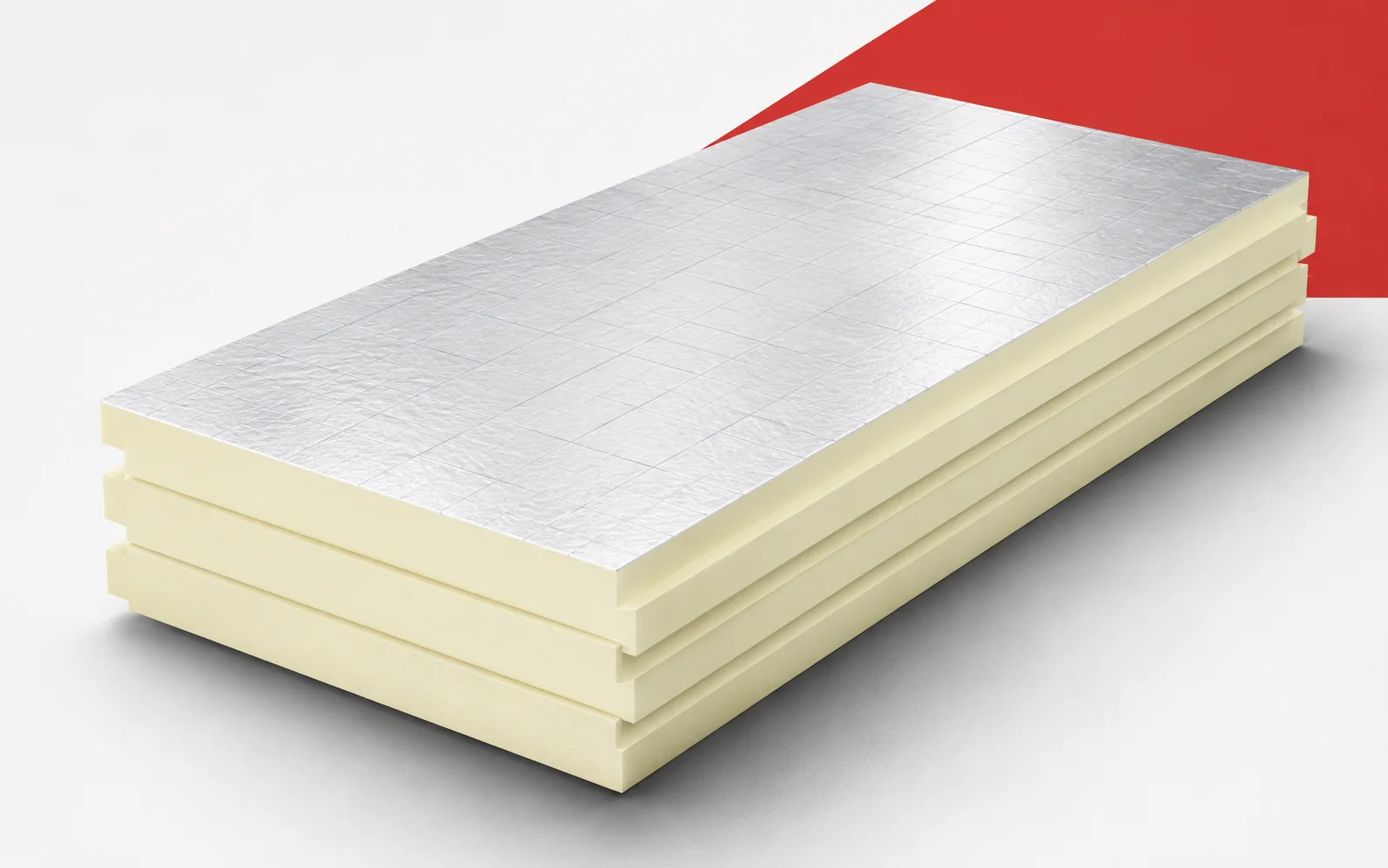
The price per square metre of a board does not yet tell us what effect we will achieve in the building. It…
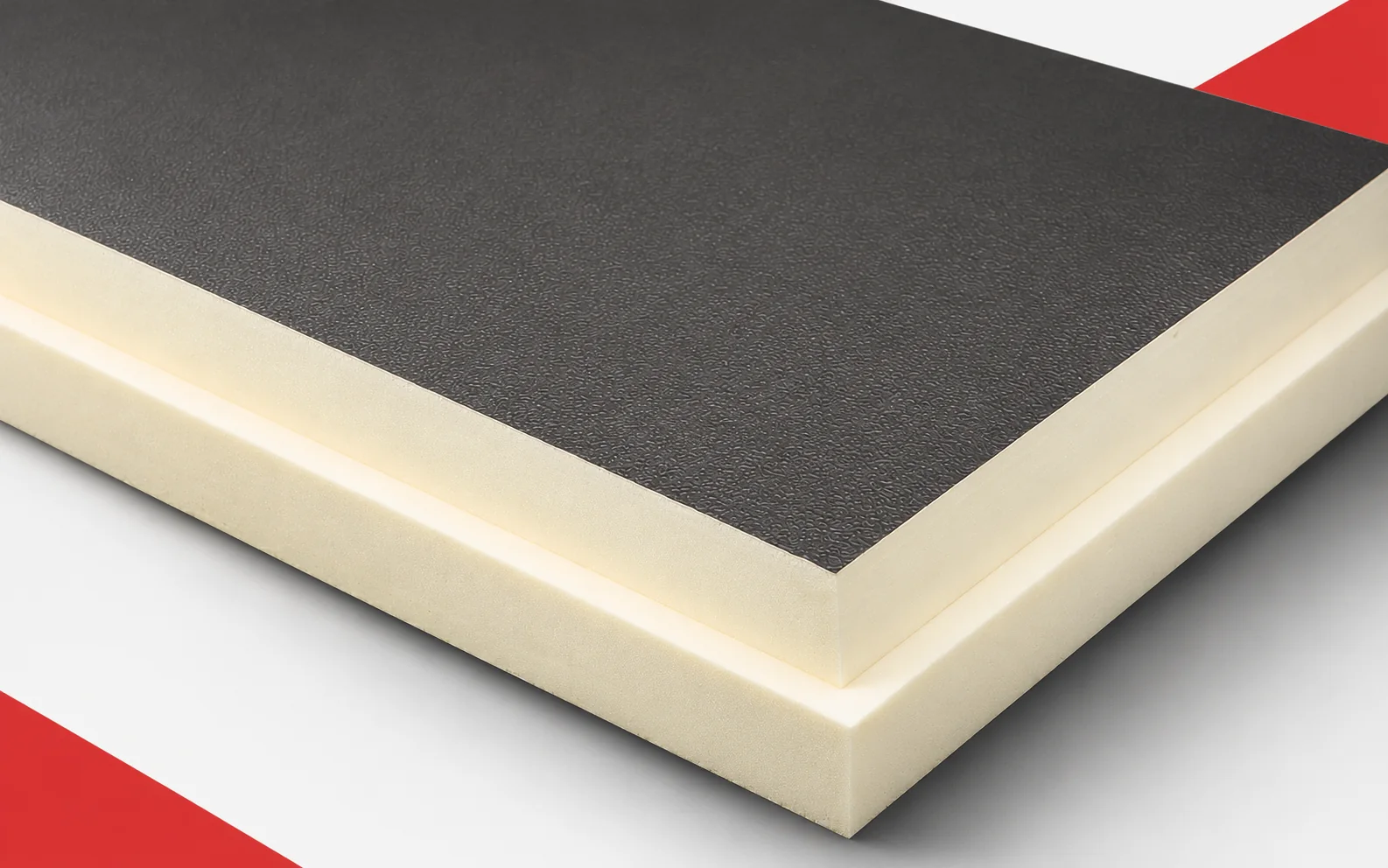
On a rectangular roof area, the large FA format makes it easier to plan a regular layout. The thermal effect, however, depends…