

Polystyrene and insulation
Can a house insulated with EPS still overheat?
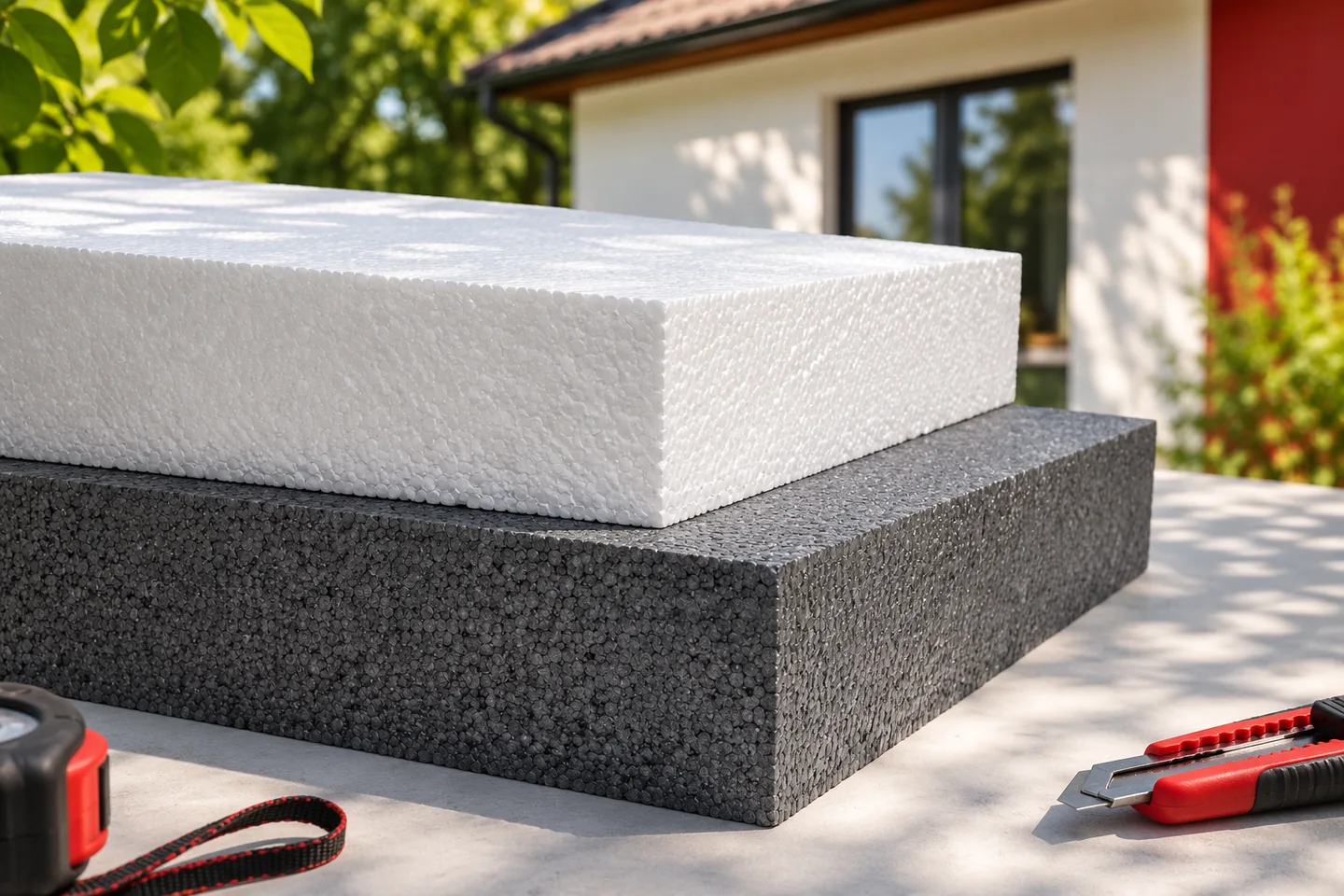
Yes, a well-insulated house can overheat in summer. Polystyrene slows the flow of heat, but it does not remove the energy entering through windows or released inside. Comfort is also determined by shading, the roof, ventilation, the building’s thermal mass and how it is used. The lambda of a board alone cannot be used to calculate the temperature in a room or a guaranteed drop in degrees. Heat flows from a warmer place to a cooler one. The EPS layer limits this flow regardless of the season. In winter it helps keep energy inside the heated interior. In hot weather it can limit heat gain through warmed building elements. It is not, however, a cooling device and by itself does not lower the air temperature below ambient conditions.
In this article
Why does insulation also work in summer?
Once the interior has heated up, insulation can also slow the release of heat to the outside. A way of removing the excess energy is therefore needed. This does not indicate a defect in the polystyrene. It shows that summer comfort requires a whole set of measures. The choice of wall material is only one of the decisions.
Where does most of the additional heat enter the house?
A large glazed area exposed to the sun can deliver considerable solar gains. Its area, orientation, glass properties and shading matter. Thicker EPS on the wall will not stop radiation passing through the window. Before changing the insulation, it is therefore worth observing at what time of day and in which rooms the biggest problem occurs.
Heat is also supplied by people, cooking, lighting and appliances. In a loft, the influence of the heated roof and roof-slope windows is added. In a house with an intensively used kitchen or computer equipment, internal gains can be significant even after sunset. The assessment should take into account how the rooms are actually used.
What should be done about windows and shading?
It is best to limit gains before the radiation warms the interior. Suitably selected external shading, shading devices and the right choice of glazing help. Their effect depends on the orientation and time of day. A fixed canopy that works when the sun is high may provide less protection against low rays from the west.
Internal blinds improve conditions at the window, but some of the energy will already have passed through the glass. It is worth planning to control the shading before the room heats up. Covering the window only once the temperature has risen removes the cause with a delay. Mounting shading on an insulated façade also requires correct fixing and sealing.
When does ventilation help with cooling?
Air exchange can remove heat when the outside air is sufficiently cooler. Night or morning ventilation is often beneficial if conditions allow. Opening windows during the hottest part of the day, by contrast, can introduce additional energy. The decision should be based on the temperature on both sides, not only on a feeling of stuffiness.
Hygienic ventilation must also work in summer. The required air exchange must not be blocked in order to keep the interior cool. In a mechanical system, the summer mode and actual performance must be checked. A heat-recovery bypass function is not the same as air conditioning. During a long heatwave, active cooling may be needed.
Is lambda enough to assess comfort?
No. Lambda describes heat conduction through a material under specified conditions. It does not take into account the size of windows, solar gains, ventilation or the thermal capacity of the structure. Two walls with a similar U-value can respond differently over time if their construction differs. Likewise, two houses with identical EPS can have different indoor temperatures.
The mass of walls and ceilings can limit rapid fluctuations, but it must be able to release the accumulated heat. A summer assessment requires analysis of variable conditions, preferably for the whole building. It is not worth choosing a material on the promise that a particular lambda will ensure a specific temperature in every bedroom.
How can improvements be planned without random spending?
Start with simple observations. Note the temperatures in the morning and evening, the position of the sun and how you ventilate. Check the condition of the roof insulation and continuity at the details. Then compare the effect of shading, limiting gains and removing heat. Not every improvement requires adding another layer to an already well-insulated wall.
EPS boards for the thermal protection of buildings are produced, among others, by Austrotherm, Swisspor, Yetico and Arbet. Their parameters are selected for the building element, while summer comfort is assessed for the whole house.
If you are planning a larger renovation, combine the decisions on insulation, windows and ventilation in a single study. The expenditure then complements one another. The aim is to limit the inflow of heat during the day and to ensure effective cooling when conditions allow, without worsening indoor air quality.
7 branches. Materials closer to your project.

Free quote
Materials for your project
You may also find useful…
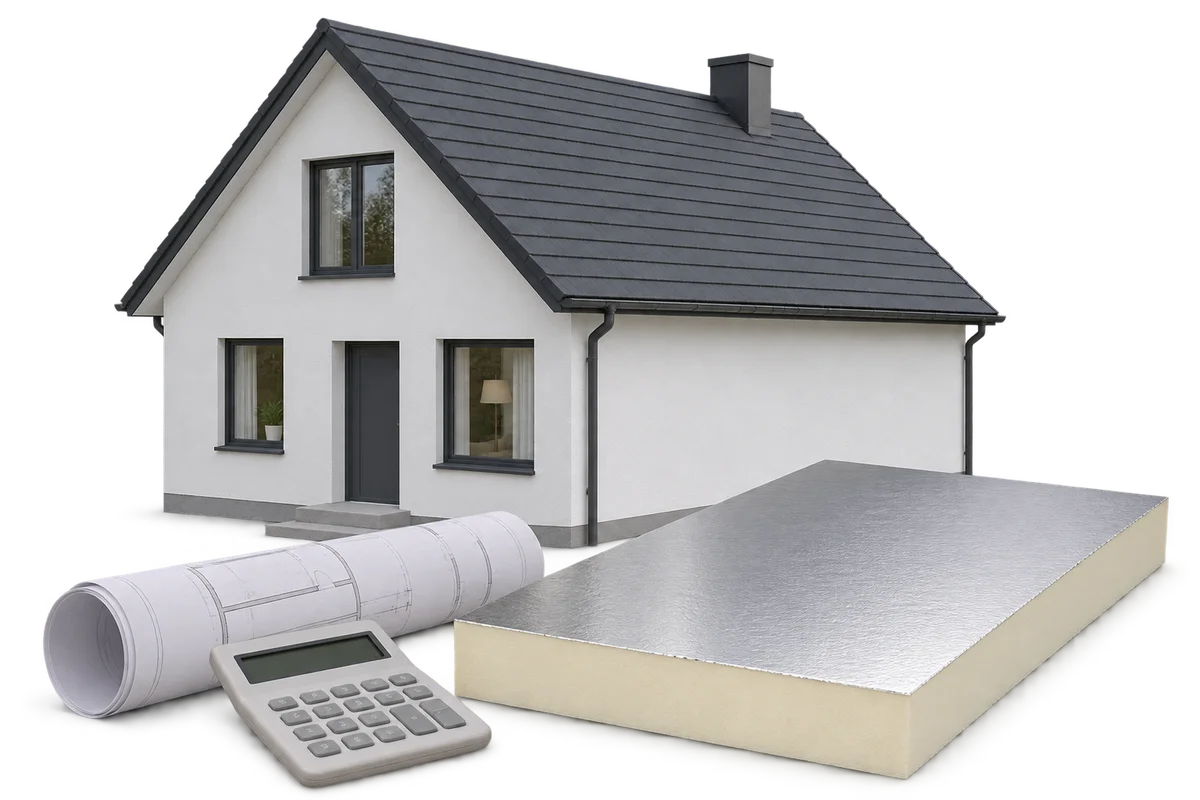
The cost of insulating a home includes materials, preparation, installation and finishing the junctions. The price per square metre of board tells…
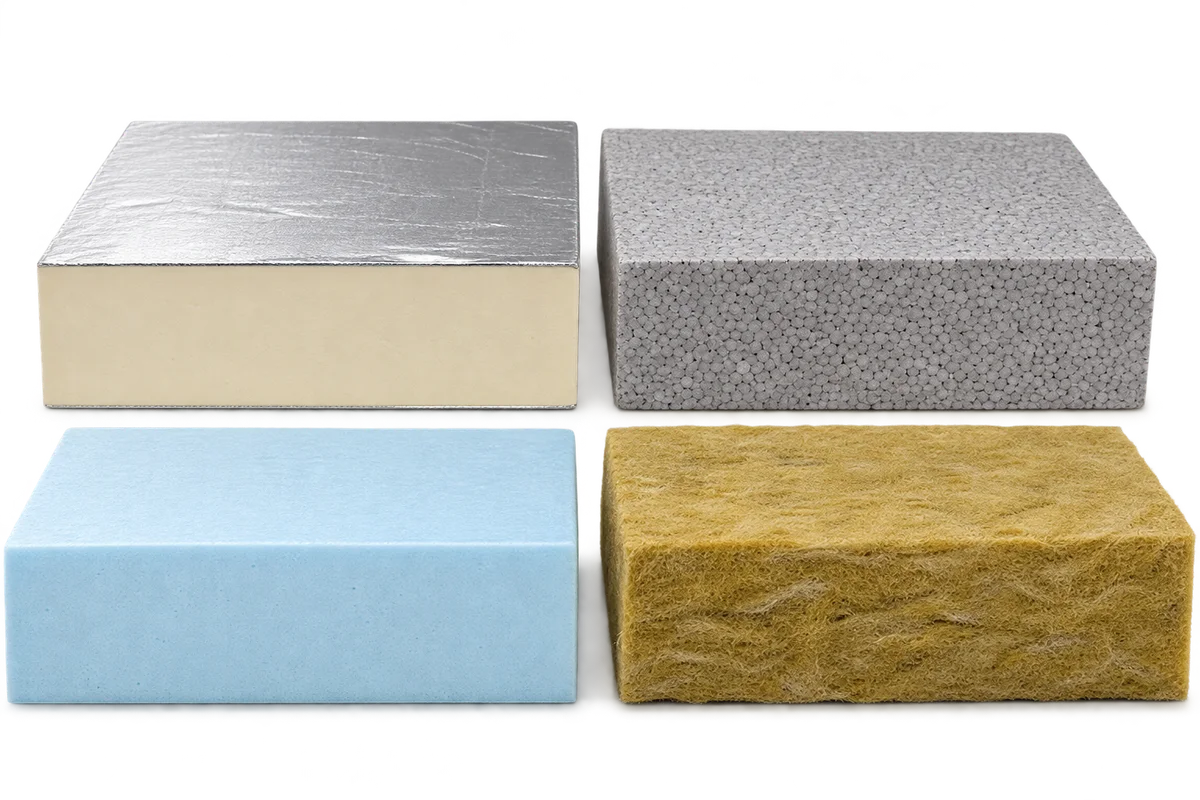
Insulation has a different job in each part of a house. PIR is useful where thickness is limited. EPS comes in grades…
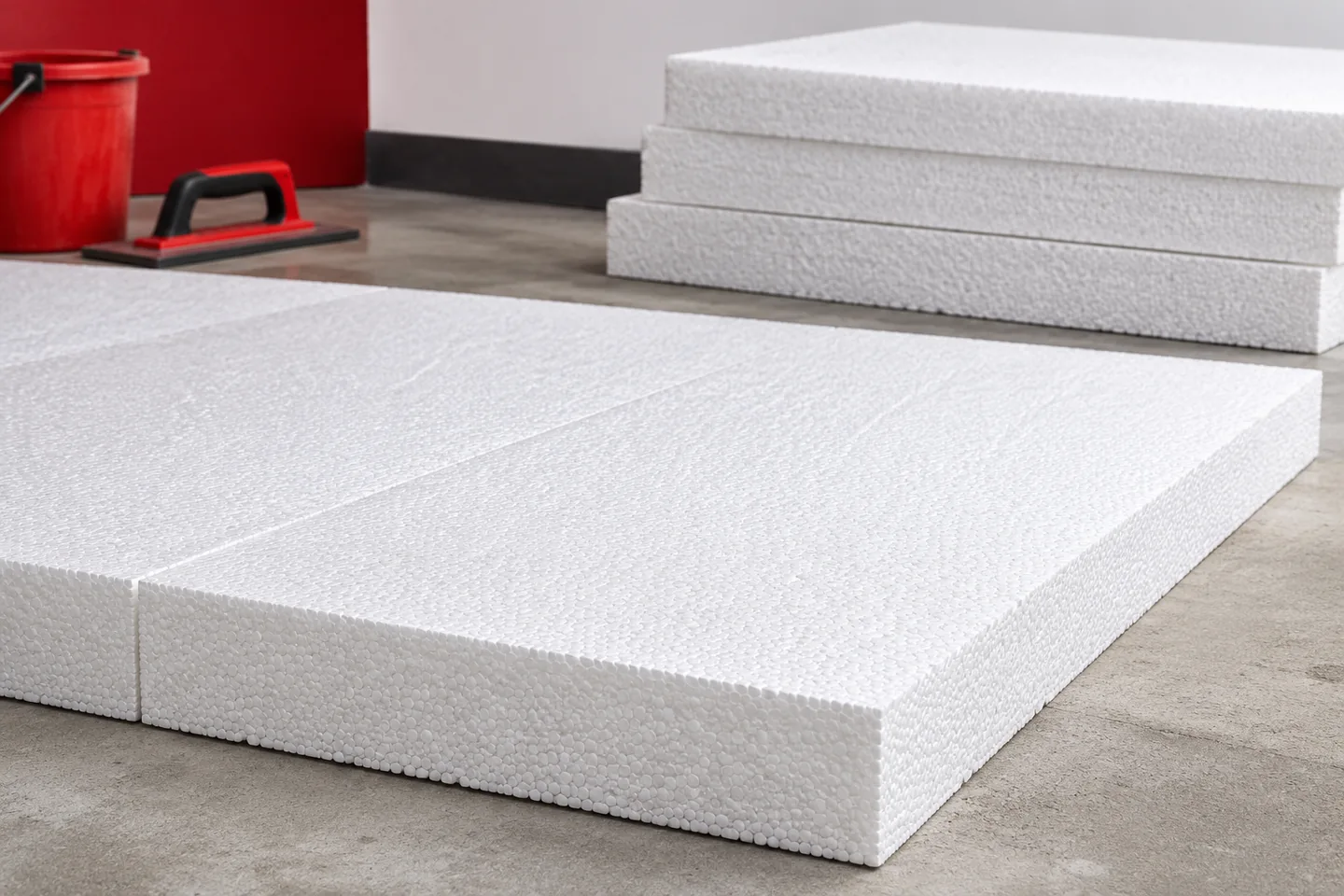
A ground-bearing floor requires continuous thermal insulation, correct protection against water and stable support for the screed. The edges at the walls…
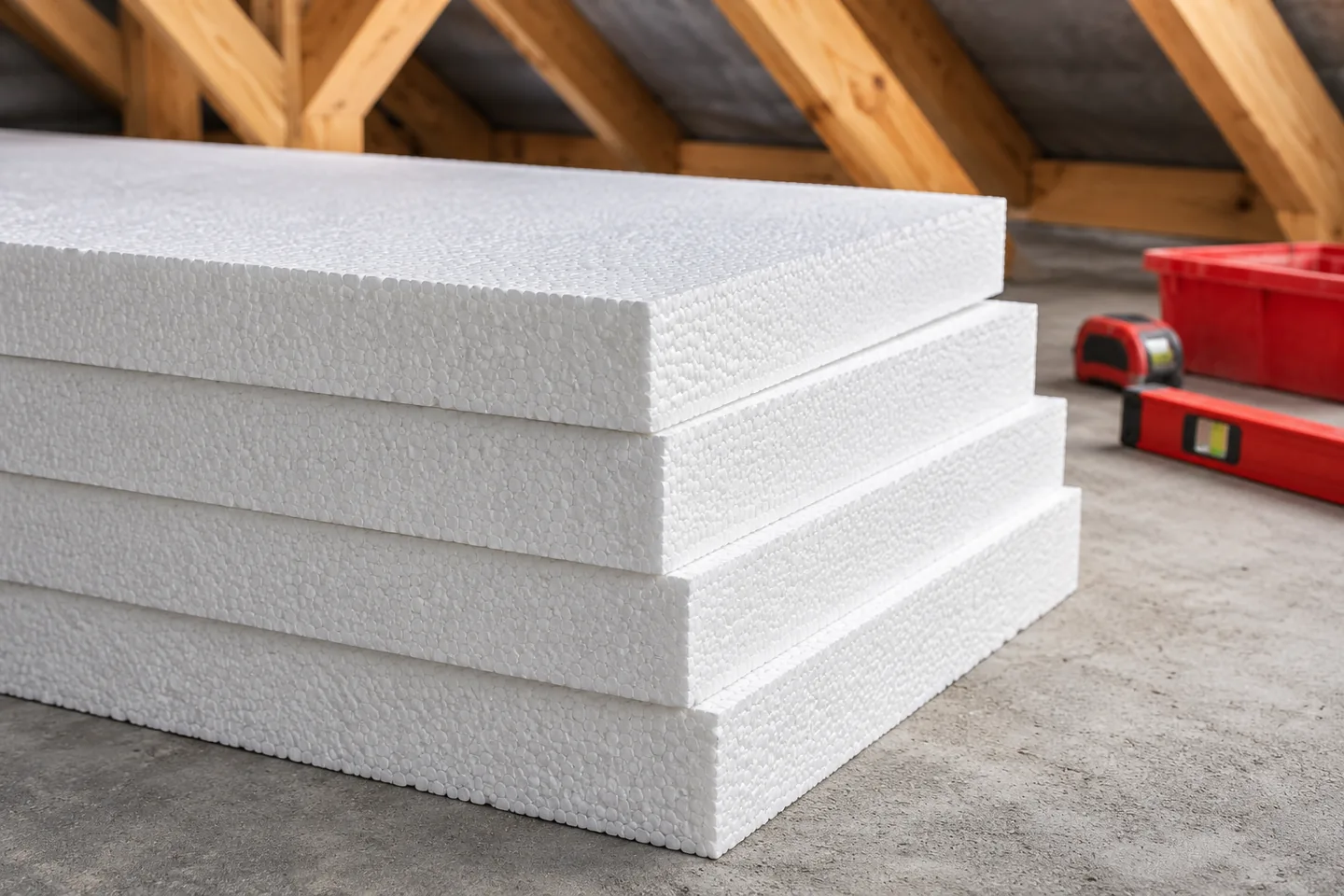
When the loft remains unheated, insulating the ceiling can make more sense than insulating the roof slopes. In that case it protects…
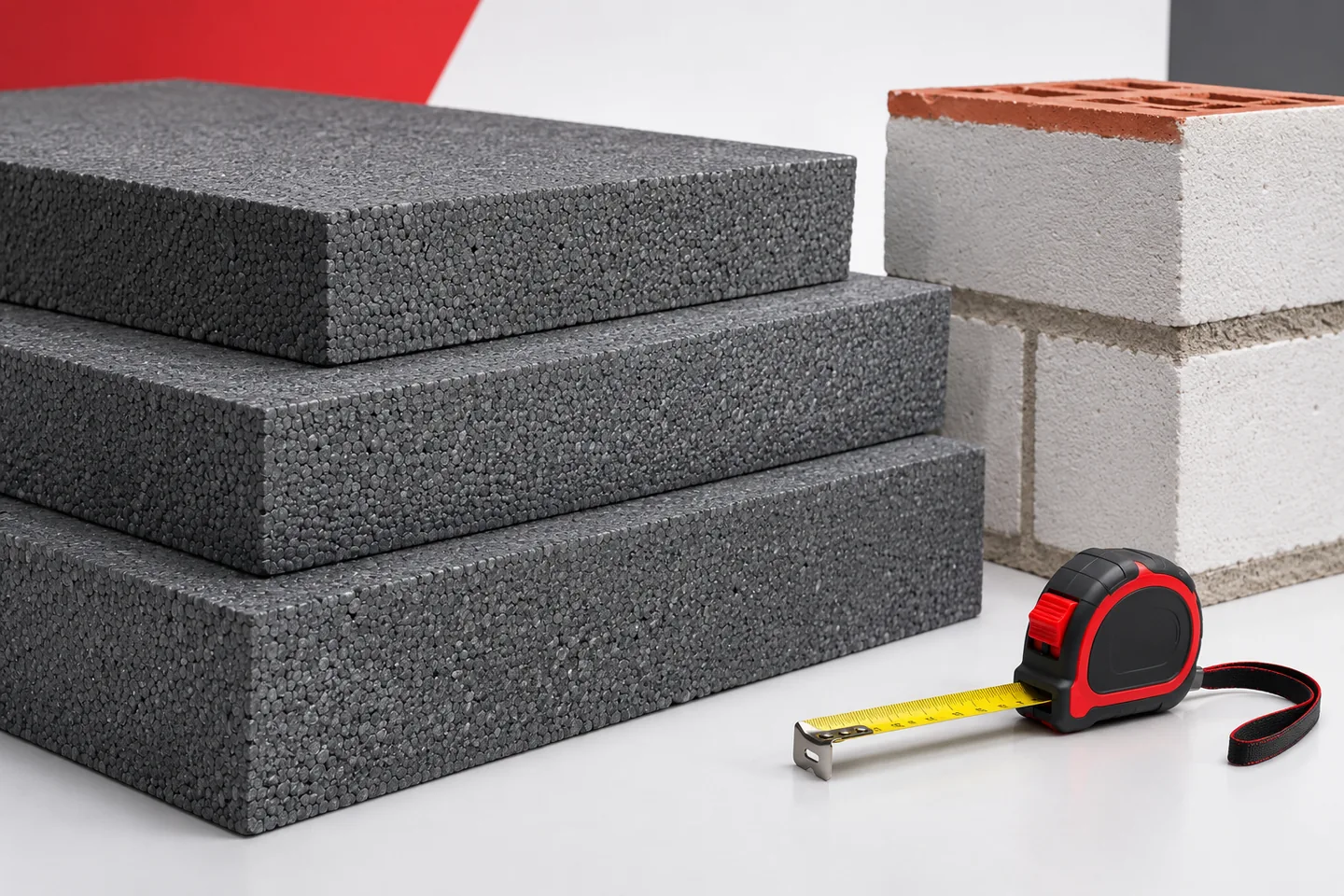
The question of how much polystyrene is needed has two parts. First, the thickness required to achieve proper thermal protection must be…
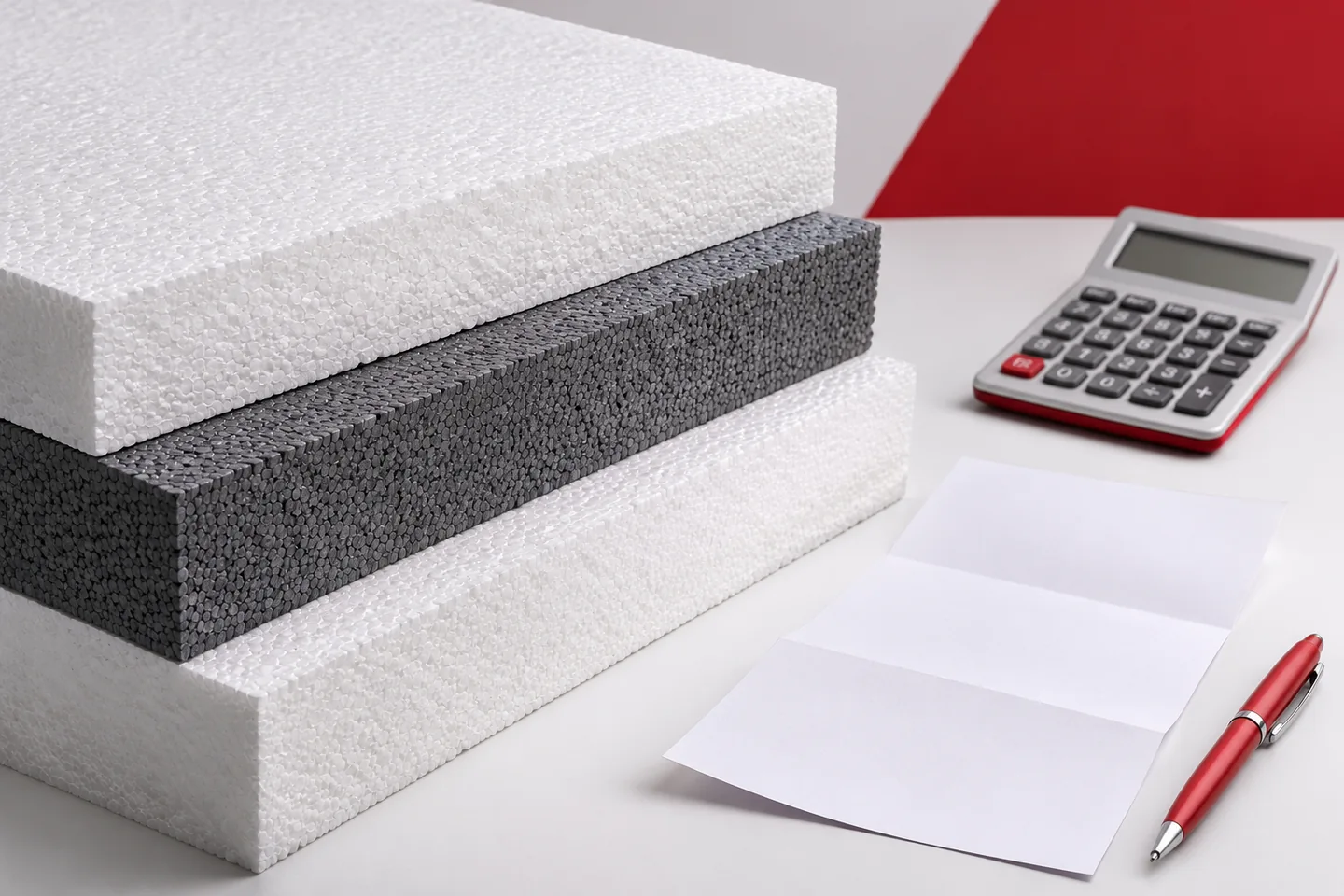
EPS price comparisons make sense only at similar thermal performance and for compatible applications. A cheaper cubic metre may require a thicker…
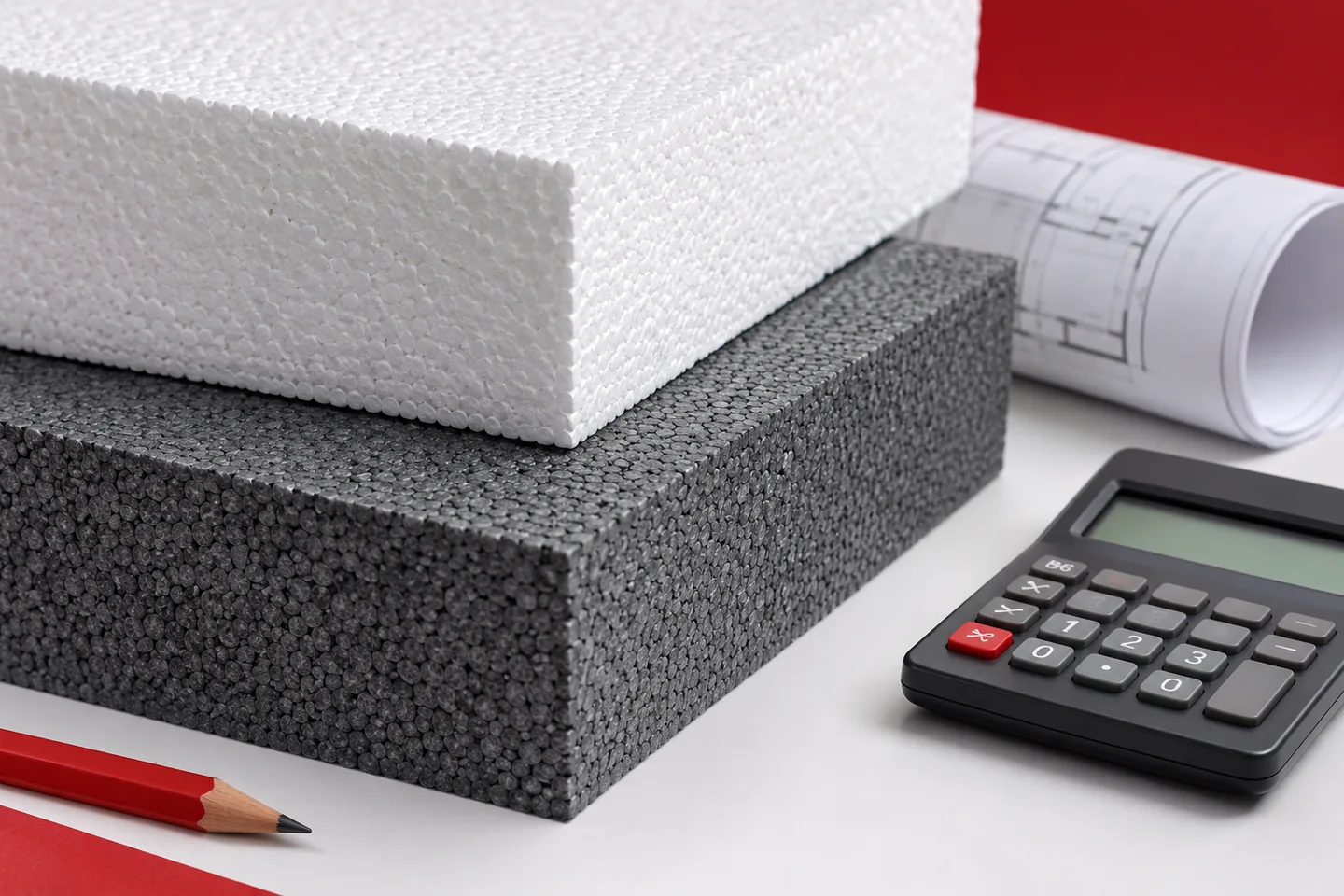
Changing conductivity from 0.040 to 0.031 W/(m·K) increases the thermal resistance of EPS at the same thickness. It may also permit thinner…
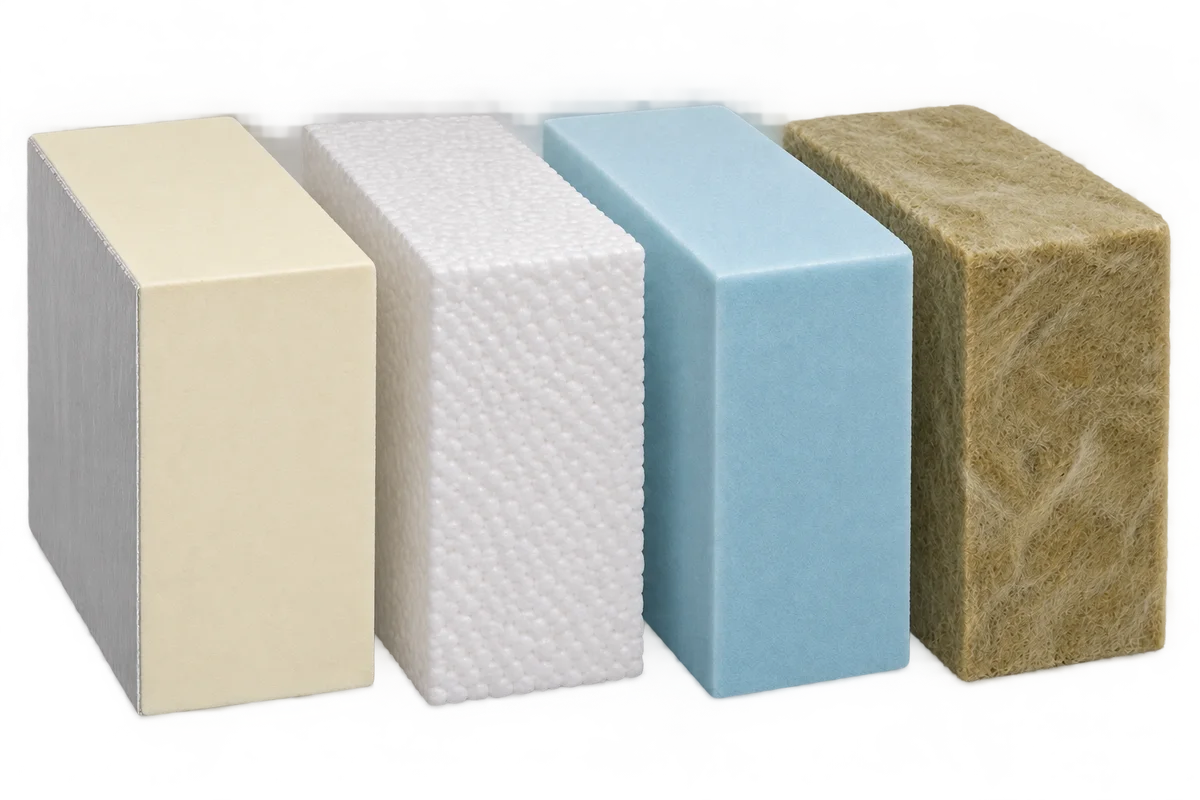
Different insulation materials can work together in one building element when each solves a specific problem. PIR can keep the build-up thin,…