

Roof and energy
Comparing the cost of an integrated solar roof with a roof and separate solar panels
The price of one square metre of a solar roof does not answer the question of profitability. That figure may include both the covering and part of the electrical installation. With another supplier, installation or the inverter will be separate items. A reliable comparison starts with two cost estimates for the same building. Output, expected production and the scope of servicing must also be compared. Only then can you see what you are actually paying for. A roof has a total area, a covering area and an active section. These values are not interchangeable. Part of the roof slope is taken up by flashings and elements without cells. If an offer quotes a single rate, its basis must be established.
In this article
Why can the price per square metre be misleading?
Otherwise, the comparison may set one square metre of finished covering against one square metre of the photovoltaic module alone.
A similar problem concerns the price per unit of power. In a conventional PV installation, this indicator can help assess the cost of the energy part. With an integrated roof, part of the outlay simultaneously serves to protect the building. Therefore, the cost per kilowatt alone shows neither the full value of the system nor the full expenditure on its construction.
How to build a common list of costs?
In both variants, include preparation of the substrate, the covering, flashings, drainage and access for the crews. Then add the electrical equipment, cables, protective devices and commissioning. If you are replacing an old roof, dismantling and waste disposal are added to the list. All items should relate to the same scope. It is also worth describing the condition in which the site is handed over, so that both contractors price the same prepared substrate.
Ask for a breakdown of labour and optional elements. A battery storage system, a car charger or extensive monitoring can significantly change the final price. Their presence in only one variant is not a defect of the offer. However, they must be removed from the basic comparison or added to the other variant.
How to compare the energy-producing part?
Two installations with a similar rated power may have different production. The orientation of the roof slope, shading and the operating conditions of the modules matter. A joint simulation should use the same weather data and a similar set of losses. It is not enough to compare an optimistic forecast from one offer with a cautious estimate from another.
Also check how the energy is used. For a house, what matters most is how much production coincides with consumption. Surplus fed into the grid has a different settlement value from energy consumed on site. A roof cost comparison should therefore include assumptions about the building’s use, not just an annual yield curve.
Where can an integrated system reduce expenditure?
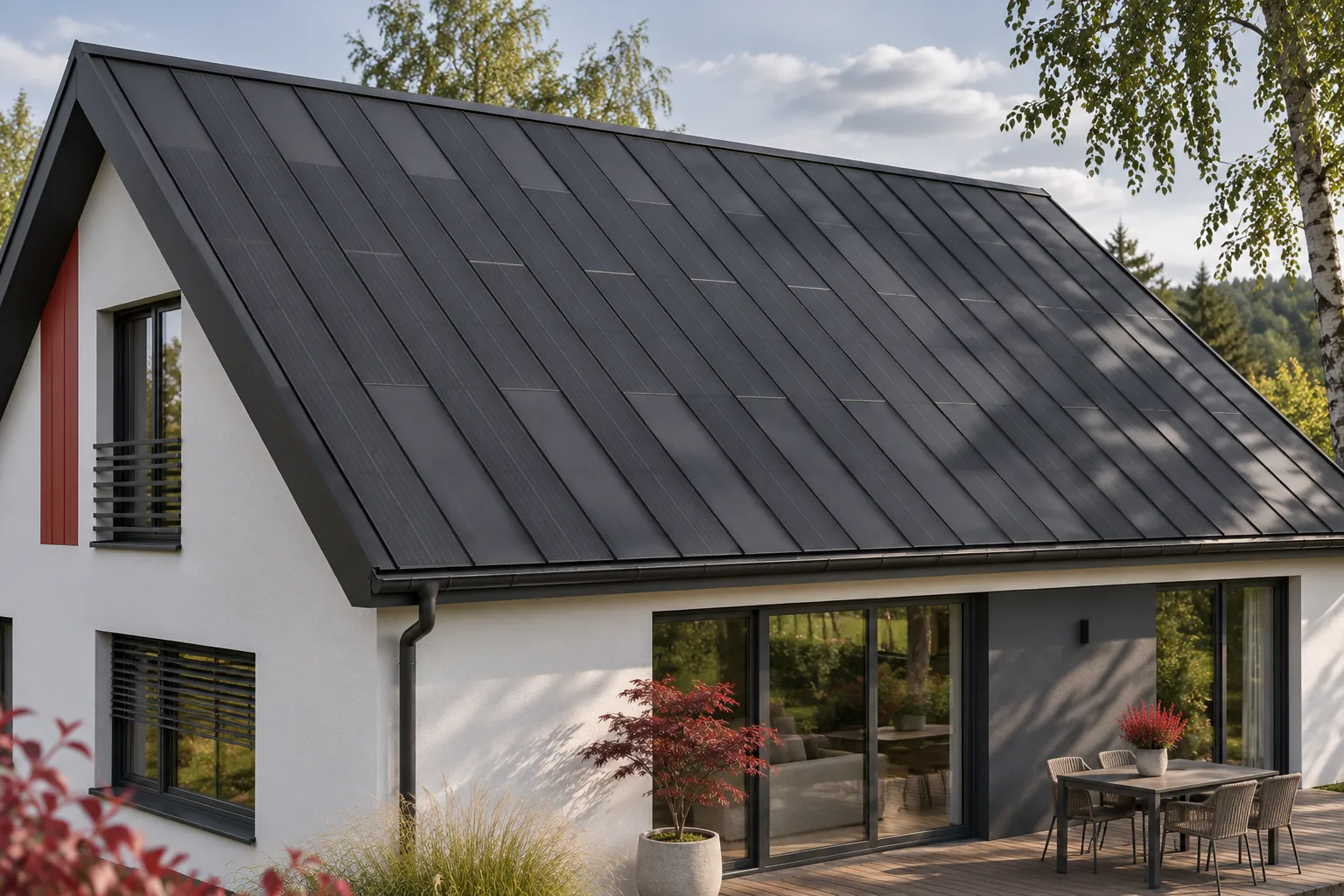
A steel roof panel with integrated photovoltaics combines functions that, in a traditional arrangement, are performed by two sets of elements. In the active field, no complete conventional covering is created beneath a separate installation. This can reduce some materials and work. However, the scale of the benefit depends on the specific structure and the scope of the order.
Joint planning can also be advantageous organisationally. One scaffold can serve the related stages, and cable routes are created before the interior is finished. Savings should not be entered in advance at a fixed amount. First, the contractor should show which activities actually disappear or are combined in the schedule.
How to account for later operating costs?
At the purchase stage, it is easy to overlook service access, periodic inspections or the future replacement of electrical equipment. Not all components have the same warranty period. A module power warranty does not mean free repair of the entire roof for the same period. The terms must be read separately for the product, the works and the equipment.
In the comparison, record who locates a fault, how they reach the damaged element and who restores watertightness. The availability of spare parts is also important. It is impossible today to price every future repair exactly. However, an offer that does not describe responsibility and how the installation is serviced can be rejected.
What result provides a basis for a decision?
A good comparison shows the initial cost, expected production, own consumption and the assumed maintenance costs. It should also include a less favourable scenario for energy prices or lower yield. This shows whether the conclusion holds after the assumptions change. A single payback period without such a background says little.
Aesthetics and the consistency of the covering also have value for the owner. There is no need to pretend that each of these qualities can be expressed in kilowatt-hours. The architectural effect can be assessed separately from the financial result. A conscious choice takes both reasons into account and does not require a promise that every more expensive technology will always pay back faster.
Examples of companies and brands in roof-integrated photovoltaics are Wienerberger Wevolt, LUMA Solar, Tesla, SunRoof, MDM NT (MyRoof), ML System, Electrotile, Ennogie, SolRoof and Solartag.
7 branches. Materials closer to your project.

- SEROCK — Dzierżenin 34 E
- BŁONIE — ul. Sochaczewska 138A
- RADOM — ul. Grobickiego 8
- ŁÓDŹ — Natolin 8
- OLSZTYN — Barczewo, ul. Prosta 9
- WROCŁAW — ul. Jerzmanowska 10C
- GORZÓW WLKP. — ul. Zielona 33/34
Free quote
Materials for your project
You may also find useful…
A claim that a material makes a roof quieter becomes useful only when it explains which sound is reduced and which construction…
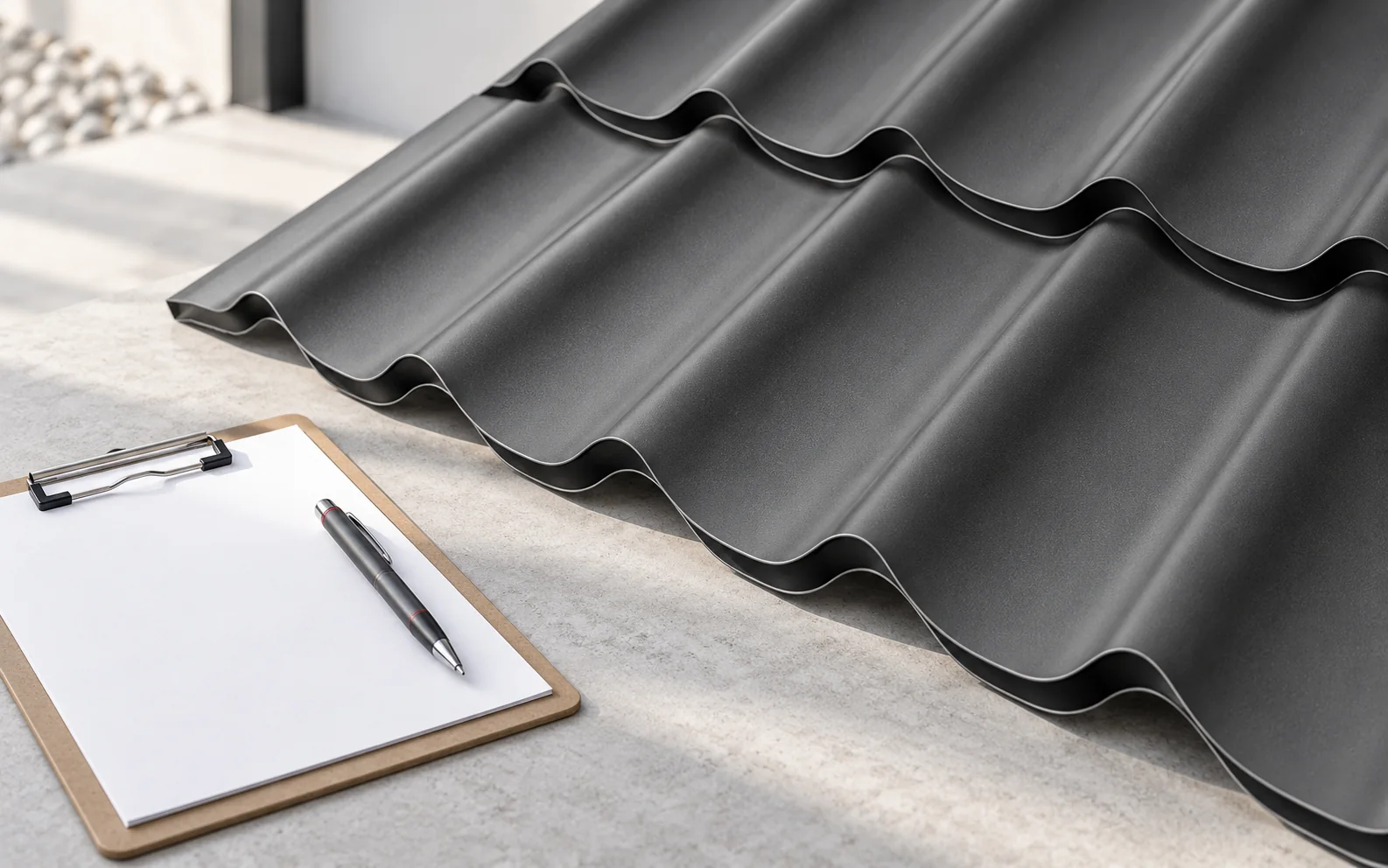
If you plan to work on a roof in Poland, first describe exactly what will change. Replacing the covering, altering the structure…
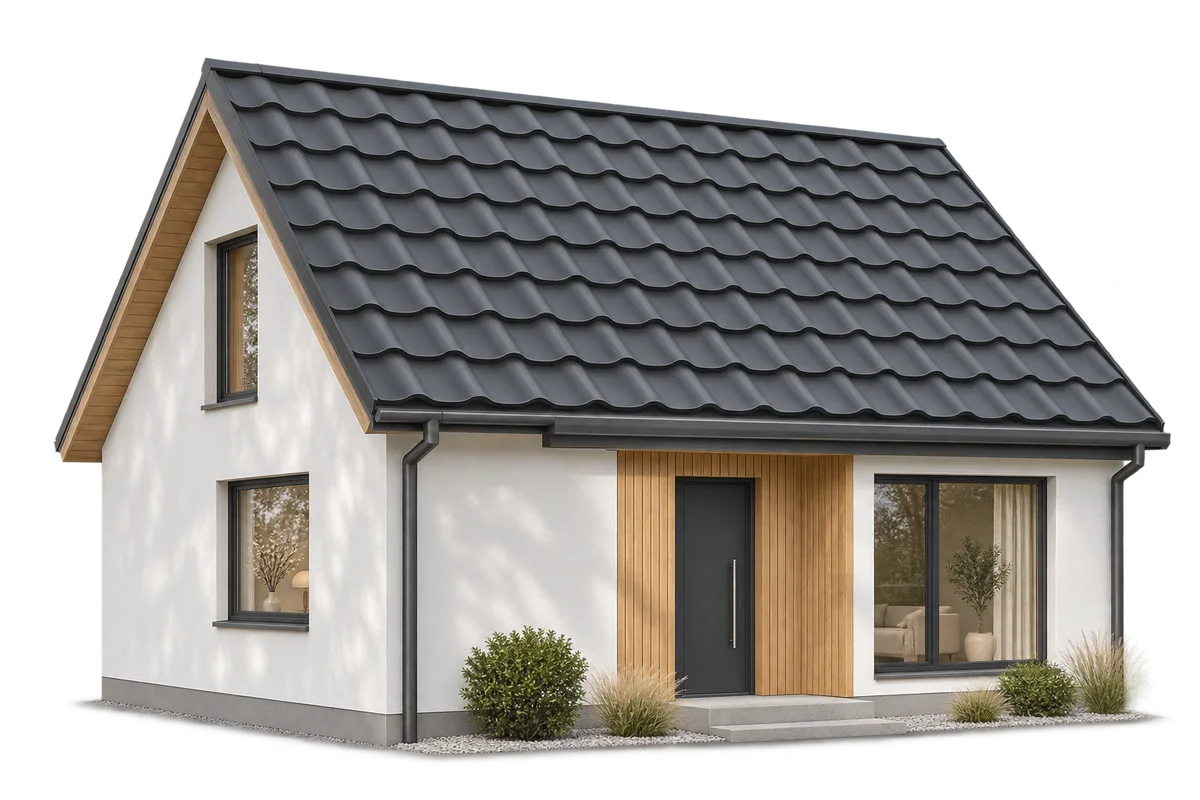
Metal roof designs are most useful when compared on the same house drawing, including edges, gutters and roof openings. Changing only the…
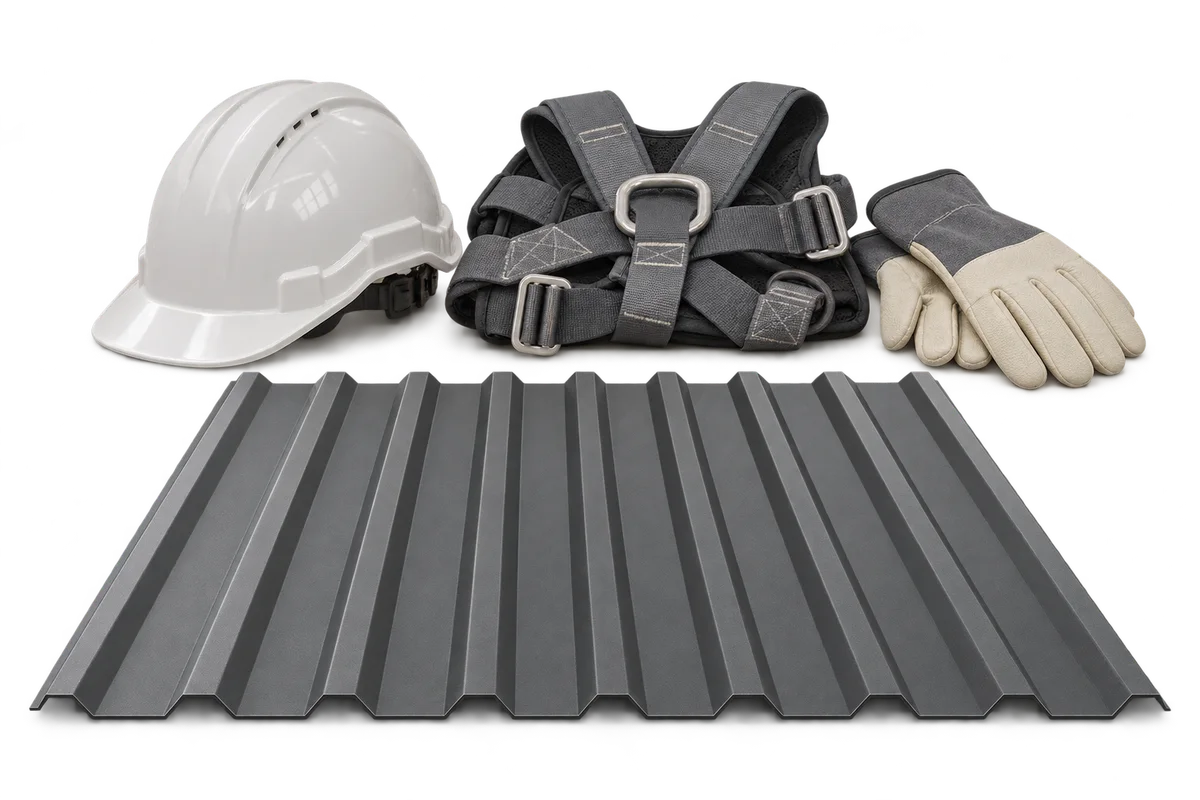
Fitting roof sheets, clearing gutters and replacing flashing all require safe access and protection against falls. Even a short job can put…
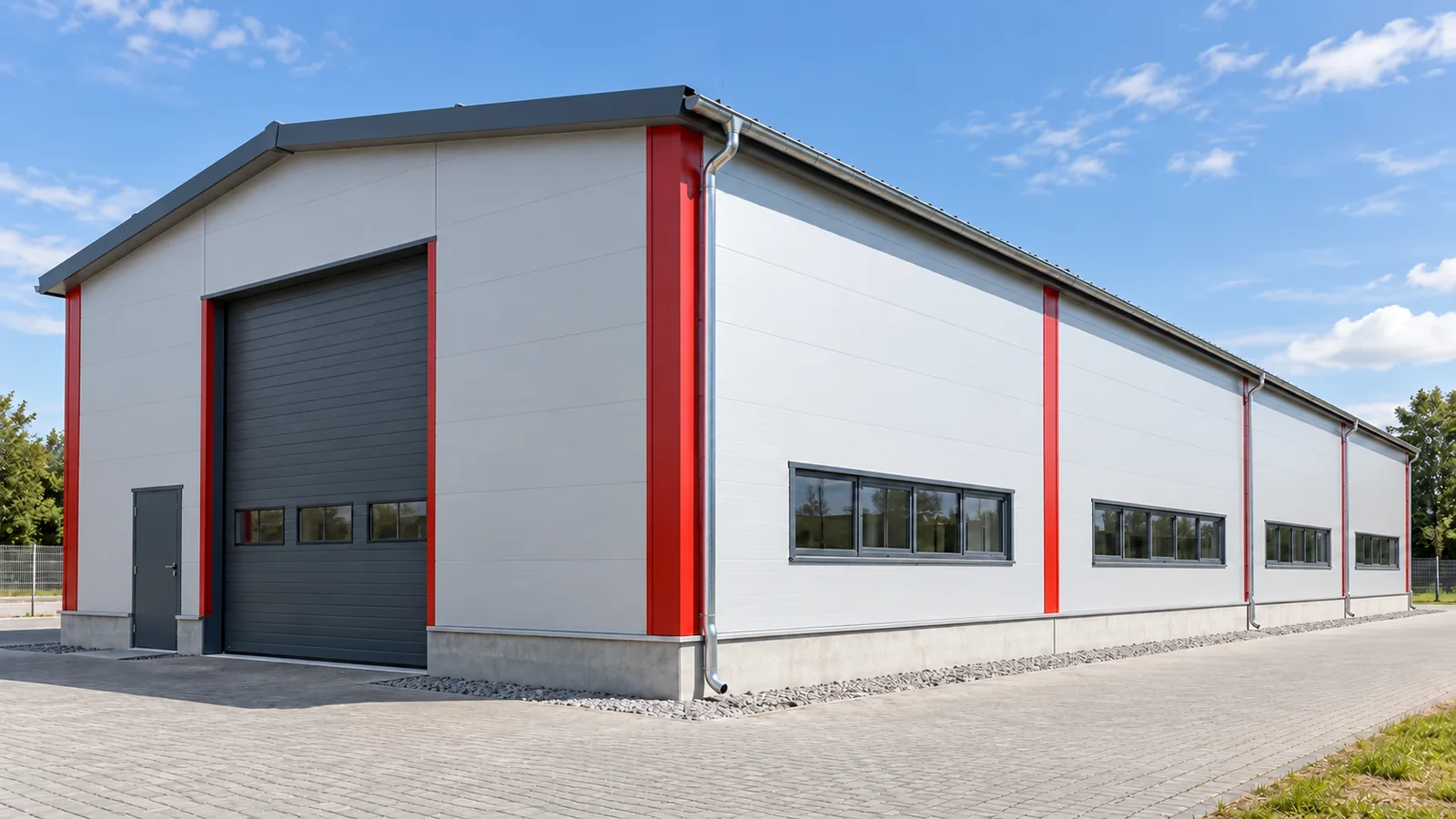
The cladding is the first part of a steel-framed building that you see, and one of the parts that most strongly affects…
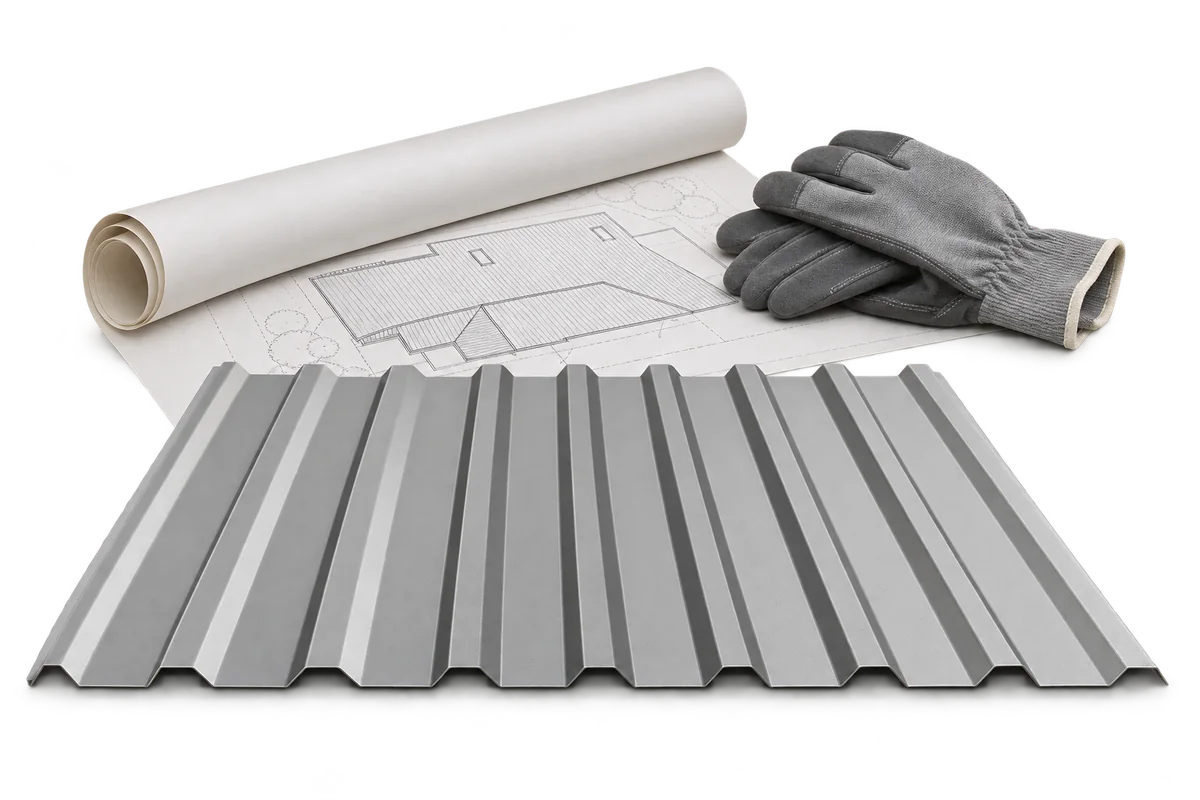
When replacing a roof containing asbestos in Poland, prepare separate schedules for removing the old material and constructing the new covering. Check…
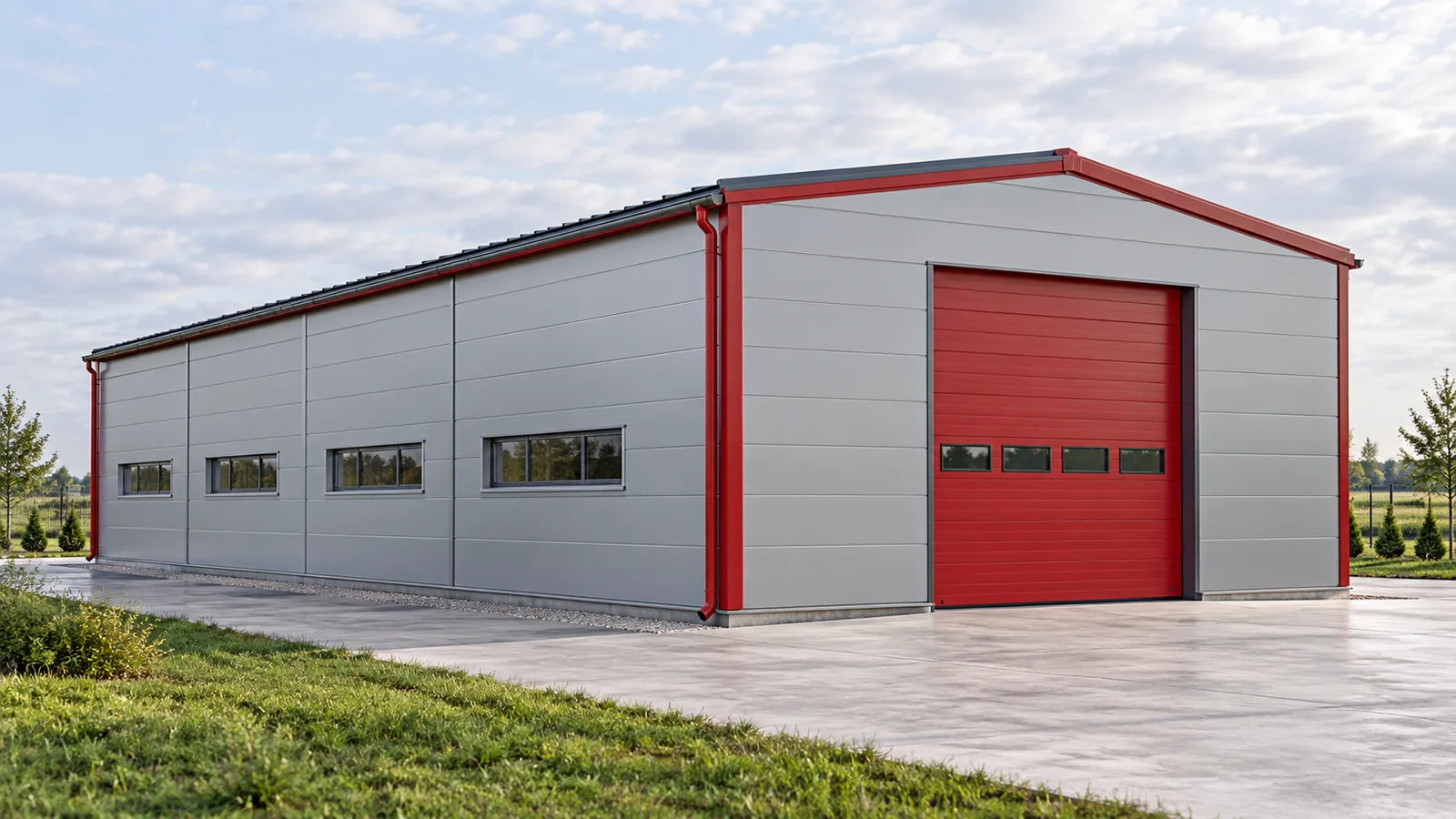
Not every company needs a hall designed from a blank sheet of paper. Nor can every company fit its operations into an…
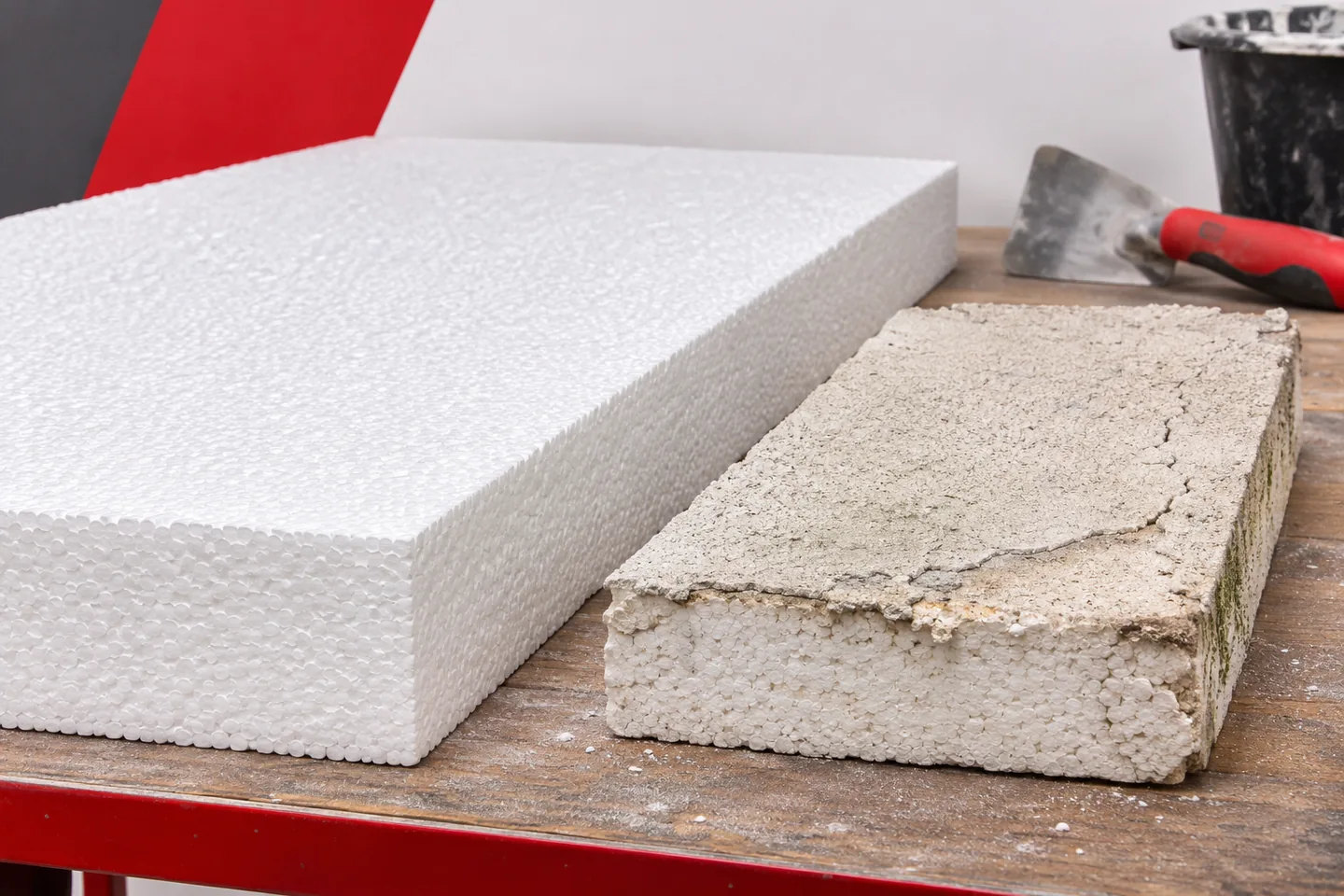
Existing wall insulation does not always need stripping off, but adding another layer is not always safe either. Before choosing a repair,…