

Sandwich panels
How thick should PIR wall panels be when adding heating to an existing industrial building?
When converting an unheated warehouse to regular winter use, first decide which parts of the building need heating. Keeping a separate workshop warm during working hours places different demands on the walls from heating the entire building around the clock. Record the target temperature, operating hours, moisture produced inside and any planned changes of use. Existing wall panels may need replacing. To choose a thickness, compare the declared U-values of suitable PIR wall panels and assess heat losses through the whole building. The wall base, loading doors and roof junction can all influence how much benefit the extra insulation delivers.
In this guide
Defining the heated zone and its temperature
A partition between a heated workshop and an unheated store faces different conditions from an external wall. Check which requirements apply to the wall and the proposed work. For example, Annex 2 to the Polish technical conditions for buildings (2022 consolidated text, Journal of Laws, item 1225) gives a maximum corrected U-value, Uc, of 0.20 W/(m²·K) for an external wall where the design indoor temperature is at least 16 °C. Confirm the applicable provisions for the location and scope of the project.
Finding the U-value for the exact panel
The thermal conductivity λ describes the core material. The U-value describes heat transmission through a particular panel or wall assembly. Consult the table for wall panels with the specified core. A foil-faced PIR insulation board and a sandwich panel with two steel facings each have their own product data.
The example below covers one range of steel-faced PIR wall panels with a declared core conductivity of 0.022 W/(m·K). It shows how thickness affects the U-value within that range. Use the figures for the chosen product when specifying panels for a building.
| Core thickness | Panel U-value |
|---|---|
| 80 mm | 0.27 W/(m²·K) |
| 100 mm | 0.22 W/(m²·K) |
| 120 mm | 0.18 W/(m²·K) |
| 140 mm | 0.16 W/(m²·K) |
Allowing for heat loss at junctions
In this range the 120 mm panel has a U-value below 0.20 W/(m²·K). Assessing the wall and the building also requires the relevant corrections and an allowance for thermal bridges. Examine the wall base, corners, loading door openings and roof junction. Heat loss at repeated junctions can reduce the benefit gained by thickening the uninterrupted wall sections.
During refurbishment, check the airtightness of the panel joints and around the perimeter of the cladding. A draught at the wall base needs attention at that junction, even if the panels elsewhere are made thicker. Check service penetrations too. Apply the same sealing detail to later openings as to equivalent openings included in the original design.
Assessing the wall alongside the roof, doors and ventilation
After the walls have been replaced, the old roof or a frequently opened door may account for a large share of the remaining heat loss. A heat demand calculation shows the relative contributions and helps determine the order of work. Base any estimate of savings on how the whole building will be heated and used.
A tighter envelope needs planned ventilation. Moisture from production processes, wet vehicles or washing must have a reliable route out of the building. Design the heating and ventilation alongside the panel specification, especially when converting a warehouse to a different use.

Checking the structure and the intended use
The replacement panel must suit the spacing and condition of the supports. Core thickness affects panel behaviour. Verify capacity for the design wind loads and fixing arrangement, and inspect the existing structure. Corroded supports and insufficient bearing widths need attention as part of the refurbishment.
Check fire performance, acoustic requirements and the suitability of the internal coating for the new environment. Each needs its own specification. Noisy machinery or a new production process may require an additional internal treatment. Detail it so that the building envelope stays airtight.
Comparing two complete refurbishment options
For each option, record the panel U-value, details at the wall base and openings, any roof replacement work and the calculated heat demand. Include removal, flashings and downtime. This shows what each panel thickness will cost as part of a complete refurbishment and how it affects projected heat use.
If work is phased, design junctions for the finished building. A temporary junction with a wall awaiting replacement must allow the next stage to go ahead. Once the work is complete, check airtightness and heating performance under operating conditions. These checks can reveal installation defects at joints that a panel datasheet cannot show.
Frequently asked questions
Will a 100 mm PIR panel always be adequate for a heated building?
The 100 mm panel in this example has a U-value of 0.22 W/(m²·K). Other ranges can differ. Check the applicable limit, the performance of the complete wall and the junction details before selecting a thickness.
Should the walls or the roof be replaced first?
Set priorities after assessing the building condition and calculating the heat losses. A leaking roof may need urgent repair. High losses through loading doors can change the benefit expected from new walls. Coordinate the stages in one refurbishment plan.
7 branches. Materials closer to your project.

Free quote
Materials for your project

You may also find useful…

A PIR insulation calculator can help you compare renovation options. Before entering a thickness, identify the board and decide what you want…
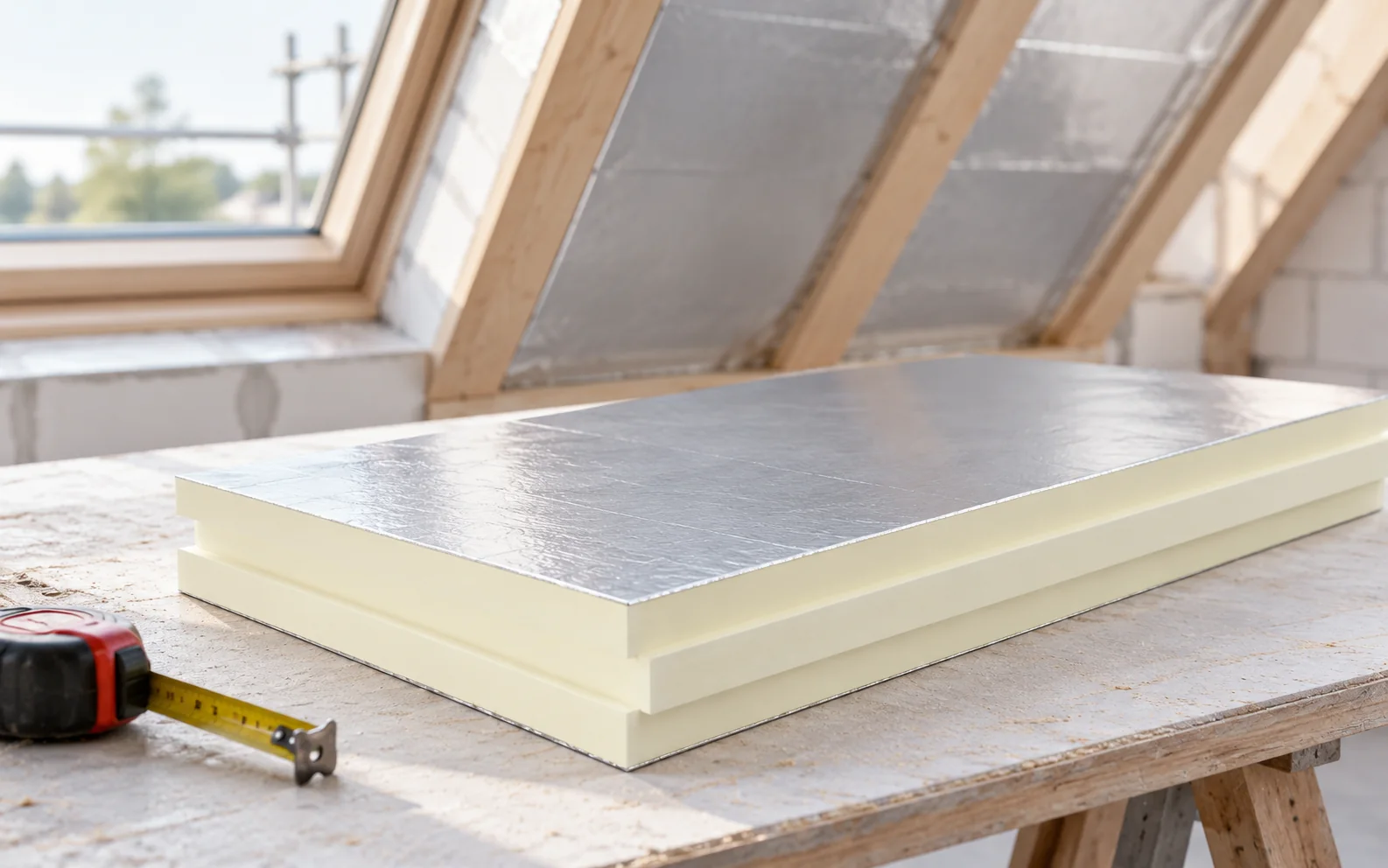
Answering the question of how to plan and carry out roof insulation step by step requires first of all establishing the boundary…
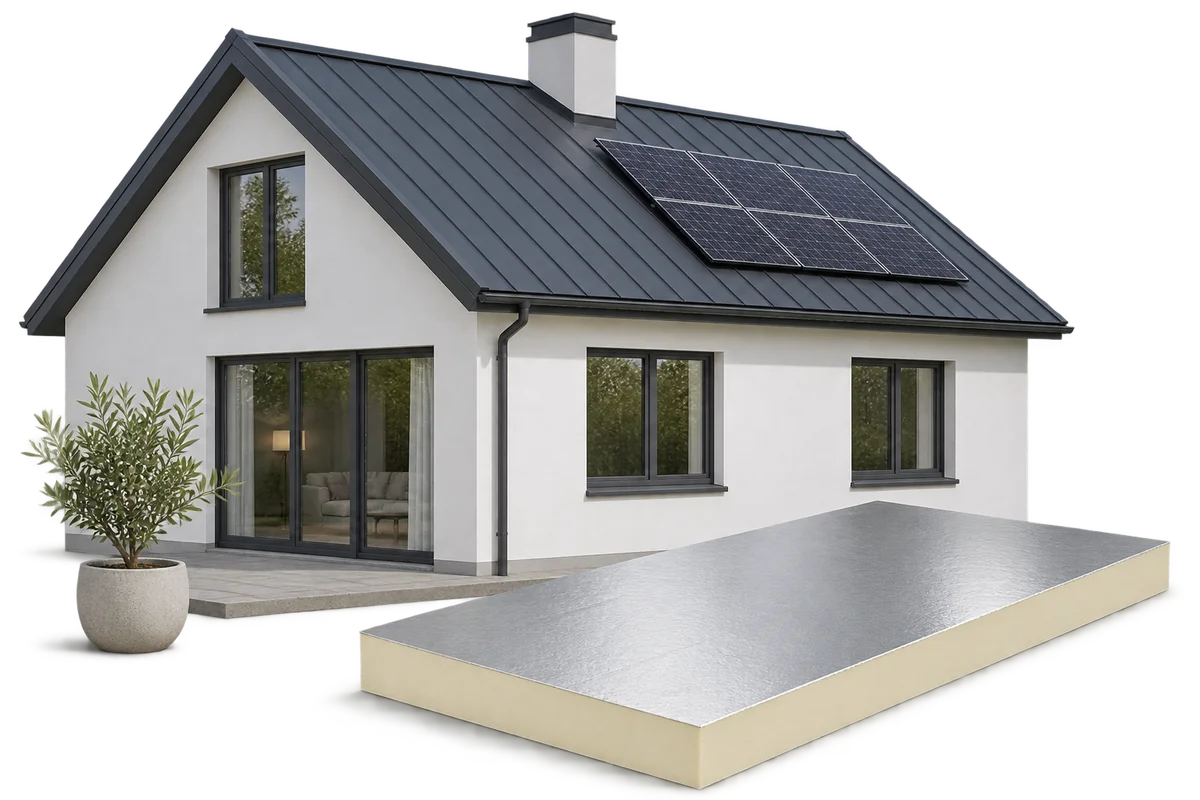
The bill of materials for an energy-efficient house should link every delivery item to the building envelope component and detail shown in…
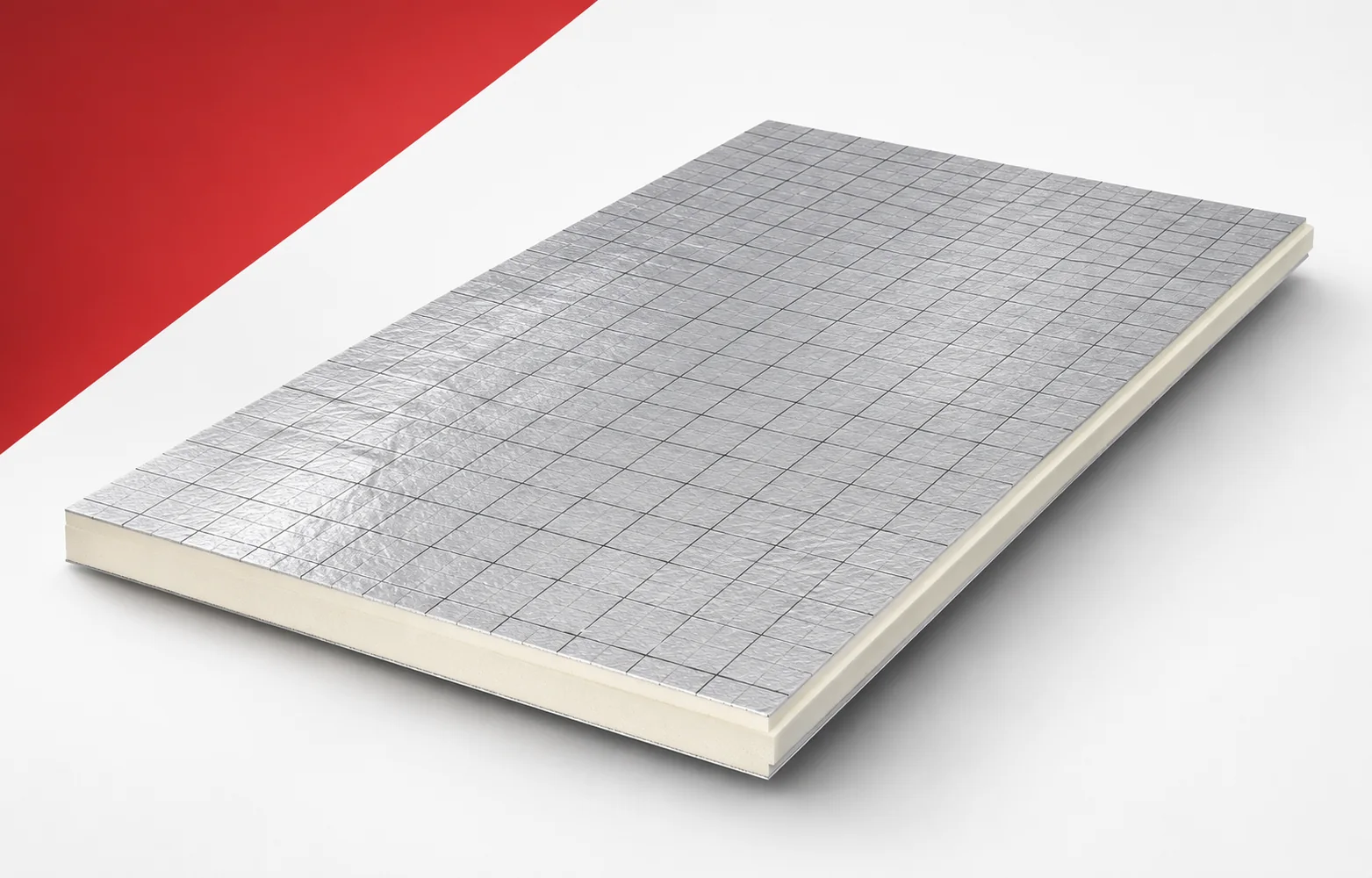
IDELCO α-therm SARKING allows insulation to be installed above the timber roof structure. This position helps preserve attic space and limit interruptions…
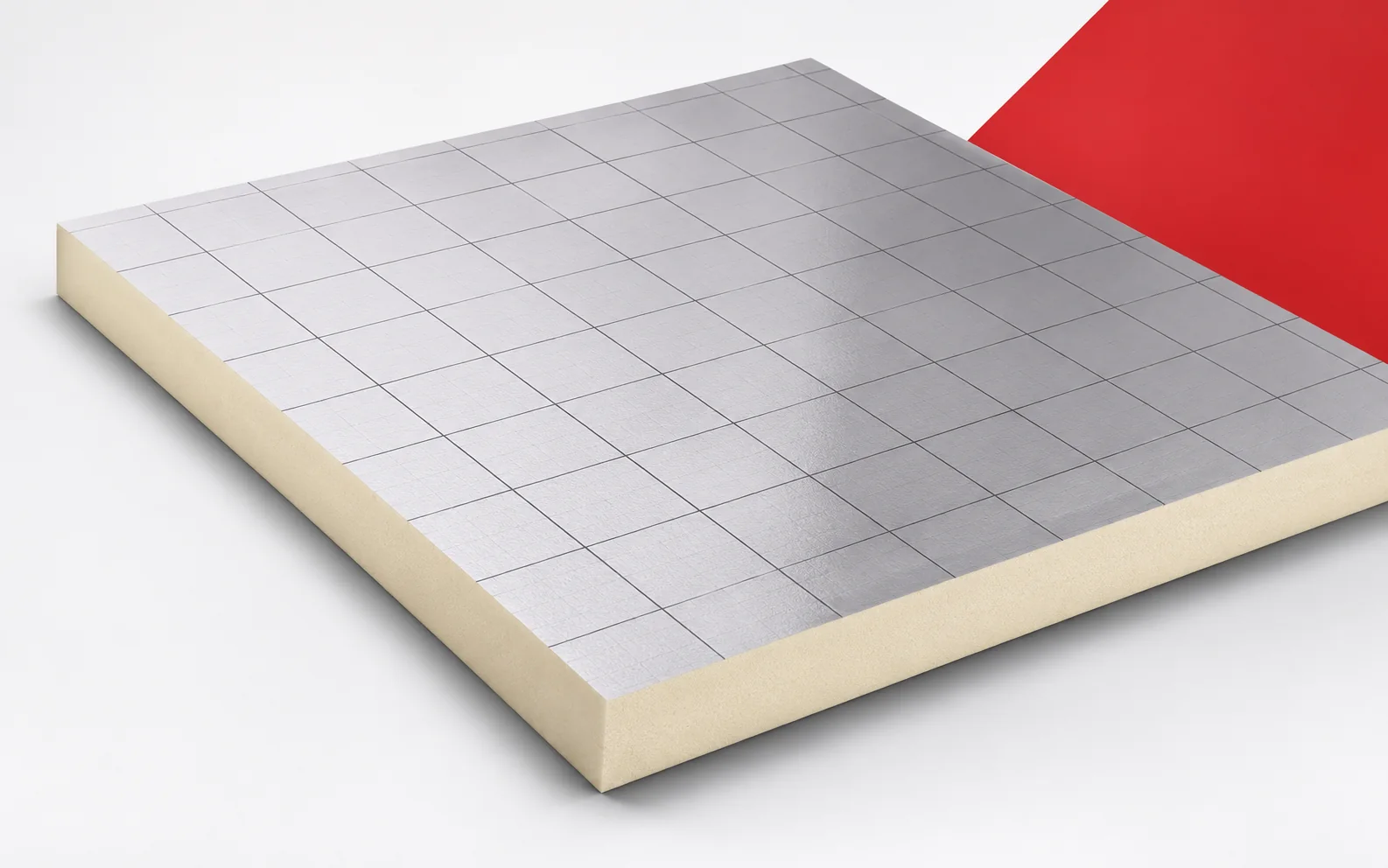
A low floor build-up may leave limited space for insulation. Recticel Eurofloor achieves substantial thermal resistance with a thin board. Before selecting…
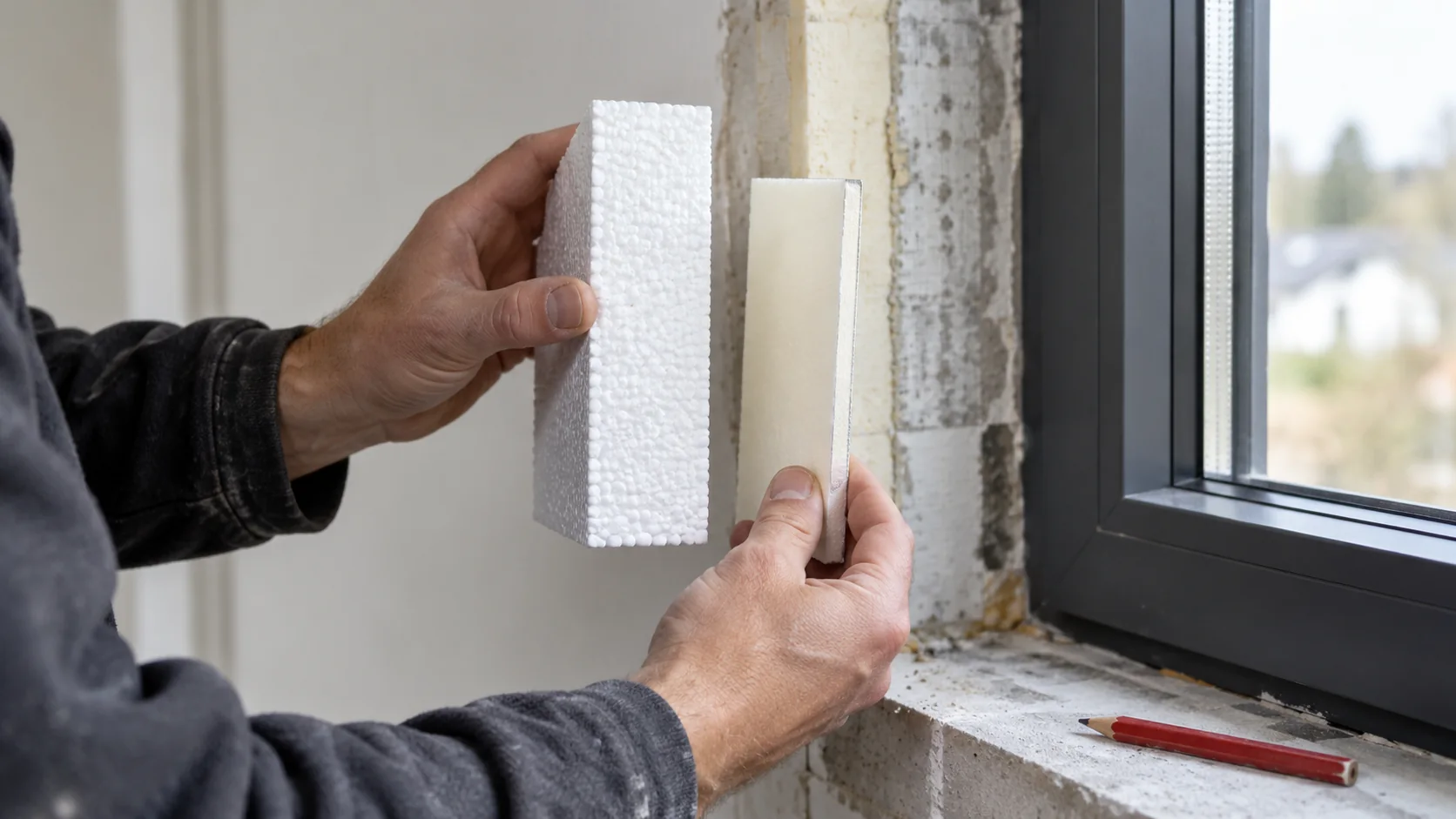
To compare PIR and expanded polystyrene (EPS), use the thermal resistance of each layer. The thickness needed depends on the thermal conductivity…
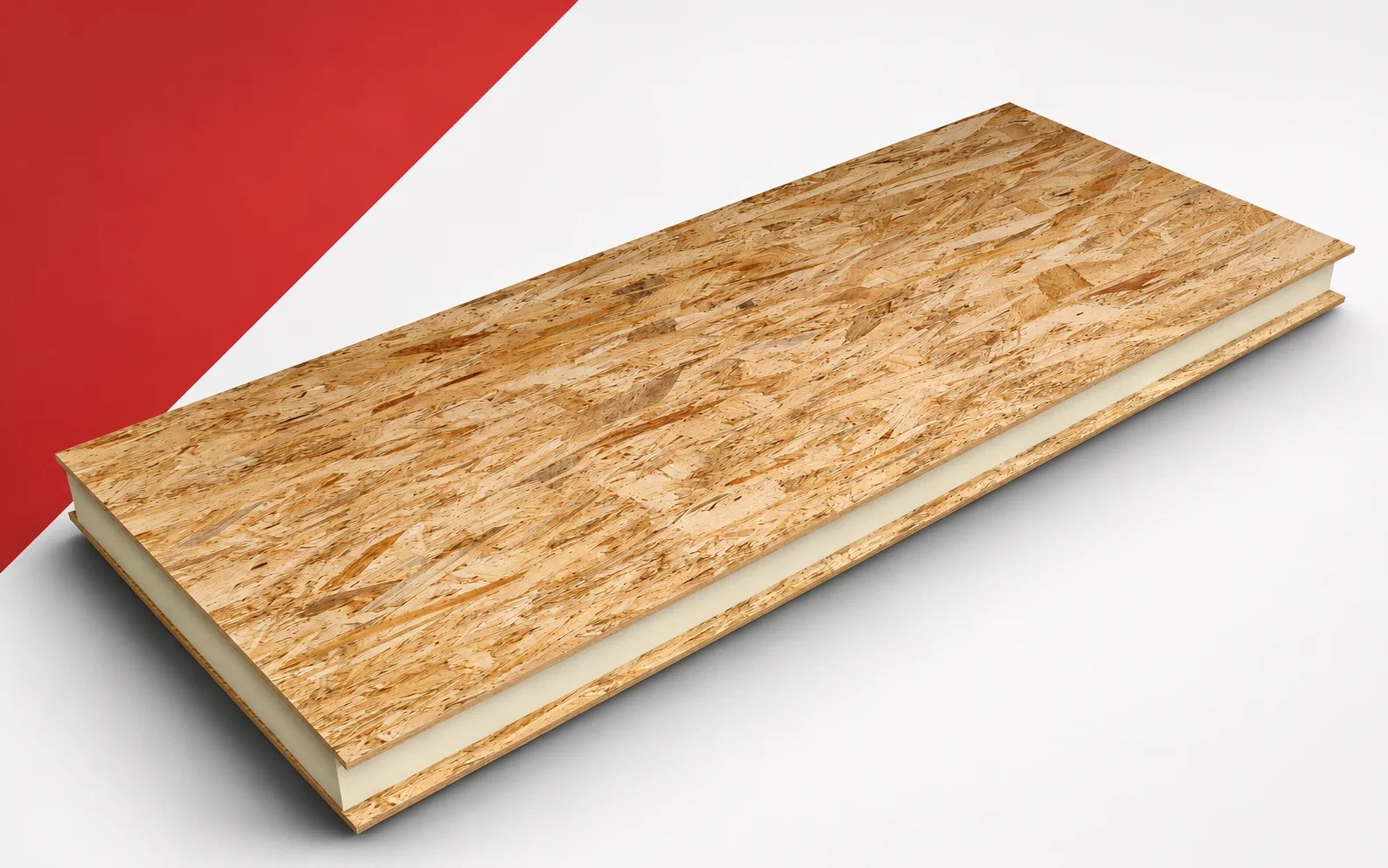
The IDELCO α-therm SIP and a plain PIR board improve thermal performance in different ways. The panel contains facings that participate in…
Modernising the energy performance of a housing estate is not just a matter of replacing individual appliances; it is a planned sequence…