

Cladding installation and maintenance
How many screws should you order for sandwich panels?
Start with the fixing layout for the building. It shows how many primary fasteners each panel needs at each support. The layout takes account of loads, support spacing and the capacity of the complete connection. Count the screws on the drawing and list stitch screws and flashing fixings separately. When comparing quantities, check the unit. A linear metre of panel and a square metre of cladding describe different quantities. Panels come in different cover widths and lengths, so a figure quoted per linear metre cannot be used directly as a figure per square metre. State the basis you used in your enquiry.
In this guide
What does “per metre” refer to?
Use a drawing that shows the panels, supports and fixing positions together. Once you have the total count, you can divide it by the clad area to obtain a figure per square metre. This figure describes the building on the drawing. A different building needs its own fixing layout.
Reading the fixing quantity at each support
The design takes account of wind, building height and shape, façade zone, panel span, fastener properties and the material it is fixed into. Checks include pull-out of the fastener from the support and the risk of the fastener head and washer pulling through the facing. The strength of the steel screw is only one factor in the capacity of the connection.
Loads in corner and edge zones can differ from those in the central area. Check that the fixing layout identifies those zones. Using the same count everywhere could leave too few fasteners in the most heavily loaded areas and unnecessary holes elsewhere.
Counting fasteners from the approved layout
For a counting example, suppose an approved drawing shows 30 panels, each fixed along three support lines with two primary fasteners per line. The order requires 30 × 3 × 2 = 180 primary fasteners before spares. The numbers illustrate how to count from a drawing. The fixing pattern for a real building has to be established for that building.
Group panels that share the same fixing pattern, calculate each group separately and add the totals. Check the details around openings, the short panels above large doors and the end bays. A single multiplication for every panel works only when the drawing shows the same layout throughout.
Listing fasteners by function
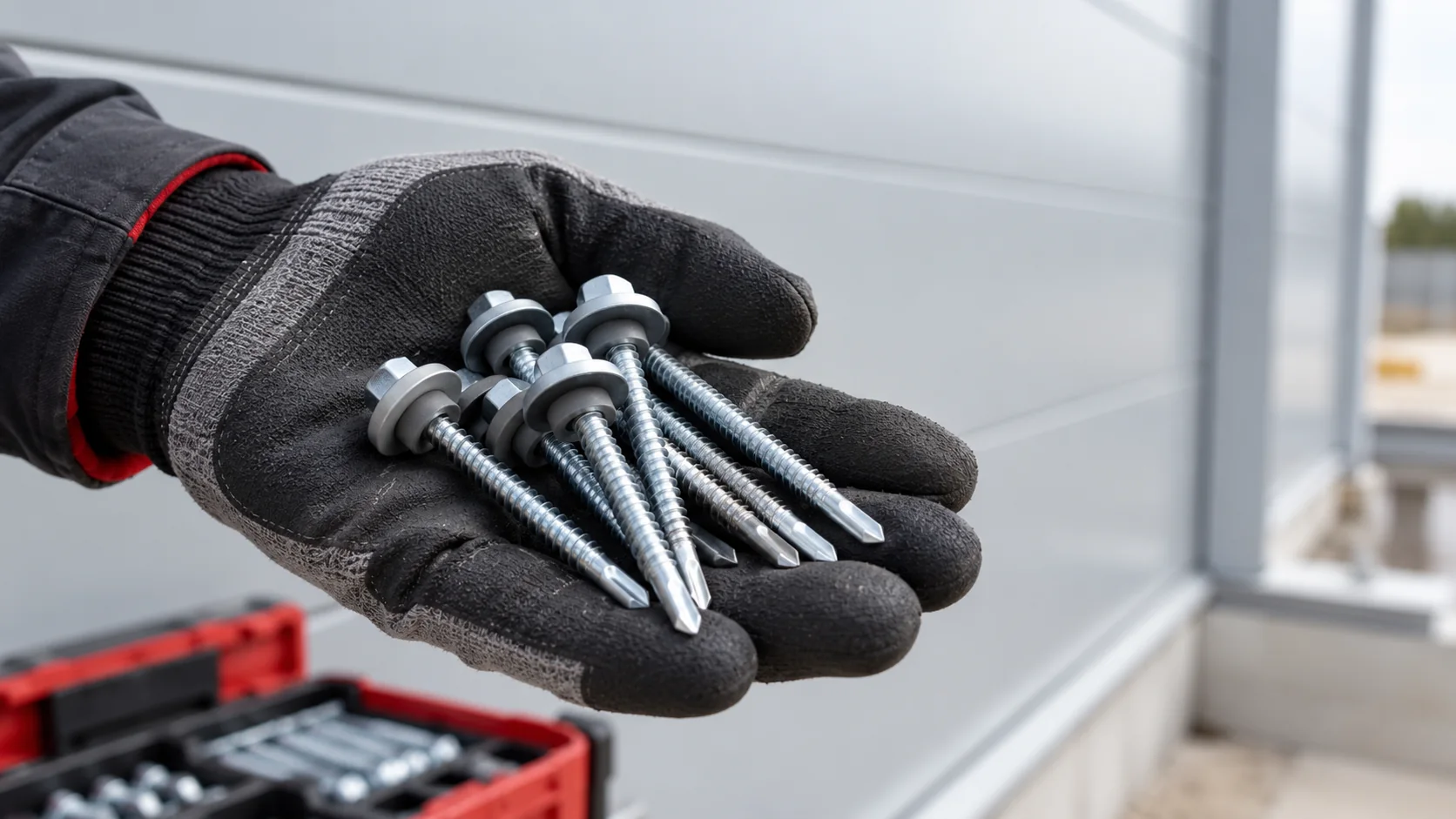
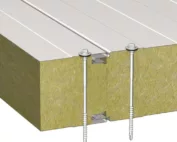
Primary fasteners pass through the panel into the supporting structure. Shorter screws can stitch overlapping facings together or secure flashings. The functions, lengths and drilling capacities differ. Give each type its own line on the order.
Count any special washers required by the system separately. Roof panels may use profile-matched load-spreading washers. Concealed wall fixings may require other accessories. Check a proposed substitute against the specified detail before using a washer from stock.

Allowing for spares when ordering
Allowing for a few spares helps keep work moving if a fastener is damaged. First establish the quantity from the design. Then agree a reserve with the installer, taking pack sizes, delivery arrangements and likely losses into account.
If the drawing calls for 180 fasteners and you buy 200, the remaining 20 are spares. Fit the number shown on the drawing. Label unused fasteners so they can be identified for maintenance and checked for suitability when a repair is needed.
Checking fastener lengths and the supporting material
Choose fastener length for the panel thickness and the required engagement in the support. Steel, timber and concrete require different fixings. For steel supports, check the fastener’s drilling capacity and the thickness of the steel in which the thread engages.
Check the labels on delivered packs against the schedule before work starts. Screws that look alike can have different specifications. Once a wall is closed up, a substitution may be difficult to identify and hundreds of finished connections may need checking.
Inspecting the installed connections
Using the expected number of screws tells you little about the quality of individual connections. Check their positions, washer compression, the condition of the facings and engagement in the supports. After installation, remove metal swarf and use the specified repair detail for any unintended holes.
Keep the fixing drawing and fastener schedule for future repairs. They show which fasteners connect the panels to the structure and which hold flashings that may need a different removal sequence. A clear drawing gives the required count directly. The resulting figure per square metre is a convenient summary for that project.
Frequently asked questions
Can I assume a single number of screws per square metre of wall?
Establish the fixing layout from the loads, wall zones, supports and connection capacities. Once the layout is known, you can calculate the average per square metre for the wall in question.
Do extra screws always improve the fixing?
Extra holes in arbitrary positions can damage the facing and cannot remedy an inadequate support. Check any proposed change in the number or arrangement of fasteners against the design for the particular connection.
7 branches. Materials closer to your project.

Free quote
Materials for your project


You may also find useful…
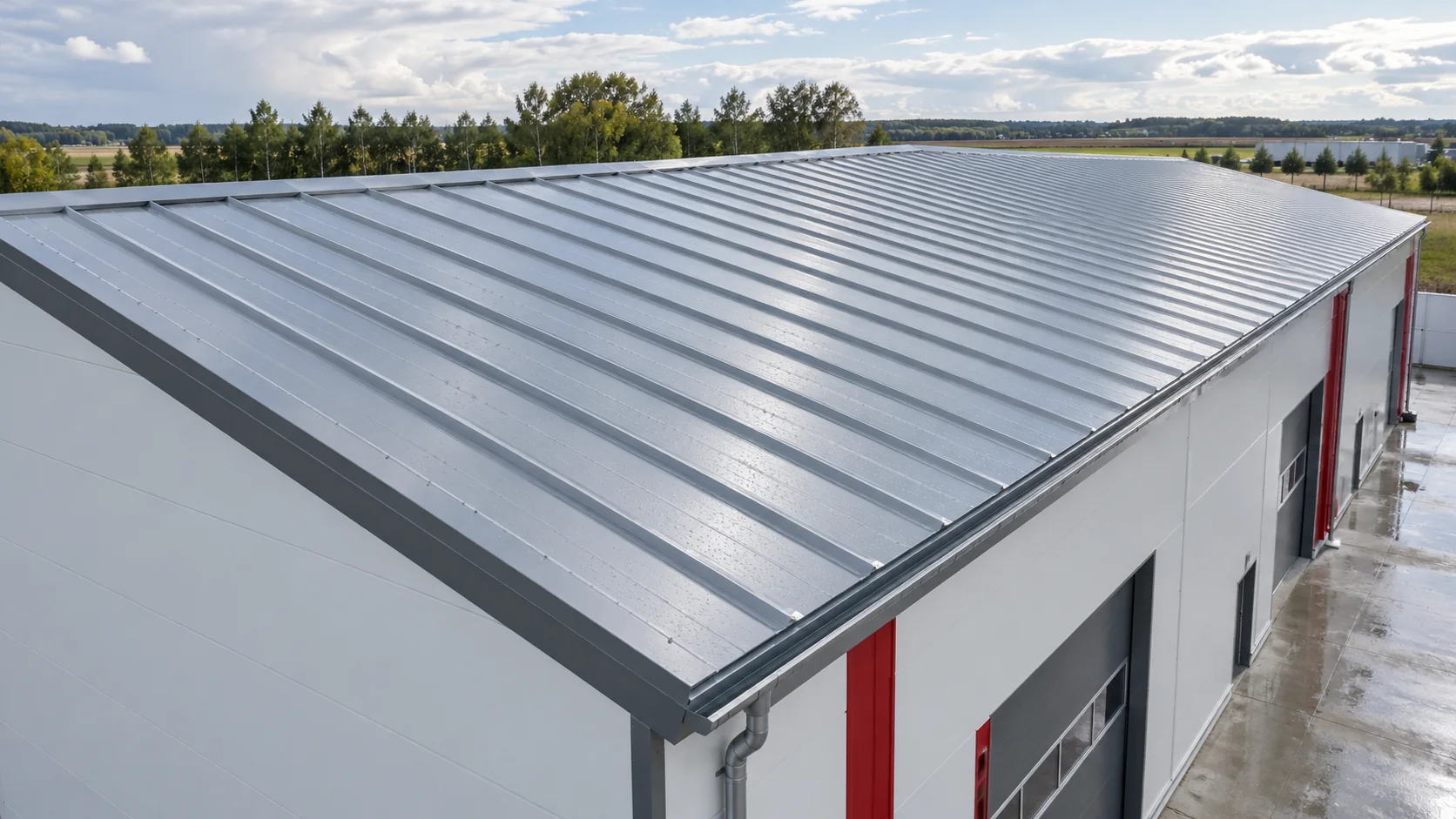
A sandwich panel roof budget should cover everything needed to make the roof weathertight and drain rainwater. Check whether the quotation includes…
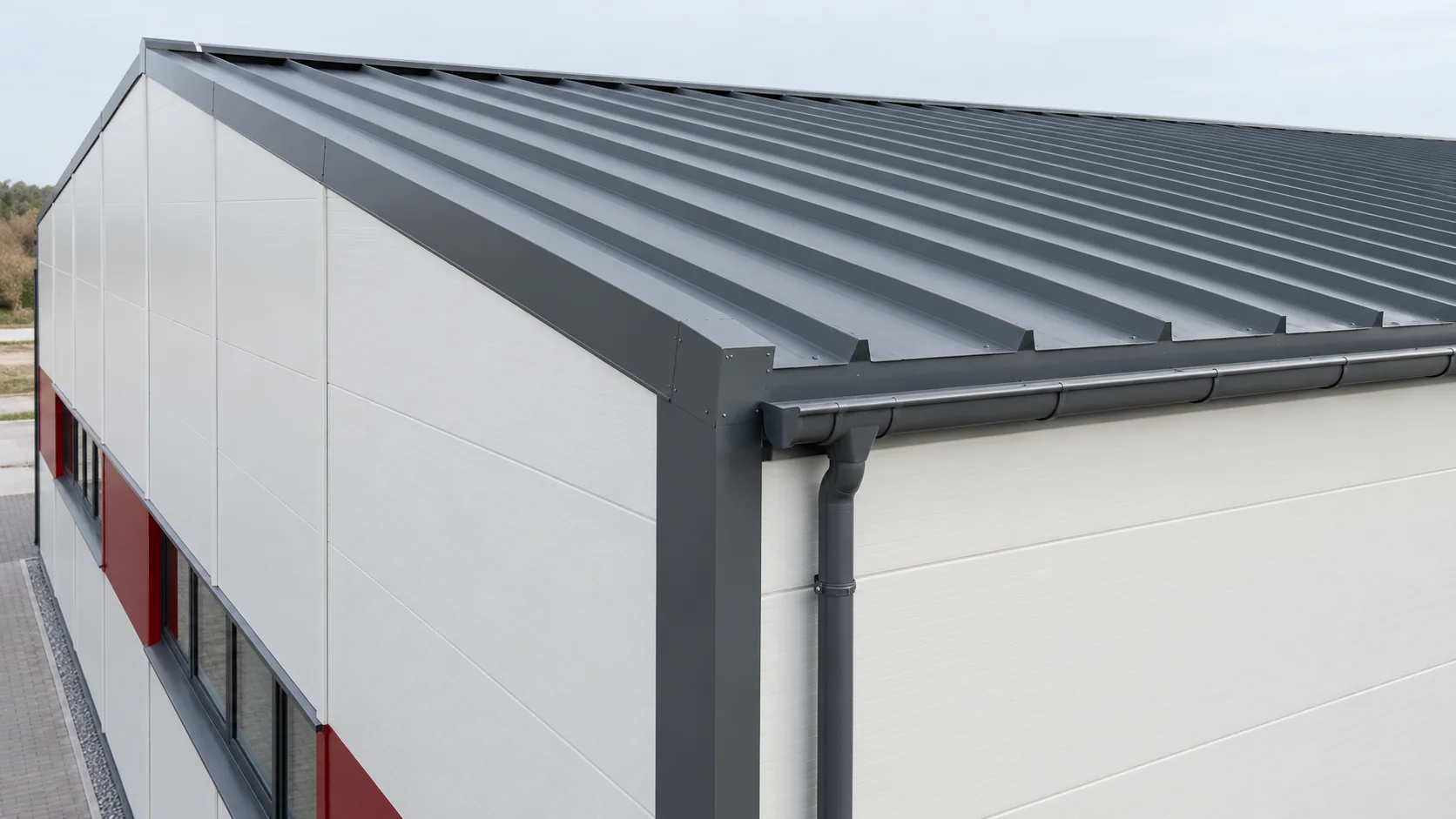
Select sandwich roof panels and wall panels together so that dimensions, costs and junction details agree. Each has a different job. On…
Choosing a building crew starts with comparable quotations. The same total may cover labour alone or include scaffolding, unloading and weather protection.…
An existing sandwich panel roof may be suitable for additional insulation when a cold store is converted into a heated workshop or…
Choose roof and wall panels for a livestock building according to the housing system, animal numbers, heating, ventilation and cleaning routine. These…
Before replacing an existing roof covering with insulated sandwich panels, survey the parts of the building that will remain. The condition of…

A home needs comfortable wall surface temperatures, quiet bedrooms and enough space for pipes, cables and ducts. When choosing sandwich panels for…
A sandwich panel can have three different costs per square metre. You can price the material at the warehouse, the usable area…