

Mineral wool sandwich panels
How to compare standard and higher-specification mineral wool panels
Product range names give little indication of how one panel compares with another. Standard, lightweight and higher-specification versions may differ in their core, facings, joint or seal. Start with the properties the building needs. A price premium is justified when a documented feature solves a particular problem. Compare the two specifications side by side, including thickness, core density and type, steel facing thicknesses, cover width, fixings and declared performance. A name that suggests greater strength tells you little about which property the extra cost buys. It may relate to load capacity, fire performance or the surface finish.
In this article
Compare specifications independently of brand names
Ask the supplier to identify the exact difference between the two versions. A general claim of better quality is difficult to price. The practical question is whether the change meets a design requirement or reduces the cost of operating and maintaining the building.
What a lower core density changes
One panel range, for example, includes cores with nominal densities of 90 and 110 kg/m³. Those figures apply to variants in that range. A lighter core can reduce panel weight. Consult the product documentation for the other properties.
Thermal insulation, acoustic performance and fire resistance do not necessarily improve in proportion to wool density. Lamella arrangement, bonding, facings and joints also affect the result. Look at the performance of the complete panel alongside the weight of its core.
Use the right span table
If you are paying extra for wider support spacing, compare tables for the same load, support arrangement, colour and deflection limit. Check facing thicknesses carefully. A result for thicker steel cannot be applied to a thinner facing simply because both panels belong to the same family.
Fewer side rails can change framing costs, but fixings and junctions need recalculating. Fire requirements or window positions may prevent the designer from using a longer span. Assess the structural benefit using the actual layout of the building.
Assess a substitute against the full specification
If an alternative is offered during procurement, compare every property that matters to the project. A similar U-value does not establish equal load capacity, and a better fire rating does not ensure a compatible joint. Check the cover width and available lengths against the façade layout and cutting plan. Assess the substitution using the complete comparison. A cheaper panel or one available sooner could require extra supports or flashings missing from the original budget.

How joint details affect fire performance
A panel designed for a particular fire rating may use a special seal or a different joint profile. Core density alone does not describe the assembly. The required classification applies to a wall built within the documented field of application, including the specified supports and connections.
When the design calls for an EI rating, compare complete wall systems meeting the same requirement. A different version may achieve it at a smaller thickness if the documentation supports this. The rating of a special version cannot be assigned to a similar-looking standard panel.
Check the coating and repair options
In daily use, the surface finish may make the biggest difference. Resistance to washing, contamination and damage depends on the facing and coating. A panel with adequate load capacity can still perform poorly in a room if its coating is unsuitable.
Compare exposed and concealed fixings for maintenance access. Establish how to replace a single panel, source a matching spare and reinstate seals. Alongside the clean appearance of the façade, consider the cost of repairs after an impact or alterations to an opening.
Compare the cost of the complete wall
Add framing, accessories, installation equipment and labour to the panel price. Include any changes to handling or transport for a heavier version. If the design could use less supporting steel, confirm that saving before entering it in the estimate.
Compare the two options for the same function and service period. A dry warehouse may never need some additional features. A wall with demanding fire requirements may warrant a special version. The wall’s function determines the choice, and the range name helps identify the item to order.
Questions and answers
Is denser mineral wool always a better choice?
No. Density describes one aspect of the core. Suitability depends on the complete panel, including load capacity, insulation, fire performance, weight and joint detailing.
When is a higher-specification panel worth the premium?
When a verified feature meets a project requirement or reduces the total cost of the wall. A product name alone provides too little information to assess the benefit.
7 branches. Materials closer to your project.

Free quote
Materials for your project
You may also find useful…
A fibreglass lining on the underside of a farm building roof can make the interior easier to clean if the material suits…
PIR and mineral wool can both effectively limit heat loss, but they offer different sets of properties. When choosing, it is worth…
A mineral wool sandwich panel can help a wall meet its fire and thermal requirements. In everyday use, the panel’s weight, the…
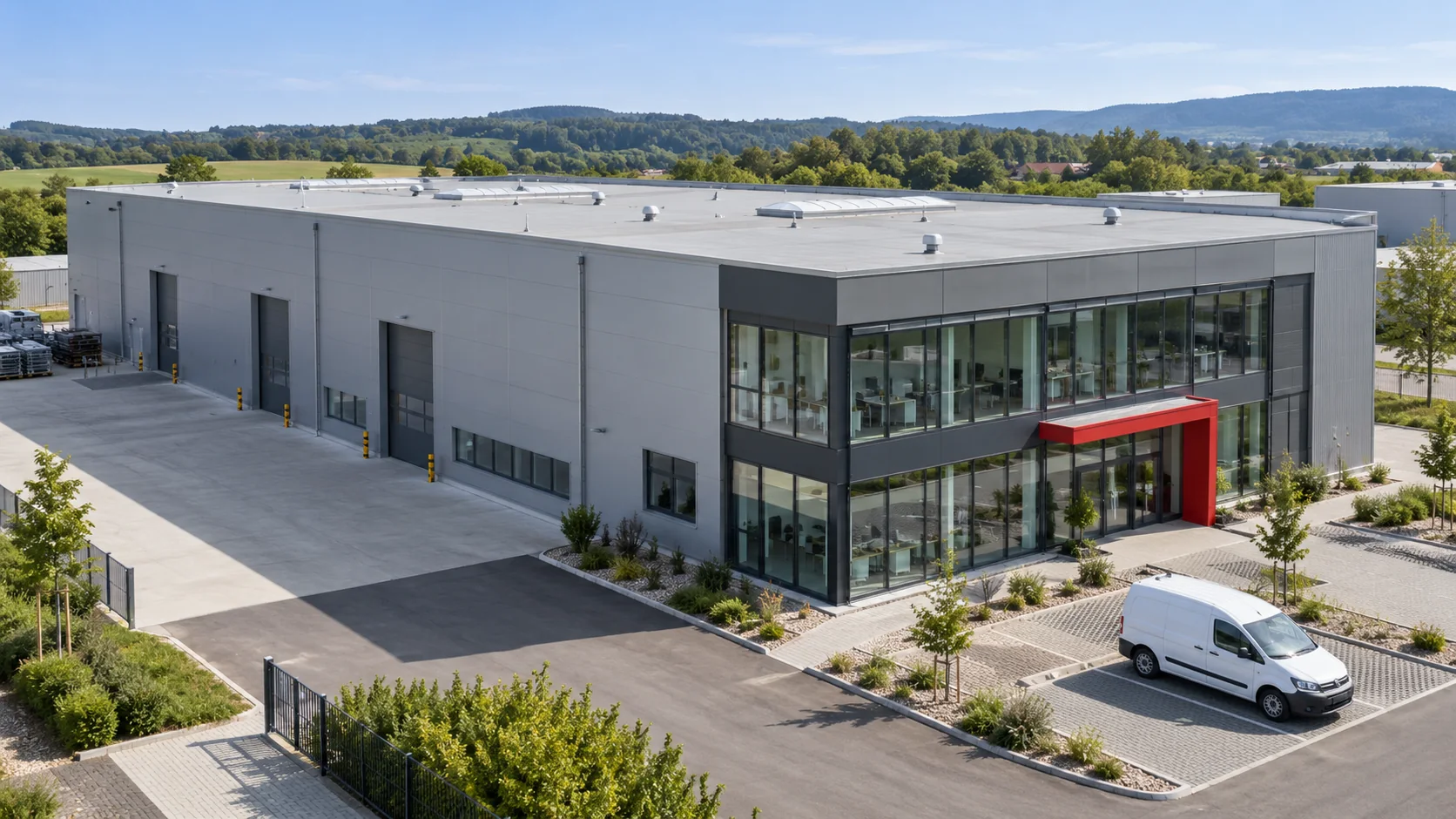
A mineral wool wall panel is prefabricated, but the wall relies on its supports, fixings, joints and flashings. Start by looking at…
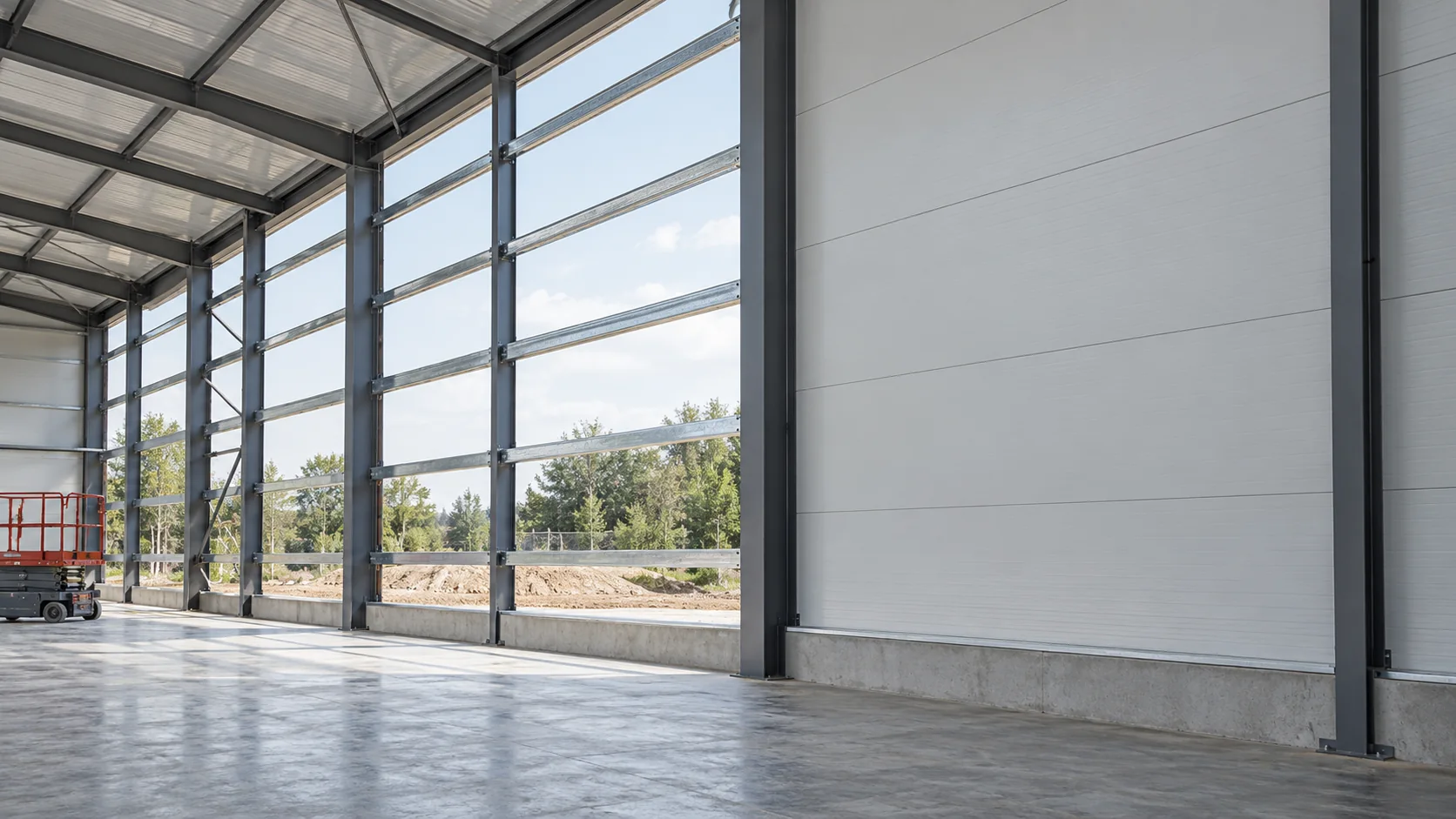
A sandwich panel spans between supports. The frame must suit the type of panel and its orientation. For mineral wool walls, the…
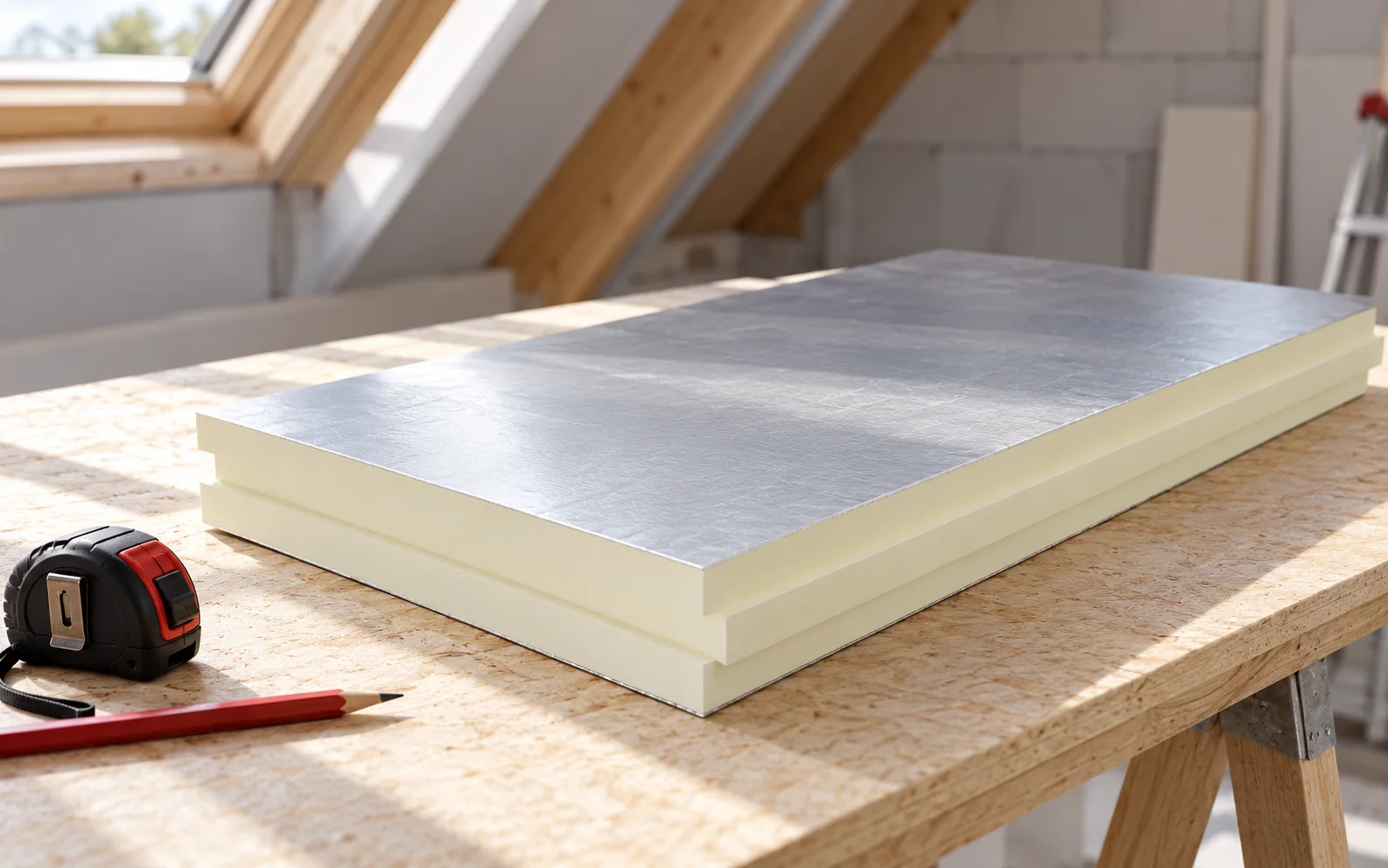
The answer to the question of insulating a loft before installing the lining comes down to the correct sequence of work and…
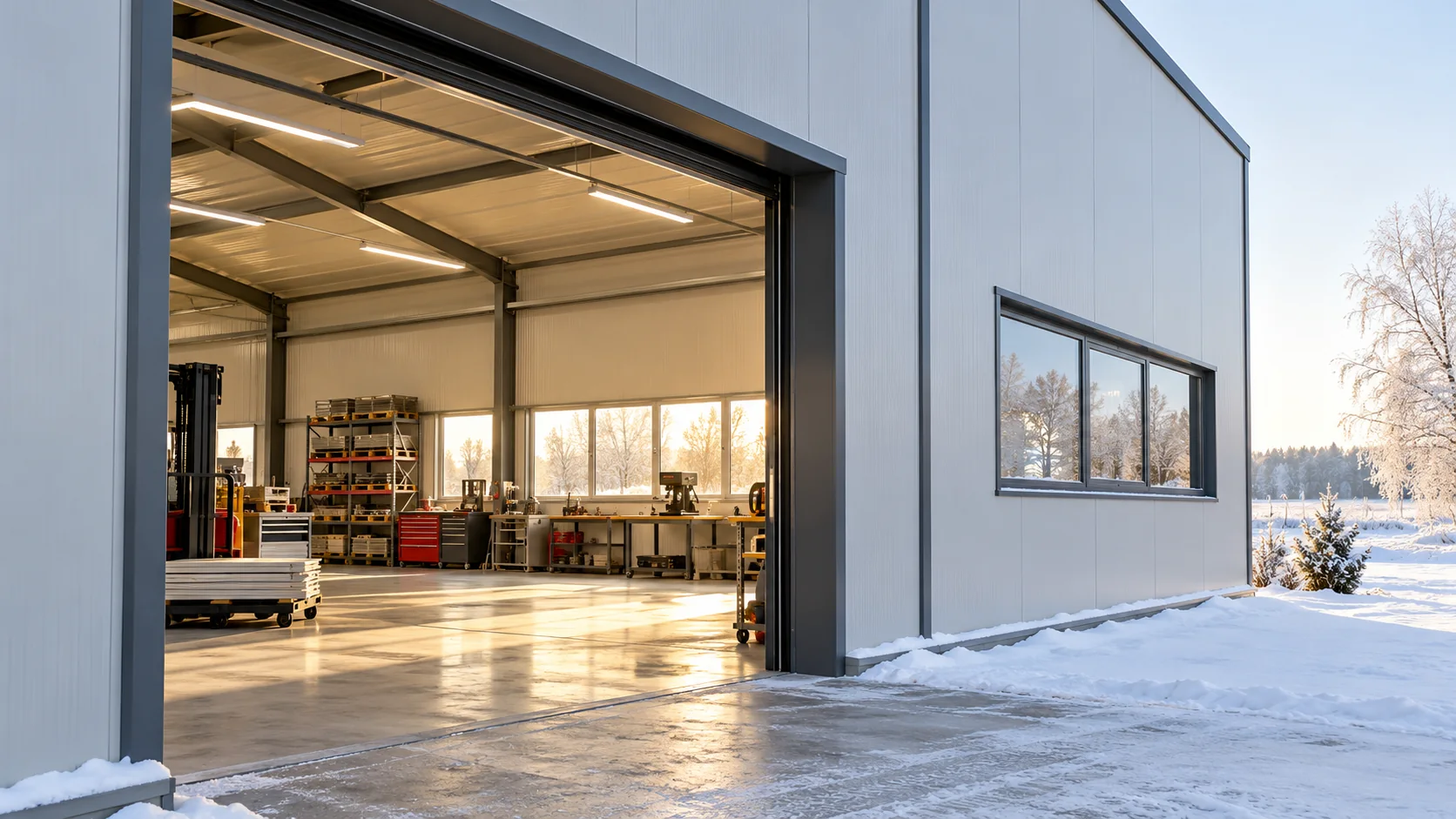
Thermal conductivity, or lambda, describes how a material conducts heat. The U-value describes heat transfer through a particular product or building element.…
Weight per square metre helps compare panels, but the site team needs the weight of the whole unit. This depends on length,…