

Mineral wool sandwich panels
What does non-combustibility mean for a mineral wool wall panel?
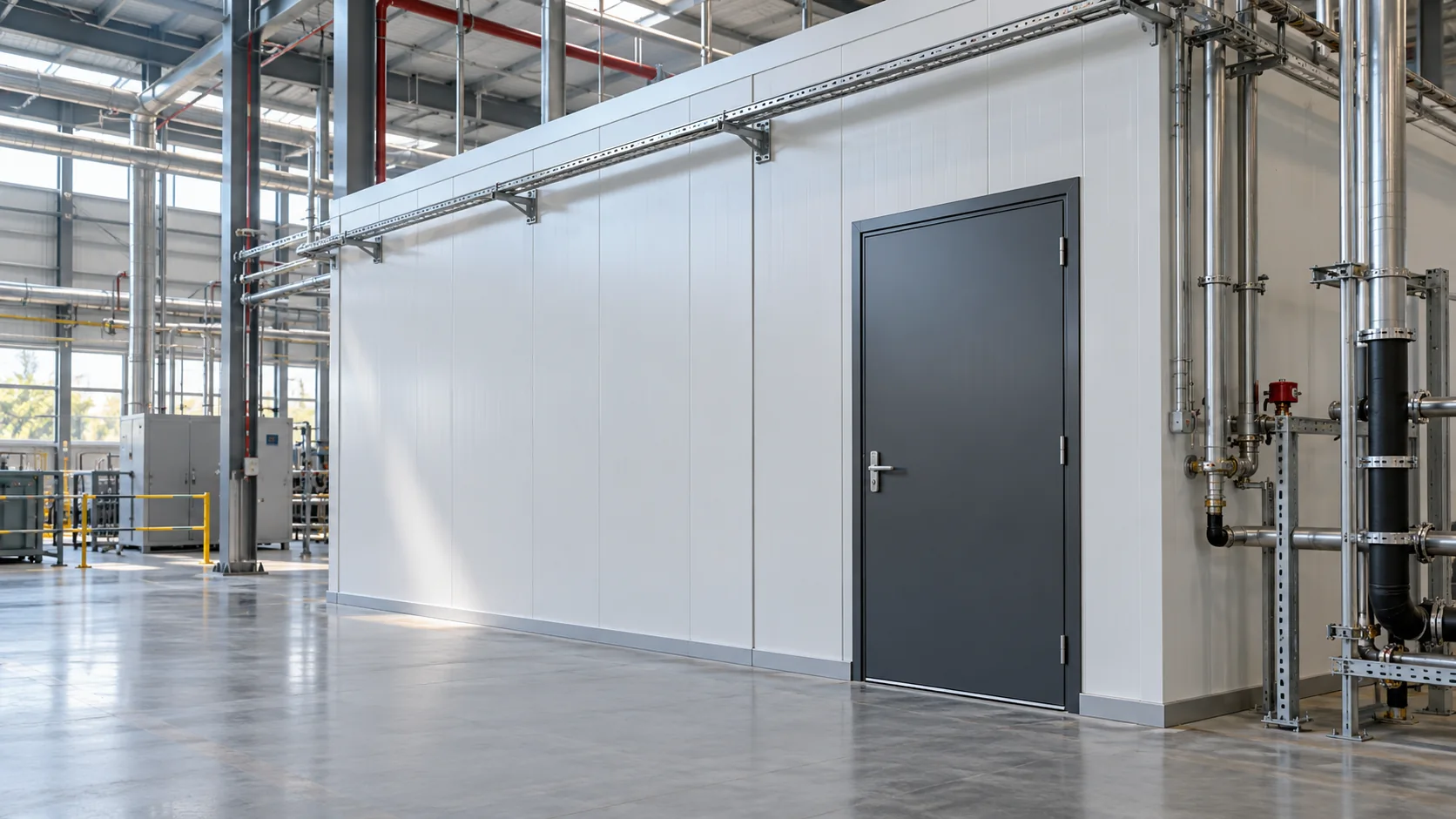
Mineral wool and a finished sandwich panel have separate fire classifications. The panel also contains facings, coatings and adhesive. Check both the reaction to fire of the complete panel and the fire resistance of the assembled wall. This distinction matters when doors or services are added years later. A1 is the highest reaction-to-fire class. Many finished mineral wool panels have a declared class of A2-s1,d0, which takes the complete product into account. Specify the documented class of the panel with its adhesive and coated steel facings. An A1 rating for the insulation alone applies only to that material.
In this article
Identify the product covered by A1 or A2
Look up the exact product in its documentation. Check that panel thickness, facings and other conditions fall within the classification. A change in coating material or panel construction may require separate evidence. A general statement about mineral wool cannot identify the performance of a particular panel.
Read the smoke and droplet classifications
The s1 designation indicates limited smoke production under the relevant test conditions. Smoke can still develop in a building fire. The d0 designation means that no flaming droplets or particles occurred within the classification criteria. It describes behaviour under those conditions only.
Reaction to fire describes how a product contributes to fire development. The length of time a wall can separate two rooms requires a different assessment. An A2-s1,d0 classification alone provides no basis for specifying EI 60 or EI 120.
Check the wall assembly covered by the EI rating
E stands for integrity and I for insulation in a fire. The number gives the time in minutes for which the relevant classification criteria were met. R applies where loadbearing capacity in fire is assessed. Use it only for an element classified for that function.
Check the complete field of application, including panel type, thickness, span, vertical or horizontal installation, fixings and direction of fire exposure. A rating obtained for one arrangement may cover only certain lengths and joints. Keep the design within the documented limits.
Match the documents to the installed product
Datasheets of different dates may cover variants with similar names. Before specifying a value, match the product and its configuration to the document. Keep the version used for the order with the evidence supporting the design. A later catalogue change need not alter the properties of an earlier delivery. For an extension, establish how the existing and new sections of wall will work together.

Assess the effect of new openings
Doors, grilles and service penetrations each need an appropriate detail. A gap around a pipe still needs assessment when mineral wool surrounds it. Select the seal for the wall, the service and the required performance. Ordinary expanding foam cannot simply replace a specified penetration seal.
Before cutting an opening, establish whether the wall has a fire separation function. Keep a record of alterations while the building is in use. Uncoordinated changes can compromise the performance assumed in the design even when the original panel was correctly specified.
Select a compatible replacement panel
Replacing a damaged panel means restoring the specified assembly. In addition to colour and thickness, check joint geometry, seals, number of fixings and connections to adjoining elements. Identify clearance stock and assess its condition before use.
Following heat exposure or a fire, inspect the bond between the layers, deformation and connections. The appearance of the steel alone cannot establish serviceability. Repainting may improve the finish but provides no evidence of structural performance or fire resistance.
Keep the fire documentation with the building records
Retain the declaration of performance, details of the installed system and as-built records. When a tenant changes, information about the function of each wall matters as much as the services drawings. It shows which alterations require agreement before work starts.
During inspections, check penetration seals, closures at openings and damage to the cladding. Maintaining fire protection throughout the building’s life means keeping the entire wall within its classified configuration, including after repairs and extensions.
Questions and answers
Does every mineral wool panel have an A1 classification?
No. The core and the finished panel have separate classifications. Many steel-faced mineral wool panels are declared A2-s1,d0. Check the documentation for the exact configuration.
Does A2-s1,d0 specify a fire resistance period in minutes?
No. A2-s1,d0 describes reaction to fire. A separate wall classification, such as EI, gives the time for the relevant criteria and defines the configurations covered.
7 branches. Materials closer to your project.

Free quote
Materials for your project
You may also find useful…
Select roof insulation for the layer arrangement, available height and loads. PIR often achieves the required thermal resistance at a smaller thickness.…
In a roof sandwich panel, “fibreglass” can refer to an inner facing made from glass-reinforced plastic (GRP). A panel of this type…
A mineral wool wall panel is prefabricated, but the wall relies on its supports, fixings, joints and flashings. Start by looking at…
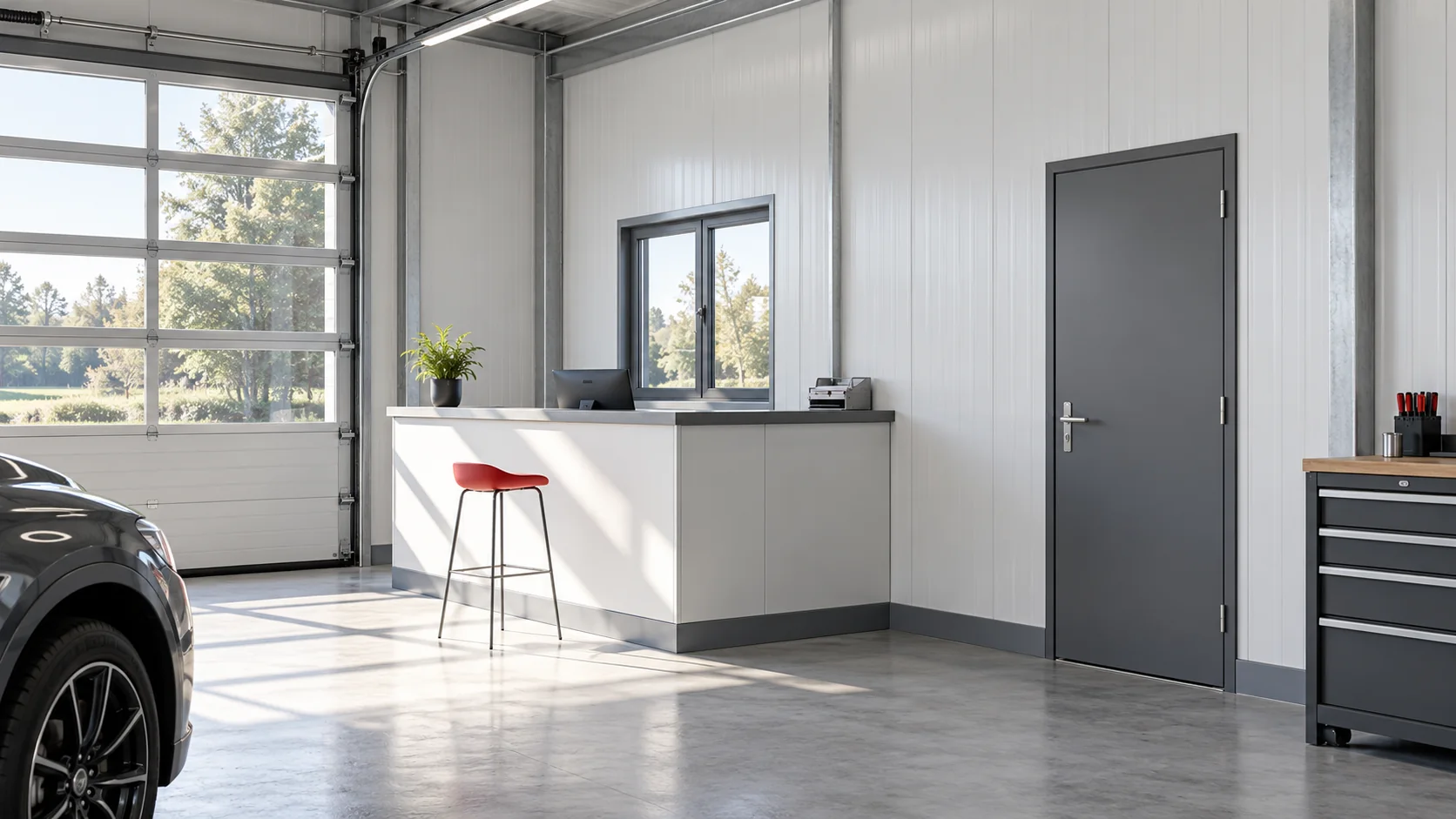
Many mineral wool wall panel ranges include a 100 mm option. Panels of this thickness can serve different buildings, provided their performance…
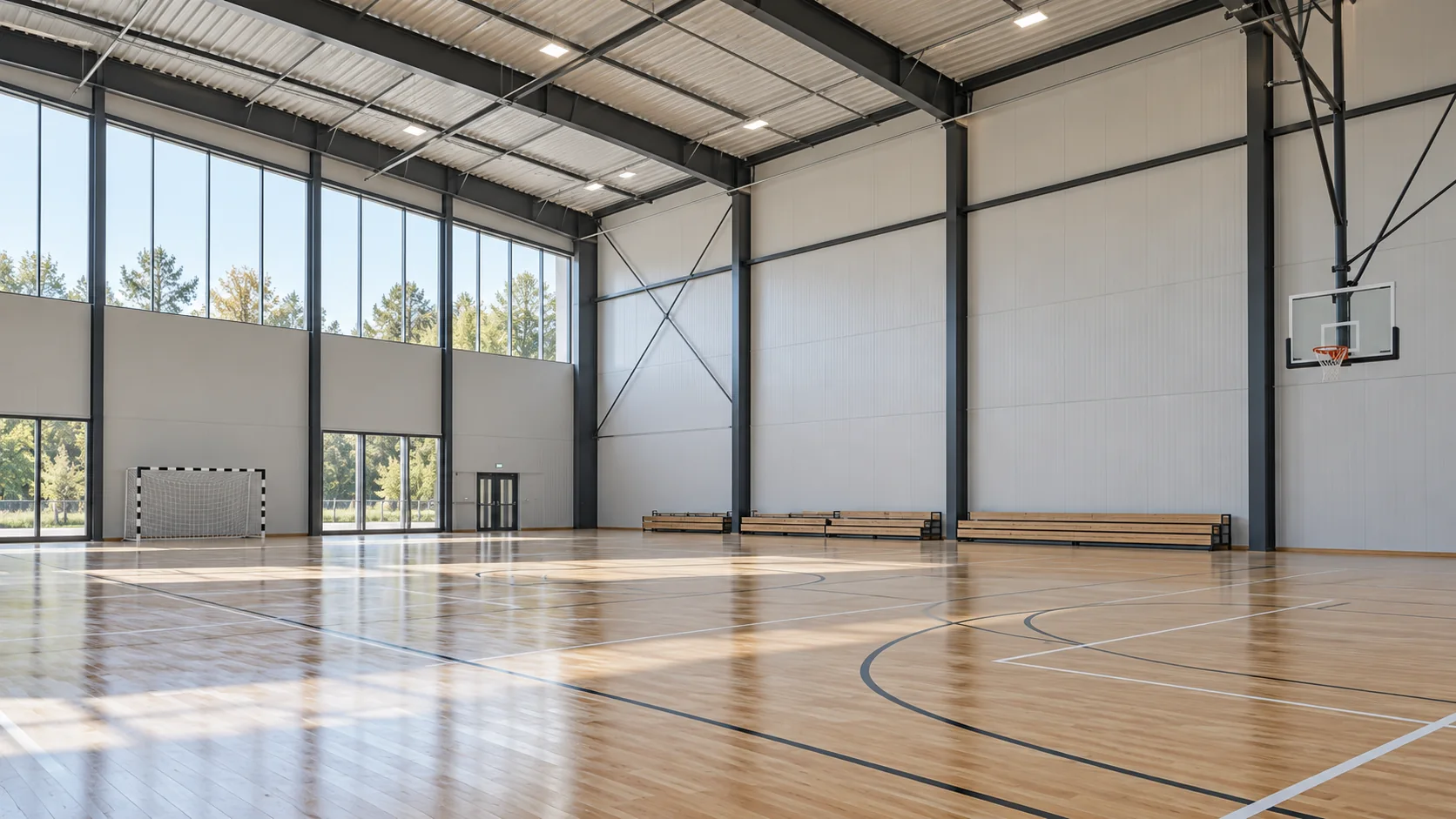
Mineral wool wall panels are used in production halls, warehouses, workshops and public buildings. Their suitability depends on what each wall must…
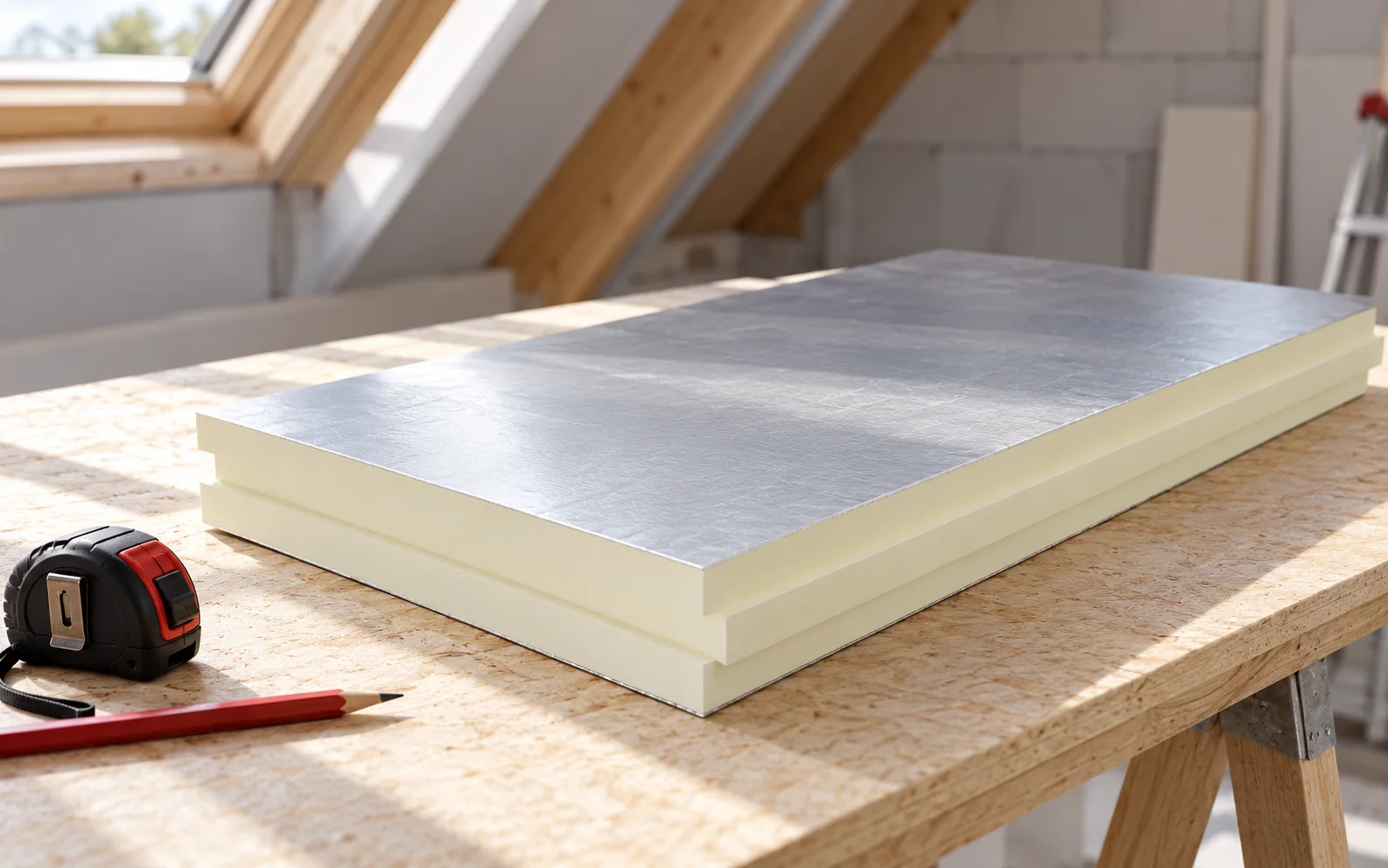
The answer to the question of insulating a loft before installing the lining comes down to the correct sequence of work and…
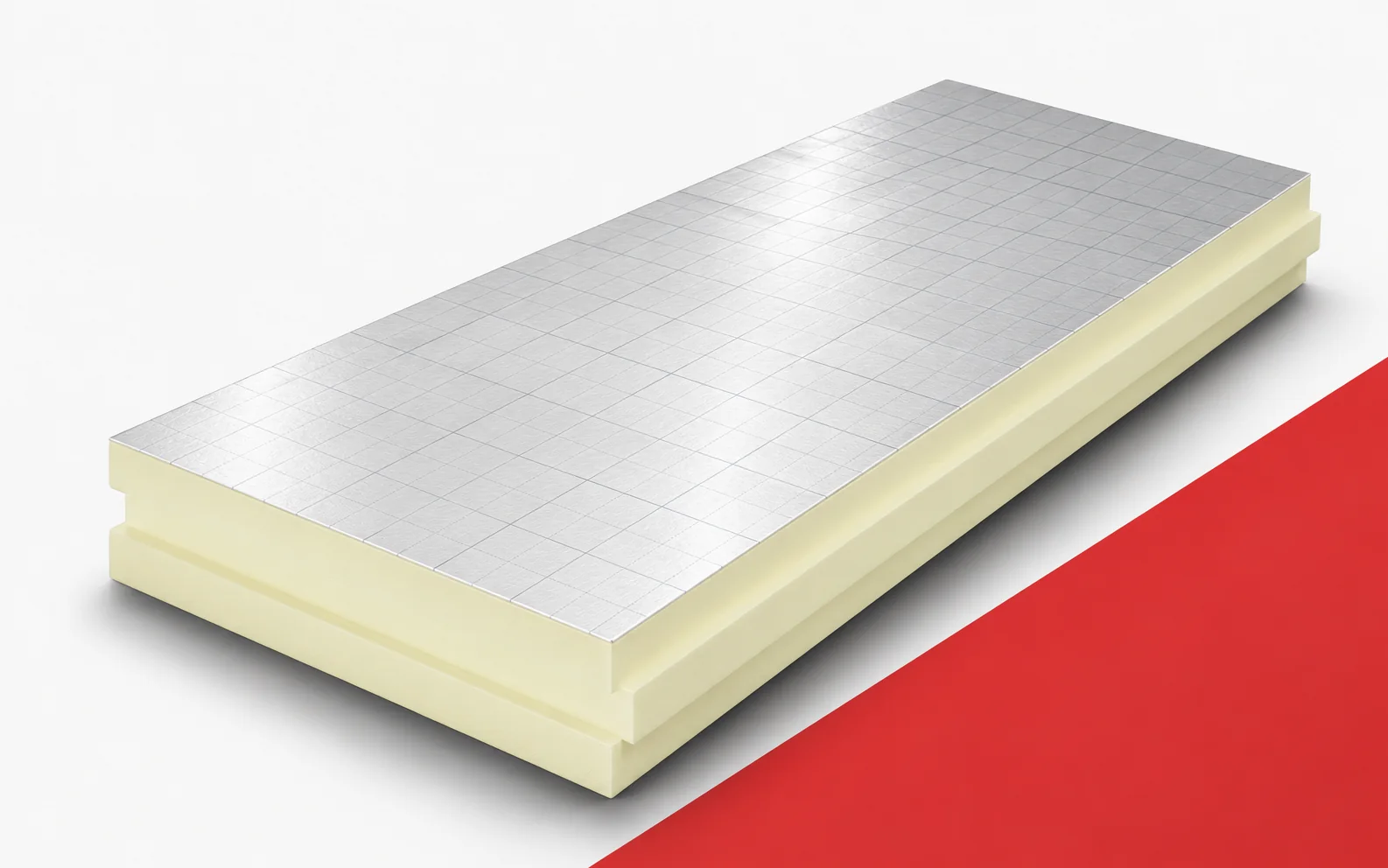
PIR and mineral wool can both effectively limit heat loss, but they offer different sets of properties. When choosing, it is worth…
Choose the thickness of a mineral wool panel by checking thermal performance, fire resistance, load capacity and construction details together. The 60–200…