

Fibre-cement roof coverings
Natural grey fibre cement roofs: appearance, ageing and care
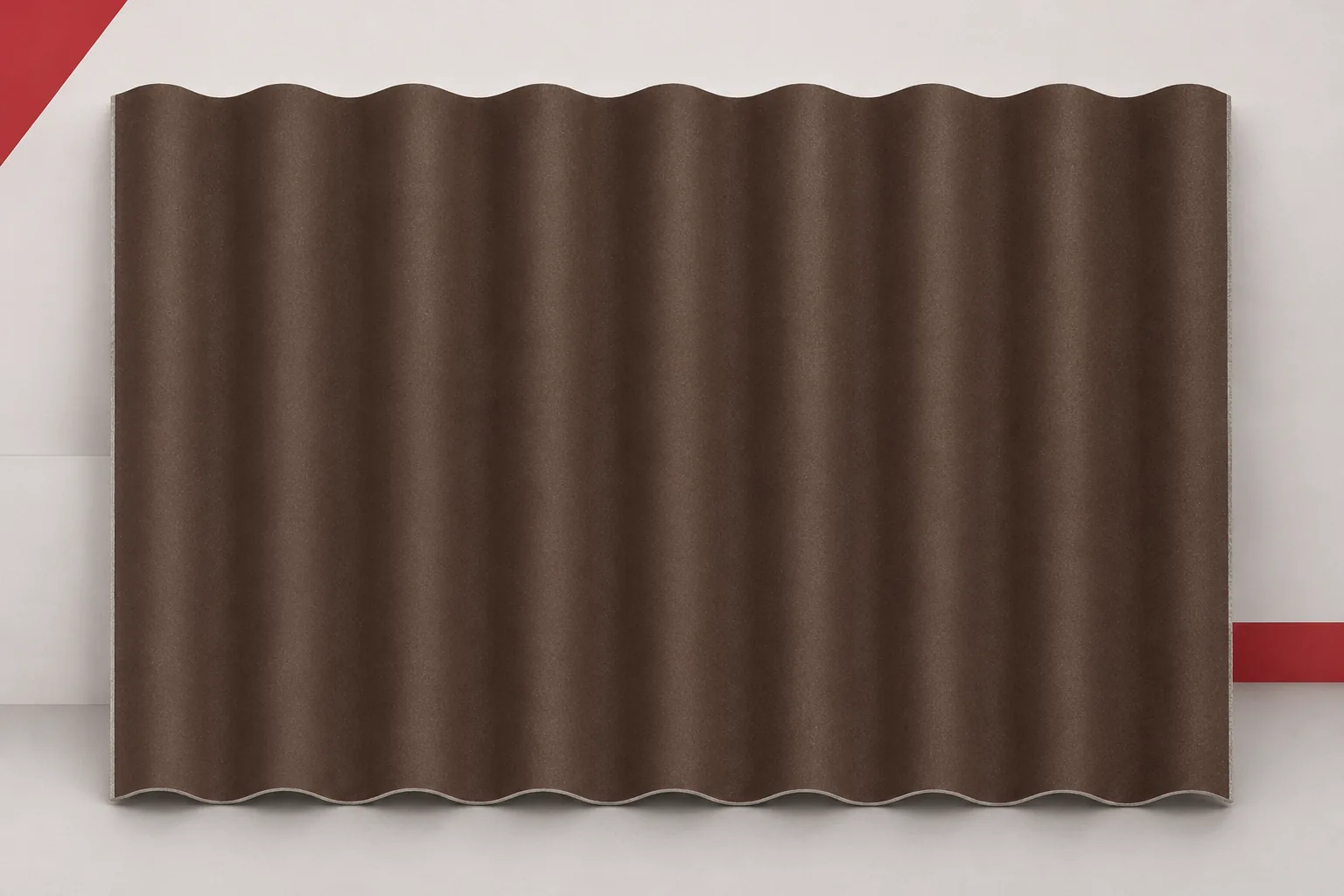
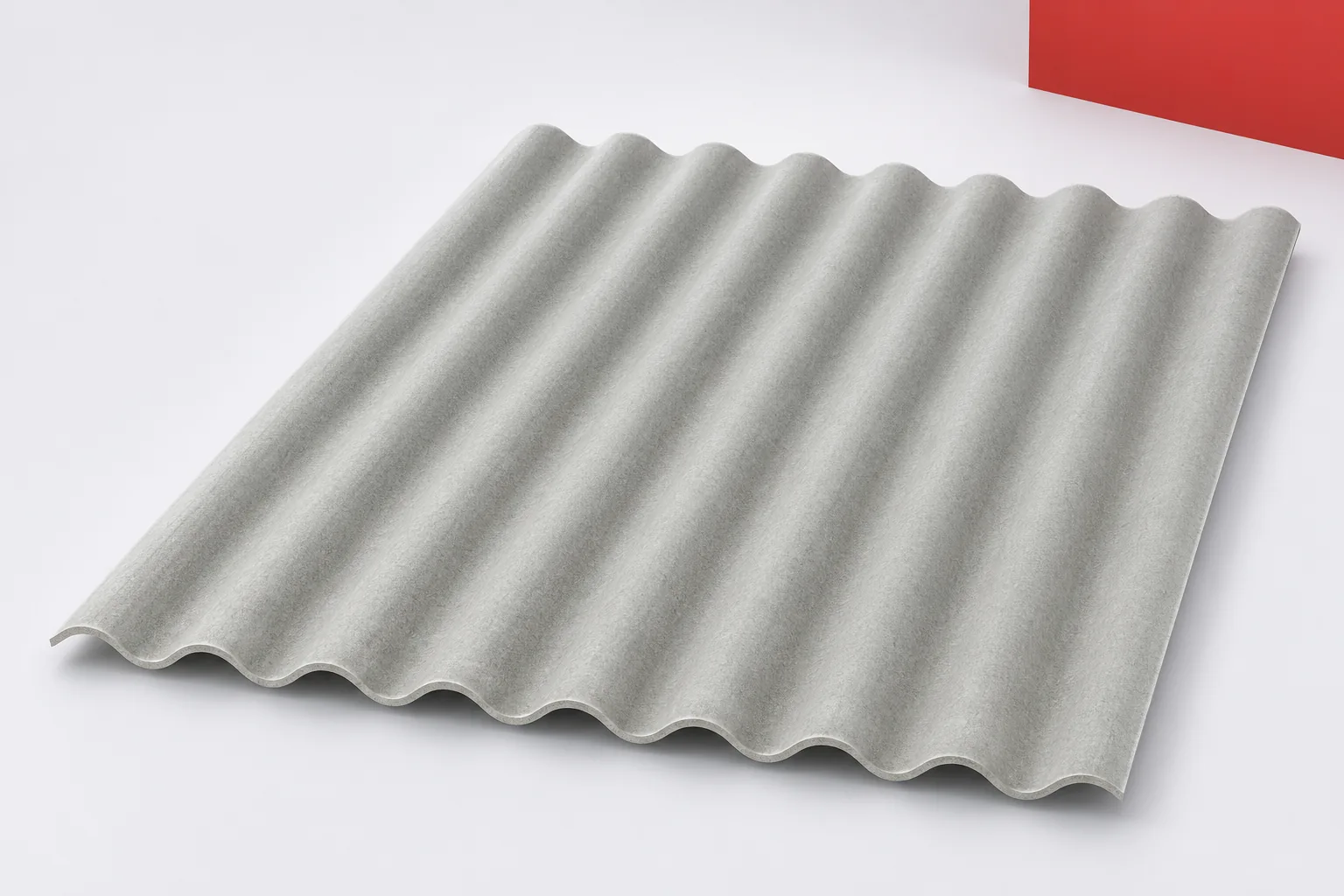
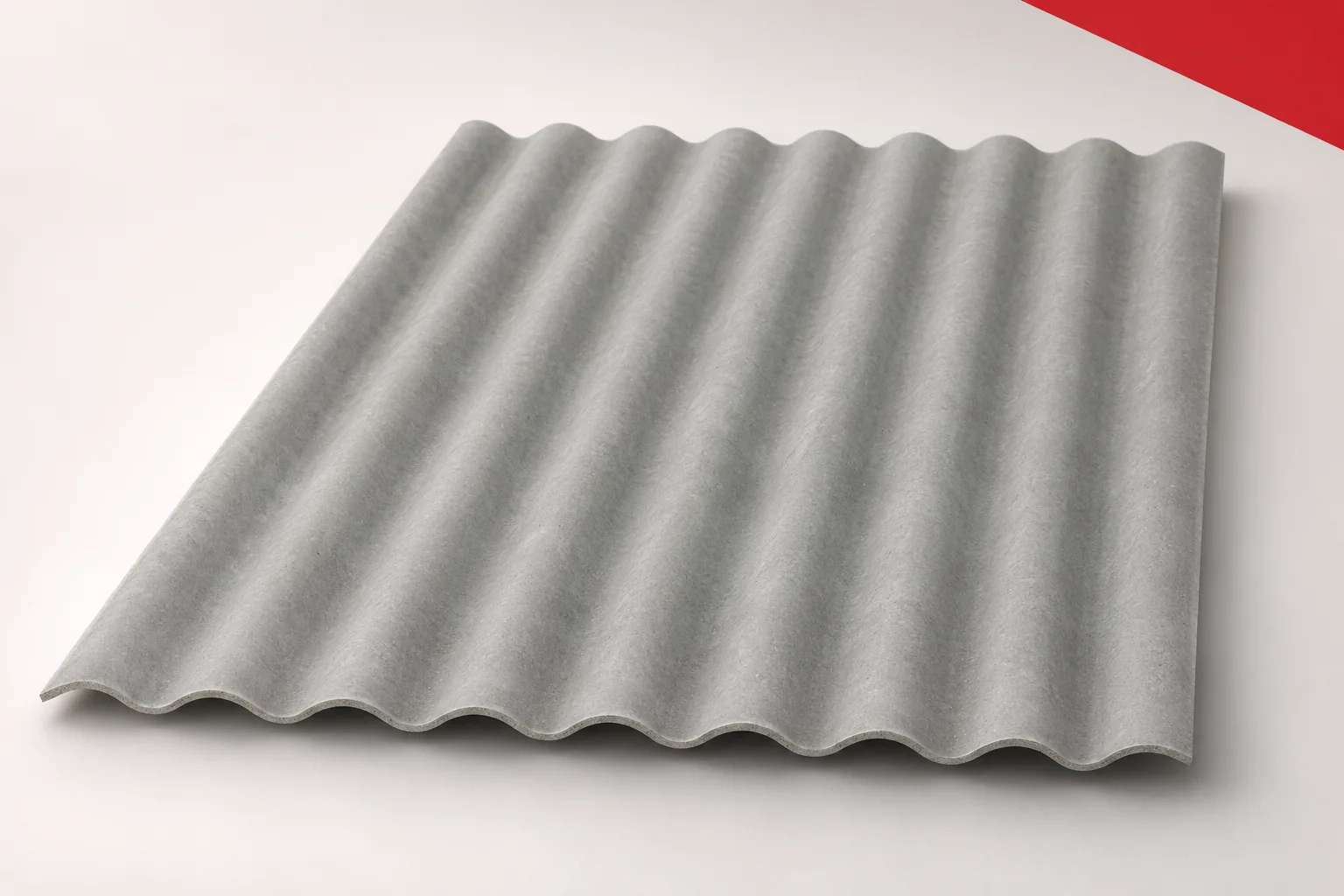
The grey corrugated sheet has a distinct wave pattern and a calm, mineral appearance. It does not have to imitate a roof tile or sheet metal. Fibre-cement sheets in a natural finish suit simple building forms and ancillary structures well. When choosing such a roof, however, it is worth understanding how it ages. Asbestos-free fibre cement does not behave like a smooth plastic surface. The shade and appearance should be assessed with regard to light, moisture and the surrounding conditions. A small sample viewed in a shop says less than an actual sheet in daylight. Shadows form on the waves and alter the perception of the grey. A dry surface also looks different from a wetted one. This difference need not be treated as a defect, but it is well worth knowing before ordering.
In this article
The sample should show the material
Fibre-cement sheets have their own texture, and the appearance of a natural finish may differ from a computer visualisation. Ask for a sample of the actual variant and compare it with the façade materials. An image on a screen is not a binding colour reference, especially if it was taken in strong sunlight or after rain. Look at the material from the distance from which the roof will usually be seen. Up close, the texture dominates; from further away, it is above all the rhythm of the waves and the whole roof slope.
A regular layout reinforces the simple appearance
On a uniform grey roof the geometry is very visible: the evenness of the eaves, the direction of the waves and the lines of the rows. Aesthetics therefore begin with measuring the substructure. It is not worth levelling an uneven edge by randomly shifting the laps. Doing so can spoil both the appearance and the conformity of the installation. Fibre-cement sheets should be given a laying plan matched to the shape of the roof slope. On a small roof, also check the width of the last cut. A narrow, random strip at the edge often attracts more attention than slight differences in shade between sheets and makes a neat finish difficult.
Ageing depends on the location
A north-facing roof slope under trees stays damp longer than the exposed roof of a well-ventilated shelter. Leaves, dust and shading affect the appearance of the surface. A change of shade need not mean a loss of weathertightness, and soiling should not automatically be regarded as damage to the material. Asbestos-free fibre cement must be assessed by the condition of the sheet, the joints and the drainage of water. Photographs taken after installation and later from a similar position are helpful. They make it possible to distinguish a gradual change in appearance from a new damp patch at a particular fastener. This distinction makes it easier to choose the right further action.
Efflorescence and leakage are different problems
A pale deposit on the mineral surface may have a different origin from water penetrating under the covering. The cause should not be identified solely on the basis of the colour of the stain. Check the storage history, the location of the occurrence and the behaviour after drying. Fibre-cement sheets sealed in a damp pack may look worse even before installation. In case of doubt, an assessment by the supplier or contractor based on the product documentation is needed. Aggressive scrubbing or a random chemical agent can make it harder to clarify the problem. First establish the cause, then choose the method of cleaning.
Cleaning should have a specific purpose
Not every change in the surface requires treatment. First of all, remove what blocks the drainage of water, the ventilation openings or access to the details. The cleaning method must be permitted for the given material. A strong jet of water, hard brushes and unsuitable preparations can damage the surface. Fibre-cement sheets are not a safe platform for working, so cleaning must be combined with proper access. A trial on a small area helps to assess the material’s reaction, but does not replace the instructions. If the deposit quickly returns, also examine the surroundings and the sources of prolonged dampness.
Do not treat painting as a reflex repair
The decision to paint a natural covering can change the conditions of the warranty and of later servicing. Not every product permits any coating renovation. Compatible products, preparation of the substrate and an assessment of the condition of the sheets are needed. Paint will not remove a crack or correct a badly made lap. Asbestos-free fibre cement should first be checked technically. If the aim is solely a different colour, it is worth establishing the cost and consequences of the whole operation. Fibre-cement sheets in a natural shade are often bought precisely for the simplicity of the finish. There is no reason to deprive them of this quality through an ill-considered treatment.
Match the details to the calm surface
Gutters, flashings and terminations can tidy the appearance of the roof or create a collection of random accents. Their colour is worth comparing with the grey of the sheet on actual samples. At the same time, visual harmony does not replace conformity of profile and function. The ridge tile should match the system and provide the intended performance of the ridge. At a wall, proper drainage of water must be maintained. A natural roof will look good when the elements are calm and their course is legible. Small technical details play just as great a part here as the colour of the mineral surface itself.
Look at the sample outdoors, establish the sheet layout and ask about the recommended method of care. Natural grey is worth choosing consciously, together with its texture and the changes in appearance over time.
7 branches. Materials closer to your project.

Free quote
Materials for your project
You may also find useful…
A good order starts with the layout of the sheets on the roof slope. Fibre-cement slates are available in various formats, but…
Fibre cement, steel and plastic can all be produced in a similar corrugated profile. That does not make them interchangeable, however. Fibre…
A roof over firewood should limit rain penetration and allow free air exchange around the stack. A tight roof surface alone does…
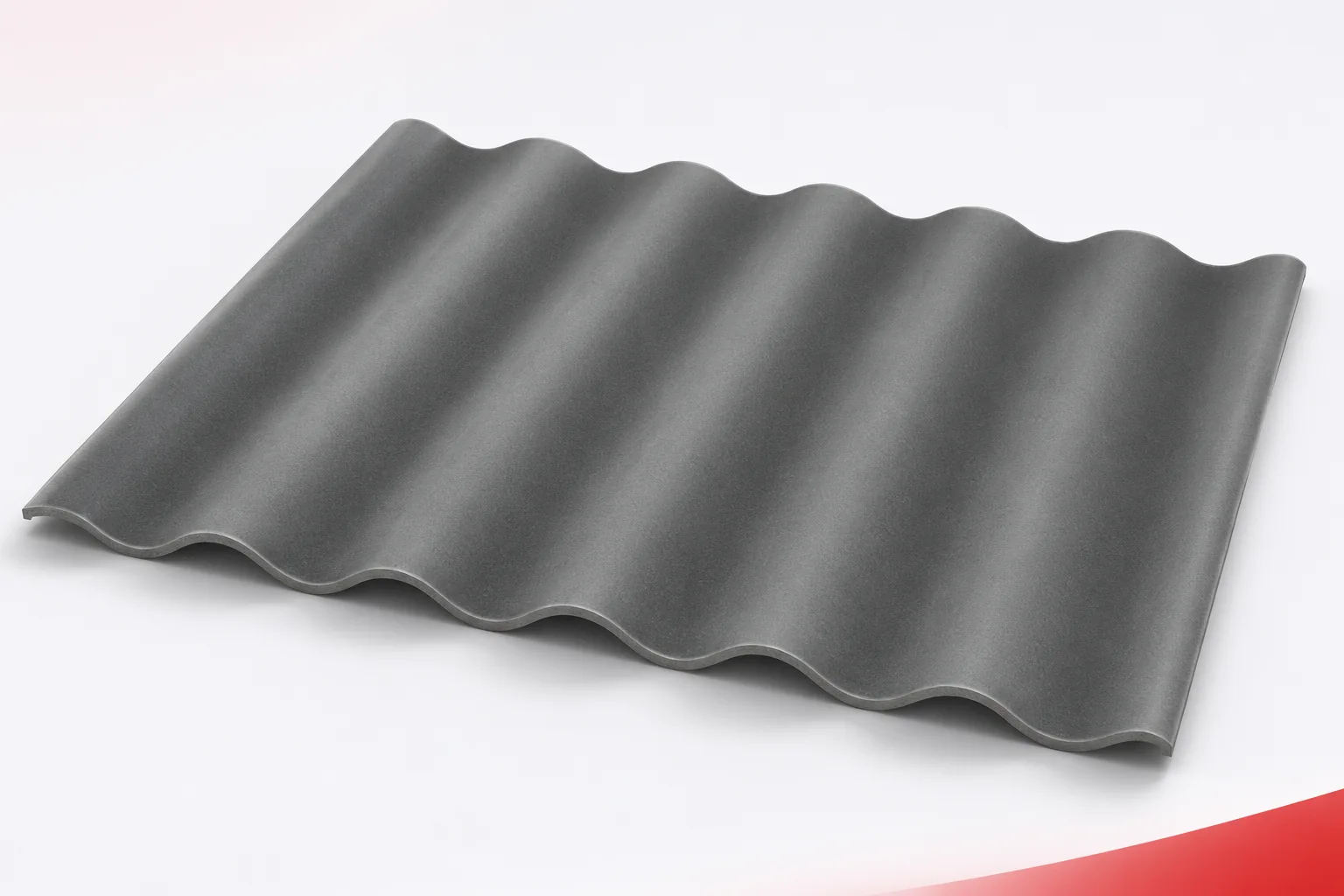
Roof maintenance should not begin with a breakdown. Fibre cement sheets need checks on the joints, the drainage and the places where…
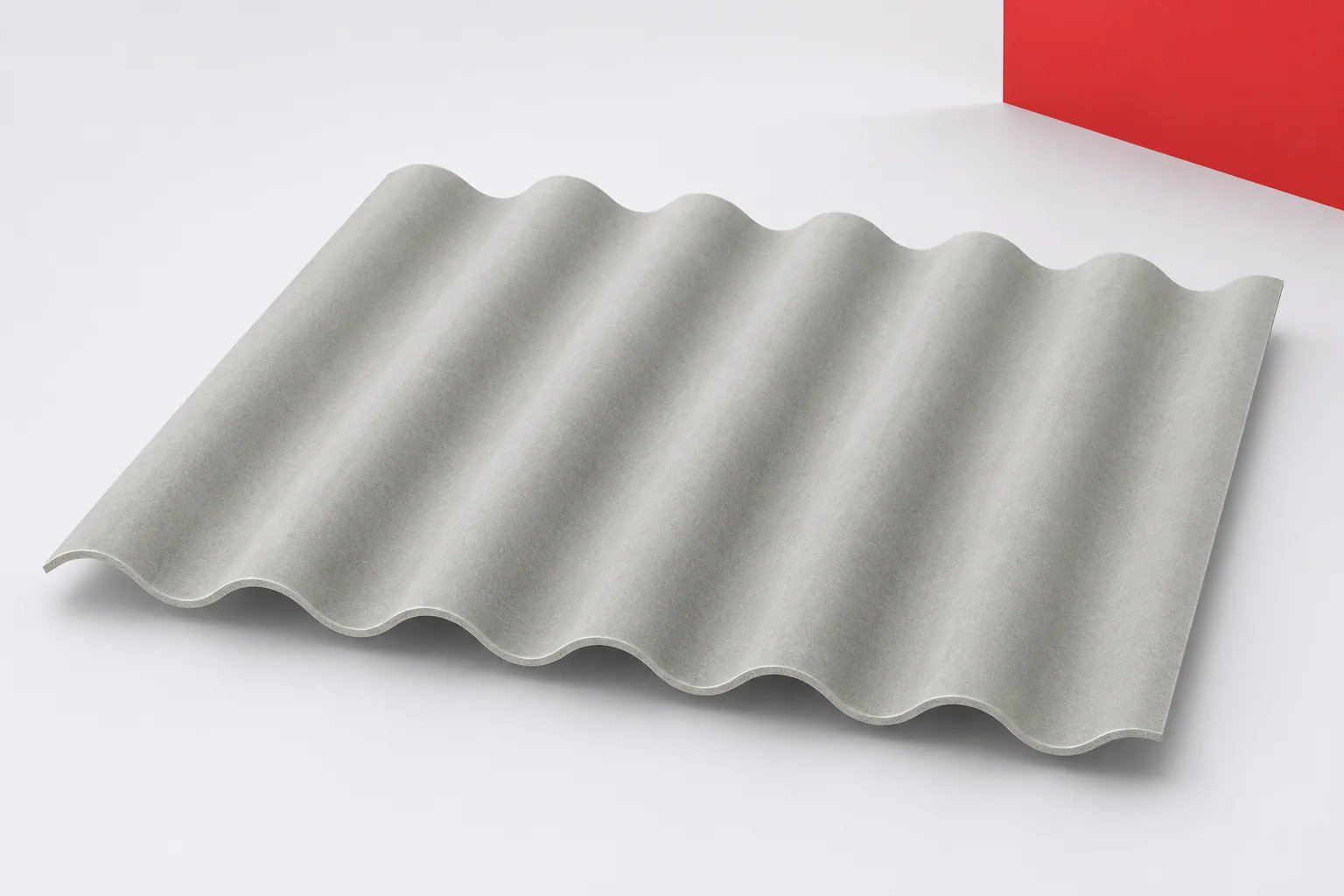
The roof colour shapes the appearance of the whole building, but choosing a coating does not end with the shade. Fibre-cement boards…
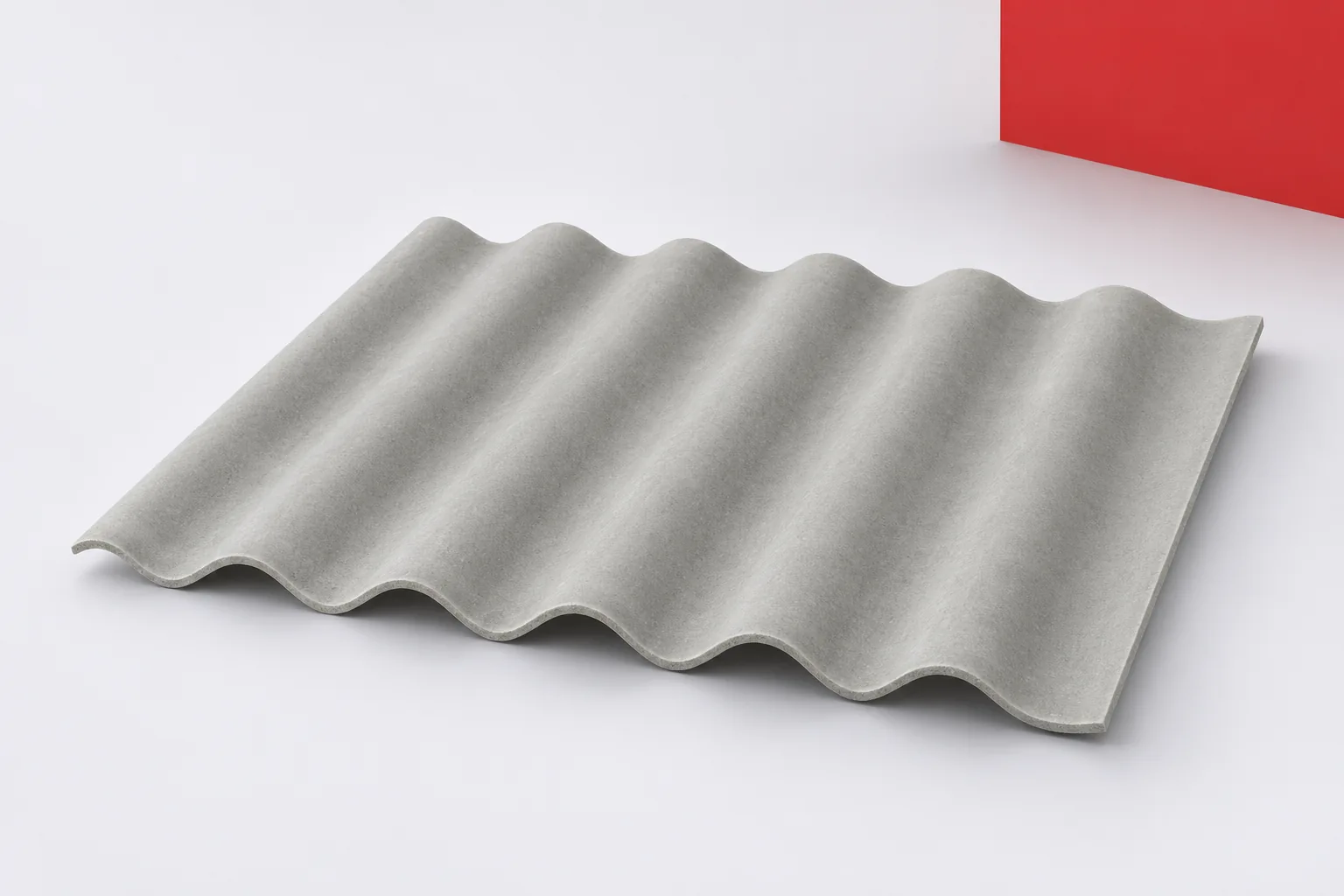
The NT marking appears in the documentation and labelling of modern fibre-cement products. It helps identify asbestos-free technology, but it must be…
Fibre-cement slates should be assessed over the entire service life of the roof. What matters is its weathertightness, the possibility of repair…
A durable material can help to limit expenditure, but it does not guarantee a cheap roof. Fibre-cement sheets have to be bought,…