

Profiles and steel structures
Protecting galvanised steel sections before installation
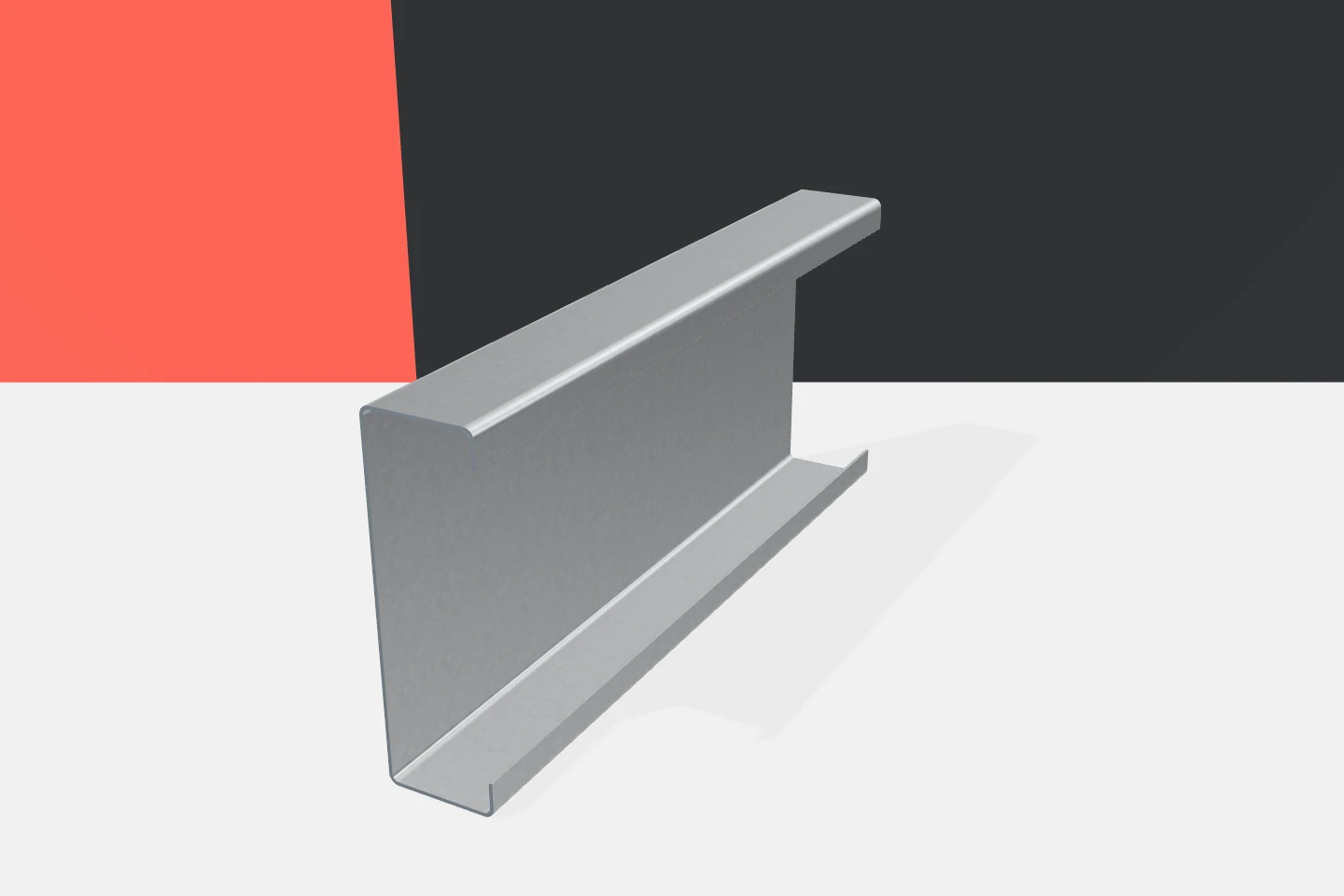
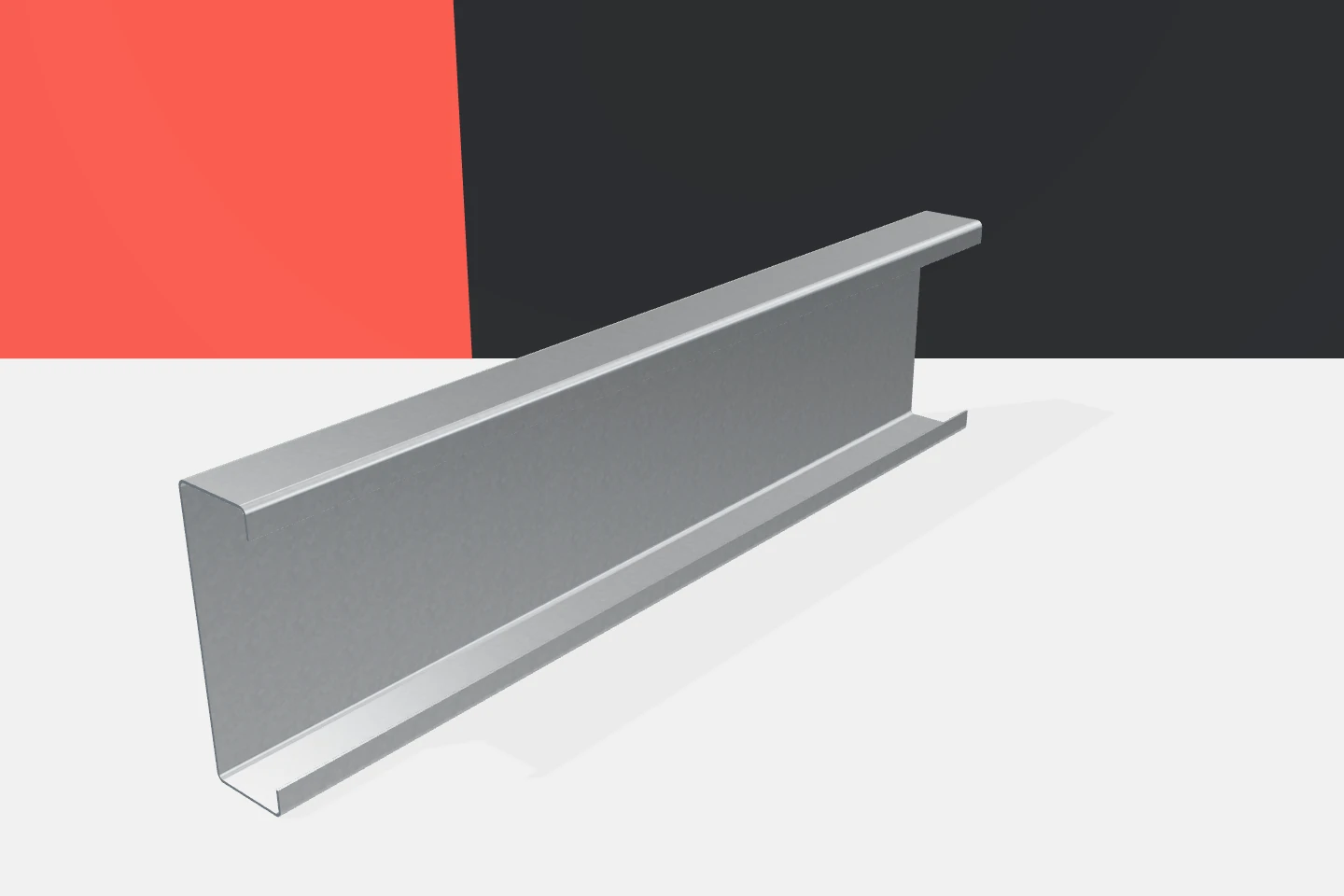
A galvanised surface does not mean that the steel can be stored in any conditions. Cold-formed profiles often arrive on site in tightly packed bundles in which moisture is easily trapped. Later come cutting, drilling and installation in hard-to-reach places. The durability of z-sections, channel sections, sigma and omega profiles therefore depends both on the coating and on how the material is handled. The market offers galvanised profiles as well as products with other metallic protective coatings. Some contain aluminium and magnesium additions. The differences are not necessarily obvious in a photograph. The order should specify the correct coating designation, not merely the word silver or protected.
In this article
First establish the type of protection
The stated coating mass and the thickness of the steel core are two different pieces of information. They must not be confused with each other. Nor are designations of different types of coating compared solely by the size of the number. The suitability of the material is determined by its documentation and the conditions of use. The same geometry of a channel section may be offered with a different surface protection.
In the material designation one may find, for example, the notation S350GD+Z200. The first part identifies the steel grade, and the second the type and class of zinc coating. Another notation, for example ZM120, refers to a coating with alloying additions. The numbers 200 and 120 do not form a simple ranking of the durability of these different protections.
The environment inside a hall is not always mild
In a dry warehouse the profile works under different conditions than in a facility with periodic condensation or contact with aggressive substances. The actual mode of use must be taken into account. Ventilation, technological processes and the possibility of deposits accumulating are significant. The mere fact that the structure is under a roof does not settle its protective needs.
In agricultural or production facilities the nature of the exposure must be established before choosing the material. It is not possible to promise identical durability for all galvanised profiles in every environment. The suitability of a specific coating requires confirmation. Likewise, a plan for any additional painting should take into account surface preparation and the compatibility of the entire system.
Accepting the delivery makes it possible to catch the first problems
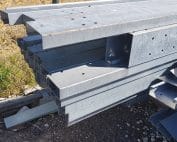
After arrival it is worth comparing the designations with the order list and inspecting the condition of the bundles. Traces of wetting, damaged packaging and deformation should be recorded. Inspection is simpler at ground level than after the z-sections have been placed on the roof. It also makes it easier to separate transport damage from that arising during further work.
Profiles should not be slid over one another in a way that scratches the surface. Support points and slings should match the length and mass of the delivery. Excessive pressure can deform thin walls. The coating is important, but the geometry of the beam must also remain in accordance with the documentation. A damaged profile does not become suitable merely by painting over the scratch.
Water in the bundle requires action
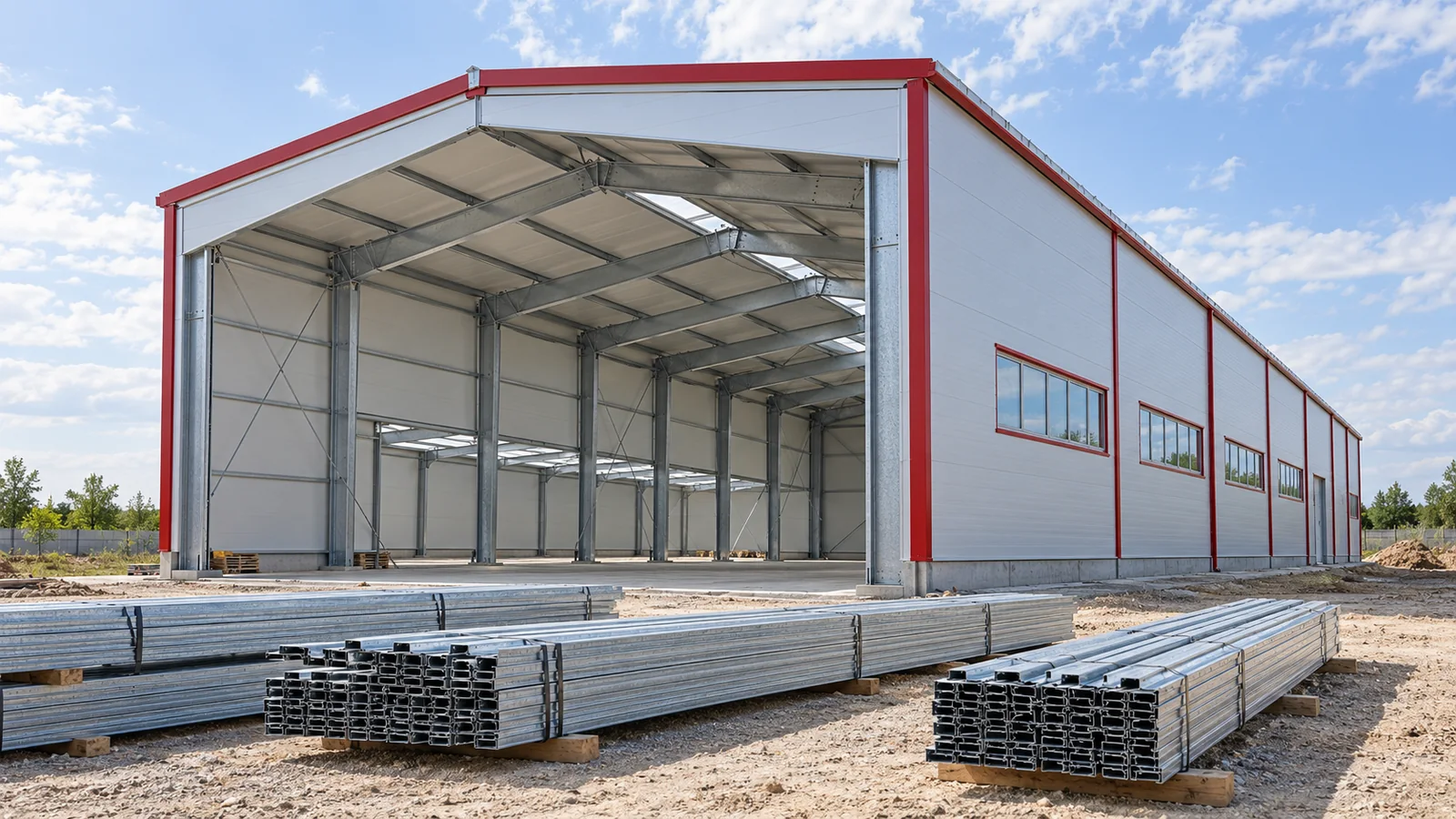
Tightly stacked profiles can trap moisture between surfaces. Limited air access makes drying difficult. For this reason the transport packaging should not be treated as long-term storage on the construction site. The material must be stored in accordance with the supplier’s instructions, with provision for water drainage and ventilation.
Condensation can also occur without precipitation, for example after cold steel is moved into a warmer room. If moisture appears, action must be taken in accordance with the product recommendations. A white deposit on the zinc is not the same phenomenon as red corrosion of the steel core, but it requires assessment. It is not worth ignoring until the day of installation.

Plan processing together with repair of the protection
Factory cutting and hole punching reduce work on site. If additional processing is necessary, the permitted method must first be established. Not every cutting technique is suitable for sheets with a coating. Uncontrolled damage to the surface should be avoided, and any contamination produced should be removed promptly.
The need for and method of protecting edges or damage are determined by the material recommendations and the extent of exposure. An arbitrary paint should not be used as a universal repair. In the case of greater damage, an assessment of the element may be necessary. In cold-formed profiles the distances of holes from edges and bends are also important, so protection against corrosion alone does not close the matter.
A detail can protect or trap moisture
The connection should allow the structure to move and limit places where water collects. It is worth examining the lower zones of the wall, flashings, the run of the insulation and the junctions between materials. There an invisible leak can affect the profile for a long time. Solving the problem only after the frame has been enclosed can be difficult and costly.
Z-sections, channel sections, sigma and omega profiles have different recesses and contact surfaces. This does not mean a single list of forbidden orientations. A detail suited to the place of use is needed. Contact with other metals should also be assessed under actual humidity conditions. Surface protection is part of the design, not a final addition to a finished structure.
It is worth planning inspections during use
After installation the condition of the surface should be checked and residues from processing removed. During service, attention is directed primarily to places exposed to water and dirt. The scope and frequency of inspections should correspond to the facility. Access to critical connections is worth providing already at the design stage.
Galvanised profiles can form durable and light structures if the protection is suited to the conditions. Zinc, however, is neither thermal insulation nor a fire protection system. These requirements are addressed separately. Sensible management of the material covers purchase, storage, installation and maintenance, because neglect of one stage can undo the savings achieved at the others.
7 branches. Materials closer to your project.

Free quote
Materials for your project
You may also find useful…
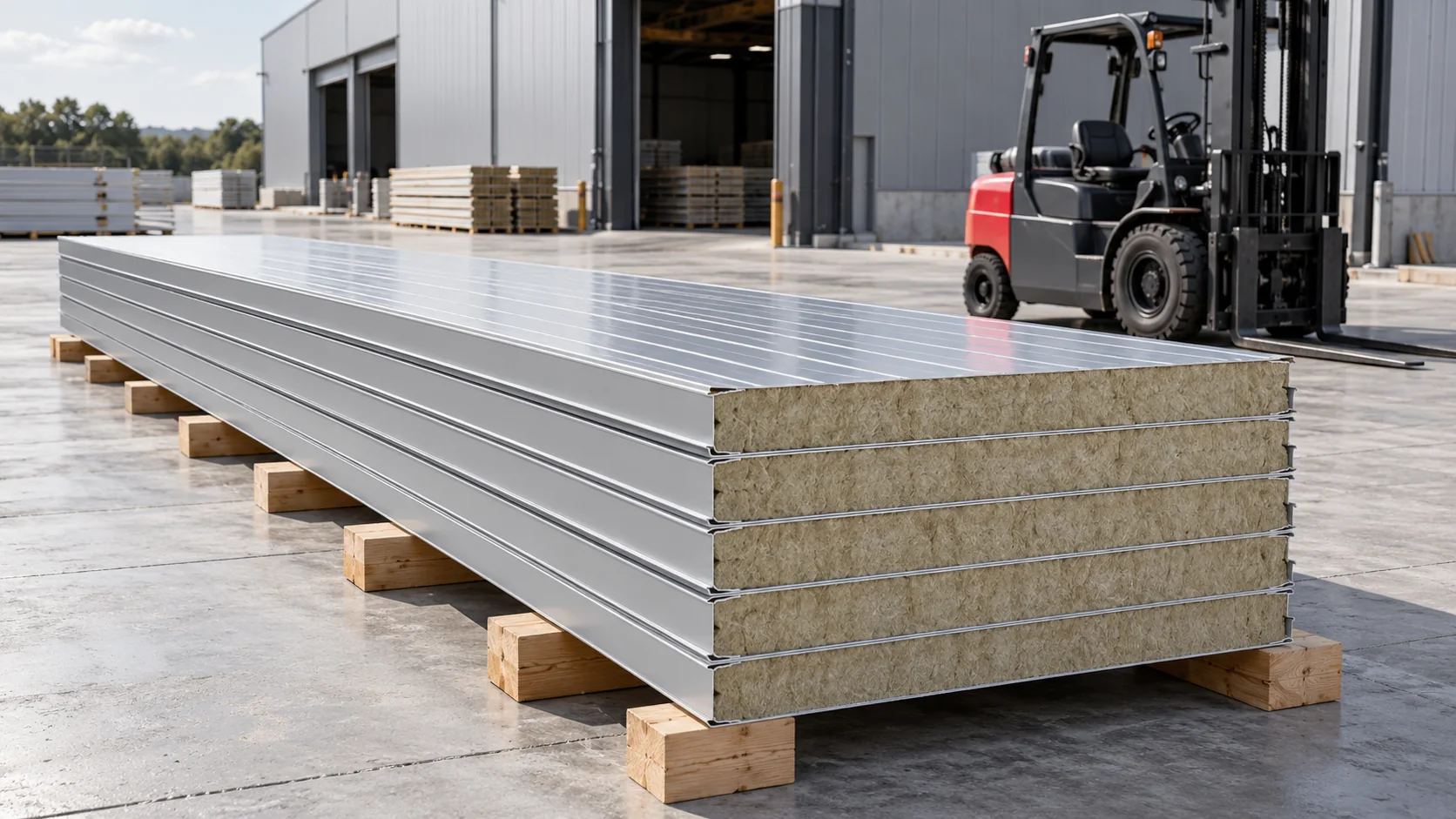
Weight per square metre helps compare panels, but the site team needs the weight of the whole unit. This depends on length,…
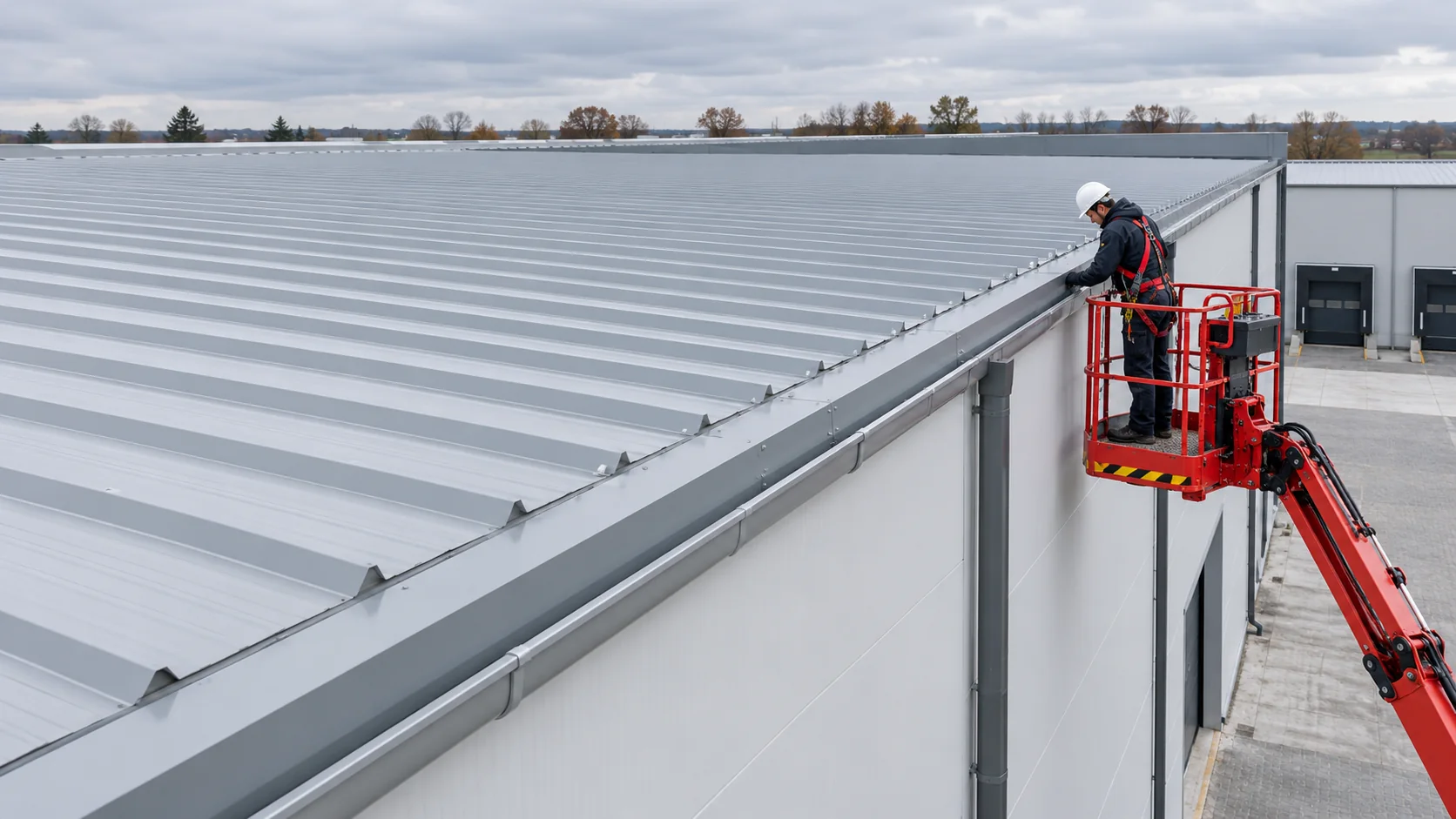
Before the roof panels arrive, check the purlin positions, bearing widths, alignment and roof pitch. Confirm the support spacing against the design…
Tile-effect metal roofing with granules is installed according to the rules of the specific system, which may differ from the installation of…
Photovoltaic panels on an existing metal roof require fixings that have been verified for exactly the sheet or sandwich panel installed on…
Thermano ETICS combines the low thermal conductivity of PIR with an outer layer of EPS. This solution is intended to help in…
The first heavy rain, a spell of frost or a thorough washdown can reveal faults that were invisible when a sandwich panel…
In a hall wall, most unplanned work tends to arise at the details. A rail misses the fixing of the panel, a…
A lorry carrying steel structure components may arrive on schedule and installation may still not begin. The reason is sometimes an unfinished…