

Installation and details
Steel or PVC gutters: how do they compare?
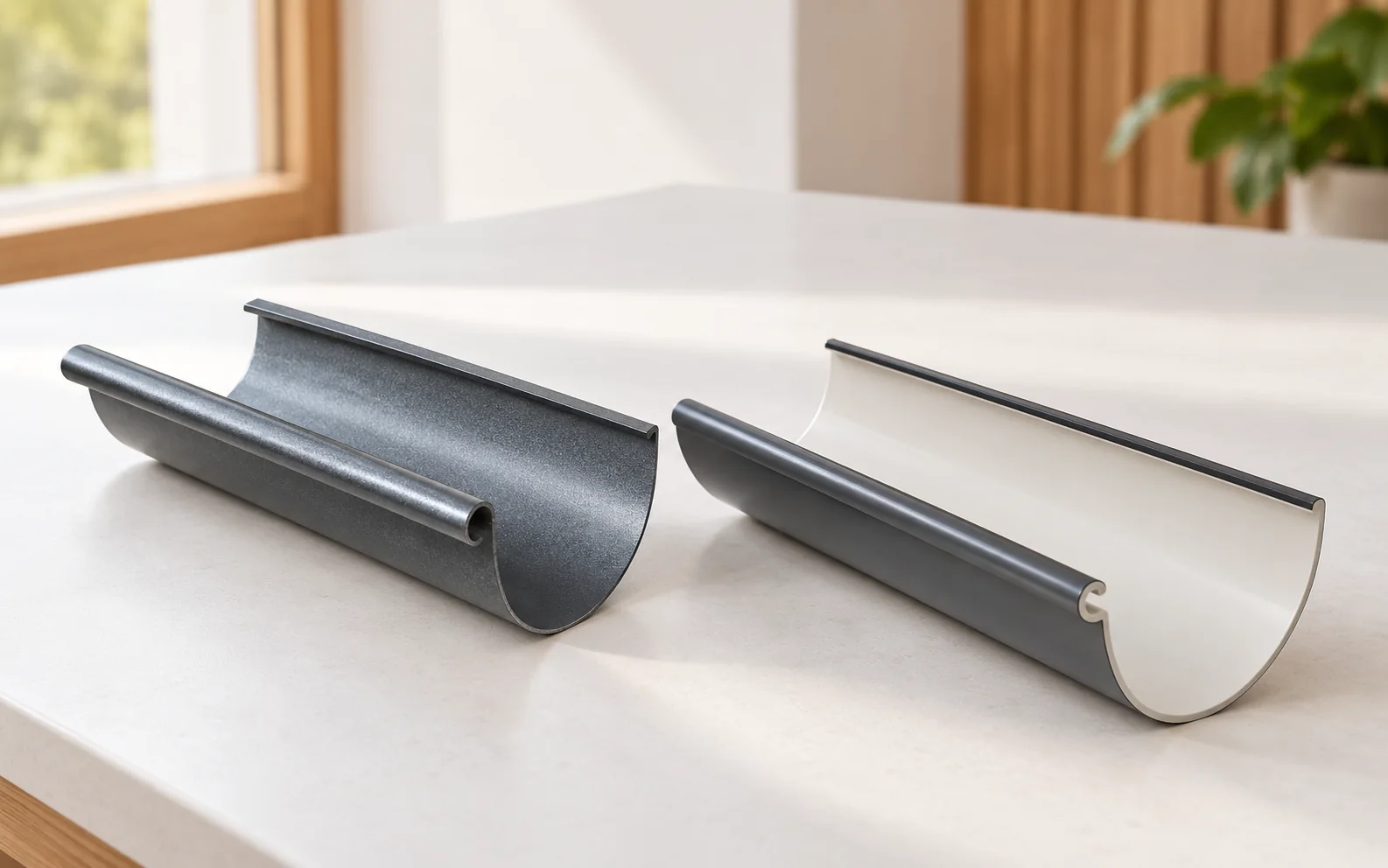
Steel and PVC gutters can drain a roof correctly if they are selected as a complete system. They differ in rigidity, thermal expansion and the way their surfaces are protected. When choosing, you need to take into account the surroundings, the availability of parts and the total installation cost. The material alone does not determine the durability of the drainage. Steel components can look visually consistent with tile-effect metal roofing and trapezoidal steel sheet. A suitable coating allows a consistent colour and finish. The material also has good rigidity, but the whole assembly still requires proper support. A metal gutter should not be treated as resistant to every impact. Durability is determined by corrosion protection and environmental conditions.
In this article
What speaks in favour of steel?
Steel components can look visually consistent with tile-effect metal roofing and trapezoidal steel sheet. A suitable coating allows a consistent colour and finish. The material also has good rigidity, but the whole assembly still requires proper support. A metal gutter should not be treated as resistant to every impact.
Durability is determined by corrosion protection and environmental conditions. The coating must be preserved during cutting and installation. Scratches and dirt require assessment in accordance with the instructions. The term “steel” is not enough to compare two offers if they differ in protection, thickness and joint construction.
What are the advantages of PVC?
The plastic has a low weight and is not subject to the corrosion typical of steel. It can be practical for simple buildings and smaller drainage systems. It does not require a protective paint coating such as metal. However, durability depends on the properties of the specific product and its resistance to external conditions.
The absence of rust should not be equated with indestructibility. Components can be damaged mechanically, improperly supported or badly connected. The temperature during installation and the way the material is handled also matter. It is worth checking the current instructions instead of basing the choice on a general opinion about plastic.
How do both materials react to temperature?
Steel and PVC change dimensions under the influence of temperature, but the scale of these changes is different. In PVC systems, solutions allowing sections to expand and contract are particularly important. Manufacturers provide suitable connectors and positioning of components. They must not be unnecessarily blocked with adhesive or a screw.
A steel system also needs proper installation. Long sections, corners and temperature changes create requirements that the rigidity of the material does not eliminate. During inspection, it is worth checking whether the connections were made in accordance with the system. Closing all joints too tightly can lead to deformation or leaks.
Does one material drain water better?
Performance results primarily from the cross-section and layout of the gutters and pipes. The material alone does not provide the answer. Actual dimensions, section lengths and outlet positions must be compared. Even a large gutter will not help if the outlet or downpipe is too narrow a point in the whole system.
The choice should be related to the roof area and the assumed rainfall intensity. A steel and a plastic system may have different catalogue dimensions and available shapes. A nominally similar number in the name does not guarantee equal performance. Use the data for the specific solution, not a simple division into metal and plastic.

How does the building’s surroundings change the decision?
In conditions of increased salinity or aggressive contaminants, steel requires suitably selected protection. It is worth checking the approval for the given environment. PVC eliminates some corrosion issues, but it must still meet temperature and mechanical conditions. There is no single rule for all locations.
Trees and proximity to surfaces that generate dust mean cleaning is necessary regardless of material. Snow falling from the roof slope can damage both systems. Drainage does not replace snow guards. Access for maintenance and the method of water discharge should be taken into account already when designing the eaves.
What should be compared in price and warranty?
Compile a full list of components: gutters, pipes, hooks, clamps, outlets, corners and connectors. The price difference per metre of section may look different once accessories are added. Include labour and transport. In the case of renovation, check whether the fixings or the eaves flashing need to be changed.
The scope of the warranty depends on the specific system. Separate the protection of tightness or function from any conditions concerning colour. A long warranty does not mean that the installation does not need cleaning. The installation, environmental and maintenance conditions should be read for the variant actually ordered.
How to choose with later repair in mind?
The availability of parts and the ability to identify the system after years matter. Keep the technical name, size and documents. A similar colour and cross-section are not enough to select a replacement connector. Combining random components can worsen tightness and limit the possibility of correct thermal behaviour.
Steel will be sensible where you value its rigidity and consistency with the covering and have a suitably selected coating. PVC can be convenient when it matches the building’s requirements and the budget. In both cases, choose a complete system with confirmed performance. A well-installed system is more important than the material slogan alone.
A tip before ordering
A free quote for both materials should be based on an identical drainage drawing. Let it include the same number of corners, outlets and downpipes. Only then compare the final price and the scope of the warranty.
What is worth remembering?
Steel and PVC gutters have different strengths, but a common condition for good performance: correct selection and installation. Assess the surroundings, expansion, surface protection and the possibility of repair. A decision based on the price of one metre can be misleading.
7 branches. Materials closer to your project.

Free quote
Materials for your project
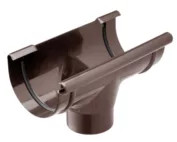
You may also find useful…

Dark growth in a corner can be caused by a cold surface, high indoor humidity or water entering from outside. Several causes…
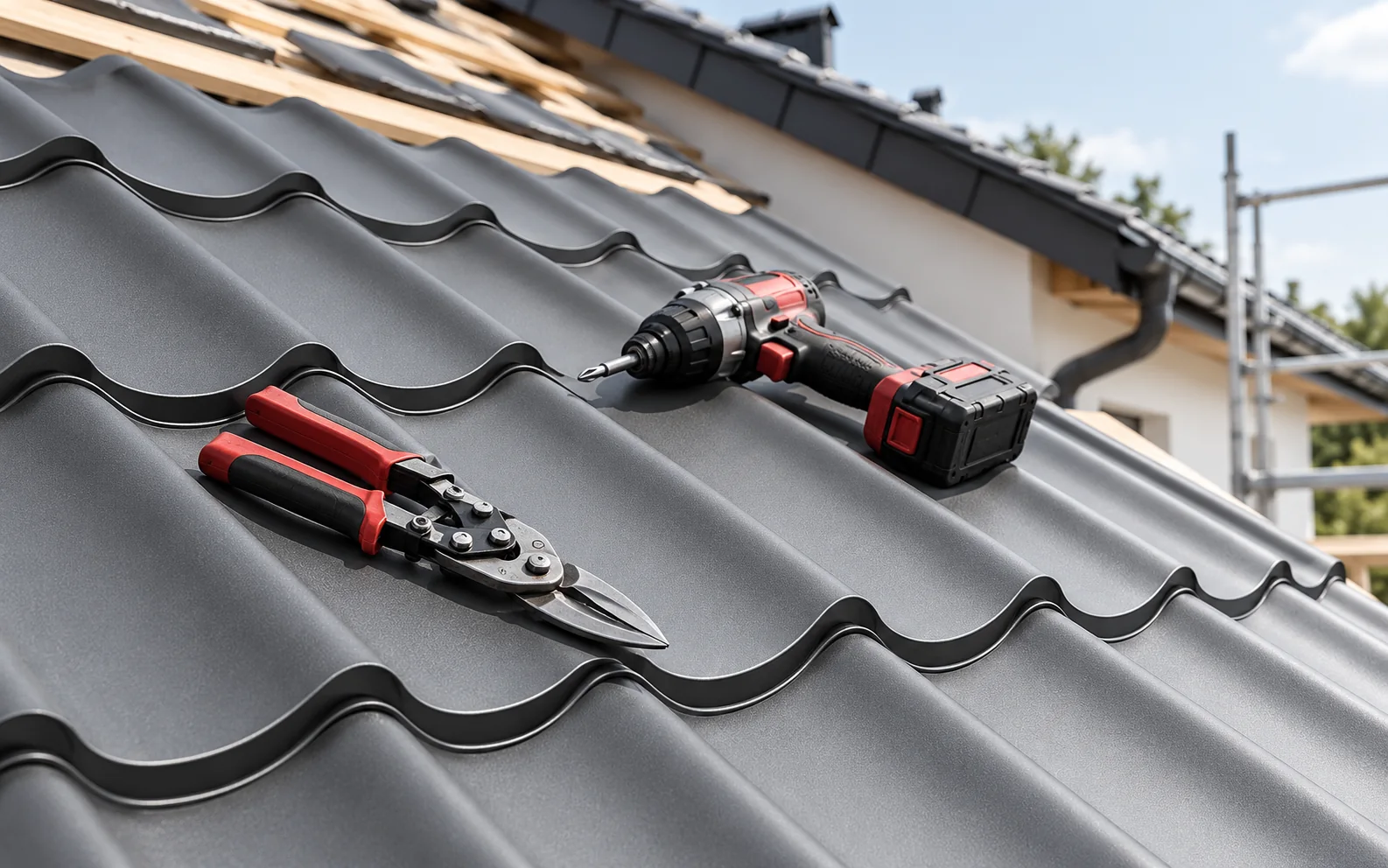
Before choosing a roofer, ask to see a completed job with the same covering and a similar detail, such as a valley…

A concealed gutter system reduces the visibility of the drainage, but it must still collect water efficiently and remain serviceable. It is…
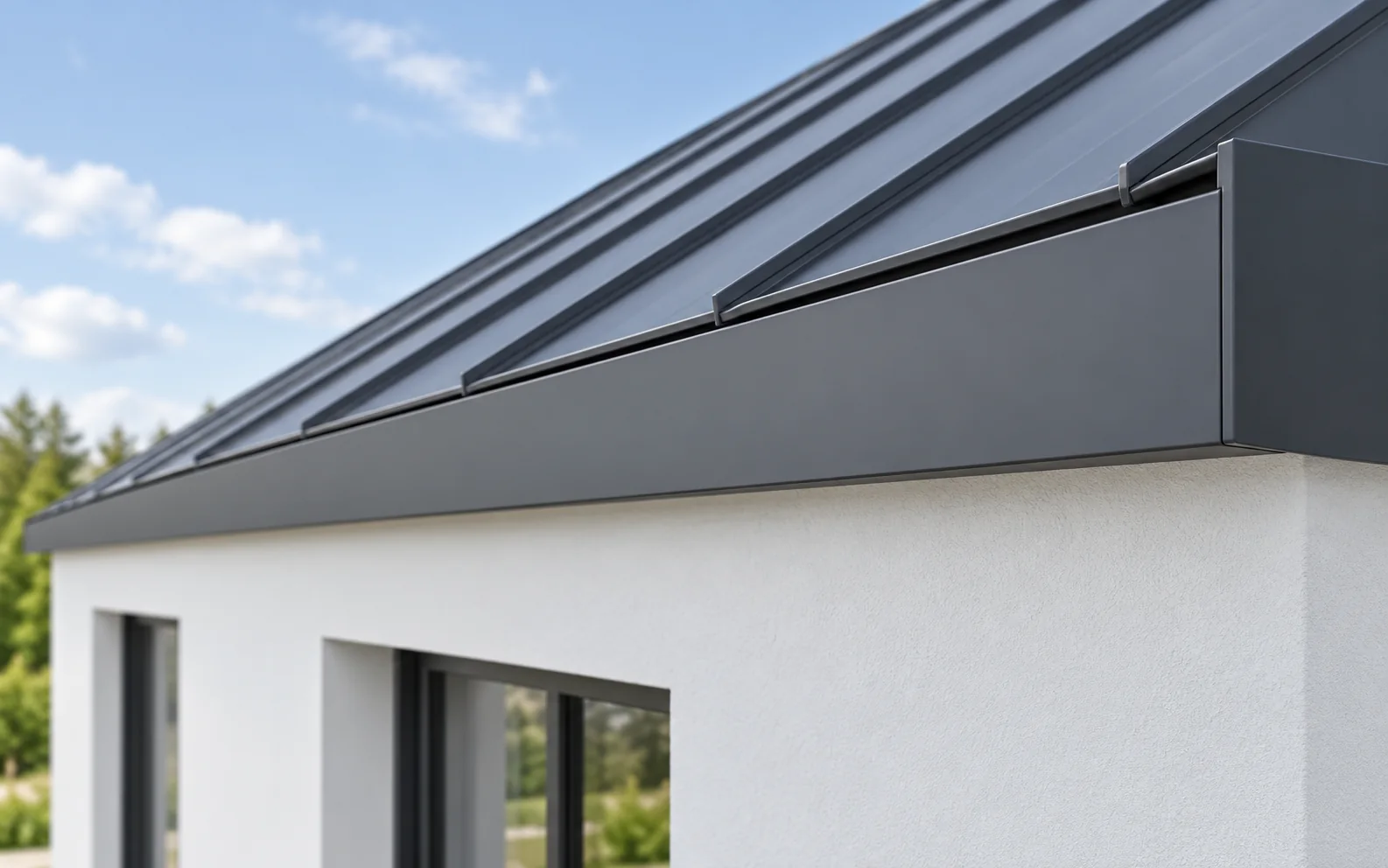
Concealed gutters can be combined with a metal roof if the entire eaves have been designed for such drainage. The right flashings…
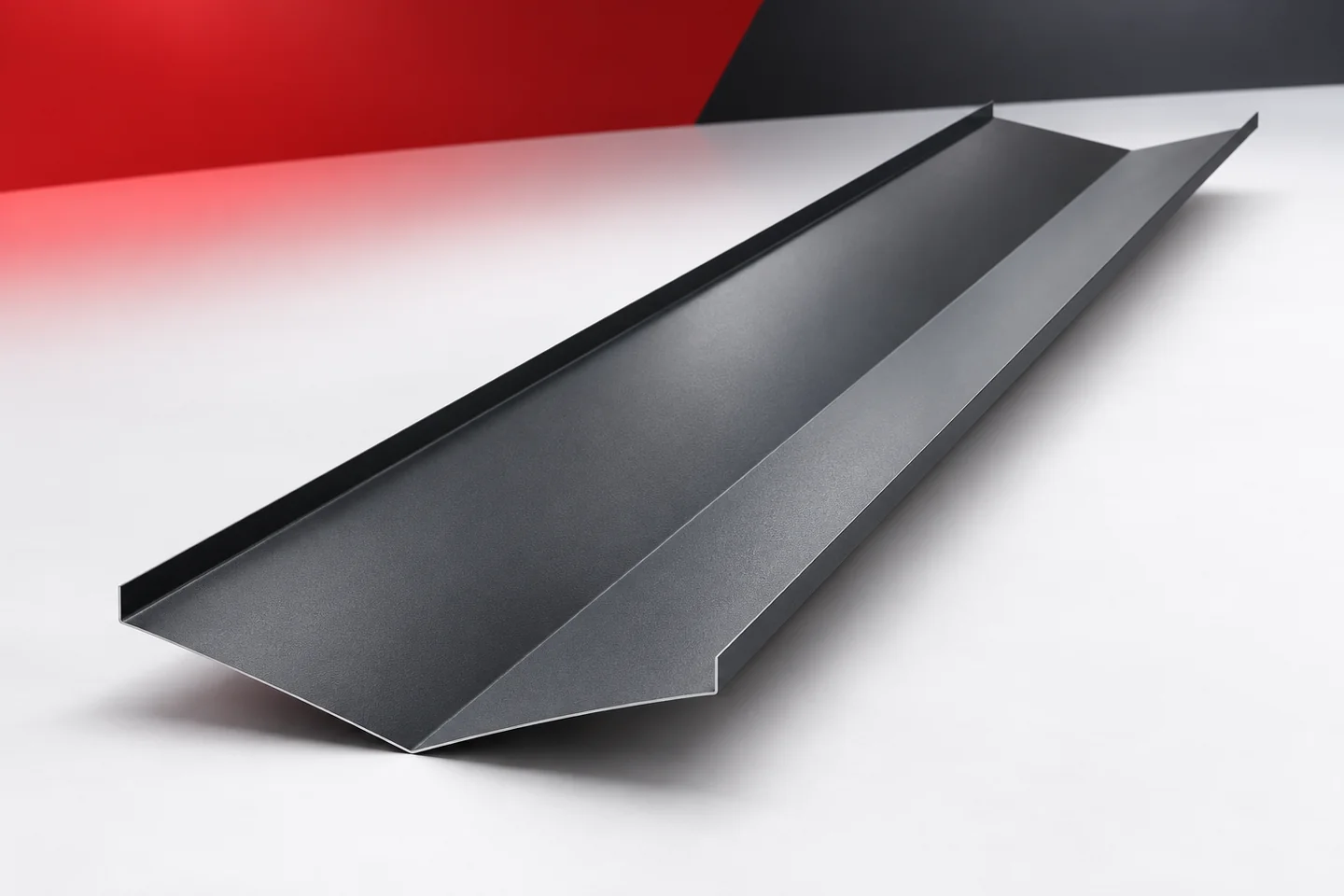
The roof valley collects water from the converging roof slopes. Its flashing must match the roof geometry and ensure an unobstructed drainage…
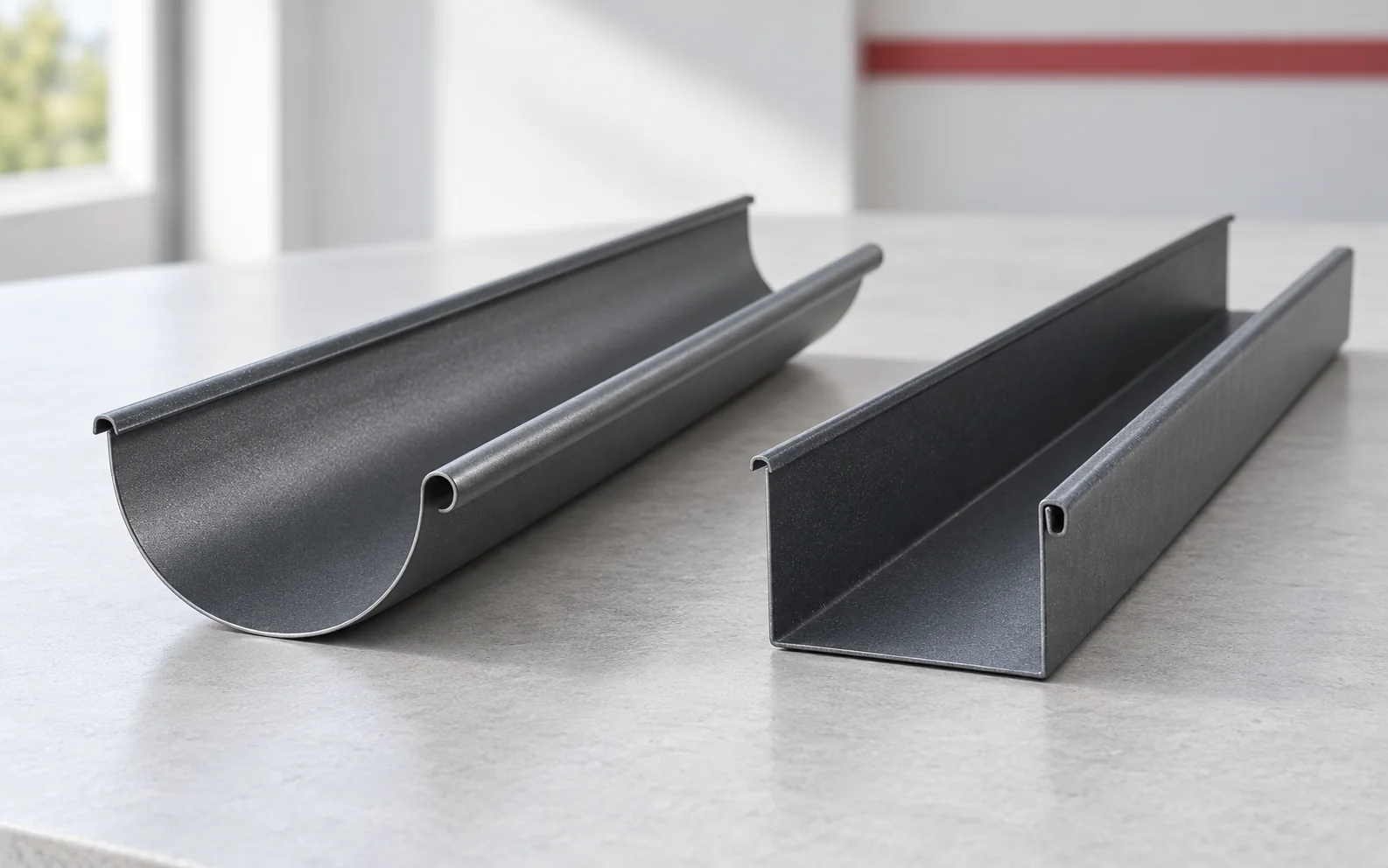
Square or half-round gutters? The choice of shape is not just a matter of the eaves' appearance, but above all of efficient…
Effective roof drainage starts with identifying which roof slopes, valleys and dormers will deliver water to each gutter run, not with the…
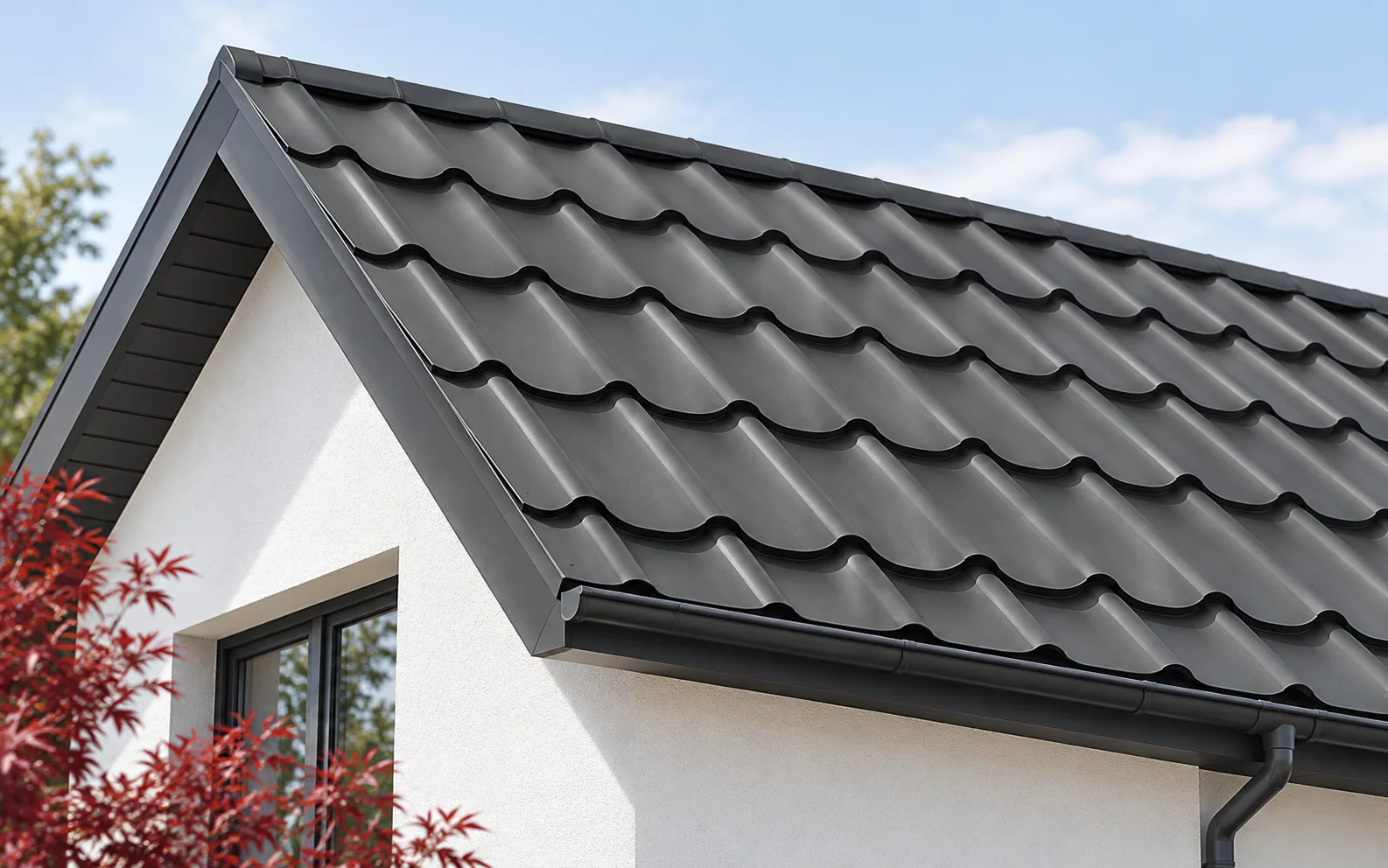
It is worth deciding the roof colour in parallel with the façade, joinery and rainwater system, because a large roof slope, matt…