

Installation and details
Choosing roof underlays and membranes for your roof build-up
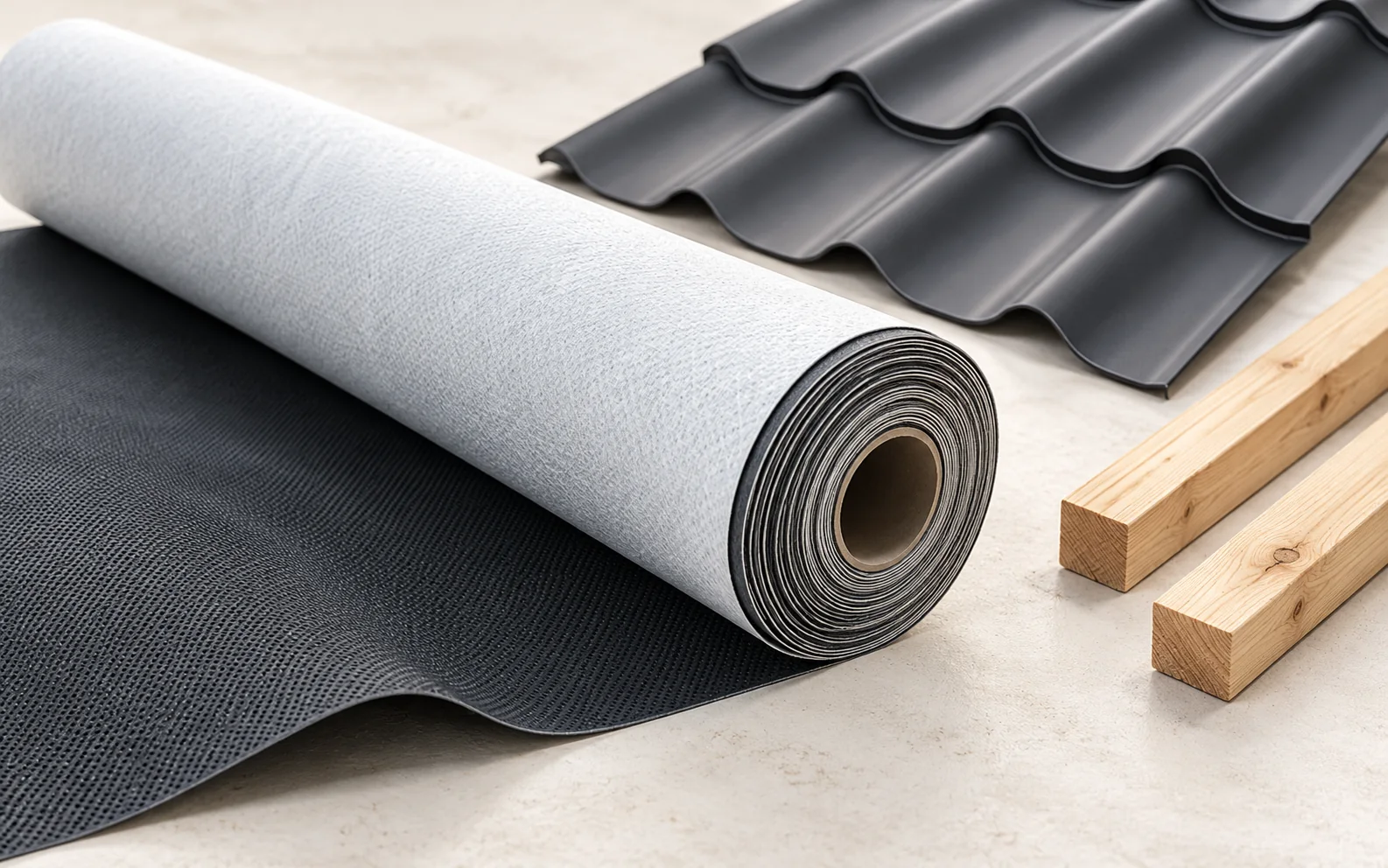
Roofing film is too broad a term to use when buying the right material. The membrane under the covering has a different job from the vapour control layer on the inside. The choice depends on the roof construction, the insulation and the ventilation. Weight per unit area is one characteristic, but on its own it does not confirm the tightness or durability of the whole assembly. The underlay sits beneath the external covering and helps protect the lower layers from water and wind. It should drain water in line with the roof details. On the heated interior side, by contrast, a layer that limits or regulates vapour transmission is used, selected to suit the building element. These materials are not interchangeable.
In this article
First establish which side the material is to work on
The underlay sits beneath the external covering and helps protect the lower layers from water and wind. It should drain water in line with the roof details. On the heated interior side, by contrast, a layer that limits or regulates vapour transmission is used, selected to suit the building element.
These materials are not interchangeable. Laying a film with high diffusion resistance in the wrong place can hinder drying out. An external membrane on its own, in turn, does not provide the interior with airtightness. Before buying, you need to know the layer build-up, not just the roof surface area.
What does the Sd value mean?
Sd describes diffusion resistance in the form of an equivalent air layer thickness. A lower value means easier vapour transmission through the material under given conditions. It is not, however, a measure of air flow through leaky joints. Diffusion and draughts through a gap are different phenomena.
High vapour permeability of the external membrane can help the assembly dry out, but it does not replace the required ventilation. The choice of vapour barrier or vapour-regulating membrane must be related to the whole building element. The greatest available resistance on the inside is not always the only correct solution.
Does a higher weight per unit area mean a better choice?
Weight per unit area helps describe a material, but it does not cover all properties. Resistance to tearing and to damage during fixing, the watertightness class, behaviour after ageing and the temperature range should also be checked. Different membrane constructions can give different parameters at a similar weight per unit area.
The material should be approved for the given substrate. A membrane intended for use on rigid sheathing must match such conditions. It cannot be assumed that every product suits both full boarding and loose laying. It is worth comparing the label data with the current instructions.
What changes with a metal covering?
Metal sheet heats up and cools down, and condensation can form beneath it. The underlay and the ventilation must take such conditions into account. A membrane should not be chosen on the price of the roll alone. Its approved application and its resistance in the planned roof assembly must be checked.
T18, T35 and tile-effect metal roofing do not impose one identical solution for every building. The pitch, the length of the roof slope and the way the loft is used also matter. An open canopy and a heated house require a different approach. An anti-condensation coating beneath the metal sheet is not an automatic substitute for a membrane.

Why are the joints so important?
Even a good material does not perform correctly if the laps and penetrations remain unsealed contrary to the system requirements. Particular points are the chimney, the window, the pipe and the junction with the wall. Water and air exploit local gaps. Buying a more expensive roll does not compensate for inaccurate workmanship at these details.
Tapes and adhesives should be compatible with the material and the substrate. The surface must offer the conditions required for adhesion. The lap must not accidentally lead water beneath the lower layer. At the eaves, the termination of the membrane must be clearly defined so that moisture does not reach the insulation or the fascia board.
How long can the membrane wait for its covering?
The permitted exposure time to UV radiation depends on the specific product and the conditions. It should not be treated as the recommended time for leaving a roof without its covering. The membrane is usually an element that is ultimately covered. A delay in the works may require an additional assessment of its condition before it is covered.
It is worth checking both direct sunlight and the effect of light through openings. The material must be protected from dirt and from substances incompatible with its application. If it has been rubbed through or torn, the repair is carried out with a suitable system, not with a random tape from the site kit.
How do you calculate the quantity needed and the cost?
The area of the roll is not the same as the area of the finished covering. Laps, joints and details must be taken into account. Tapes, collars and the labour for sealing are added to the cost. For the interior layer, the junctions with walls and services are particularly important, and these often take more time than unrolling the film itself.
When comparing offers, list the same scope of application and the same set of accessories. Do not choose the thickest film without assessing its function. The best material is one that suits the calculated moisture regime and can be installed tightly. Correct installation is part of that choice.
A tip before ordering
On the order, record the function of each material: underlay on the outside or vapour control on the inside. Next to it, note the required build-up and the compatible accessories. The phrase ‘roof film’ alone leaves too much room for error.
What is worth remembering?
The membrane is selected for its place of work and for the whole building element. Check the Sd value, watertightness, resistance and installation conditions, then plan the joints. A thick roll without correct detailing will not provide a tight or dry roof.
7 branches. Materials closer to your project.

Free quote
Materials for your project


You may also find useful…
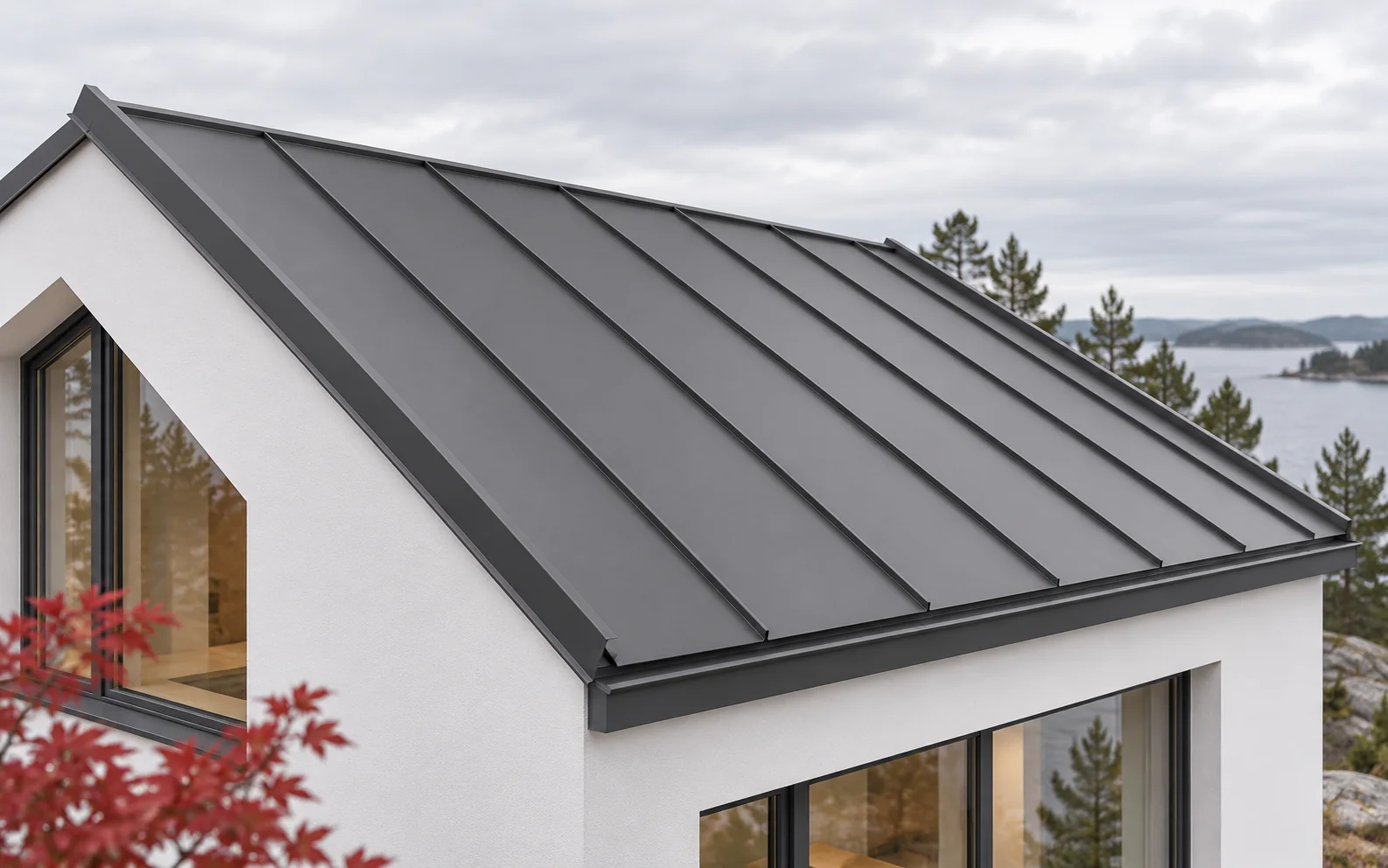
Standing seam panels give the roof a clean, longitudinal pattern, but they require a carefully prepared substrate and correctly executed details. A…
The cost of a roof depends on the complete assembly. Compare quotations for the same roof geometry and scope of work, taking…
A single roof panel from ridge to eaves reduces the number of end joints, but a length of 13.5 m does not…
Ceramic tiles and tile-effect metal roofing are two different covering systems that should not be compared on price per square metre alone.…
A coherent roof results from proportion, colour and detail, not from a seasonal trend label. Modular tile-effect metal roofing, cut sheets and…
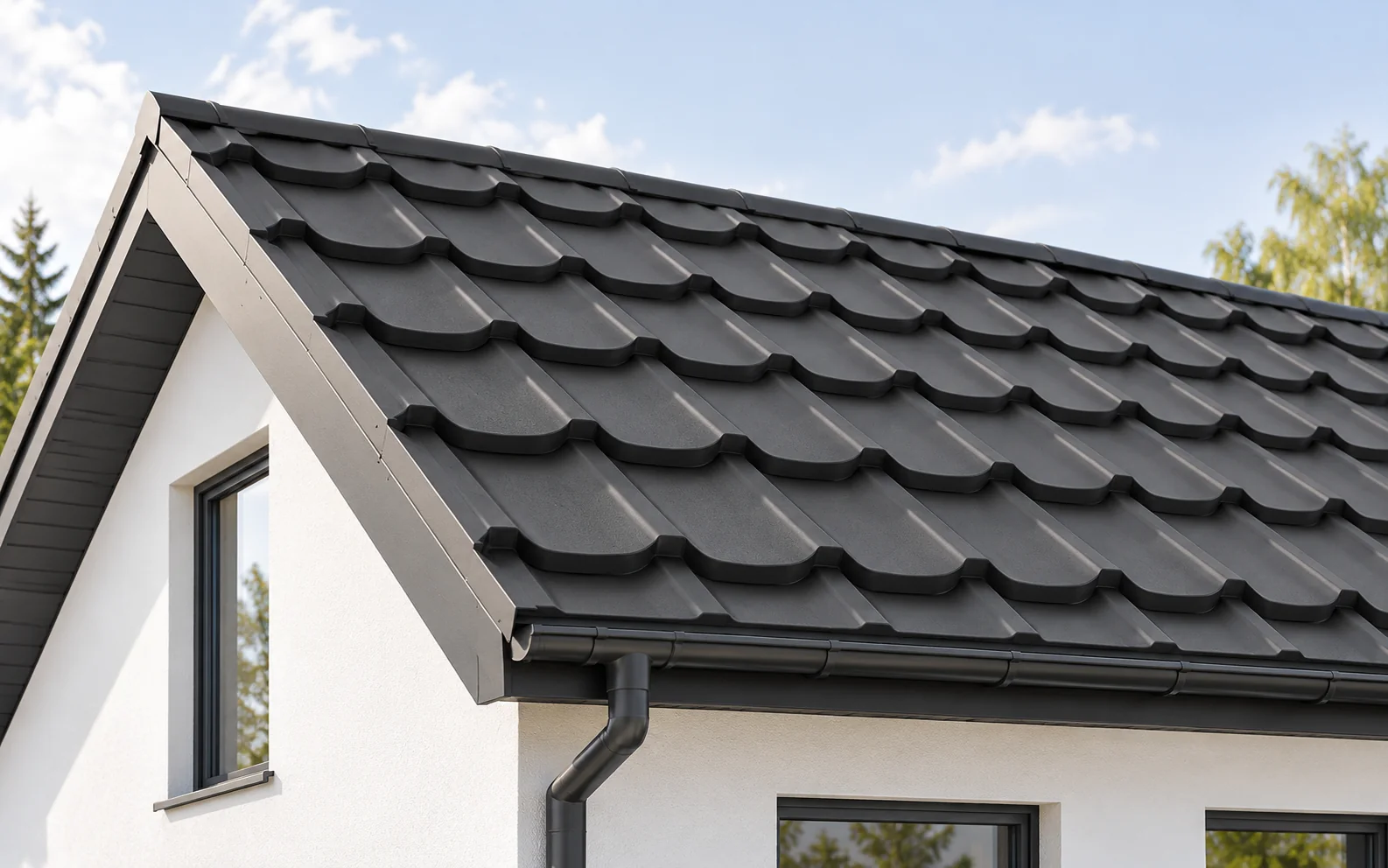
A pitched roof lends itself to a simple material layout and clear water drainage. It can be covered with cut-to-size tile-effect metal…
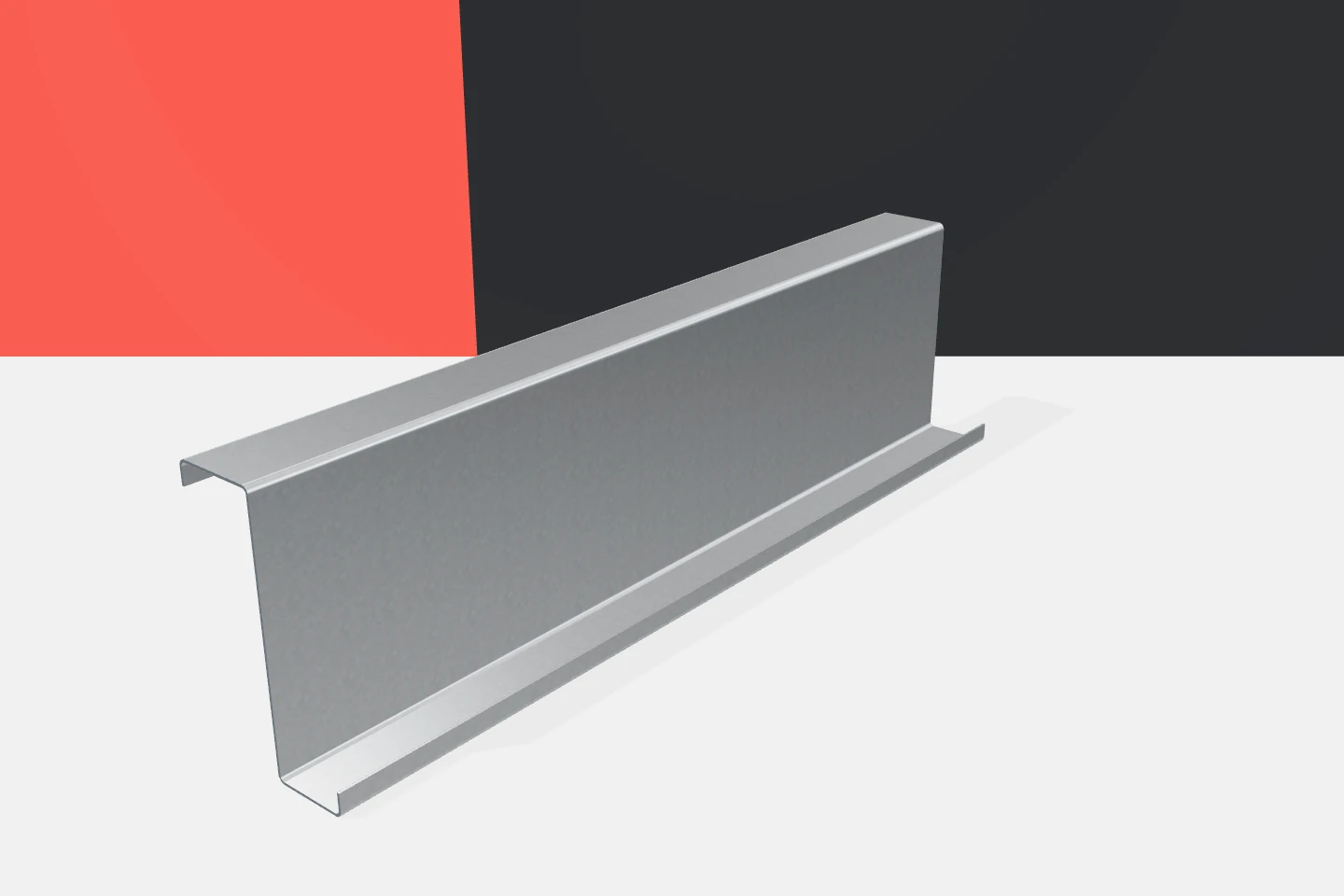
A Z-purlin is part of a system that transfers loads from the roof covering to the portal frames. It may look inconspicuous…
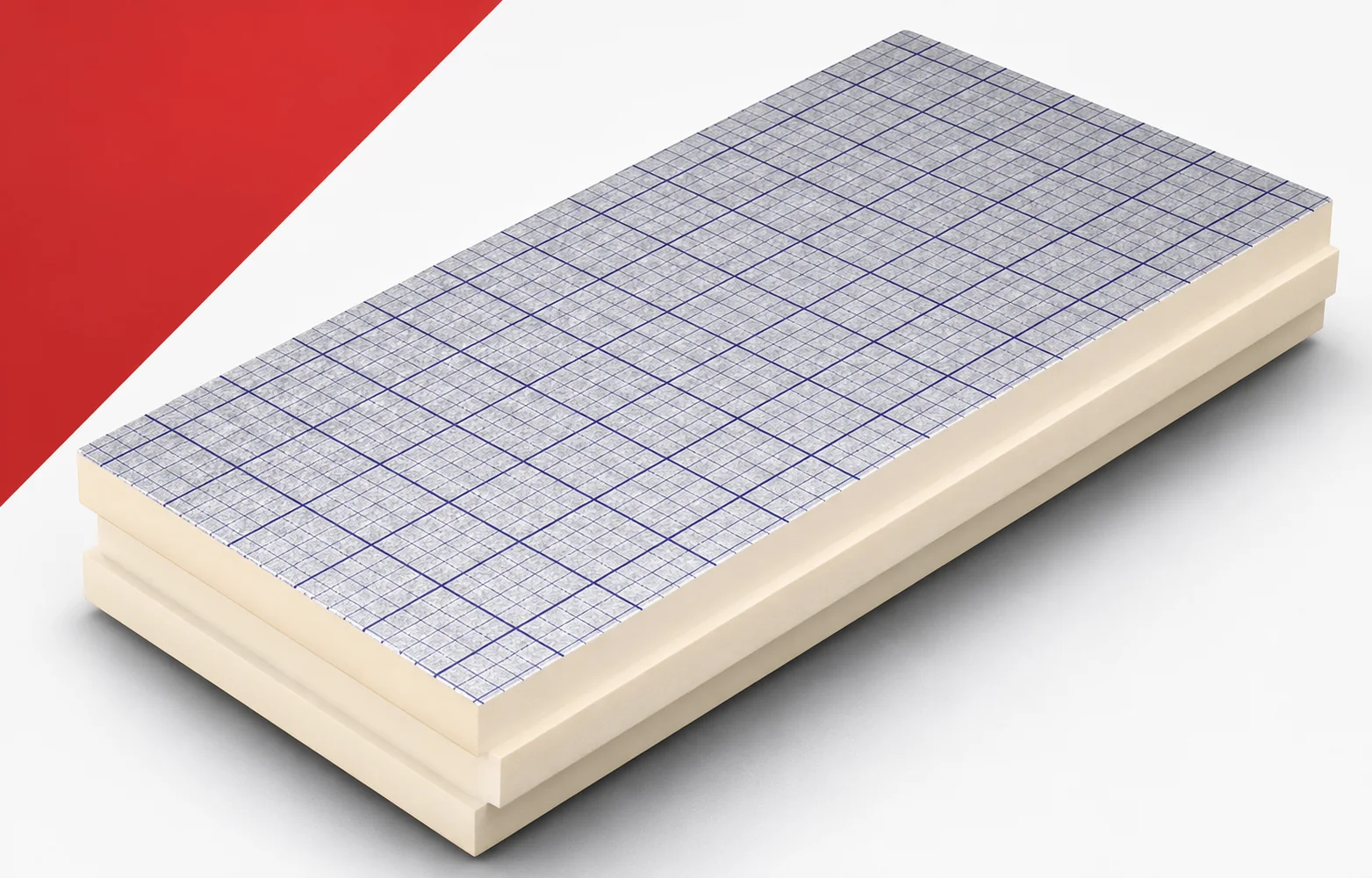
Insulation above the rafters with swissporPIR Alu helps keep the layer over the timber continuous. To exploit this advantage, it must be…