

Fibre-cement roof coverings
Collecting rainwater from a fibre cement roof: uses and limits
Rainwater harvesting requires looking at the entire path of the water: from the roof slope through the gutters to the tank and the point of use. Fibre-cement sheets can form part of such a system, but the material name alone does not confirm the quality of the run-off. Asbestos-free fibre cement must be distinguished from old covering of unknown composition. Before installing the system, the specific product, its surface and the requirements of the intended water use must be checked. For a new roof, the starting point is the documentation for the ordered sheet and information about the coating. On an old building, colour and profile alone must not be relied upon. The term asbestos-free fibre cement should be supported by identification of the product.
In this article
First identify the covering
If asbestos is suspected, a separate assessment of the old covering is needed, without test-damaging the material. Fibre-cement sheets from different periods and technologies are not a single category in terms of every performance characteristic. Declarations for a new sheet should therefore not automatically be transferred to a roof whose origin cannot be established.
The intended use defines the requirements
Watering selected plants, supplying a utility installation and contact with food are different applications. It must not be assumed that roof water is fit for drinking or cooking. The mere absence of asbestos in the covering does not change this. Rain can collect contaminants from the air, and the roof slope can also collect them from the surroundings. Fibre-cement sheets do not perform the function of a treatment device. If the plan envisages more demanding use, an appropriate design, a quality assessment and solutions tailored to the purpose are needed. Information that a roof sheet is watertight is not evidence of the quality of the water leaving the gutter.
Allow for coatings and cleaning agents
The quality of the run-off is influenced not only by the substrate of the sheet. The surface finish, previous painting, soiling and the preparations used may also matter. Before cleaning the roof, the handling of water flowing into the system must be established. Fibre-cement sheets should not be treated with any product simply because it is intended for other coverings. If there is no information on the compatibility of the preparation with the planned water harvesting, this question must be clarified before work begins. The tank should not become an accidental collecting place for residues from washing or renovating the roof slope.
The roof and gutters must remain clear
Leaves, needles and sediment can block the outflow and increase the amount of contaminants passing further on. The harvesting system therefore requires accessible inspection and cleaning points. Fibre-cement sheets should discharge water into a correctly positioned gutter, without uncontrolled splashing onto the façade. Filter elements are selected to suit the installation and the surrounding conditions. It must be remembered that retaining larger fragments does not mean removing all contaminants. Every device has a specific function. Its presence does not justify extending the possible uses of the stored water at will.
The tank needs an overflow and maintenance
The capacity should be matched to the catchment area, rainfall and actual consumption. There is no single size suitable for every property. Safe handling of excess water when the tank is full is also important. Asbestos-free fibre cement does not change this principle. The roof must still drain intensive rainfall without overloading the gutters and flooding unwanted places. The design should allow for cleaning, protection of the tank and winter conditions for the equipment. It is also worth establishing how part of the system can be disconnected during roof works. This prevents repair of the covering from becoming a problem for the entire retention system. The overflow point should remain known to the user. During heavy rain it must be possible to check whether excess water is draining in accordance with the design.
Do not connect systems at random
If rainwater is to be fed into the building, the solution requires proper separation from the installation for water intended for consumption. The type of protection should be selected by a qualified designer or installation contractor. Fibre-cement sheets are only the surface collecting the rainfall here. They do not determine hydraulic or quality rules. It is not worth building the system on the basis of a marketing diagram alone. The draw-off points, the method of topping up water and the operating conditions must be known. Clear labelling helps avoid mistakes during use and later repairs by people who were not involved in the installation.
Plan retention together with subsequent servicing
Cleaning the gutter or inspecting the roof slope must be possible without walking directly on the sheets. Access to the filters should encourage regular servicing rather than require dismantling of the structure every time. Fibre-cement sheets should also be inspected for damage and changes at the flashings. In the system documentation, record which covering the water is harvested from and which agents have been used on it. A change of coating or replacement of part of the roof may require the assumptions to be checked again. A functioning retention system is a set of interacting components, not just a tank placed under a downpipe.
Before connecting the tank, confirm the composition of the covering and the intended use of the water. Then select the entire drainage, treatment and servicing system to suit the actual conditions of the building.
7 branches. Materials closer to your project.

Free quote
Materials for your project
You may also find useful…
When a carport is demolished or a farm building is converted, the question arises of giving the roofing a second life. Fibre…
The grey corrugated sheet has a distinct wave pattern and a calm, mineral appearance. It does not have to imitate a roof…
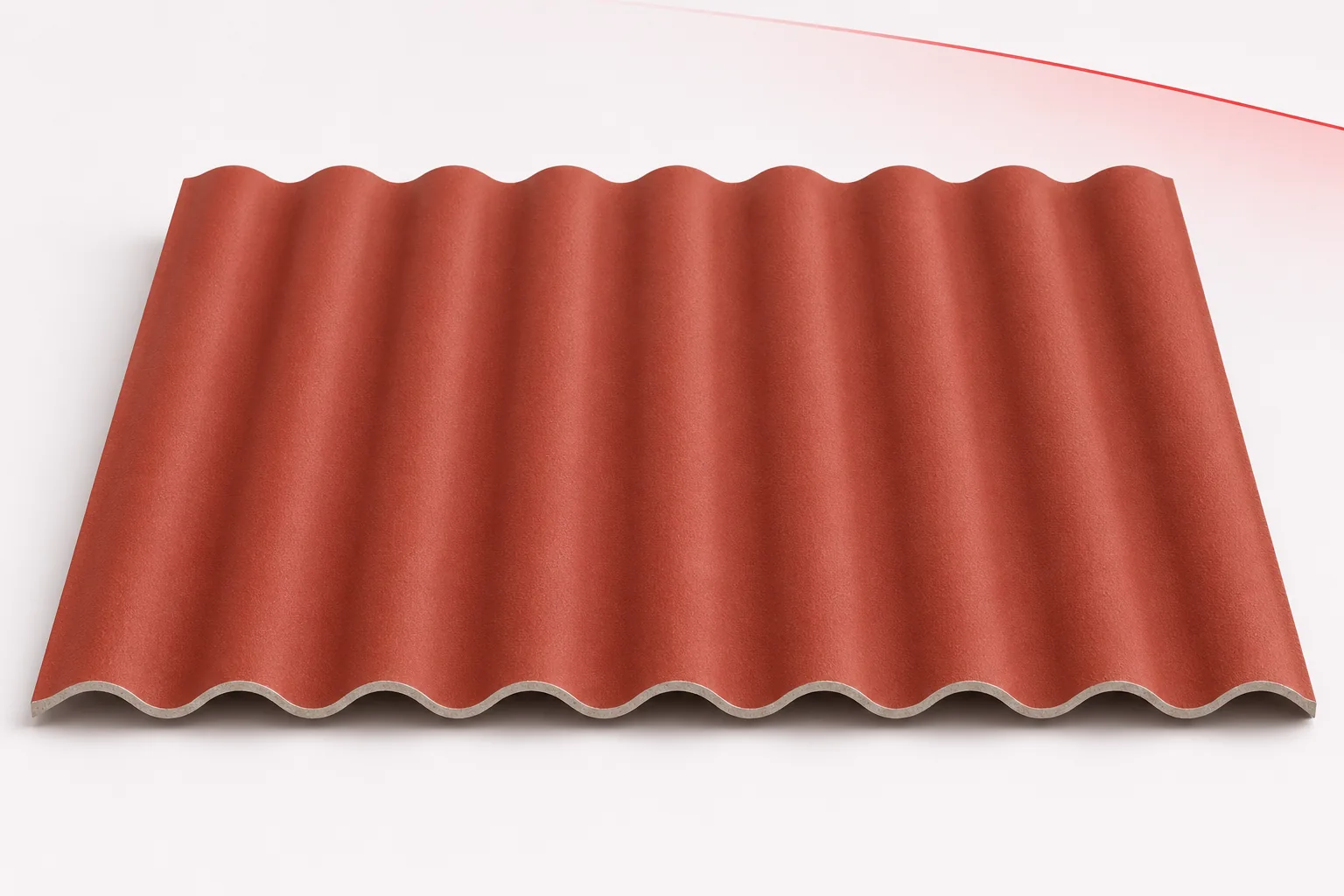
A durable material can help to limit expenditure, but it does not guarantee a cheap roof. Fibre-cement sheets have to be bought,…
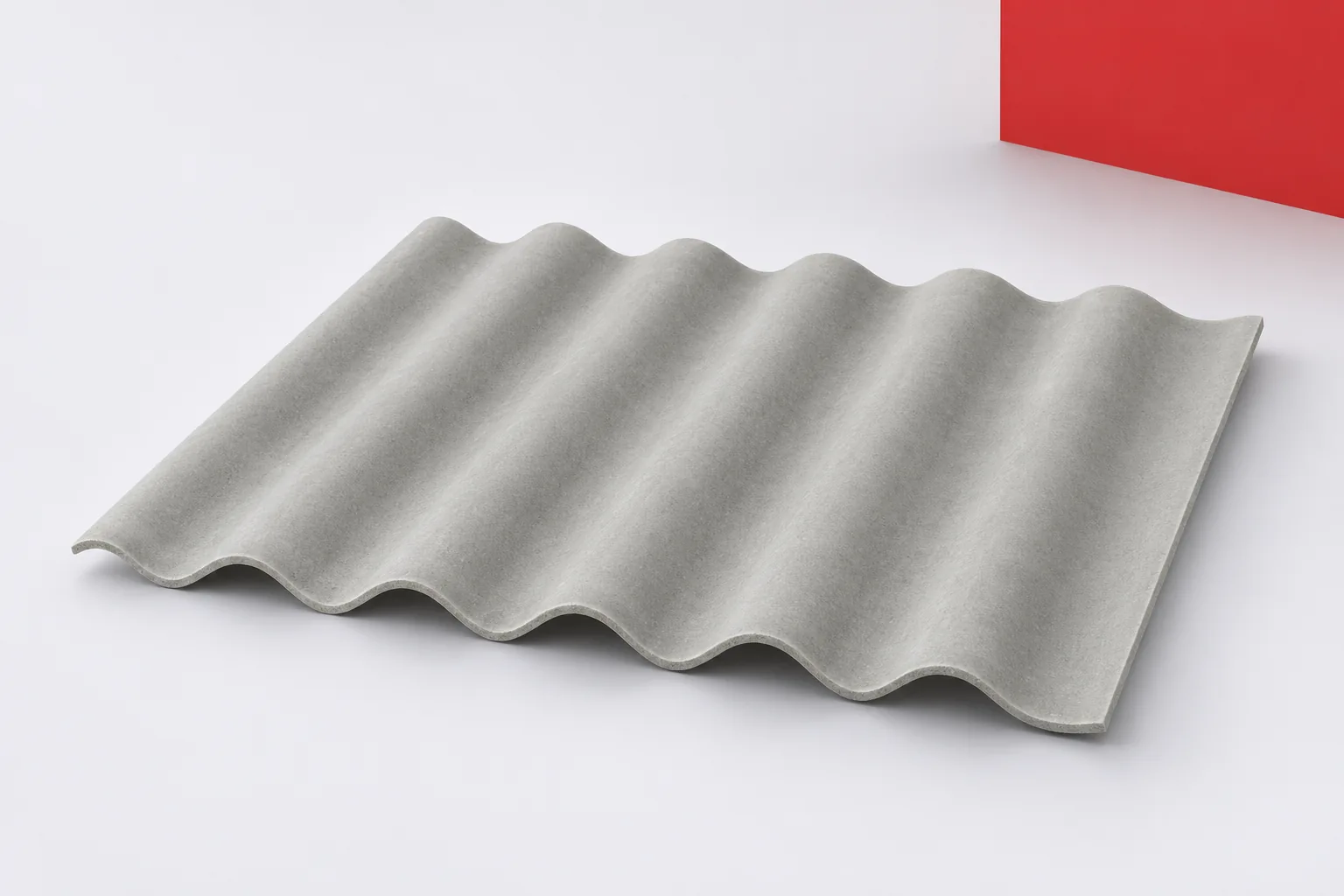
The NT marking appears in the documentation and labelling of modern fibre-cement products. It helps identify asbestos-free technology, but it must be…
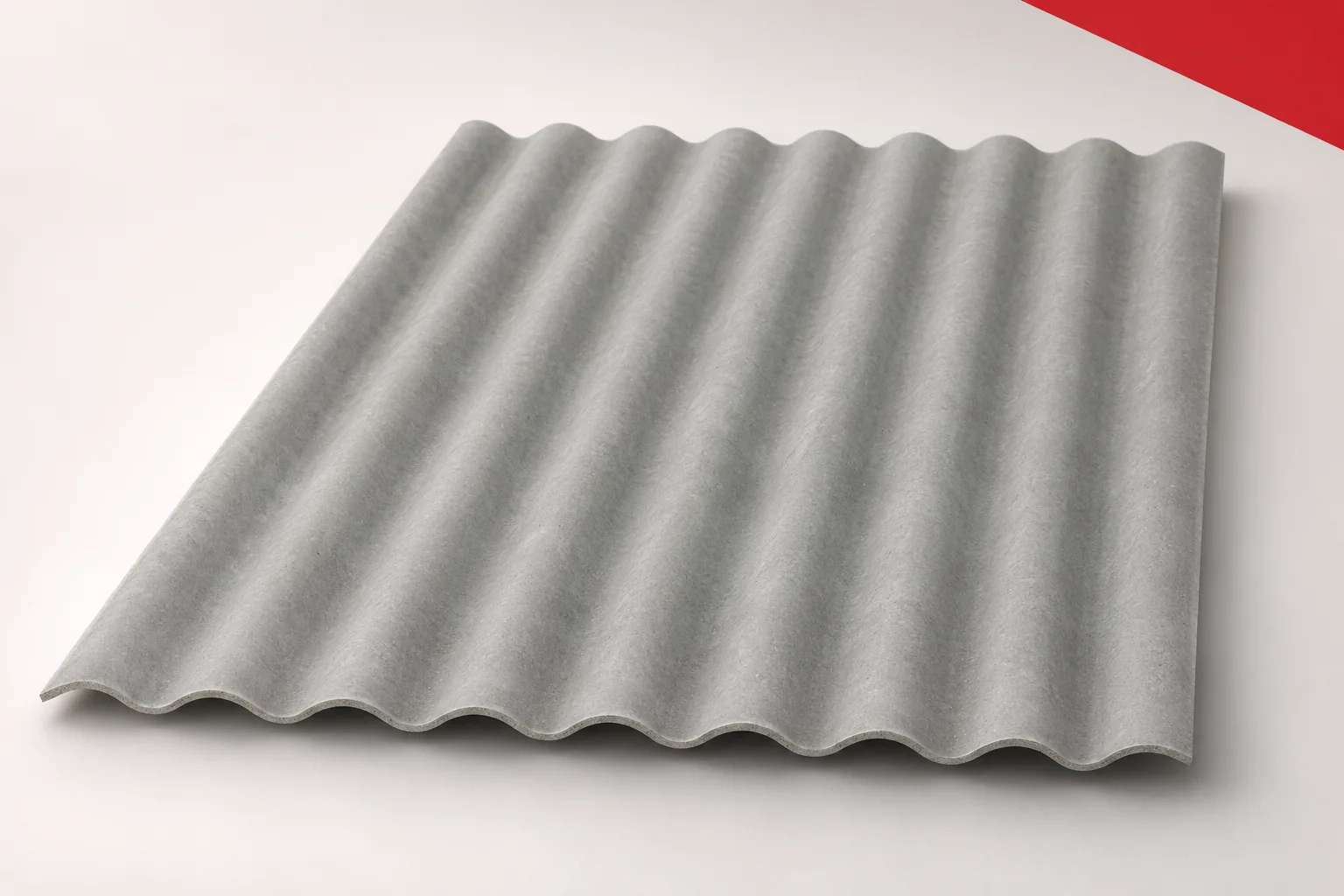
Fibre-cement slates should be assessed over the entire service life of the roof. What matters is its weathertightness, the possibility of repair…
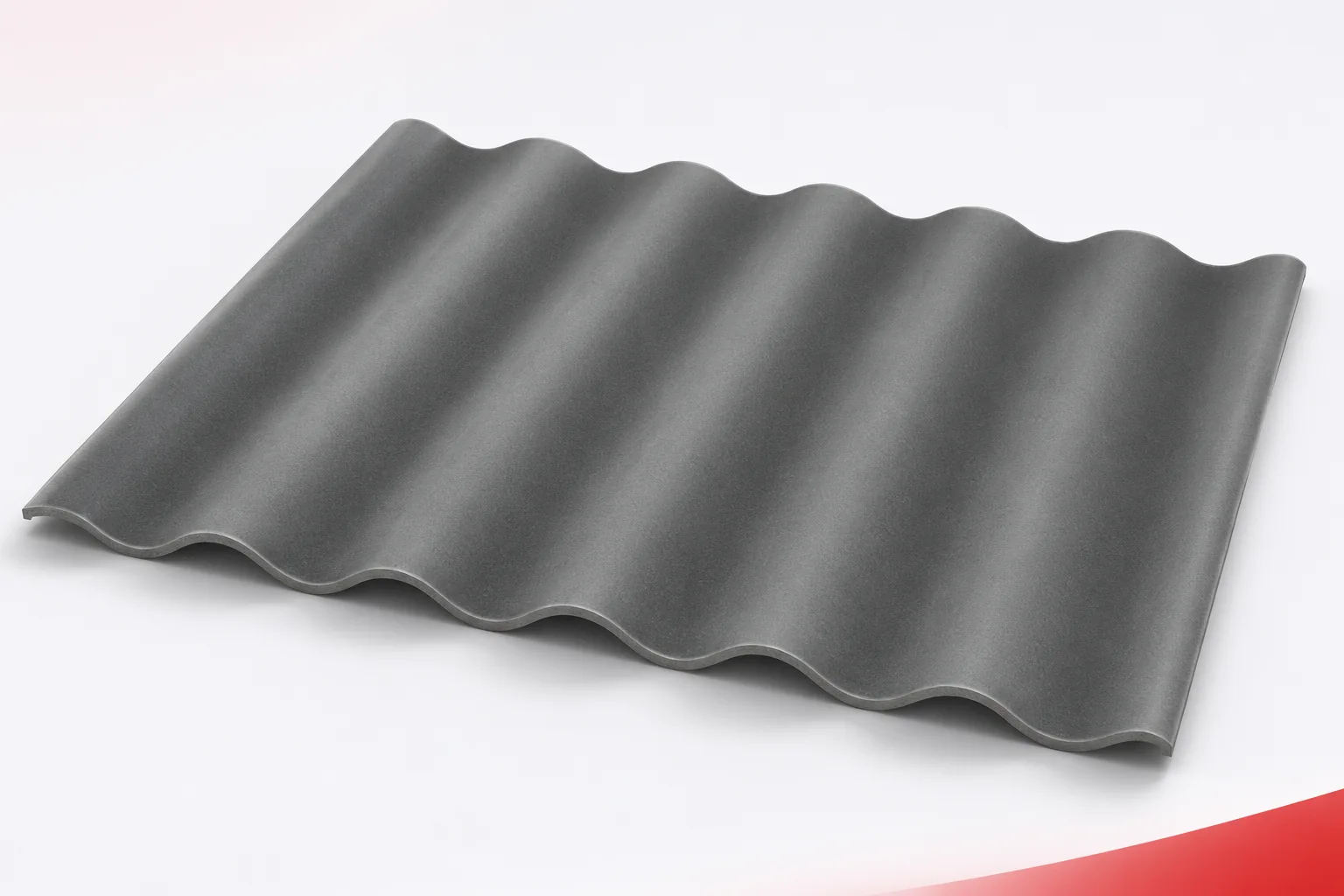
Roof maintenance should not begin with a breakdown. Fibre cement sheets need checks on the joints, the drainage and the places where…
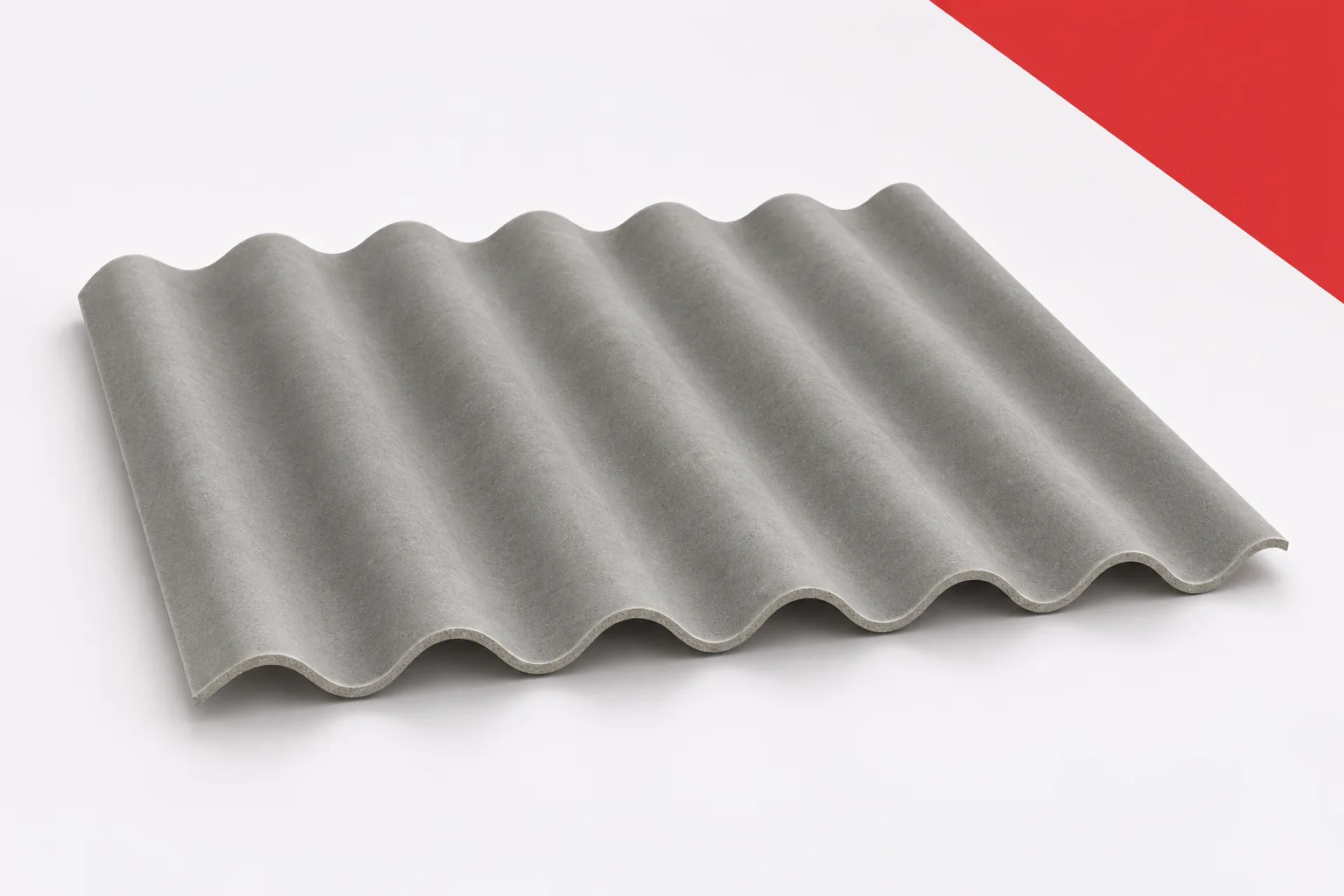
A small garden shelter does not need a complicated form, but it does need a properly designed roof. Fibre-cement sheets can give…
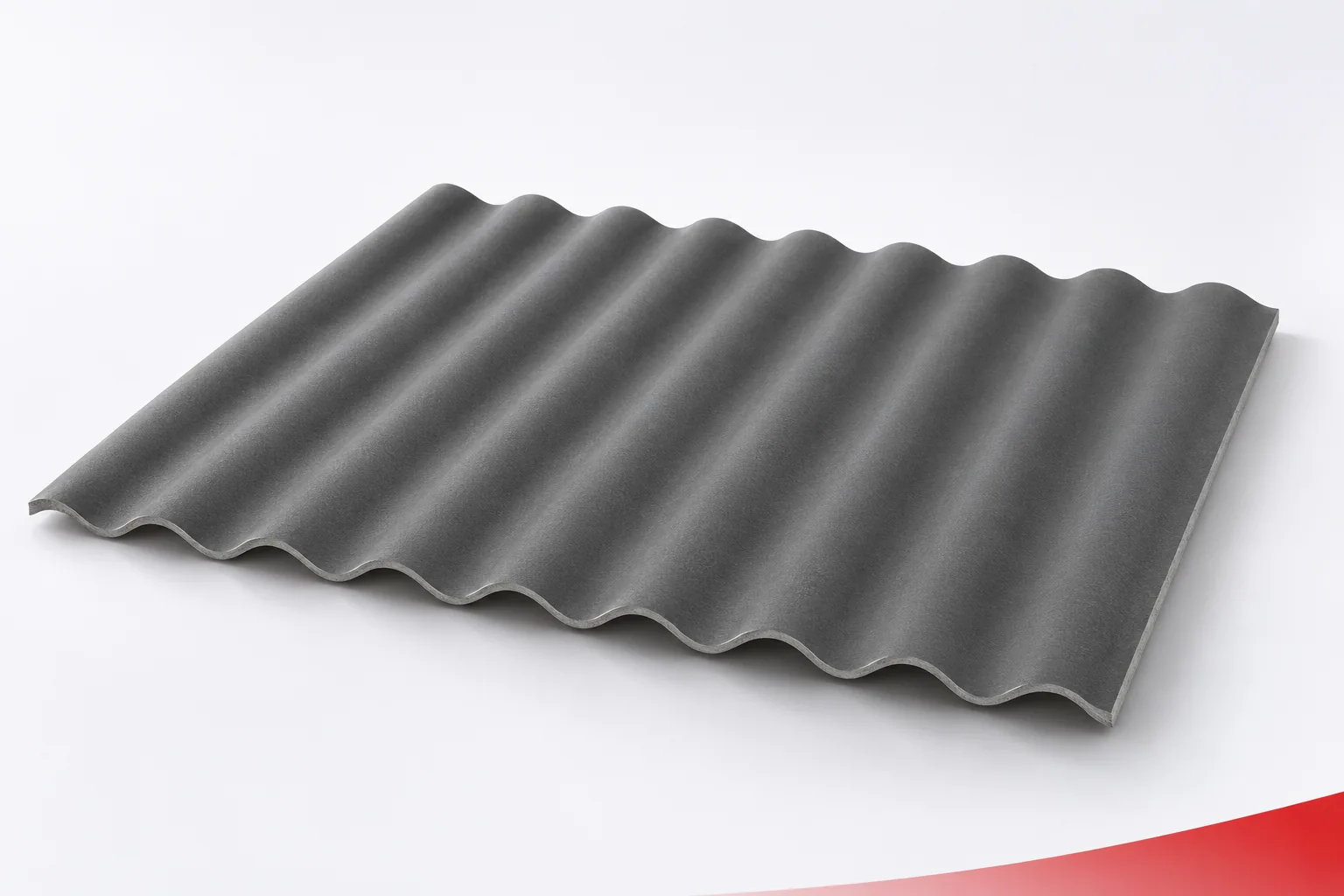
The long service life of a roof covering also depends on places that are barely visible from the ground. The ridge detail,…