

XPS insulation
How long does XPS insulation last? What determines its performance over time?
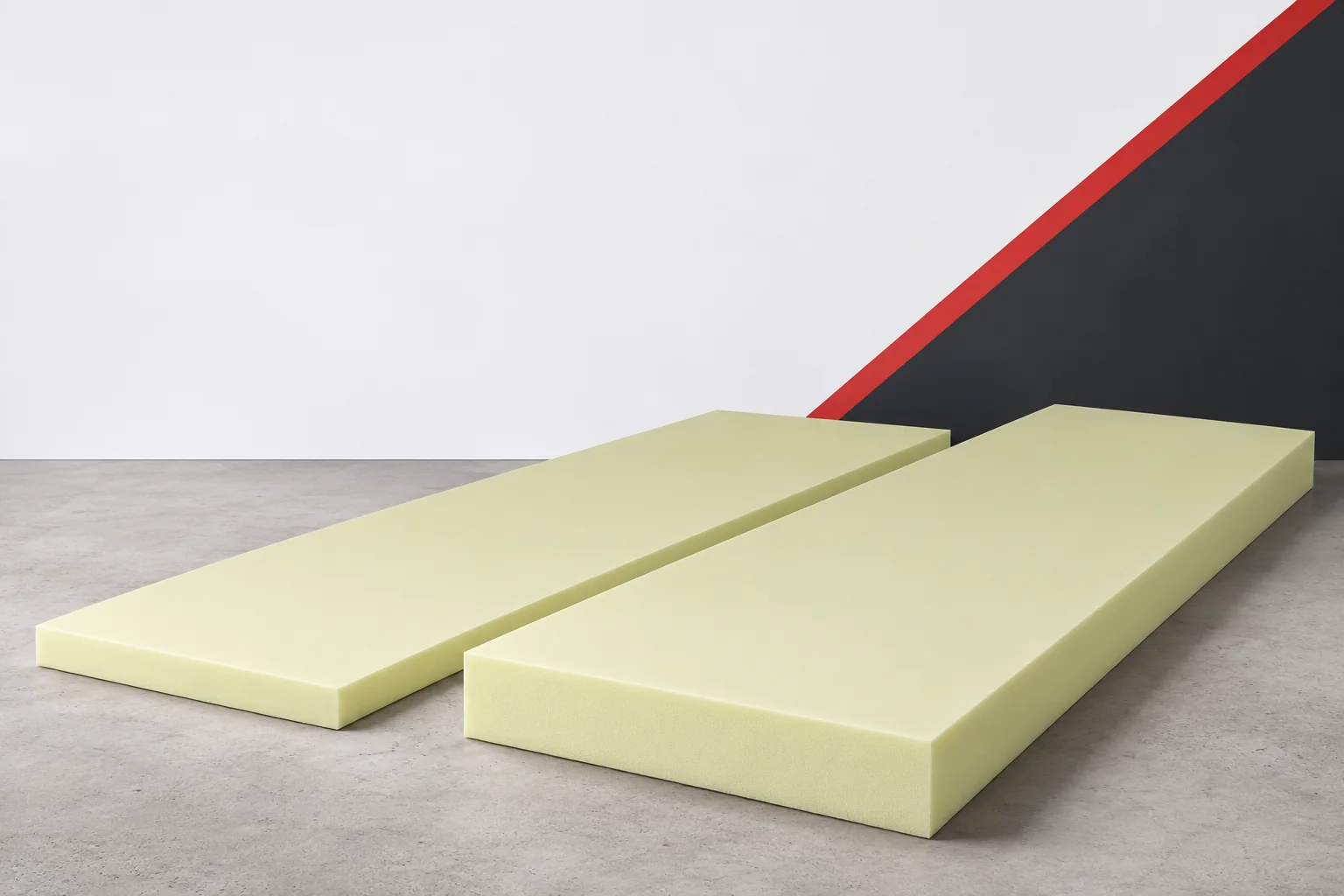
Insulation beneath a floor or buried beside a foundation needs to keep performing for many years: replacing it is difficult and costly. XPS is chosen for these locations because of its thermal properties, mechanical resistance and low water absorption. Extruded polystyrene does not, however, perform independently of its surroundings. Durability depends on the product grade, service conditions and installation quality. A claim about years of use alone tells you little. A board may look unchanged while working under conditions it was never intended for. Assessment must consider heat transfer, deformation, moisture and joints. XPS beneath a floor is loaded differently from boards on a basement wall.
In this guide
XPS durability has several aspects
An inverted roof, in turn, exposes the insulation to water and temperature changes.
Extruded polystyrene has no single service life that applies regardless of use. Product documents describe properties and test conditions; the design determines whether these suit the building element. Rather than relying on a promised number of years, ask which stresses have been allowed for and which declared properties address them.
Long-term loading differs from a short test
A result measured at ten per cent deformation does not mean that the same stress can be applied continuously to a floor. Acceptable deformation during use requires a much more demanding assessment. XPS under a sustained load must be evaluated for creep: the way deformation develops over time.
The CC designation describes a result for defined conditions and deformation limits. It is not, by itself, a guarantee for the whole building. Extruded polystyrene works together with its substrate and the load-spreading layer. Only an assessment of that assembly can establish whether settlement or unevenness could damage finishes, services or equipment.
Moisture calls for the right layer arrangement
Low water absorption helps XPS retain its insulating function in damp conditions. It does not remove the need to check waterproofing and drainage. A blocked roof outlet can change the conditions within the entire roof assembly. At a basement wall, damage to the waterproofing can cause a leak despite the presence of thermal insulation.
When selecting extruded polystyrene, check tests relevant to water exposure and any freeze–thaw cycles. Not all results are interchangeable. The materials above and below the board also matter. Durability depends on the actual conditions staying within the assumptions used in the design.
Heat and chemicals can damage the material
Protect XPS from unsuitable solvents and excessive heat. The product manufacturer specifies its service-temperature limit. Do not transfer a value from another board or mistake general frost resistance for suitability near hot work. Welding or using a torch nearby requires planned protective measures.
Prolonged storage in sunlight can also degrade the surface of extruded polystyrene. Colour change is not the only feature to assess. Check the surfaces and edges before installation. Choose adhesive and waterproofing for material compatibility, rather than ease of application alone.
Installation sets the conditions for later performance
Even support and closely fitted edges help XPS deliver its intended performance. A void beneath a board or a large gap at a joint changes how loads are transferred. Forcing a deformed board into place is not a lasting repair. Assess a damaged board before covering it and replace it where necessary.
For multi-layer insulation, the joint arrangement and the suitability of the proposed system matter. Do not assume that any number of layers will always improve the result. Likewise, a rebated edge does not guarantee the absence of thermal bridges. XPS still needs careful installation even when its edge geometry makes fitting easier.
Documents help you assess durability claims
XPS manufacturers include Austrotherm, Ravago and swisspor. Their documentation provides a starting point for assessing properties. Check that the information applies to the exact thickness and product grade being offered. The commonly used name Styrodur does not replace that identification. Differences between variants can also include reaction to fire.
A declaration of performance, technical data sheet and warranty terms serve different purposes. A long-term creep test does not justify an arbitrary promise about the service life of an entire building element. A designer should assess extruded polystyrene within the actual assembly. Keeping the delivery documents makes it possible to trace the assumptions later.
Accessible building components still need inspection
Concealed XPS insulation generally does not need routine treatment of the boards themselves. The components that protect the assembly do need maintenance. Keep outlets clear, joints watertight and plinth finishes in good condition. A change in room use may also increase floor loading. Check the implications before installing a heavy new item of equipment.
Durable insulation therefore starts with sound design and depends on appropriate building use afterwards. Correctly selected XPS can retain its function for a long time in demanding locations. A reliable decision does not require the same promised number of years for every project. It requires compatible materials, verified properties and proper installation.
7 branches. Materials closer to your project.

Free quote
Materials for your project

You may also find useful…
Begin a PIR versus XPS comparison with the installation location. A thin layer offering high thermal resistance can be valuable where space…
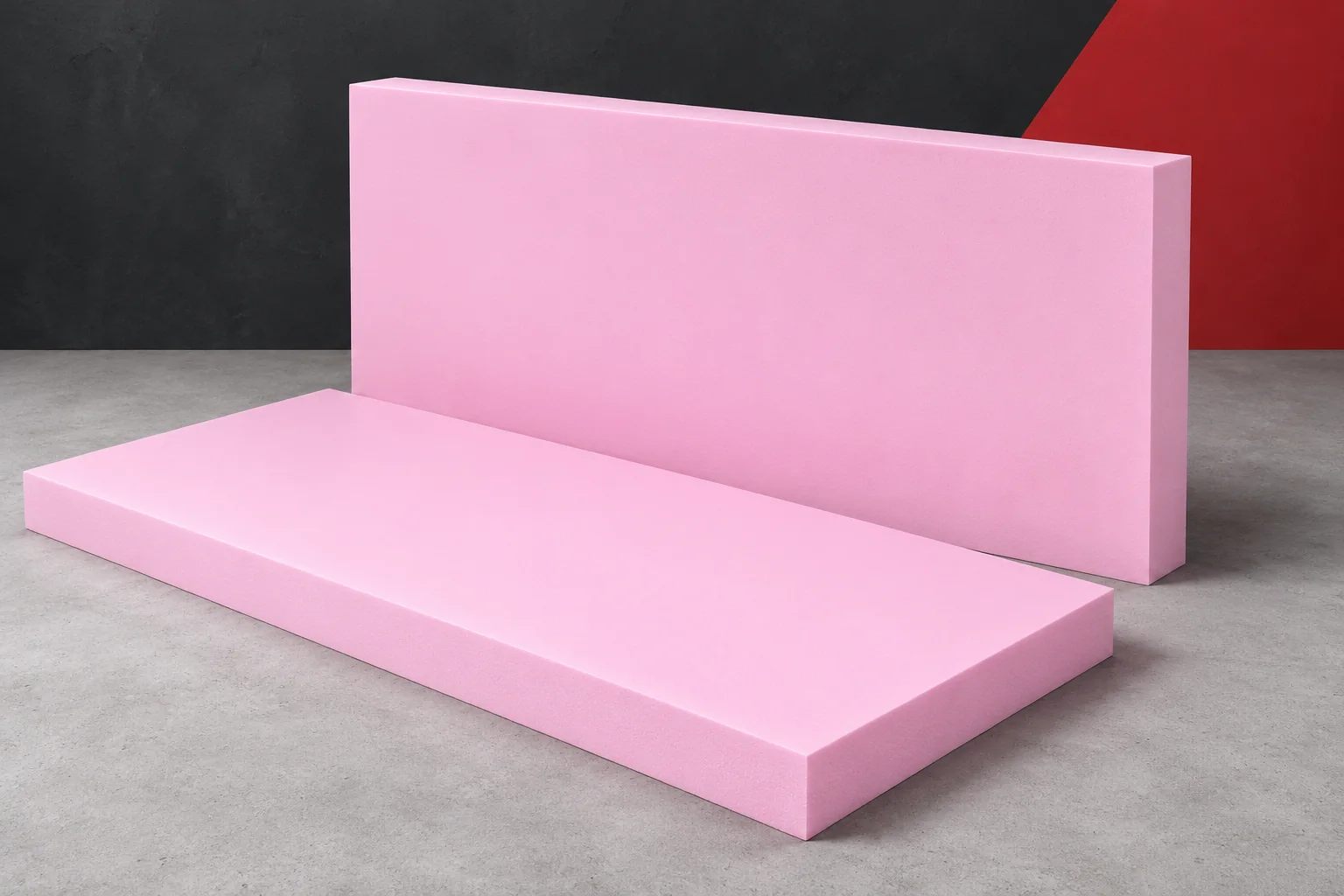
Exposing a foundation is an opportunity to improve an old house's thermal protection, but the work does not start by sticking boards…
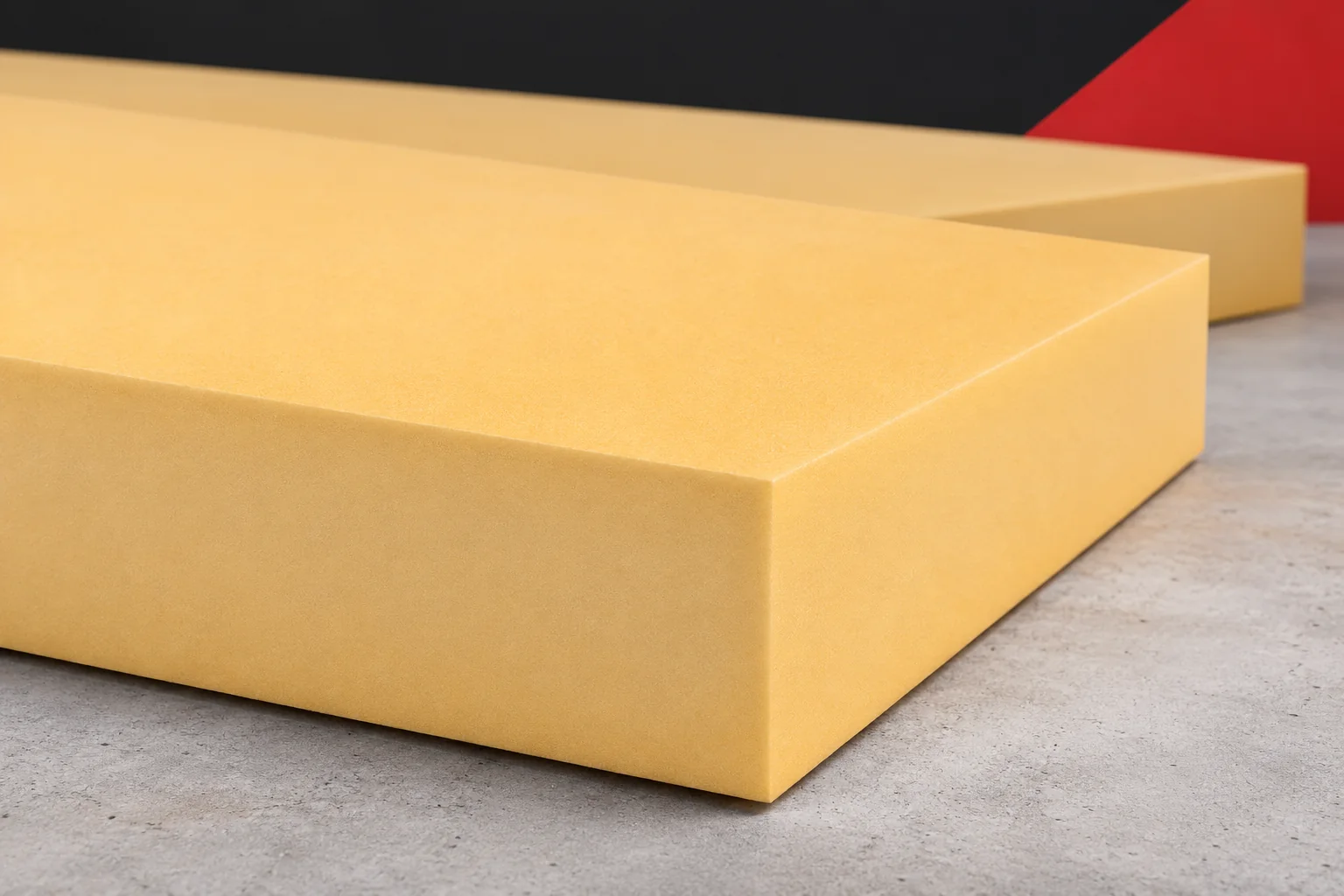
Resistance to moisture is a key reason for choosing XPS around foundations and on inverted roofs. Yet descriptions sometimes go too far…
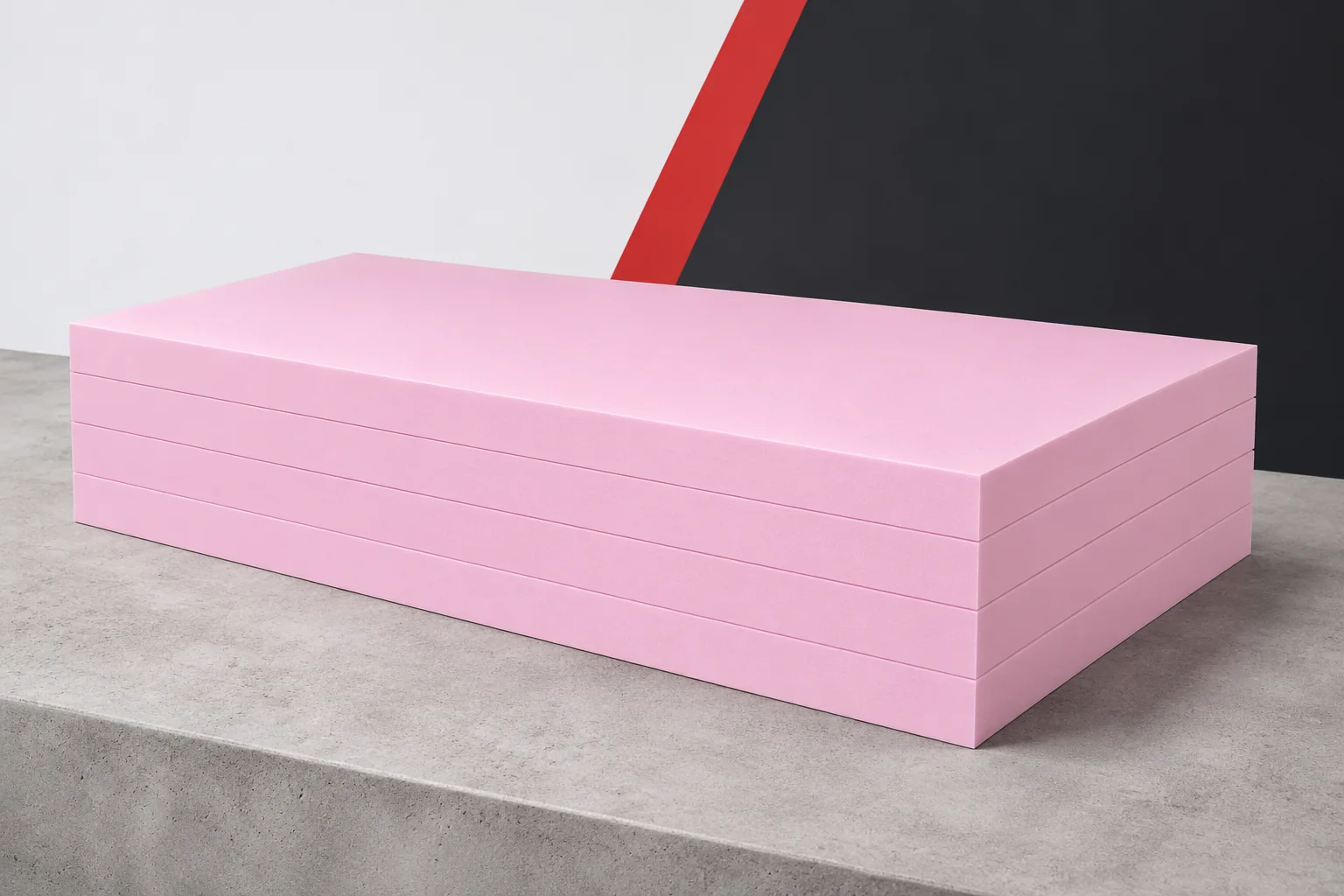
Two XPS offers may look alike while covering different thicknesses and specifications. A cheaper pack does not show which layer will reduce…
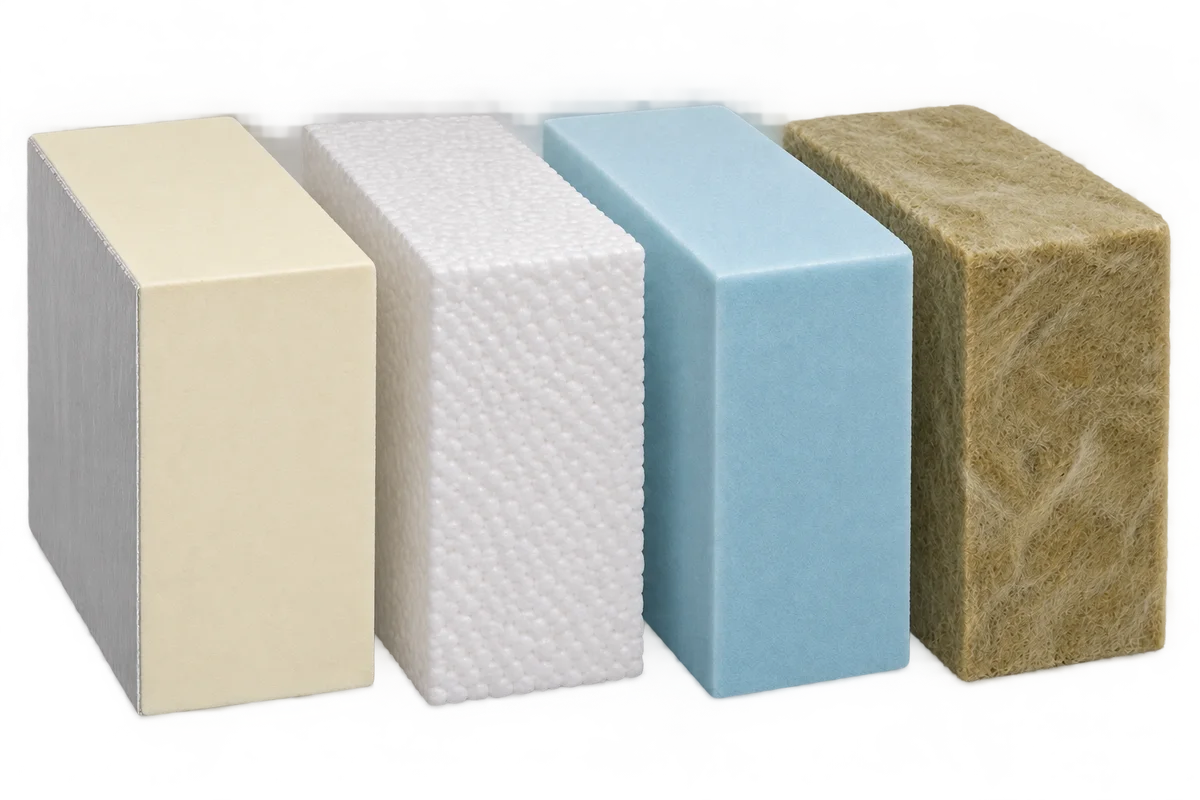
A schedule of the layers of a building envelope with PIR boards and a second insulating material makes sense only if each…
A home with a low heating demand needs insulation layers that connect properly. Board thickness alone does not determine the result. XPS…
Flat-roof insulation selection starts with the position of the waterproofing. In a conventional warm roof it protects the insulation from above; in…
Every centimetre can matter when renovating a house. Door levels, room height or the width of a passage may limit the space…