

XPS insulation
Insulating an old foundation with XPS boards: where to begin
Exposing a foundation is an opportunity to improve an old house’s thermal protection, but the work does not start by sticking boards on. First assess the masonry, water and existing waterproofing. XPS can reduce heat loss through a ground-contact wall. Extruded polystyrene also provides low water absorption and the compression performance of the selected grade. Results depend on the complete build-up, not the insulation’s name. Stains on the basement side can have different causes. Water may enter from outside, rise from lower masonry or condense on a cold surface. Each case requires a different response.
In this article
Identify the source of damp
Covering a wall with XPS does not automatically remove the moisture source. Before work begins, determine where water comes from and how it moves.
Check gutters, ground falls and rainwater disposal. A leaking pipe beside the wall can continually wet the ground. Extruded polystyrene will not repair that fault. Drainage is not suitable for every site either. Its effectiveness depends, among other factors, on soil conditions and the ability to discharge collected water.
Plan safe excavation sections
Do not treat an existing building like a new excavation. The length and depth of exposed sections and protective measures must follow an assessment of the structure and ground. Do not expose the whole foundation merely to make XPS installation easier. Phased work may be needed to avoid compromising support.
Establish the final plinth height at this stage too. Later raising the ground can cover a finish not intended for ground contact. Select XPS for the final ground level, not only conditions during construction. Keep access to areas where repaired waterproofing must be inspected.
Prepare the masonry for protective layers
Old coatings, loose mortar and sharp projections make an even waterproofing layer difficult. Prepare the substrate according to the chosen repair method. Extra XPS adhesive cannot compensate for every irregularity. A board attached at a few high points can leave extensive voids behind it.
Extruded polystyrene is easy to cut, but it should not act as a levelling layer. Repair masonry and junctions separately. Pipe penetrations and the wall-to-footing junction need particular care. Add subsequent layers only after the substrate has been properly prepared and inspected. Curing times depend on the materials used.
Waterproofing and XPS have different jobs
Waterproofing limits water reaching the structure. XPS limits heat flow and can mechanically protect that waterproofing. Closed cells do not make the board joints watertight. A rebated edge is not a waterproof joint either. State this distinction clearly in the scope of work.
Where water exerts pressure, use a solution designed for those conditions. It may require a different fixing method from ordinary ground moisture. Adhesive must be compatible with both XPS and the waterproofing. Unsuitable solvents can damage extruded polystyrene or the waterproofing coating.
Select the grade for depth and pressure
The deeper the board sits, the more important it is to assess earth pressure and other loads. There is no single safe installation depth for every XPS product. Soil, water level, wall geometry and material data all matter. Selection must also consider long-term compressive deformation.
Simply asking for Styrodur is not enough when ordering. Specify the required property class and thickness. Manufacturers include swisspor, Austrotherm and URSA. Their documents describe various edge and surface options. Compare variants suitable for the application rather than all boards sold under one material name.
Connect new and existing insulation
Coordinate the upper XPS edge with the façade and plinth. An uninsulated strip can still cause local cold spots. Old buildings may also have steps and projecting foundation sections that need separate details. Thermal continuity does not require the same material over the full height.
Extruded polystyrene can meet another façade insulation if the junction is properly designed. Above ground, ensure adhesion and impact protection. Below ground, select protection for the intended backfill. Do not drill through finished waterproofing with improvised fixings merely to hold boards temporarily.
Inspect the wall before backfilling
Before covering, check gaps, board condition, fixing adhesion and protection of every penetration. XPS should have no deep damage or missing corner pieces. Backfill must match the design. Large, sharp rubble can destroy layers even when the board feels hard.
Keep labels and photographs of successive stages for later building improvements. Foundation insulation with XPS makes sense when waterproofing repair, water disposal and thermal insulation form one plan. The work then tackles an identified problem instead of hiding its symptoms under another layer.
7 branches. Materials closer to your project.

Free quote
Materials for your project

You may also find useful…
Insulation beneath a floor or buried beside a foundation needs to keep performing for many years: replacing it is difficult and costly.…
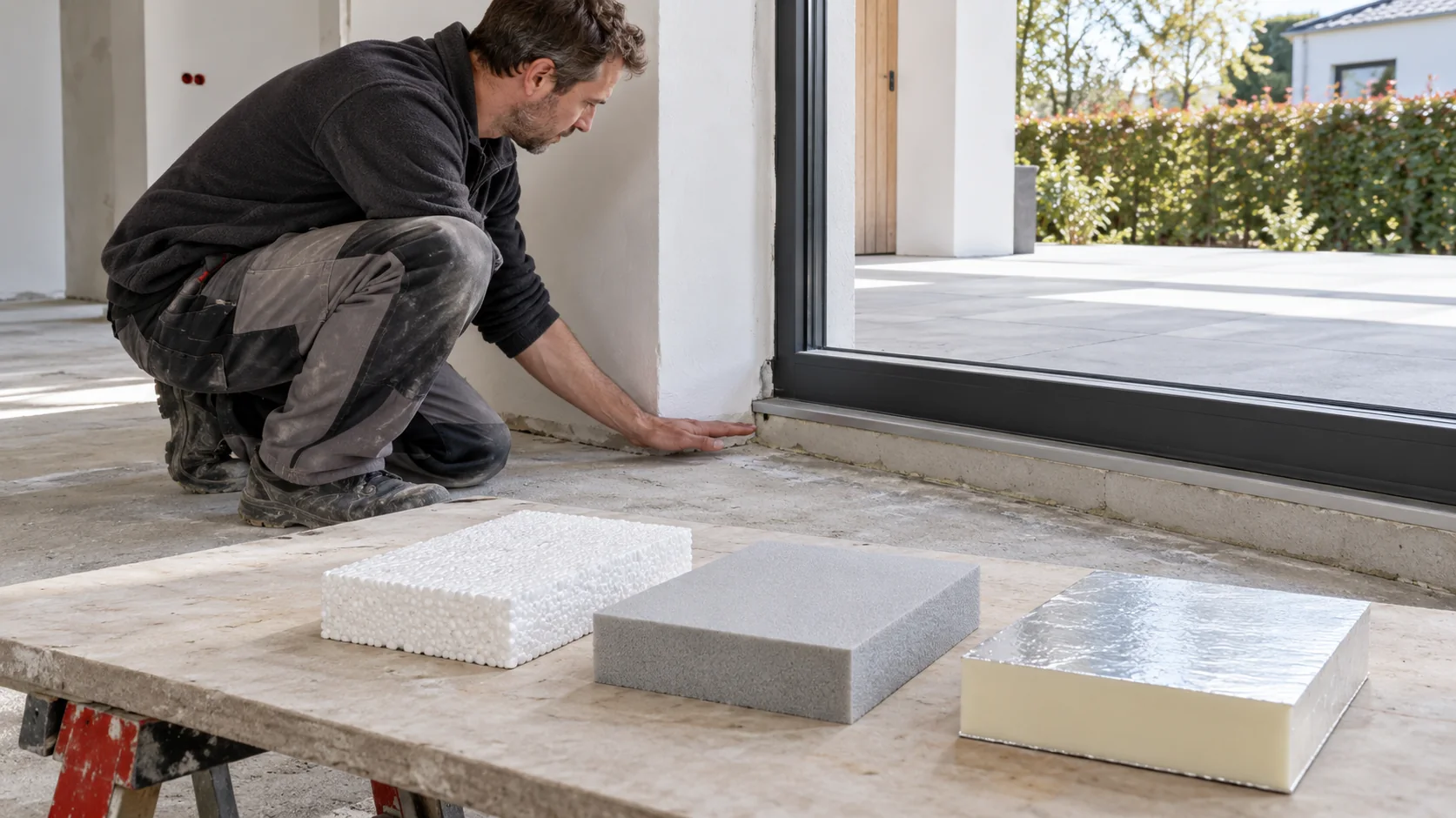
No single insulation material is best throughout a house. On a façade the render system matters, in a floor the loading, and…
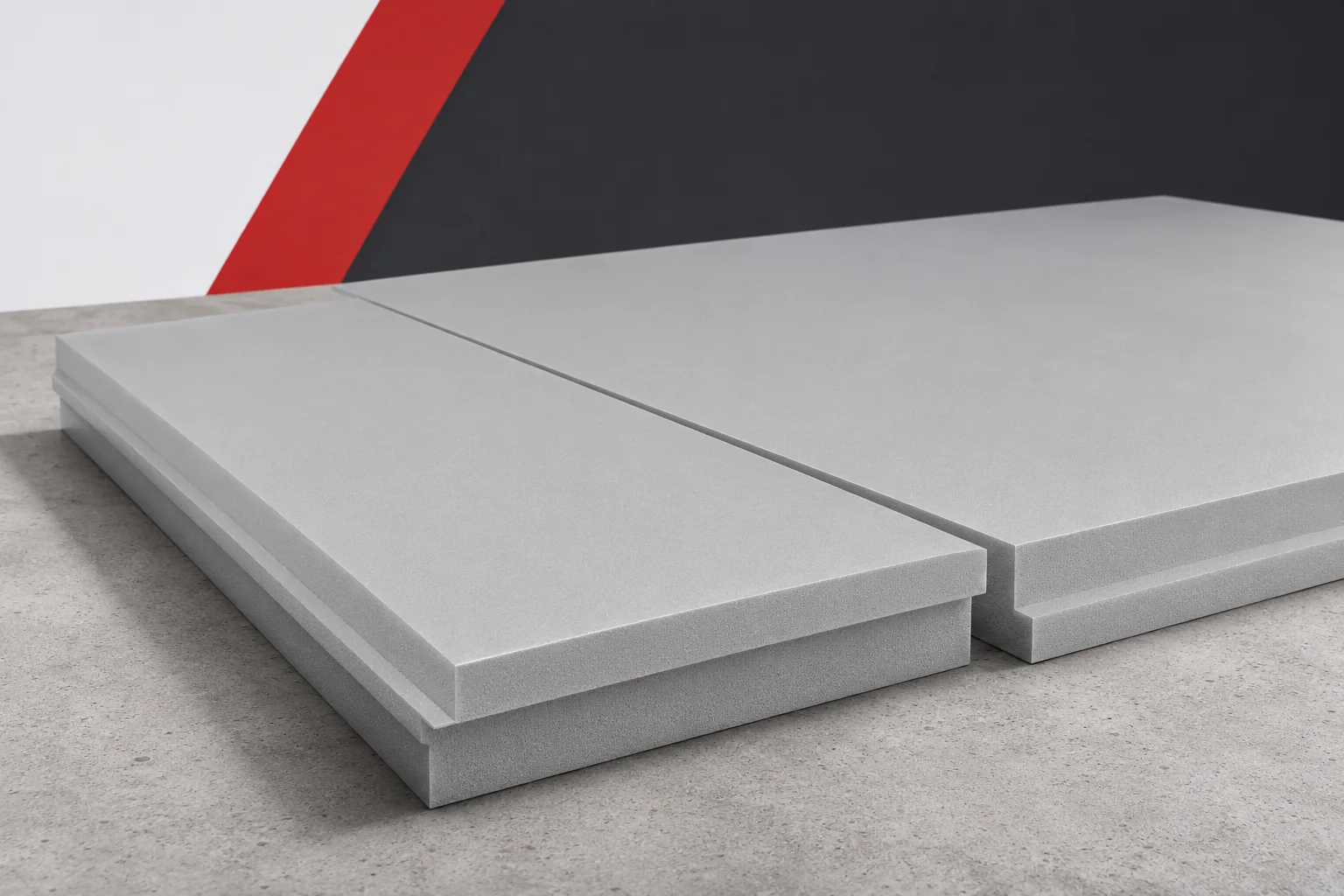
A cold strip of flooring along a wall can be uncomfortable even in a house with thick external wall insulation. The cause…
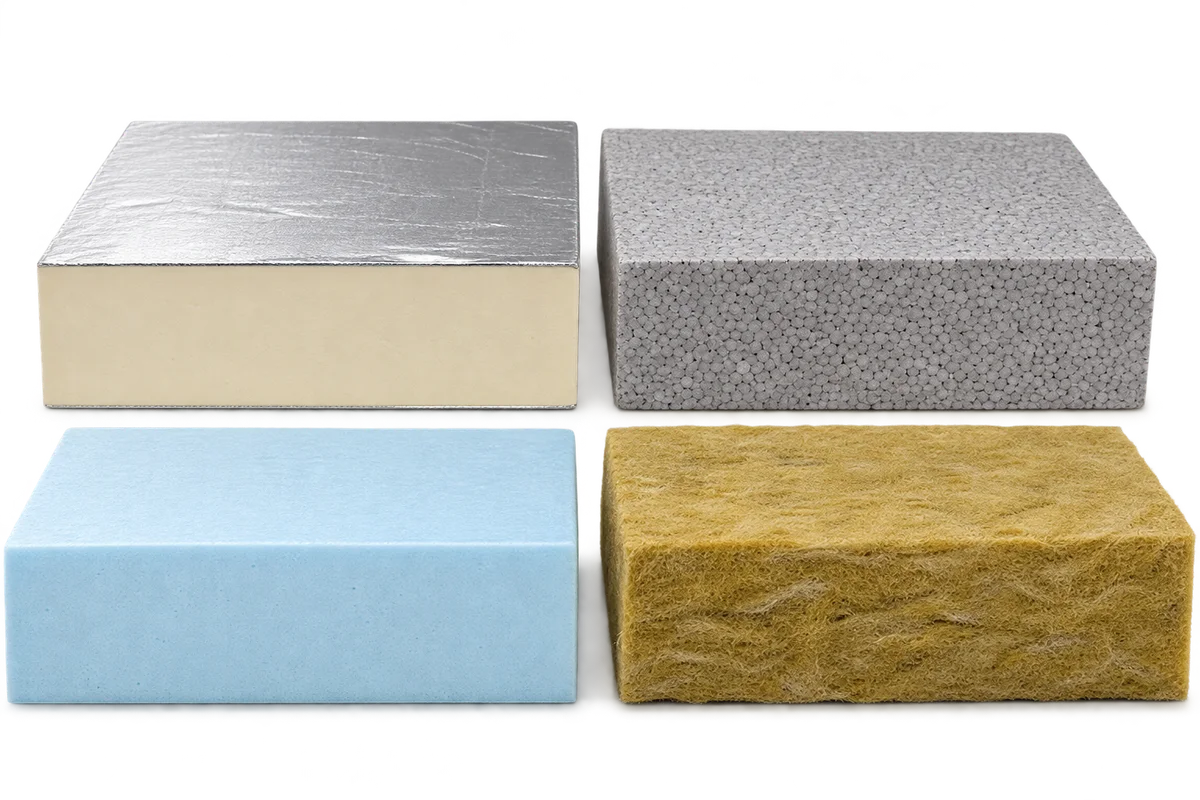
Insulation has a different job in each part of a house. PIR is useful where thickness is limited. EPS comes in grades…
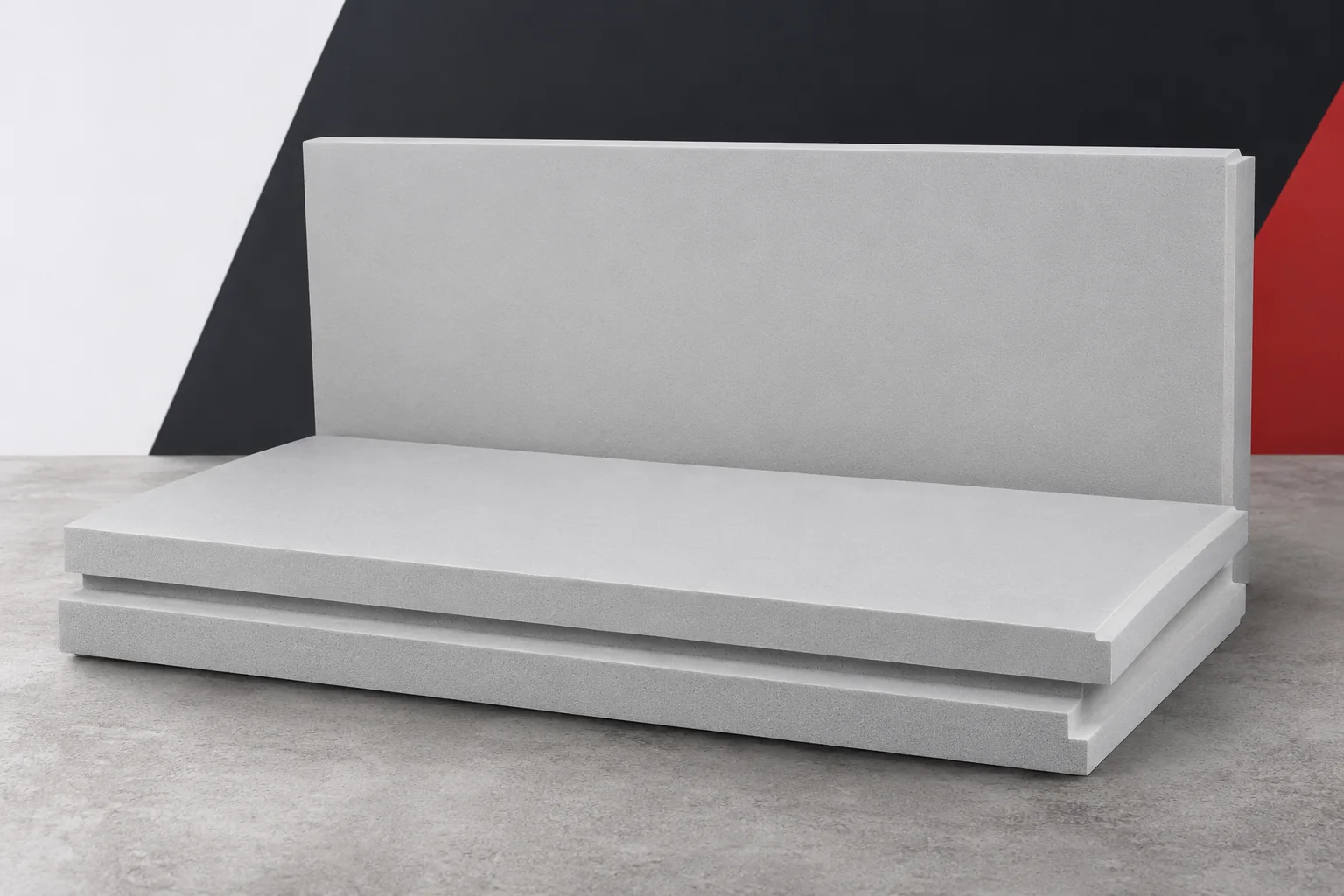
XPS is lightweight, so even a small amount of waste takes up considerable space. Renovation leaves whole boards, clean offcuts and pieces…
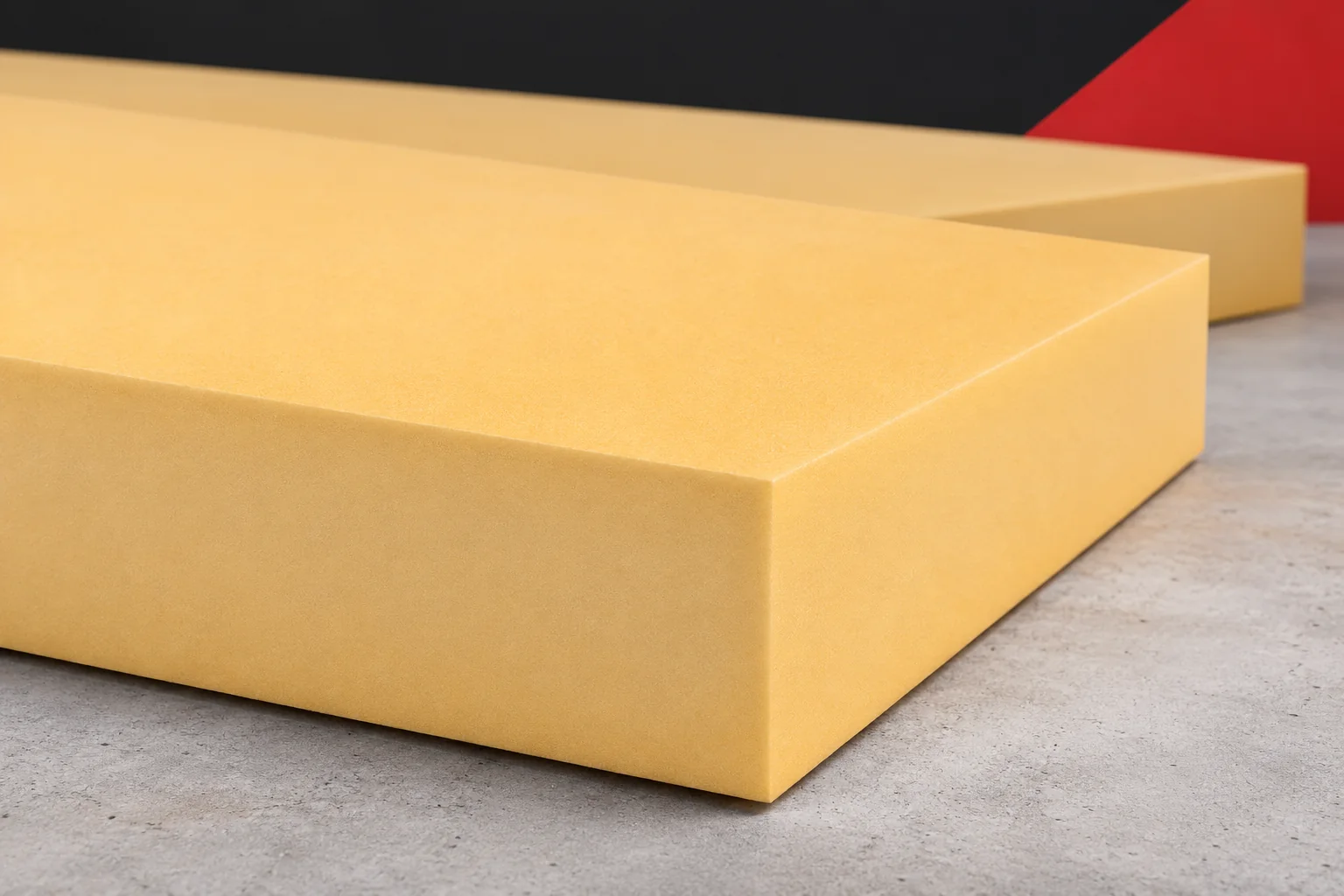
Resistance to moisture is a key reason for choosing XPS around foundations and on inverted roofs. Yet descriptions sometimes go too far…
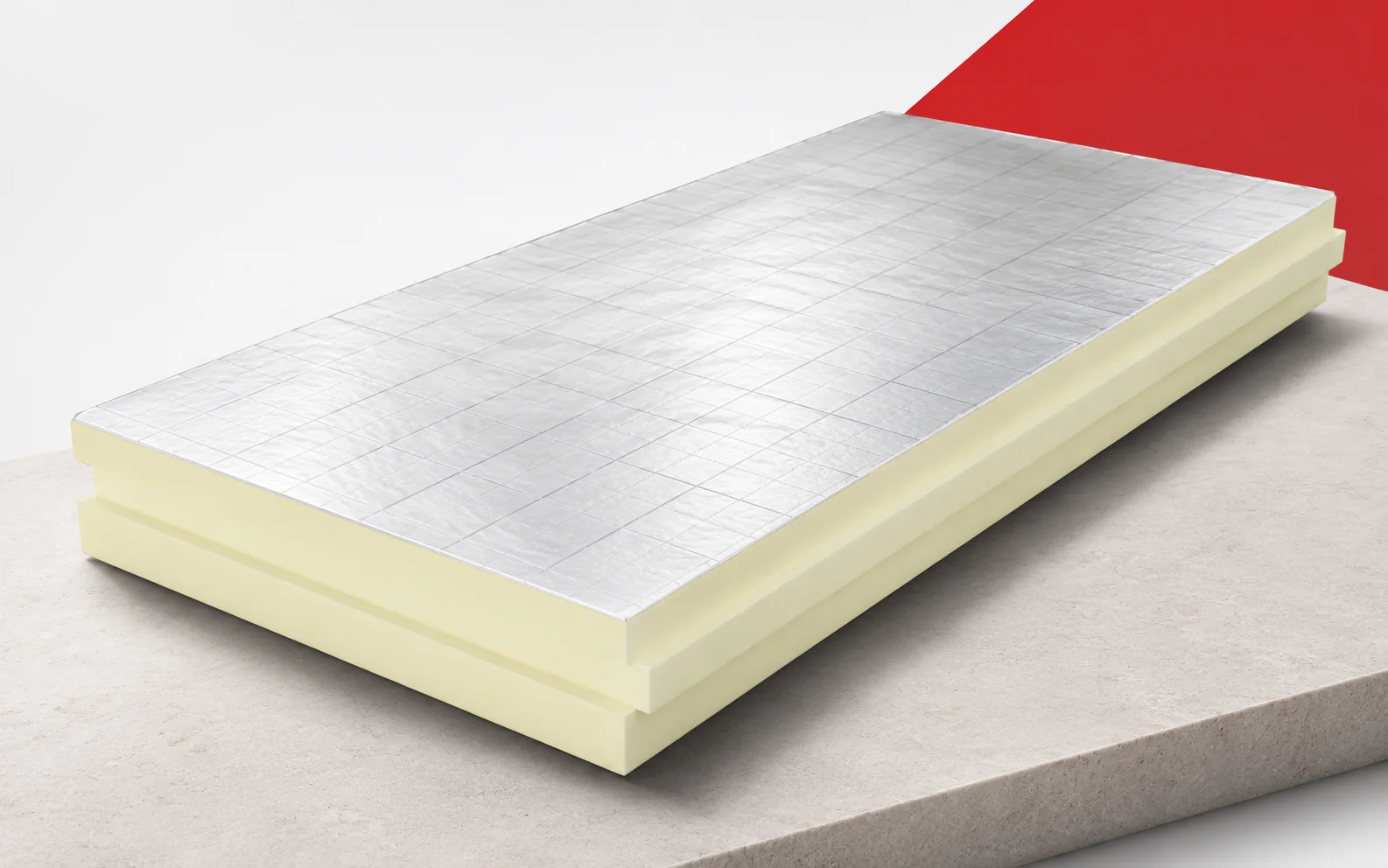
Begin a PIR versus XPS comparison with the installation location. A thin layer offering high thermal resistance can be valuable where space…
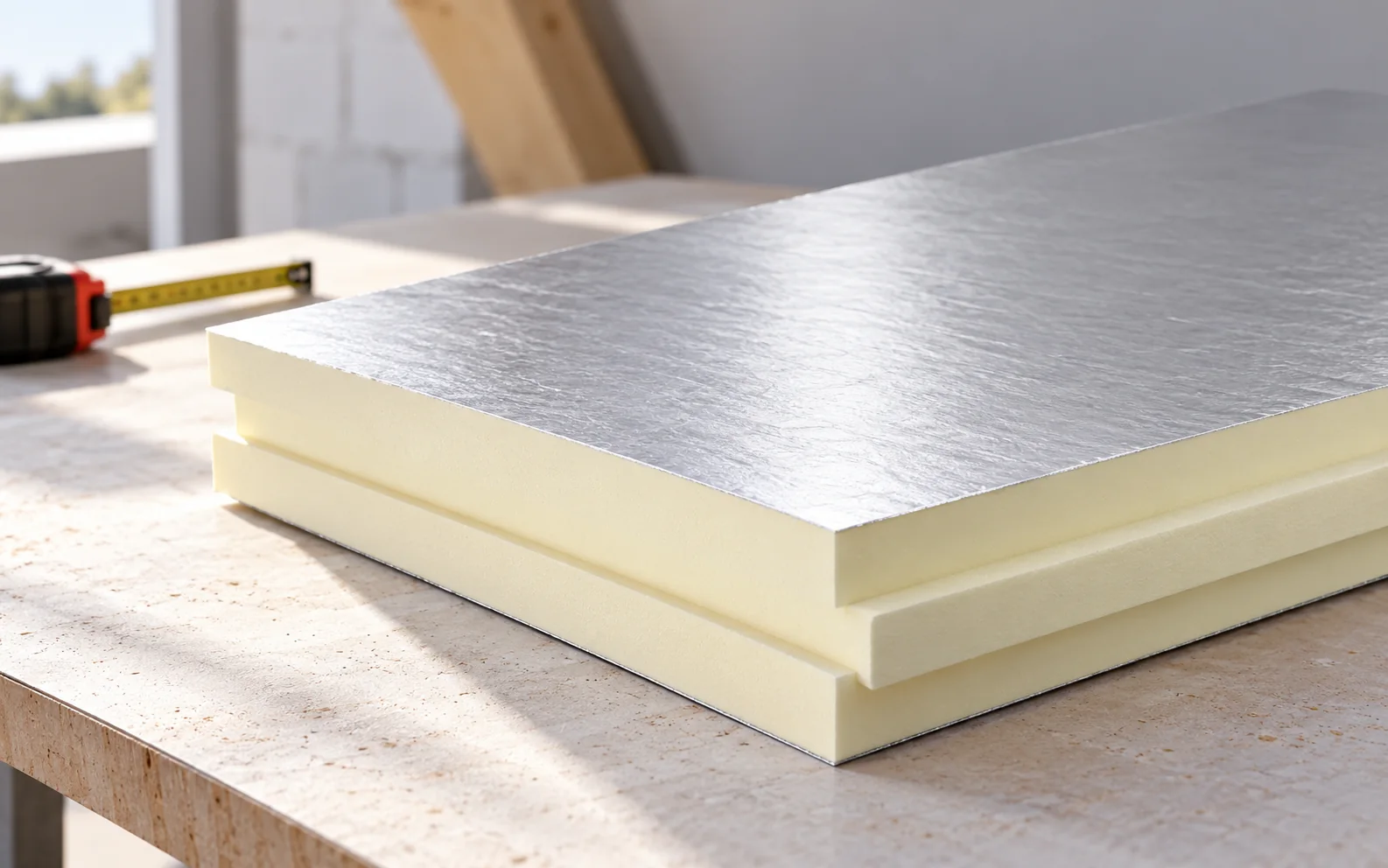
Select roof insulation for the layer arrangement, available height and loads. PIR often achieves the required thermal resistance at a smaller thickness.…