

Sheet metal and roofing
Checking a standing seam roof before its first winter
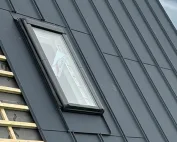
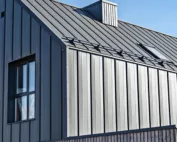
Before its first winter, check how water drains from a standing seam roof, whether the ventilation openings are clear and how flashings meet chimneys, windows and other penetrations. The raised edges of neighbouring sheets can be folded together on site or joined using a factory-made snap lock. The two systems can look similar while requiring different supports, roof pitches and fixings. Identify which system was installed, then use its details to guide the inspection. Much of the fixing is concealed. Installation photographs, the profile drawing and the first inspection record will help locate a fault if damp appears indoors later.

In this article
What identifies a standing seam roof?
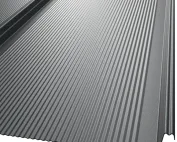
One snap-lock panel has a cover width of 510 mm, an overall width of 542 mm and a seam height of 25 mm. Other products have different widths and seam shapes. Record the designation of the panel installed on the house. Knowing only that it is a graphite-grey standing seam roof gives a roofer little to work with when ordering a replacement.
What determines whether the roof keeps out rain?
Raising the joint above the flat pan gives rain a less direct path inside. The seam must close correctly and suit the exposure and pitch. Inspect transverse joints, chimney and window flashings and abutments at walls. These details all contribute to the roof’s resistance to driven rain.
Water backed up behind ice or debris can reach joints differently from ordinary runoff. Before winter, inspect gutters and restrictions in the drainage path. Repairs should restore the intended detail. Smearing sealant across every joint can block drainage and conceal the cause of a leak.
How should ventilation and moisture beneath the sheets be checked?
Fresh plaster and screeds release moisture into the building during its first season. Moist air can pass through gaps and reach cold layers in the roof. If droplets appear below the metal, note when they form and the conditions indoors. Those observations help distinguish condensation from water entering at a seam.
Check the designed ventilation inlets and outlets and the continuity of the layers on the room side, including the air barrier. Blocking ventilation openings to keep out cold can delay drying. Choose the drying method to suit the roof build-up and the current stage of construction.
Which equipment can be attached to a seam?
Even a clamp that needs no holes must be approved for the seam shape, material and loads involved. This applies to service equipment and snow retention systems. Check how the load from each fitting passes through the covering into the supporting structure.
An improvised clamp fitted just before winter can distort the lock or restrict the thermal movement of a sheet. A new cable or duct penetration also needs a properly formed weathering detail. Match the fixing and penetration detail to the roofing system as well as to the equipment.

What signs should the owner record?
Record any new knocking in high winds, loose flashings or signs of water indoors. Note the location and weather. A single sound as the temperature changes may be normal. Have repeated noise or visible deformation checked on site; a distant photograph gives limited information.
Low sun can make changes in reflection across wide metal pans more noticeable. Assess appearance under the viewing conditions specified for the system. Slight waviness alone does not establish a leak. Use installation records and on-site checks to assess concealed fixings.
What should the first inspection record include?
Keep a description of the covering, photographs of junctions and a list of defects. Record any repair and its extent so the next inspection can identify recurring problems. Arrange safe access for inspection and cleaning. An icy slope should be inspected from a safe position.
A useful handover record identifies where water leaves the roof, which exposed junctions were checked and how the roof build-up allows moisture to escape. Add the contact responsible for follow-up so that the owner knows whom to call if symptoms recur over winter.
Questions and answers
Does every standing seam roof need snow clearing?
The decision depends on structural loads and conditions at the building. Any clearing operation must protect the people involved, the surface coating and the seams.
Does a standing seam roof need a different inspection from other roofs?
Inspect the specific seam closures, fixings and junctions. As with other roofs, also check drainage, penetrations, flashings and the condition of the roof layers.
7 branches. Materials closer to your project.

Free quote
Materials for your project






You may also find useful…
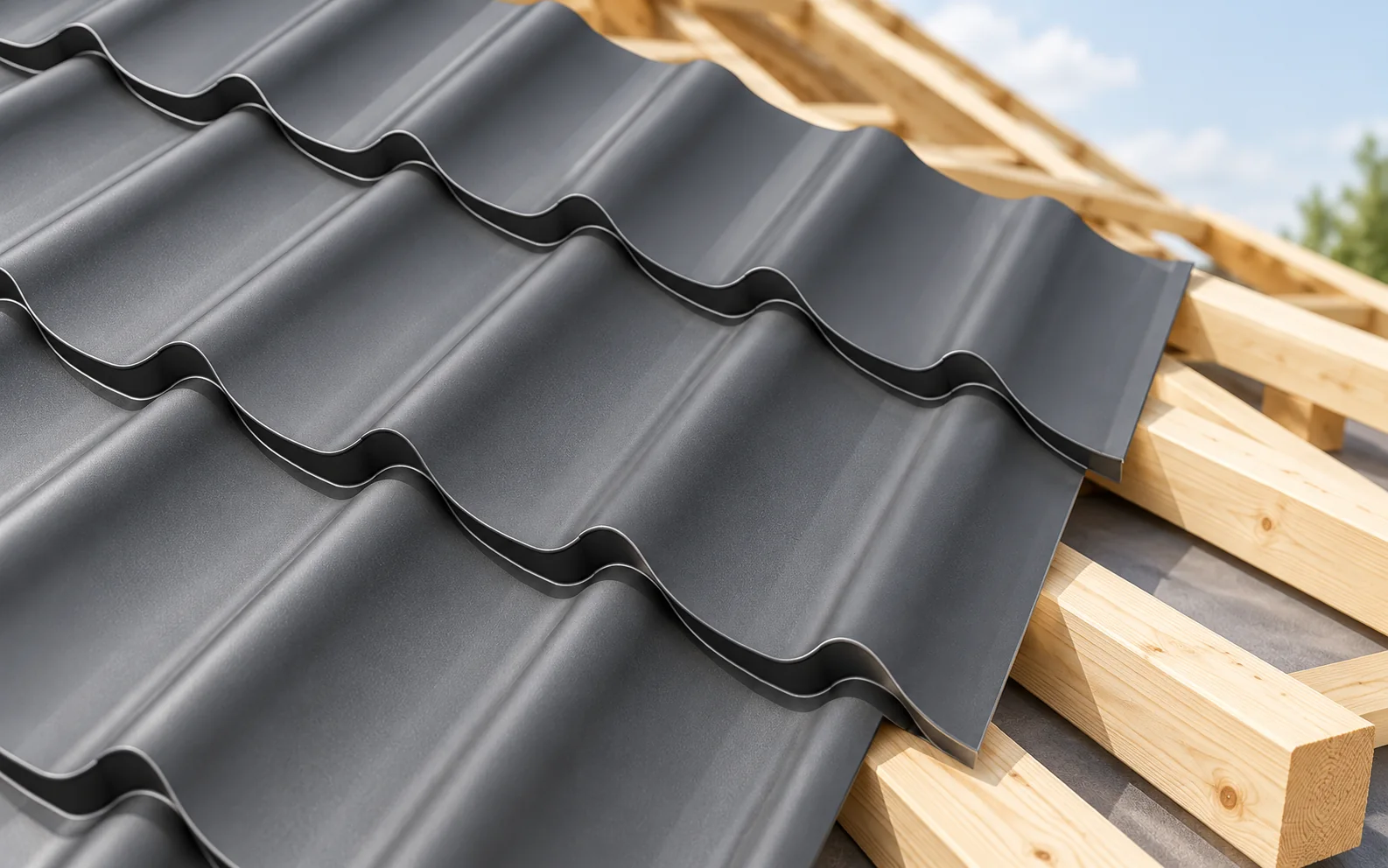
To compare quotations for a timber roof structure, give each carpenter the same drawings, timber species, strength class and installation scope. Check…
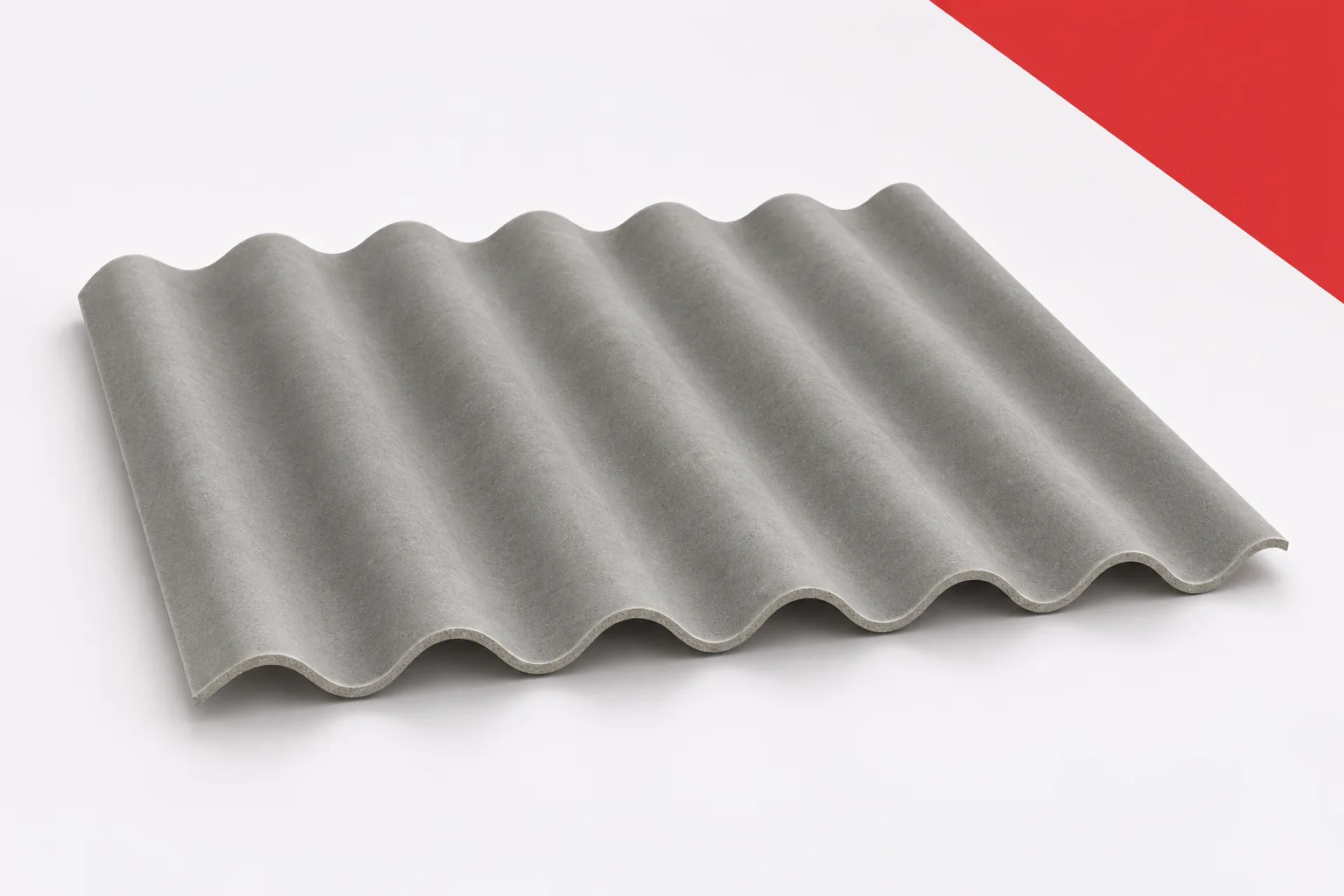
A small garden shelter does not need a complicated form, but it does need a properly designed roof. Fibre-cement sheets can give…
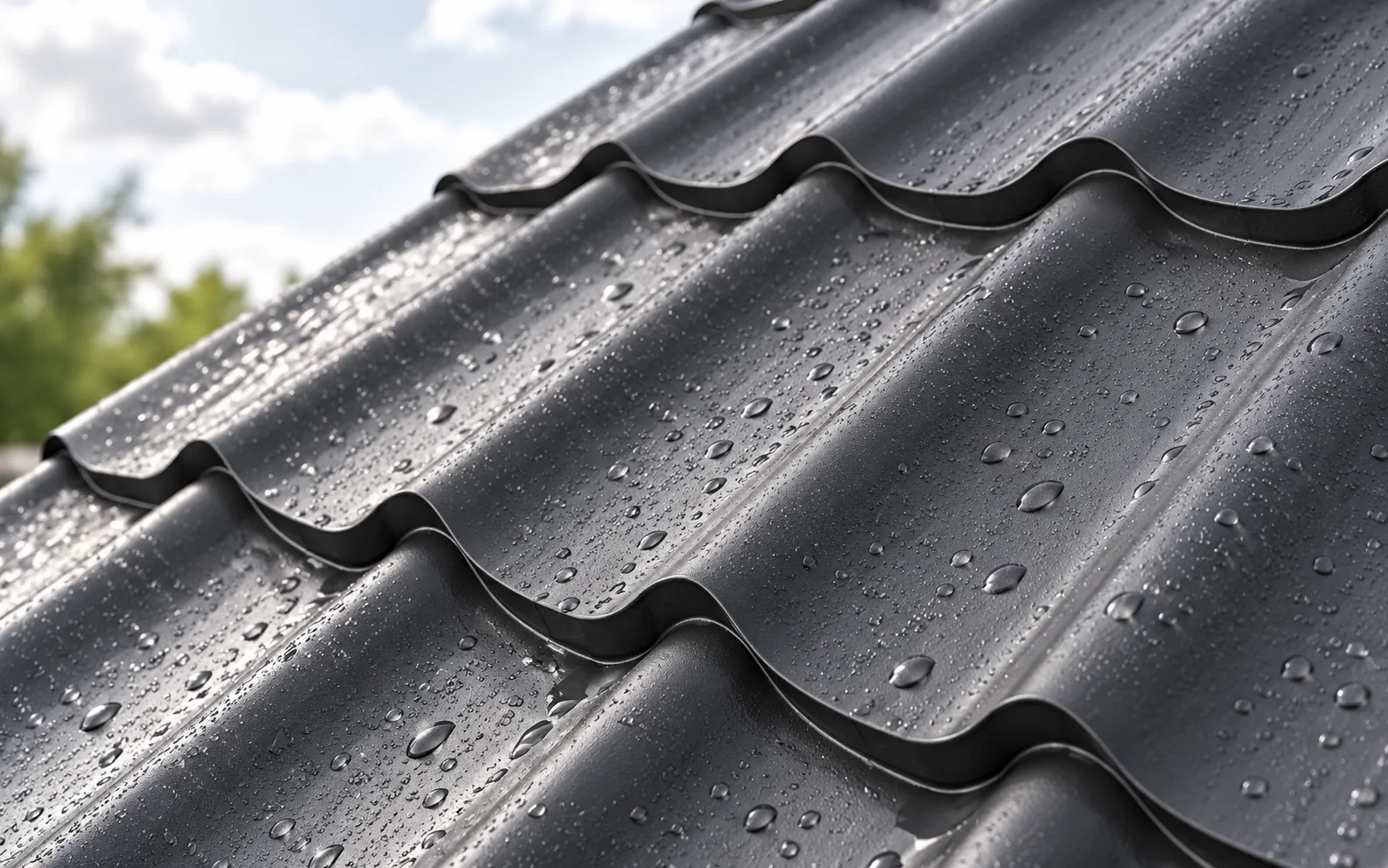
A leaking roof requires prompt action, but not every stain on the ceiling means the covering is not watertight. Water can run…
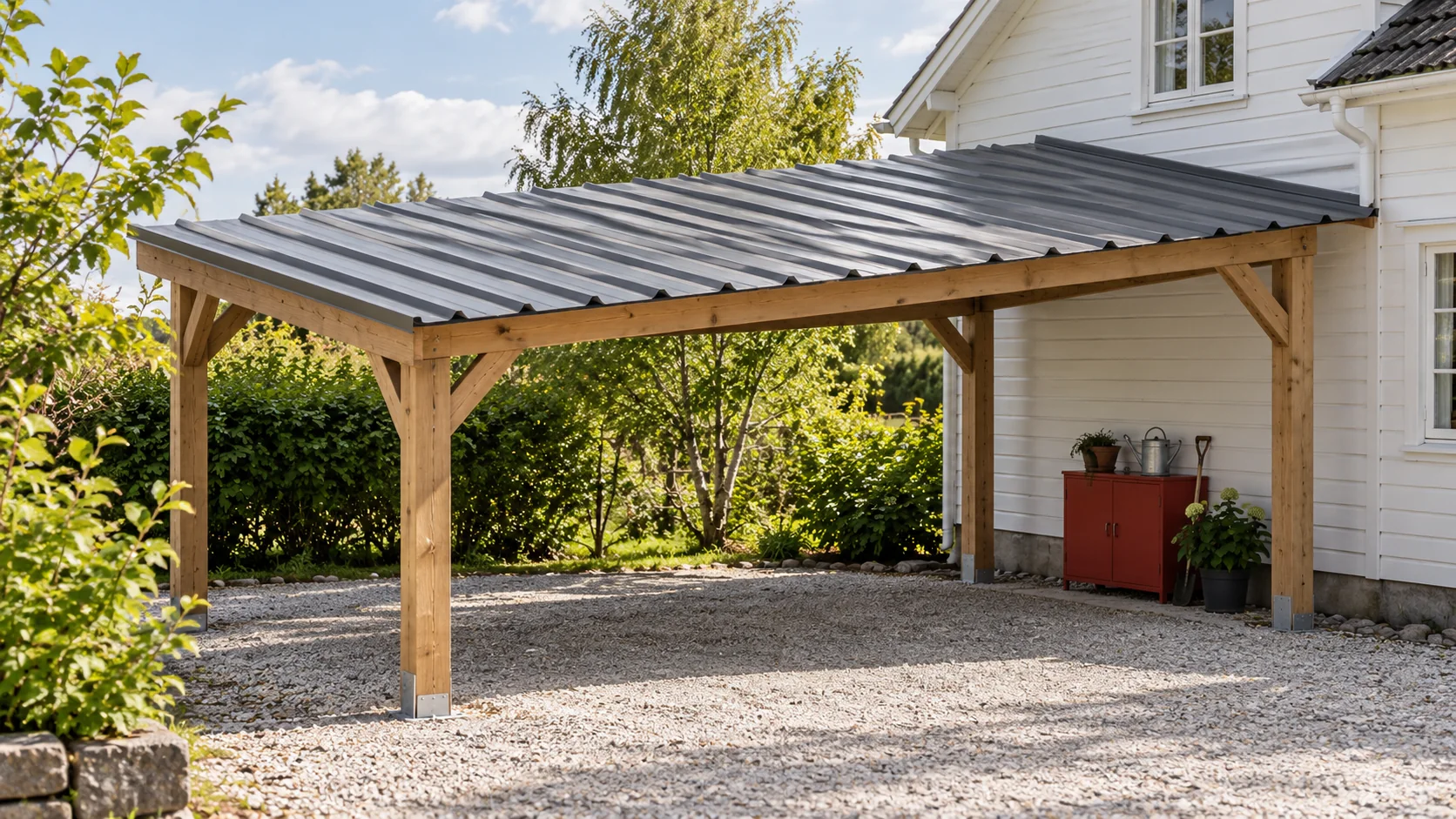
An affordable roof is one that suits the building and its expected service life. The least expensive covering for an open shelter…
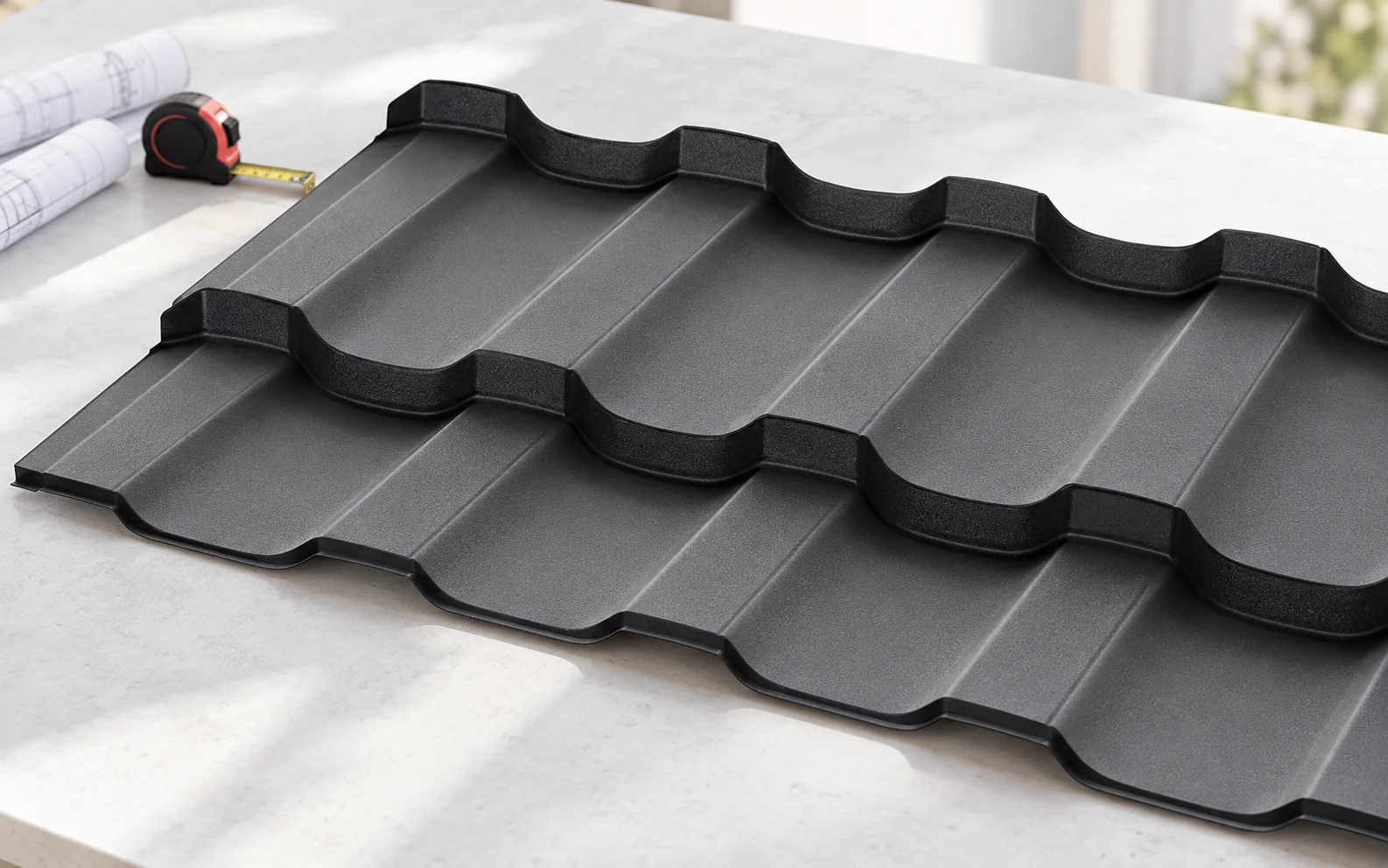
Ceramic tiles and tile-effect metal roofing are two different covering systems that should not be compared on price per square metre alone.…
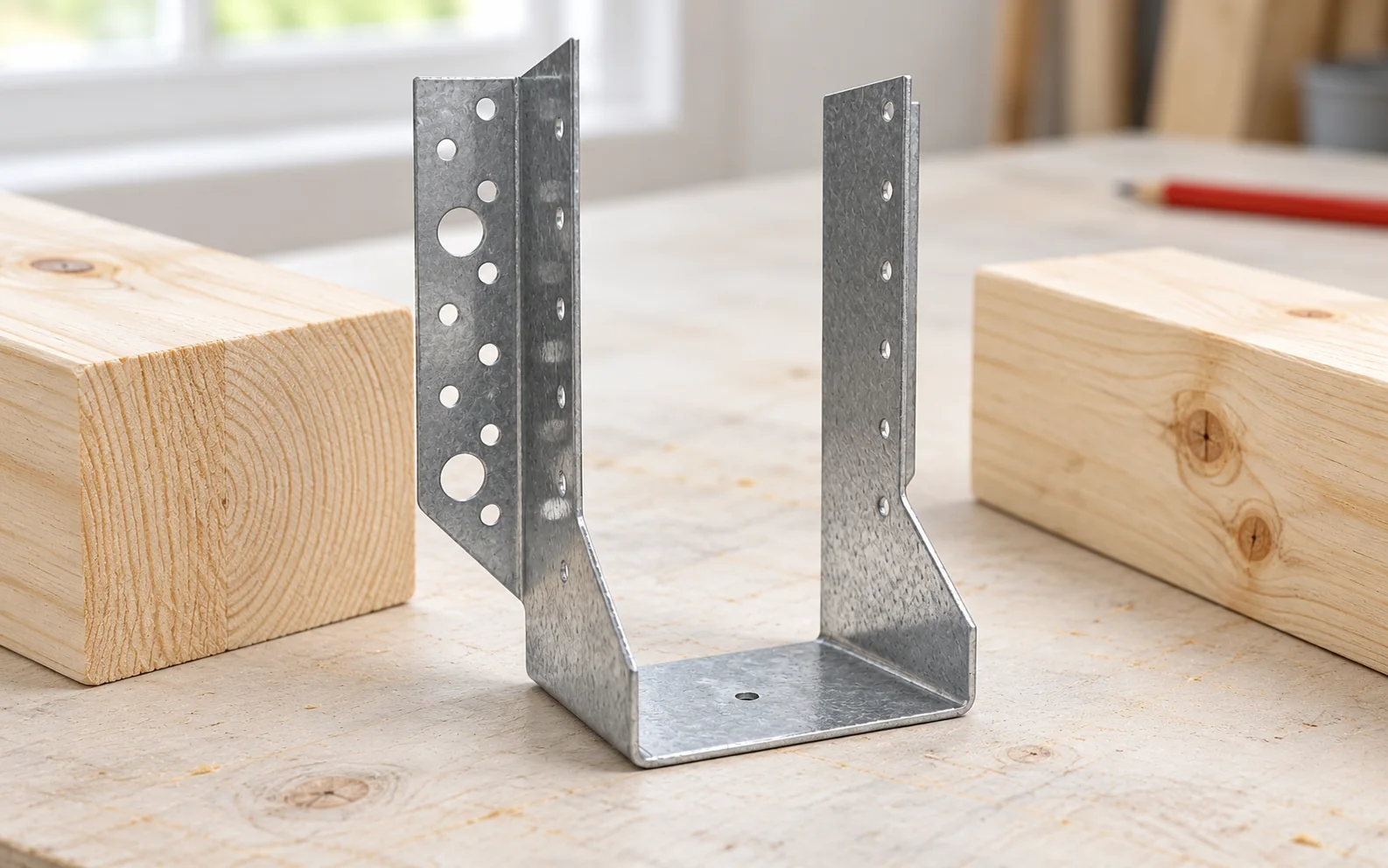
Timber joints in a roof structure are selected to suit the specific forces, the geometry of the node and the working conditions…

Both coverings can give years of service. The choice depends on the structure and how the roof will be used and maintained.…

Roofing film is too broad a term to use when buying the right material. The membrane under the covering has a different…