

Roof coverings
Ceramic tiles or tile-effect metal roofing? How to choose roofing for a house?
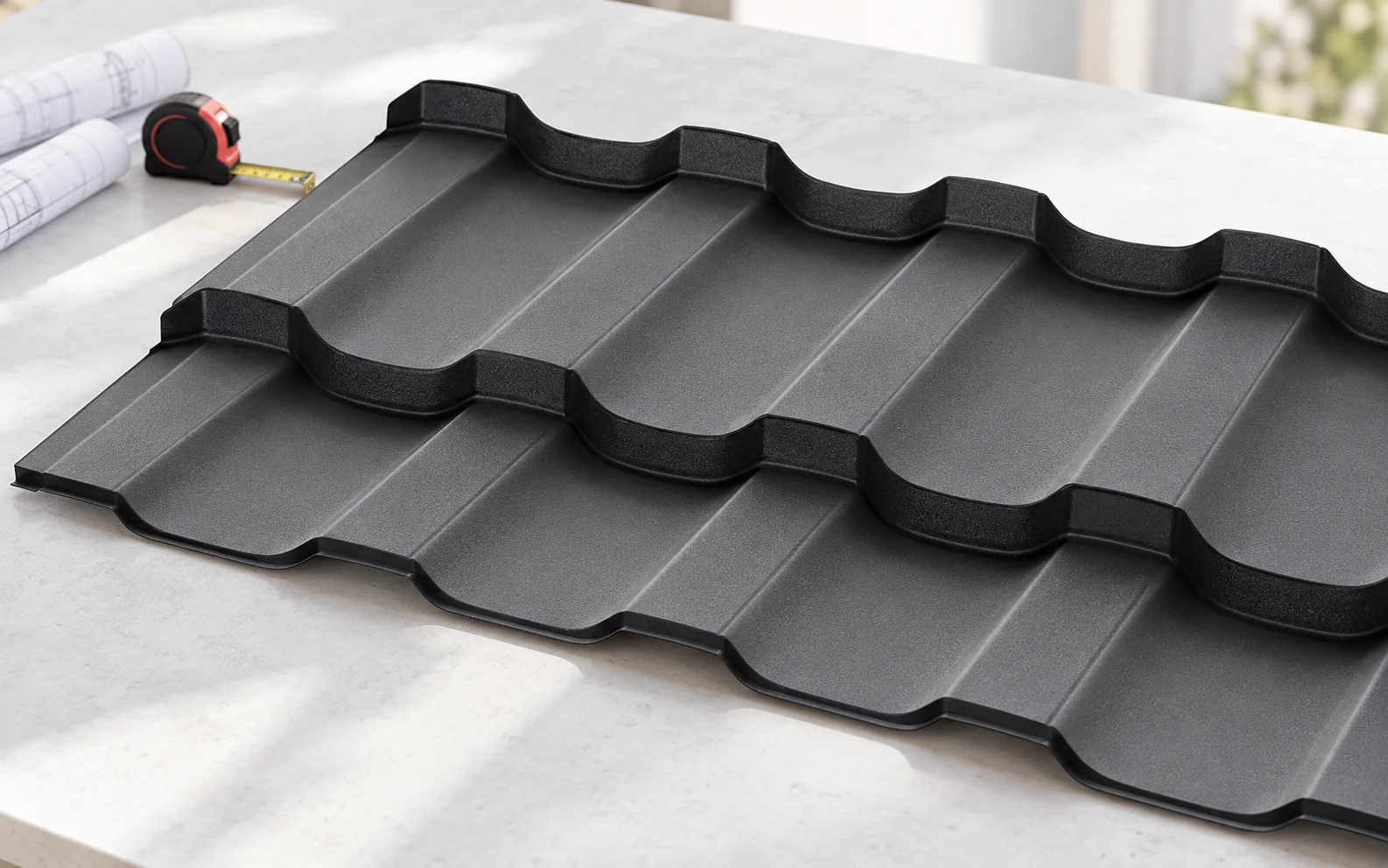
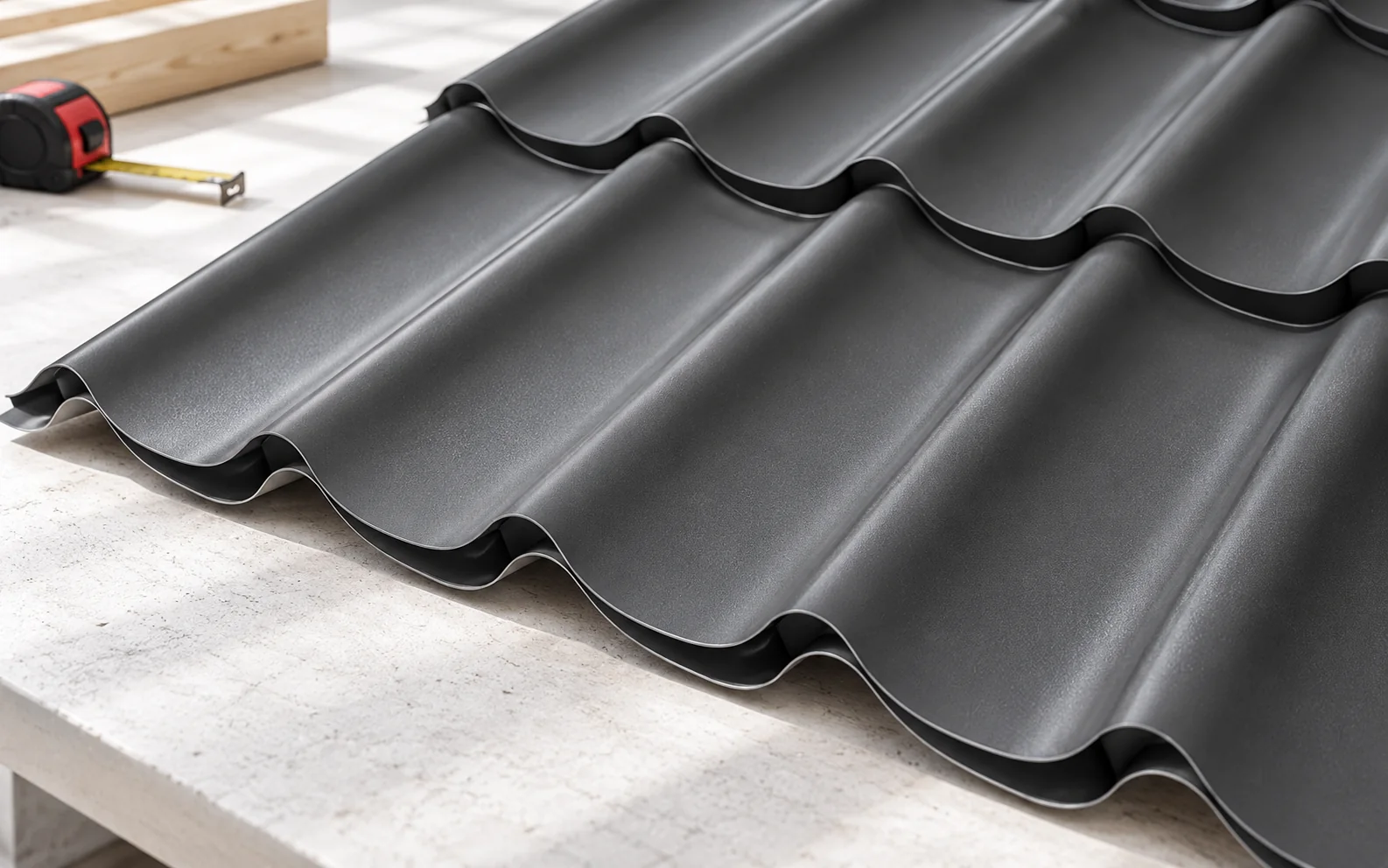
Ceramic tiles and tile-effect metal roofing are two different covering systems that should not be compared on price per square metre alone. Tile-effect metal roofing comes in large sheets or handy panels and usually adds far less weight than ceramic, which does not, however, exempt you from calculating dead loads, snow and wind. In a renovation, the condition of the rafters and connections must be assessed, and where there are numerous valleys and dormers, so must the cutting layout and offcuts. A full quote should cover the substructure, underlay, fixings, flashings and transport.
In this article
What can the structure support?
Changing the material requires checking the dead loads and the service conditions of the roof truss. Tile-effect metal roofing usually adds far less weight than ceramic covering. This does not mean, however, that timber sections can be reduced at will on a light roof. The structure also carries snow, wind and the remaining layers.
In a renovation, the condition of the old rafters and connections must be assessed. A lighter material can make modernisation easier, but it does not remove the effects of rot or deformation. Replacing metal with a heavier covering without calculations is particularly risky. The structural decision must be made before ordering the material.
How does the roof geometry influence the choice?
On a simple gable roof, long sheets of tile-effect metal roofing can be matched to the length of the roof slope. This reduces some of the joints and makes it easier to plan the cutting layout. With numerous valleys, dormers and changes of pitch, offcuts matter. Here it is worth comparing modular metal panels with a layout of small tiles.
The division into large and small elements alone does not determine the amount of waste. Not all offcuts can be reused. The direction of the pattern, the edges and the overlaps must be taken into account. A reliable quote should be based on a roof slope plan, not on a single percentage added to every house.
Will a heavier roof be quieter?
The mass of the covering matters for the sound of precipitation, but comfort in the attic depends on the entire assembly. Sound-damping layers, airtightness and the interior finish are important. Comparing material samples alone does not reflect what will be heard in the finished bedroom.
In a metal roof, it is particularly worth ensuring correct support and the layout of acoustic insulation. Good thermal insulation must not be equated with equally good sound insulation. Different materials fulfil these tasks differently. The design should take the expected comfort of the rooms into account.
What do repairs and maintenance involve?
A single tile can be replaced locally in many layouts. A damaged panel of tile-effect metal roofing can also be replaced, but access depends on the joints. A long sheet requires greater intervention than a small element. Neither variant means a complete absence of servicing work.
On metal, the coating and the fixing points are checked. In ceramic covering, the condition of the individual elements and their fixing are also important. In both cases, the outlets must be cleaned and the flashings monitored. A leak often results from a detail rather than from wear of the main roof slope material.

What should be compared in appearance?
Ceramic has its own texture and way of reflecting light. Tile-effect metal roofing can reference traditional tiles or create a calmer, more geometric pattern. The choice depends on the building form and its surroundings. A catalogue photo is worth replacing with a viewing of a completed project of a similar scale.
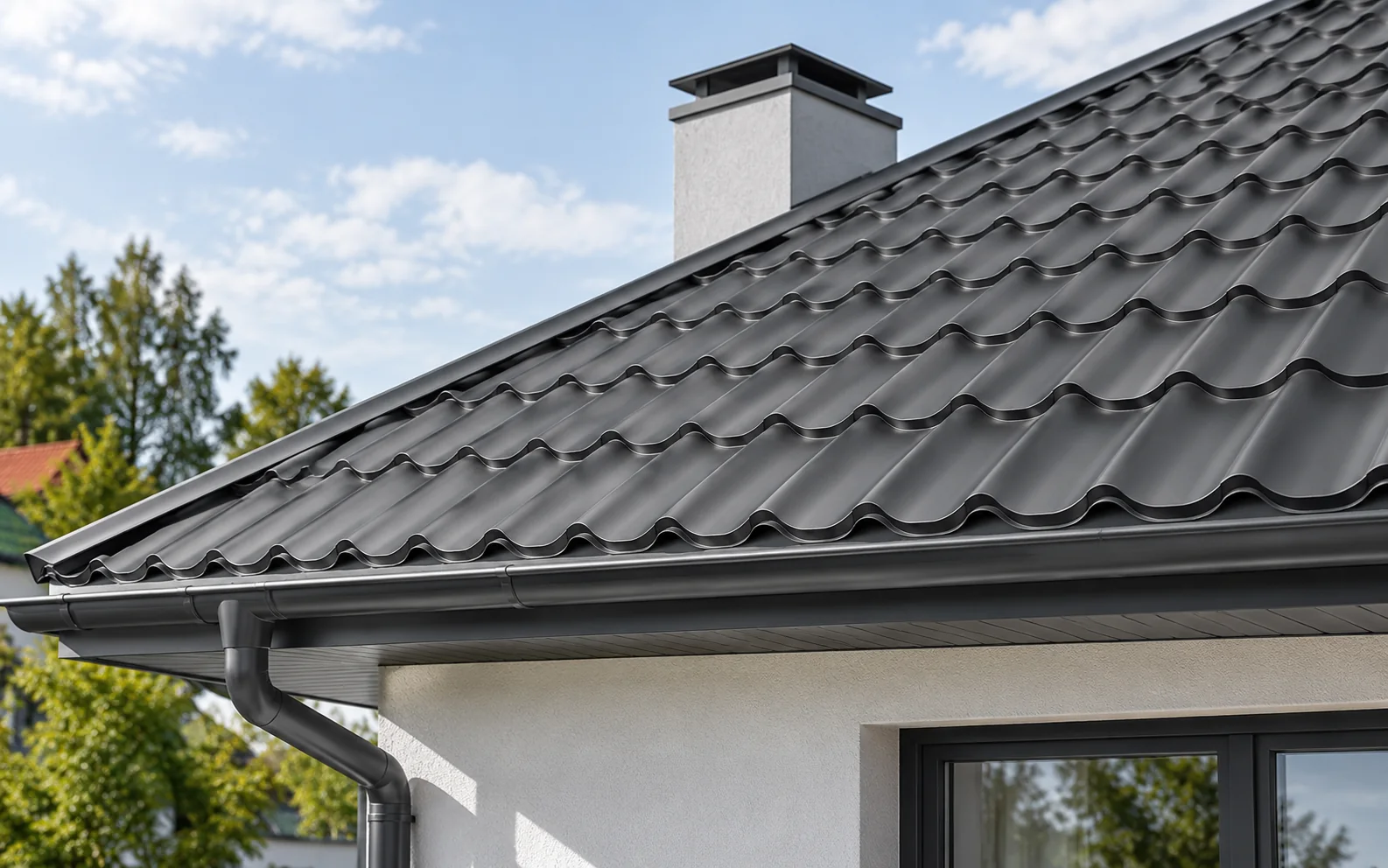
With dark colours, pay attention to matt and gloss. Also look at the elements at the eaves, ridge and edges. These influence the final appearance of the roof. The aesthetics of the material alone are not enough when the flashings or gutters are chosen at random in relation to the rest of the house.
How to compare the full cost?
Both quotes should contain the same scope of work. Include the substructure, underlay layers, ventilation elements, fixings, flashings and transport. Also check the costs of unloading and any reinforcement of the roof truss. The price per metre of the main material is only one item.
For metal, distinguish the total area from the effective area. For tiles, count the required pieces and special elements. Only a complete schedule shows the difference in expenditure. Do not assume that a higher price for the basic element must mean a proportionally more expensive roof once completed.
When does the building’s purpose decide the matter?
In a renovation, the condition of the structure and the organisation of the works matter. In a new house, appearance, attic comfort and a planned PV installation may be important. The choice of covering must suit the minimum roof slope. These conditions are checked for a specific model, not a general group of materials.
If both variants meet the assumptions, only then can the decision be made according to taste and budget. Ask for two complete proposals for the same design. Changing the material at a late stage can affect the eaves, the height of details and the way windows are installed, so it is worth thinking it through earlier.
A tip before ordering
When comparing two offers, highlight all missing items in colour. In particular, check the accessories at the edges, the ridge ventilation and transport. That is often where an apparent price advantage is hidden.
What is worth remembering?
The choice between ceramic and tile-effect metal roofing should follow from the structure, the geometry and expectations regarding the entire roof. Light metal can be a good solution without giving up aesthetics. The durability of both variants is largely determined by correct details.
7 branches. Materials closer to your project.

Free quote
Materials for your project
You may also find useful…
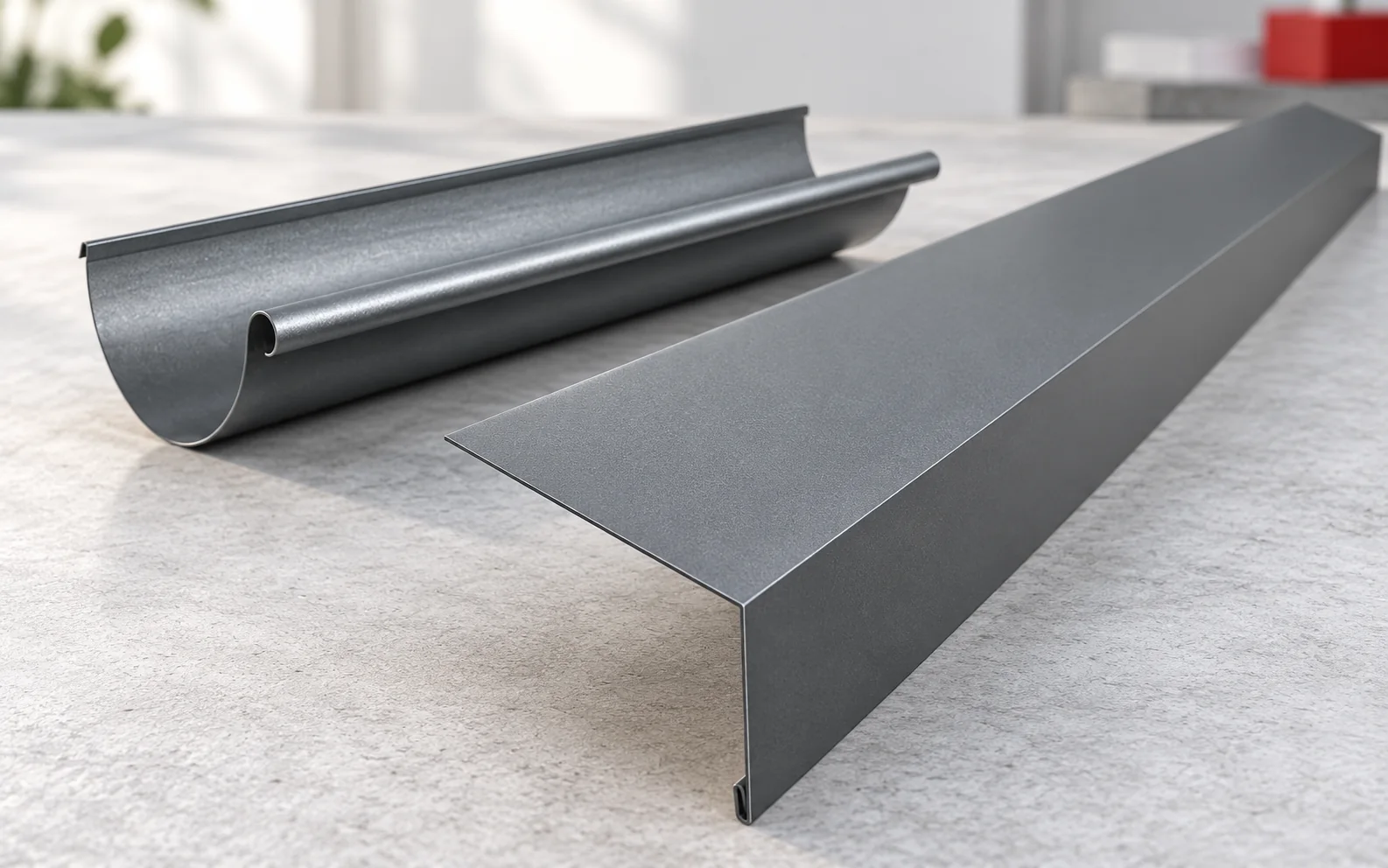
The gutter apron collects water in the eaves zone and shields the vulnerable end of the roof slope, so its shape must…
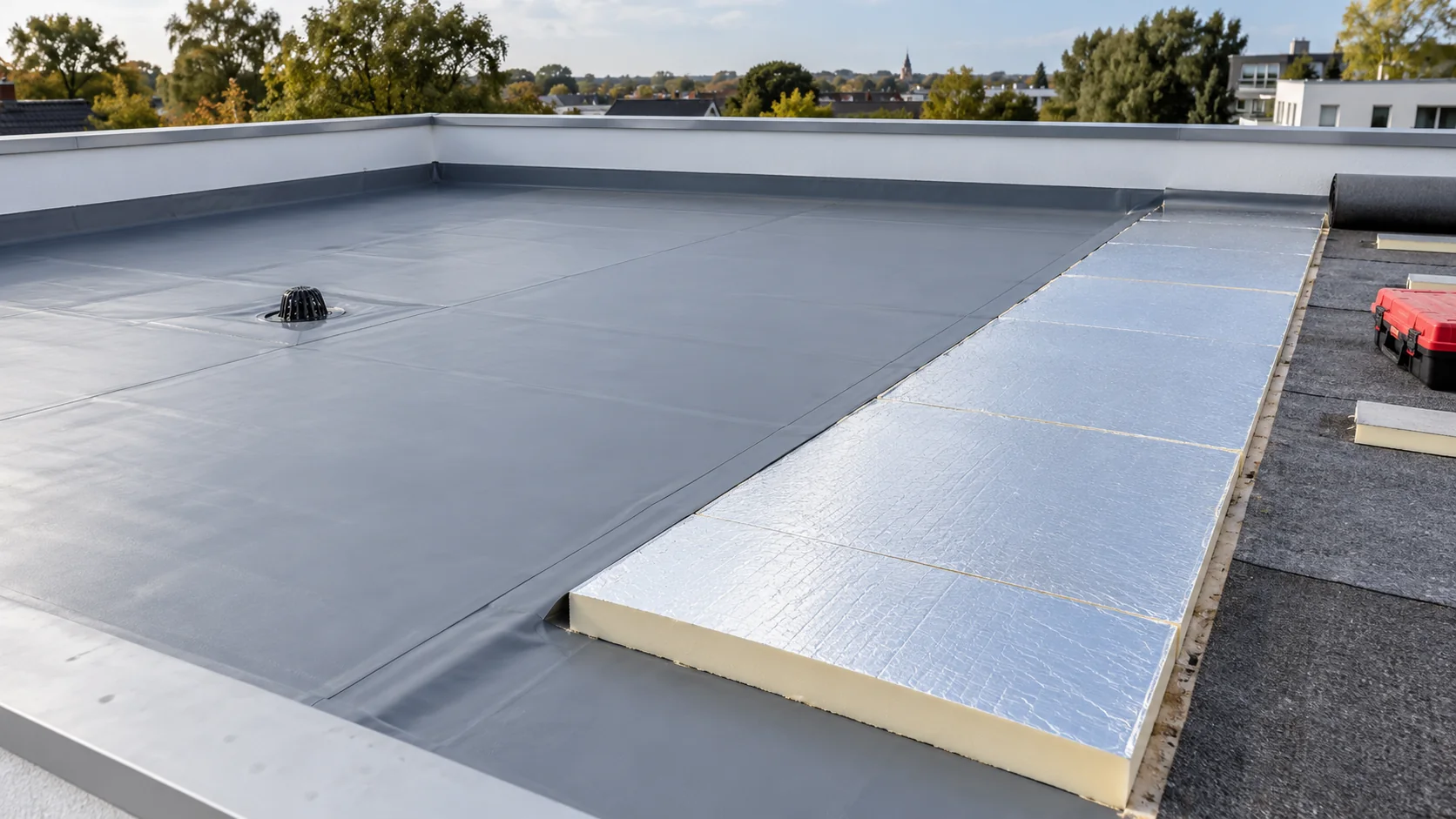
Flat-roof insulation selection starts with the position of the waterproofing. In a conventional warm roof it protects the insulation from above; in…
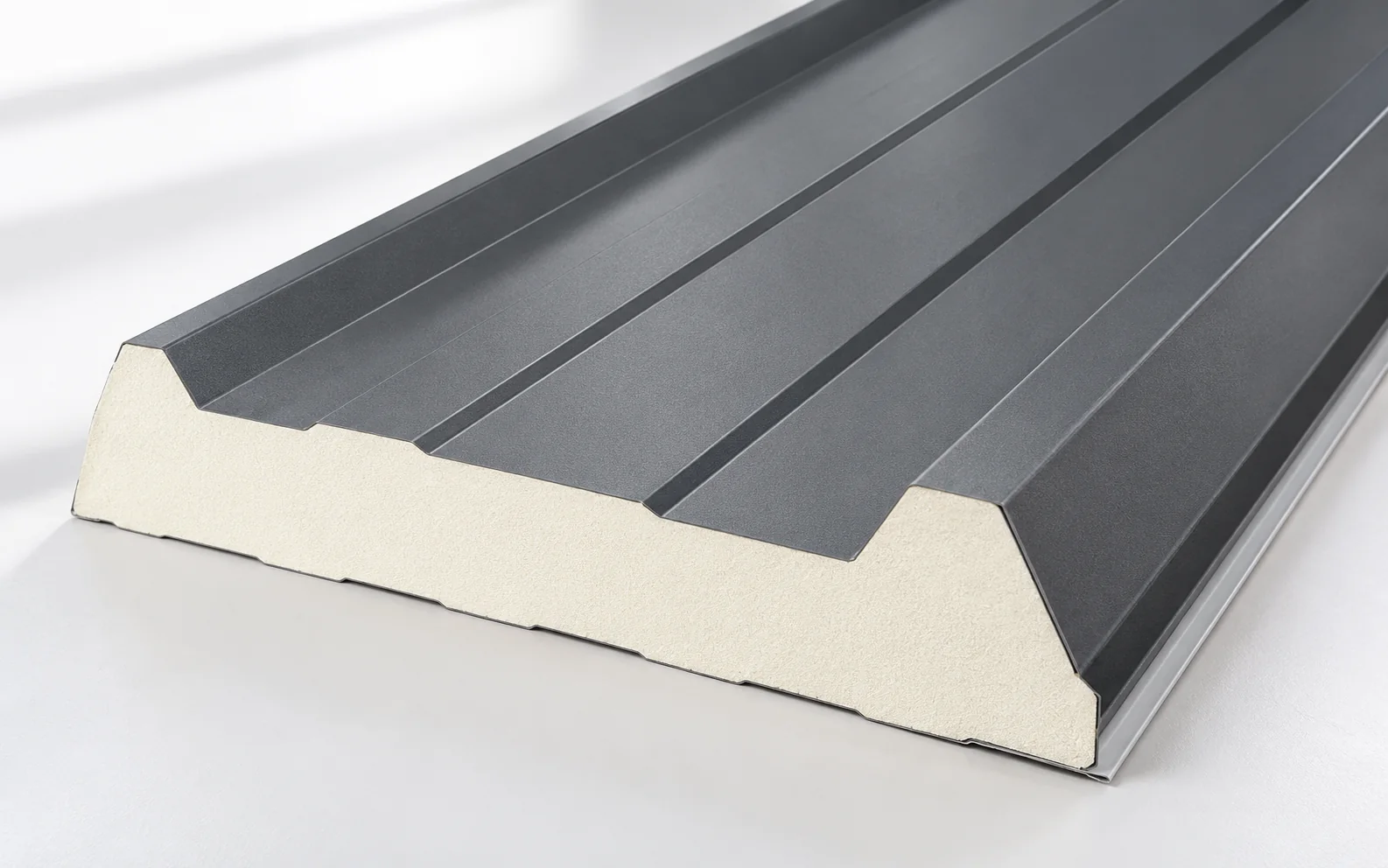
A roof sandwich panel combines metal facings with an insulating core. It can reduce the number of operations needed to build the…
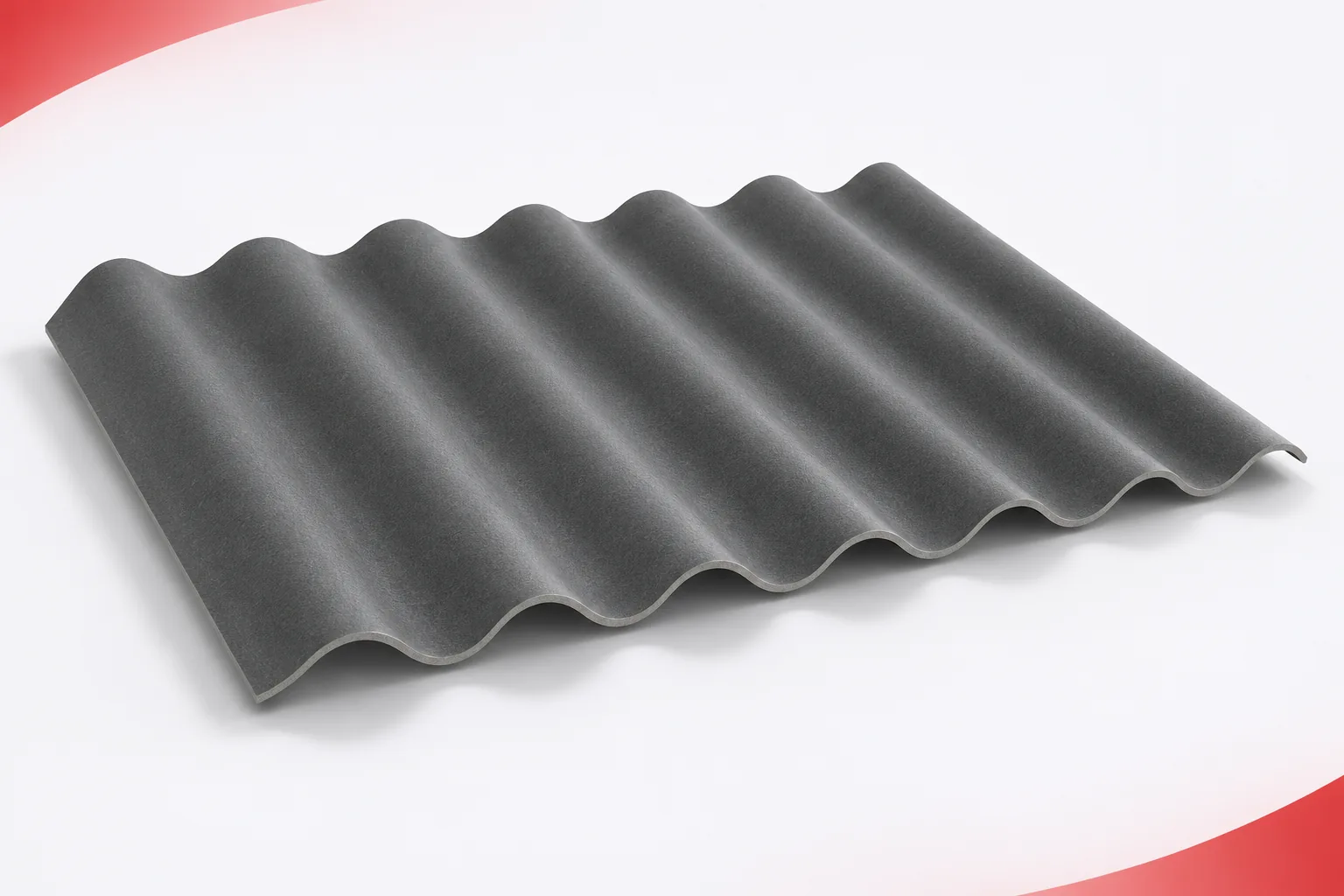
Asbestos-free fibre cement is often chosen with a view to a durable roof and fewer frequent renovations. That is a sensible direction,…
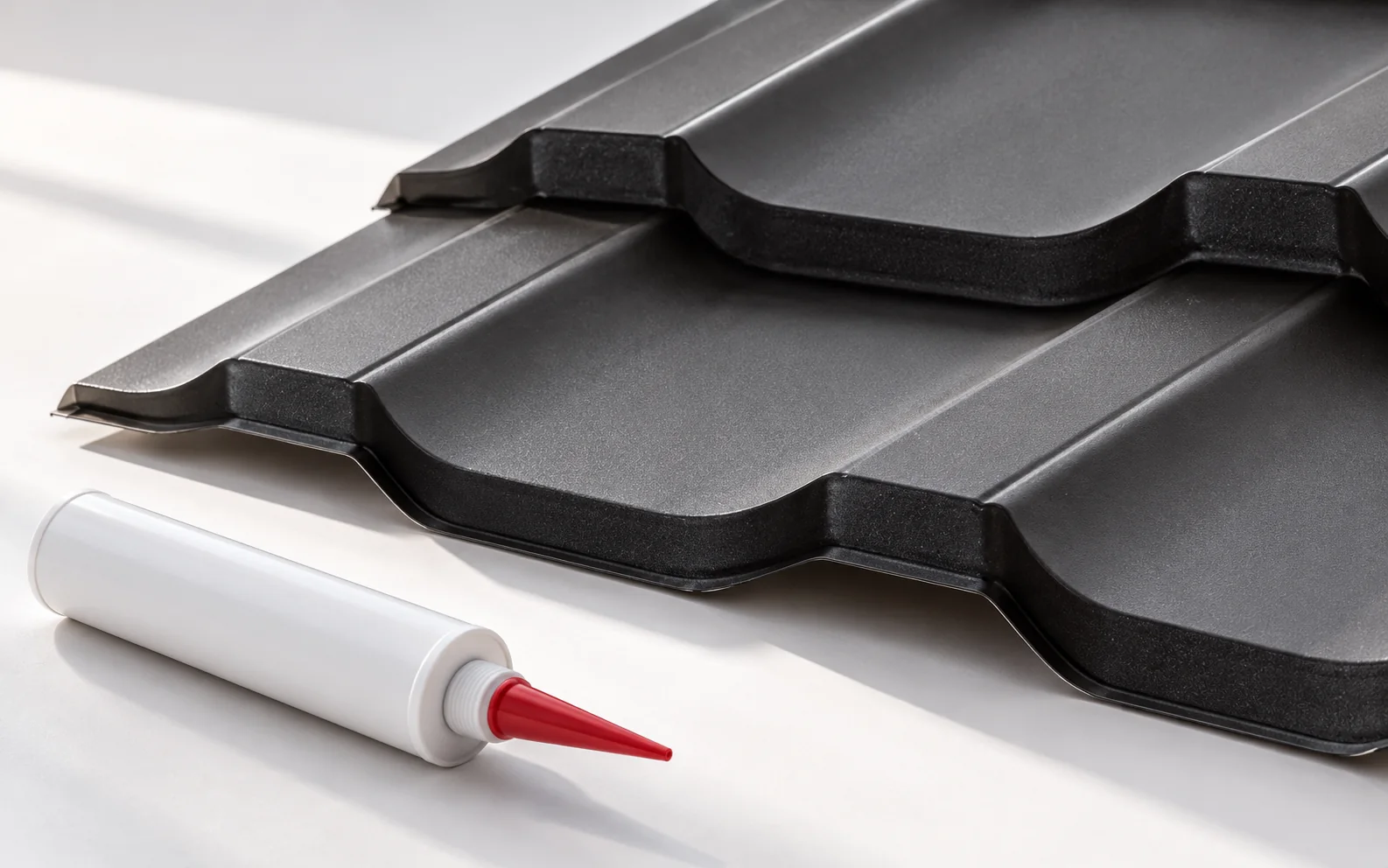
A leak in a metal roof requires determining the location and cause of the leak before reaching for a repair product. Tape,…
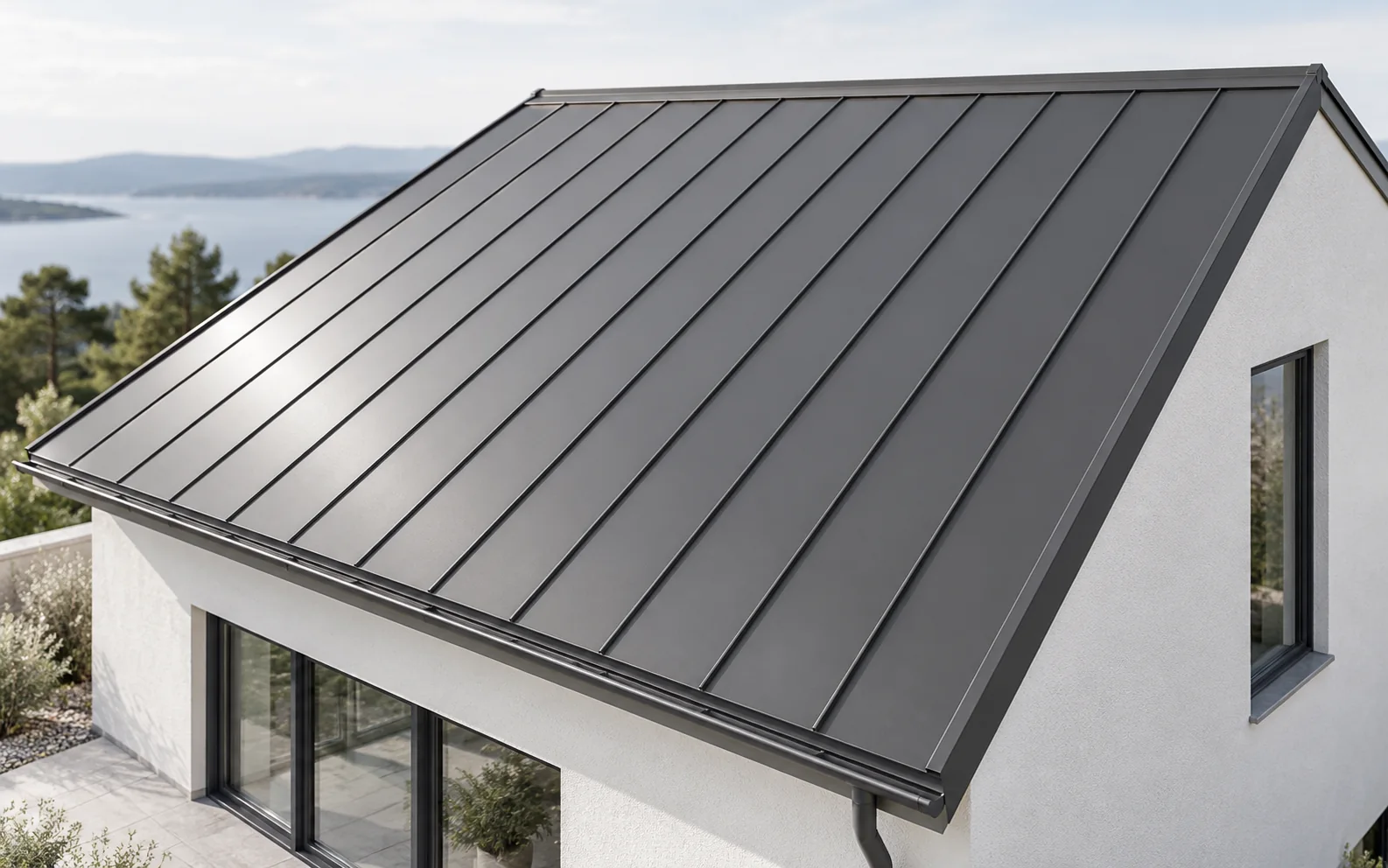
A standing seam metal roof is chosen primarily for the calm vertical pattern of the roof slope, which organises the elevation from…
The roof pitch is a value that must be established before choosing a covering, because water run-off, the requirements for laps and…
Once the asbestos sheets have been removed, the roof needs a new covering, but the choice between trapezoidal steel sheet, tile-effect metal…