

Sheet metal and roofing
How the layers of tile-effect roofing protect the steel from corrosion
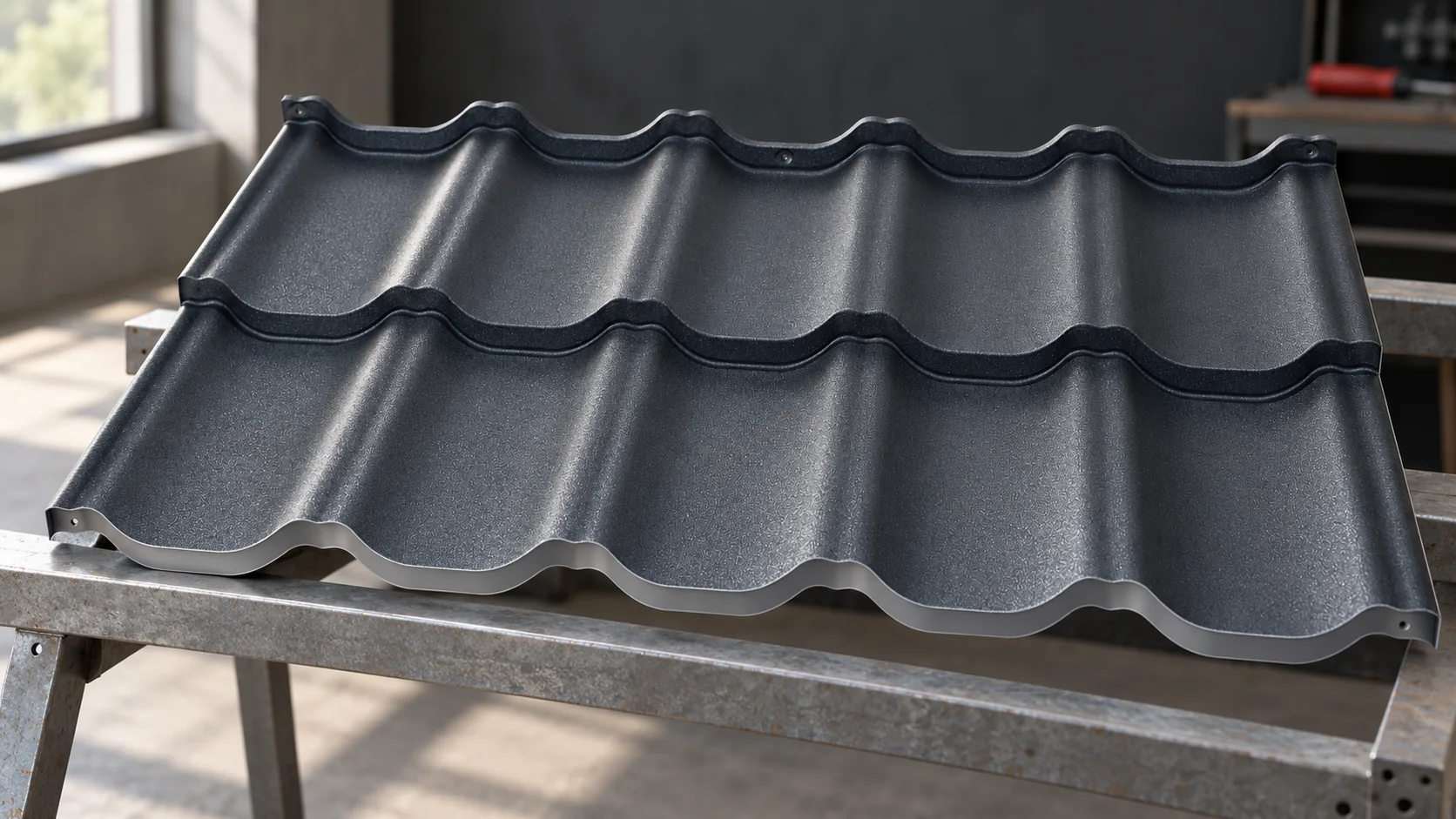
Tile-effect roofing is formed from thin steel sheet. Its longitudinal waves and transverse steps give it the appearance of tiles and contribute to stiffness. The steel needs suitable supports and fixings, while a metallic coating and surface finish protect it from exposure. The visible colour is only the outer part of this system. When choosing or inspecting a roof, check the steel specification, the coatings on both sides and the condition of cut edges and screw holes. If a rust mark appears, first establish whether it comes from the sheet itself or from a metal shaving left on the surface.
In this article
What gives the sheet its shape and stiffness?
One modular sheet uses 0.5 mm steel and has a pressed step every 350 mm, with specified overall and cover widths. Those figures describe that particular module. To assess another sheet, compare the material, profile geometry and fixing method as well as the appearance of the wave. Apply loads only as the system permits.
How does the metallic coating work?
The steel carries a metallic protective layer, for example zinc. Its type and coating mass are specified for the product and form part of its corrosion protection. A silver appearance does not identify the coating specification. Similar-looking substrates can have different protective treatments.
Protection has limits where the sheet is badly damaged, stays wet or meets aggressive substances. Cuts and holes require careful workmanship. Trace any rust to its source. A rusting shaving on top of the roof can leave a stain even when the steel core below is intact.
What lies beneath the coloured surface?
A coated sheet has a prepared surface and layers that provide adhesion and protection. The weather face carries an organic finish with defined properties. The underside has the protective treatment specified for that product. The exact sequence of layers varies between coating families.
Check which face is designed for outdoor exposure before considering a reversed sheet. Compare the coating’s suitability for the site, sunlight and mechanical damage. Coating thickness is only one property. A thicker layer of a different material can perform differently.
How does fabrication affect protection?
Cutting and drilling expose edges and produce swarf. Use tools approved for coated sheet that minimise damage to the protective layers. Heat and sparks from abrasive cutting can harm the finish. Follow the specified cutting method and support finished pieces carefully during handling.
Remove metal particles after installation, especially from the troughs and around flashings. Moisture can make trapped swarf rust and stain the roof. Before attempting to remove a mark by abrasion, determine whether the finish is damaged or a deposit is sitting on it. The cause determines the repair.

How do roof details affect coating performance?
Standing water can expose even a well-coated sheet to prolonged moisture. Look for blocked valleys and flashings that trap runoff. Sealants, adjoining metals and repair compounds must be compatible with the specified finish. Check compatibility before use.
Select and seat fixings correctly. A damaged washer or a deep indentation around a screw can let water reach the fixing hole. The covering must also retain the movement allowance specified for temperature changes. Corrosion protection therefore depends on how the entire assembly is detailed and installed.
What should you do if the surface changes?
Distinguish dirt, a local scratch, chalking and corrosion before acting. Wash the surface as specified for its finish and avoid harsh cleaners or heavy scrubbing. If a warranty applies, agree how the condition will be assessed before treating it yourself. A repair can obscure the original damage.
A small defect can sometimes be touched up with a compatible paint. Recoating a large area requires different preparation and a suitable renovation system. Record the coating designation and the work carried out. Weathering can change the surrounding colour over time, so keep a local touch-up as small as the repair permits.
Questions and answers
Is tile-effect steel roofing made from several thick plates?
Tile-effect roofing is a thin profiled sheet with protective layers. A sandwich panel has a different construction, with two facings bonded to an insulating core.
Does every scratch require a replacement sheet?
Assess the depth and extent of the damage and the surrounding finish. A repair method suited to the particular coating may be sufficient for a local scratch.
7 branches. Materials closer to your project.

Free quote
Materials for your project
You may also find useful…
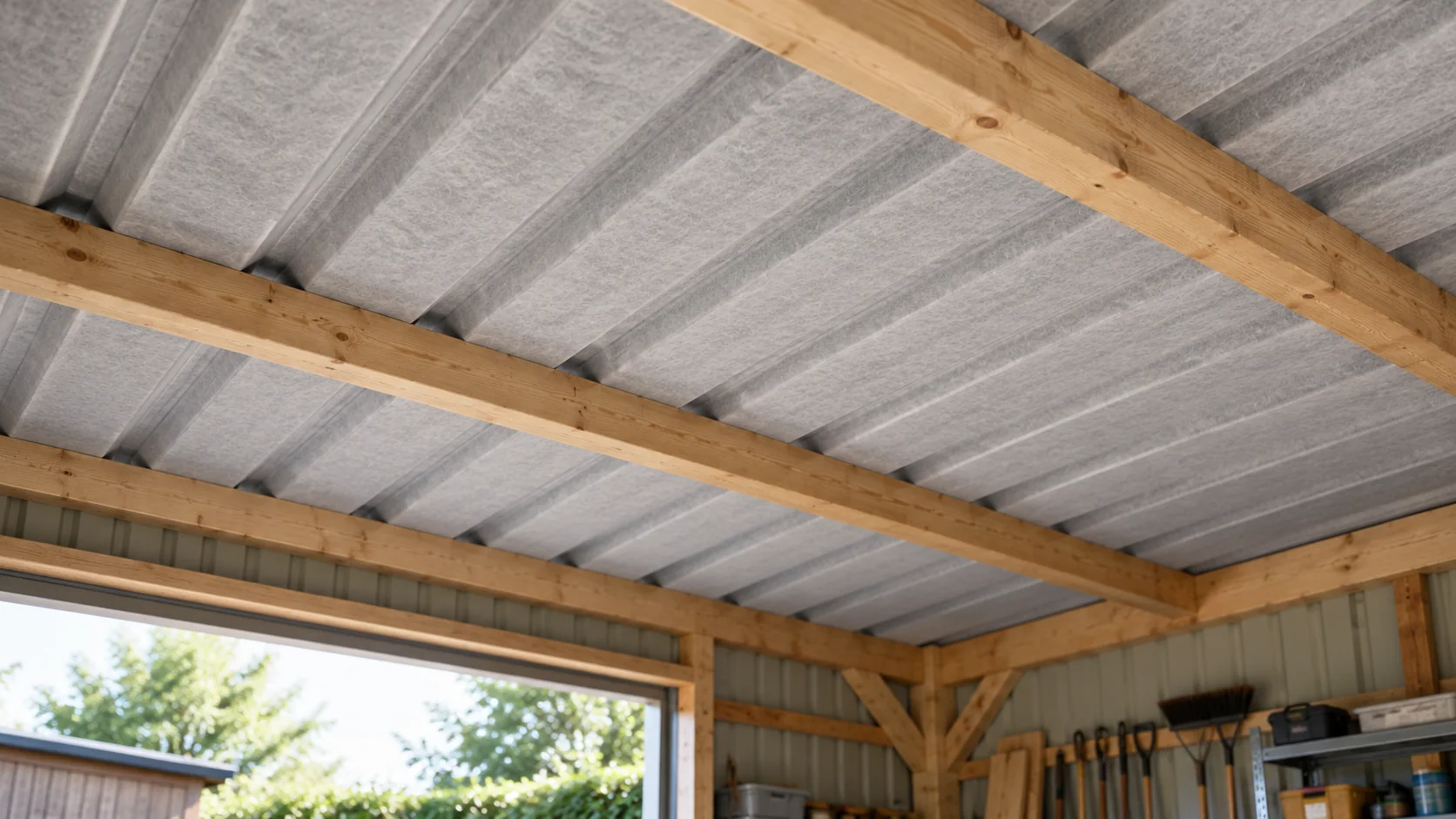
Anti-condensation fleece can reduce dripping from the underside of an uninsulated metal roof if it has time to dry between periods of…
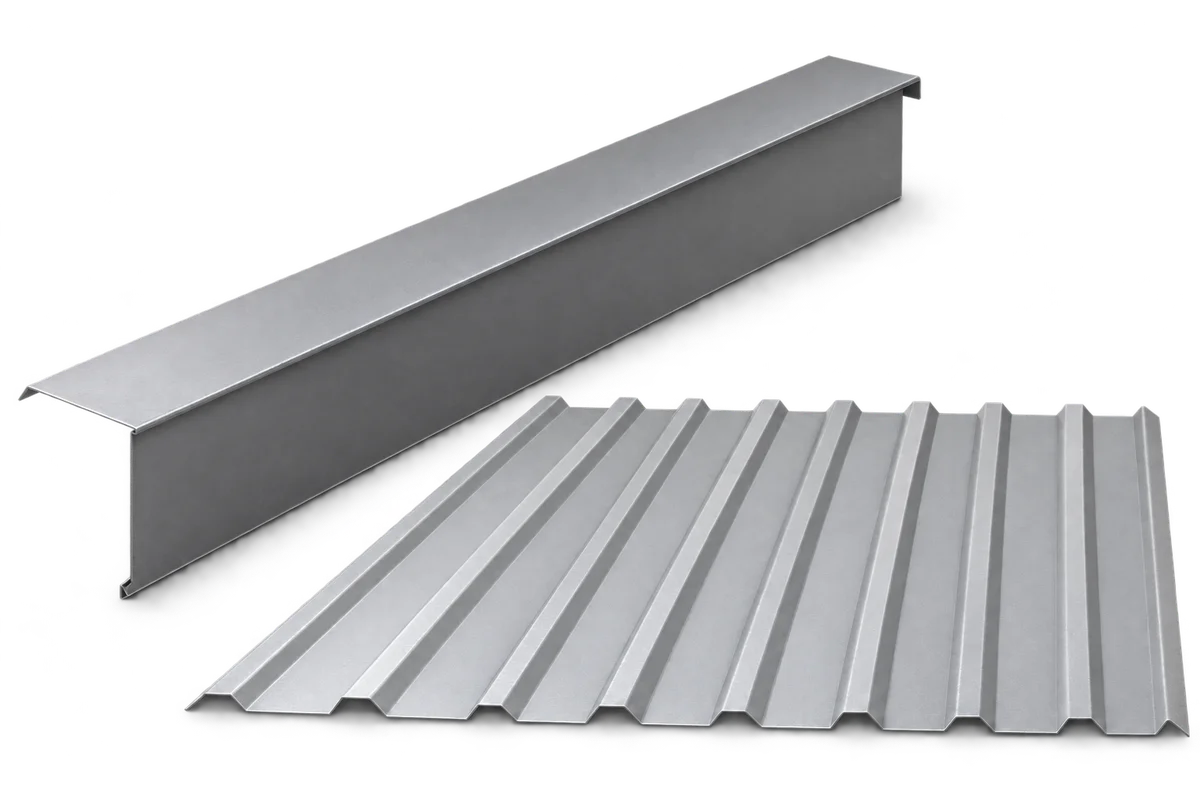
Verge flashing protects the gable edge of a roof and helps limit wind-driven precipitation getting under the covering. However, it must work…
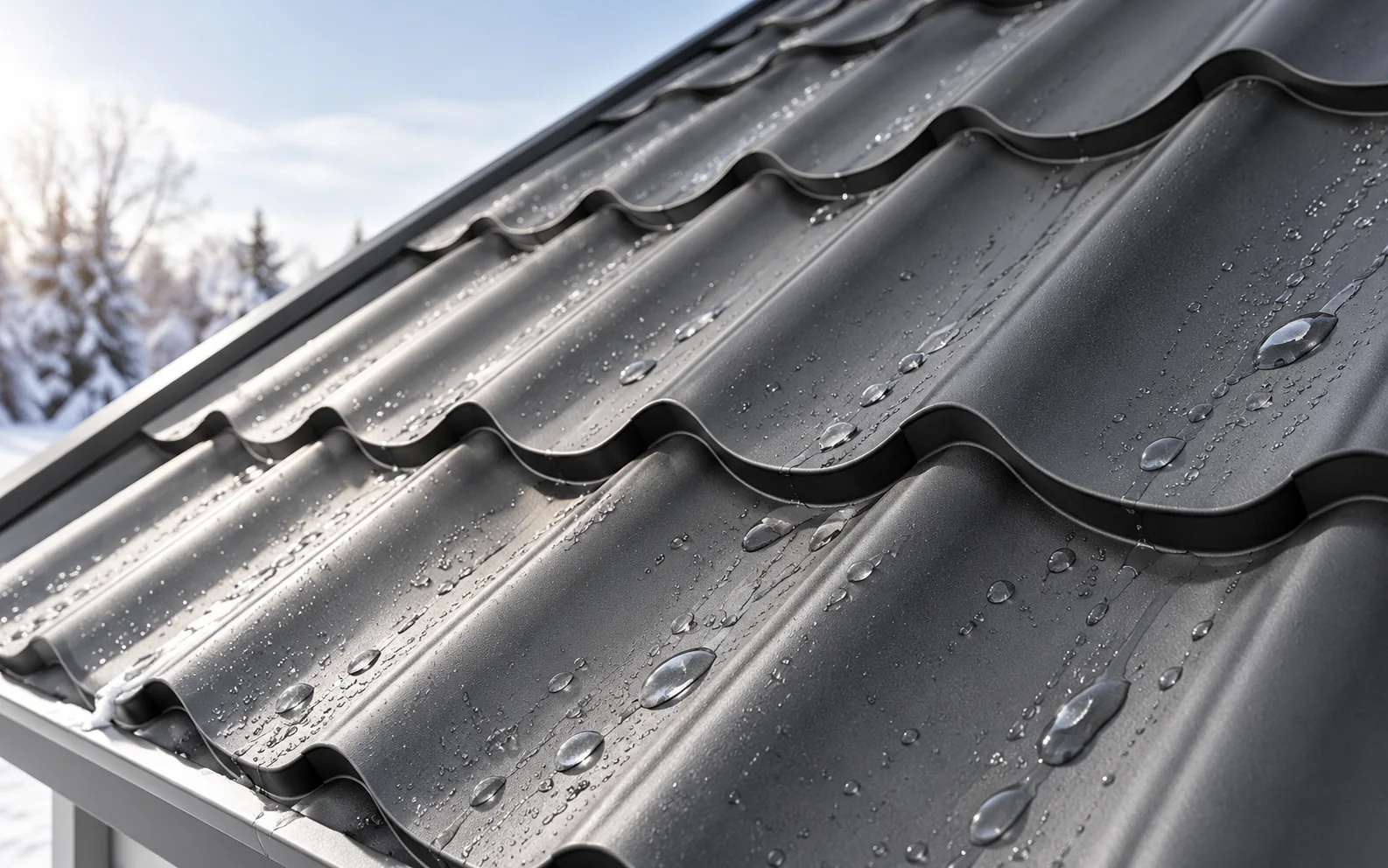
After winter, the drainage, flashings, fixings and the places where snow lay for a long time must be inspected. It is also…

A useful supplier review tells you what the customer ordered, whether the materials matched the specification and how the supplier handled questions…
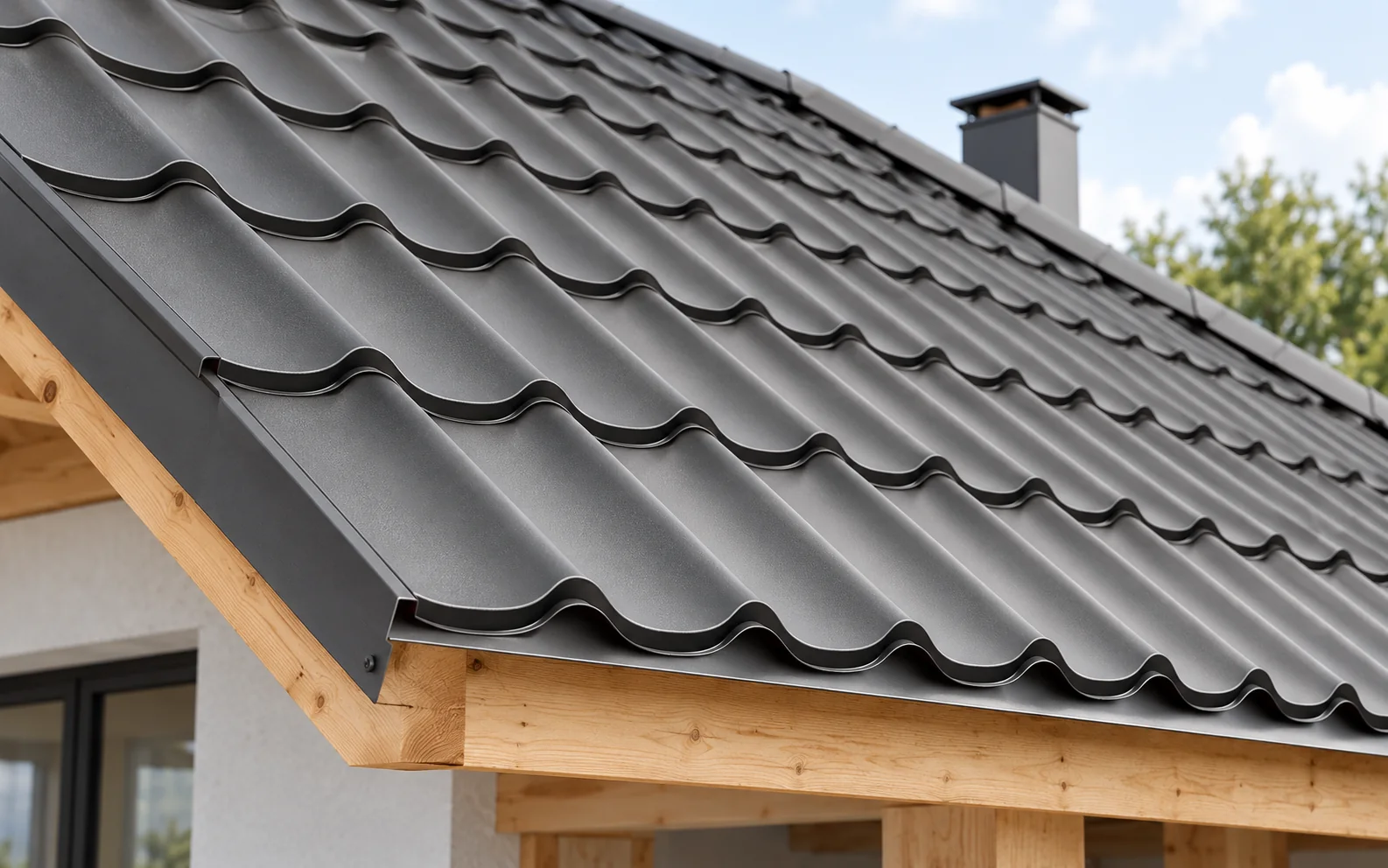
Replacing a roof from measurement to handover requires decisions on material, construction and details before dismantling begins. A survey of the finished…
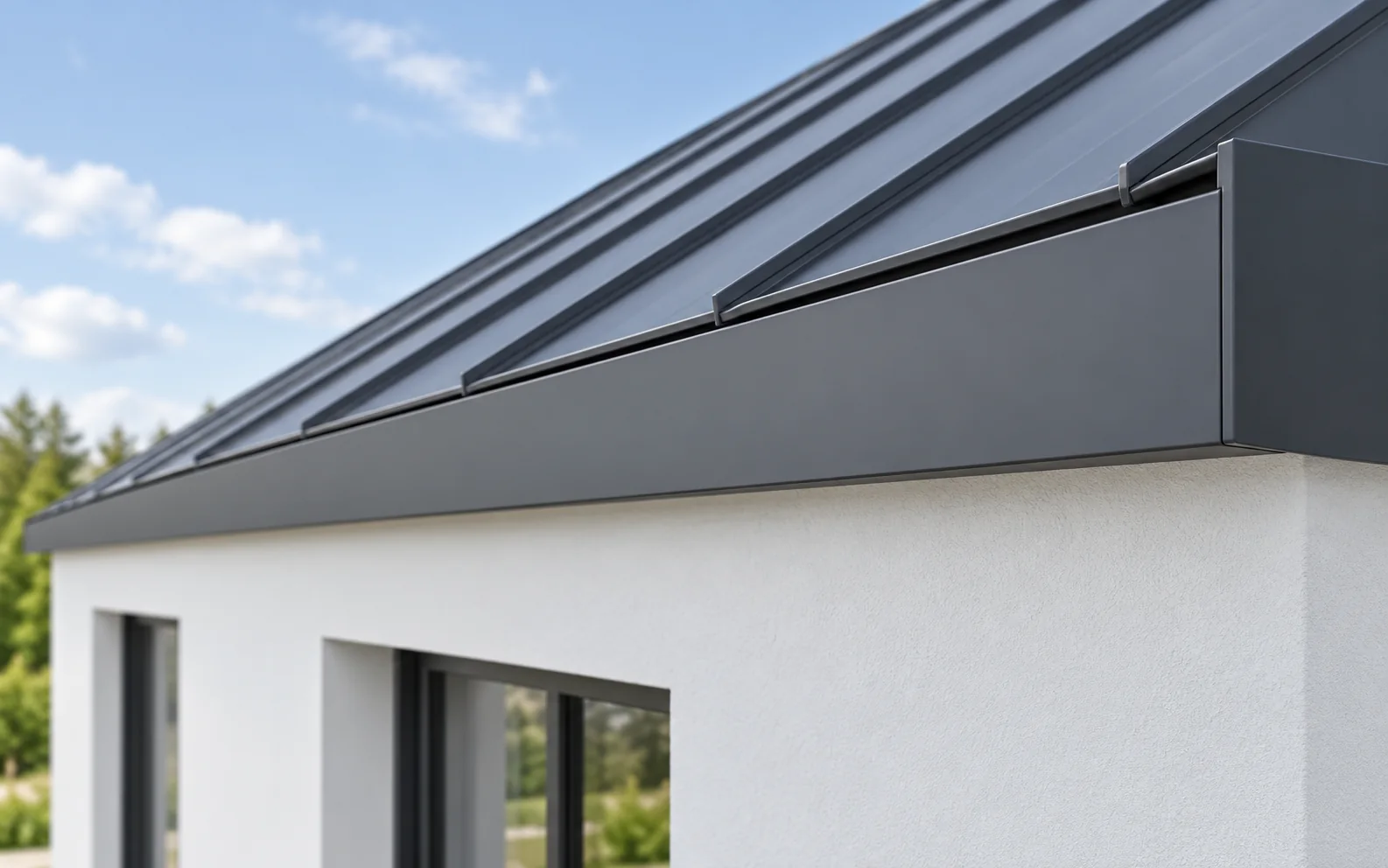
Concealed gutters can be combined with a metal roof if the entire eaves have been designed for such drainage. The right flashings…
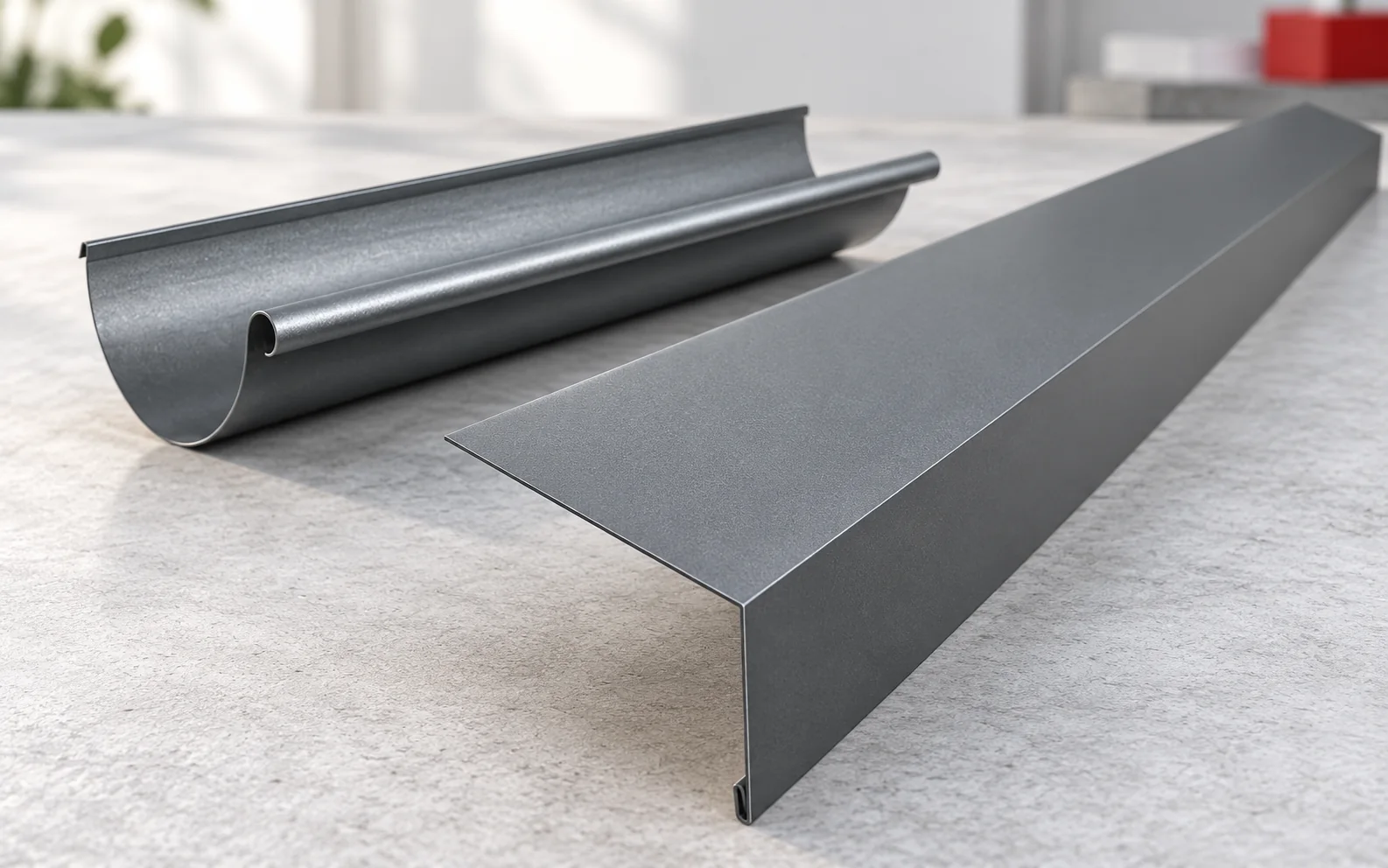
The gutter apron collects water in the eaves zone and shields the vulnerable end of the roof slope, so its shape must…
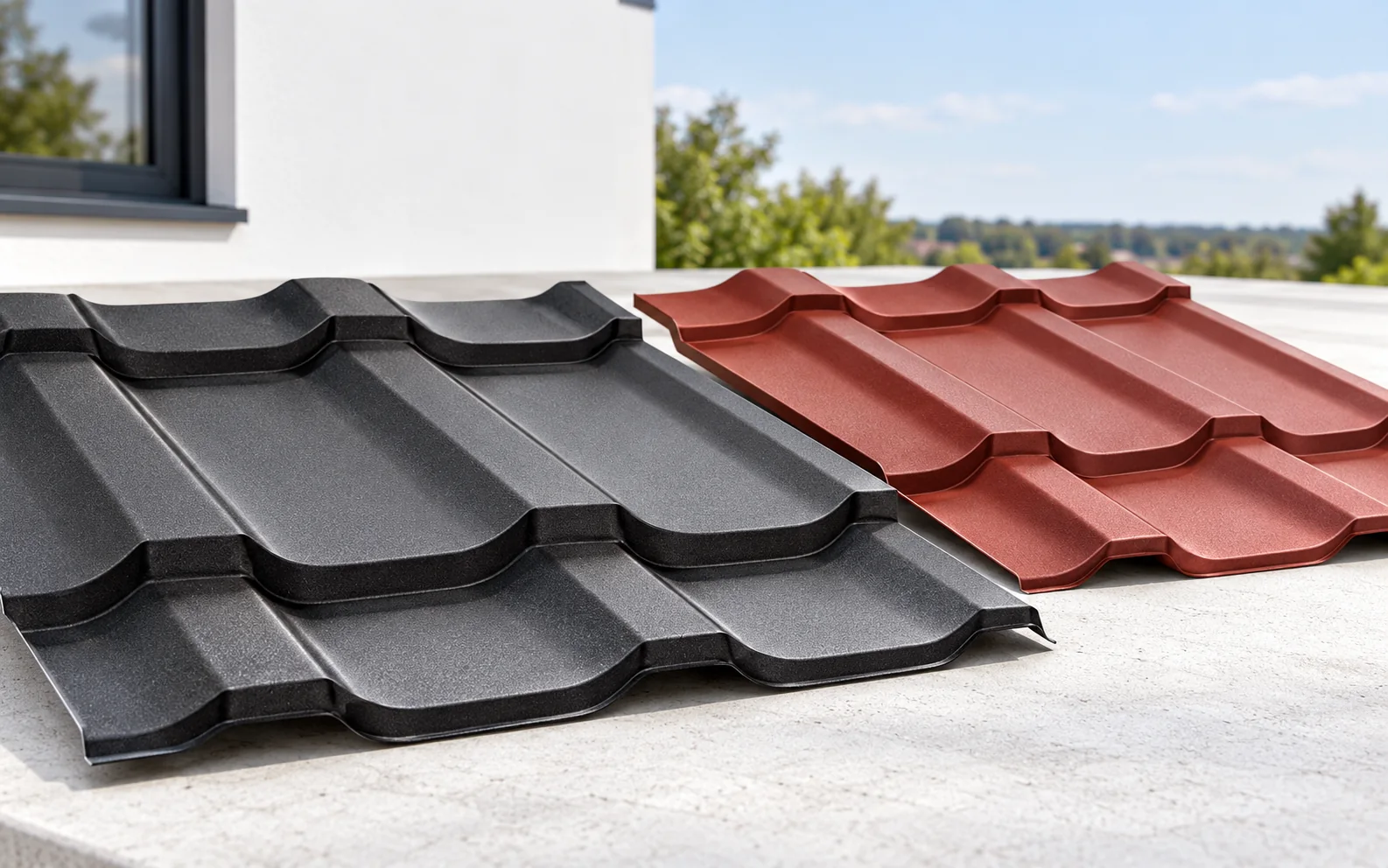
For a simple pitched roof, compare tile-profile steel sheets cut to the length of the slope with shorter modular sheets. On roofs…