

Sandwich panels
How to care for a fibreglass roof lining in a working farm building
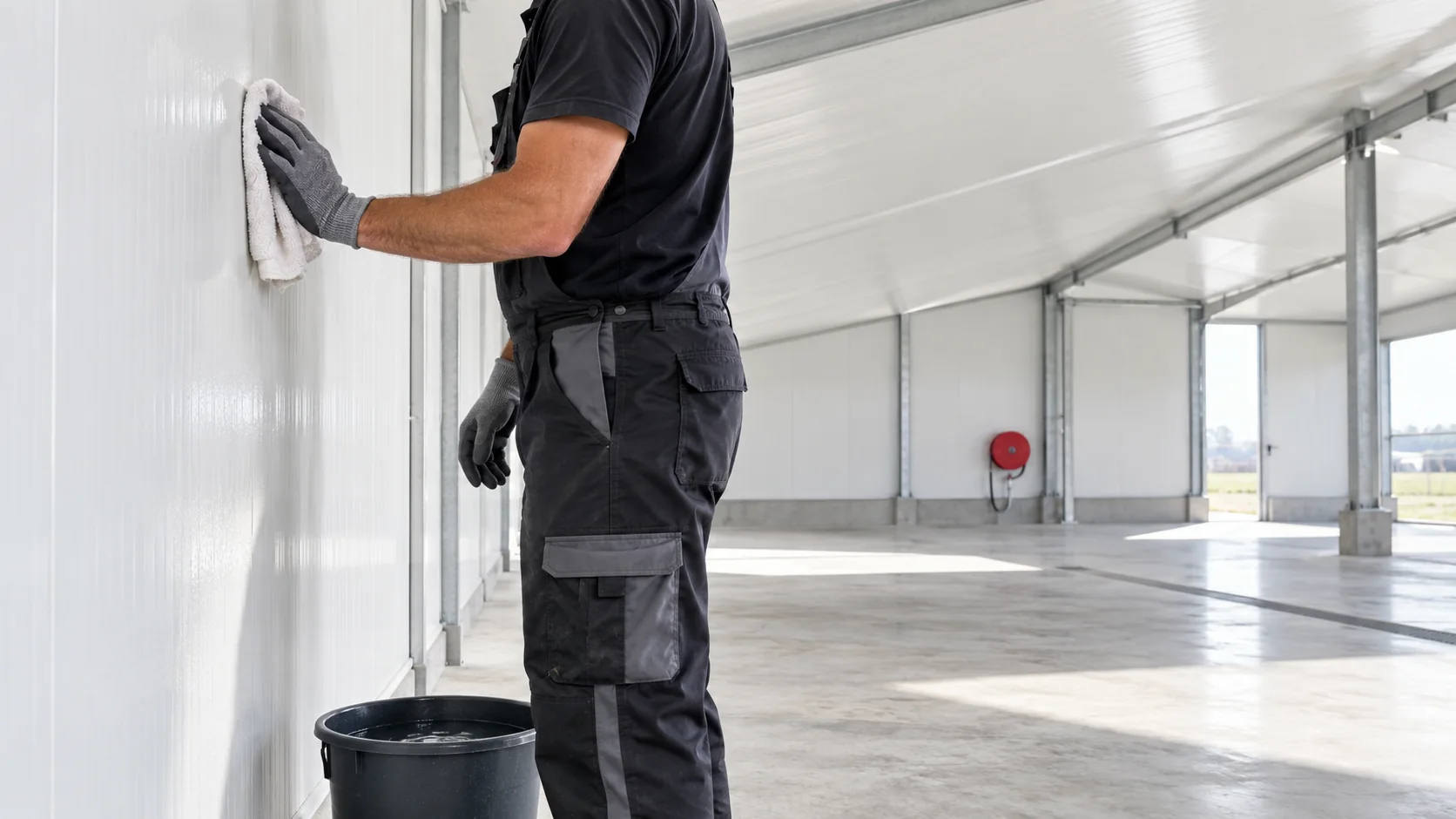
A fibreglass lining on the underside of a farm building roof can make the interior easier to clean if the material suits the conditions inside. Plan its care before bringing livestock into the building. Moisture, dirt and repeated washing also affect the joints, seals and flashings. Start by identifying the lining. In this application, fibreglass is a laminate made from glass-fibre-reinforced resin and can form the inner face of a sandwich roof panel. The term describes the facing rather than its insulating core. White coated steel can look very similar from floor level, but has its own maintenance instructions.
In this guide
Identify the material on the underside of the roof
Keep the data sheet for the installed panel, the coating specification and the cleaning instructions. Record the types of seals and flashings too. After several years, colour alone is an unreliable way to identify a finish. The records will help you choose a cleaner and check whether a change in farm operations falls within the service conditions of the cladding.
Keep moisture from lingering
Livestock, drinking systems and washing all contribute moisture to the air. Effective ventilation helps control humidity, as does heating where the husbandry system calls for it. Excess moisture still needs to leave the building, even with a moisture-resistant lining. In winter, pay particular attention to corners, the ridge and areas around service penetrations.
Drops on the ceiling may come from condensation on a cold detail or moisture at a leaking joint. Note whether they appear after rain, after washing or in freezing weather. That pattern helps locate the source and distinguish it from a roof leak. Tackling the cause saves repeated trips to wipe the same spot.
Choose a cleaning method for all exposed materials
A laminate rated for exposure to compounds found in agriculture may still be damaged by a particular detergent. Check the cleaner’s composition, concentration, temperature, contact time and rinsing instructions. Include sealants, exposed metal and coatings on flashings in the compatibility check.
Before switching products, obtain confirmation that the new cleaner is compatible with the installed materials. Follow the instructions for a trial on an inconspicuous area and use soft cleaning tools. Keep to the specified water pressure and temperature. A concentrated jet aimed at a joint can drive water behind the lining where ordinary rinsing would leave it dry.
Inspect joints and establish the cause of damage before repair
Inspect the strips along the eaves, the panel joints and the edges of openings. Look for open seals, separation of layers, water marks and damage from equipment. An exposed cut edge behaves differently from the intact laminate face. The core still needs a sealed edge even when the facing itself tolerates moisture.
Before sealing a gap, find out whether it allows for thermal movement or provides a drainage path. A general-purpose silicone may be unsuitable. If layers are separating, an area feels soft or the core shows signs of moisture, have the extent of the repair assessed. Covering a stain leaves the underlying panel damage unresolved.

Plan access without loading the lining
Inspect the roof from inside using a suitable working platform. Resting a ladder against a thin facing or hanging equipment from it can cause damage. Lighting, services and farm equipment need fixings designed for their loads. The inner lining alone is not a support for suspended equipment.
Plan access to the outside of the roof separately. A load rating for a panel alone does not establish a safe route across it. Where fans need regular servicing, provide a suitable means of reaching them. The supports for that access and their connections to the roof covering belong in the design.
Keep a maintenance record
After cleaning and inspections, record the date, cleaning product and any changes you noticed. Photos taken from the same positions help distinguish new damage from an old scratch. Set inspection intervals according to the building instructions and intensity of use. Check again after a service system fails or an unusual incident occurs.
Revisit the lining specification if stocking levels, ventilation or disinfection methods change. Conditions in the same room may become more demanding. Adjusting a process, replacing a seal or repairing a detail early can limit later work and make it easier to schedule repairs between production cycles.
Questions and answers
Can I use a pressure washer on a fibreglass lining?
Only within the limits specified for the installed facing, joints and seals. Check the permitted pressure, water temperature and nozzle distance in the instructions. Keep a strong jet away from joints.
Does ammonia resistance protect the entire roof from corrosion?
No. The declaration may apply to one laminate under stated conditions. The roof also contains fasteners, steel flashings and other coatings. Each component must suit the environment and be inspected regularly.
7 branches. Materials closer to your project.

Free quote
Materials for your project



You may also find useful…
Choose the thickness of a mineral wool panel by checking thermal performance, fire resistance, load capacity and construction details together. The 60–200…

Start with the panel price per square metre, then work out the cost of the finished wall. Thickness, facings, coating, panel lengths…
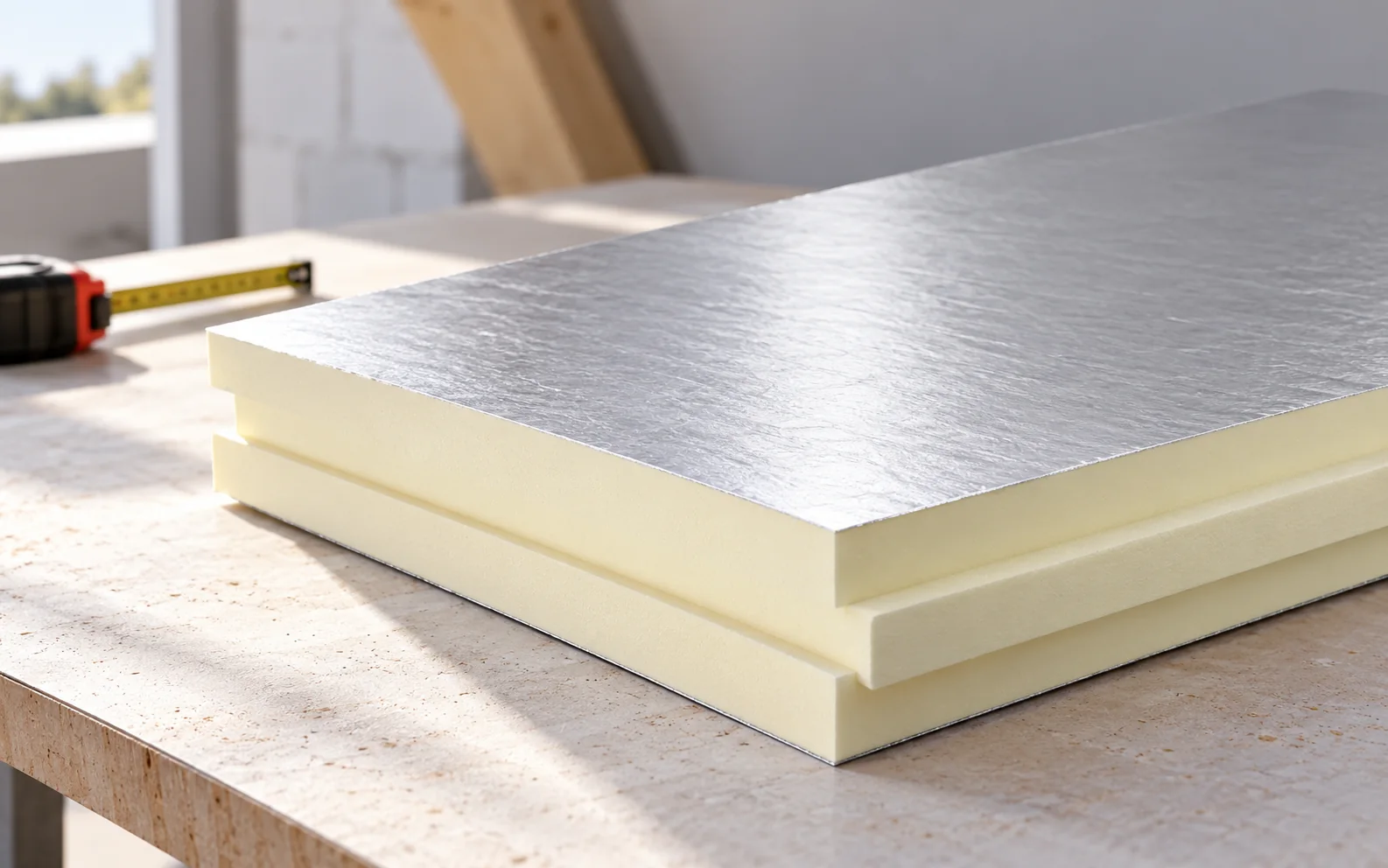
Select roof insulation for the layer arrangement, available height and loads. PIR often achieves the required thermal resistance at a smaller thickness.…
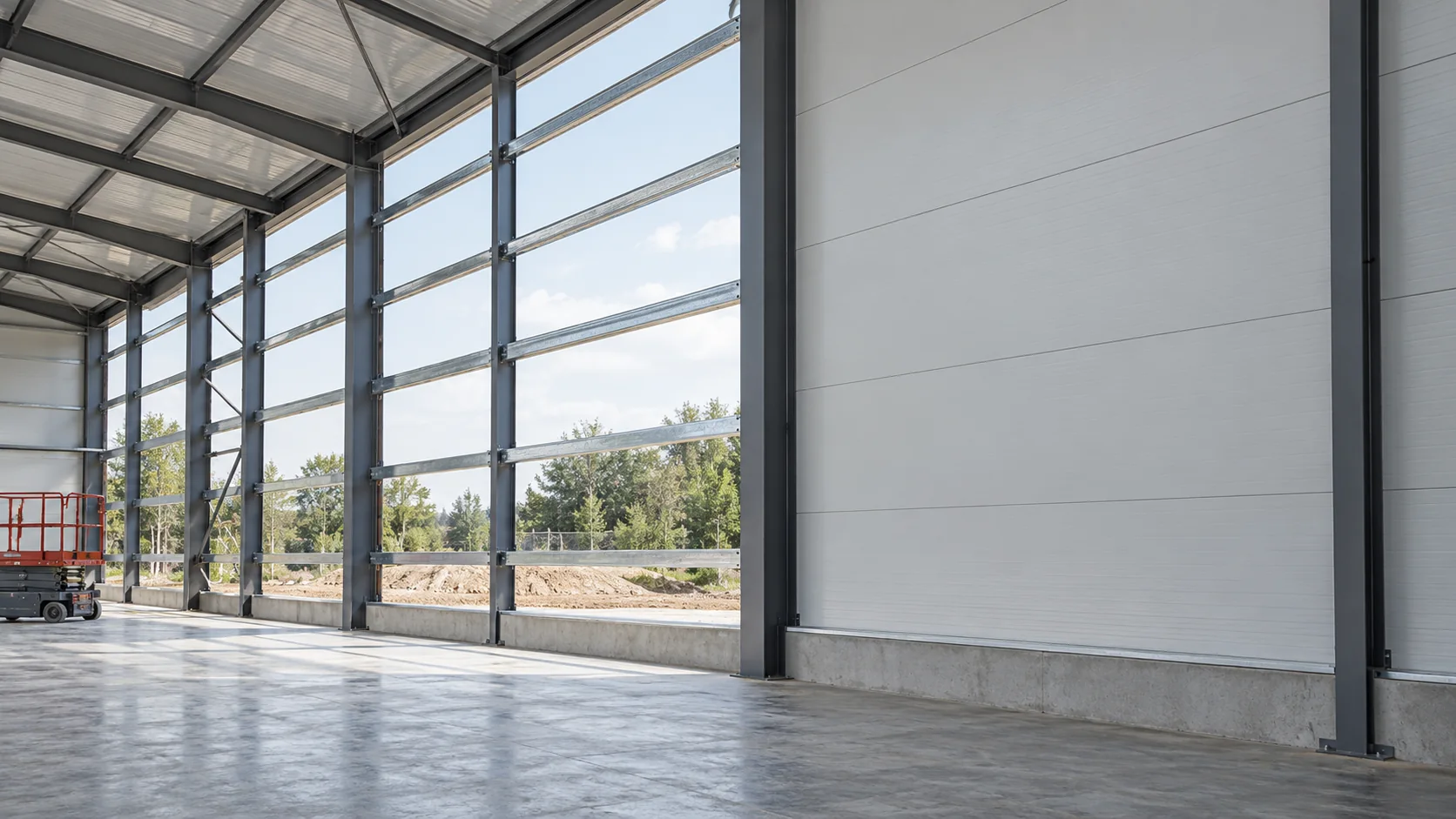
A sandwich panel spans between supports. The frame must suit the type of panel and its orientation. For mineral wool walls, the…

A mineral wool panel should meet the building’s requirements and allow people to operate and maintain it easily. Thickness alone is a…
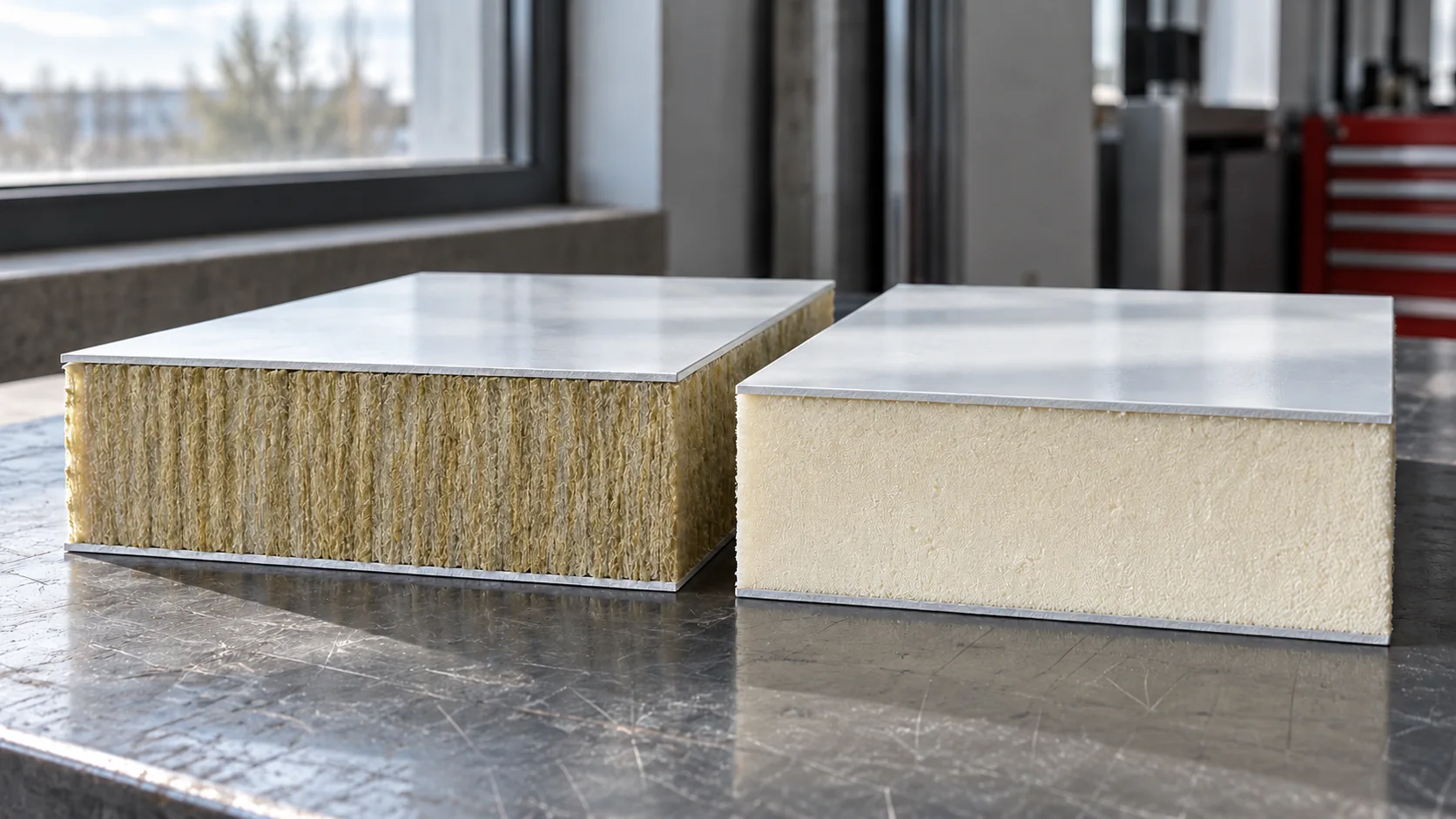
Start with what the wall or roof has to do before comparing panel prices and thicknesses. PIR is a rigid foam with…

Many mineral wool wall panel ranges include a 100 mm option. Panels of this thickness can serve different buildings, provided their performance…
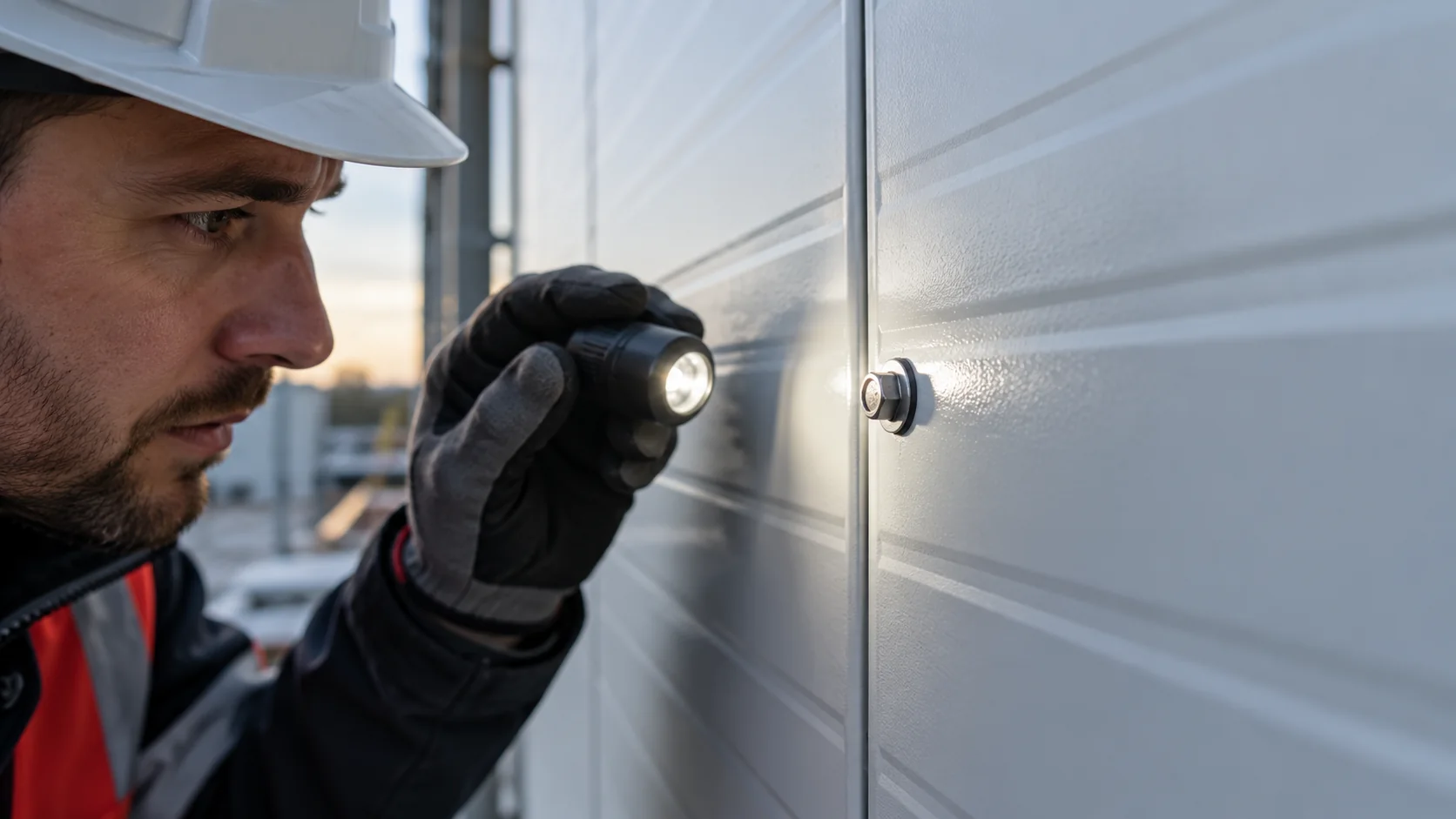
Each fastener transfers loads from the panel to the supporting structure and must seal the hole through the facing. Select it for…