

Renovation and maintenance
How to prepare a roof covering replacement so that the work proceeds safely?
Replacing a roof covering is a job in which safety depends on the preparations made before the crew even sets foot on the roof. The condition of the structure must be assessed, access and fall protection planned, and a schedule drawn up that takes the weather into account. Materials should be delivered in the order of the works, and with an old covering it must be established whether it contains asbestos. The contractor should know the shape of the roof, the height of the building and the conditions around it, including access, obstacles and the condition of visible structural elements. An inspection shows whether the replacement will be limited to the covering or will require repair of the substrate; checking the old roof truss must not end with the conclusion that it has held up the roof so far, because the timber may have become damp and the joints weakened.
In this article
What to inspect before setting a date?
The contractor should know the shape of the roof, the height of the building and the conditions around it. They need information on access, obstacles and the condition of visible structural elements. An inspection helps determine whether the replacement will be limited to the covering or may require repair of the substrate.
Checking the old roof truss should not end with the statement that it has held up the roof so far. The timber may have become damp and the joints weakened. Further damage may come to light once it is exposed. The schedule and budget should allow for the assessment of such places before they are covered.
How to prepare safe access?
Access to the roof requires a solution suited to the height and type of work. Proper platforms, scaffolding or other planned access are needed. A ladder does not replace complete protection of the workplace. The point of transition onto the roof slope must be assessed together with fall protection.
Appropriate collective protection measures should take priority wherever they can be applied. Personal equipment requires suitable anchor points and preparation of the user. The mere presence of a harness does not mean safe working. Provision must also be made for what to do in the event of a failure or a fall.
How to secure the area around the building?
During removal, fragments of covering, tools and filings may fall. The danger zone must be fenced off and separated from the occupants’ route. Establish a safe way into the house. A verbal warning alone is not enough, especially when children or bystanders use the property.
Designate a place for setting down elements and loading waste. It should not conflict with the transport of new sheets. Protect windows, plants and equipment to the extent required for the works. Good organisation reduces the temptation to carry materials through incidental, awkward routes.
How to deliver and store the sheet metal?
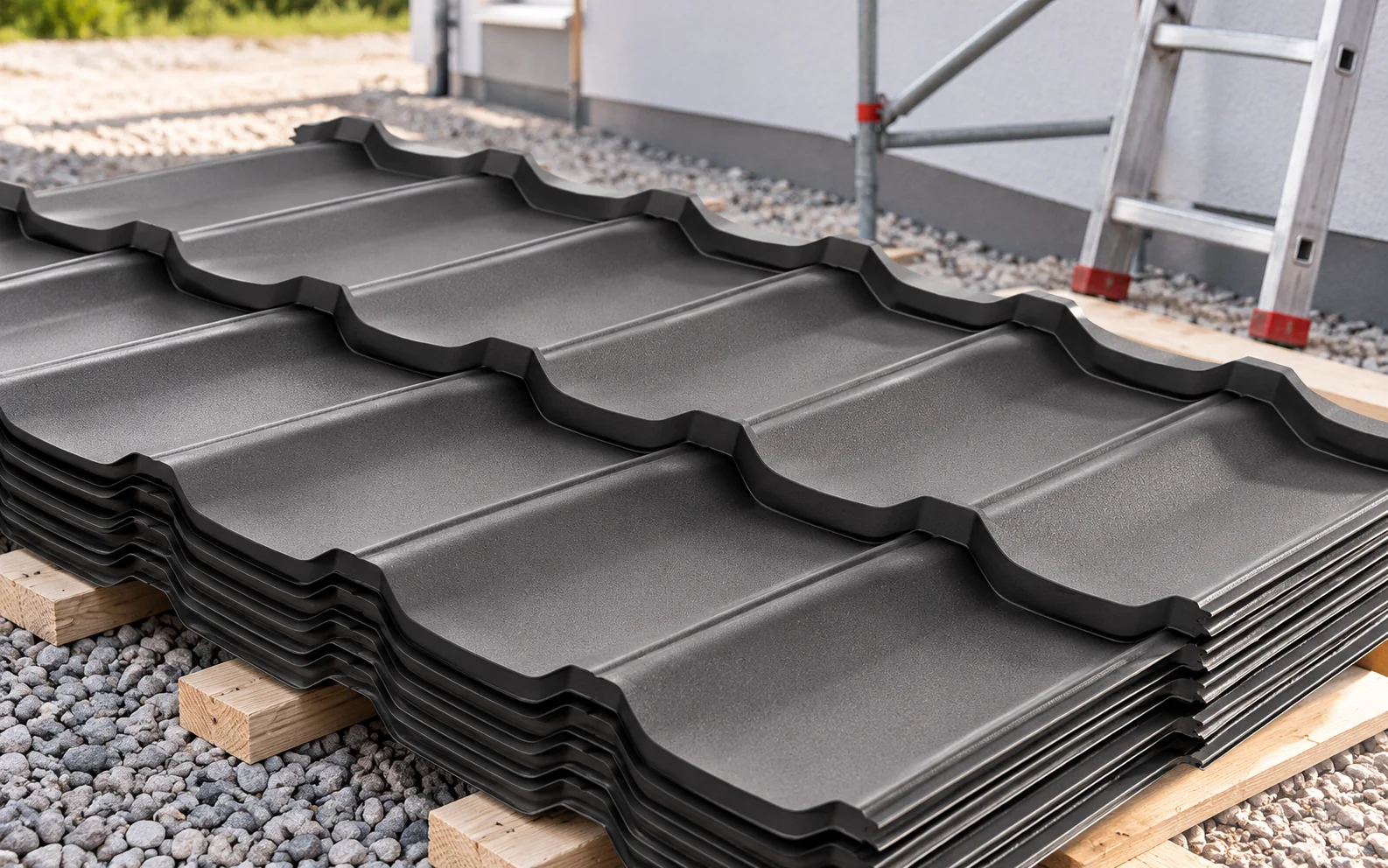
Long sheets require adequate support and a sufficient number of people or devices for handling. Lifting by the wrong edge can deform the profile. Modules are more manageable, but they too must be secured against slipping and damage to the coating.
The storage place should remain dry and in accordance with the material instructions. Packs must not stand in water. After getting wet, follow the manufacturer’s recommendations so as not to trap moisture between the sheets. Only as much material as can be safely distributed is taken onto the roof slope.

How does the weather affect the sequence of works?
The plan should allow the time needed to cover the exposed part. It is not worth removing a larger area than the team can protect before the conditions change. The forecast is an indication, but not a guarantee. Materials for temporary covering must be prepared before removal.
Strong wind makes handling sheets difficult, and a wet roof slope increases the risk of slipping. The decision to stop work is not a delay caused by poor organisation. It may be a necessary element of running it properly. It is worth writing the rules for reacting to weather into the arrangements with the crew.
What changes if asbestos is suspected?
Old boards require identification before the covering is disturbed. If they contain asbestos, removal and waste management must be entrusted to a specialist company. They must not be treated as ordinary rubble. Breaking, drilling and cutting them oneself increases the risk of releasing harmful fibres.
Establish the scope of the contractor’s responsibilities and the required documentation. Any support programme should be checked with the municipality before the works begin. Do not assume that funding will cover the new sheet metal and all renovation costs. The scope of assistance may relate only to specified activities.
How to accept the works after the roof is closed?
Check not only the appearance of the roof slopes but also the flashings, drainage, fixings and removal of installation residues. Collect the material documentation and photographs of the structural repairs. Establish what the first inspection will look like and to whom irregularities should be reported.
Before the scaffolding is removed, it is worth checking all hard-to-reach places. Leftover filings can later cause local corrosion marks. Securing the site is complete only after waste and sharp elements have been cleared. Acceptance should also include safely returning the property to its users.
A tip before ordering
Before starting, write down three arrangements: what the crew will use to cover the exposed roof, which way the occupants will move about, and who collects the waste. Clear responsibility helps avoid improvisation during the works.
What is worth remembering?
The safety of a roof replacement follows from preparing access, people and the sequence of works. The new covering is ordered together with a plan for unloading, protection against weather and acceptance of the works. These arrangements are as necessary as the choice of sheet metal colour.
7 branches. Materials closer to your project.

Free quote
Materials for your project





You may also find useful…
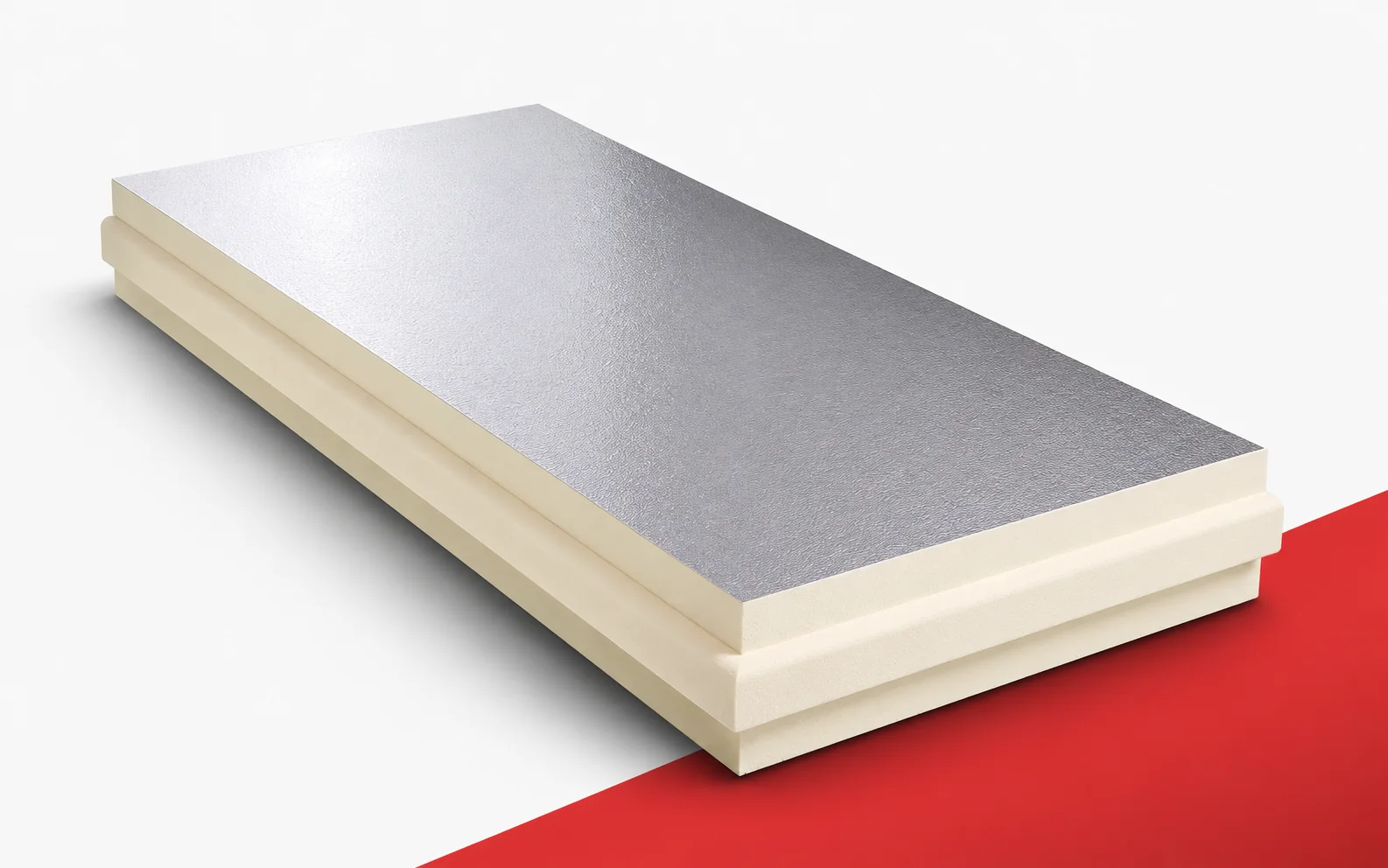
Insulation above the rafters can form a continuous layer outside the timber frame of the roof slope. Recticel Powerroof is intended for…
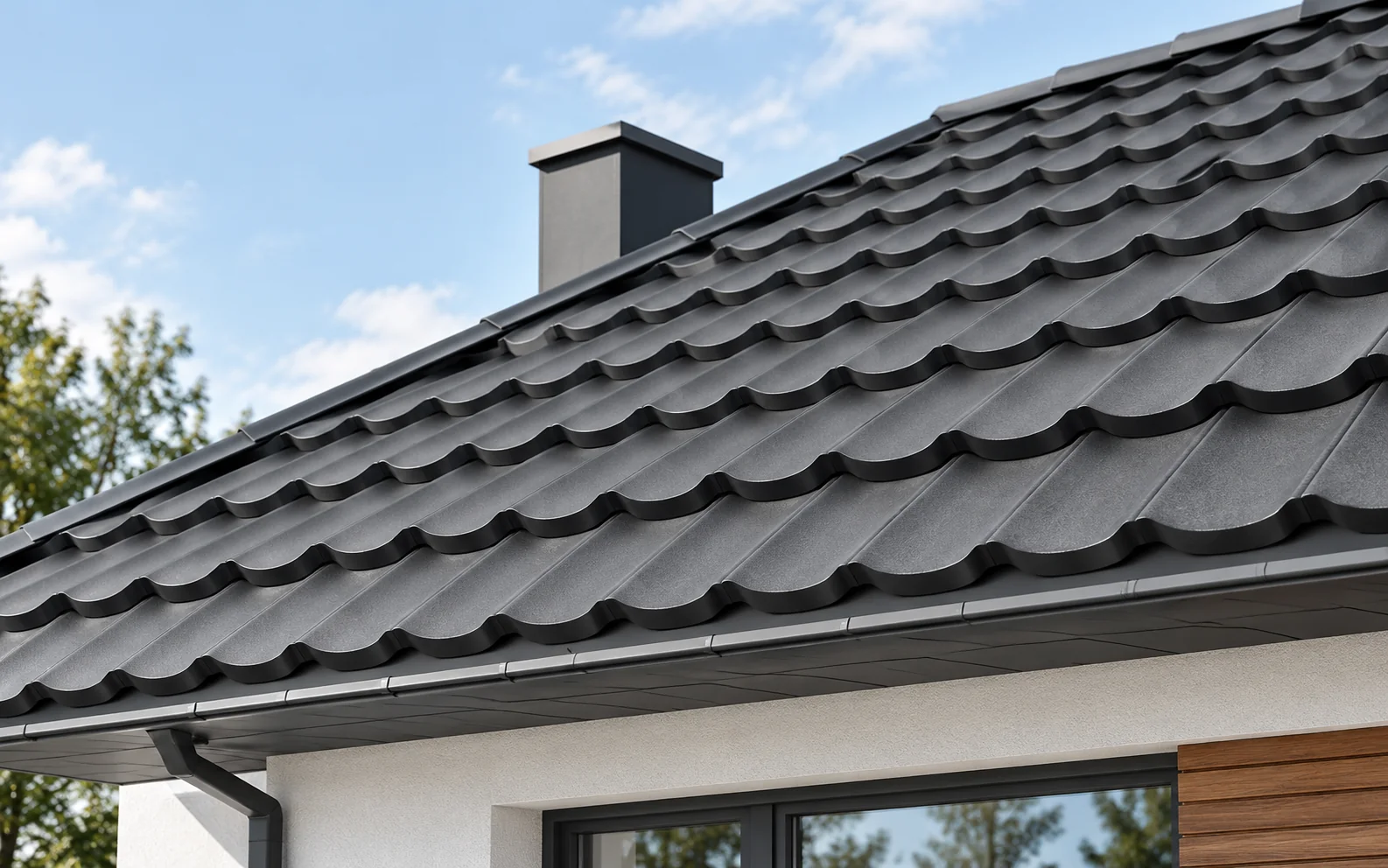
Safe access to the roof and movement on it require planned access, fall protection and verification of the load-bearing capacity of the…
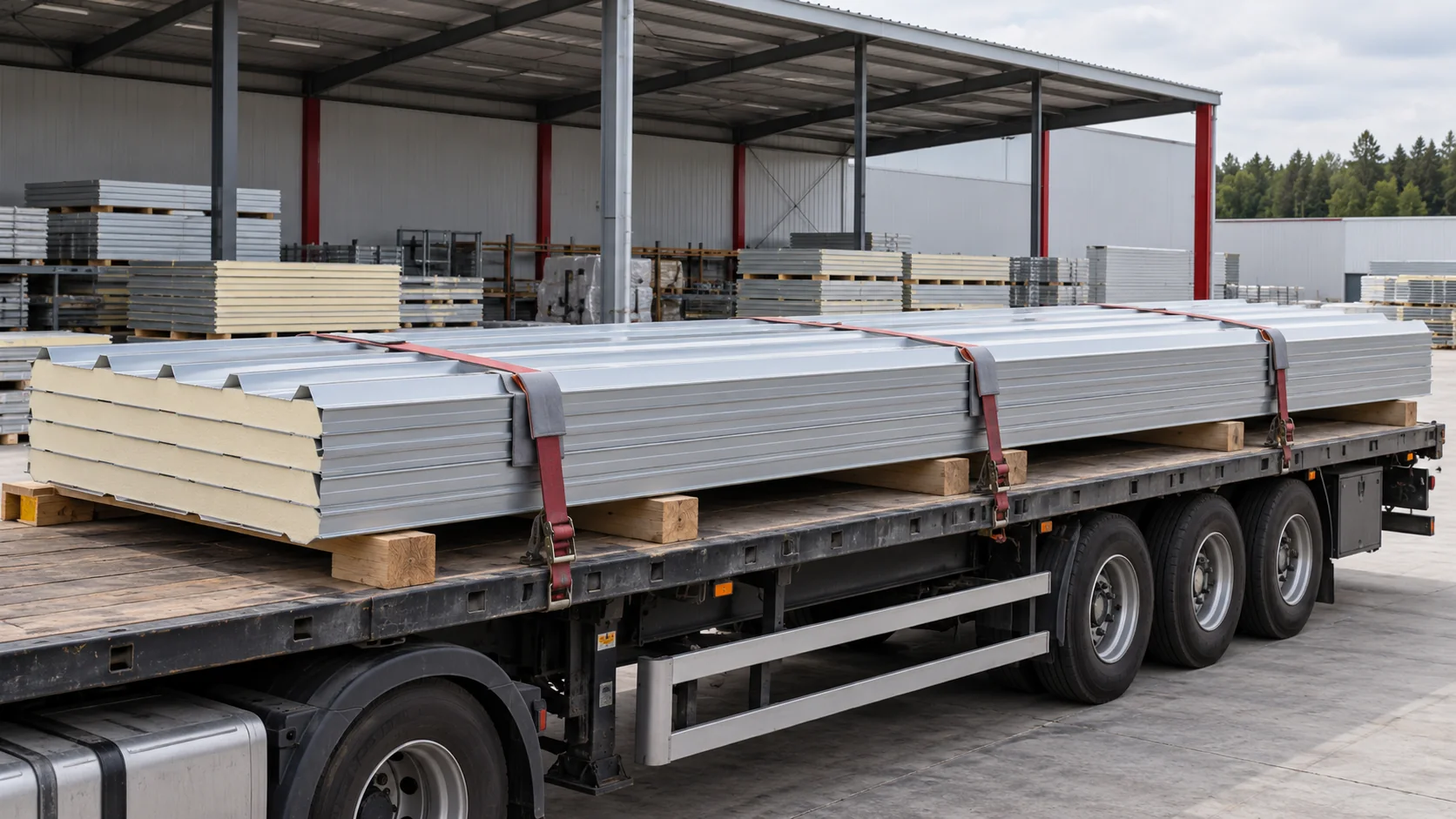
Stock lengths for sandwich roof panels vary from one depot to another and change with deliveries and reservations. Ask for the exact…

Thermal insulation is not the only property that matters beneath a roof covering. Powerdeck F has a facing that is matched to…
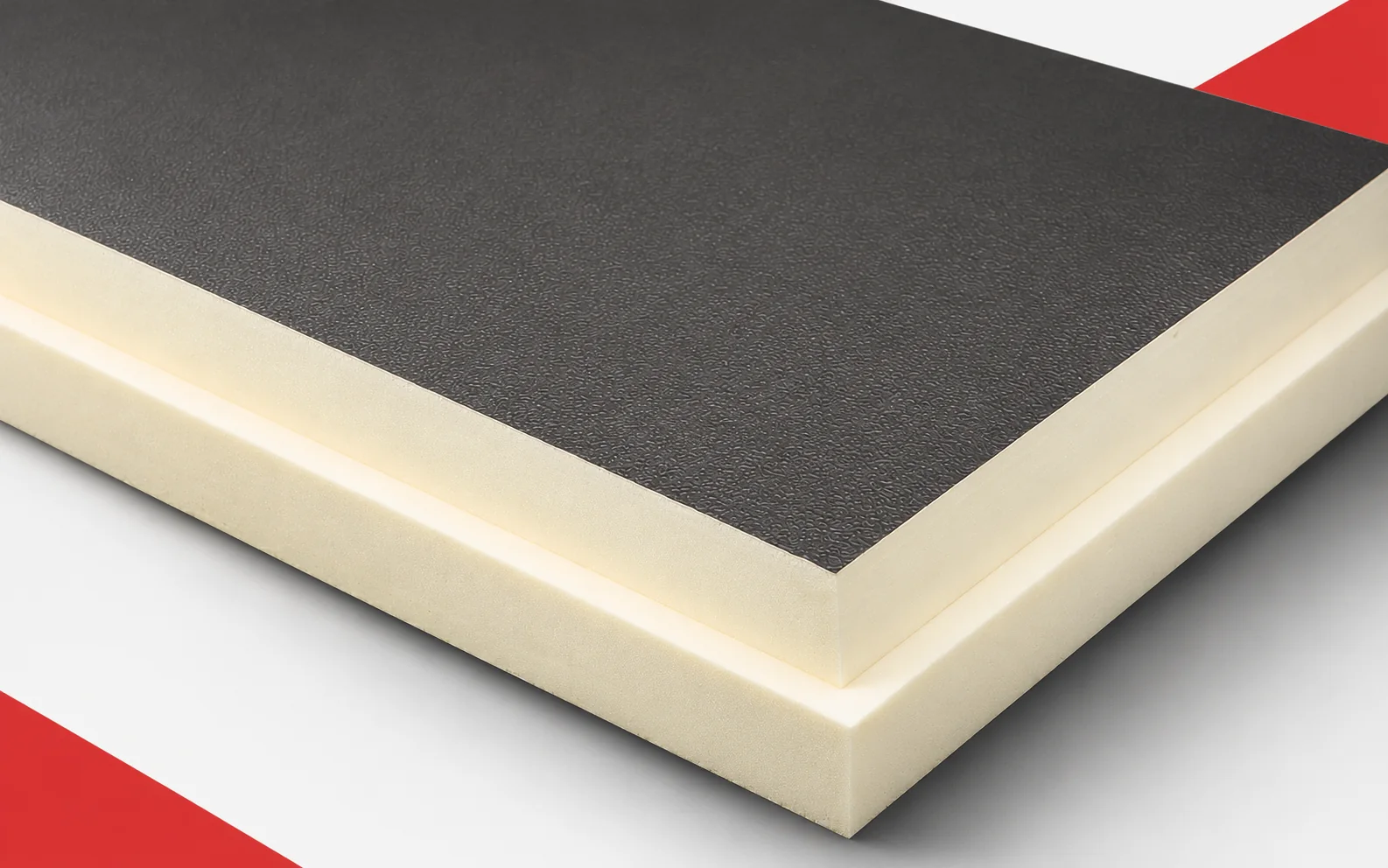
On a rectangular roof area, the large FA format makes it easier to plan a regular layout. The thermal effect, however, depends…
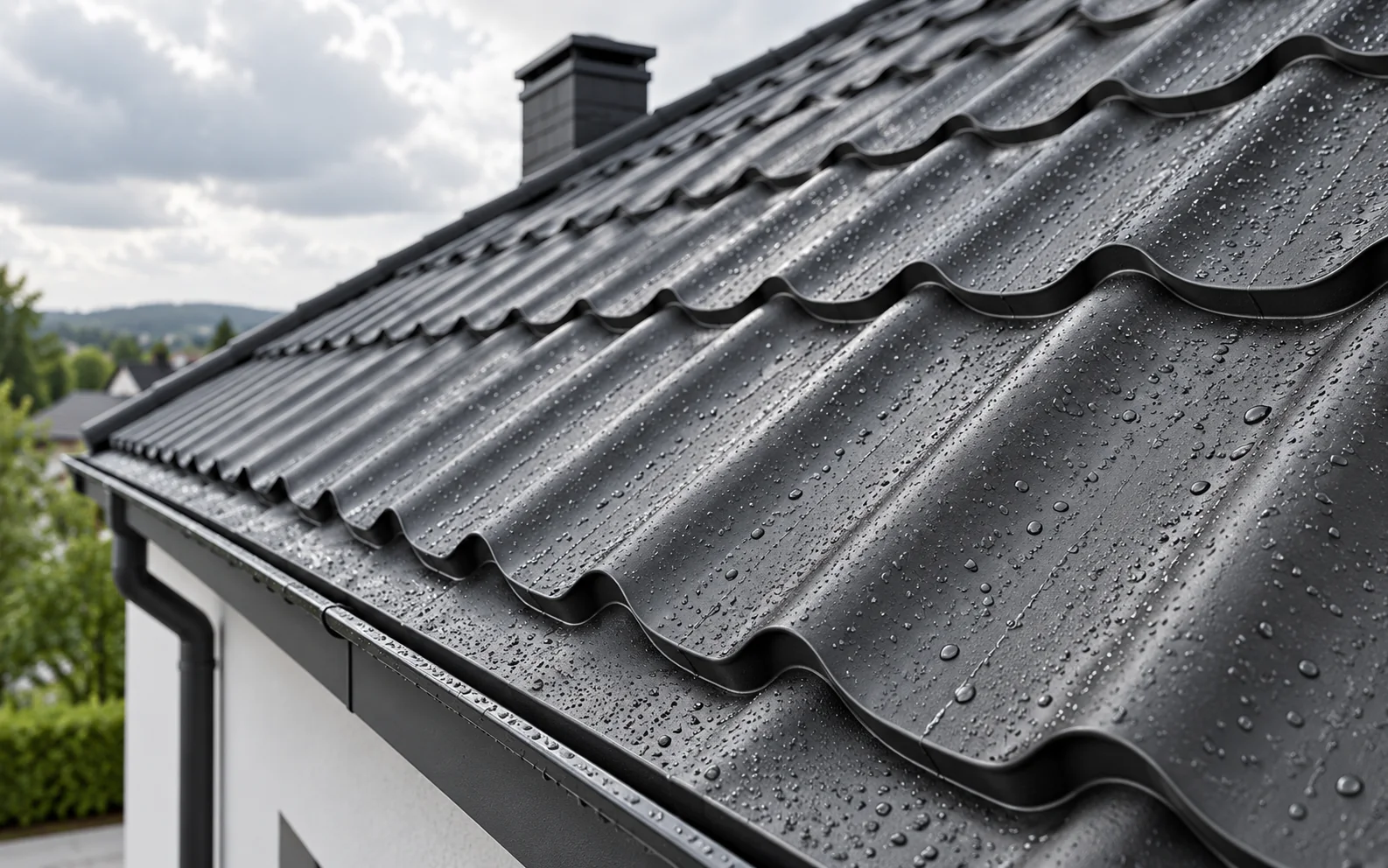
A watertight roof requires the correct pitch, correct laps and carefully executed flashings. Fixings, drainage and the layers beneath the covering are…
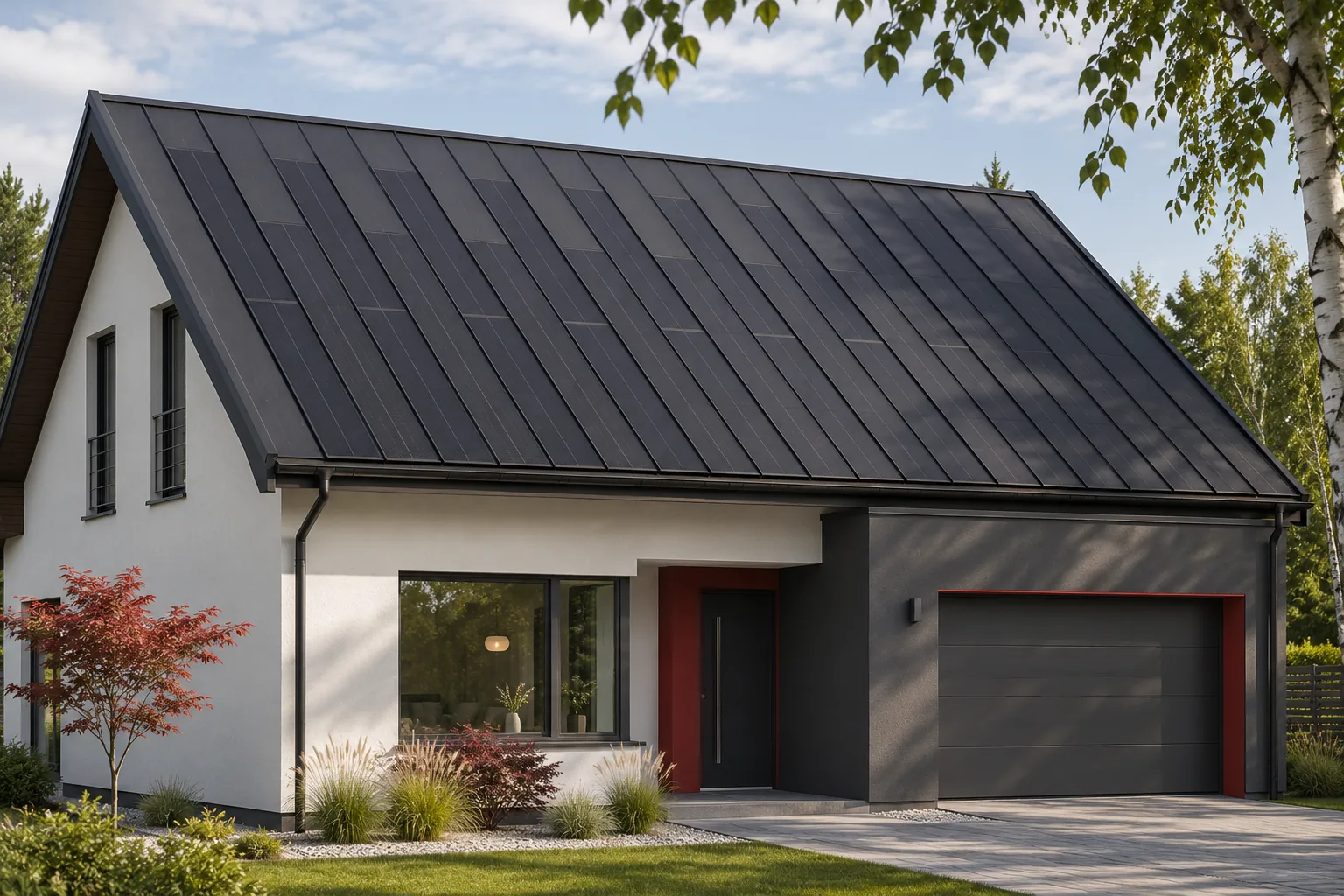
An electric car can use the energy generated by an integrated photovoltaic roof. Much, however, depends on when it is parked at…
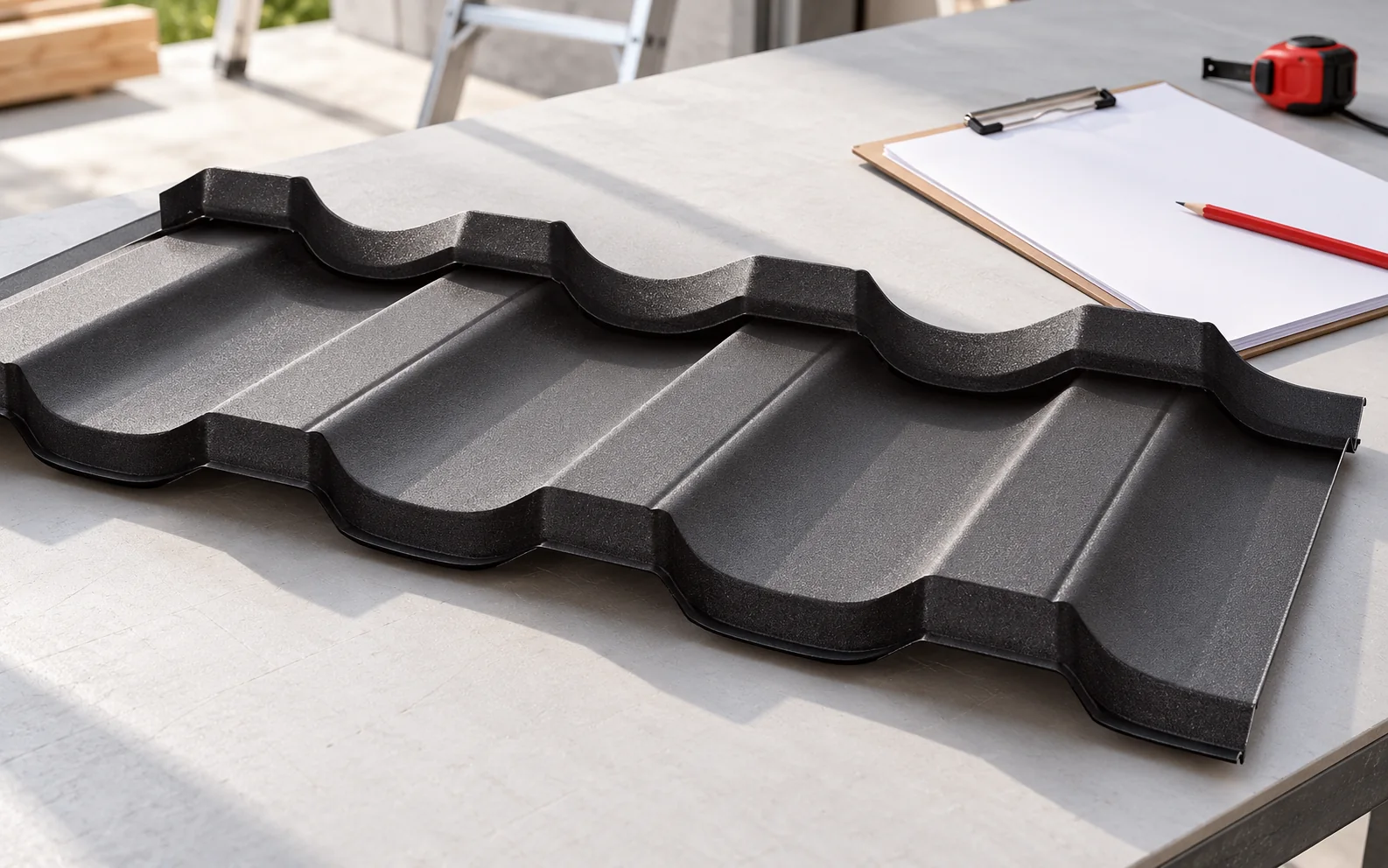
Start by drawing the layout of the sheets on each roof slope. On a simple garage roof, sheets cut to length can…