

Roof coverings
What a zinc-aluminium-magnesium coating does for steel sheet
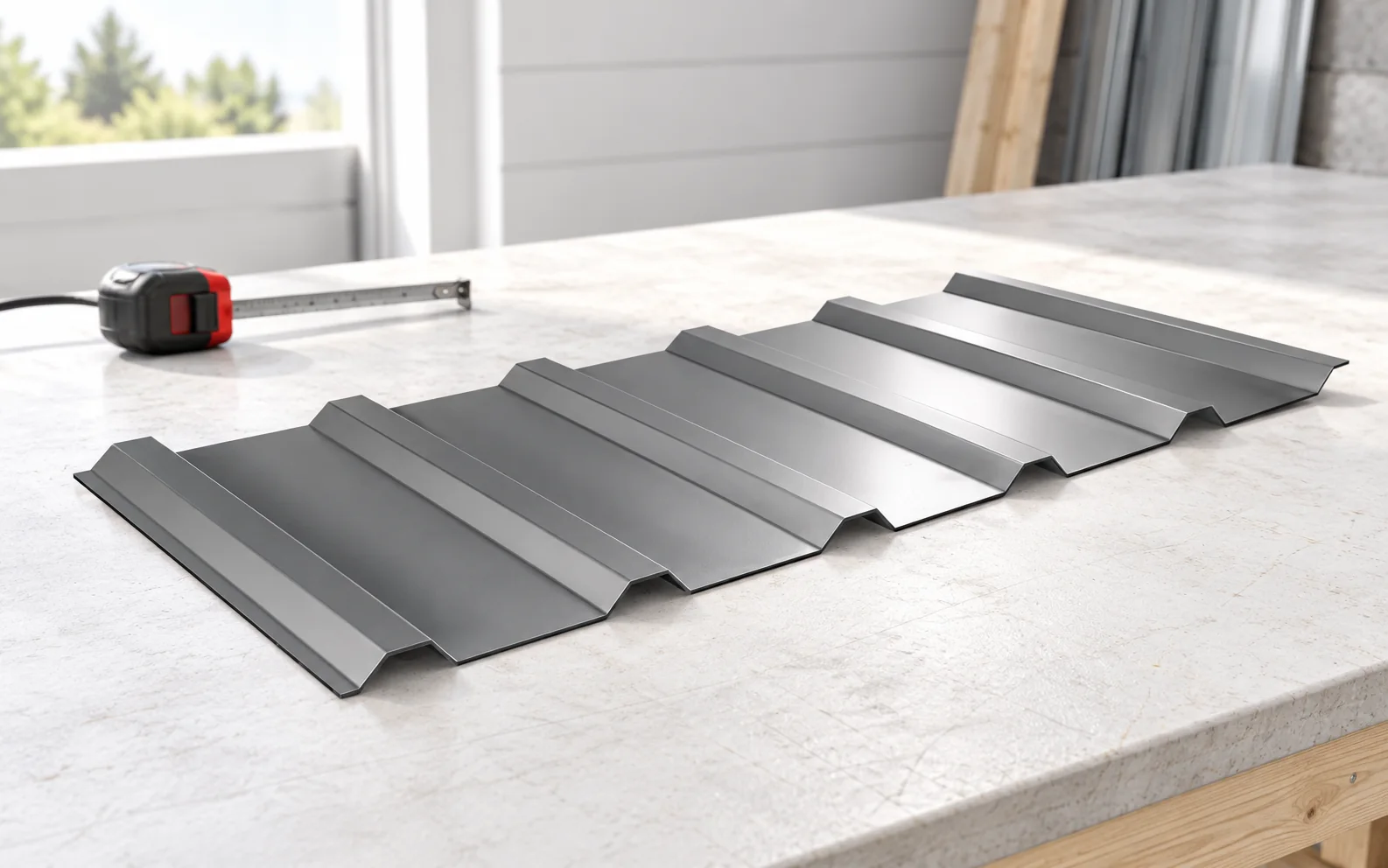
The zinc-aluminium-magnesium coating is one way of protecting the steel substrate against corrosion. It should not be confused with the colour alone or with the titanium-zinc alloy. Its properties depend on the specific product and the service conditions. When buying T18, T35 or tile-effect metal roofing, you must confirm which protective system is available. The metallic layer covers the steel substrate and provides protection. It may be the external finish of a suitable product or part of a more extensive system with an organic coating. This does not mean that every popular roof profile is available in such a variant. The specific material offer must be checked. The abbreviation ZM is used for coatings containing zinc with magnesium and aluminium.
In this article
Where is such a coating found?
The metallic layer covers the steel substrate and performs a protective function. It may be the external finish of a suitable product or part of a more extensive system with an organic coating. This does not mean that every popular roof profile is available in such a variant. The specific material offer must be checked.
The abbreviation ZM is used for coatings containing zinc with magnesium and aluminium. The family name alone does not describe the exact proportions or the mass of the layer. Individual solutions may differ. The composition of one branded material must not be transferred to all products with a similar designation.
What role do alloying additions play?
The aluminium and magnesium additions influence how corrosion products form and how the protective layer works. Under suitably selected conditions, such coatings can provide favourable resistance compared with certain variants of traditional galvanising. However, the comparison must relate to specific materials and the same method of assessment.
This should not be simplified into the statement that every ZM sheet is always more durable than every galvanised sheet. The thickness and mass of the coating, the environment and the details matter. The result for one system does not determine the suitability of another. Selection requires data from the material manufacturer and the finished product.
What does cut-edge protection mean?
In the documentation for some coatings, limitation of corrosion on exposed edges by conversion products of the metallic layer is described. The effect depends on the conditions and the extent of damage. It does not mean rebuilding the steel core or automatically repairing every scratch. Extensive damage requires a separate assessment.
For this reason, proper cutting and protection of details must not be neglected. The edge should be made with a tool approved for the material. Burrs, overheating or lingering swarf can worsen the situation. A description of the protective mechanism is not permission for careless processing during installation.
Does the metallic coating replace paint?
The metallic and organic layers may have different tasks. The paint provides colour, texture and additional surface properties. The ZM coating alone does not say how long the chosen shade will last. Resistance to a change in appearance must be read from the data for the entire coating system.
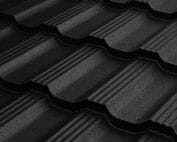
If you are interested in graphite T18 or modular tile-effect metal roofing, ask about the full build-up of the material. Do not assume that every variant of a given colour has the same type of protection under the paint. The choice of appearance and the choice of protection should be recorded separately. This makes it easier to compare offers and identify the delivery.

How should test results and durability declarations be read?
Salt-spray chamber tests or other accelerated tests allow materials to be compared under defined conditions. They are not a simple calendar of roof use. A thousand hours in a test does not automatically mean a specific number of years in the field. The method, the assessment criterion and the actual environment matter.
Similarly, information about a result that is many times better requires the reference material to be stated. Without this information, it is difficult to use when buying. Ask for data on the intended application and limitations. Reliable documentation is more useful than a number taken from the description of a single experiment.
Where is caution still needed?
Water traps, gaps where dirt accumulates and incompatible material contacts can increase the risk of corrosion. This also applies to sheets with advanced protection. The choice of fasteners and flashings is important. A protective material does not remove the need for correct water drainage and keeping details clear.
The limitations for particularly aggressive environments must be checked. Conditions inside the building may be as important as precipitation outside. Not every coating is suitable for contact with specific substances or a permanently wet substrate. In an unusual application, confirmation of the suitability of the specific product is required.
What should be established before ordering a popular profile?
Record the full material designation, the mass or class of the metallic coating and the type of organic layer, if present. Confirm availability in the required thickness and profile. T18, T35 and structural sheets may have different delivery variants. A general declaration that the product has modern protection is not enough.
Compare the warranty, installation recommendations and maintenance rules. Check that the flashings and fasteners are compatible with the sheet being ordered. It is worth keeping the documentation for the material batch. This means that a later assessment of the surface will be based on the actual protective system, not on a memory of the name used in a sales conversation.
Tip before ordering
When information about a ZM coating is given, ask for the full designation of the layer and confirmation of its presence in the profile being ordered. A mere mention of this technology in a general catalogue does not prove that it covers the chosen colour and thickness.
What is worth remembering?
The zinc-aluminium-magnesium coating can be a valuable element of steel protection if it suits the application. It does not replace proper geometry, a decorative coating or good installation. Compare specific materials and conditions instead of treating the abbreviation ZM as a universal promise of durability.
7 branches. Materials closer to your project.

Free quote
Materials for your project

You may also find useful…
A carport, a warehouse and a heated workshop may all have the same trapezoidal steel roof profile. Conditions below the sheets can…
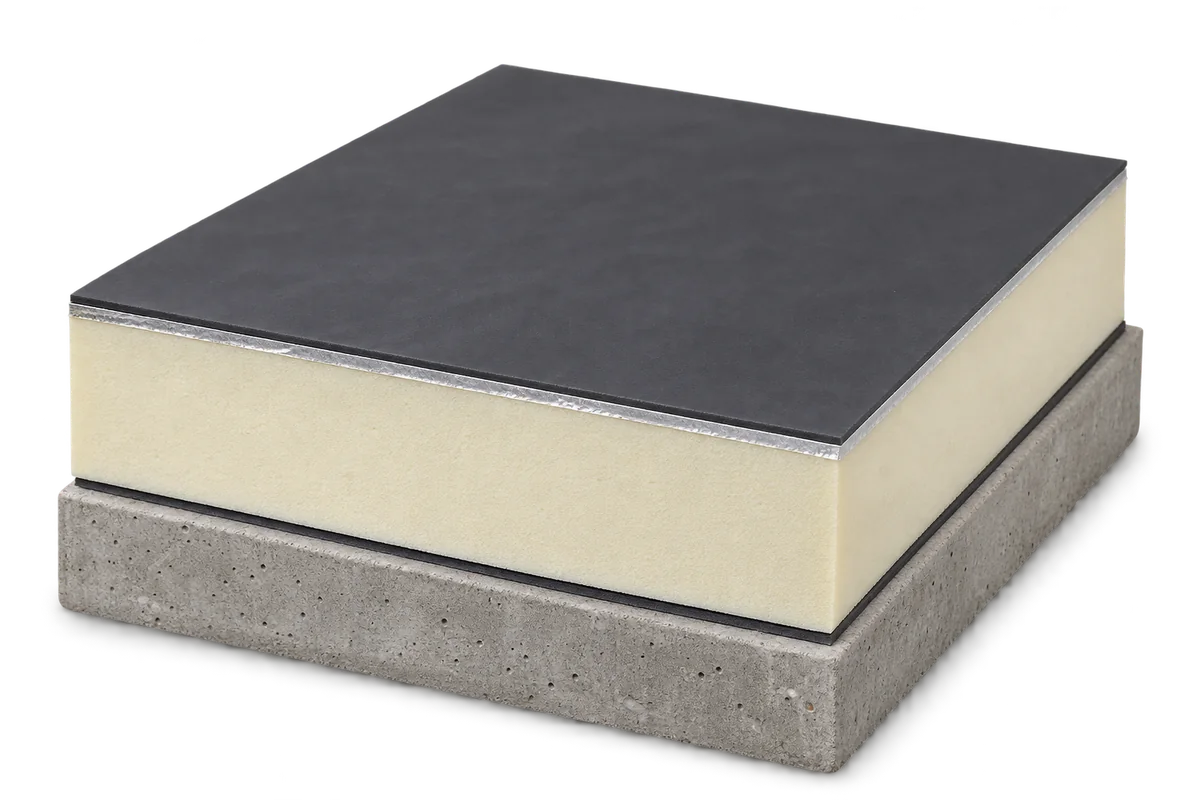
A flat-roof section should explain layer order, functions and connections at edges and openings. A list saying “concrete, PIR, membrane” is not…
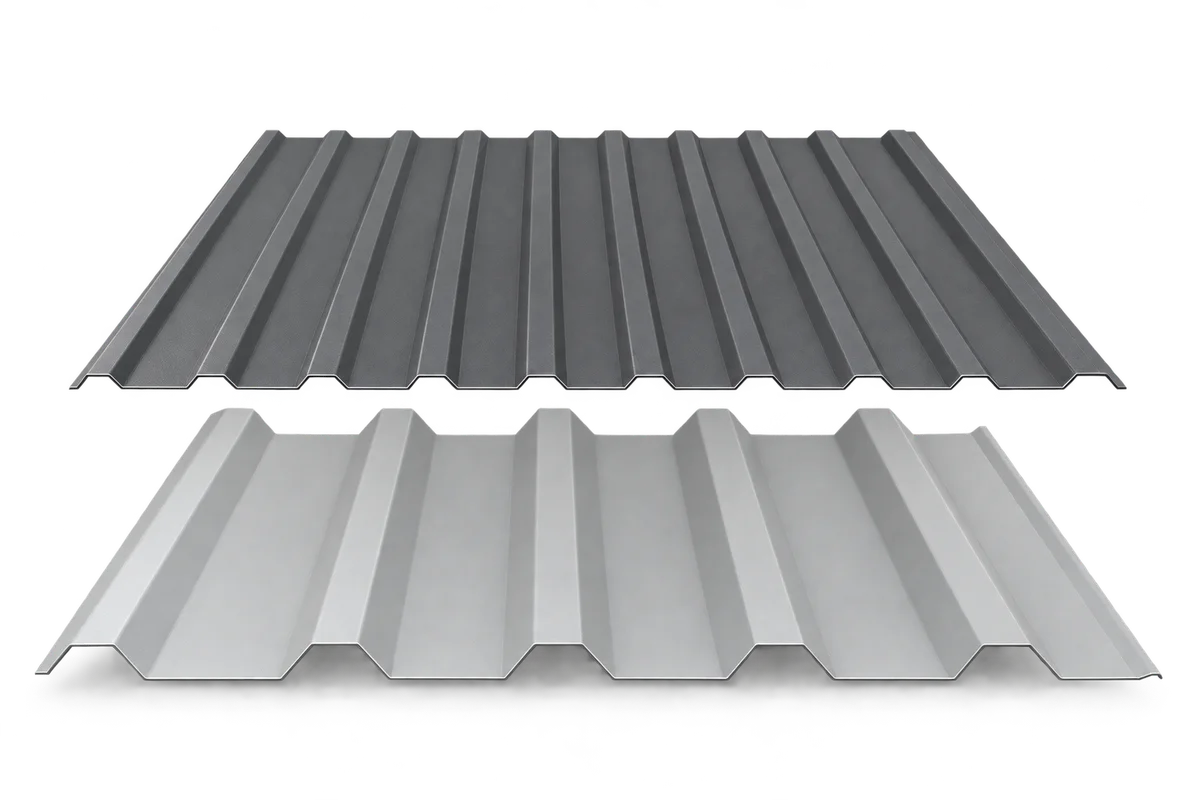
Trapezoidal steel sheet can clad a garage, form a house façade or serve as the structural roof deck of an industrial building.…
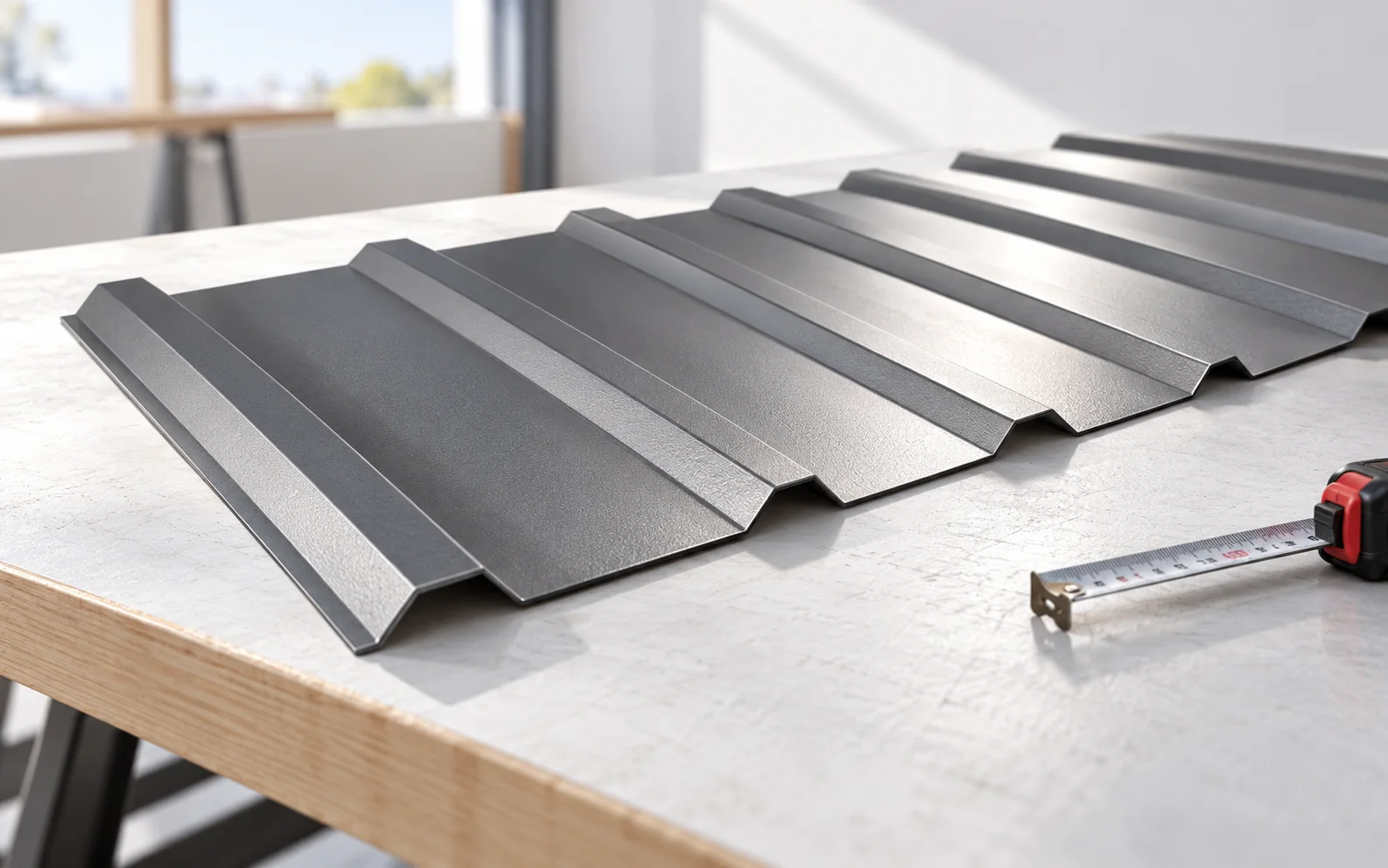
The trapezoidal designation helps identify the product family, but it does not contain all the data needed for a purchase. T18 and…
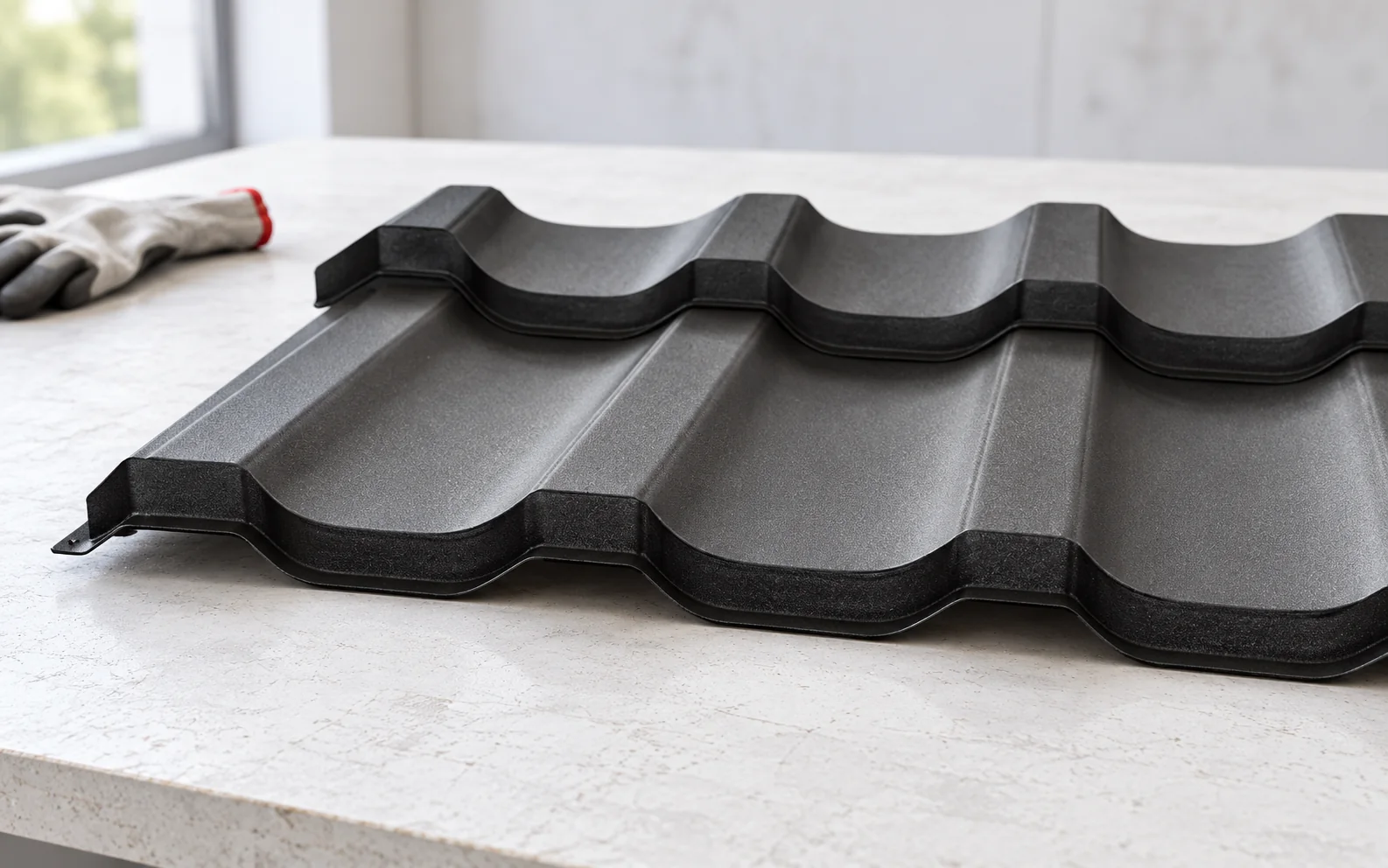
Roof coverings differ in weight, format, method of joining and required pitch. Tile-effect metal roofing, trapezoidal steel sheet, roof tiles, shingles and…
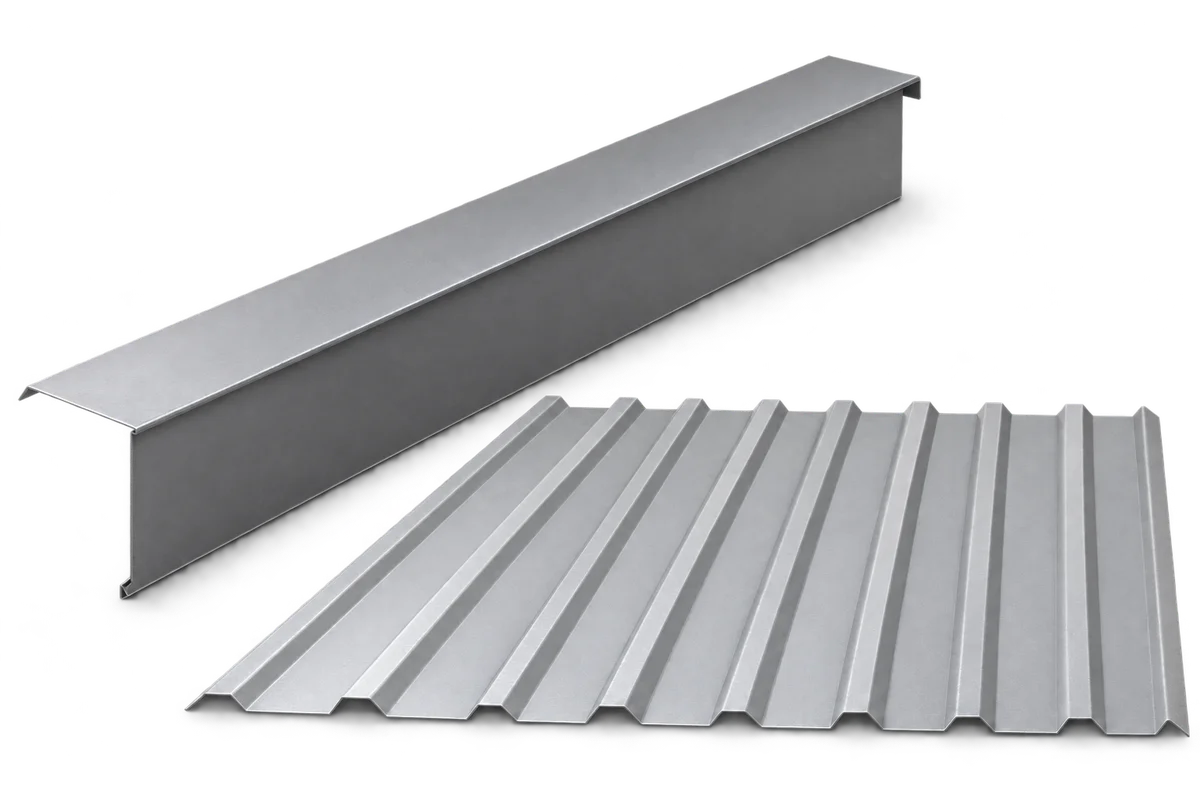
Verge flashing protects the gable edge of a roof and helps limit wind-driven precipitation getting under the covering. However, it must work…
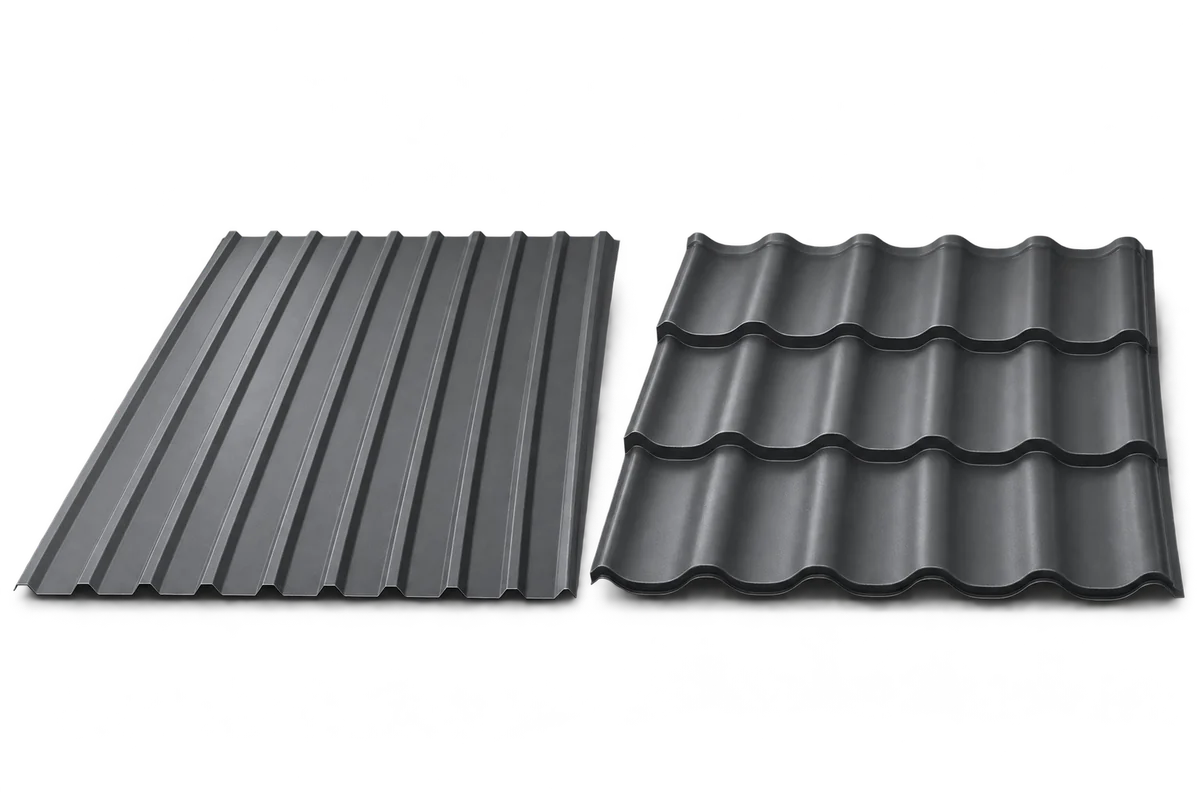
Compare tile-effect and trapezoidal steel roofing on a drawing of the actual roof. Long sheets can reduce the number of end laps…
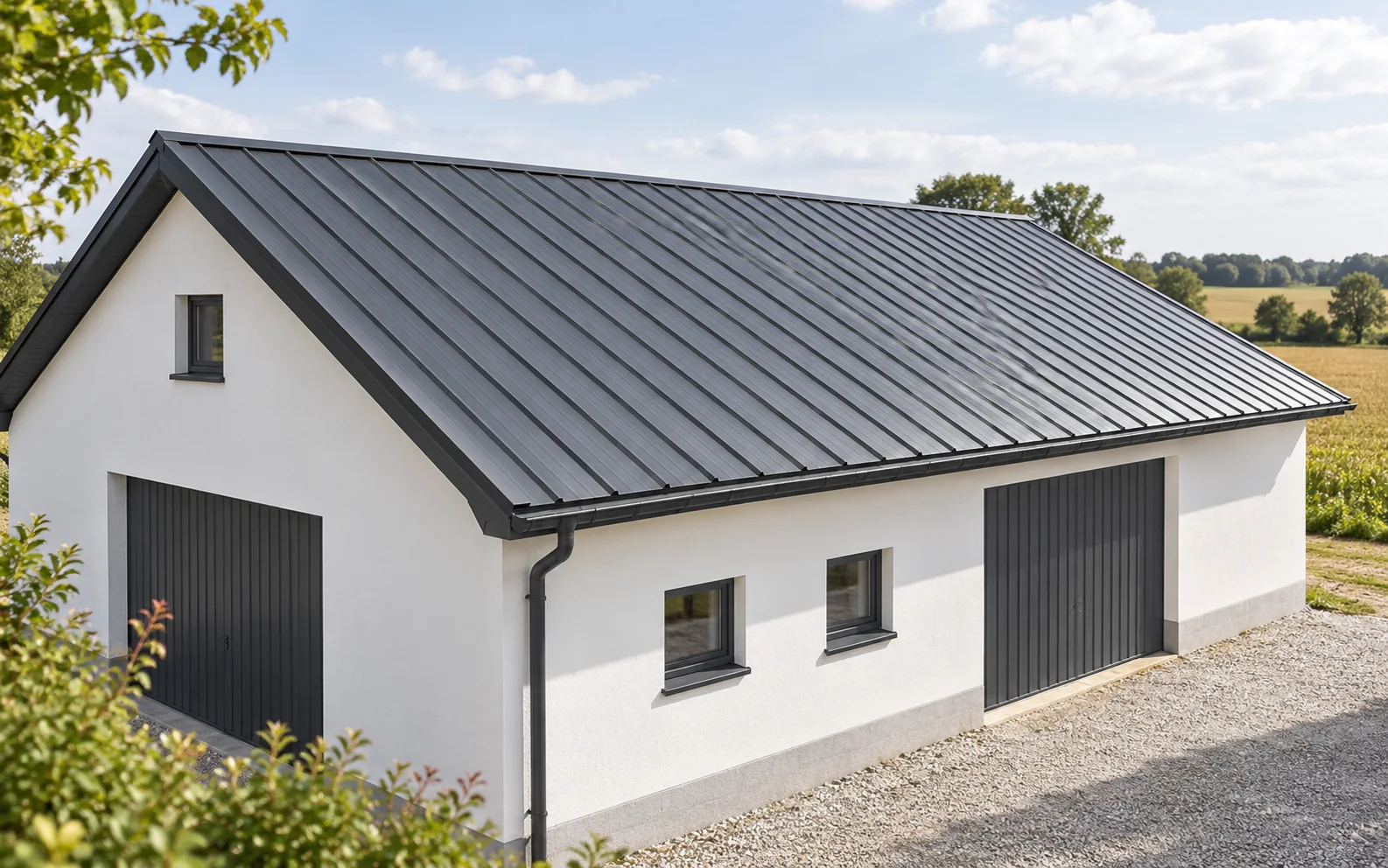
Trapezoidal steel sheet can look good on a traditional house if its profile, colour and details match the building's proportions. Not every…