

Fibre-cement coverings
Roofing a wood store: how to keep firewood dry and ventilated
A roof over firewood should limit rain penetration and allow free air exchange around the stack. A tight roof surface alone does not solve both tasks. Fibre-cement boards can be the covering of such a shelter if the structure, pitch and fixings correspond to the chosen system. Asbestos-free fibre cement must be selected together with the arrangement of eaves, drainage and ventilated walls. The quality of storage is determined by the whole structure. Wood placed under a tight roof can still be dampened from the ground, by driven rain or by water dripping from other surfaces. The position of the stack and the air access must therefore be planned. Not all sides should be enclosed merely so that rain never reaches the interior.
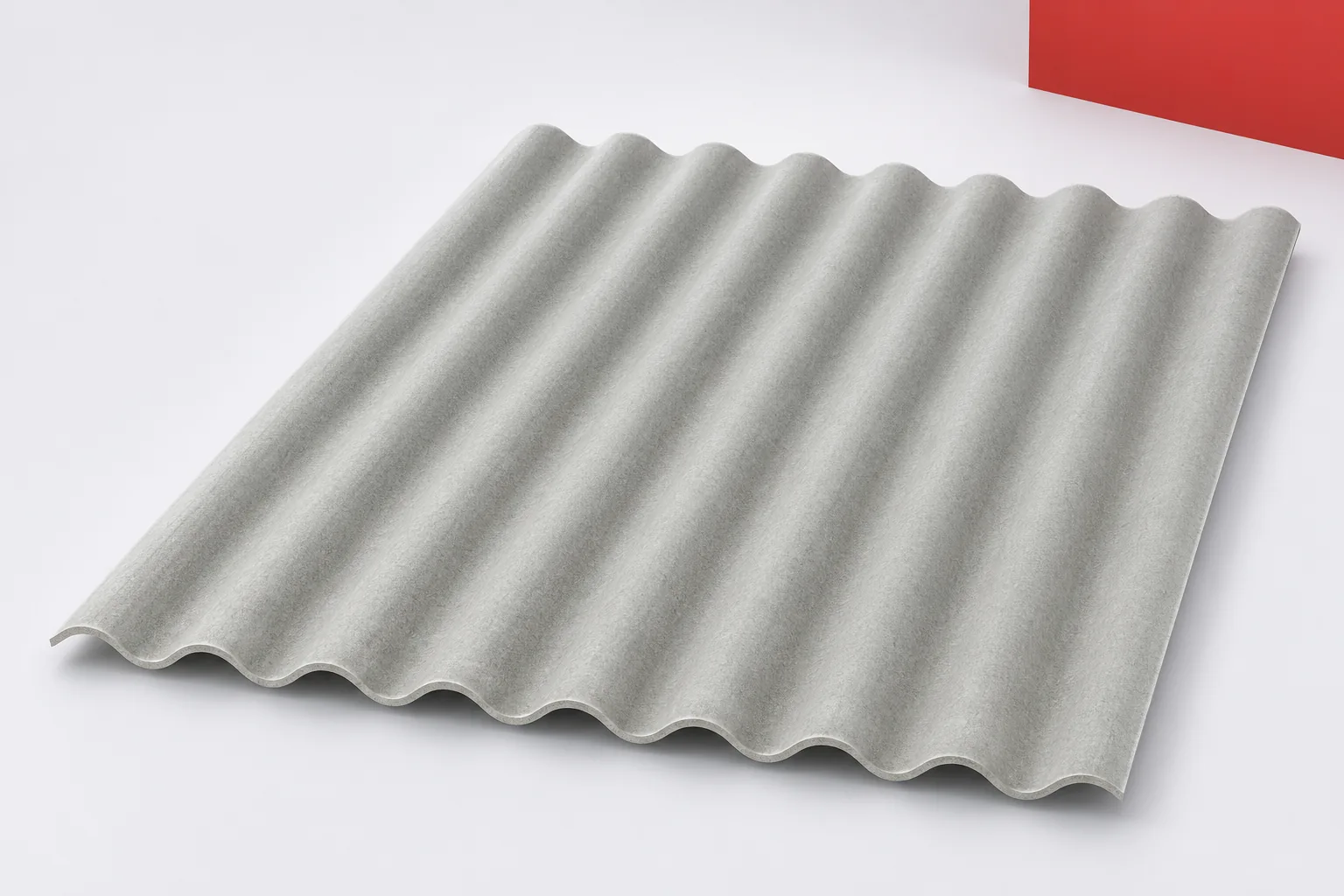
In this article
A canopy is not a closed warehouse
The extent of the enclosures must be matched to the direction of precipitation and the ventilation possibilities. Fibre-cement boards are responsible for the external roof covering, but they will not replace the correct arrangement of the material beneath. Also leave space enabling inspection of the interior and removal of the wood without damaging the posts. Convenient access to the stack also helps to maintain a distance from the covering. The wood should not accidentally support the roof or hinder inspection of the structure.
Choose the pitch before fixing the height
A low shelter is sometimes designed so that it does not obscure the view or fits under an existing eaves. However, the pitch must not be reduced below the system requirements for aesthetic reasons alone. Asbestos-free fibre cement has requirements for pitch, laps and seals. These must be checked for the specific profile. A long, shallow roof slope and exposure to wind may require particular attention. First establish the permissible solution, and only then the height of the posts and the line of the edges. If the arrangement does not fit within the available space, a correction of the design is better than a deviation concealed during installation.
Match the eaves to the protection of the wood
A larger roof may better protect the stack from slanting rain, but the sheet alone must not project beyond its support without limit. The overhang of the structure and the unsupported portion of the board are two different things. Fibre-cement boards should have support in accordance with the instructions. If a wide eaves is needed, the roof structure or purlins must be planned accordingly. Also check where the water will go. If it runs close to the stored wood, it can cause splashing and dampen the ground. A gutter and safe discharge of the runoff help to keep the area around the shelter tidy, but must remain accessible for cleaning.
Wind also loads a lightweight shelter
Open sides do not mean mild conditions for the covering. Wind can act on the roof from both sides, and the edge zones require proper fixing. Fibre-cement boards should not be screwed according to a random pattern copied from another building. The design must take into account the location of the shelter, its dimensions and the degree of openness. The connections of the posts and the anchoring of the whole structure are also important. Adding a few screws in the covering will not repair a weak foundation. Even a small structure deserves a consistent check of the load path from the roof slope to the ground.
Do not attribute the fire performance of the whole structure to the covering
Fibre cement has fire properties declared for a specific variant, but stored wood remains a combustible material. The board alone does not provide a defined fire resistance of the shelter or freedom of its location. Asbestos-free fibre cement must be assessed together with the structure and the way it is used. Distances, design requirements and the organisation of the store should be established for the specific location. Random sources of ignition should not be kept under the canopy merely because the covering is mineral. When comparing materials, separate the reaction of the board to fire from the behaviour of the whole shelter and its contents.
Plan the installation and storage of the boards separately
On a small plot, the package often ends up in a random place, and the boards are then moved many times. It is better to prepare a level surface, proper support and protection in accordance with the instructions. Fibre-cement boards should be lifted, not dragged over neighbouring sheets. Corners are easily damaged even by stored logs. Before delivery, remove obstacles from the transport route. If the shelter stands close to a fence, check the possibility of passing long elements onto the roof. The organisation of work should correspond to the format, and not rely on the assumption that a large sheet can always be safely turned on site.
Leave the possibility of inspection after the season
After heavy rain, inspect the interior from a safe place. Look for traces of runoff, new stains and places where the wood remains constantly wet. Fibre-cement boards can buffer some moisture, but they do not guarantee the absence of condensation. Excessively tight enclosure of the sides or a blocked discharge can also be a problem. Do not walk directly on the roof slope for inspection. Necessary work is carried out with appropriate access and protection. Regular removal of leaves from the gutter is easier when the wood stack does not occupy the entire space under the eaves and allows equipment to be set up.
Prepare a sketch of the shelter with the position of the stack, the open sides and the water discharge. Only then select the profile and the format of the boards for this arrangement, and not the other way round.
7 branches. Materials closer to your project.

Free quote
Materials for your project
You may also find useful…
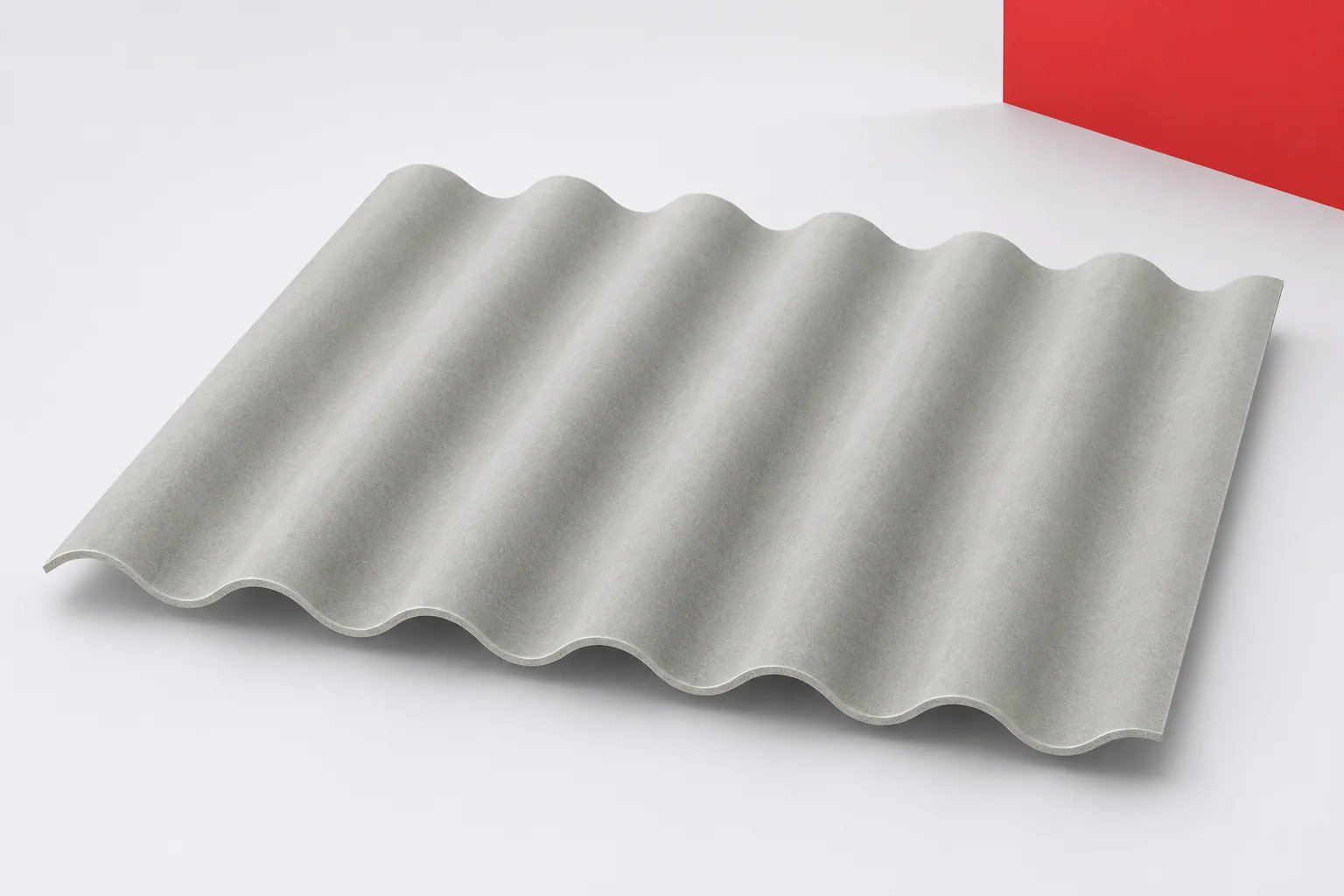
The roof colour shapes the appearance of the whole building, but choosing a coating does not end with the shade. Fibre-cement boards…
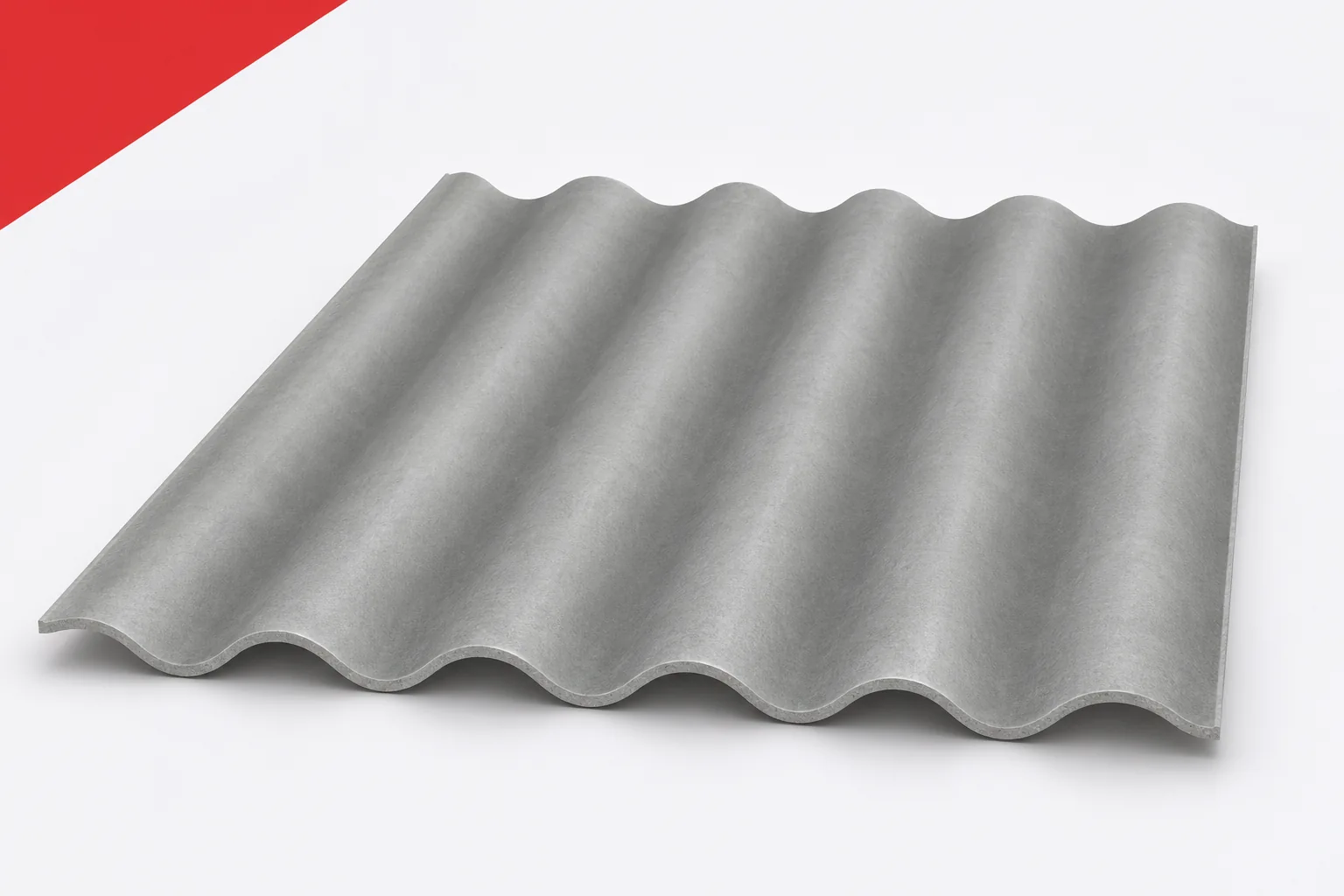
When a carport is demolished or a farm building is converted, the question arises of giving the roofing a second life. Fibre…
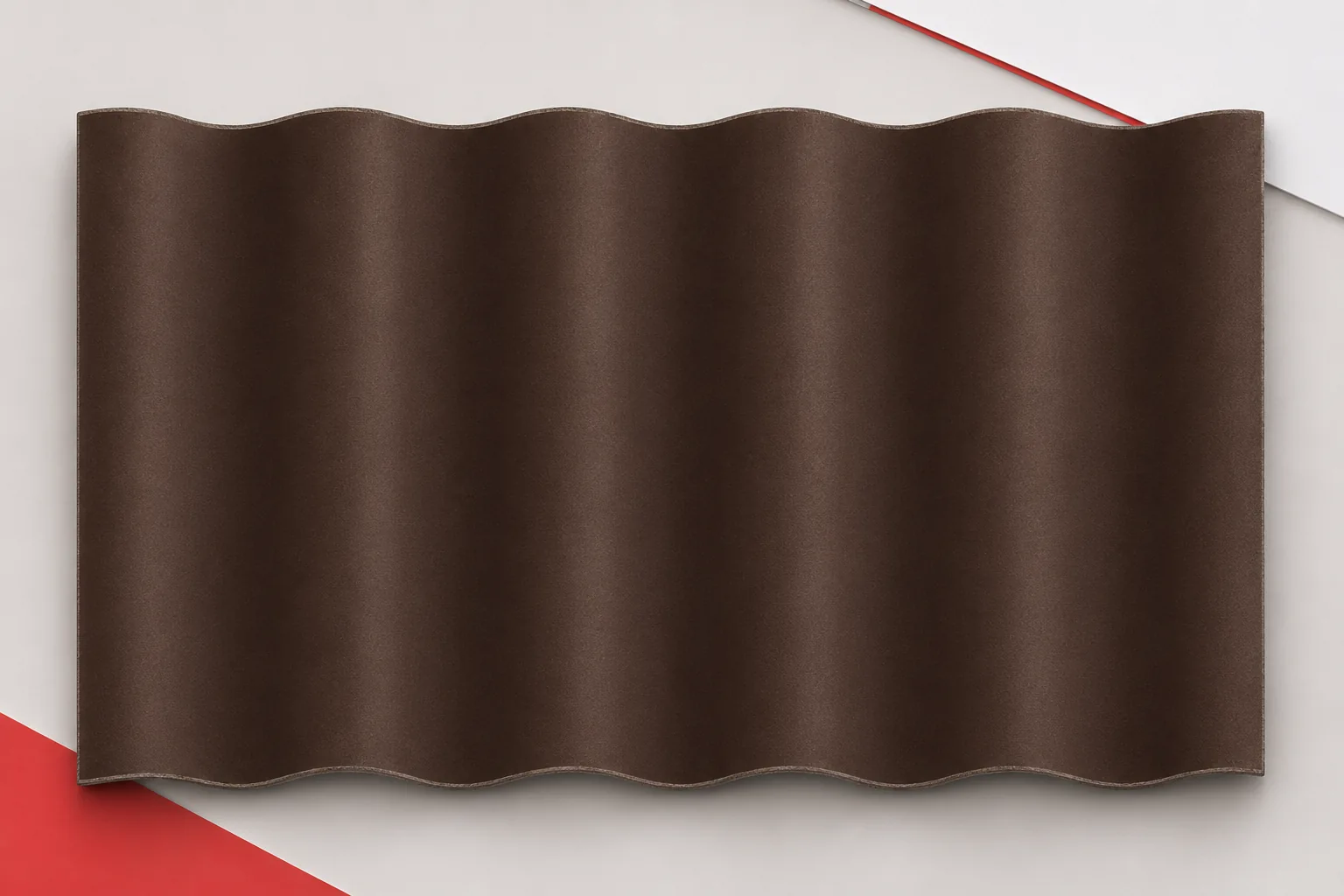
Rainwater harvesting requires looking at the entire path of the water: from the roof slope through the gutters to the tank and…
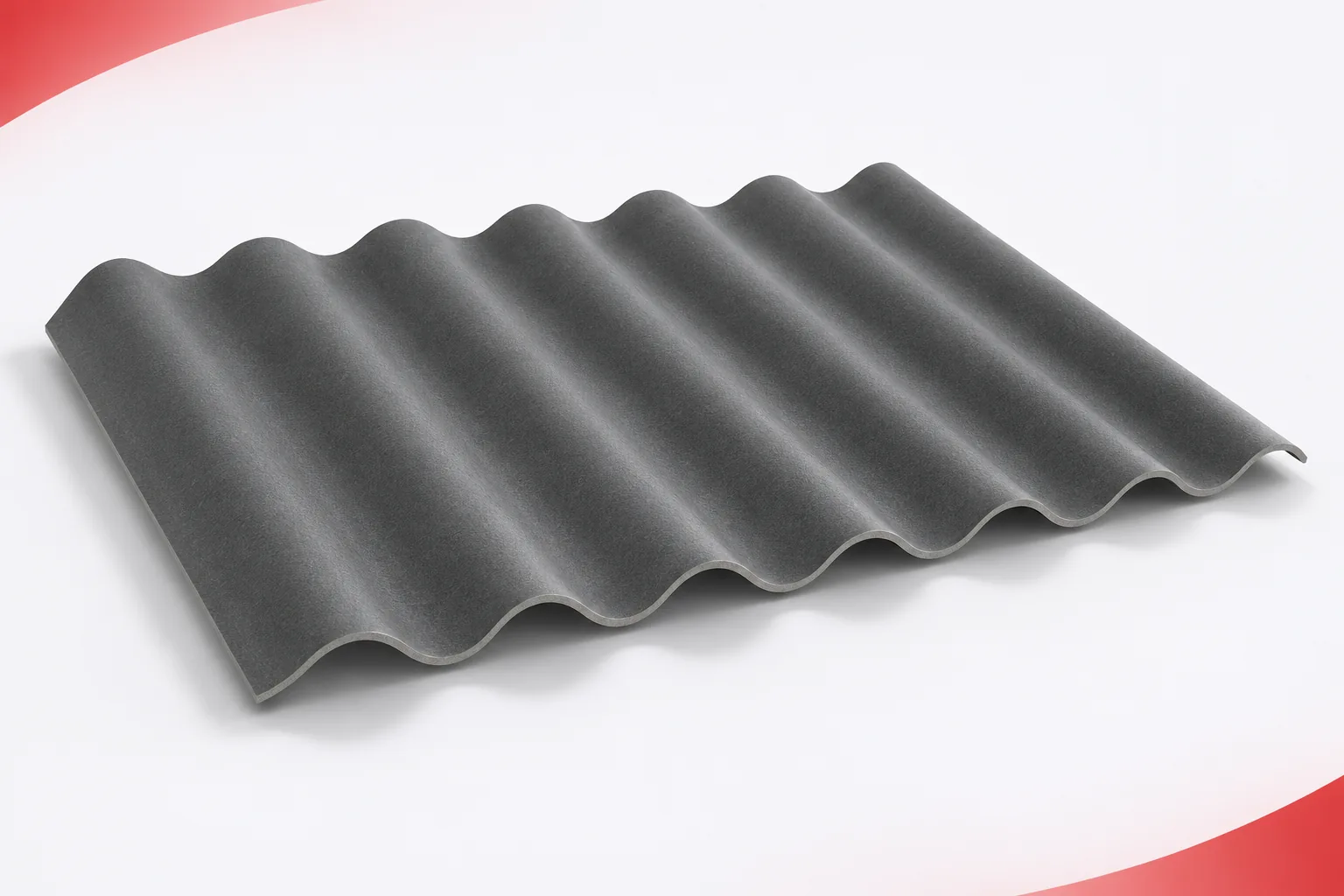
Asbestos-free fibre cement is often chosen with a view to a durable roof and fewer frequent renovations. That is a sensible direction,…
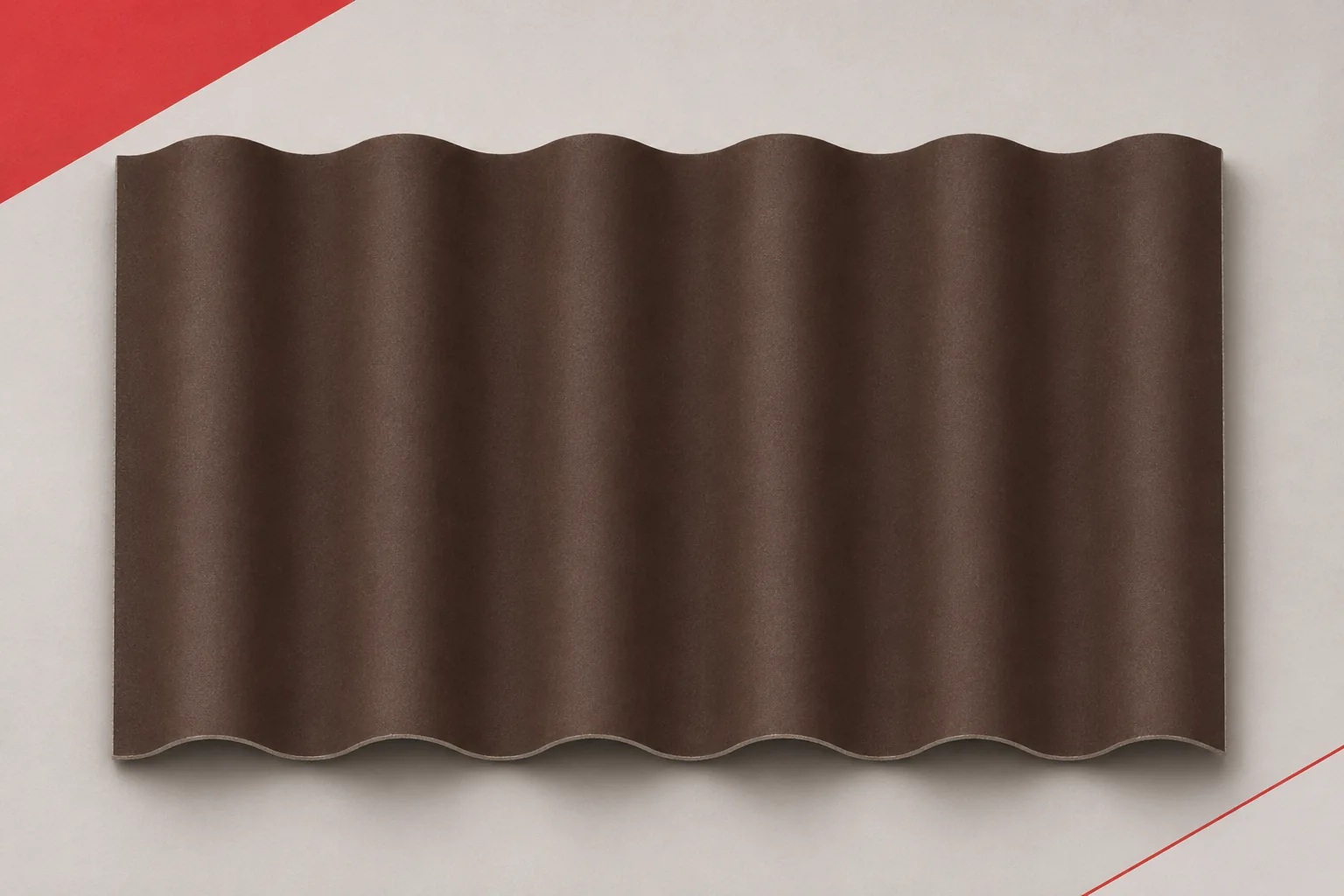
An environmental declaration helps you understand a product's impact, but it requires careful reading. It is not a school grade, nor a…
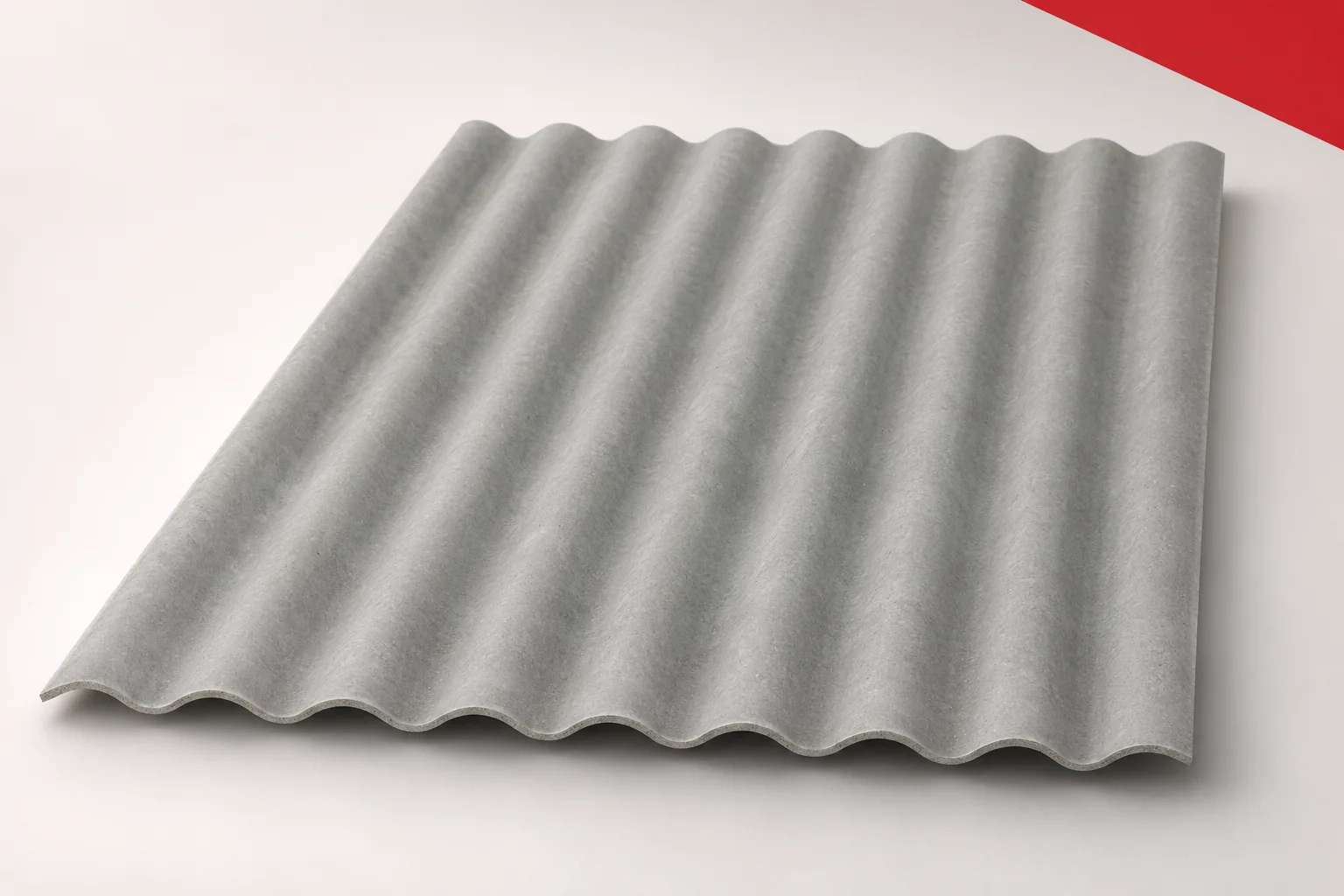
Fibre-cement slates should be assessed over the entire service life of the roof. What matters is its weathertightness, the possibility of repair…
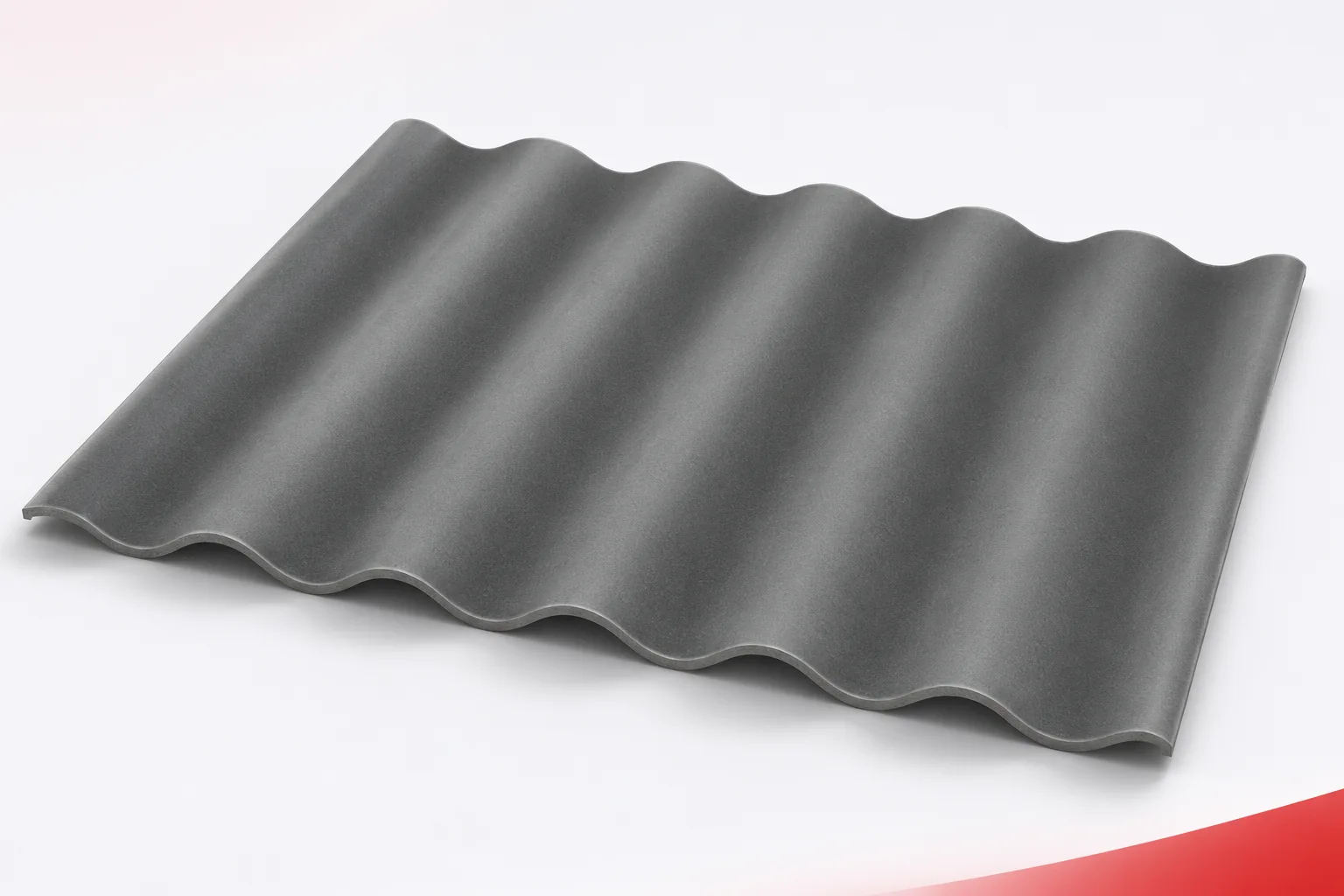
Roof maintenance should not begin with a breakdown. Fibre cement sheets need checks on the joints, the drainage and the places where…
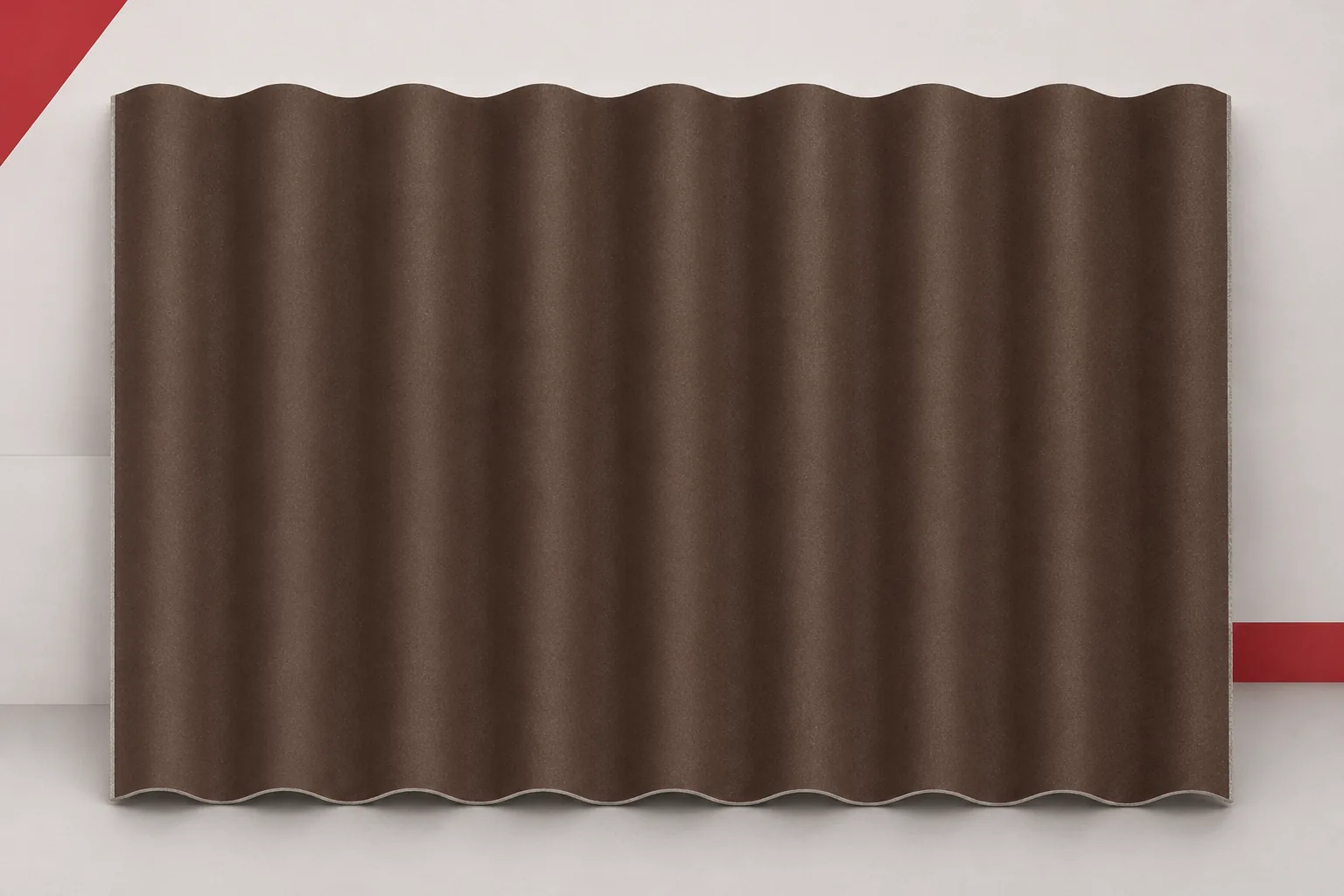
The grey corrugated sheet has a distinct wave pattern and a calm, mineral appearance. It does not have to imitate a roof…