

Fibre-cement coverings
Choosing corrugated roofing for a small garden shelter
A small garden shelter does not need a complicated form, but it does need a properly designed roof. Fibre-cement sheets can give it a calm appearance and form a durable shield against precipitation. The choice must, however, be based on the intended use, the dimensions and the conditions on the plot. Asbestos-free fibre cement has its own weight, geometry and method of fixing. It should not be treated like any ordinary sheet that merely needs cutting to the outline of the posts. A roof over tools, a seating area and a bicycle shelter have different requirements. In the first case, protecting the equipment matters; in the second, comfort during rain and sunlight also count. If you plan to close in the sides later, tell the designer.
In this article
Decide what is to go under the roof
Converting an open shelter into a sealed store affects humidity conditions and wind action. Fibre-cement sheets can remain the same covering, but the whole structure will behave differently. It is also worth establishing access to the gate, walkways and unloading point before you accept the final dimensions of the roof slope. It is worth indicating the positions of future lights and cables straight away. Their power supply and fixing can then be prepared in the structure without later drilling random holes in the covering.
Simple geometry makes for a good cut
On a small roof slope, a few misjudged cuts can account for a considerable part of the order. It is well worth comparing the planned dimensions of the shelter with the working width and lengths of the sheets. This does not mean arbitrarily changing the laps to suit the material. Fibre-cement sheets should retain the system’s conditions. What can be done in advance is to adjust the arrangement of the posts, the line of the eaves or the size of the roof slope within the limits of the design. With a mono-pitch roof, the top termination must also be resolved. A simple form does not exempt you from protecting the edge through which wind can force water under the covering.
Check the weight for the finished roof
The mass of the sheets themselves is only part of the permanent load. Laps, accessories and the structure add to it, and in use snow and wind action as well. Asbestos-free fibre cement should not end up on a randomly assembled frame simply because the shelter has a small area. An assessment of cross-sections, connections and anchoring is needed. In a renovated structure, also inspect the condition of the timber or the protection of the steel. Replacing a lighter material with another covering can change the working conditions. It is not worth basing the decision solely on the fact that the posts have so far supported the roof without visible problems.
Match the colour to the actual materials
Natural grey and factory colours produce different effects. On a small shelter the roof is often viewed from close up, so texture and the way the edges are finished matter. It is worth setting fibre-cement sheets against a sample of timber, render or fencing in daylight. Do not choose the colour solely from a phone photo. Also ensure consistency between the gutter and the flashings, but not at the expense of system compatibility. An element of a similar shade does not replace the correct profile. The aesthetics of a small structure are built by orderly connections, not by the number of decorative additions at the edges.
Plan for rain to drain away from the area of use
Water should not run onto the entrance, the path or the storage area. The position of the gutter and outlet must be agreed with the roof pitch and the shape of the terrain. Fibre-cement sheets should direct precipitation along the corrugations to the designated edge. Their orientation should not be reversed for a more interesting appearance if the system does not provide for this. At the wall of an existing building, a proper connection detail is needed. Merely pushing the sheet up to the render does not create a sealed joint. The solution should also take later cleaning into account, because small gutters are easily overlooked during seasonal garden work.
Do not economise on installation access
The proximity of trees, a fence and the façade can make carrying the sheets difficult. The length of the sheet must also be chosen to suit the possibilities for safe working. Asbestos-free fibre cement is a brittle material under incorrect point loads, so resting a corner on it while turning is not a good solution. Proper platforms and safeguards must be provided. The covering should not be walked on directly. If the chosen format forces risky manoeuvres, it is worth changing the organisation or considering another permitted format. The cost of efficient installation should be part of the comparison of quotes from the very start.
Think about use in a few years’ time
A garden roof is easily obscured by plants or added equipment. Leave the possibility of inspection and removal of leaves, however. Fibre-cement sheets require checking of connections, free drainage and surface condition in accordance with the recommendations. Do not later fix planters, swings or lamps to random points on the covering. Every additional element should have proper support in the structure. Keep the product documents and a few photos of the finished details. On a small structure this is enough to make it easier, years later, to establish the correct method of repair instead of choosing parts purely by eye.
Before purchase, check the function of the shelter, its support, the drainage path and the planned layout of the sheets. A small roof also benefits from decisions made before the material arrives.
7 branches. Materials closer to your project.

Free quote
Materials for your project
You may also find useful…
The NT marking appears in the documentation and labelling of modern fibre-cement products. It helps identify asbestos-free technology, but it must be…
A good order starts with the layout of the sheets on the roof slope. Fibre-cement slates are available in various formats, but…
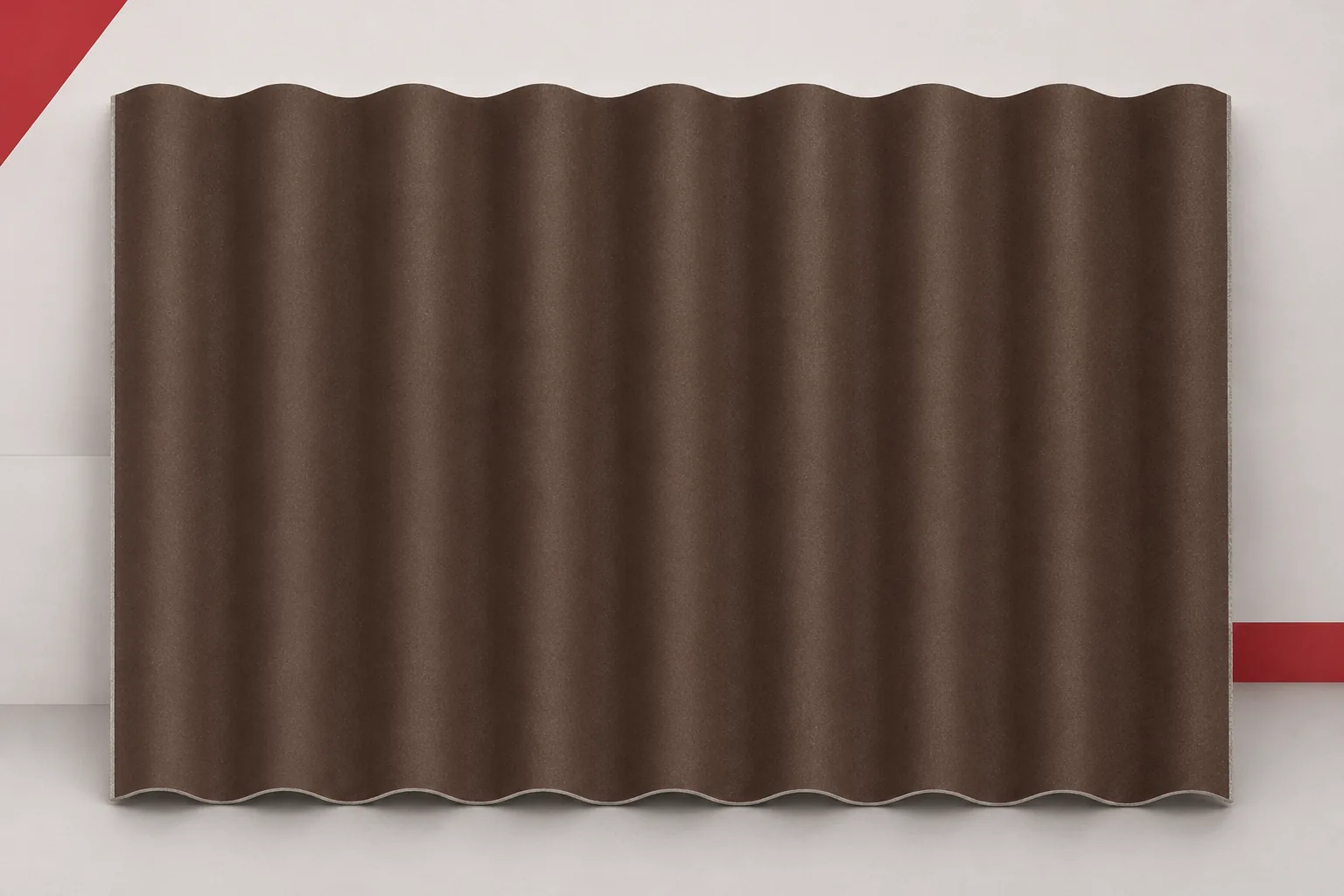
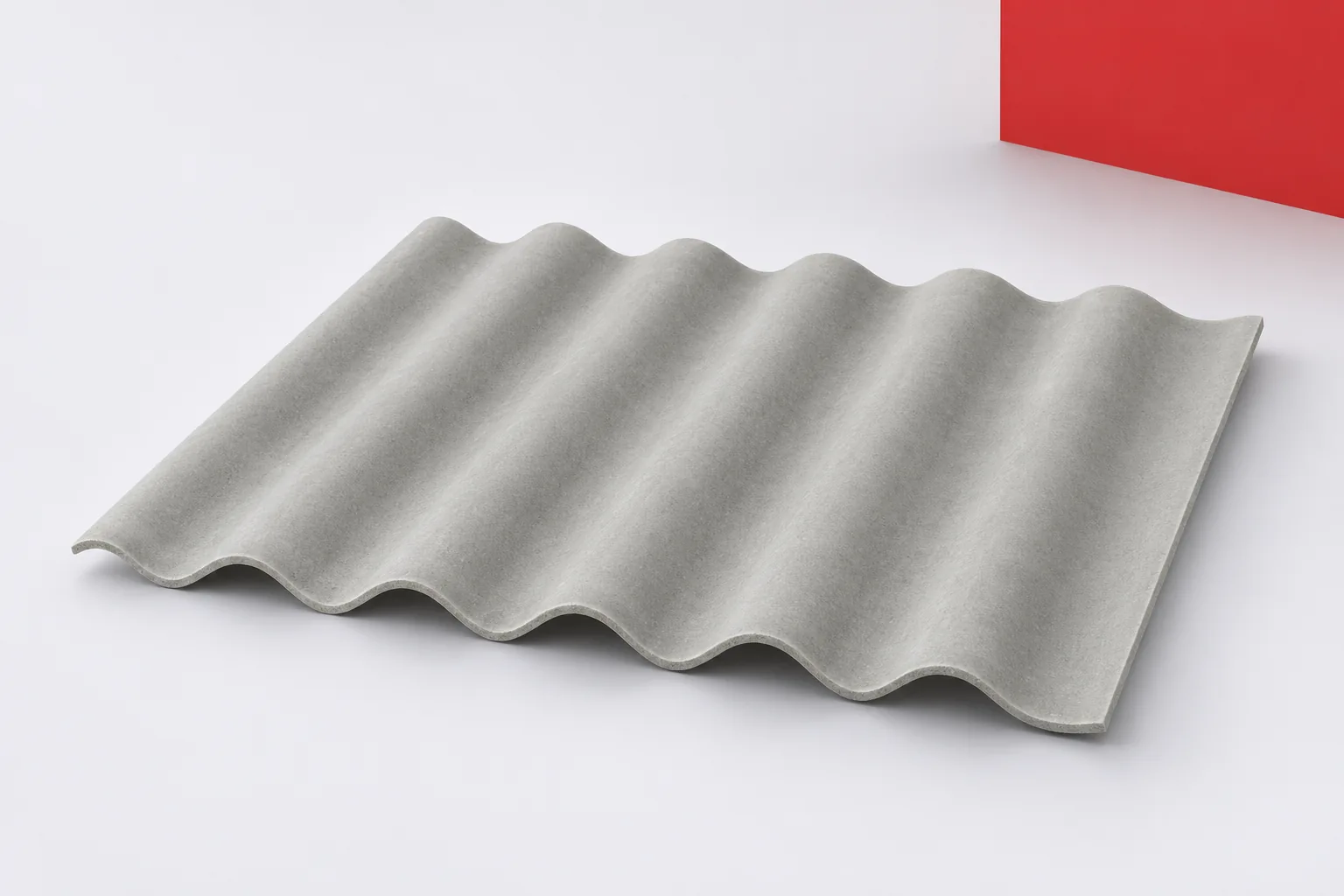
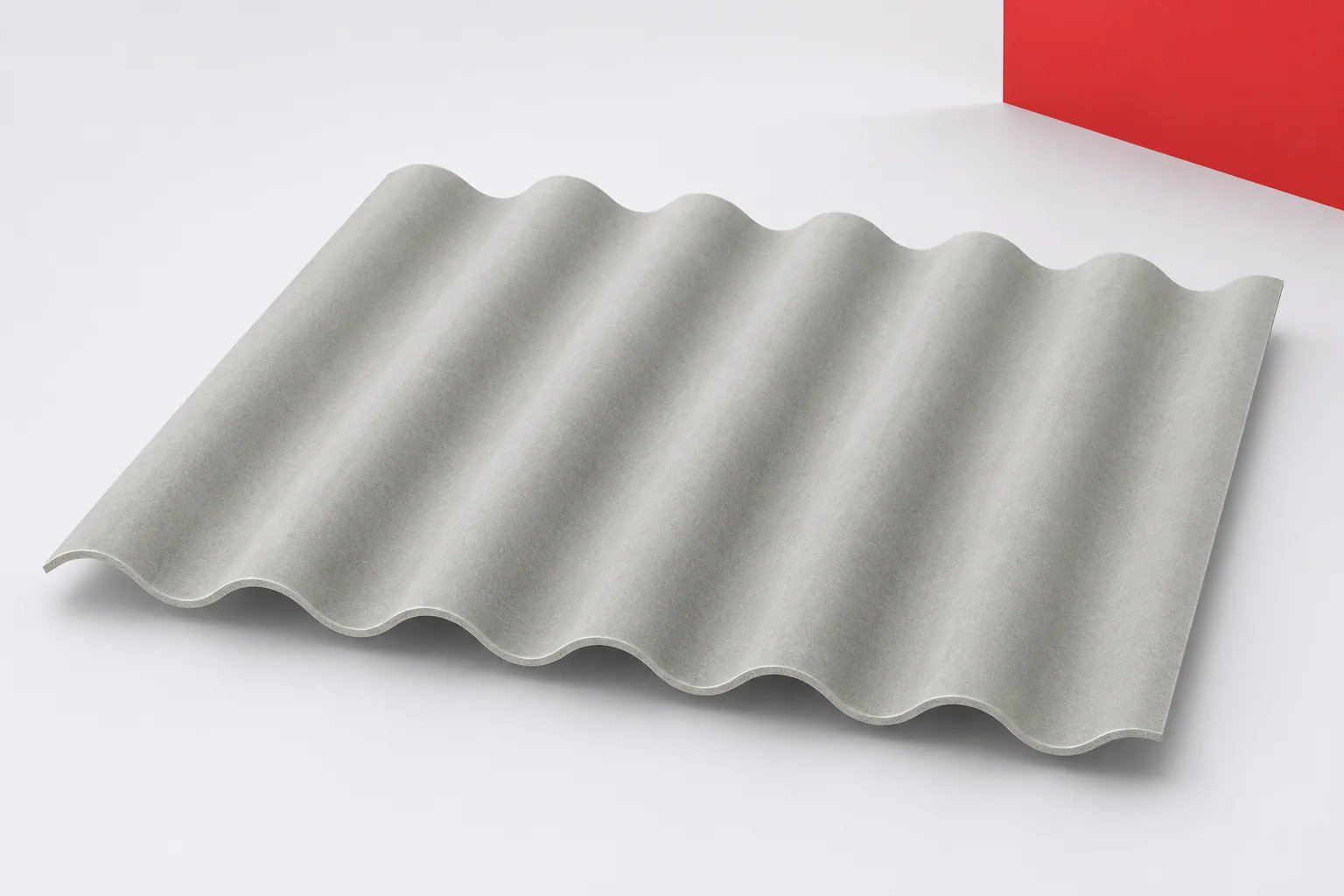
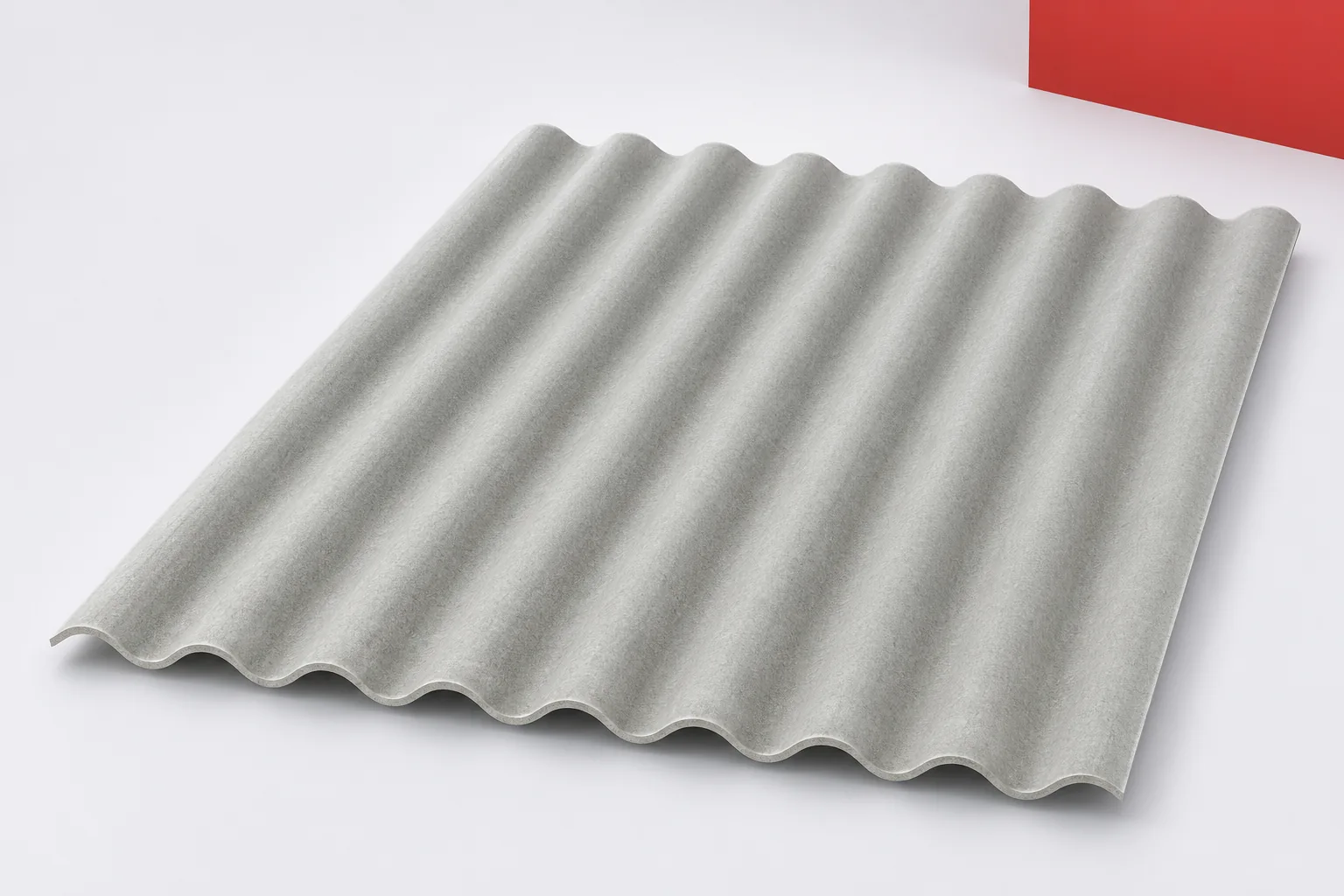
The grey corrugated sheet has a distinct wave pattern and a calm, mineral appearance. It does not have to imitate a roof…
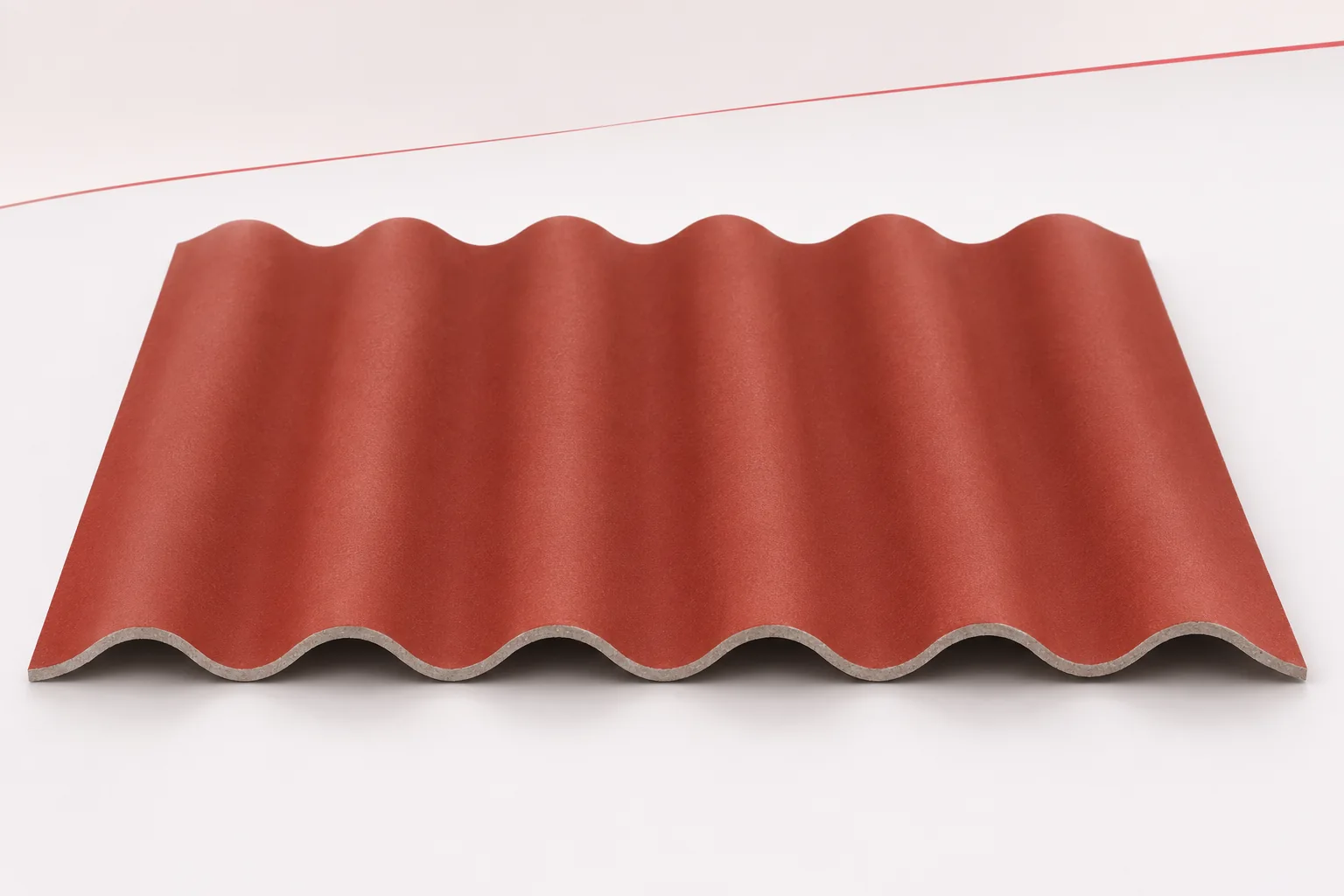
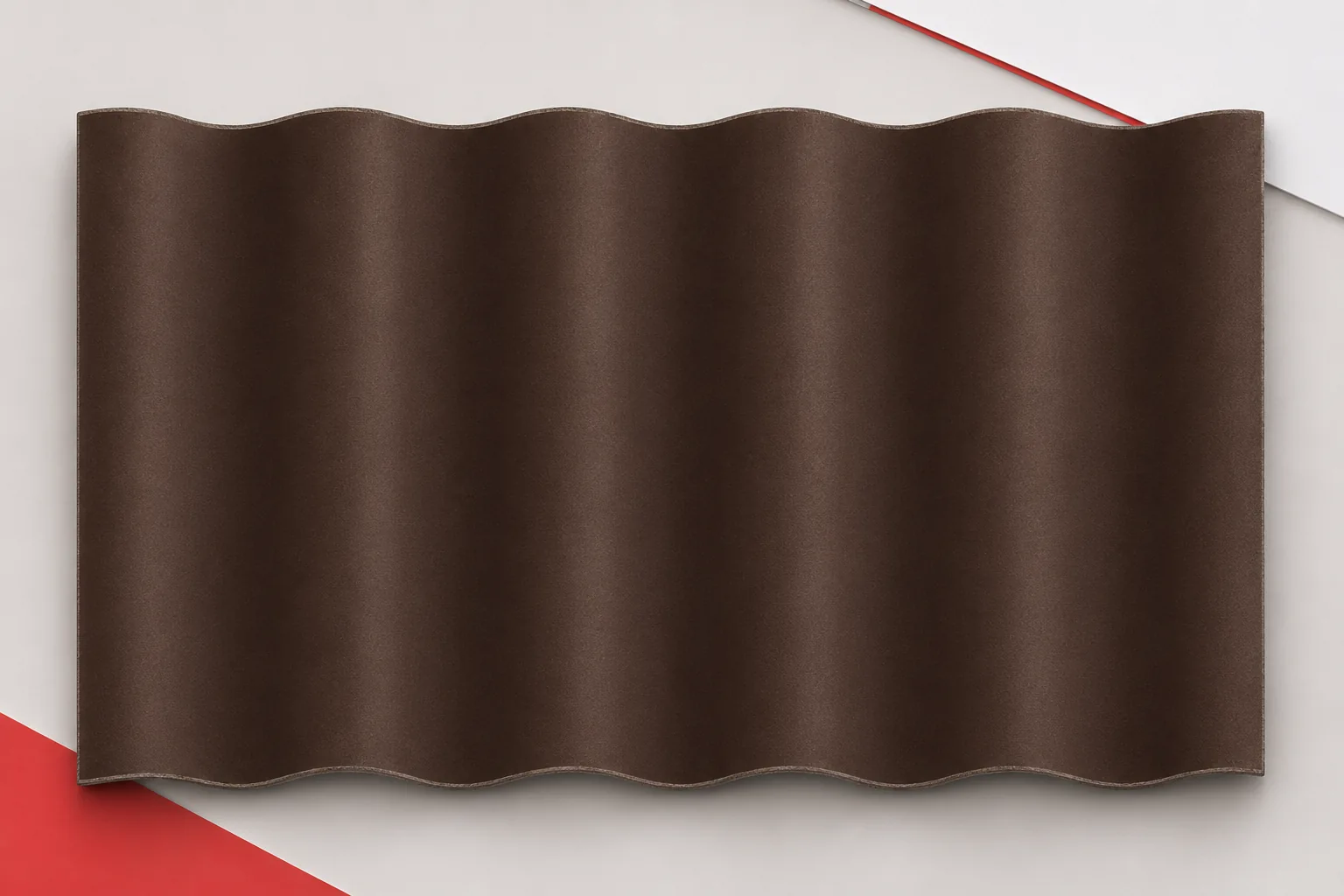
The roof colour shapes the appearance of the whole building, but choosing a coating does not end with the shade. Fibre-cement boards…
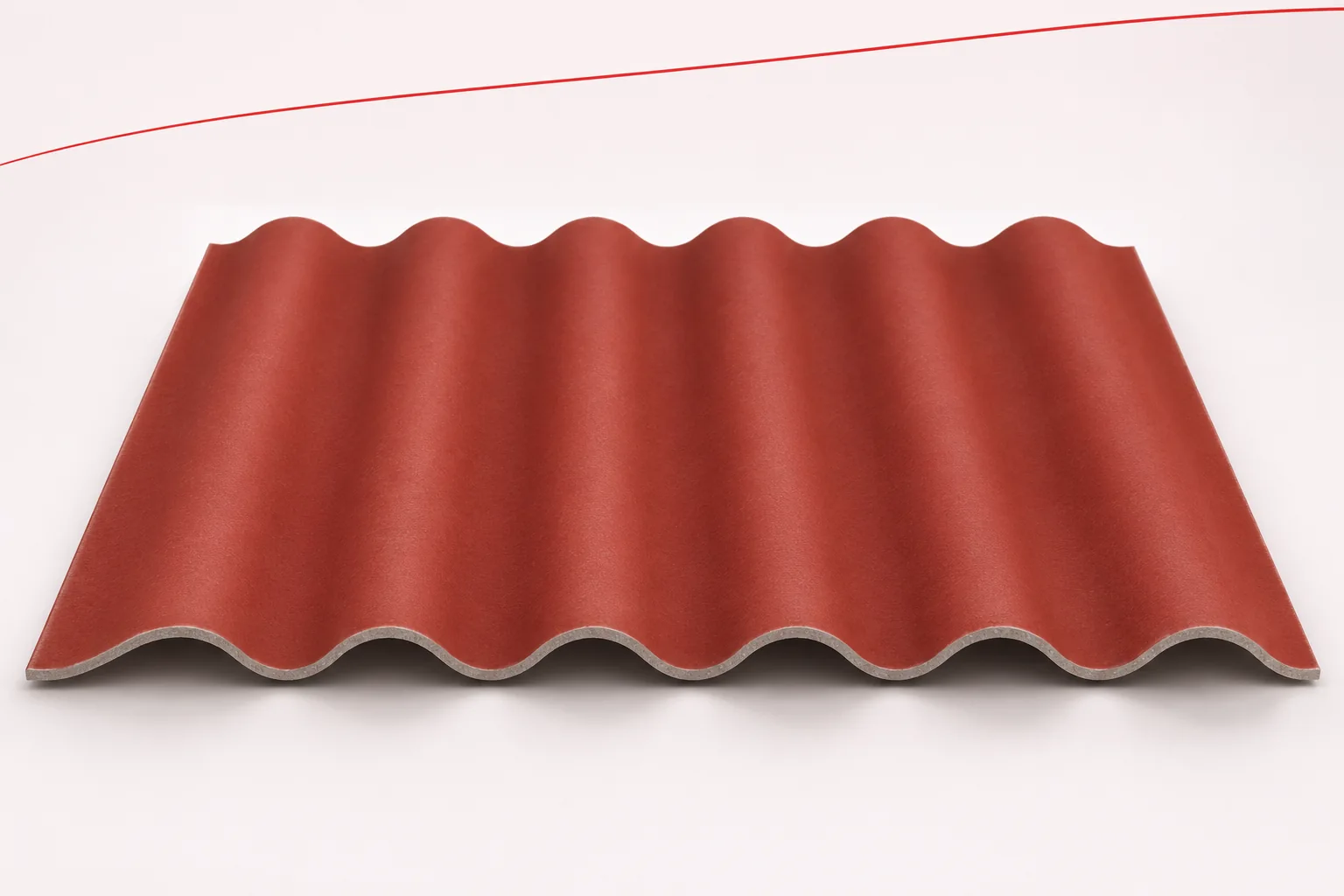
Fibre cement, steel and plastic can all be produced in a similar corrugated profile. That does not make them interchangeable, however. Fibre…
Rainwater harvesting requires looking at the entire path of the water: from the roof slope through the gutters to the tank and…
A roof over firewood should limit rain penetration and allow free air exchange around the stack. A tight roof surface alone does…
Roof maintenance should not begin with a breakdown. Fibre cement sheets need checks on the joints, the drainage and the places where…