

Fibre-cement roof coverings
Does a durable roofing material always make a roof economical?
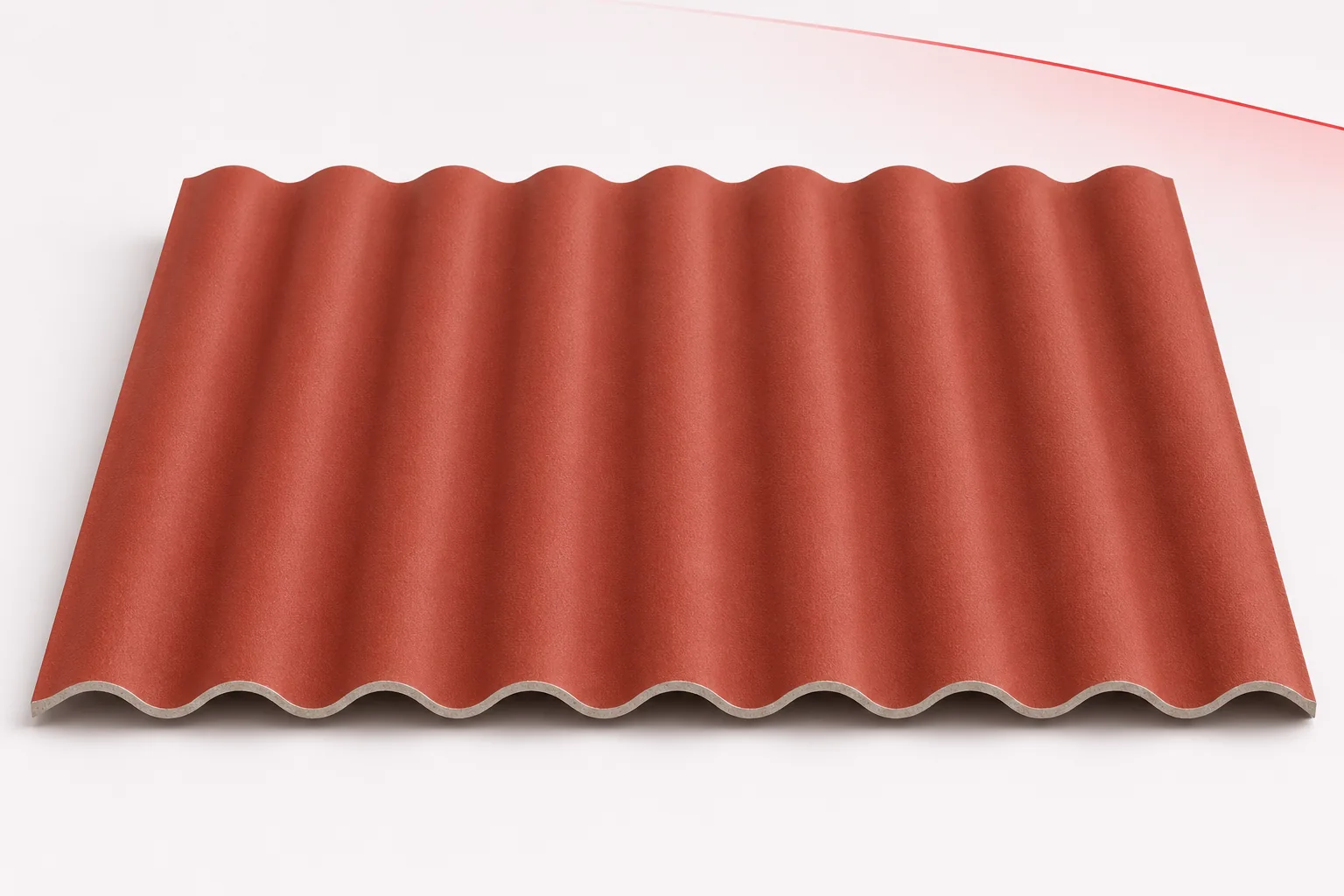
A durable material can help to limit expenditure, but it does not guarantee a cheap roof. Fibre-cement sheets have to be bought, delivered, correctly installed and subsequently maintained. Each of these stages affects the cost. Asbestos-free fibre cement is worth assessing as a complete system rather than by the price of a single sheet. Savings arise when the material suits the structure and does not force unnecessary work or frequent repairs. The quotation should include all the components needed to complete the covering. Ridges, fittings, fixings and flashings have their own price and influence the labour. Fibre-cement sheets bought by nominal area may look attractive in a table, although once converted to actual coverage the difference shrinks.
In this article
The purchase price is only the beginning
It also matters whether the amount includes transport and unloading. When comparing two proposals, establish a common scope. A missing item does not mean the component will not be needed. Often it merely means that its cost will appear later, when changing the decision becomes harder. It is worth asking for separate items for material, labour and additional works. This makes it easier to check whether a later change of scope really requires adjusting the whole price.
Matching the structure has a concrete value
For a renovation, the load-bearing capacity, condition and spacing of the supports must be checked. If the chosen covering requires the substructure to be rebuilt, the cost of that work should enter the comparison. Asbestos-free fibre cement does not automatically suit every old batten layout. Conversely, leaving unsuitable supports in place can bring apparent savings and later damage. Fibre-cement sheets are best priced after an assessment of the roof. The client then knows which expenses arise from the material and which from necessary work on the building itself. Such a separation makes a sensible comparison of alternatives easier.
Format affects the cost of labour
Large sheets can reduce the number of joints, but moving them requires space and proper organisation. On a small roof with many changes of direction, another format may be more advantageous. Fibre-cement sheets have to be matched to the cutting plan and the support. Saving on the number of pieces should not lead to incorrect laps or risky transport. Ask the contractor to indicate how the format affects working time and the amount of waste. Two sheets with a similar price per metre can produce a different cost for the finished roof slope, particularly with difficult access or when work has to be carried out in stages.
Ease of repair matters after years
The covering may require intervention after a branch strike, damage by an installer or failure of an accessory. What then counts is the ability to reach the fault and replace a matching component. Asbestos-free fibre cement with a recognised profile is easier to assess than unlabelled material from a chance delivery. Documents and photographs help to avoid costly mistakes. It is also worth checking the availability of accessories, without promising that every format will be produced indefinitely. A stock makes sense under suitable storage conditions. It is not, however, a substitute for a safe service route or a works plan.
A guarantee does not cover every scenario
A long period stated in the quotation does not mean reimbursement of all costs associated with a failure. The scope, conditions and exclusions must be read. Separate rules may apply to the sheet and to the coating. Fibre-cement sheets used or installed contrary to the instructions may be assessed differently from a product with a manufacturing defect. Zero maintenance costs should therefore not be entered in the calculation on the basis of the guarantee alone. Inspections, cleaning of outlets and access to the roof remain real tasks. Their cost also depends on the height and surroundings of the building, and not solely on the chosen material. Also check the required method of reporting a defect. Keeping labels and delivery documents can considerably speed up establishing which batch the problem concerns.
Count the consequences of a break in use
A minor leak above an empty canopy and the same defect above an active production line can have entirely different consequences. In the second case, protection of machinery, downtime and the organisation of substitute work are added. Fibre-cement sheets are worth selecting together with details that limit the risk of such events. Greater expenditure on careful penetrations and service access may be justified, even if it does not lower the initial price. However, a specific return cannot be promised without data on the property. First establish what is beneath the roof and which scope of failure would be most costly.
Compare several realistic scenarios
Instead of a single figure for the whole period, combine the initial cost with the expected maintenance tasks. Include normal use, one local repair and a possible change of use of the building. Asbestos-free fibre cement may come out favourably if it suits the structure and does not require complicated details. Fibre-cement sheets, however, need not win in every scenario. A well-prepared calculation shows what the result depends on. It also allows expenditure to be identified that can be avoided at the design stage. This is more useful than comparing advertised durability periods without a common scope and conditions.
Compare the cost of the finished roof, its maintenance and possible repairs. For each amount, establish what it covers and what assumption about the use of the building stands behind it.
7 branches. Materials closer to your project.

Free quote
Materials for your project
You may also find useful…
The NT marking appears in the documentation and labelling of modern fibre-cement products. It helps identify asbestos-free technology, but it must be…
A small garden shelter does not need a complicated form, but it does need a properly designed roof. Fibre-cement sheets can give…
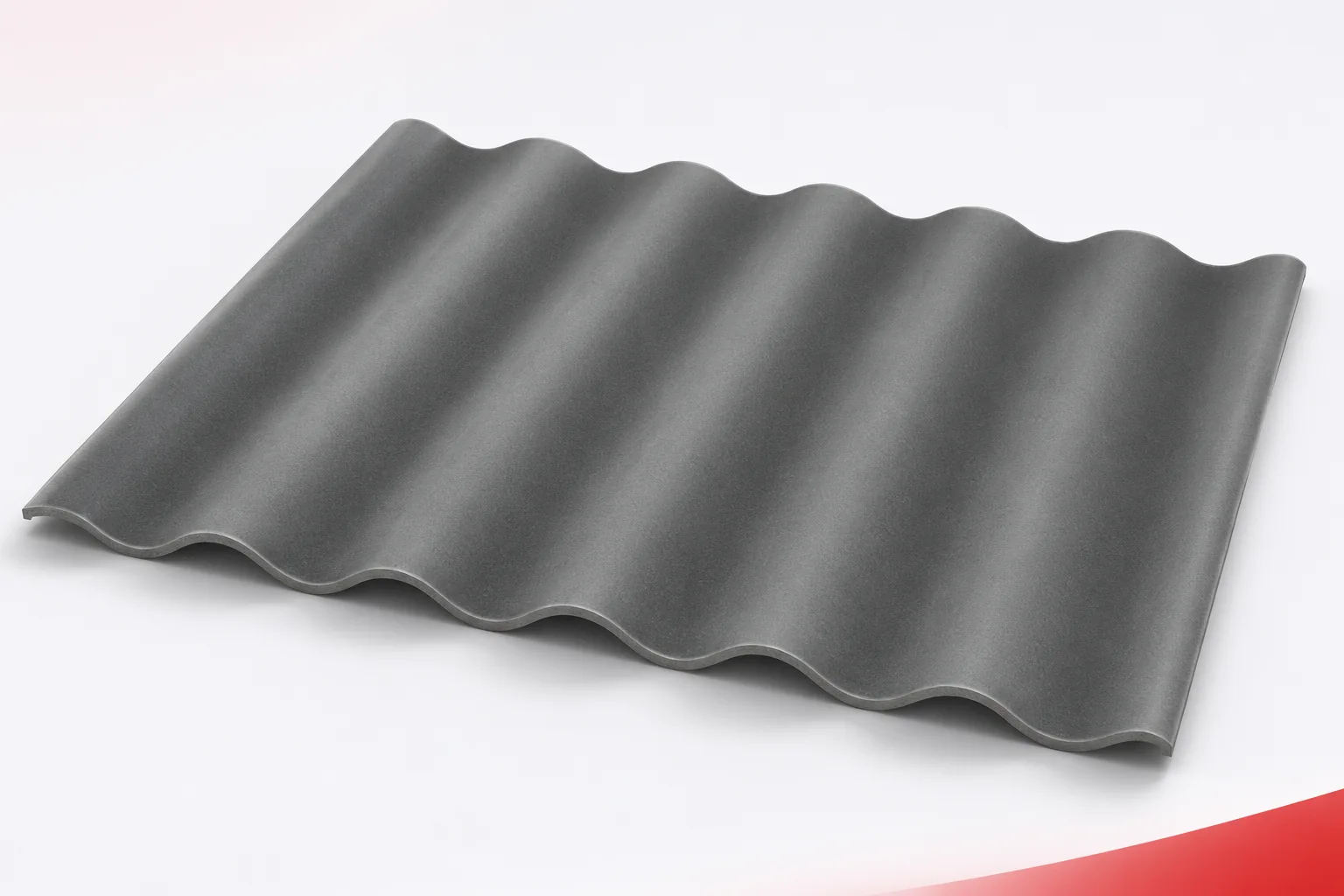
Roof maintenance should not begin with a breakdown. Fibre cement sheets need checks on the joints, the drainage and the places where…
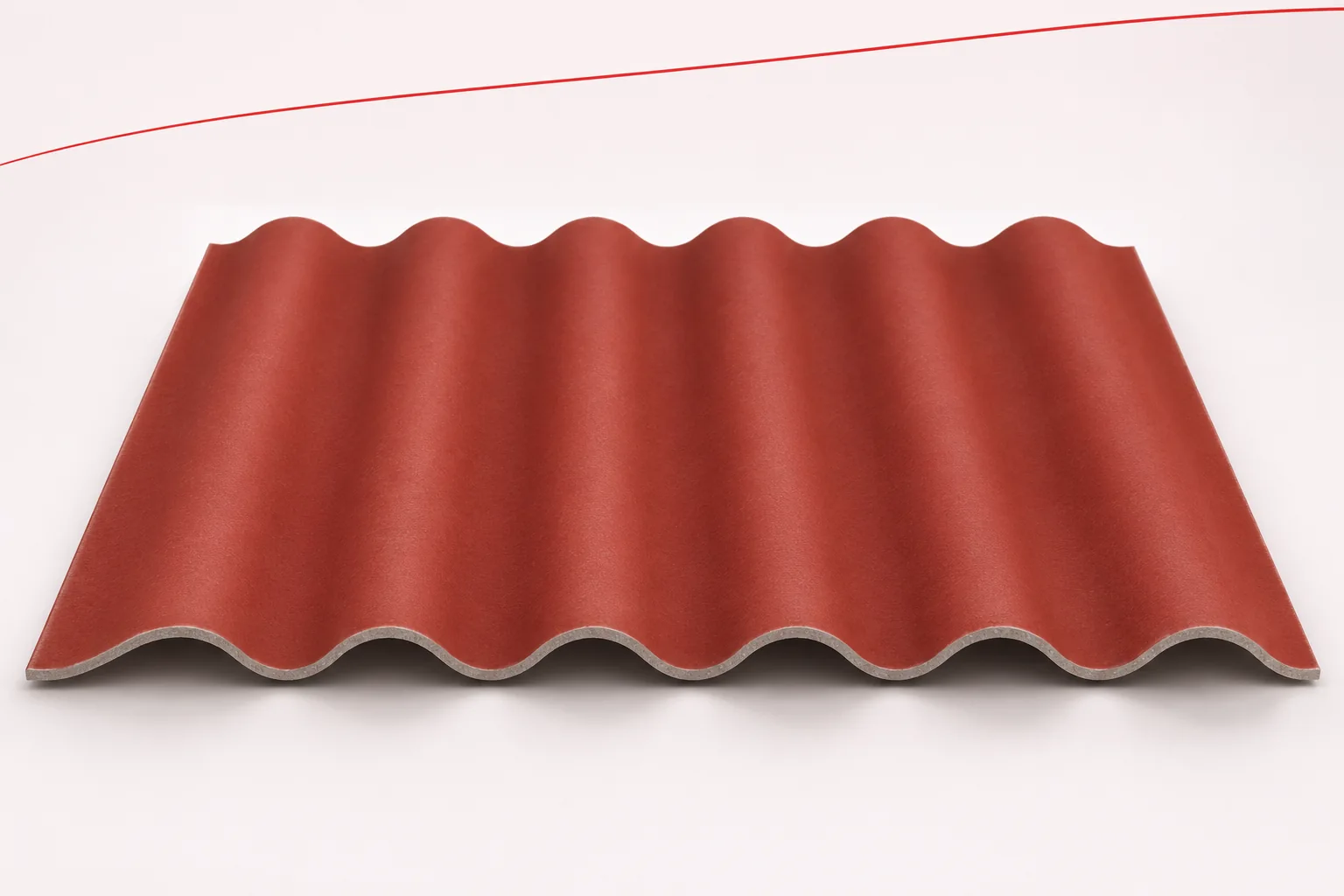
Fibre cement, steel and plastic can all be produced in a similar corrugated profile. That does not make them interchangeable, however. Fibre…
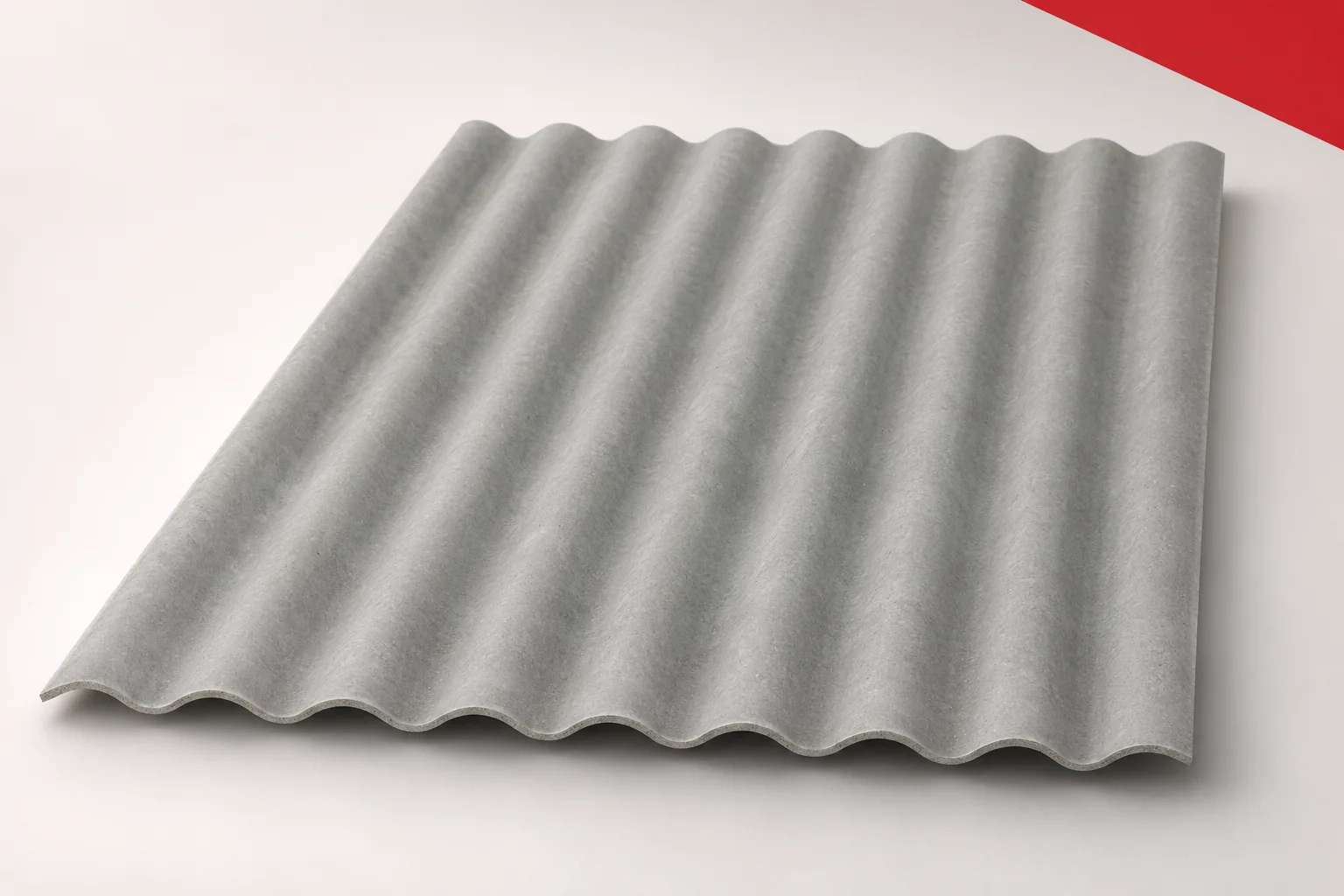
Fibre-cement slates should be assessed over the entire service life of the roof. What matters is its weathertightness, the possibility of repair…
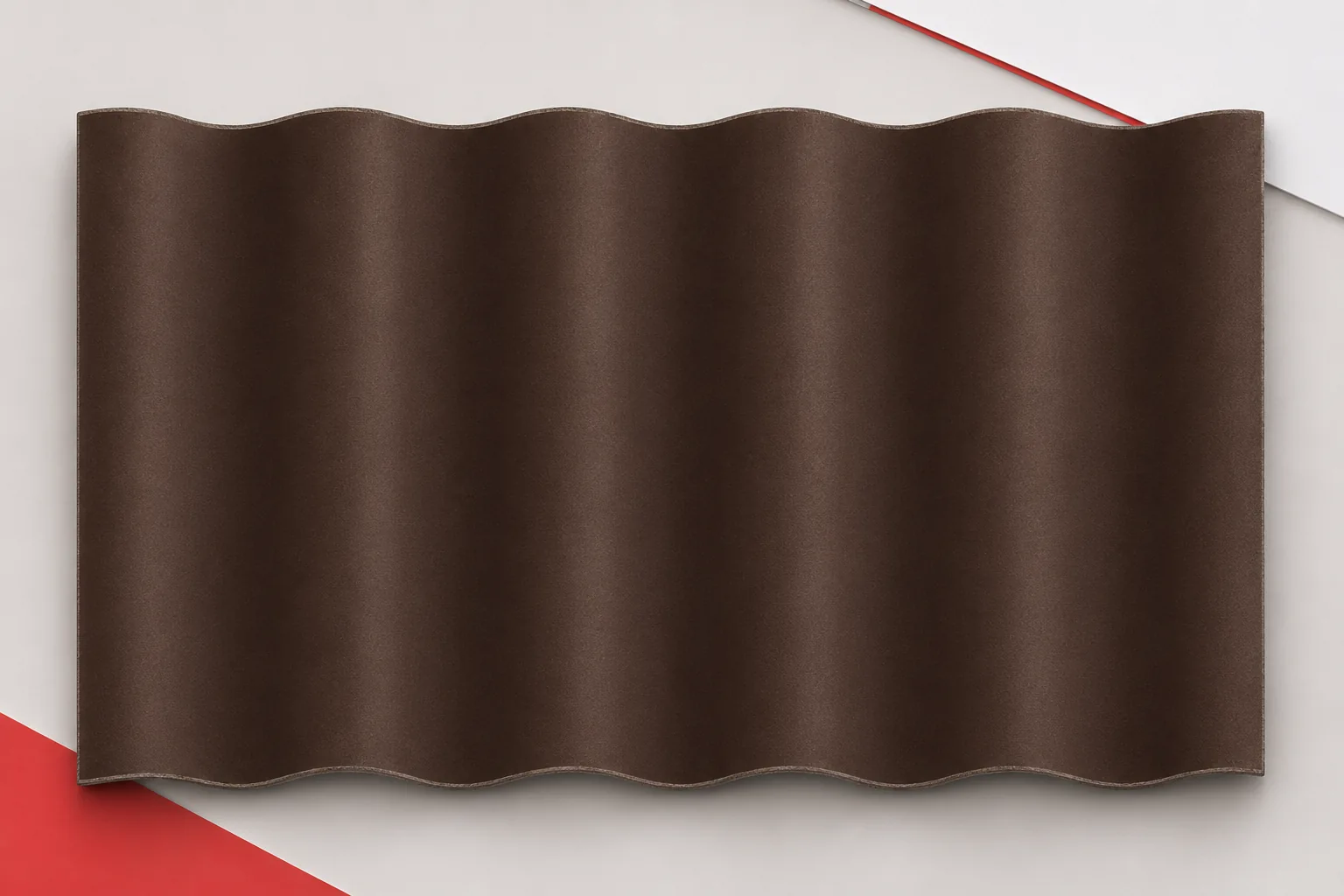
Rainwater harvesting requires looking at the entire path of the water: from the roof slope through the gutters to the tank and…
An environmental declaration helps you understand a product's impact, but it requires careful reading. It is not a school grade, nor a…
A roof over firewood should limit rain penetration and allow free air exchange around the stack. A tight roof surface alone does…