

PIR insulation
termPIR WS roof insulation: why the facing matters for energy savings
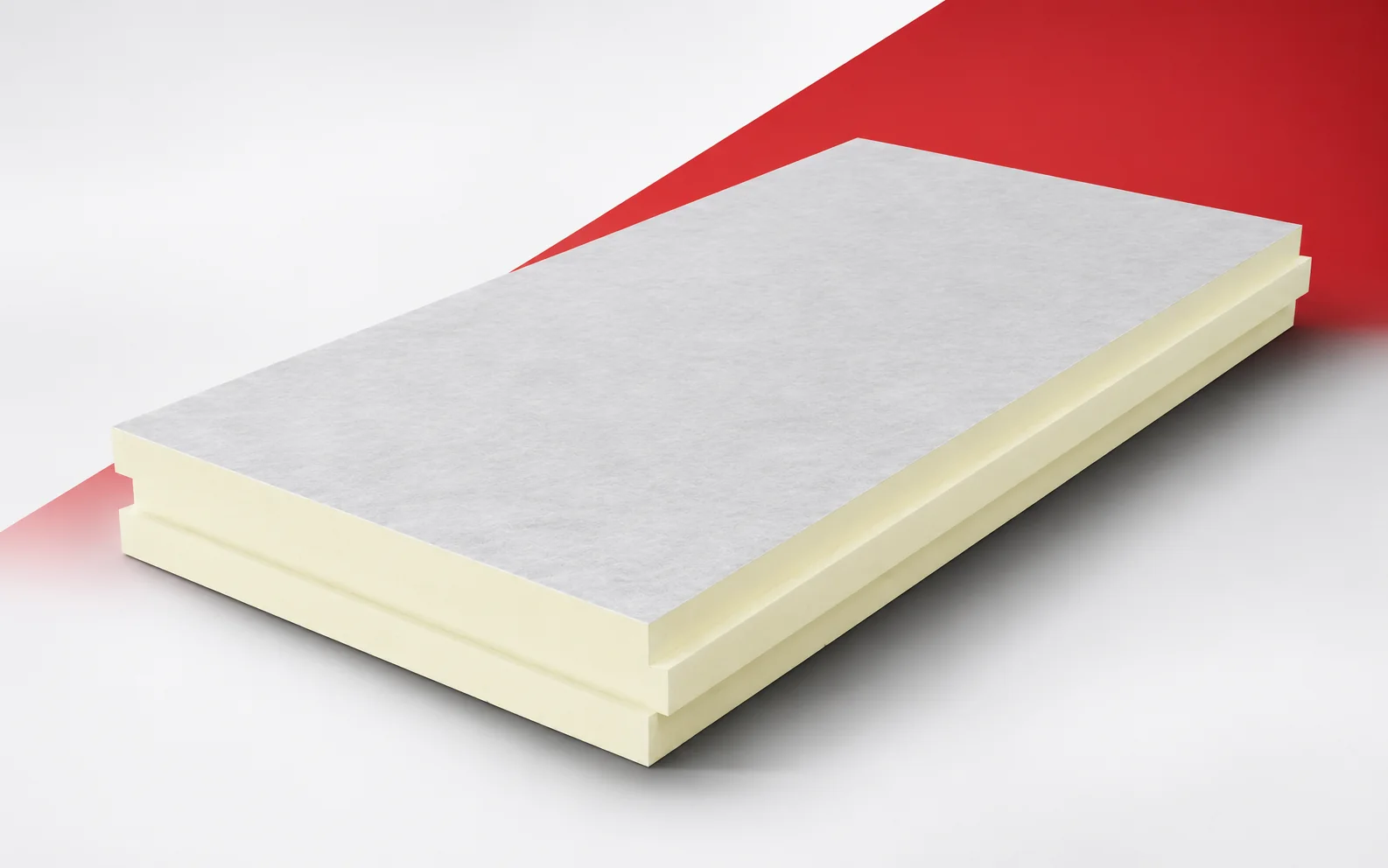
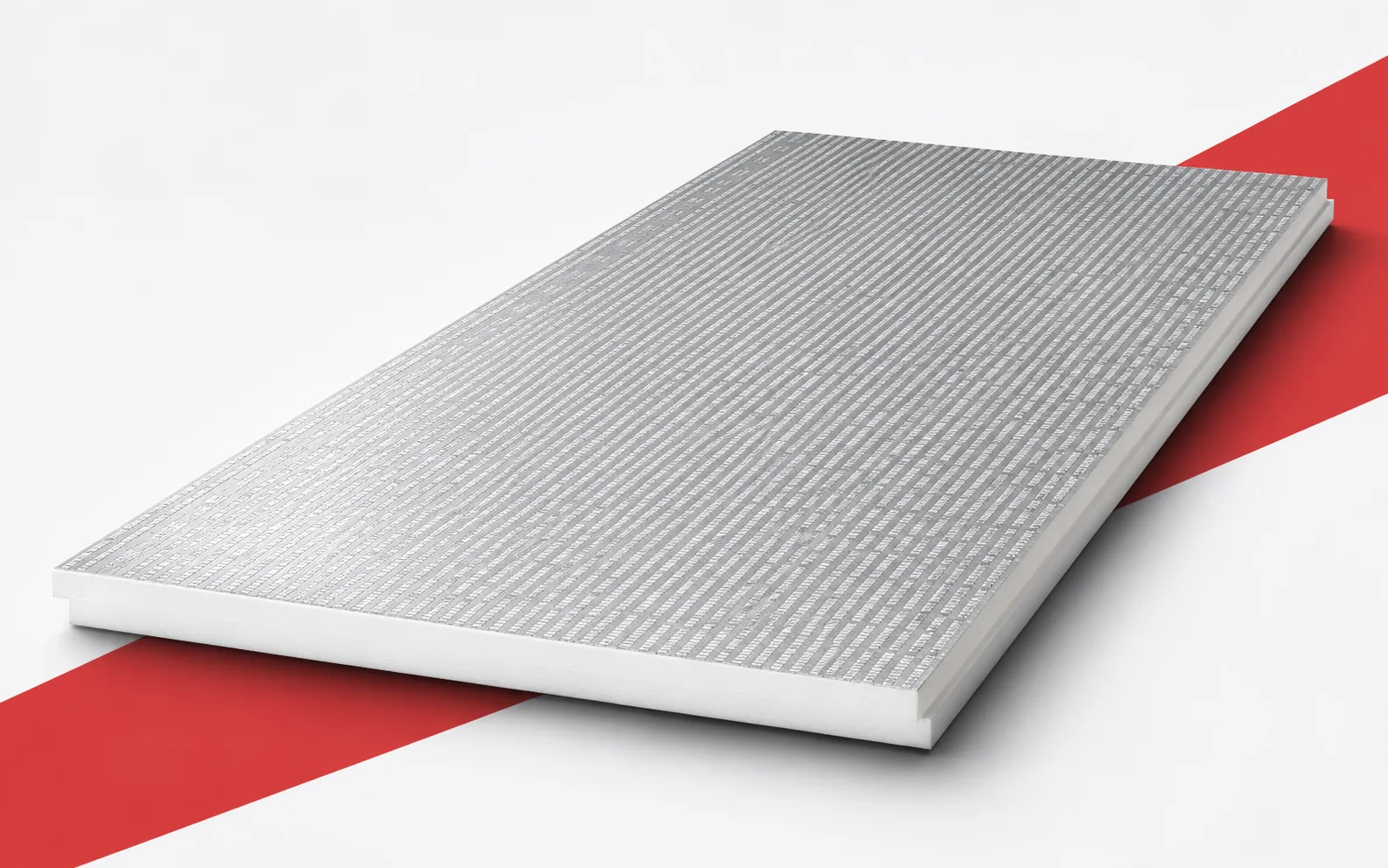
In an efficient roof, the insulation must work together with the layers that protect it. termPIR WS uses a glass fleece facing. Its selection can be just as important as the thickness, because an unsuitable combination of materials leads to costly rework. termPIR WS consists of a PIR core with a vapour-permeable glass fleece facing on both sides. This is a different surface from a vapour-tight aluminium laminate. PIR boards are worth assessing through a specific spatial problem, so consider the flat roof area where the board facing is to work with the covering. The termPIR WS fleece must be matched to the layers and the fixing method of the adopted roof covering, because the saving of space must be assessed together with the detail geometry.
In this article
What determines how the material performs
Changing lambda alone is not enough, because an identical PIR core does not mean identical adhesion for every facing. The solution should allow the interaction of materials to be agreed before laying begins over a large area. As a starting point for comparing variants, record the approval of the specific combination of board, fixing layer and waterproofing.
Thermal resistance versus available thickness
The thermal conductivity of termPIR WS depends on board thickness: at thicknesses below 80 mm it is 0.027 W/(m·K), in the range from 80 mm to less than 120 mm it reaches 0.026 W/(m·K), while for thicknesses from 120 to 250 mm it is 0.025 W/(m·K).
When comparing polyurethane boards, include the section of roof where the insulation thickness is locally reduced at a low parapet. In the narrowing at the parapet, use the lambda appropriate to the local insulation thickness so that the comparison relates to the same thermal effect. The result must be read with caution, because the average thickness of the roof field does not automatically describe the thinnest point at the termination. The calculation is intended to help maintain correct thermal data also in the narrowing required by the detailing geometry. In the energy schedule, show the actual thickness and the conductivity assigned to it in each analysed section, so that it is clear what exactly changed between the solutions.
If the roof design provides for two layers of termPIR WS, each must be described with its own thickness. Do not add up the centimetres and assign the lambda of the thickest single board to the whole. The resistances of the individual layers can only be combined once their parameters have been read correctly. Workmanship also remains important: the offsetting of joints must follow from the chosen layout. An additional layer does not automatically correct inaccurate cuts at the roof perimeter.
Continuity at joints and terminations
termPIR WS boards are available with a straight edge and in milling variants that depend on the order. During laying, they must be carefully pushed together, and the substrate must be stable.
Check the layout of the last rows around the roof outlet and the adjacent service enclosure, because continuous polyurethane insulation also requires correct terminations. Cut pieces around the outlet need stable support and space for correct detailing, because losses at joints must be assessed together with the main insulation field. A good connection does not arise automatically, because milled edges of full boards do not solve the connection to an element of a different shape. The layout of elements should allow a stable substrate to be formed under the waterproofing at drainage points. On the detail drawing, show the arrangement of cut pieces, the condition of their sides and the feasibility of detailing the outlet; this record will make later inspection of the work easier.
Protecting the insulation from water and leakage
The fleece layer in termPIR WS does not provide watertightness. For the thermal insulation to perform its function, a separate covering is necessary, and it must be protected during the works.
When assessing the durability of the thermal effect, take into account the exposed fleece of the boards in the work zone interrupted before the covering is installed. The end of the day’s work section must be protected from water reaching the open assembly if the insulation is to perform under the conditions assumed in the design. Polyurethane foam does not replace protective layers: the vapour-permeable facing is not a shield against rain falling into the open assembly. The planned safeguards should allow the day’s work front to be closed without leaving a path for water beneath the laid insulation. Before covering, assess how the working area is protected and the condition of the boards before they are covered with the membrane, because later repair may require opening the completed assembly.
Other requirements do not disappear
For termPIR WS, a declared compressive strength of CS(10/Y)120 applies. As regards the reaction to fire of the product itself, it is F at a thickness of 20–49 mm and E at a thickness of 50–250 mm.
The thickness limitation does not exempt from checking other requirements, so analyse the service zone around equipment installed above roof layers with termPIR WS. In the service zone, the loads must be considered together with the support and protective layers, even when the choice of board was determined mainly by its low lambda. A separate assessment is needed because the CS120 result does not by itself describe the performance of the assembly under the sustained load of a support. Only a complete set of data will allow the load and fire requirements to be considered without mixing the properties of the board with the classification of the roof. Alongside the thermal results, include the service access solution and the conformity of the substrate and covering with the assessed assembly; this ensures that the comparison does not omit the conditions of use.
When the solution is cost-effective
When choosing termPIR WS, the thickness, format, edge type and method of connection to the covering must be specified before purchase. For some systems, a specific adhesive or a specific method of fixing is required.
Polyurethane board insulation should have a calculated effect and scope of works; include the quotation for the bonded and the fixed variant as intended for the specific roof. The roof costs should include substrate preparation and work at the perimeter and penetrations, so that the cost relates to one comparable result. The price of the material is only part of the decision, because a lack of agreement on the fixing method can change the quantity and type of auxiliary materials required. The final schedule should allow the insulation to be ordered together with an unambiguous scope of works needed to close the covering. Ask for the number of boards by coverage, the consumption of fixing materials and the scope of roof detailing, so that any additional charge has a stated technical justification.
7 branches. Materials closer to your project.

Free quote
Materials for your project
You may also find useful…
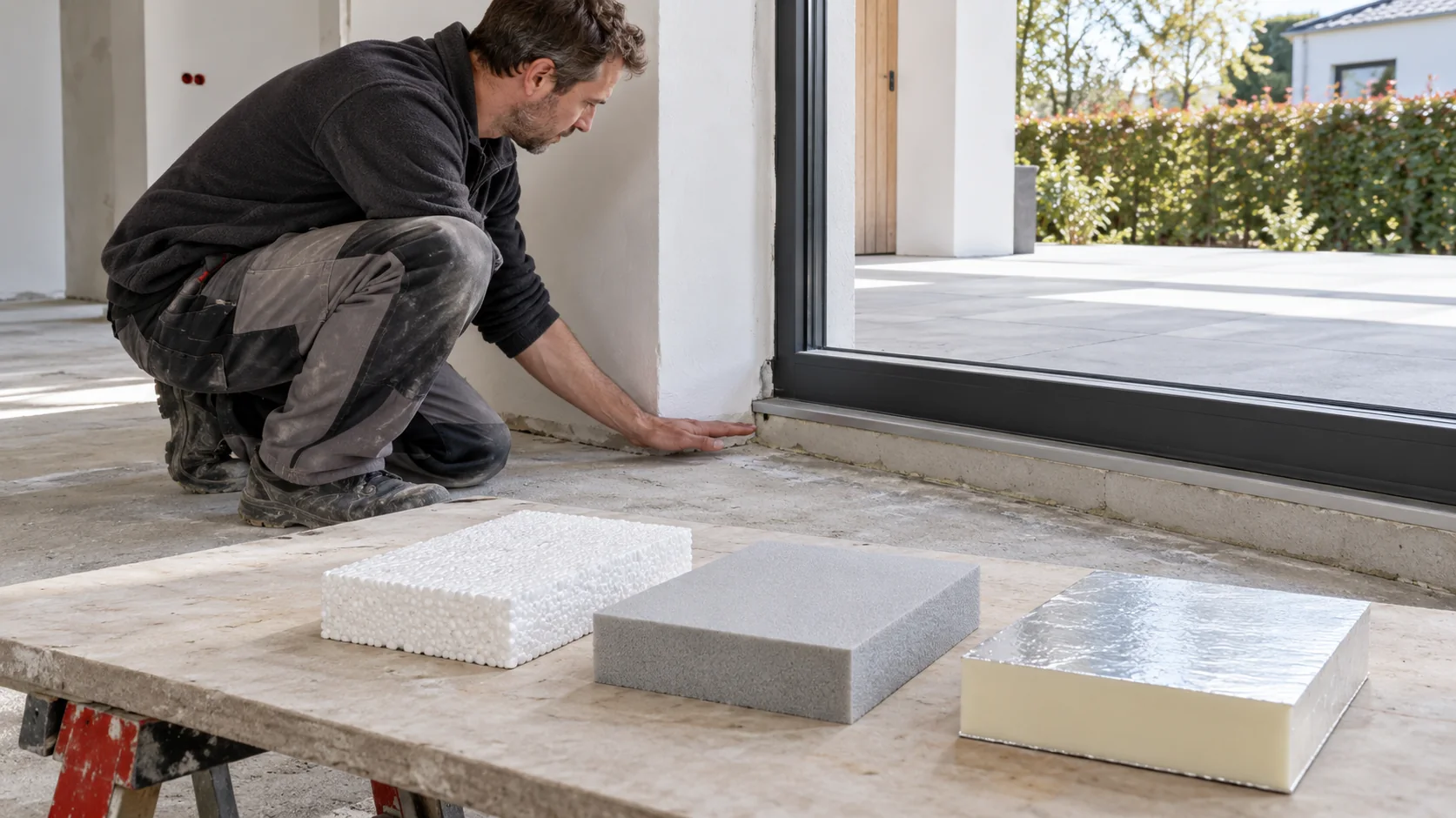
No single insulation material is best throughout a house. On a façade the render system matters, in a floor the loading, and…
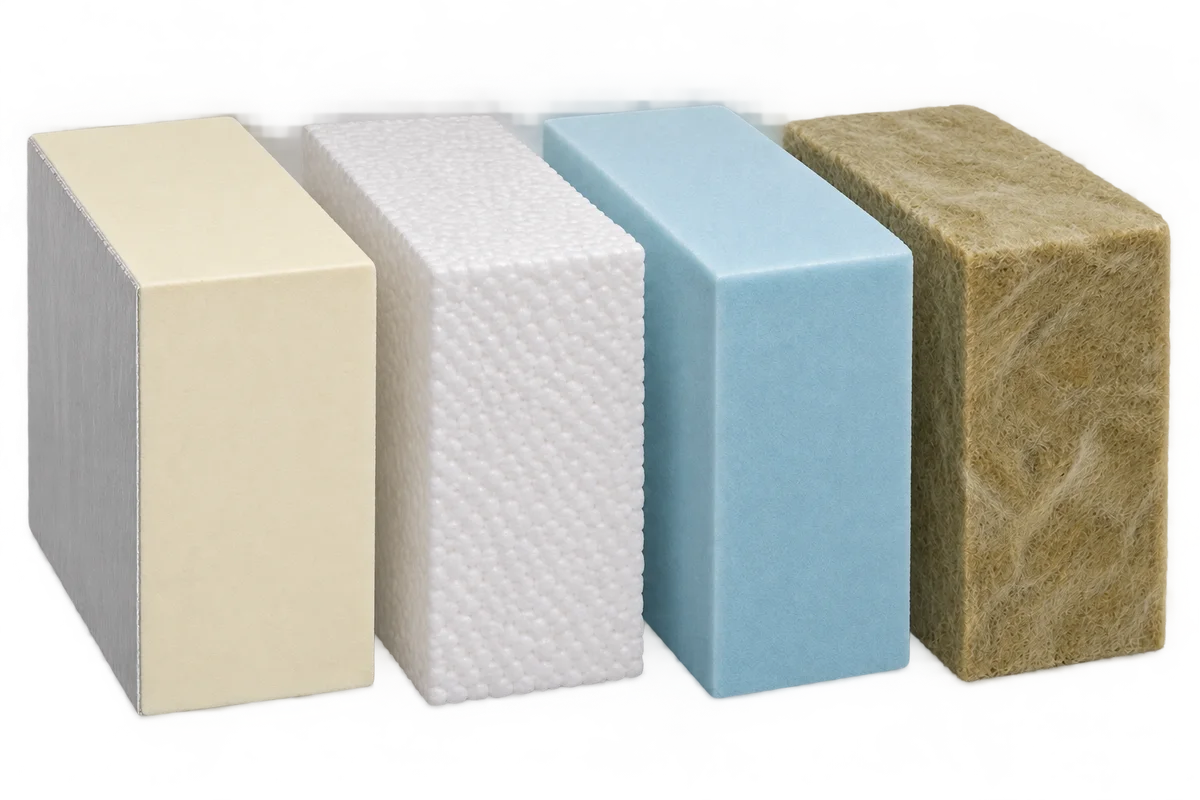
A schedule of the layers of a building envelope with PIR boards and a second insulating material makes sense only if each…
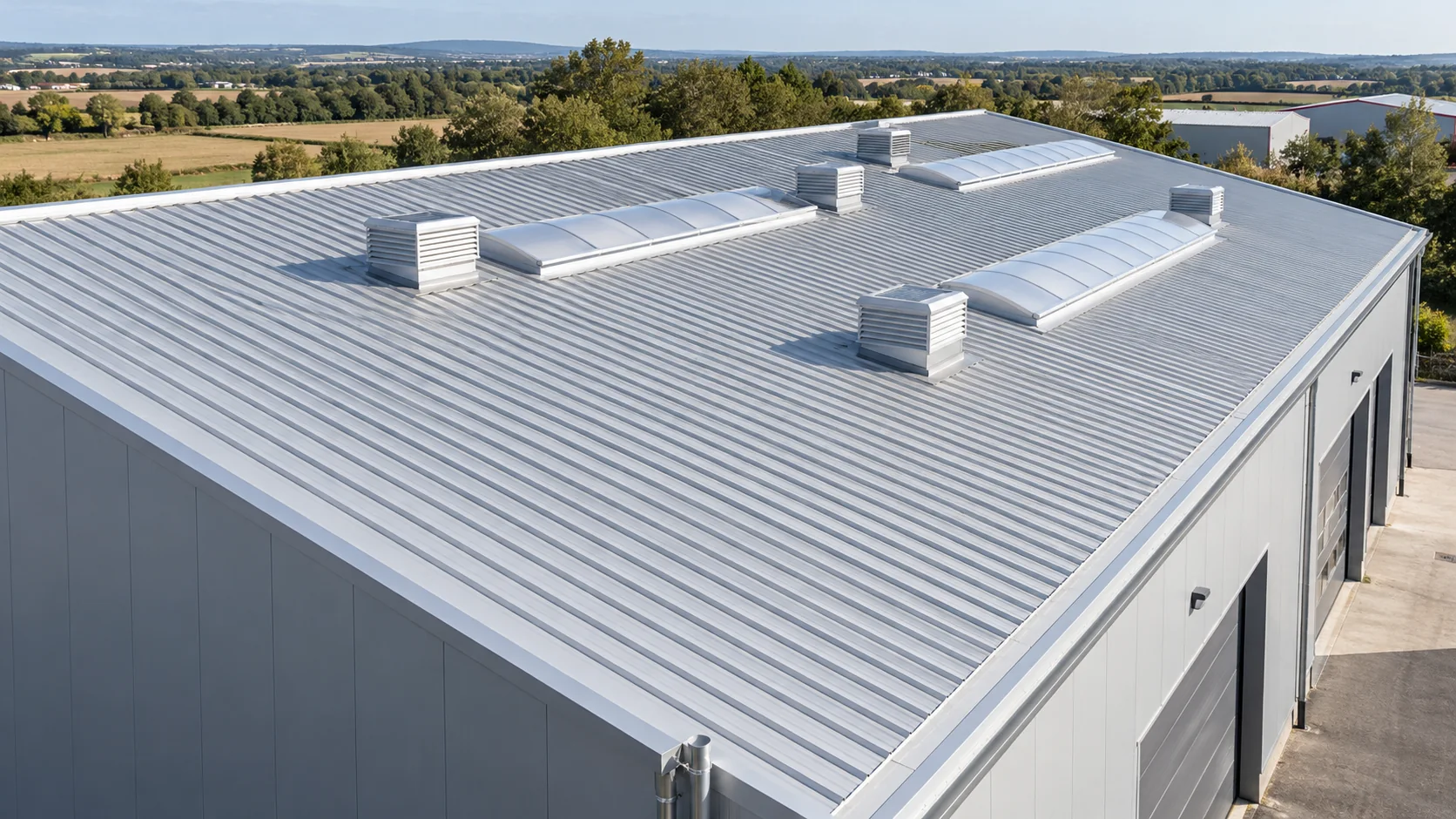
Before altering a PIR panel roof, identify the exact product and the assembly in which it was tested. Check three separate properties:…
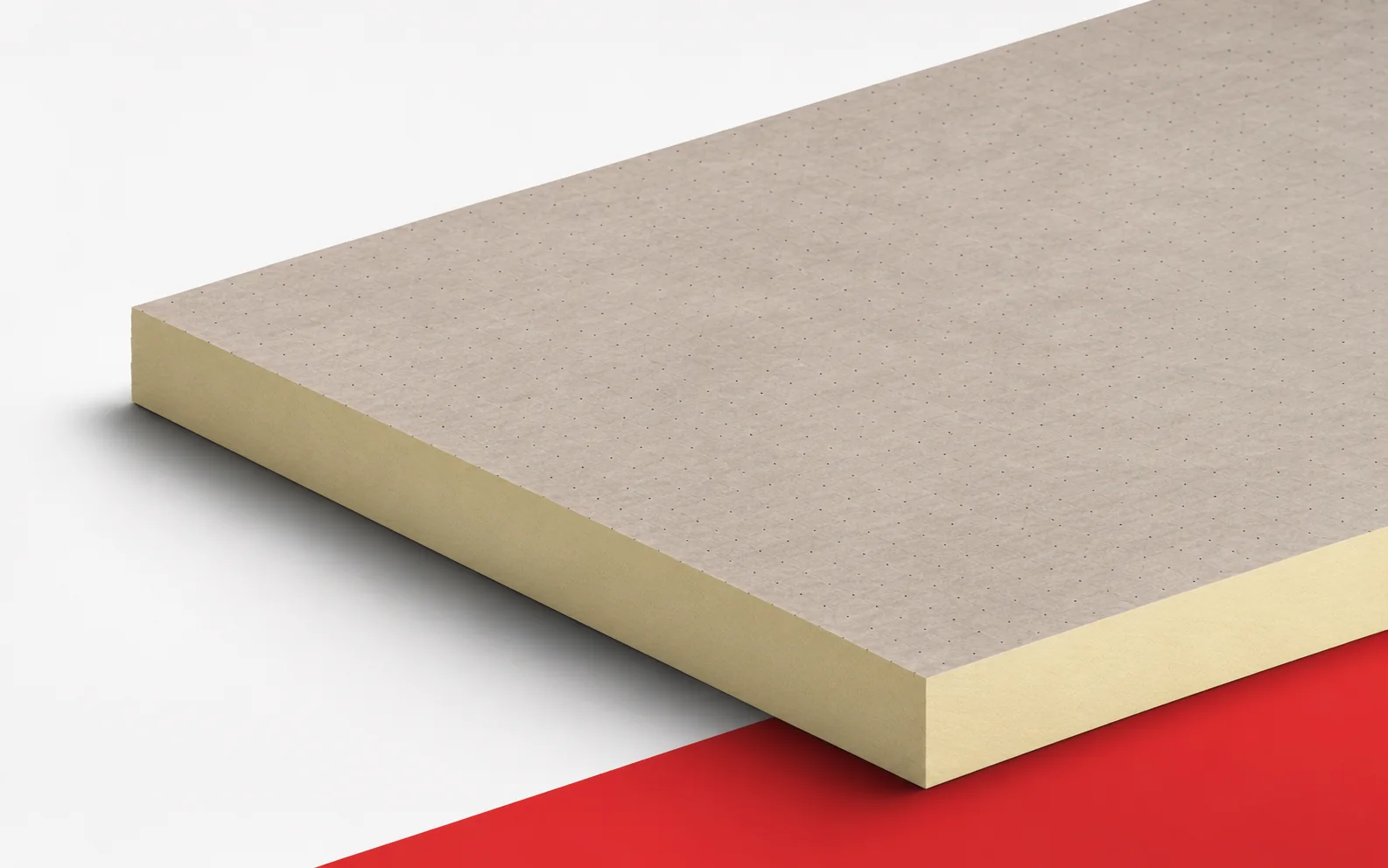
Therma TR27 shows why a single lambda value cannot be attributed to all PIR boards. Choosing the thickness must go hand in…
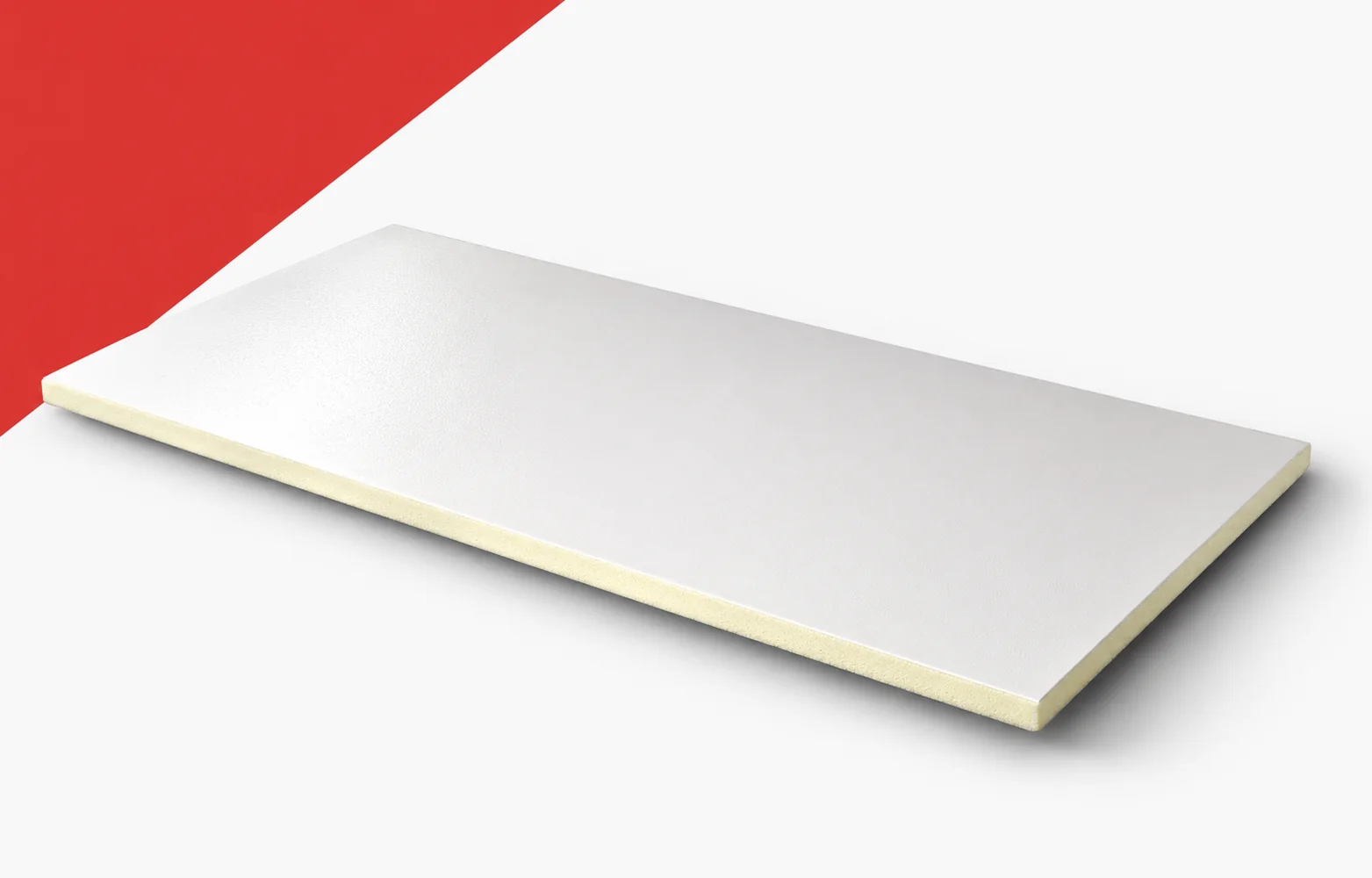
IDELCO AGRO+ combines a thermal layer with an aluminium surface intended for agricultural applications. When selecting the thickness, the data for this…
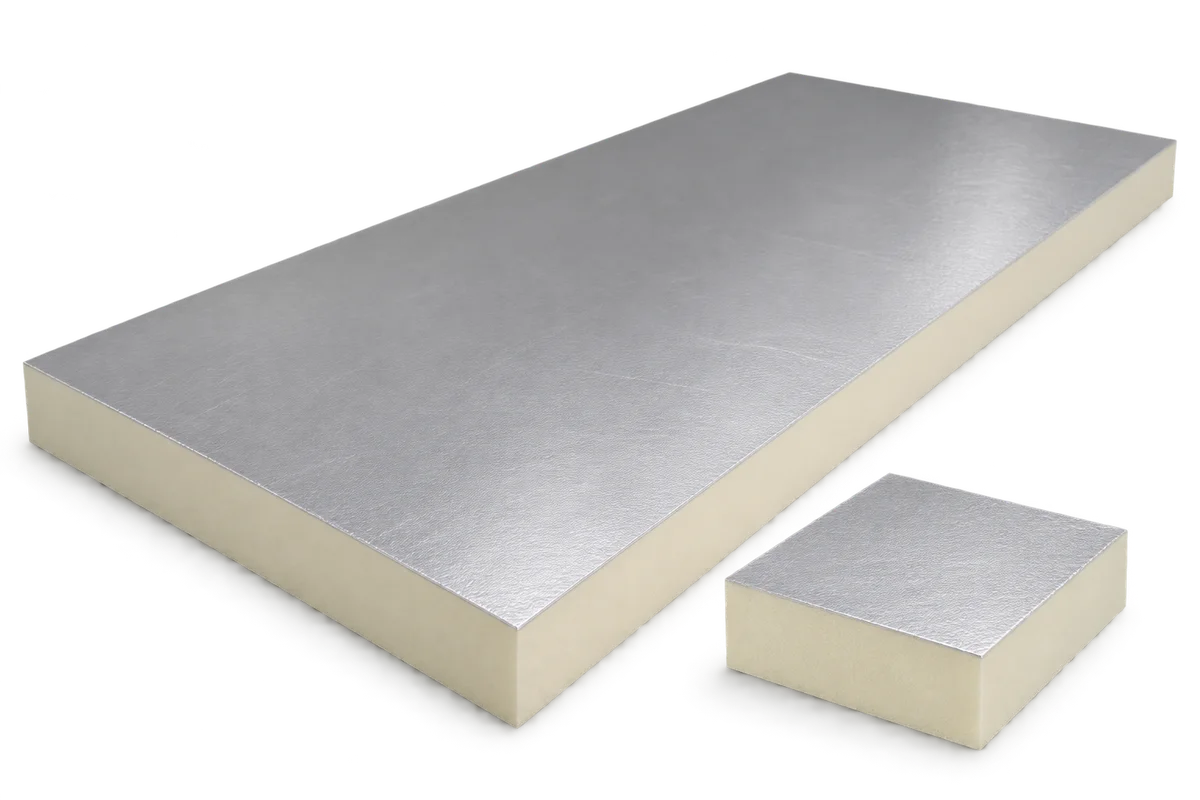
Rigid insulating foams have an important place in new buildings and refurbishments. In PIR boards they help reduce the thickness of insulation.…
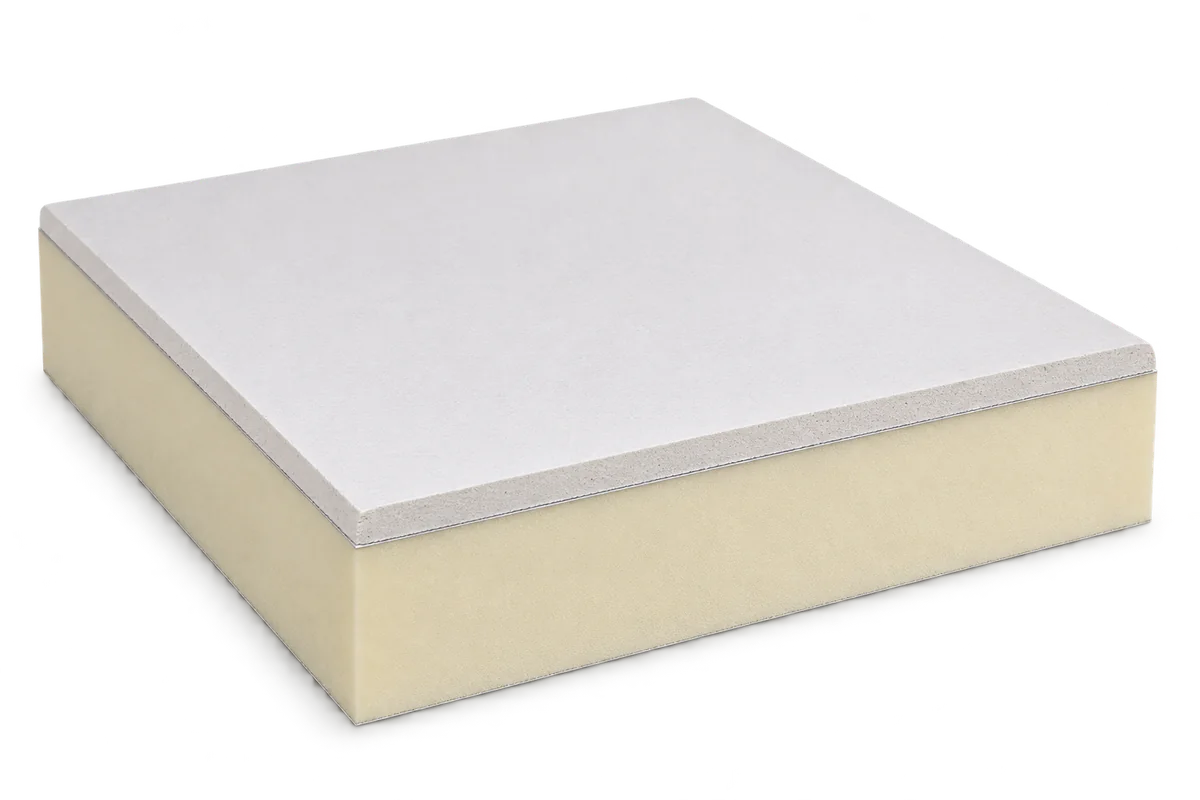
PIR bonded to plasterboard combines thermal insulation with a surface ready for interior finishing. Suitability depends on the whole wall, including the…
Selecting roof insulation requires reconciling several characteristics. Thermano Roof combines a PIR core with enhanced mechanical properties. When assessing the benefits, however,…