

PIR insulation
BauderPIR FA beneath rooftop equipment: insulation continuity and bearing pressure
An installation on an insulated roof needs durable support. The client is concerned about interrupting the thermal layer and proposes leaving the base solely on the PIR. The mere wish to reduce the thermal bridge does not confirm that this decision is correct. In the FA solution, thermal requirements must be matched by calculation of compressive stress and deformation. The starting point is a roof with an installation resting on the layers above the insulation. Here the particular constraint is the actual size of the load-transferring area. The design must allow insulation performance to be combined with permissible deformation under load, not merely accommodate another sheet. The point requiring attention is the bearing area of the rooftop installation’s foot. A support drawing will be needed showing the load path and protection of the covering, because a view of the flat area alone does not show all the heights.
In this article
Constraint first, then thickness
Before the thickness ceases to be a variable and becomes a baseline assumption for further works, the fragment in question should first be clarified when purchasing BauderPIR FA.
The right product and the scope of its data
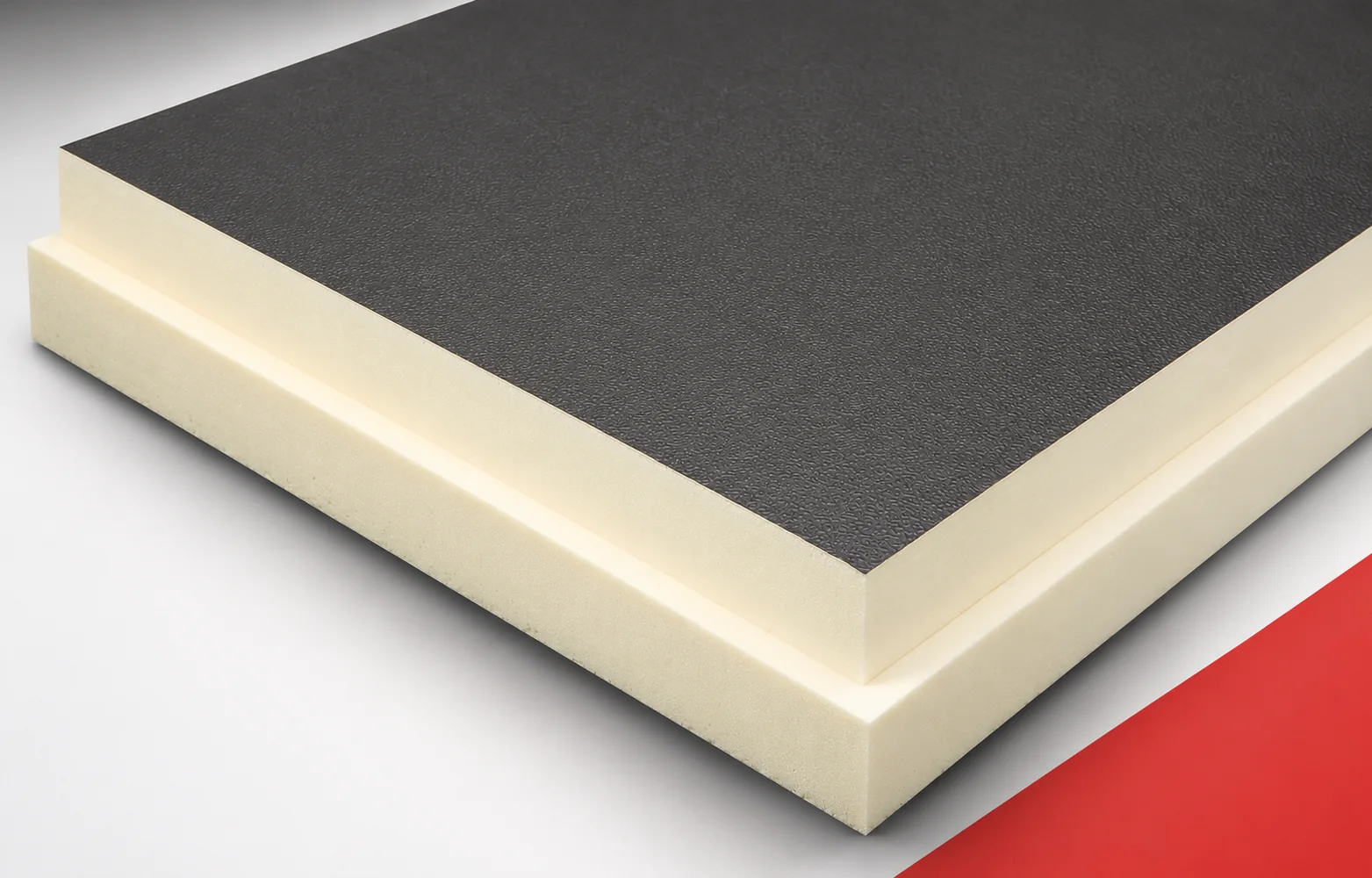
The properties of BauderPIR FA include λD 0.022 W/(m·K), CS(10/Y)120 and fire reaction E. The Polish documentation dated September 2026 separately states 24 kPa for long-term load at 2% deformation, which is not the same result as the test at 10%. The conditions set out in the documentation and all layers of the system must be reflected in the support design. The CS parameter alone does not constitute a load-bearing calculation for the finished roof. Bauder PIR boards should here be considered within the scope corresponding to a roof with equipment founded on the layers above the insulation. When verifying an order, the term polyurethane boards is not sufficient in place of the full name BauderPIR FA. The core of BauderPIR FA is made of PIR-type polyurethane foam, and the properties of the complete board are also shaped by its facings.
What the figures show in this case
For the example, let us take solely a force of 1.00 kN and an actual contact area of 0.020 m². The quotient of force and area then gives an average pressure of 50.0 kPa. With regard to BauderPIR FA, it is not enough to compare this value only with the number 120 from the CS parameter. The Polish data sheet separately states 24 kPa for long-term load and 2% deformation. In the example, the distribution of the force and the conditions of the entire detail must therefore be examined. This is neither a design nor an approval of such a support. An additional condition remains the transfer of forces from the equipment to the structure in accordance with the design; the nominal outline of the foot need not mean contact over the entire area.
The support is also the place where continuity of insulation must be maintained. Increasing the area over which the force is distributed may change the protective layer required. Interrupting the insulation and bearing the element on the structure leads to a different thermal detail. Both solutions require a joint check of mechanics and heat flow. Choosing a thinner FA board alone does not settle this relationship.
In the example concerning BauderPIR FA, the figures describe only the specified part of the task. Their use makes sense together with a measurement that covers the force transmitted by the support and its actual contact area. The property relevant for comparison is the separate assessment of short-term compression and permanent loading. In this assembly, the check of force, bearing area and deformation over time must still be kept separate. Only then does the support drawing with the load path and protection of the covering allow the result to be related to the actual section. The energy calculation should retain the same scope also when comparing with another thickness of BauderPIR FA.
Two directions for improvement
The first direction is to increase the actual area over which the force is distributed. The second is a separate support solution transferring the load in accordance with the design. The scope of both measures depends on how significant the bearing area of the rooftop installation’s foot is. In the variant with BauderPIR FA, the cost of the entire surface should not be increased before the local constraint has been identified. A trap would be to regard the figure 120 kPa as the ready permissible load of the support, even if the result for the main area looks favourable. The comparison is only complete when the set of documents concerning supports, penetrations and the service route also covers the differences caused by changing the variant.
A connection that must preserve the effect
The design should clearly define the connection of the insulation in the vicinity of the installation base. In the description of BauderPIR FA it is worth separating its geometry from the tightness of the other layers. The product surface is formed by the board’s aluminium facing beneath the protective layers, but its presence does not automatically solve the whole detail. A document with the calculation of compressive stress and the conditions of its long-term action is needed for checking. The next stage will be the covering together with the protective layer beneath the support, so the error should not be passed on to the installer of the next layer. It is worth recording at handover how the bearing area of the rooftop installation’s foot was executed and why this particular method was chosen.
The cost of achieving the same function
The price for BauderPIR FA should relate to the completed task, not to a single favourable parameter. The calculation should include the set of documents concerning supports, penetrations and the service route. A separate cost may arise from the need to transfer forces from the installation to the structure in accordance with the design. The work on the detail described as the bearing area of the rooftop installation’s foot should also be priced. The differences should be explained by the designer of the support and roof loads, so that the saving does not result from removing a necessary layer. Polyurethane insulation compared in this way corresponds to the actual effect that a roof with an installation resting on the layers above the insulation is to achieve.
The condition for a justified decision
The selection can be regarded as orderly when insulation performance has been combined with permissible deformation under load. For BauderPIR FA this means combining the material data with the design of the perimeter and the other layers. The document to be kept is the support drawing with the load path and protection of the covering. It should be accompanied by a document with the calculation of compressive stress and the conditions of its long-term action, so that a later renovation does not begin by guessing the product. There is no need to add a promise of a quick payback without a building balance. If the actual size of the load-transferring area changes, the comparison must be revisited instead of copying the earlier thickness. Polyurethane insulation has a specific purpose here: to combine insulation performance with permissible deformation under load.
7 branches. Materials closer to your project.

Free quote
Materials for your project


You may also find useful…
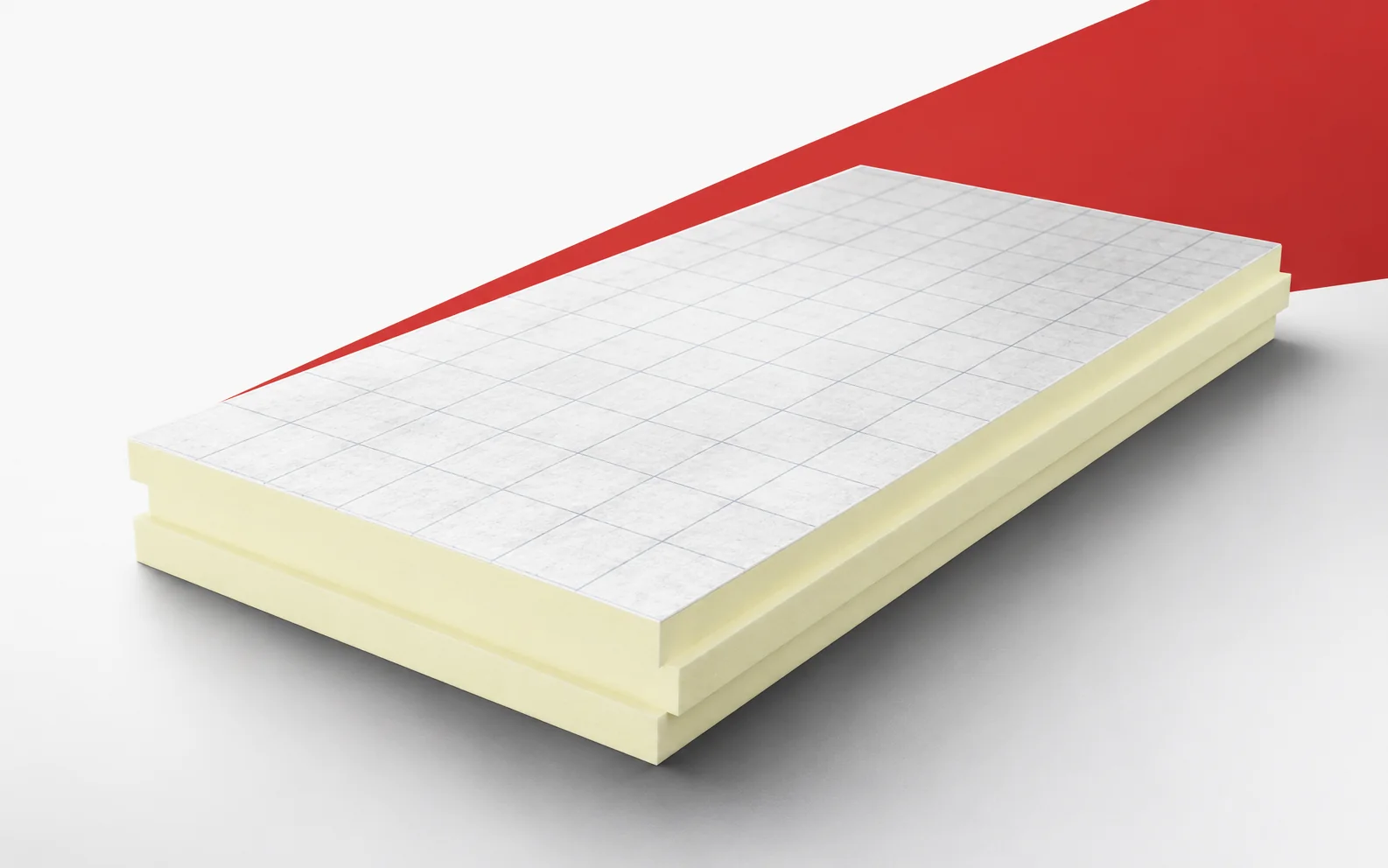
A very low lambda is most useful where there is no room for the layers. termPIR MAX 19 AL has a declared…
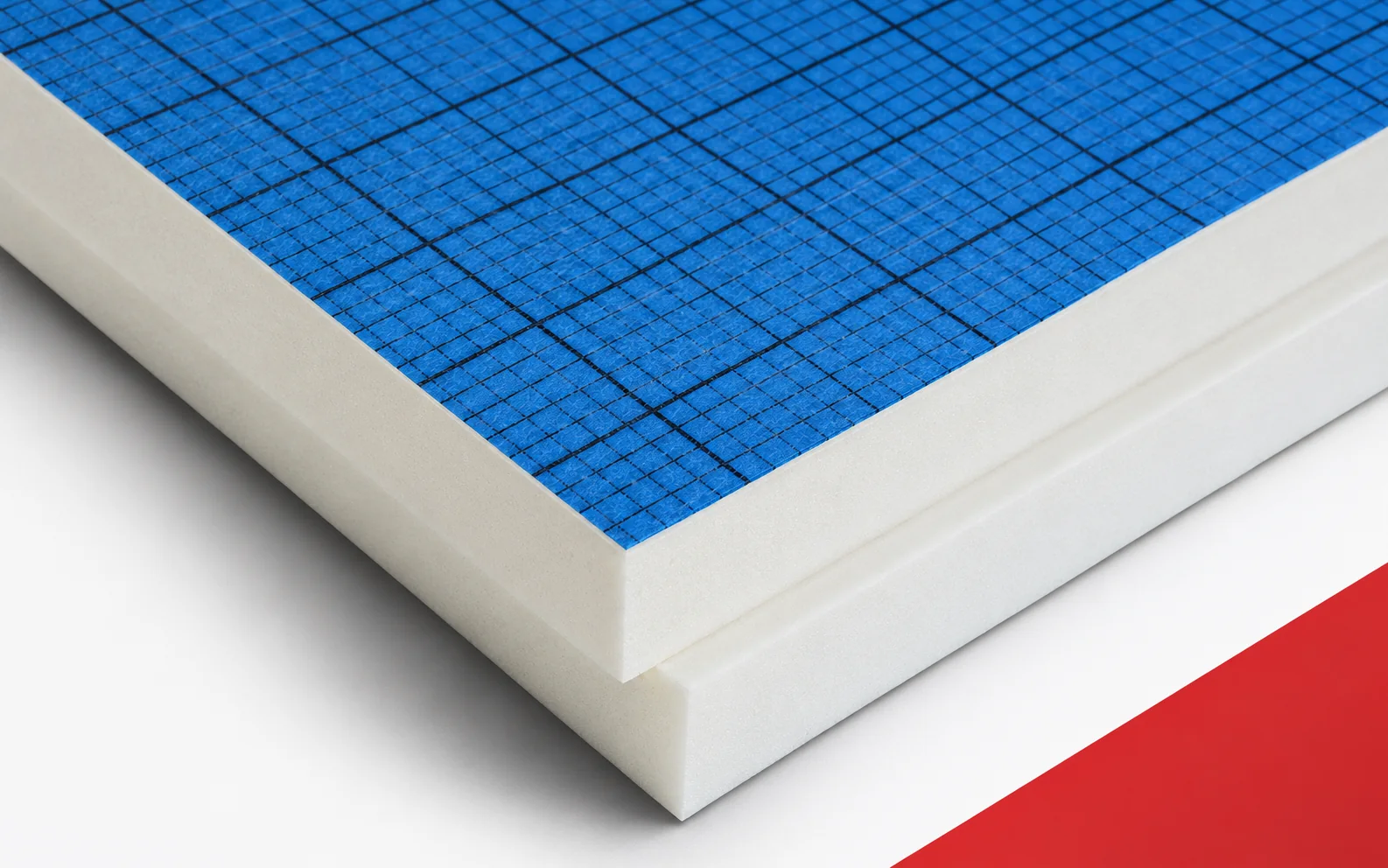
In the example roof, EFYOS BLUE A has already been installed at the correct thickness, but the vapour control layer has been…
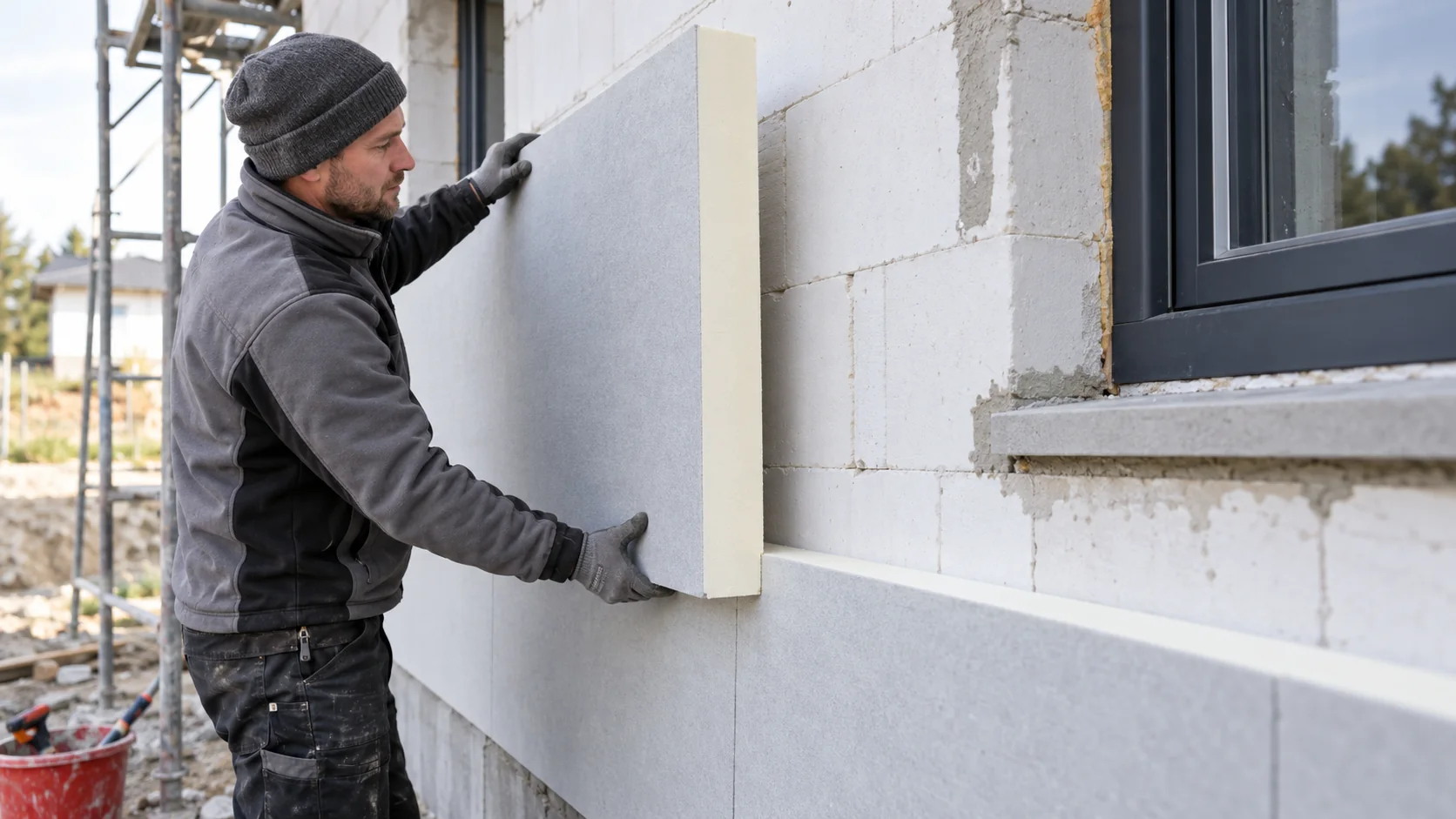
Aerated concrete blocks come in different densities and thermal conductivities. The PIR thickness a house needs depends on the actual blocks, wall…
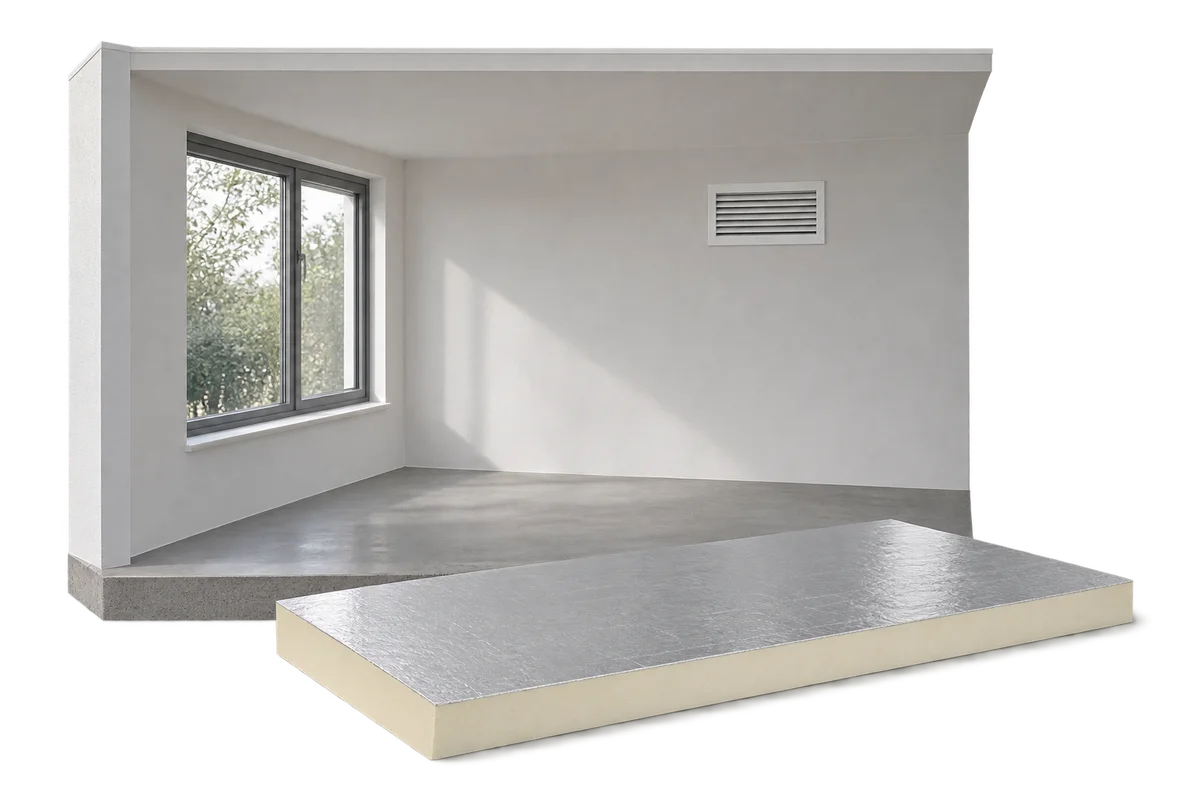
Indoor moisture conditions depend on how much water vapour is produced, how the house is ventilated and how warm its surfaces are.…
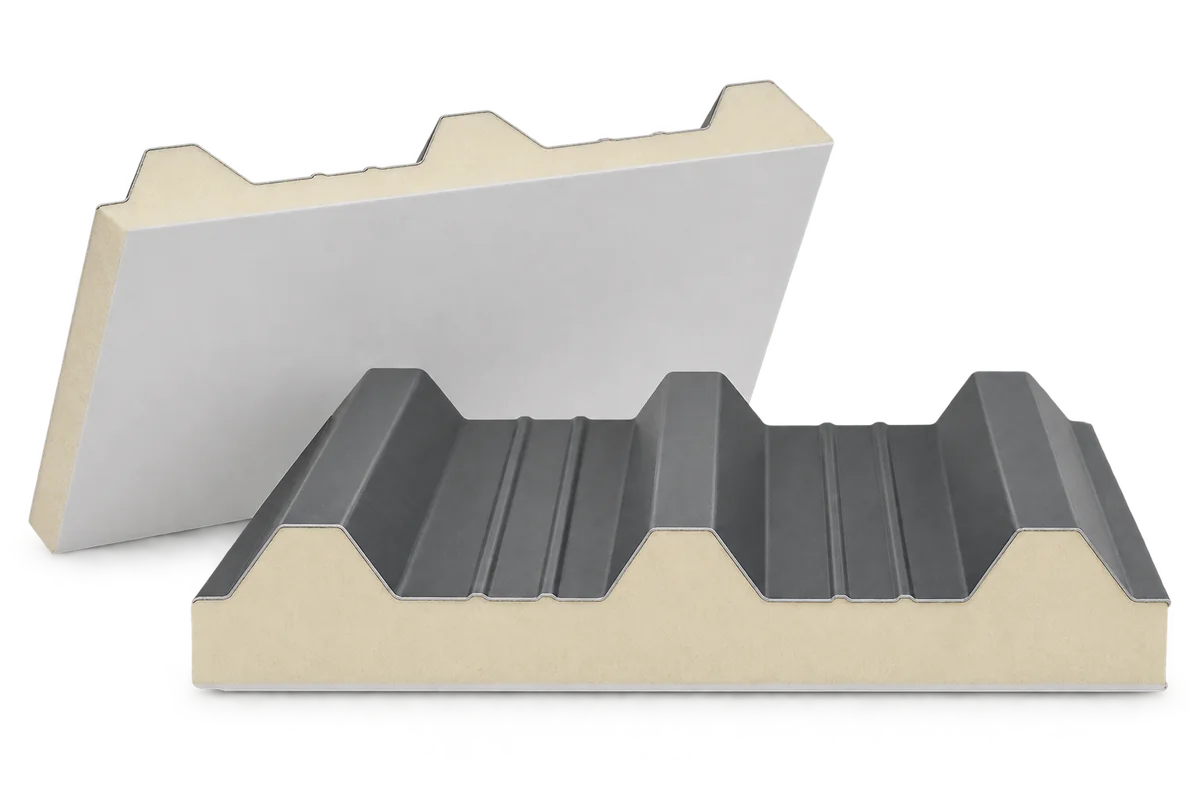
Selecting PIR roof panels for livestock buildings, workshops or food stores starts with conditions on both sides of the roof. Core insulation…
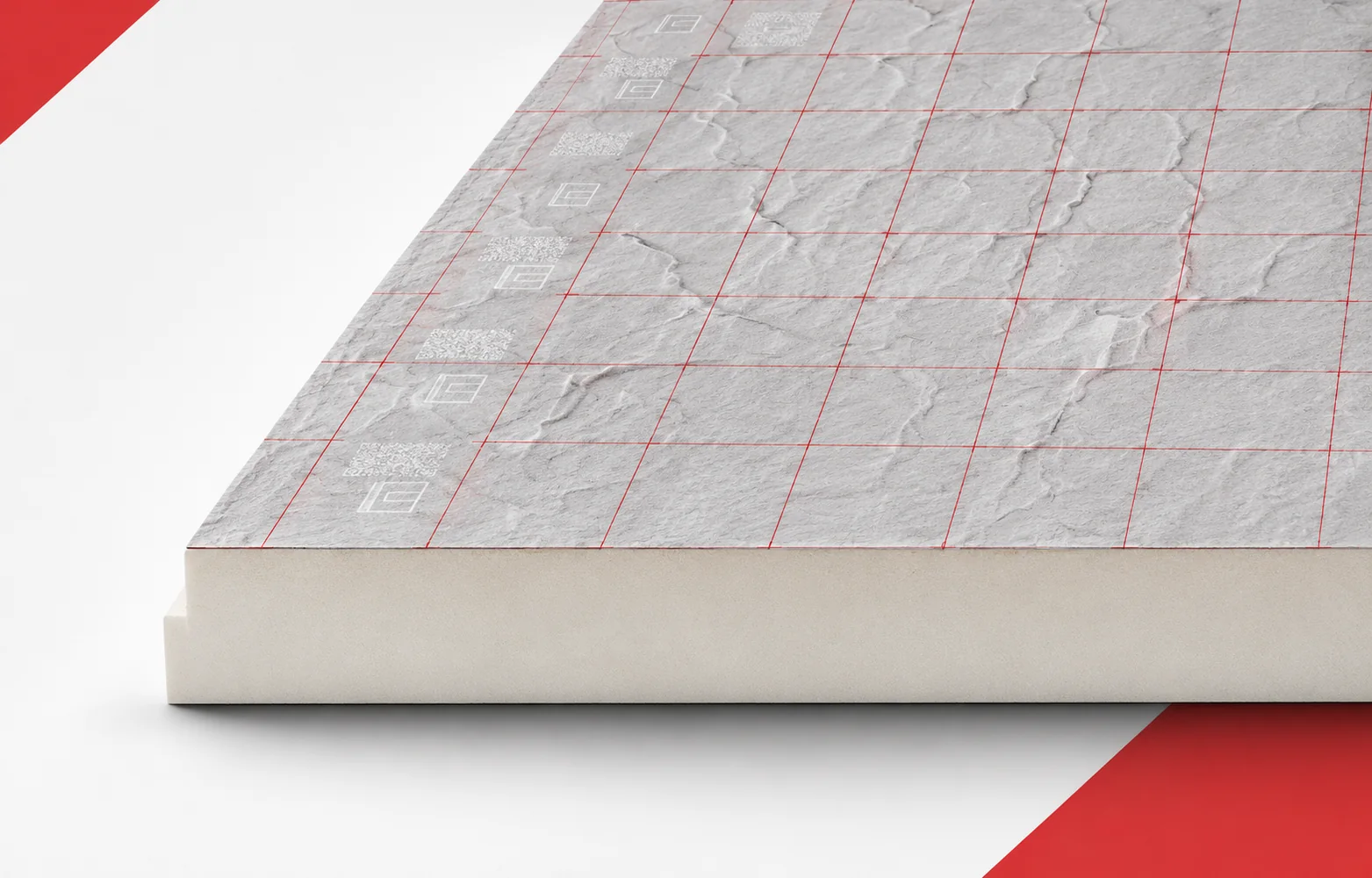
On a flat roof, thermal resistance matters, but so does the height available at parapets and outlets. Thermano Deck allows a relatively…
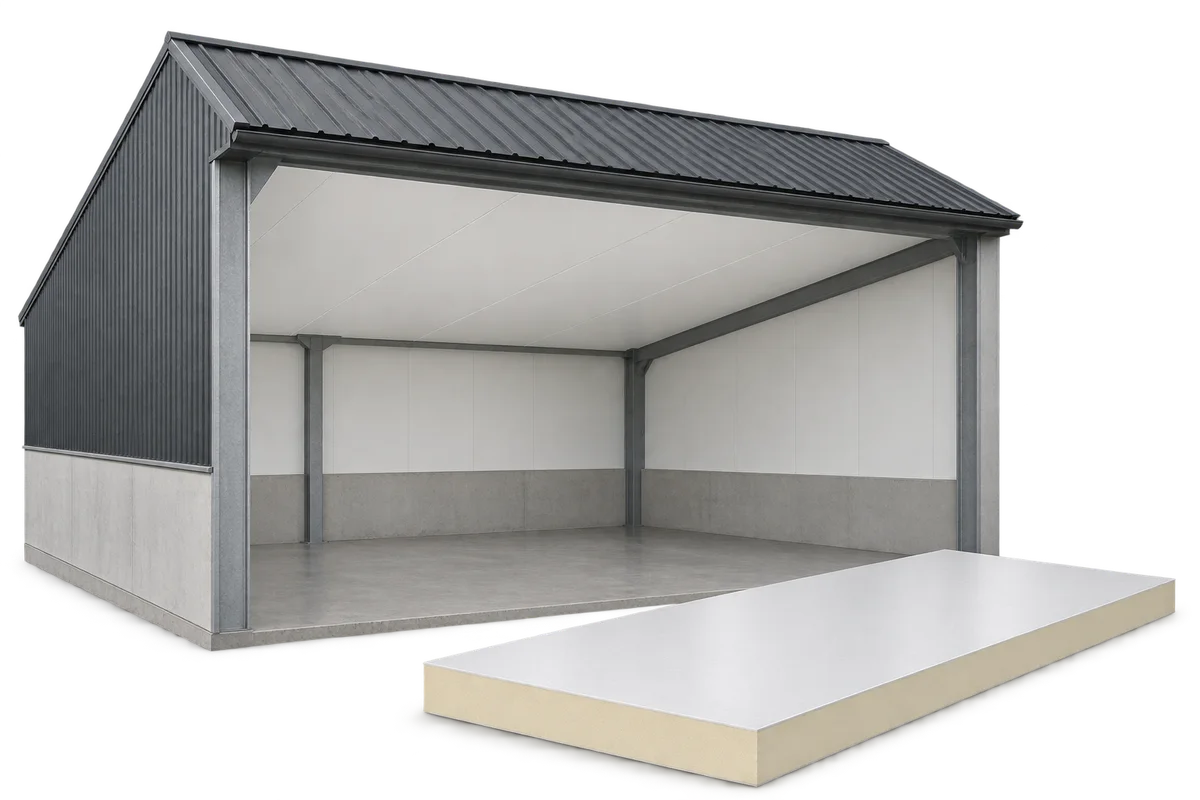
An internal ceiling can separate a heated or climate-controlled room from the roof void. In a cattle shed or warehouse, its appearance…
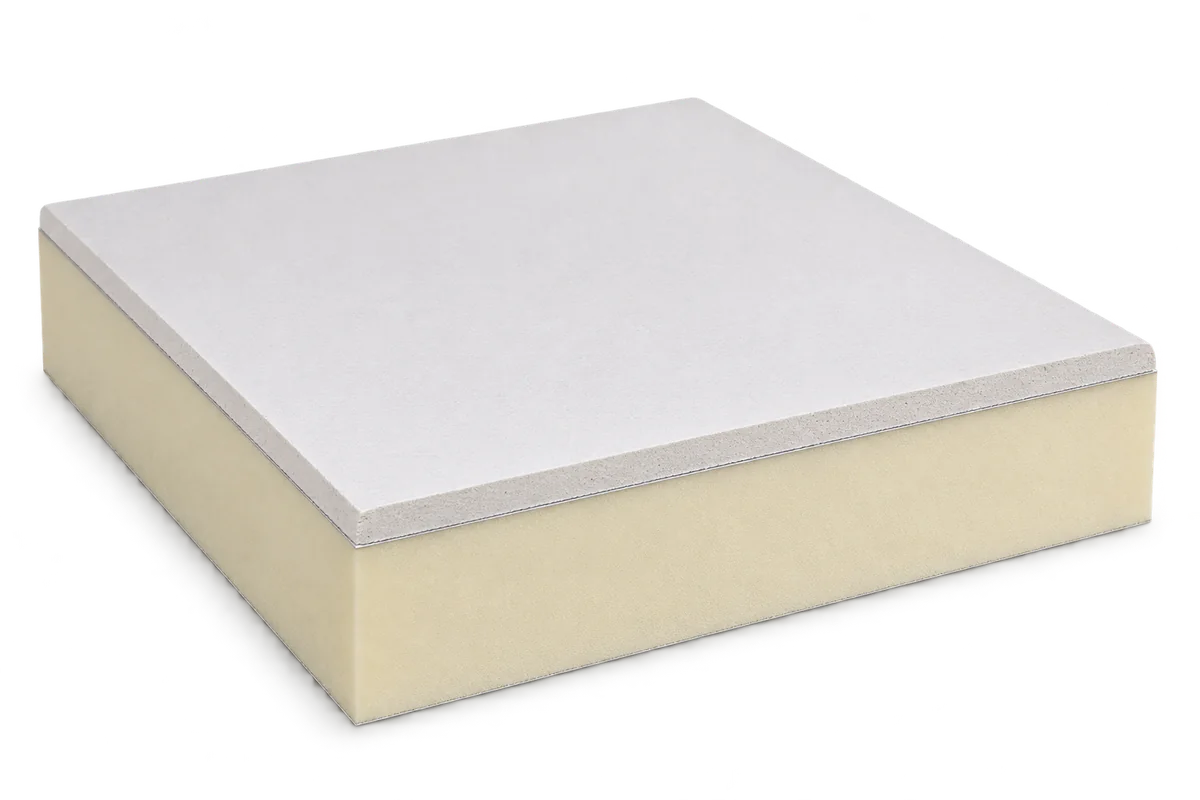
PIR bonded to plasterboard combines thermal insulation with a surface ready for interior finishing. Suitability depends on the whole wall, including the…